



2026 – CHW (images to follow)
2025 – CHW
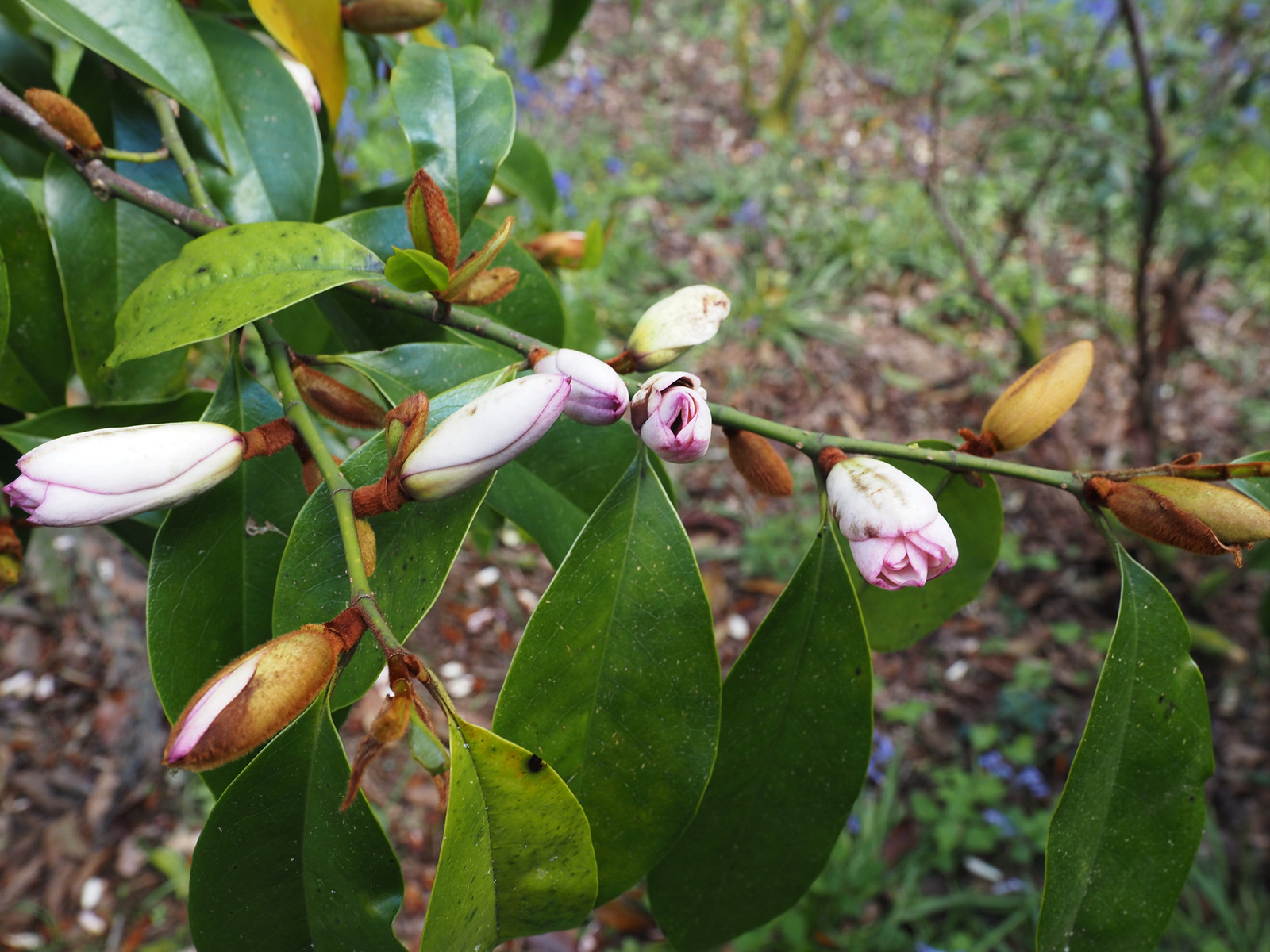
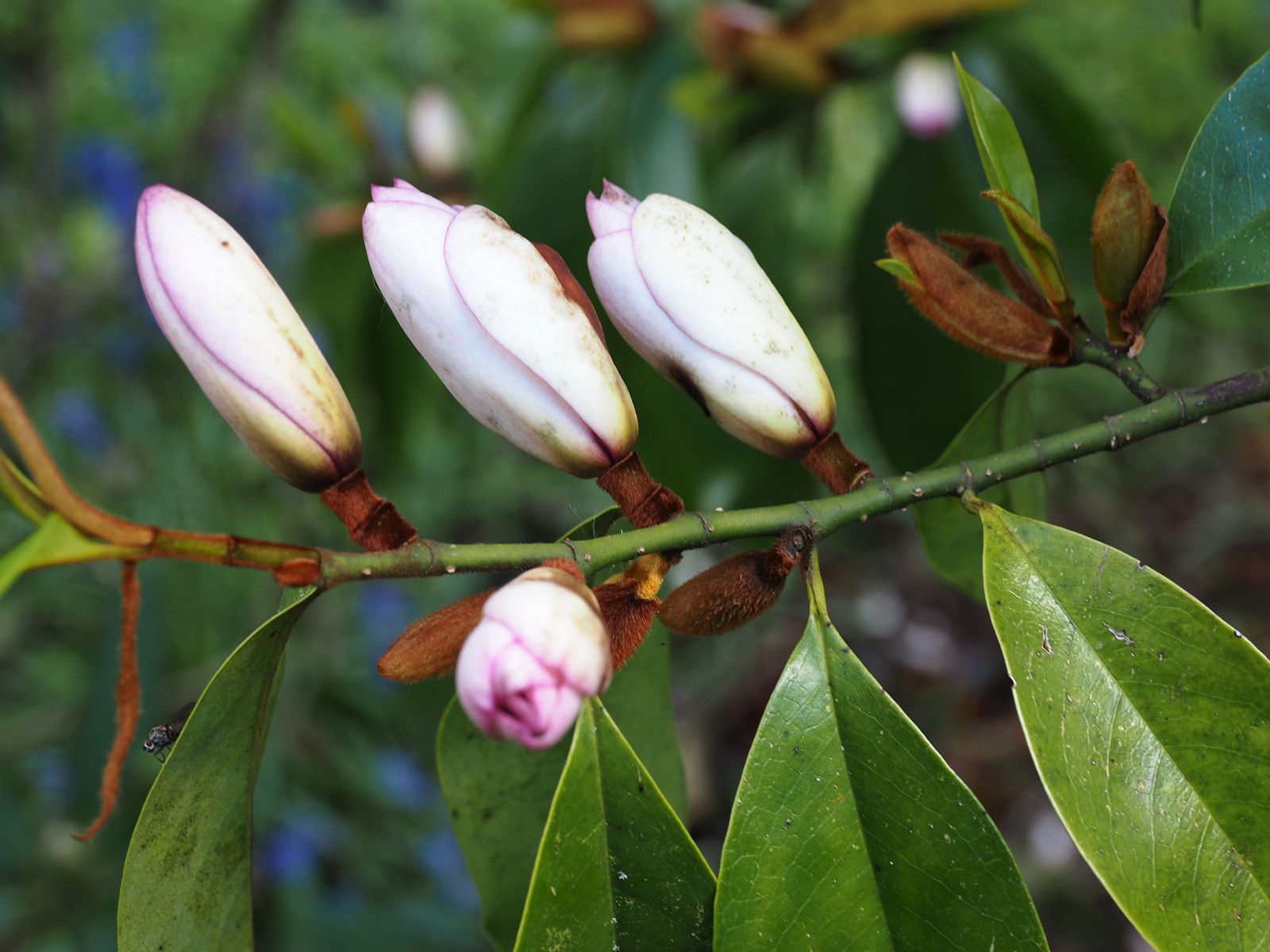
John Marston writes back to say that he agrees that our Magnolia ernestii has red buds very similar to his but quite unlike his second tree which does not have red buds.
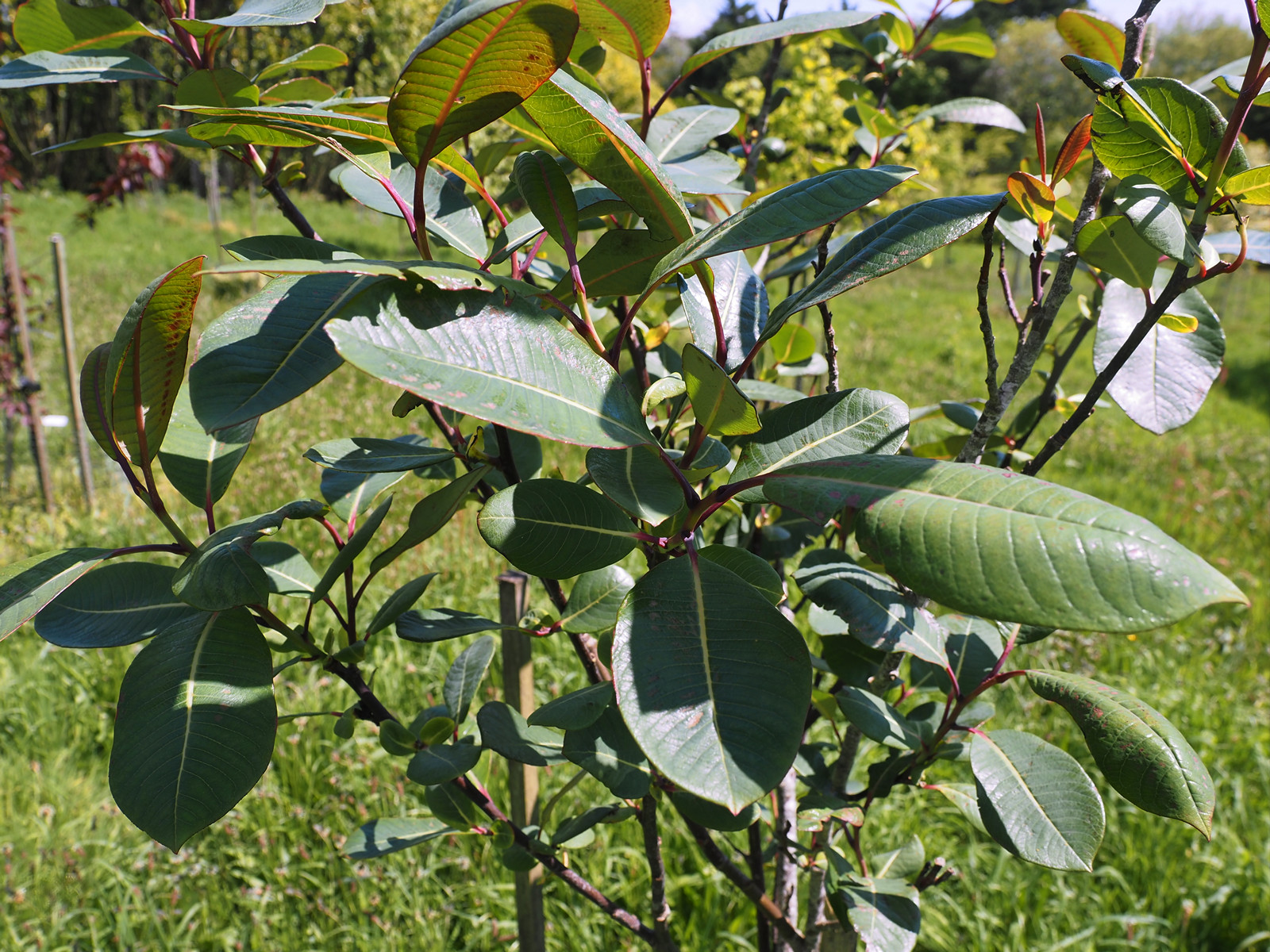
Flowers on a newly planted Weinmannia trichosperma which had been in the Burncoose show tunnel for some years.


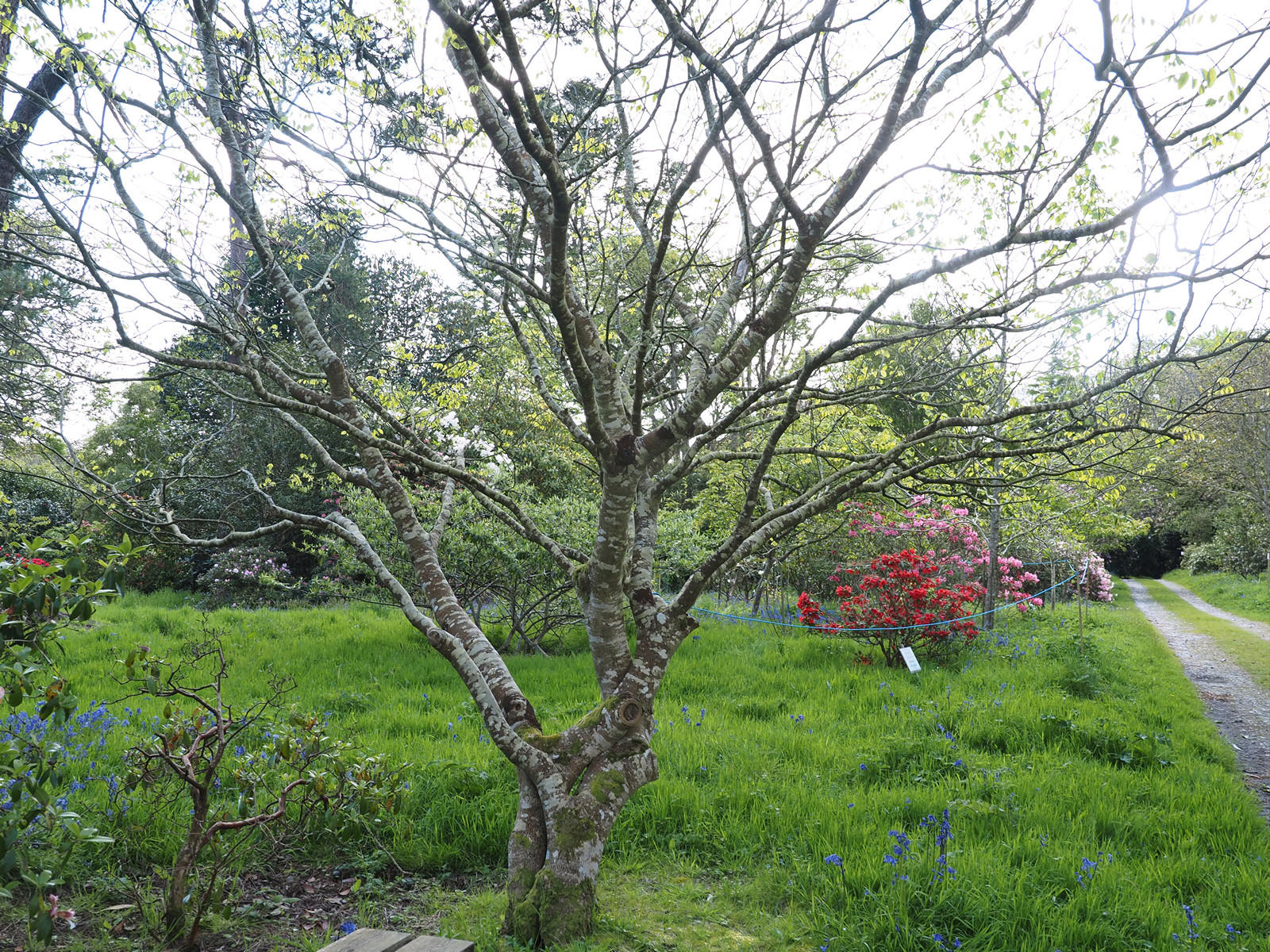
The swans have hatched a new brood of cygnets. Not sure how many yet. 3 of the last years brood are still sulking in the lower moor. Saw 2 Kingfishers in their full plumage.We only have one really mature Malus and I think this is Malus x purpurea by the Camellia ‘George Blandford’.


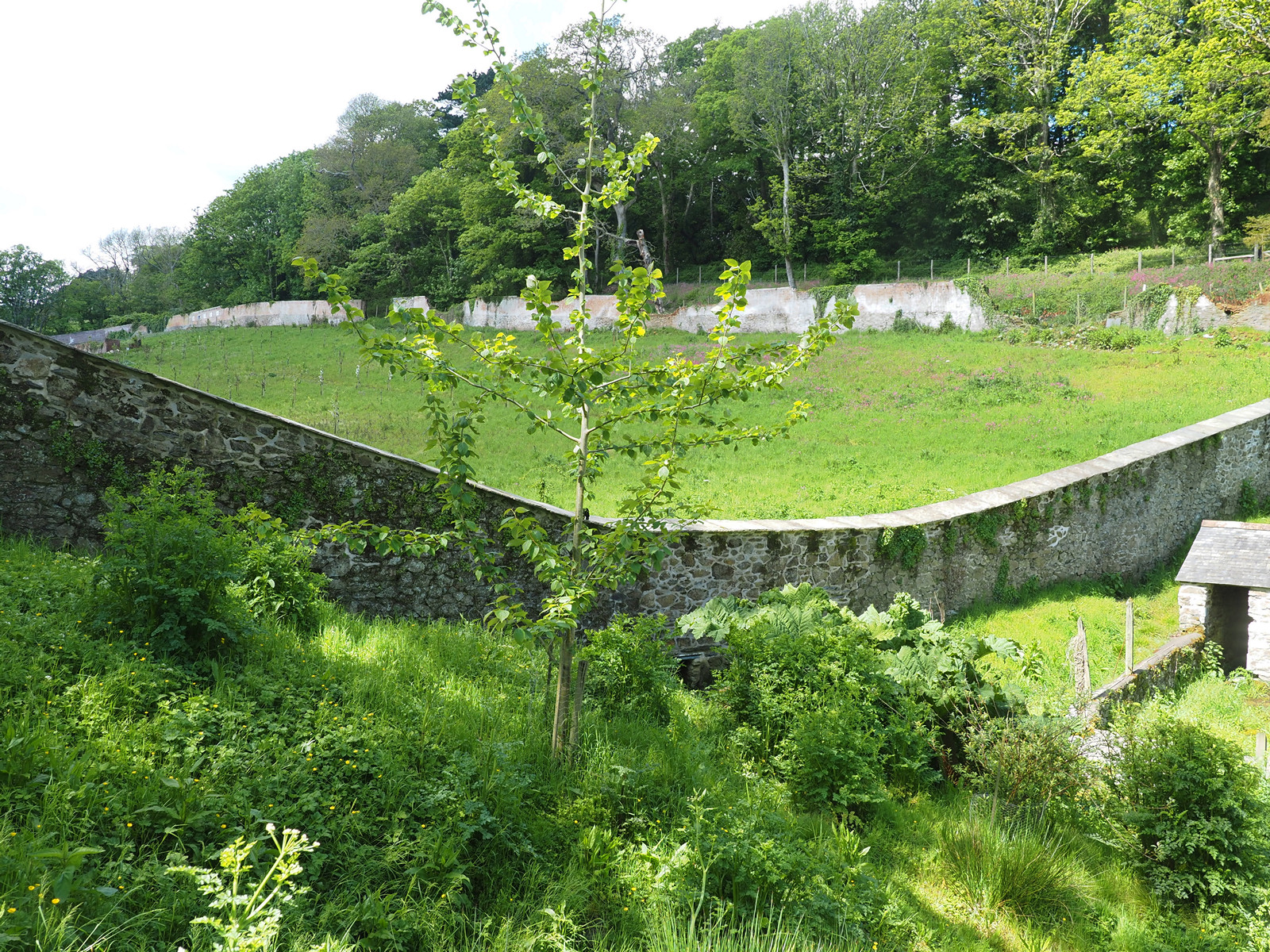
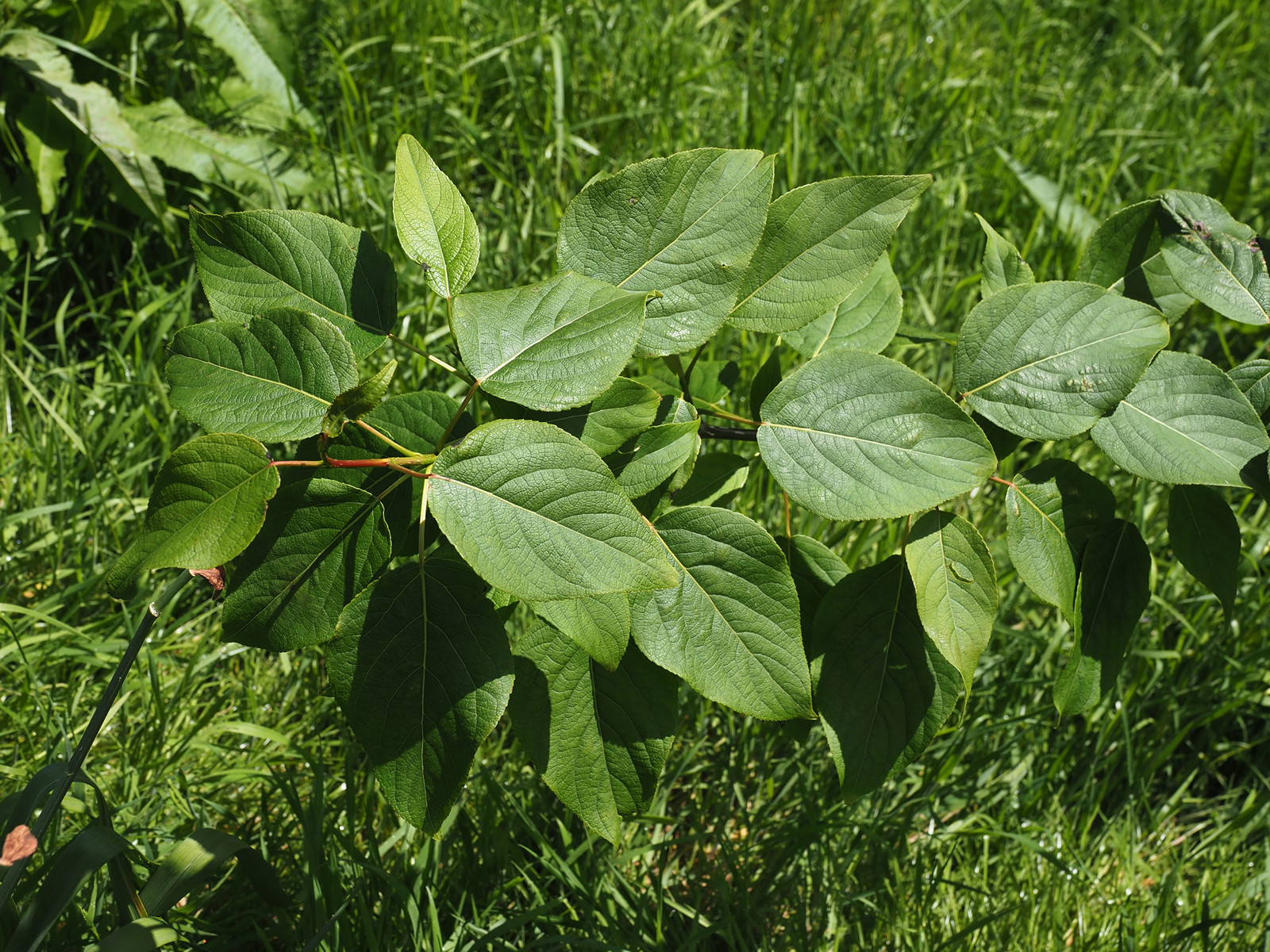
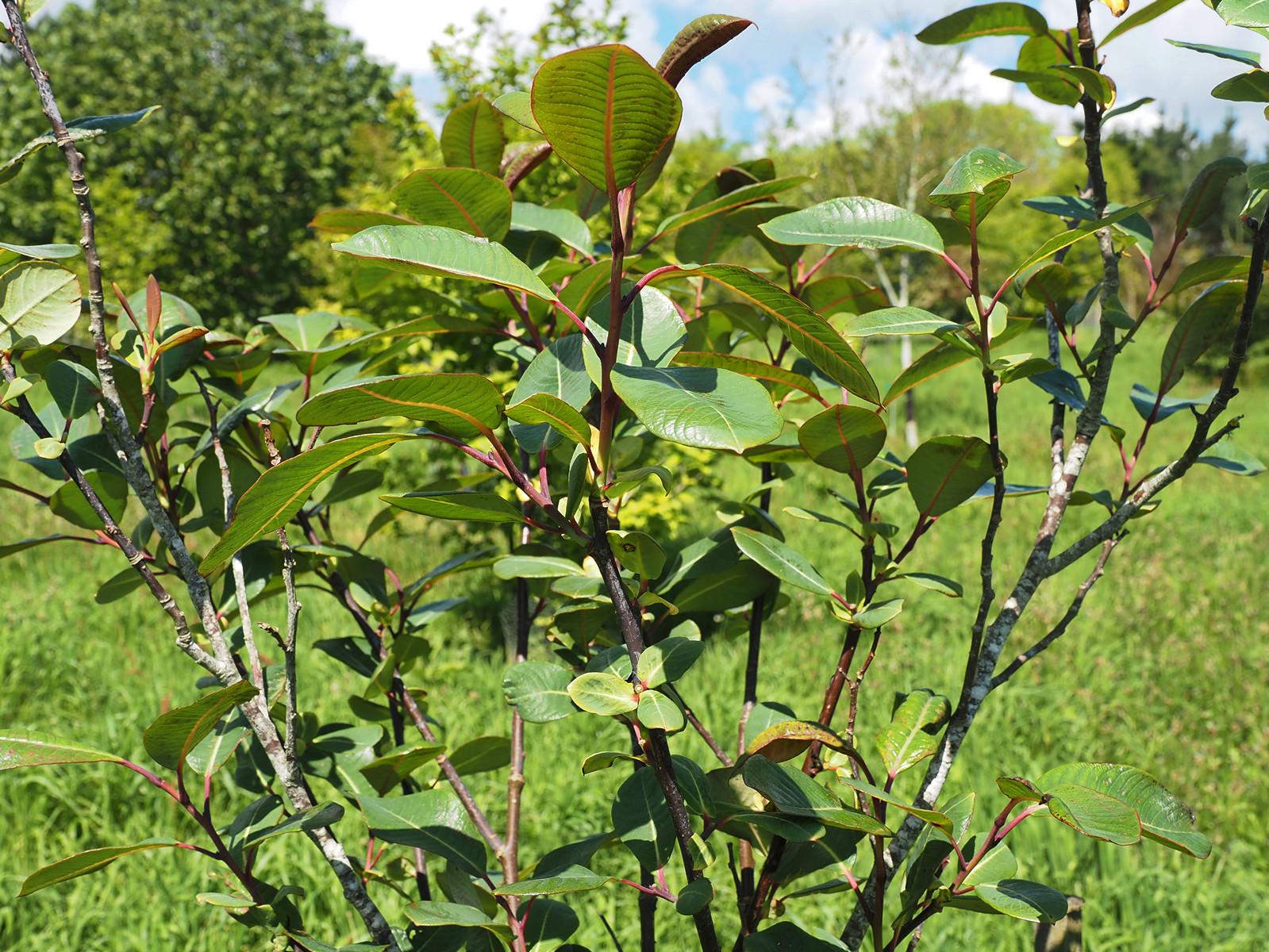
Populus purdomii growing away quickly. The reddish new growth fades quickly.
2022 – CHW
As the Chelsea team start to pick out the plants for the Burncoose Nurseries stand in the Great Pavilion ready to load the first lorry on Monday it is time to give you all a quick preview of some of the key plants which we hope to feature.
This year has seen a warm, mild, and frost free spring so the plants in our show tunnel are perhaps two to three weeks more advanced than in most years. The result is that many of the plants which are regular favourite shrubs for Chelsea are already over (Magnolias and Enkianthus) and we have therefore had to come up with new things which visitors to Chelsea may not often have seen on our stands before. An interesting challenge.
It seems strange to be entering into the hustle and bustle of Chelsea preparations after two years of lockdown. Dusting off old lists of things not to forget, wherever did we put the seed rack and what should the post covid daily staff London expenses actually be?
It will get more frantic yet as we are still 10 days away from the inspection of our stand by the Chelsea judges. Enjoy the plant preview but notice that several things are still in tight bud and may or may not make it to the stand.
A. Trees and larger shrubs
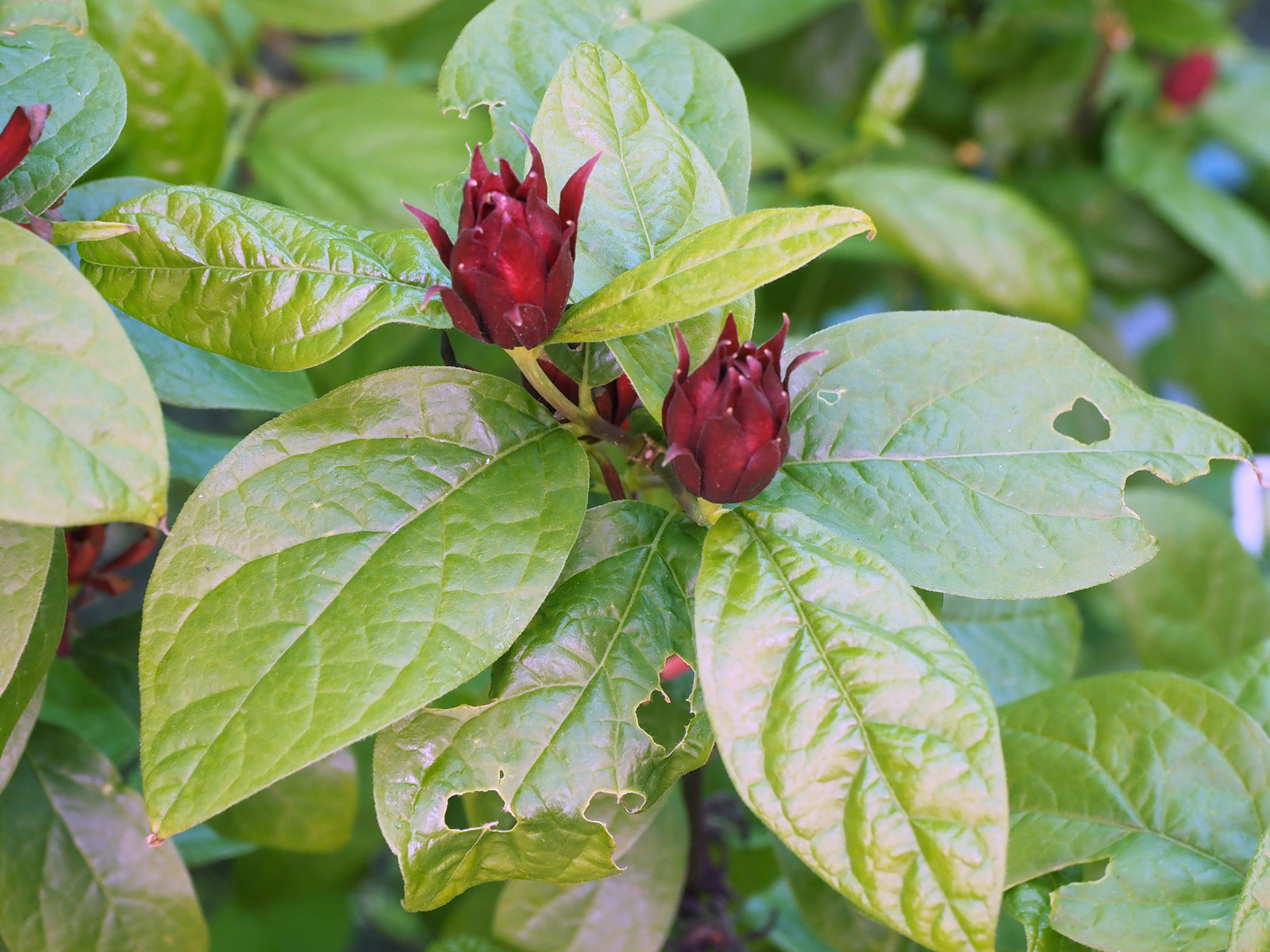
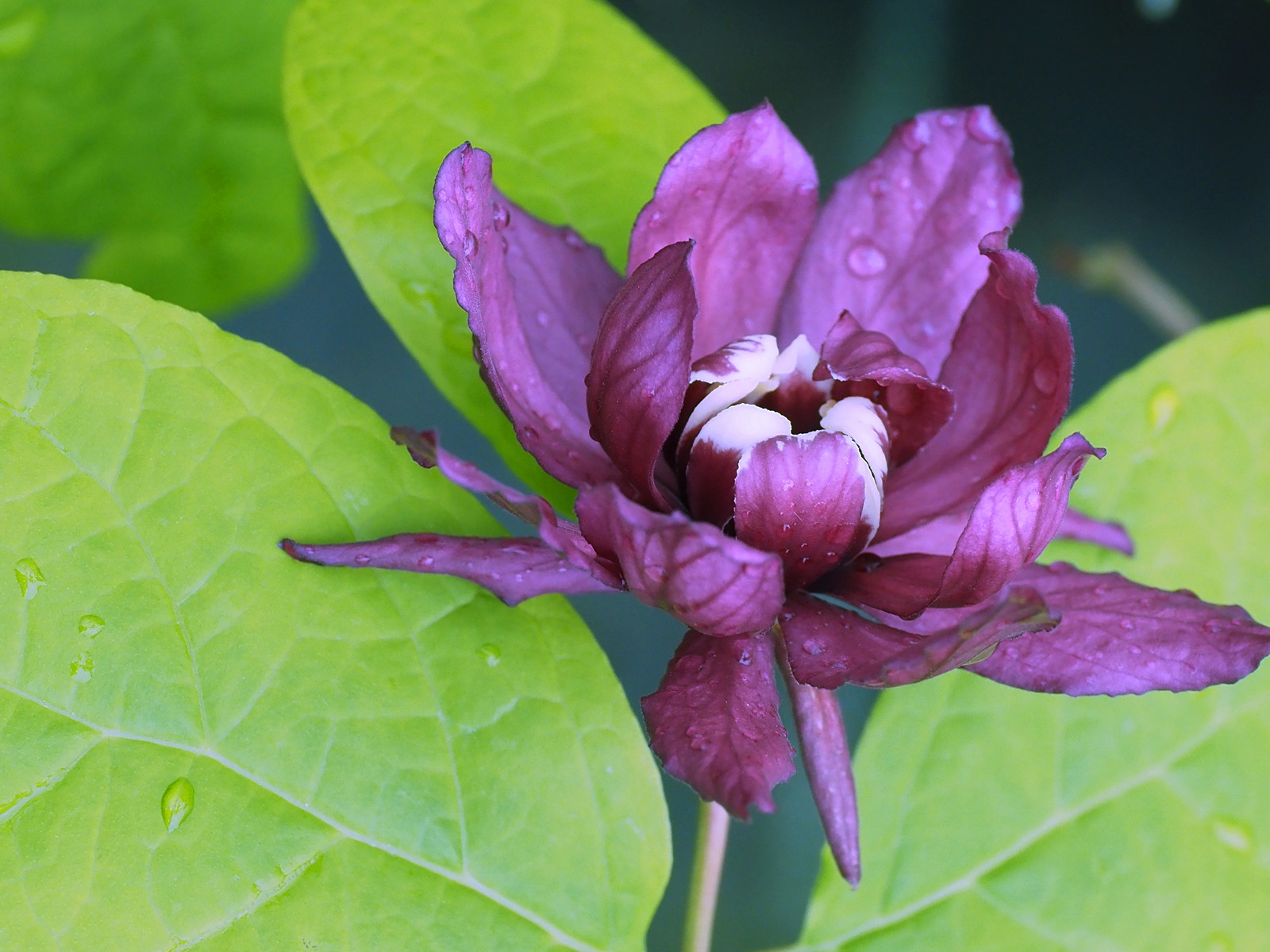
Calycanthus floridus [ALONGSIDE] Calycanthus raulstonii ‘Hartlage Wine’

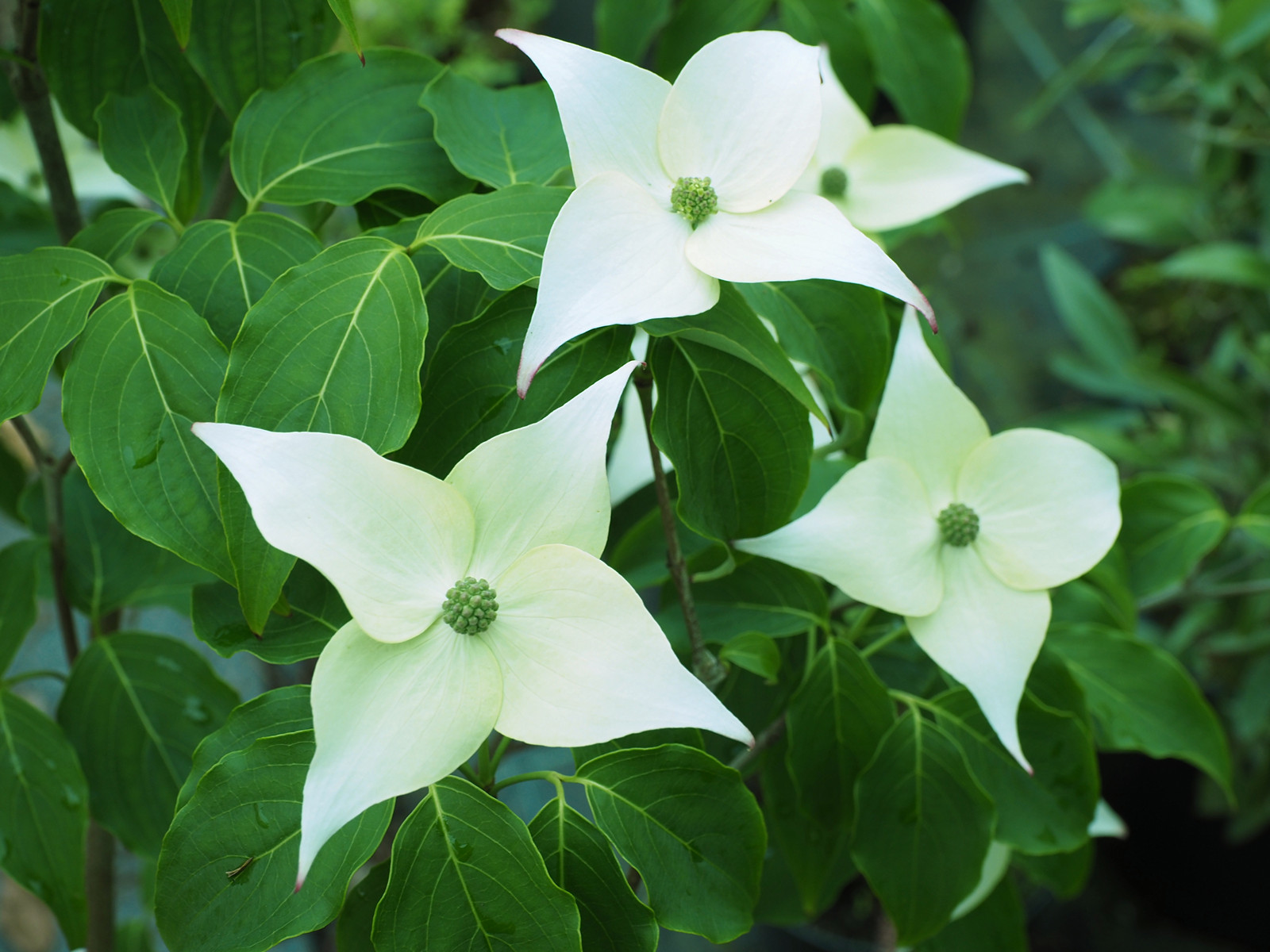
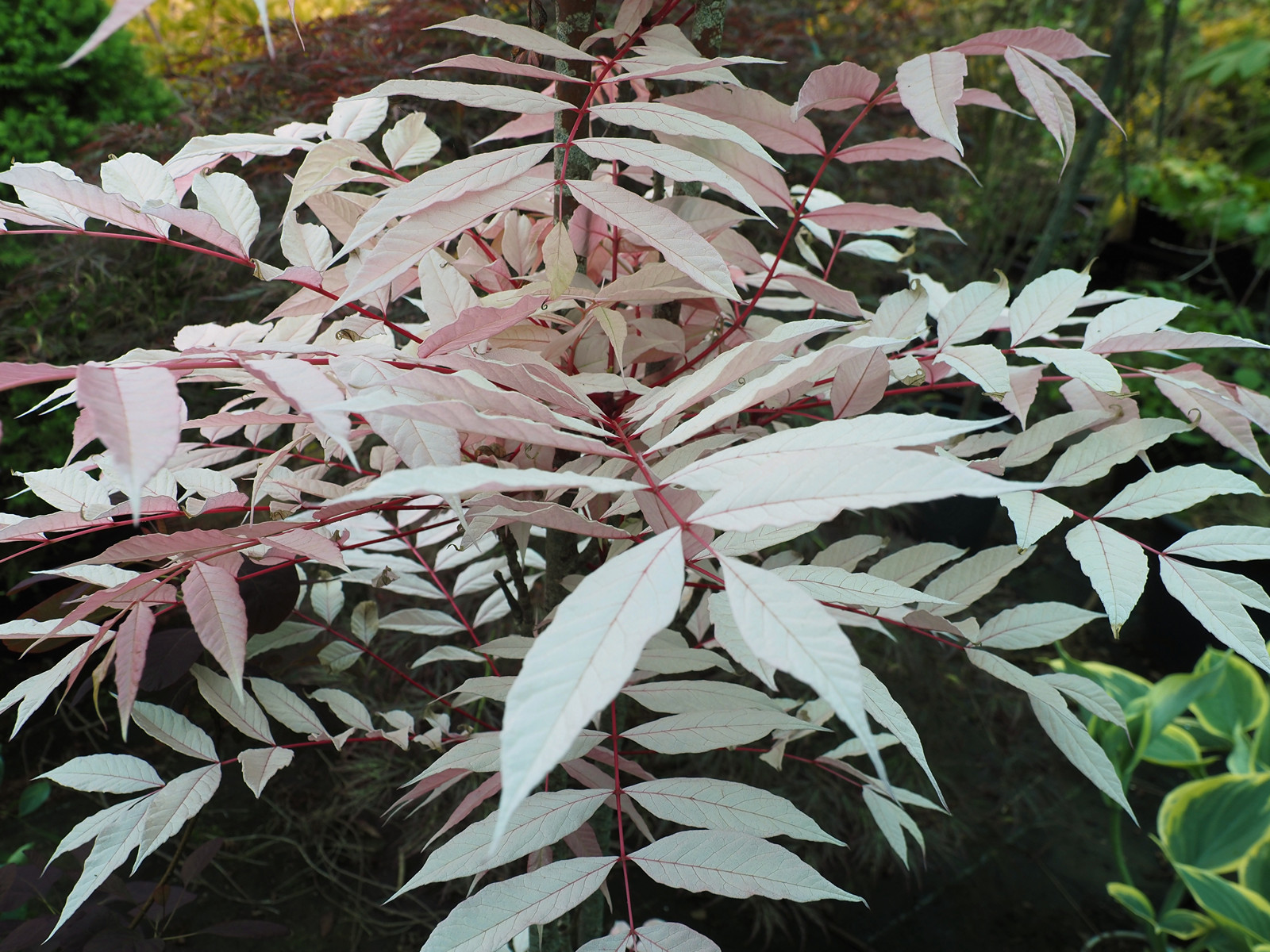
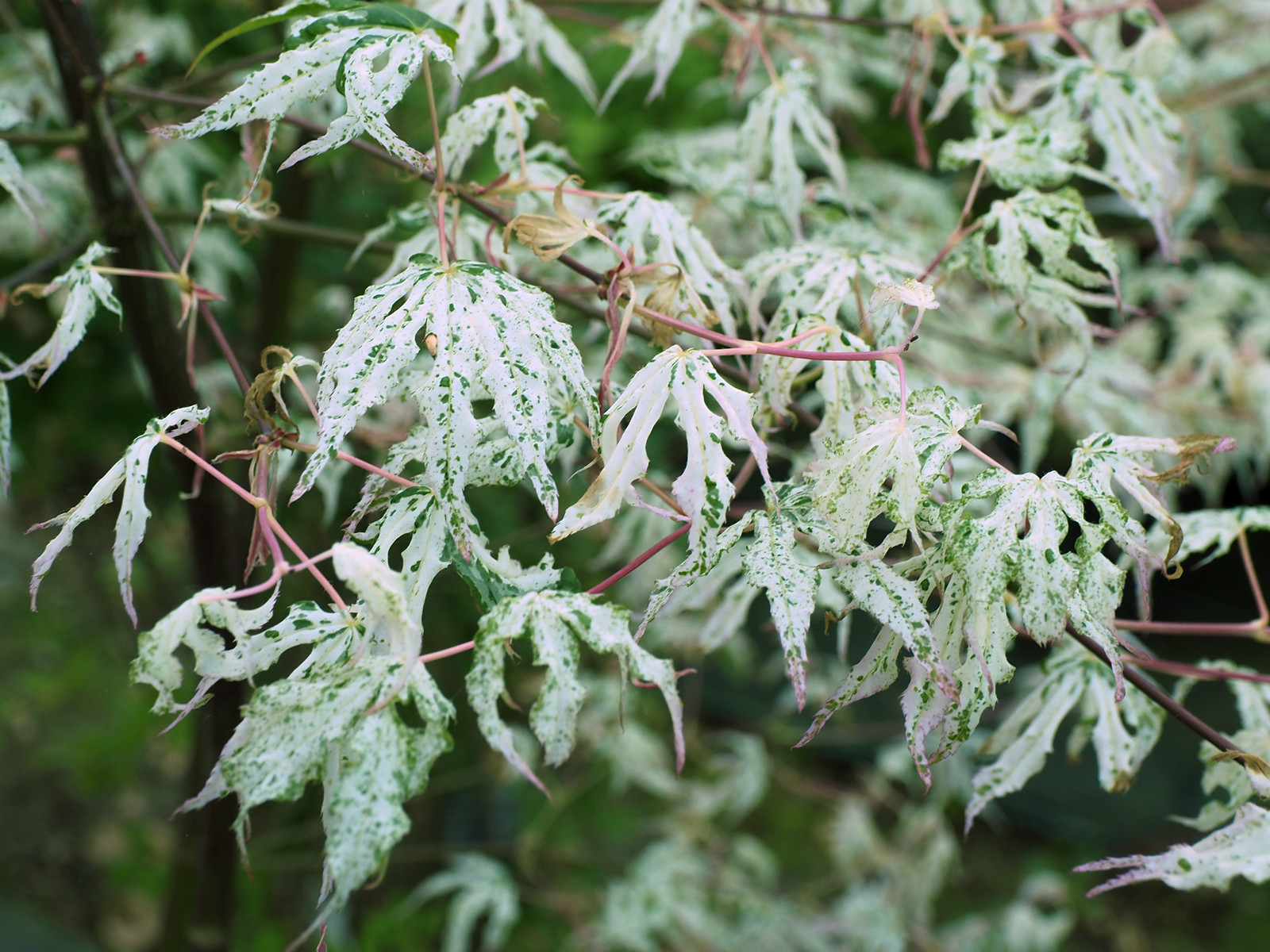
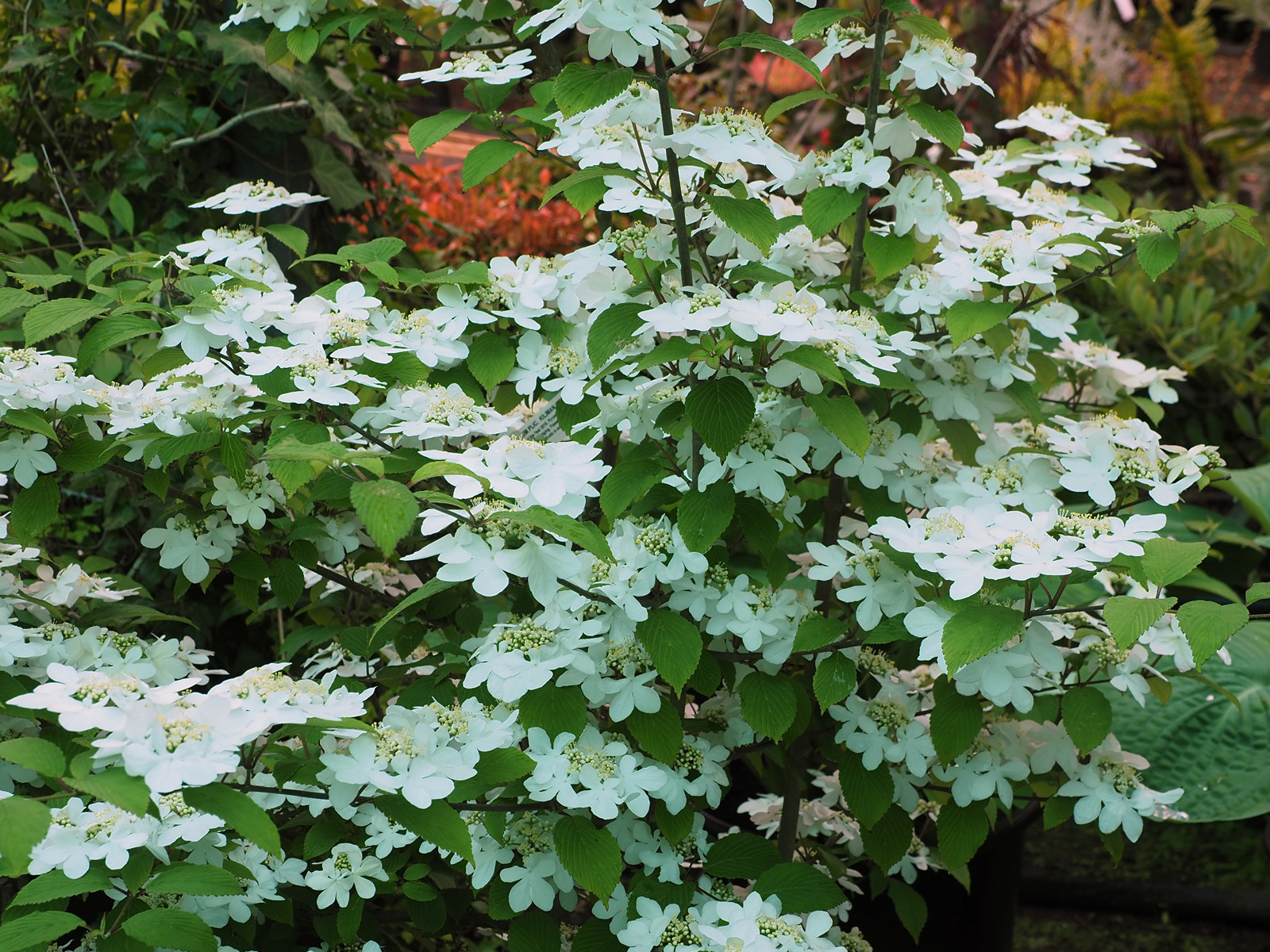

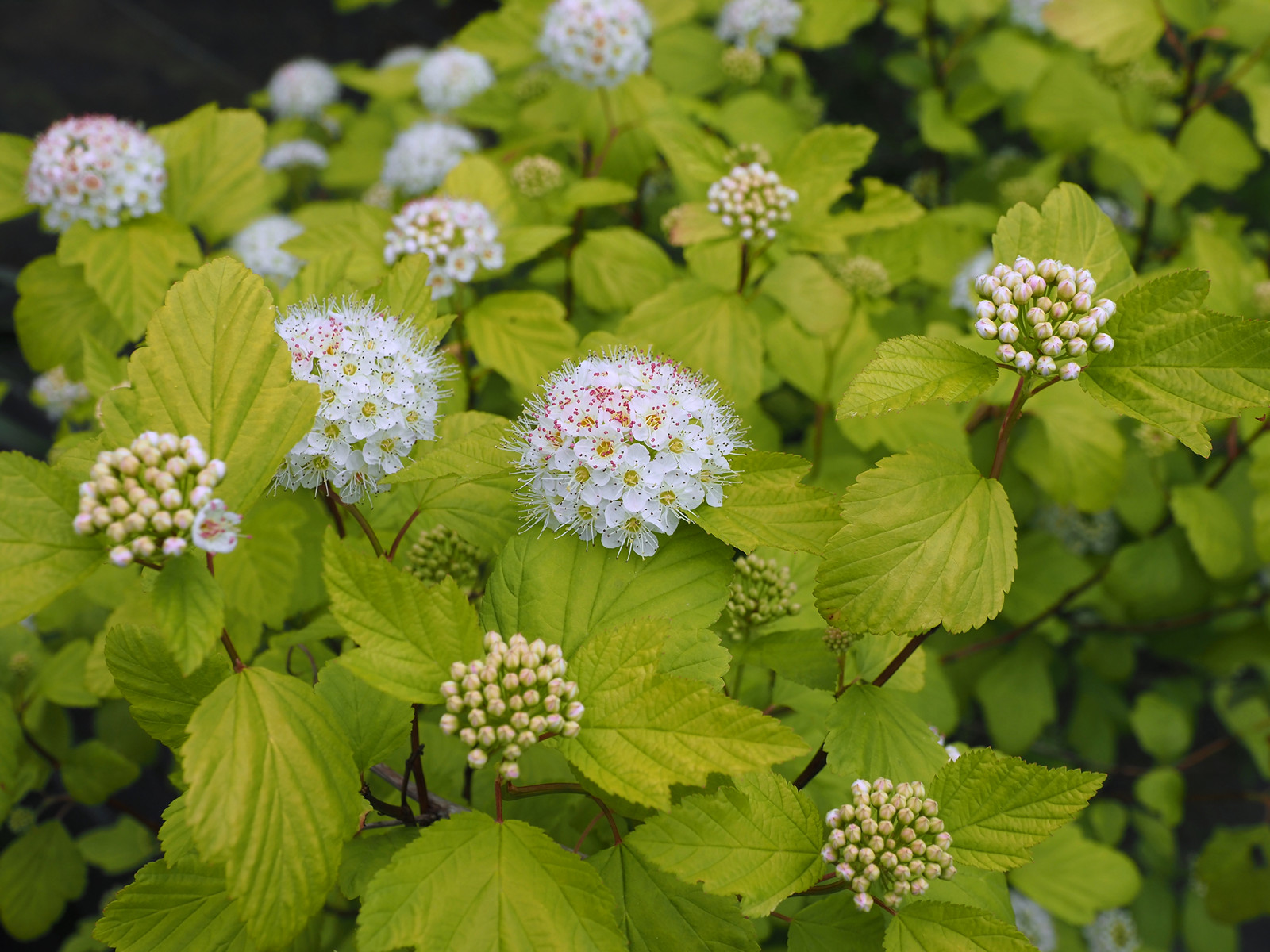
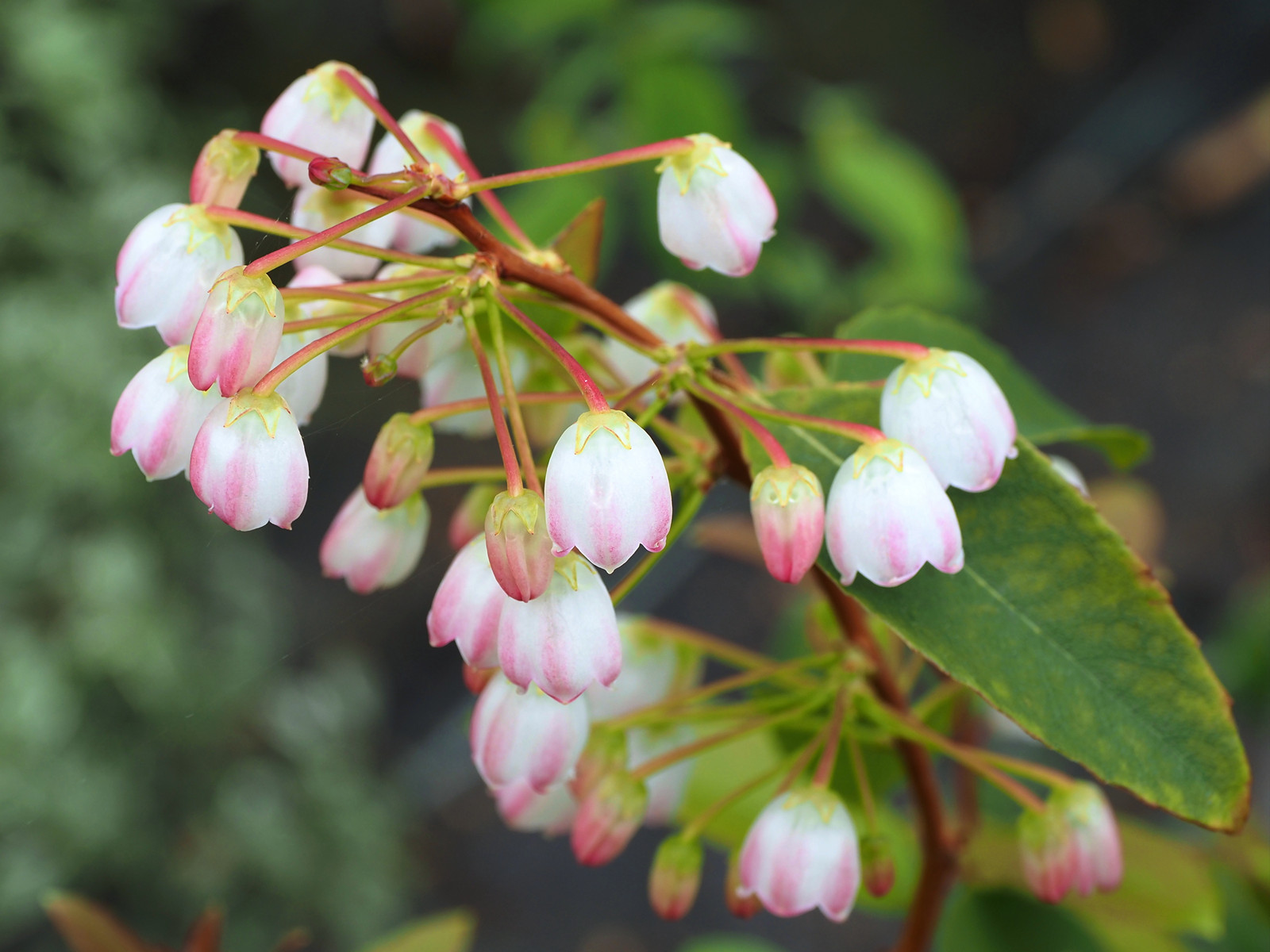
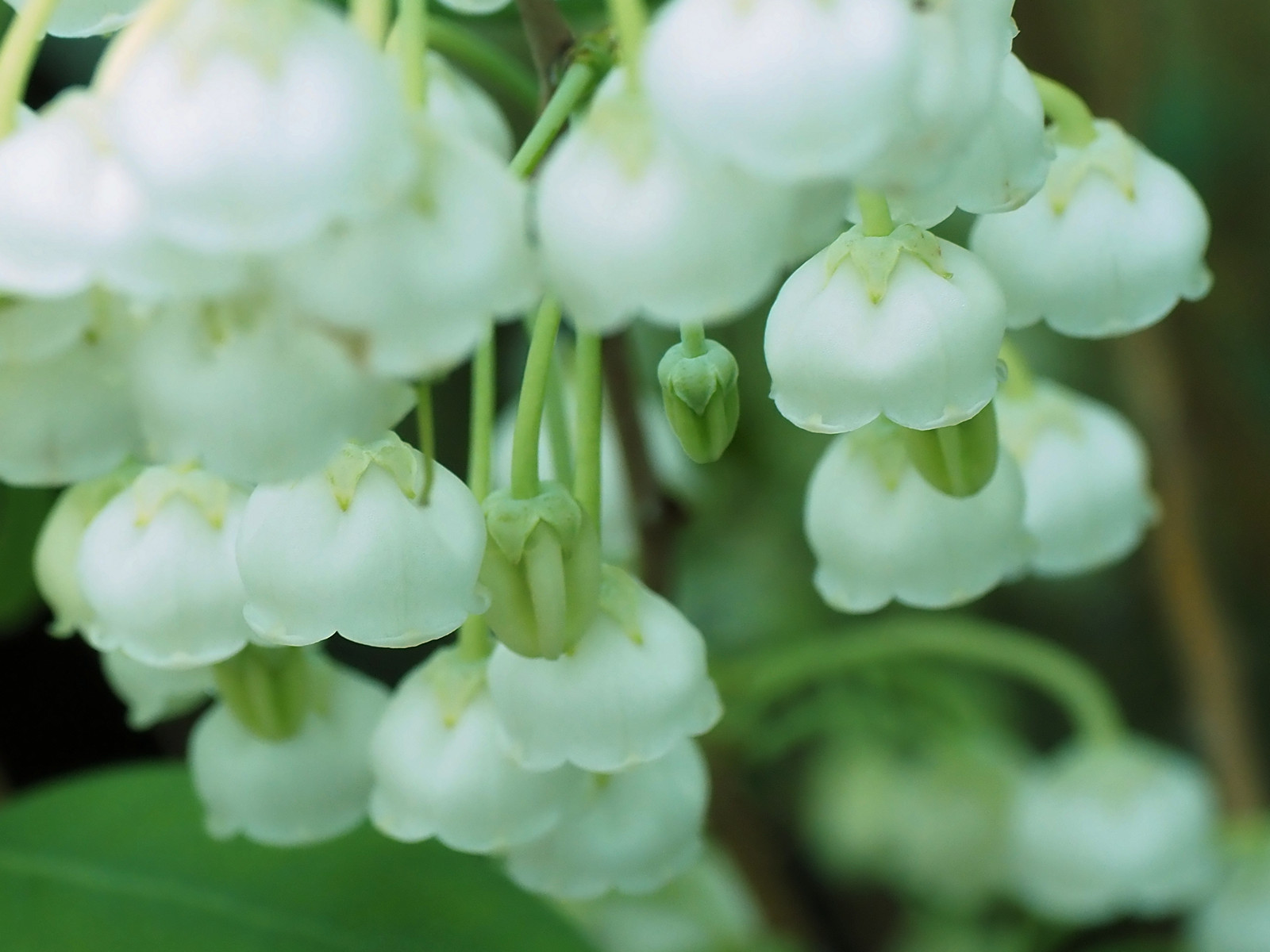
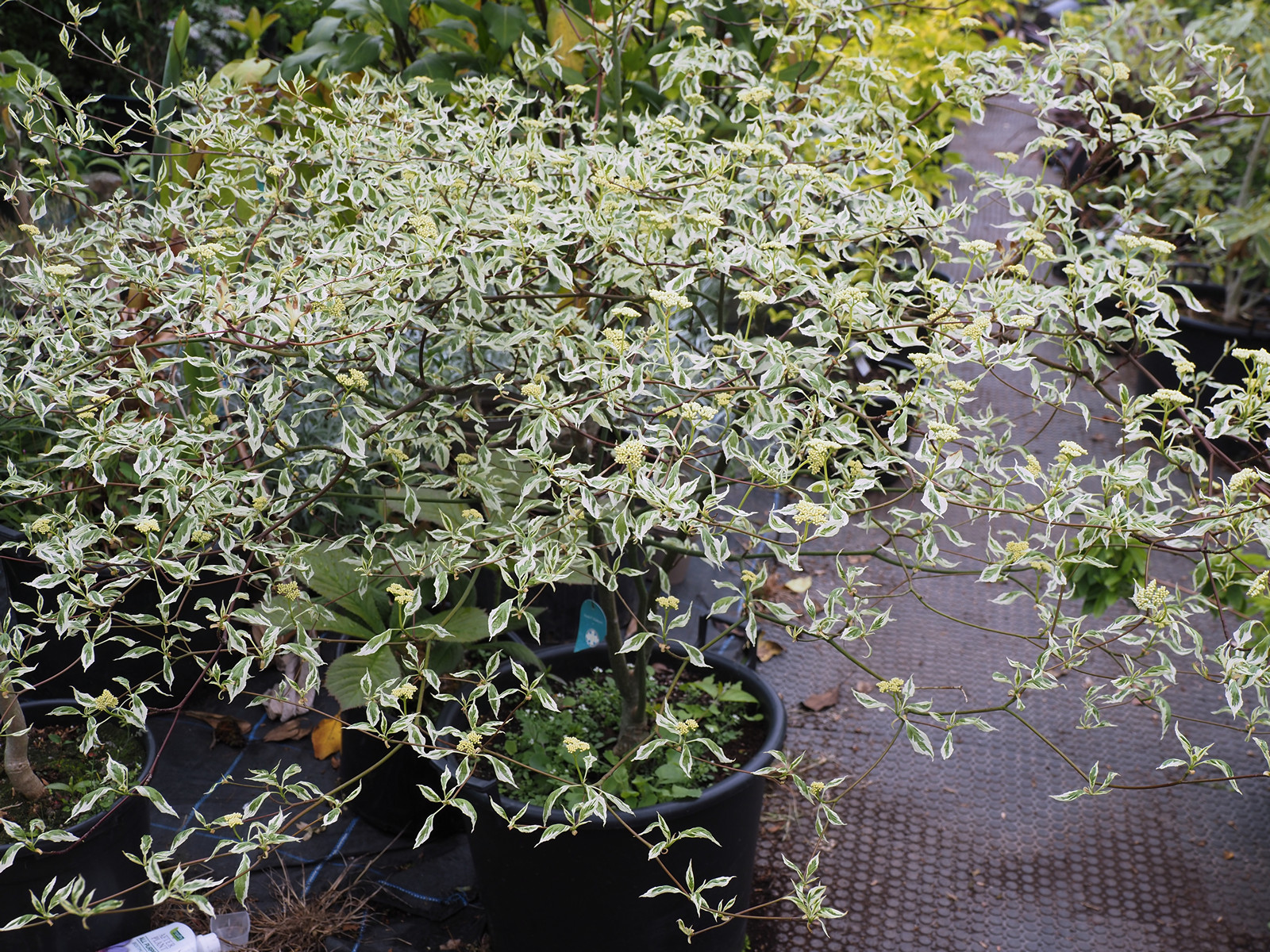
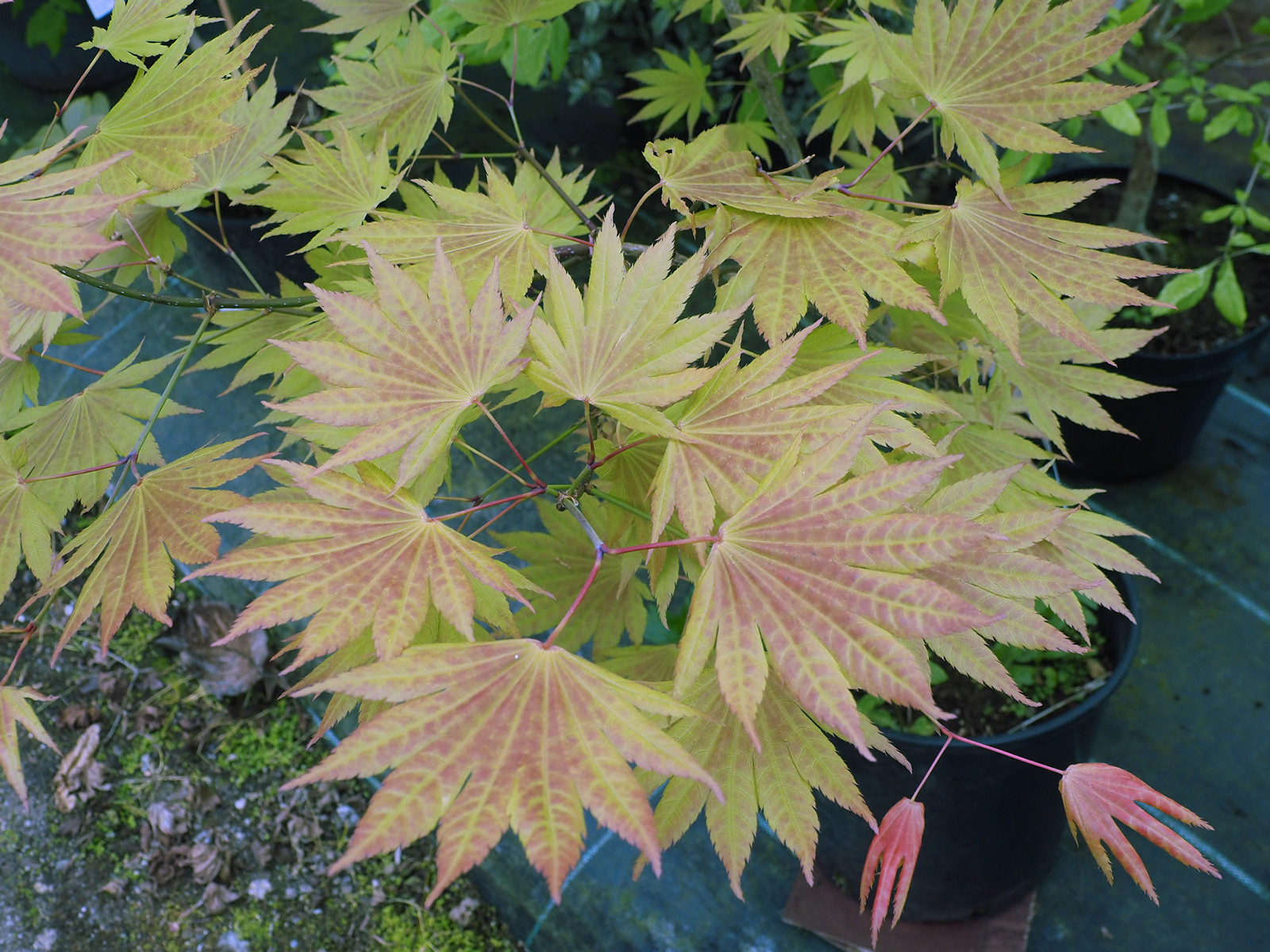
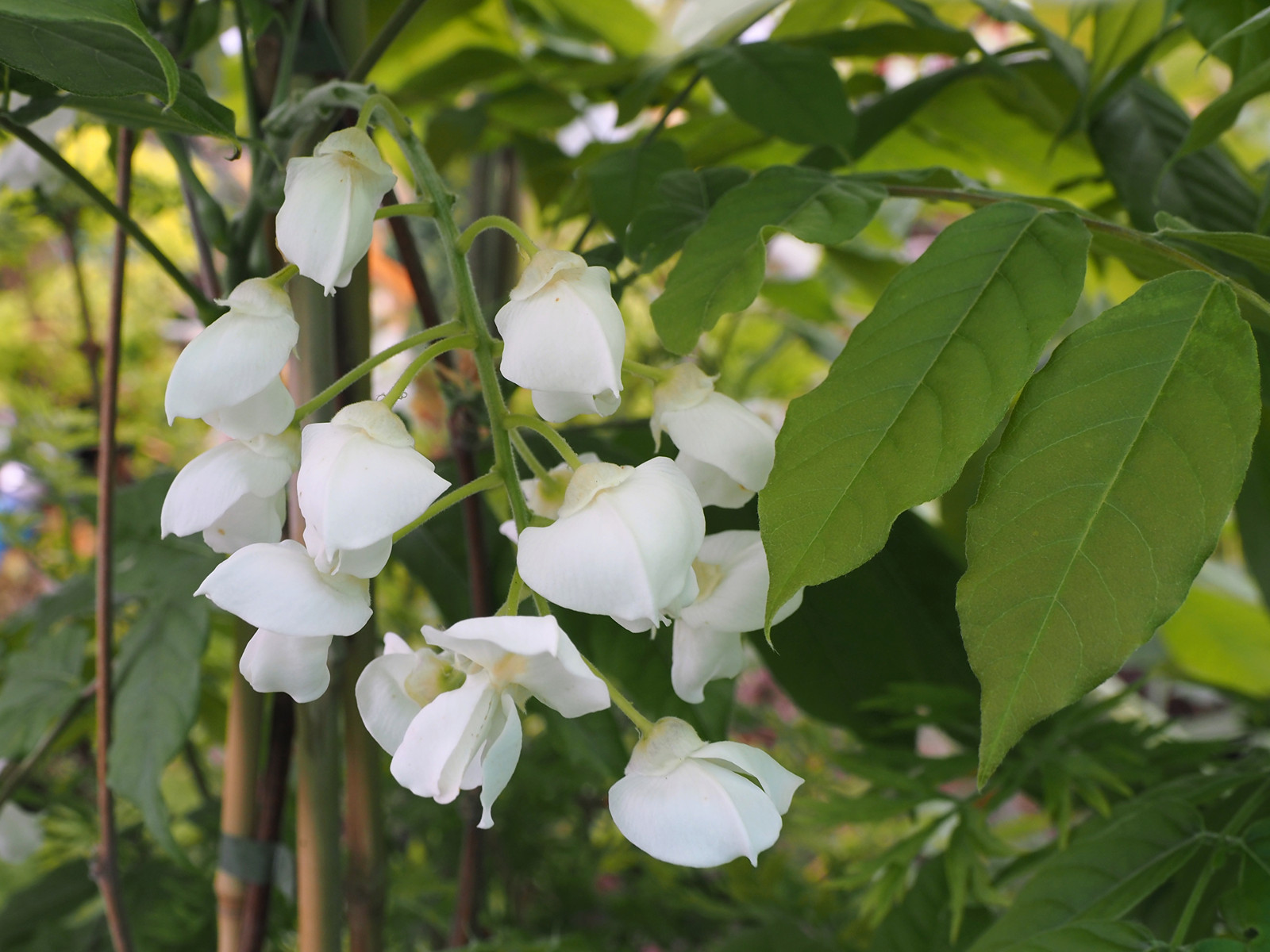
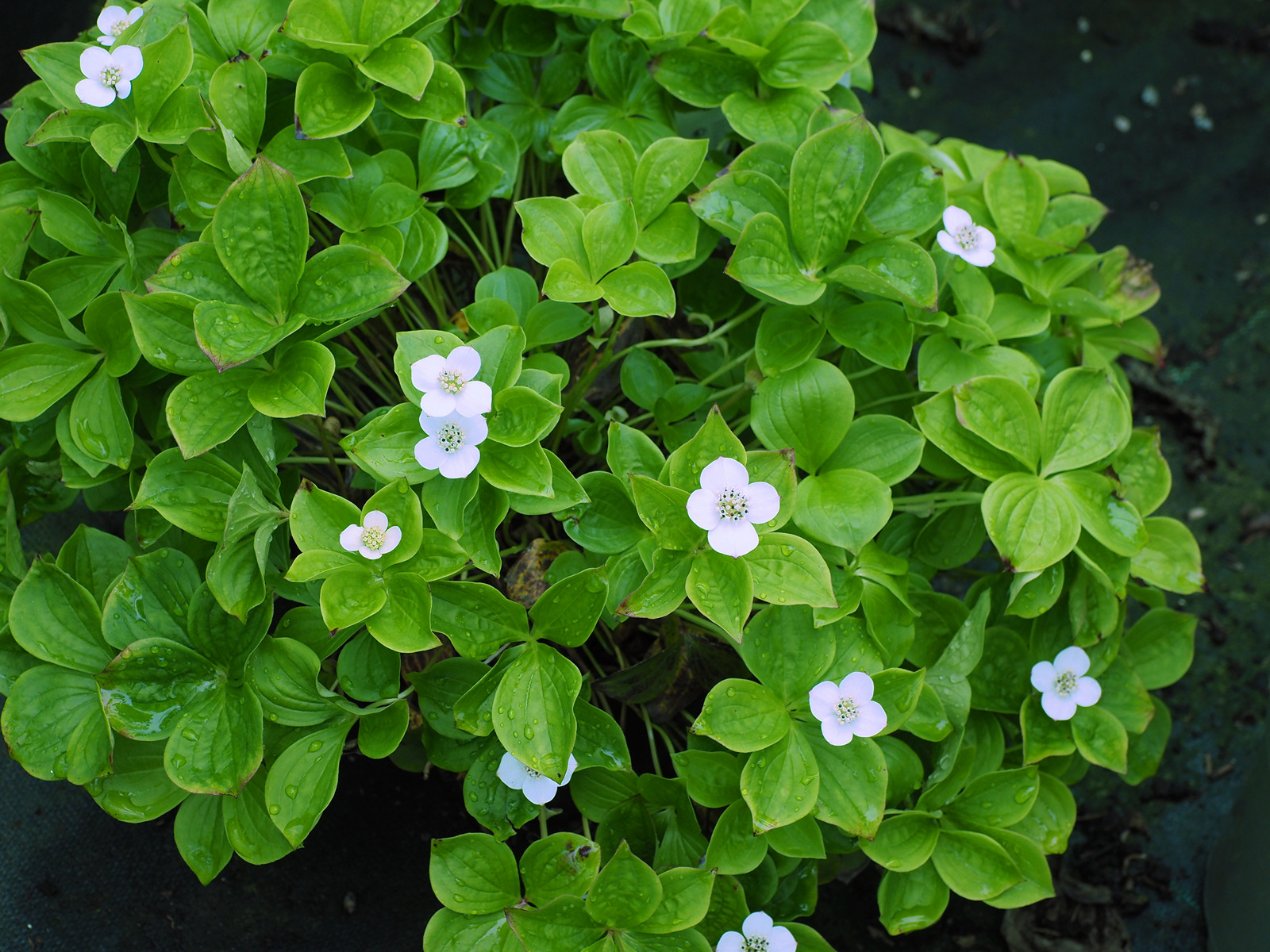

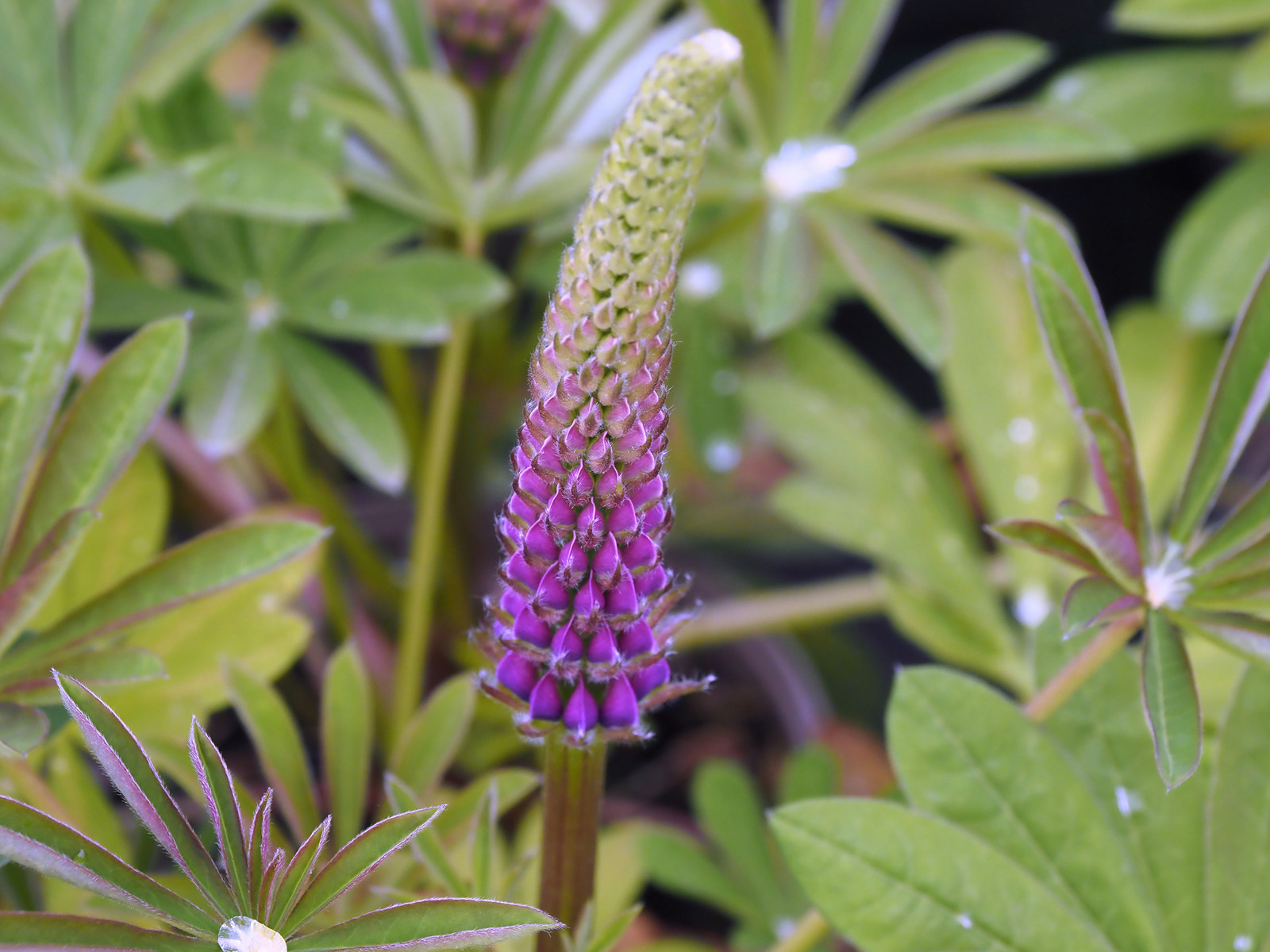
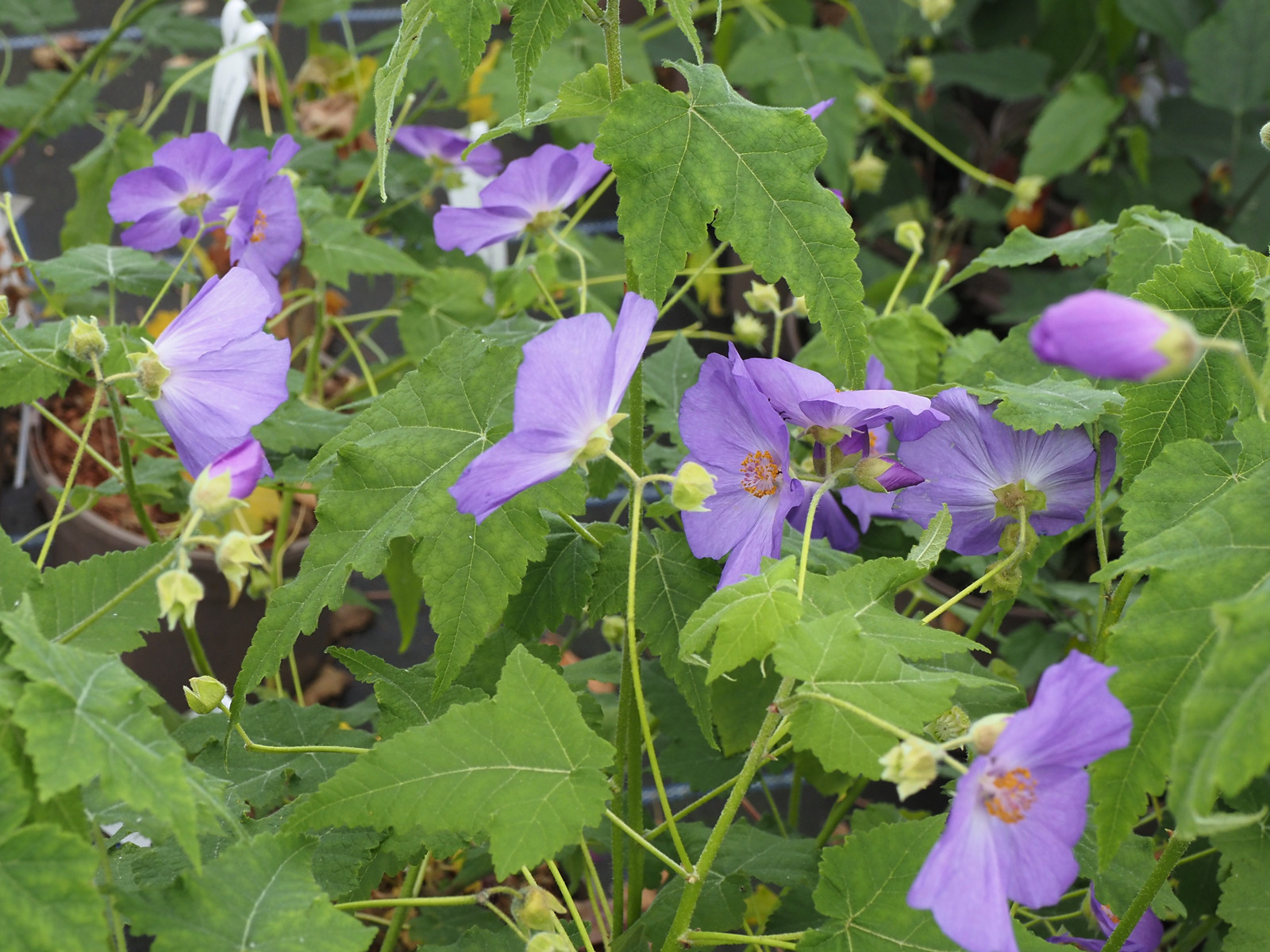
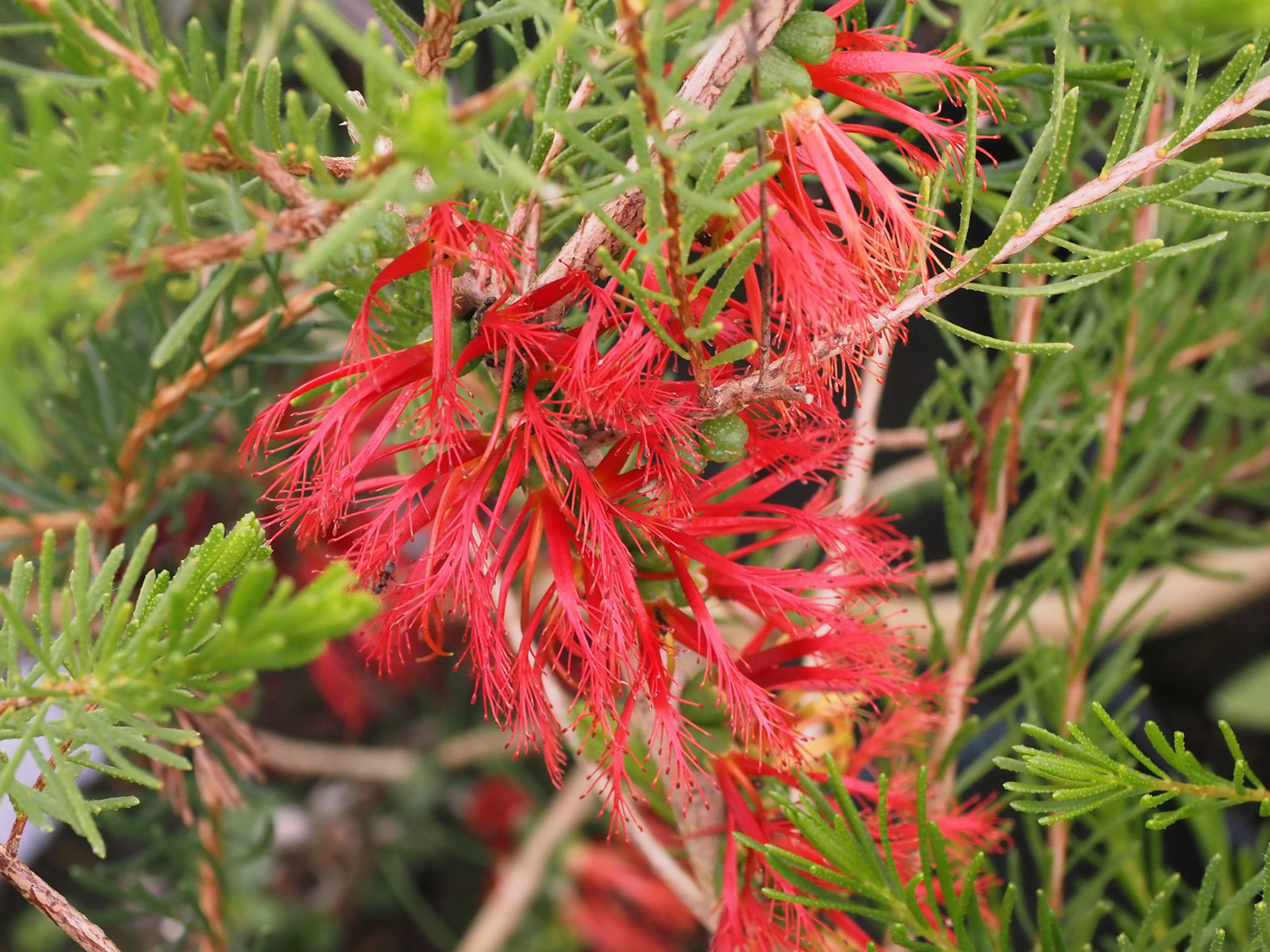
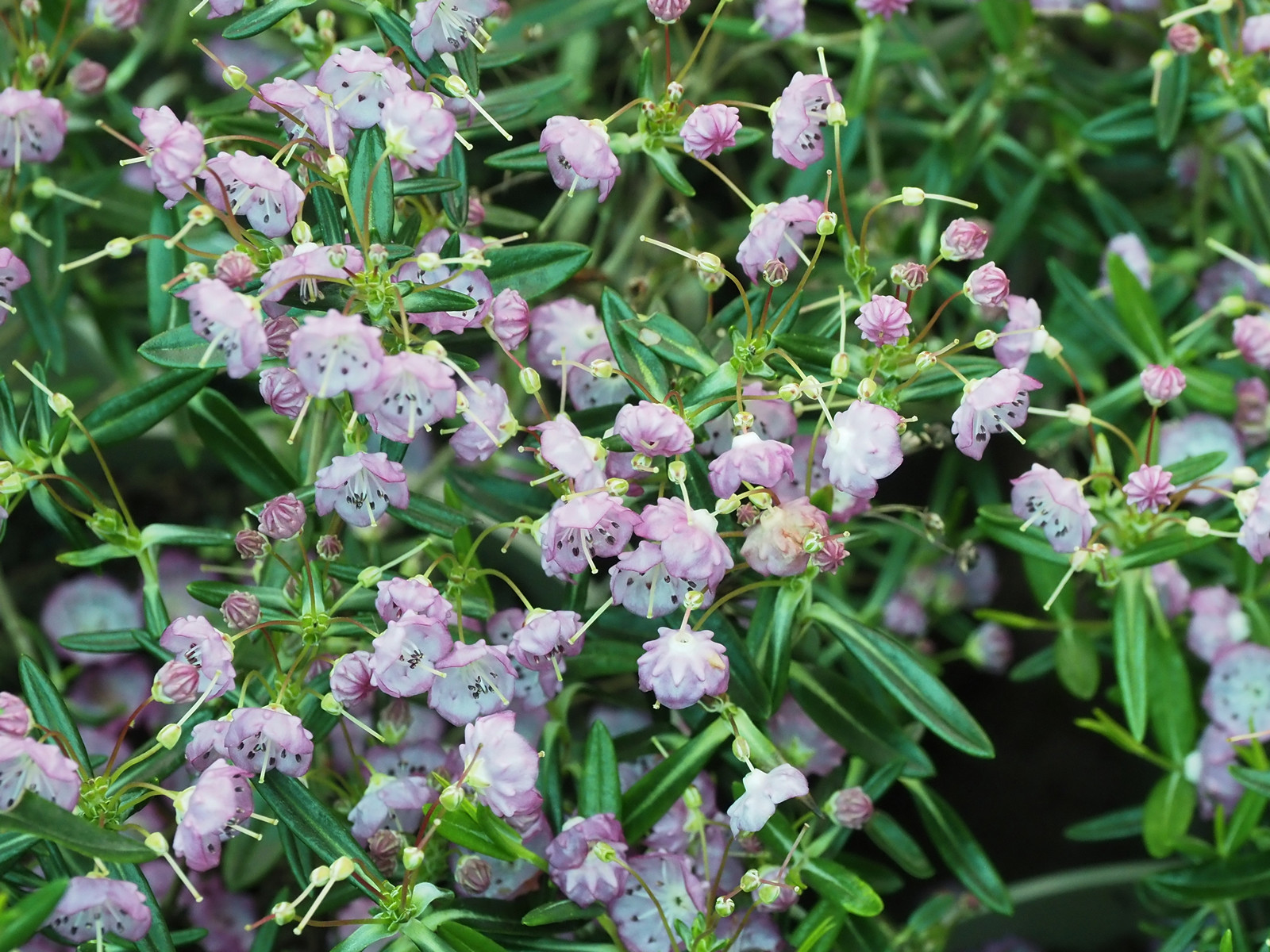
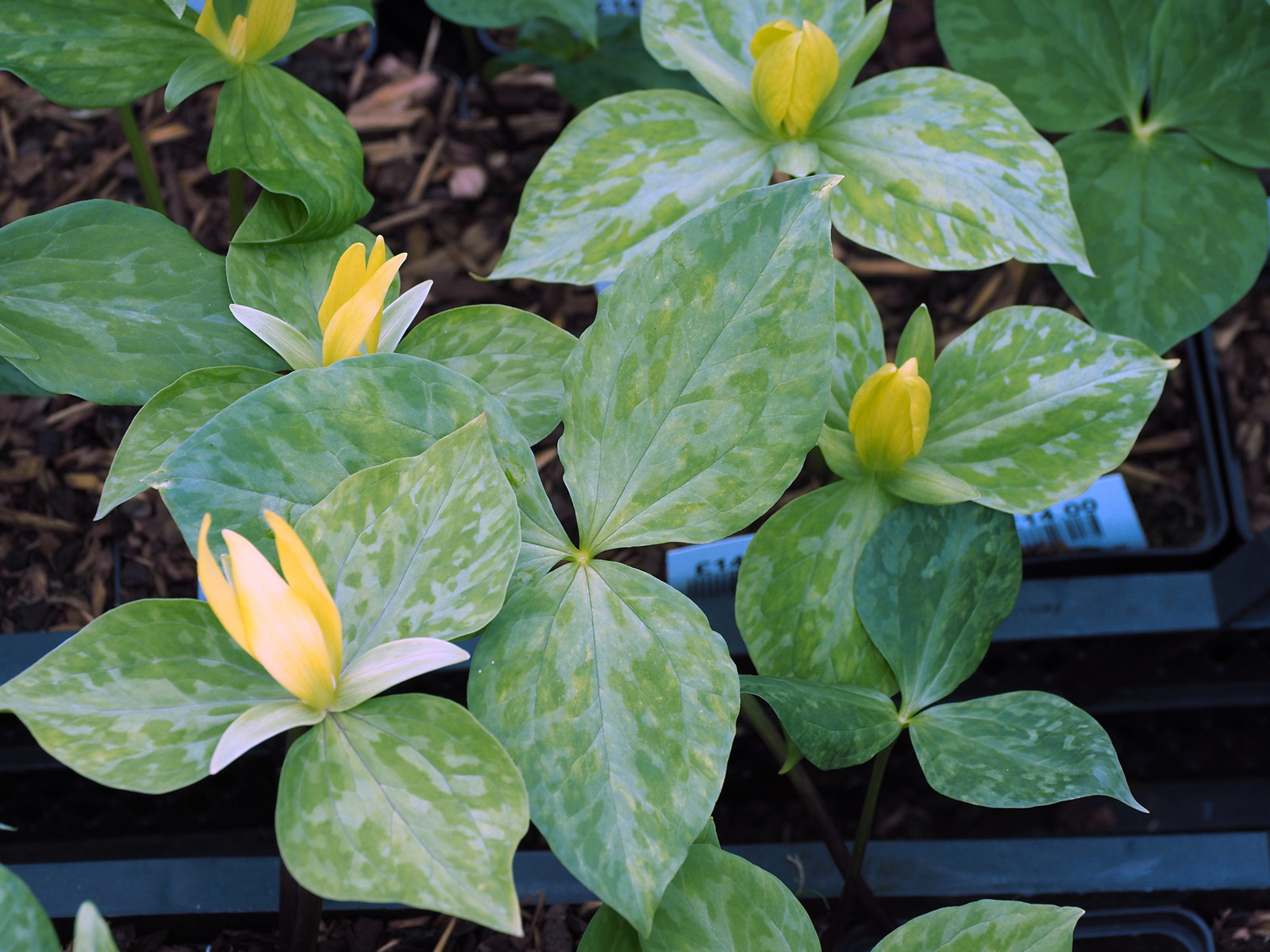

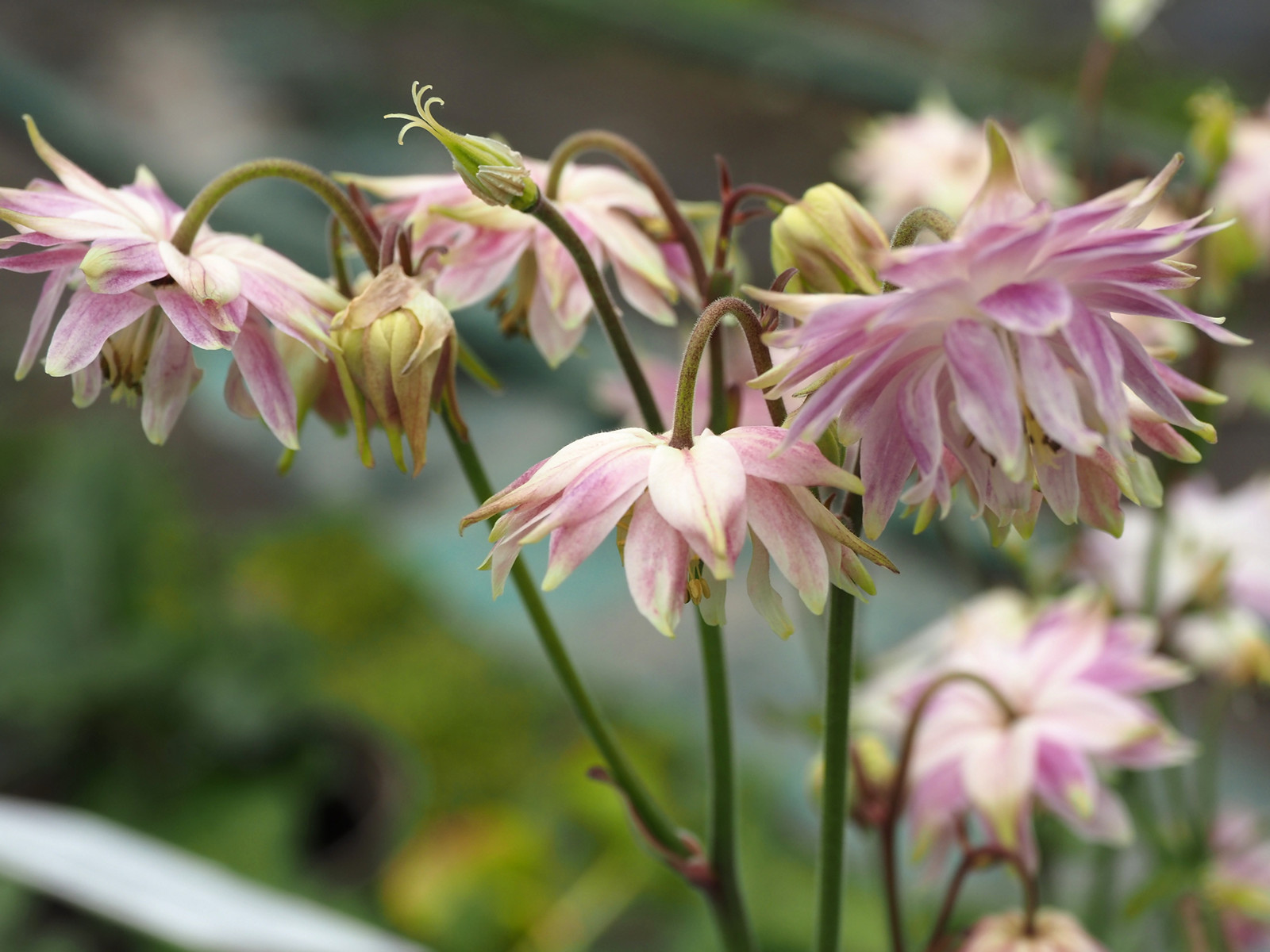
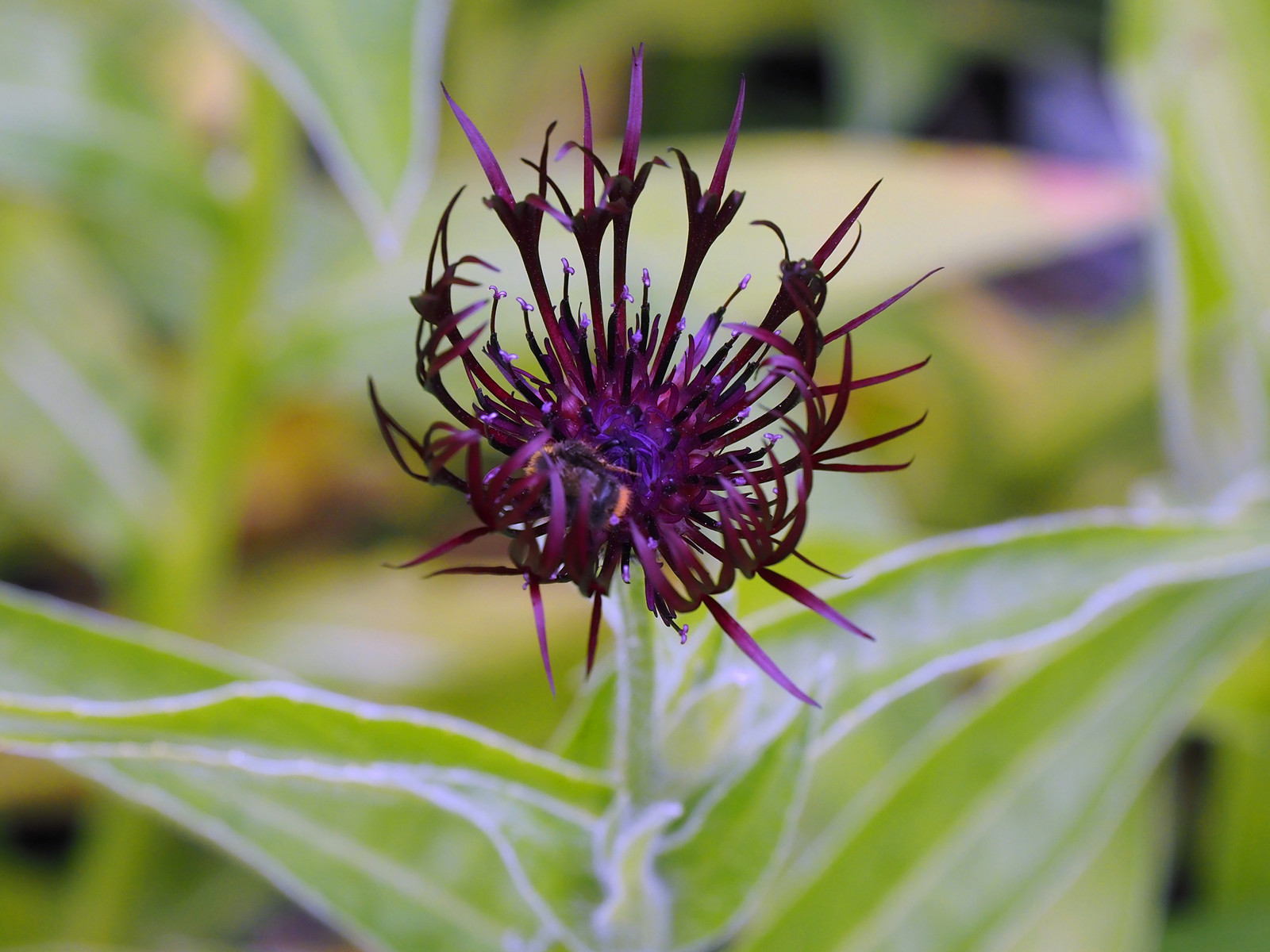
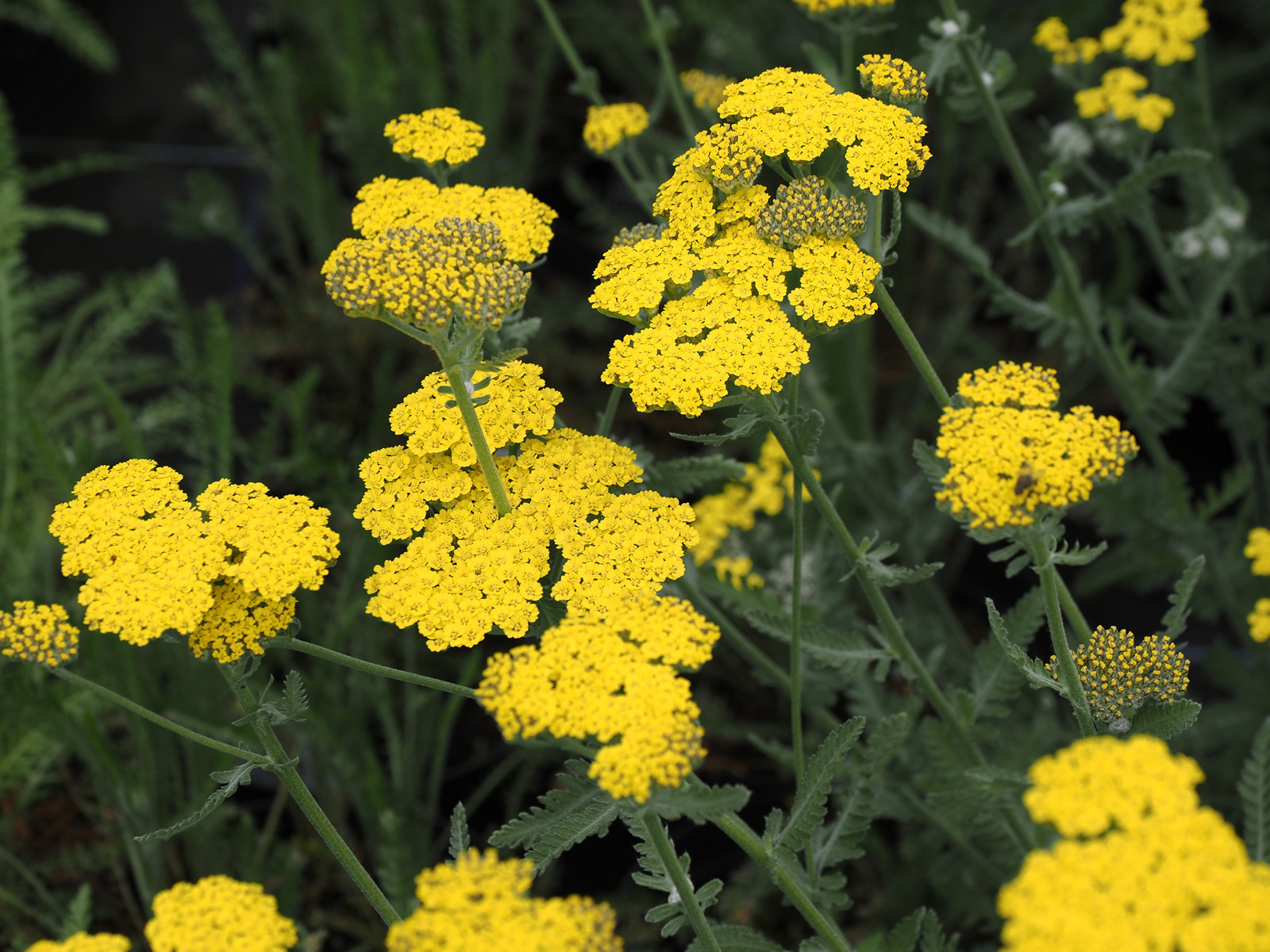
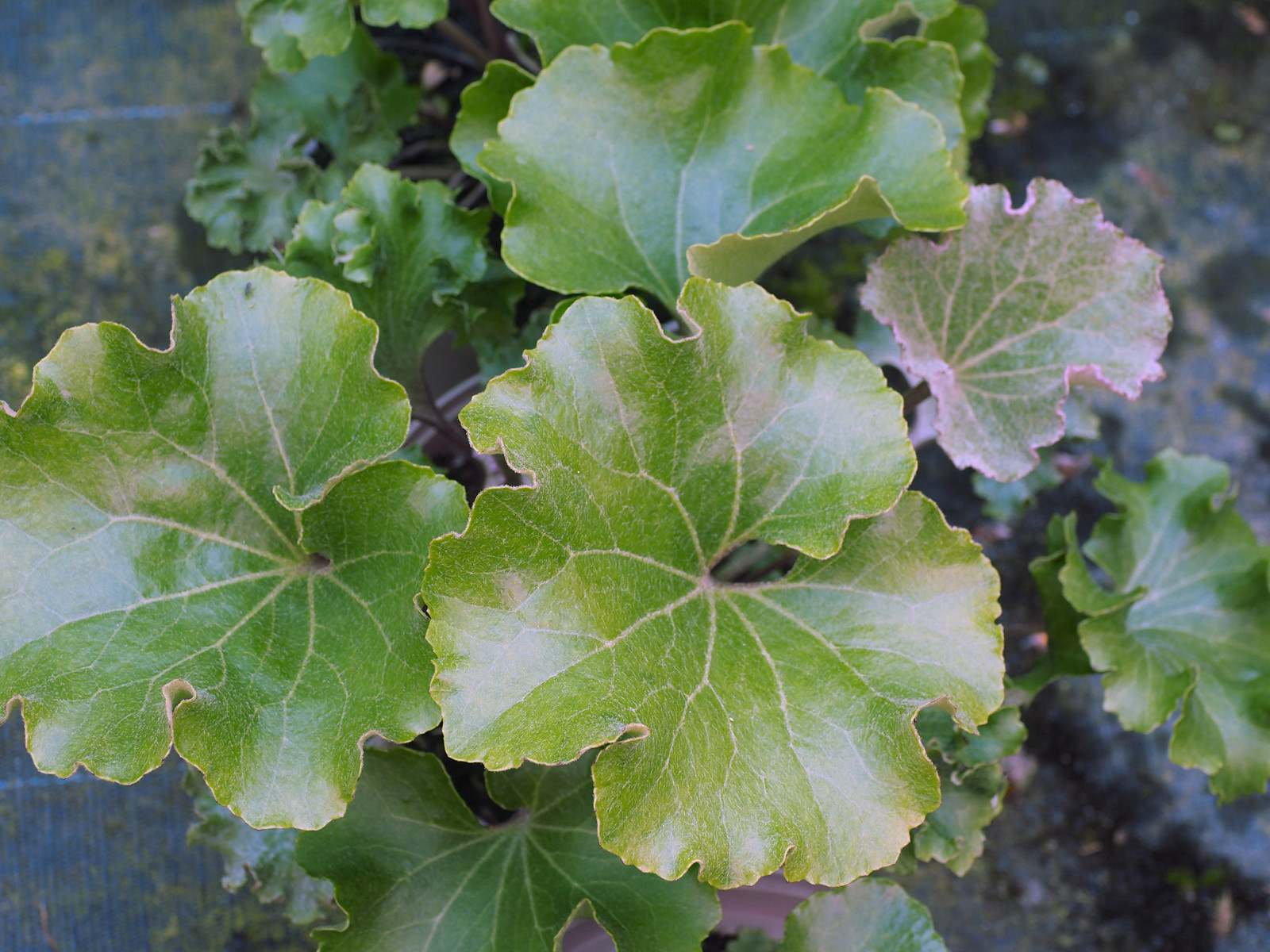
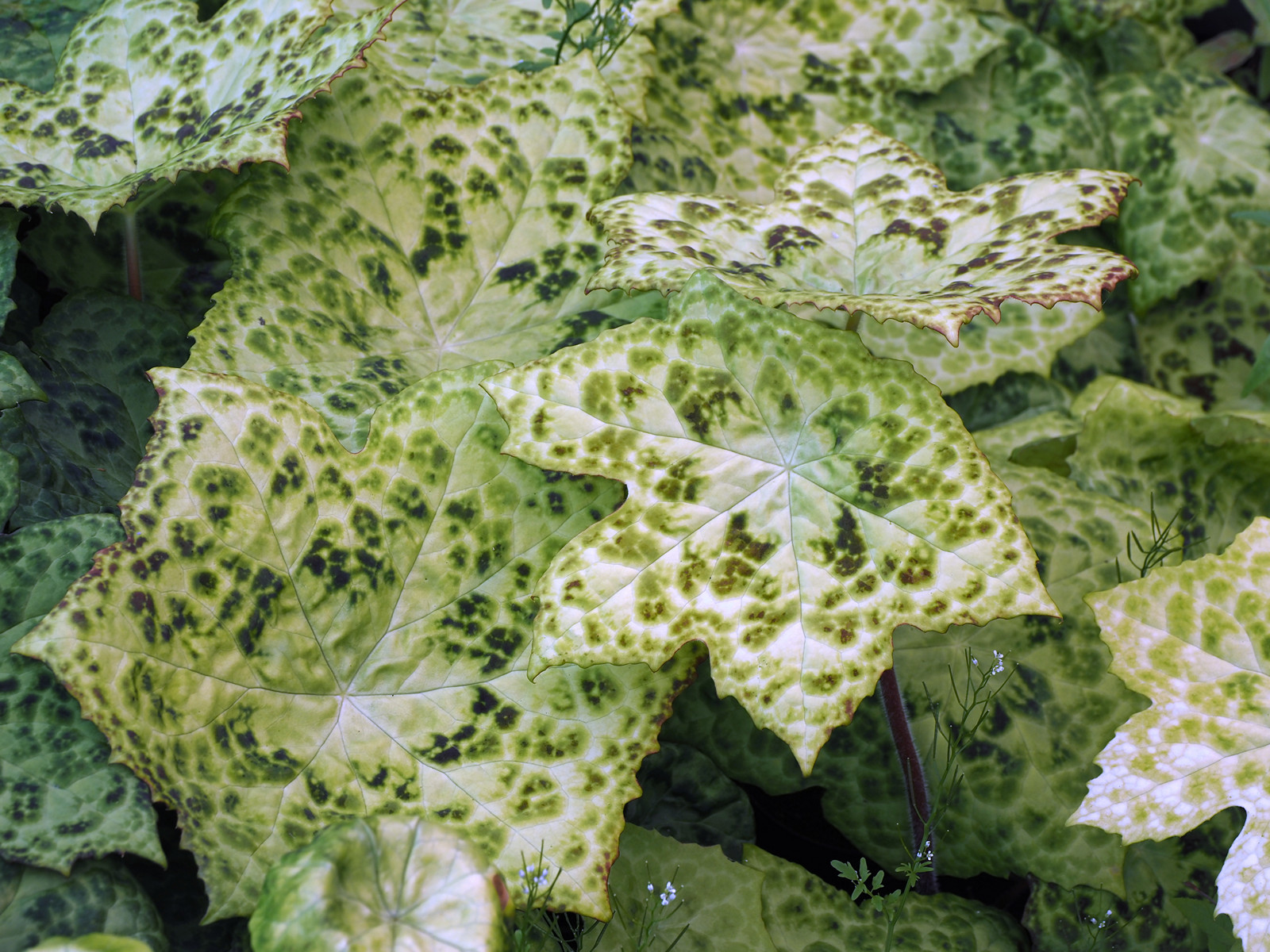
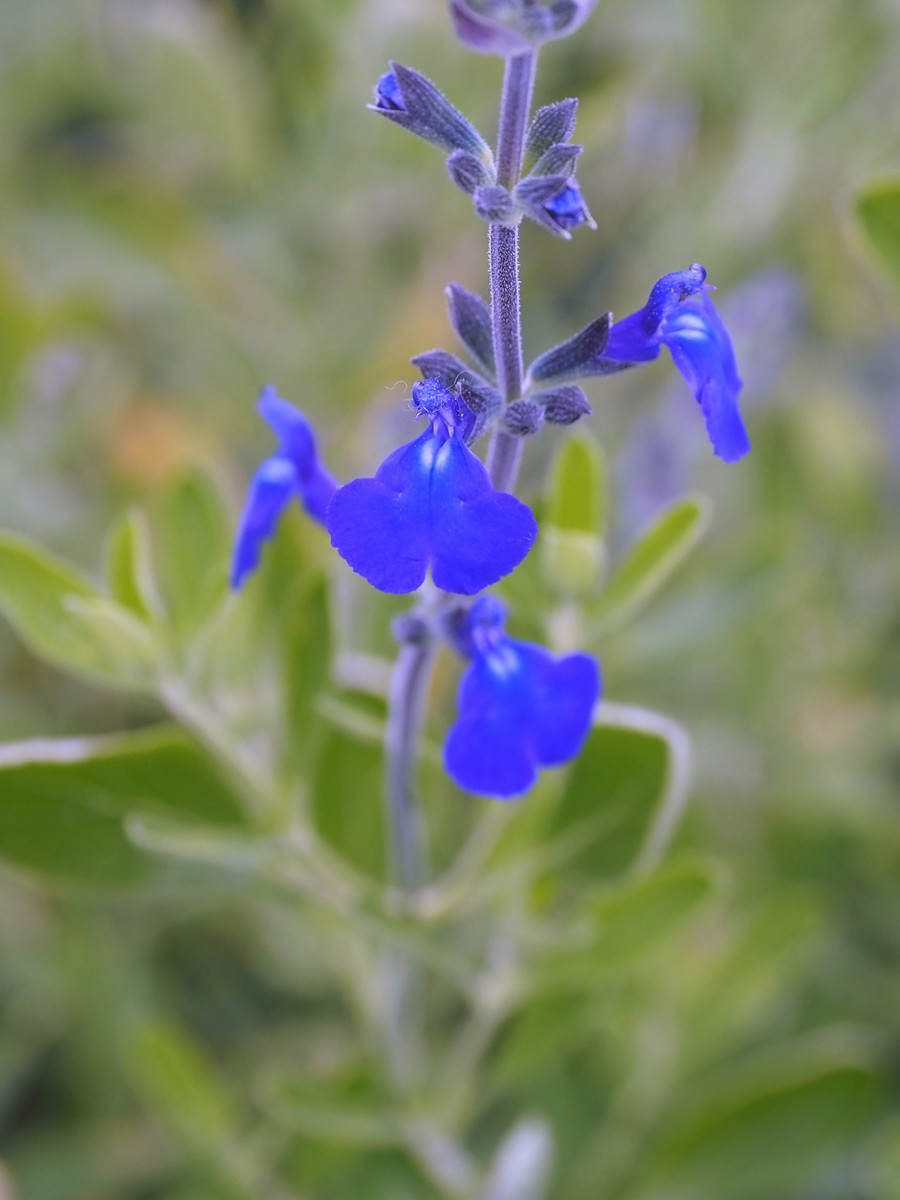
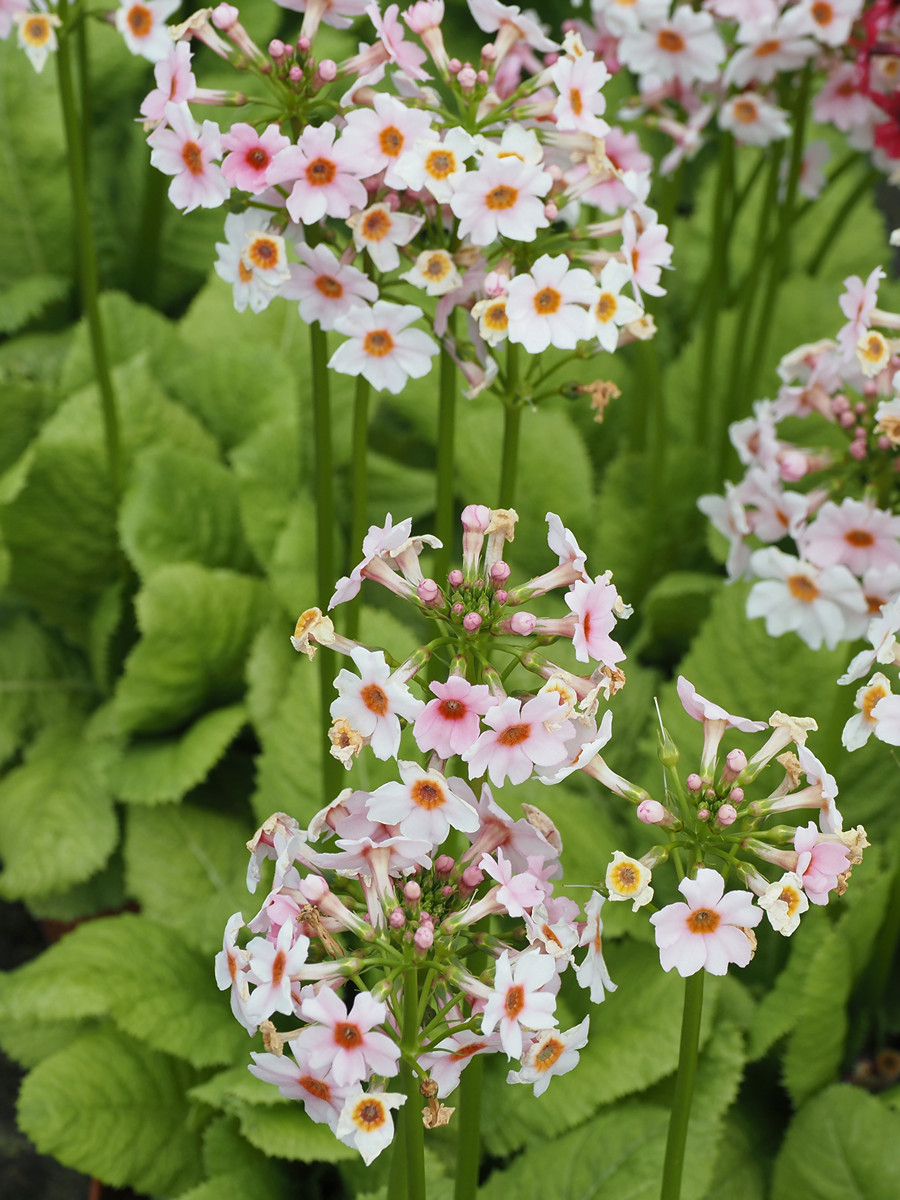
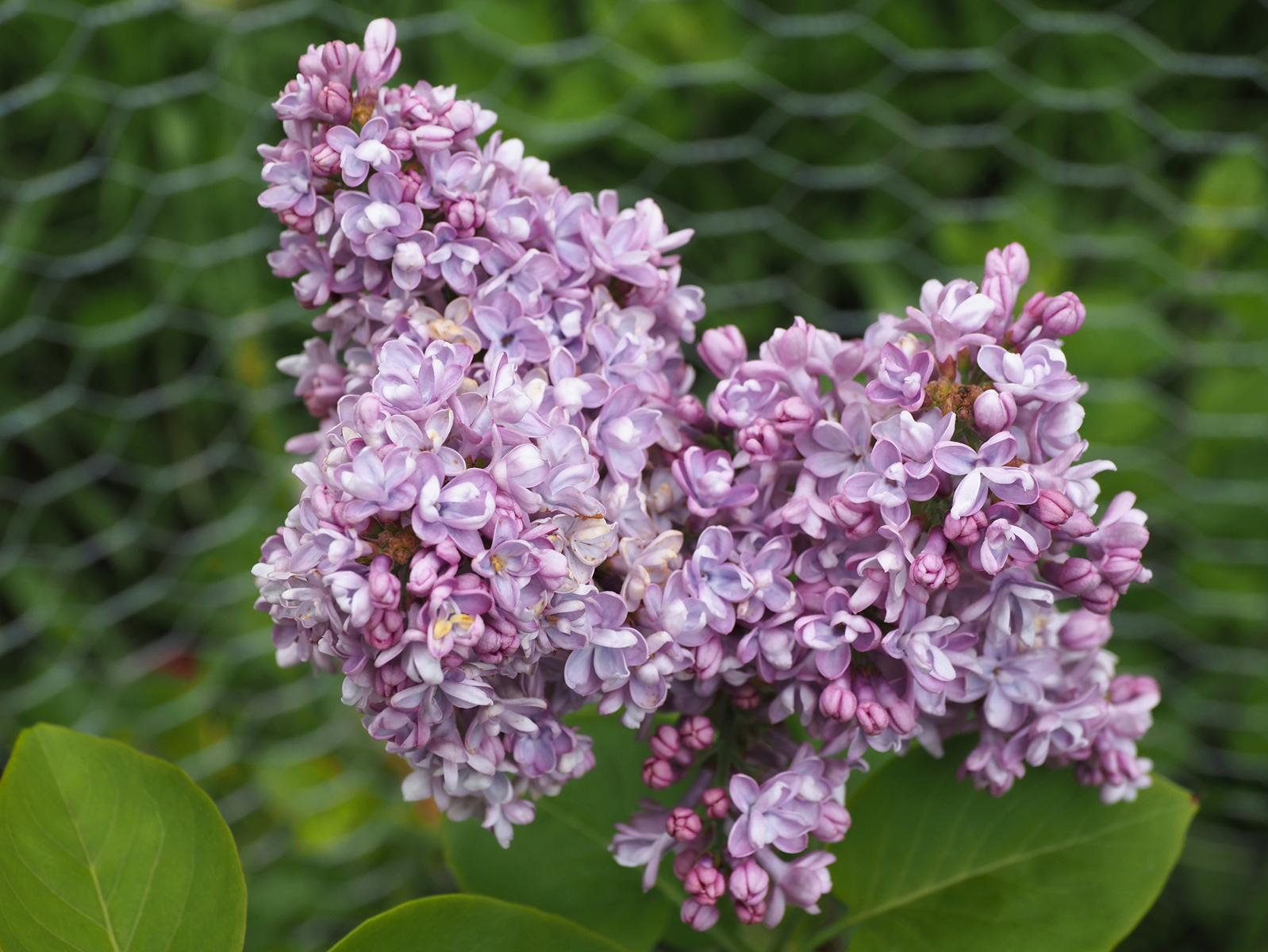
Syringa vulgaris ‘Carpe Diem’ just out on the drive. Newly planted this year to add to the lilac collection on the drive.

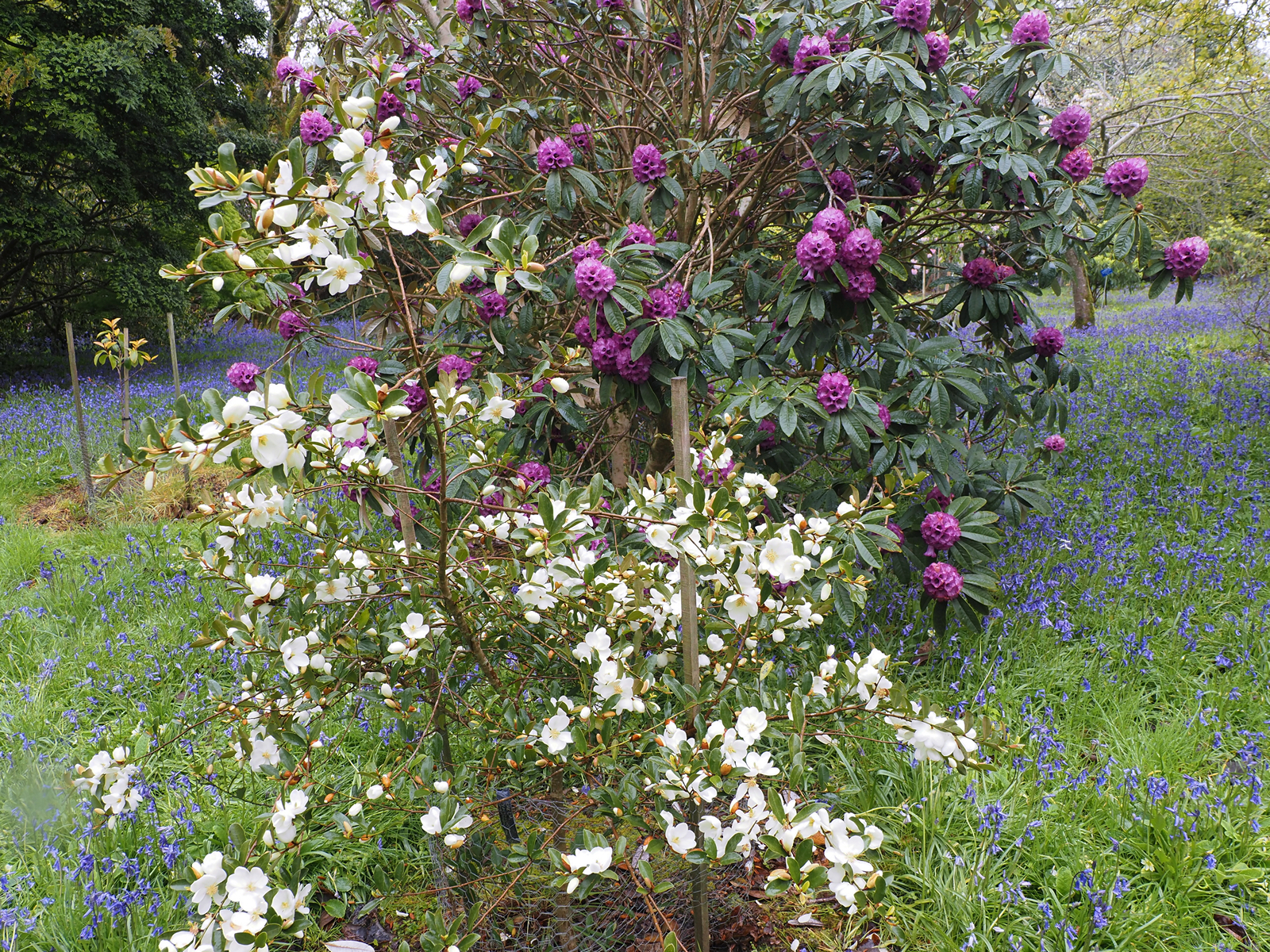
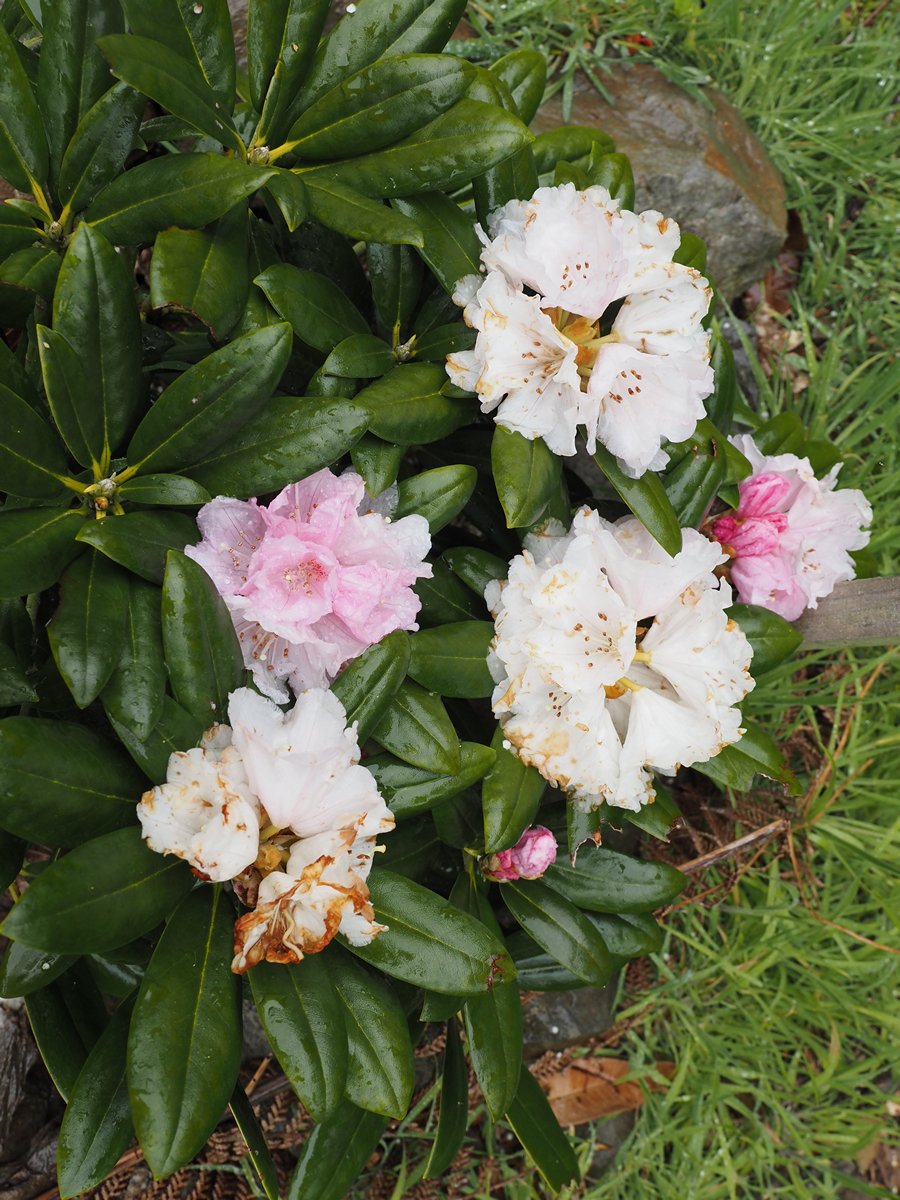
Allen Coombes has questioned the naming of an ancient shelterbelt in the Auklandii Garden of Quercus myrsinifolia as perhaps being Quercus glauca?
Here are Alan’s comments to me:
Are you sure of the identification of your Q. myrsinifolia? It looks a little like Q. glauca as myrsinifolia normally has narrower leaves. If you look closely at the underside of the leaf Q. glauca has hairs pressed against the leaf surface, looking like 2 hairs coming from one point, Q. myrsinifolia is nearly glabrous. If you can send a close up photo of the leaf underside I may be able to tell, these species have been confused for a long time. There is a specimen at the Hillier Herbarium of Q. glauca from Caerhays, grown as Q. myrsinifolia, collected by David Hunt in 1997. It was described as having leaves downy beneath.Here is a picture of the underside of the leaves. I do not easily see the double hairs he refers to even with a magnifying glass.
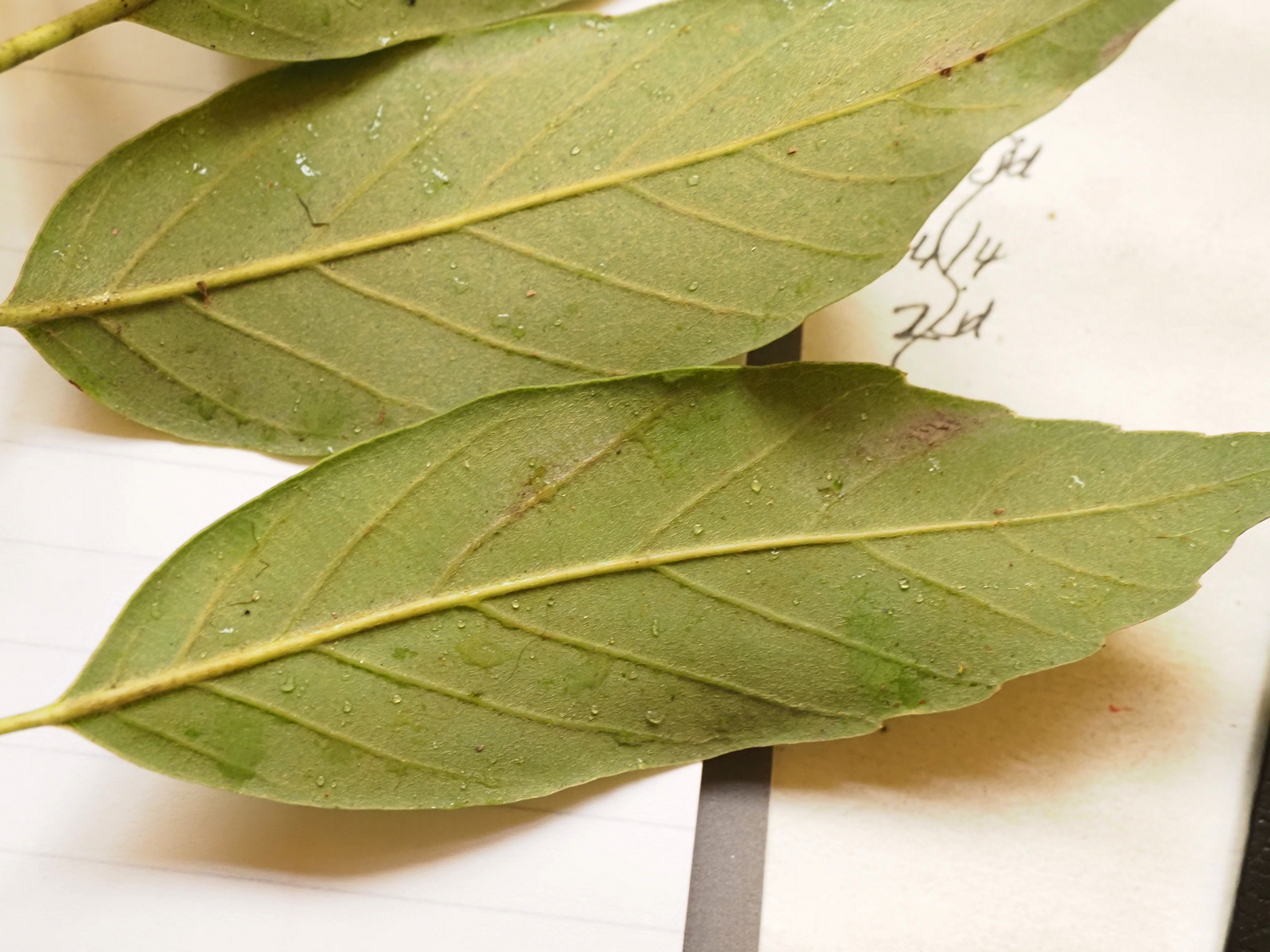
Yes, these hairs are not always easy to see. On the last photo PS120033 I can see them just inside the top margin of the lower leaf, they all point in the same direction, from the base of the leaf towards the apex, so I would call this Q. glauca. I suspect it is one of these that David Hunt collected.