



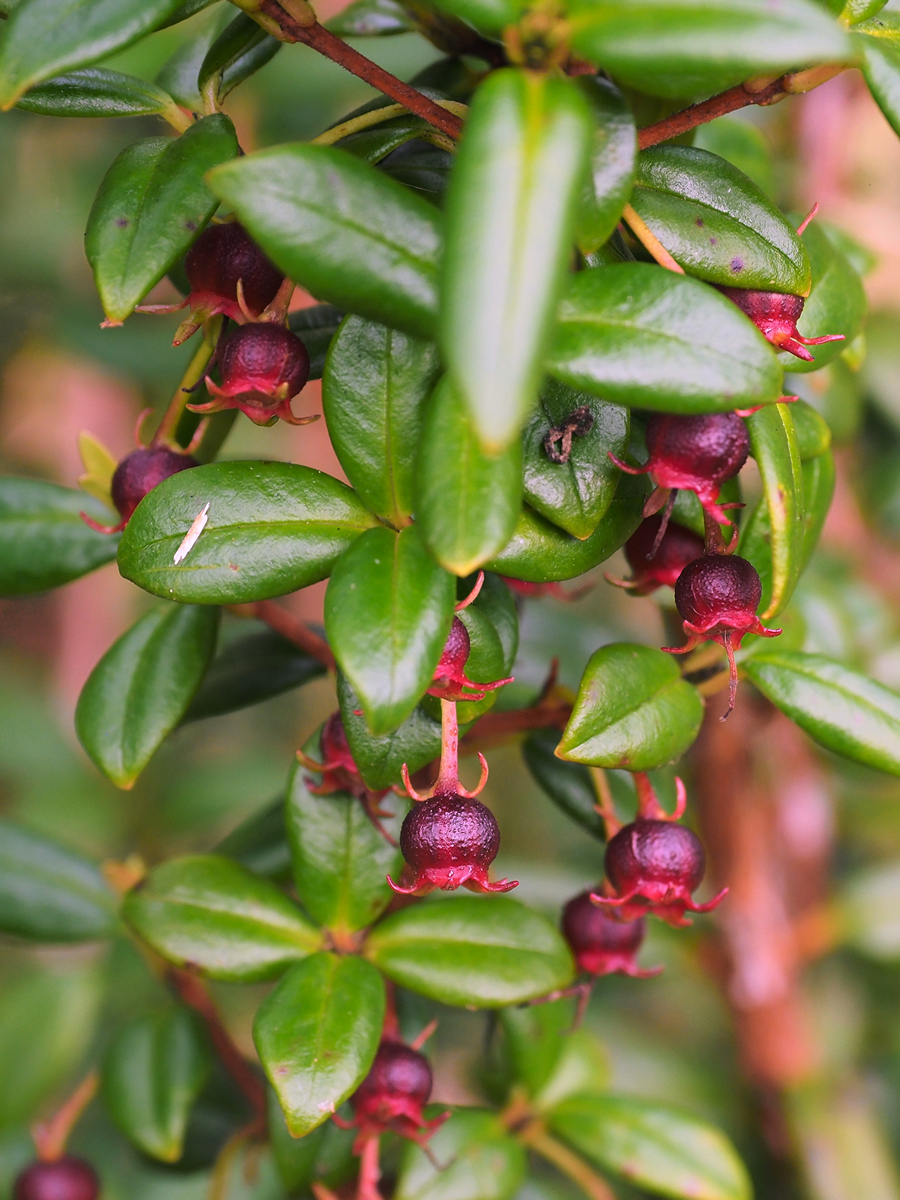
Eucryphia glutinosa covered by Wisteria sinensis with secondary flowering.

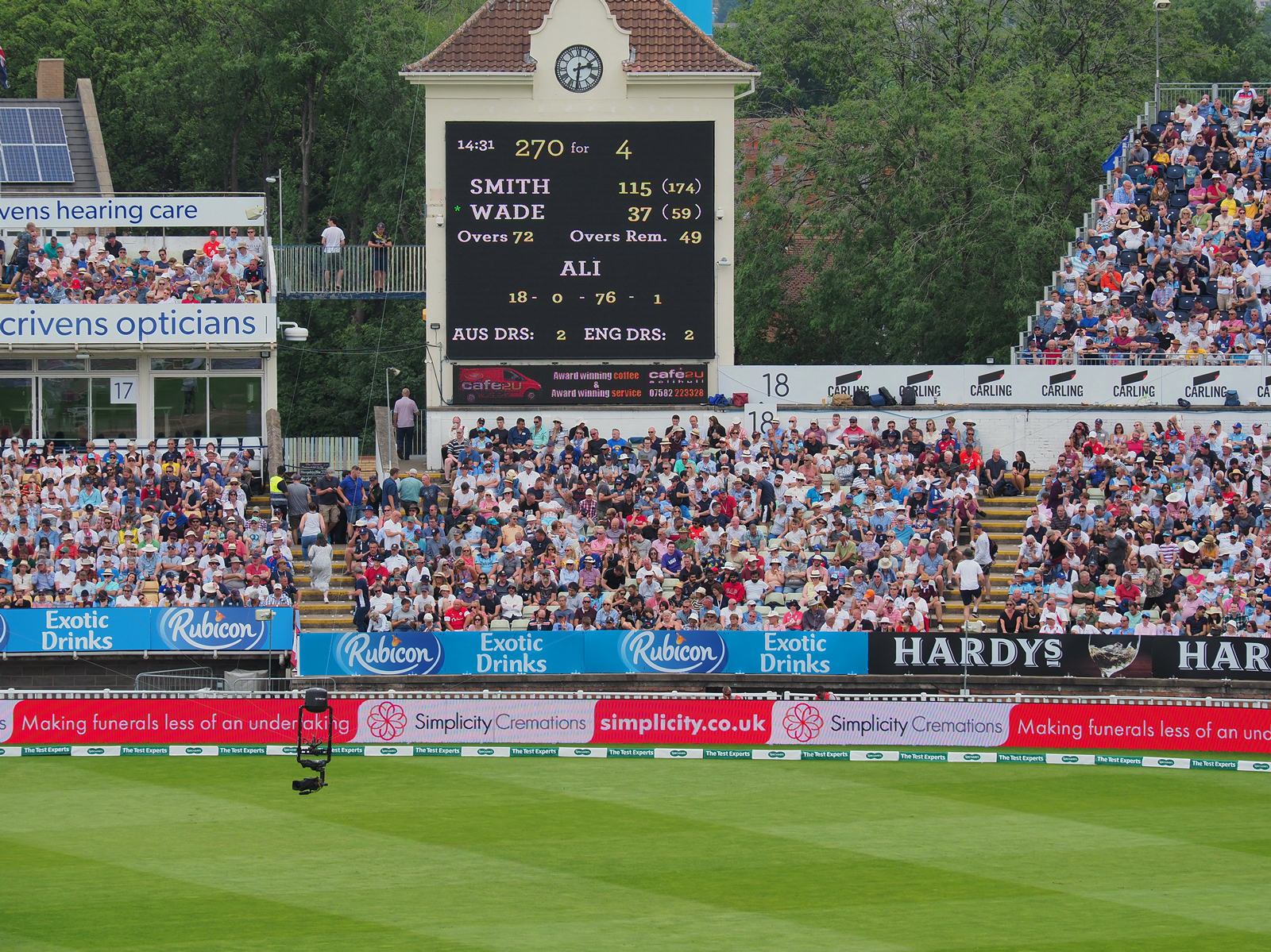
The view from the Warwick hospitality suite at Edgbaston where, in six hours’ play, the Australians scored 400 runs for the loss of four wickets. Very hospitable it was too apart from the Aussies walking to victory and Smith scoring 142 (to go with his 144 in the first innings). Anderson unable to bowl from the start of the match and Ali was dreadful. Root bowled a lot.



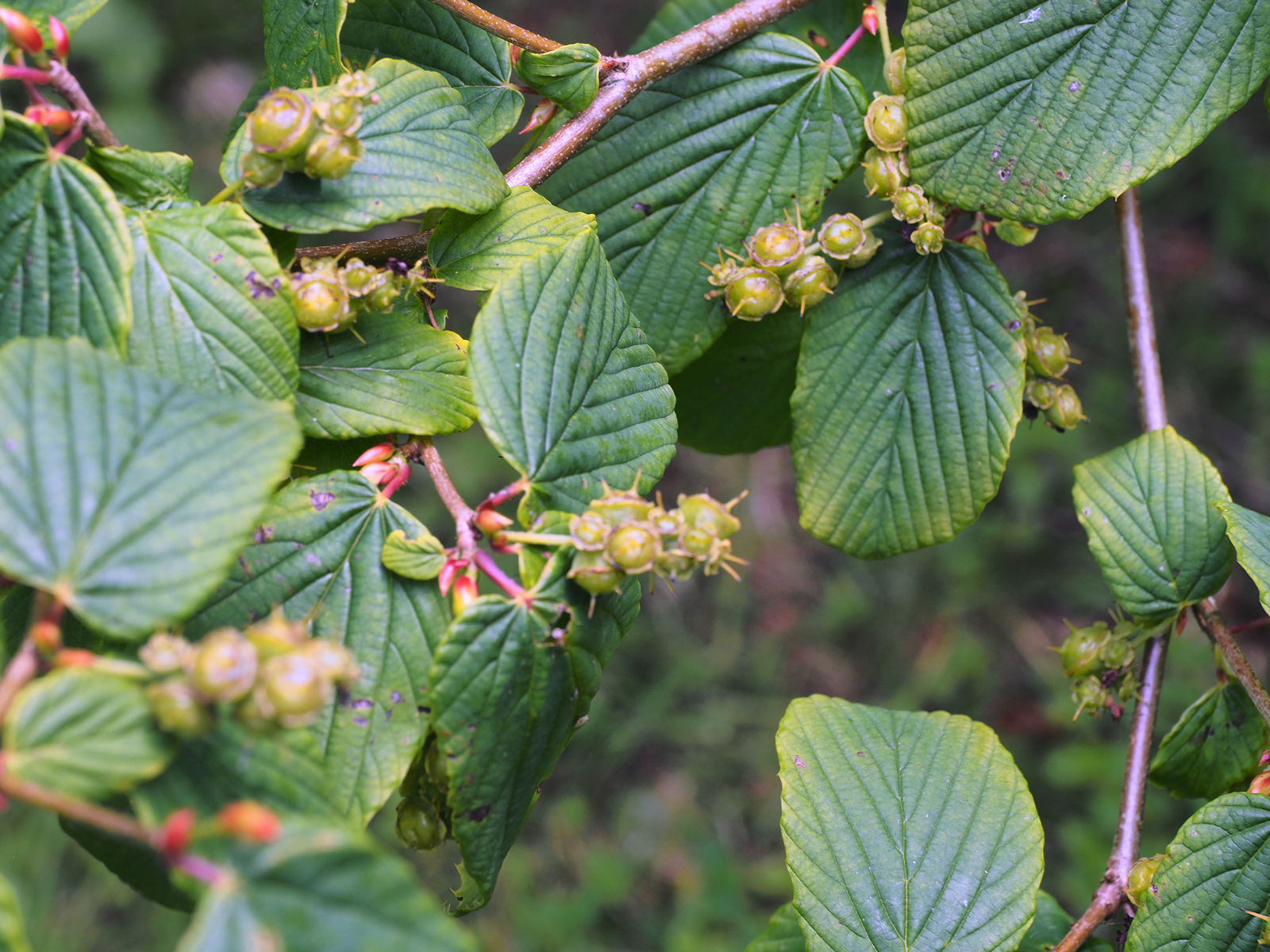
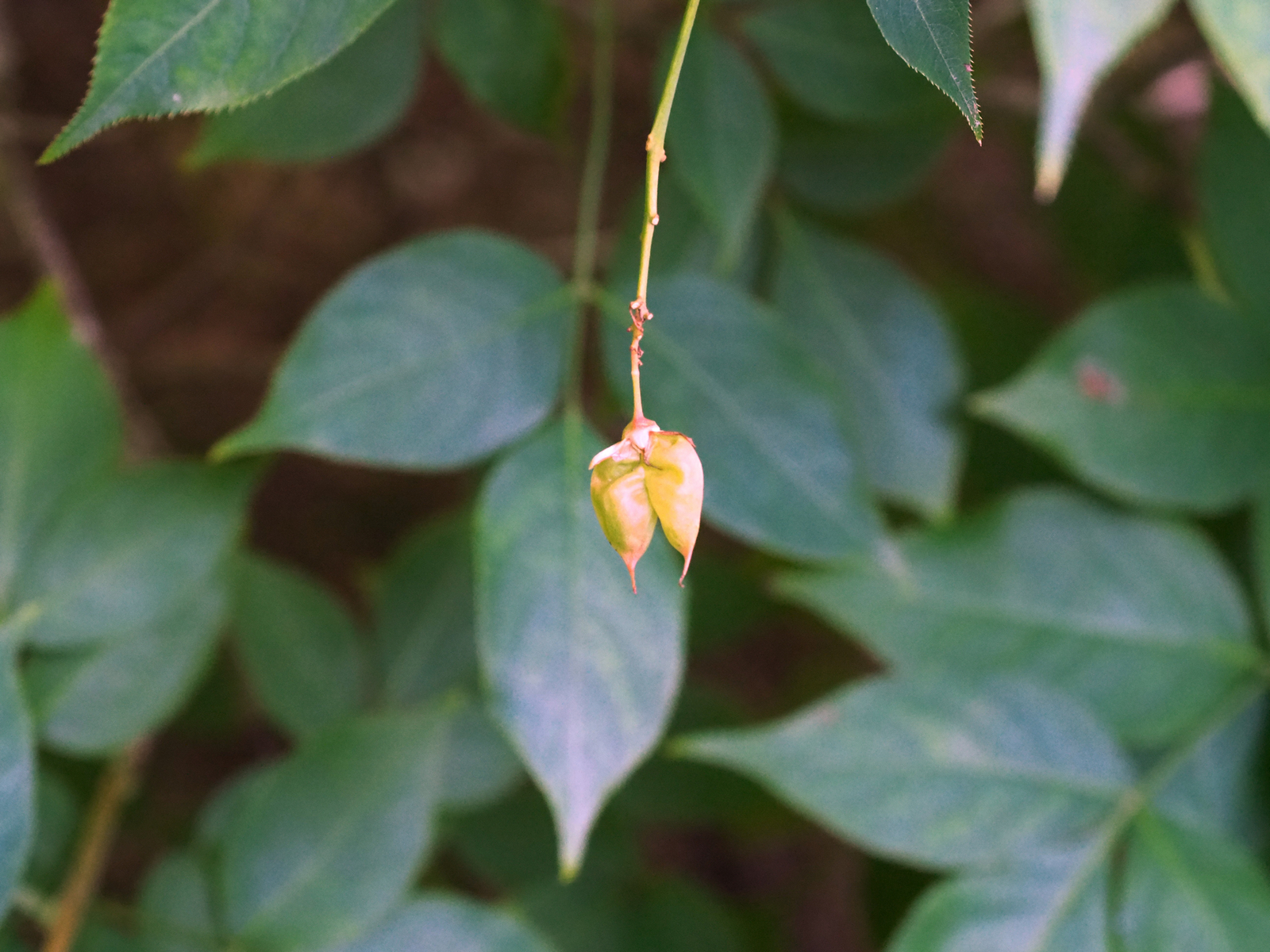
A trip to view staphylea seeds which, as you will see, was timely in this drought. It is not possible to identify some staphylea species just by their leaves and flowers. At least three species have single leaves with (usually) five pinnate leaflets and the flowers are not that easy to separate out either. However the seed pods make identification very much simpler.Staphylea colchica has large seed pods (here) 2½-3in long which are in pairs of attached pods with a pronounced ‘tail’ or point at the end of each pod. Those have yet to turn pale brown, as they will when ripe, but there are already red autumn tints on the leaves.
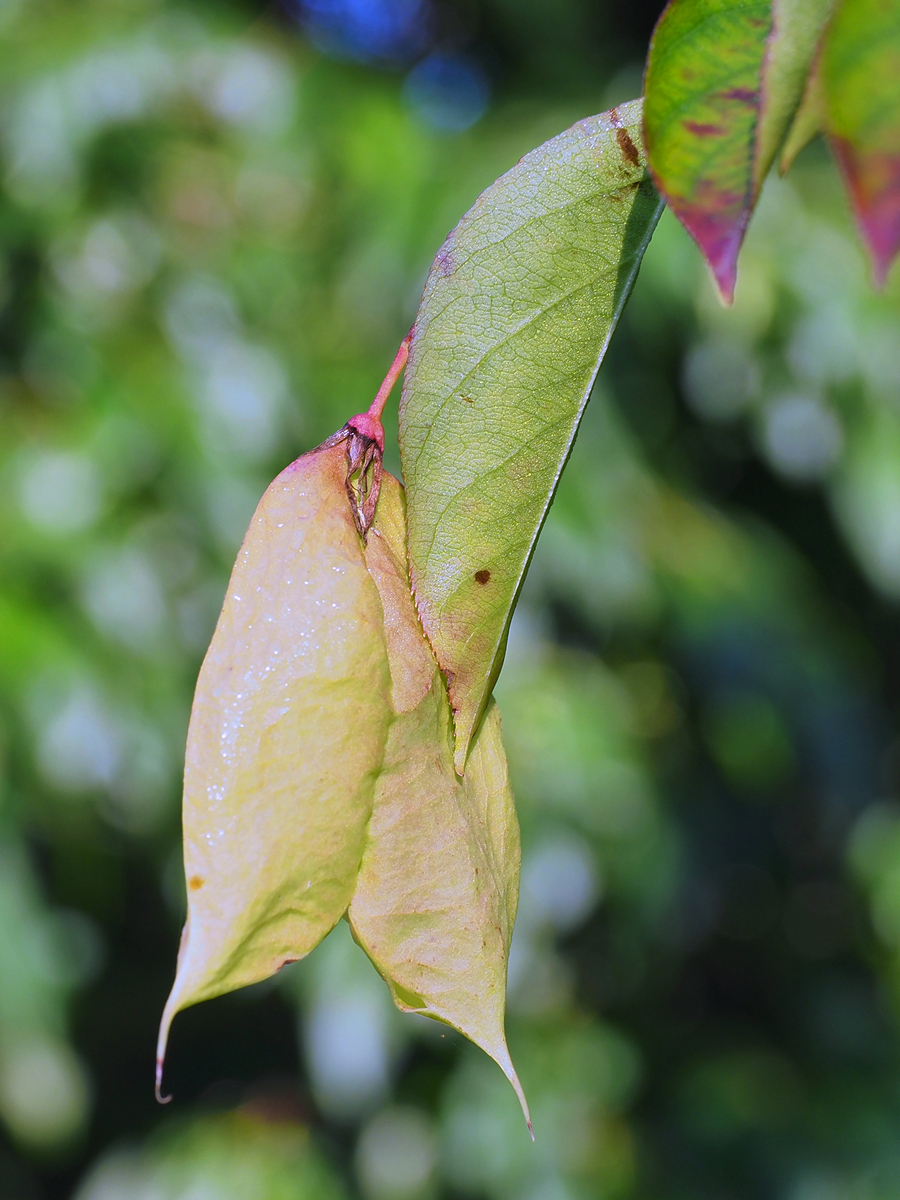
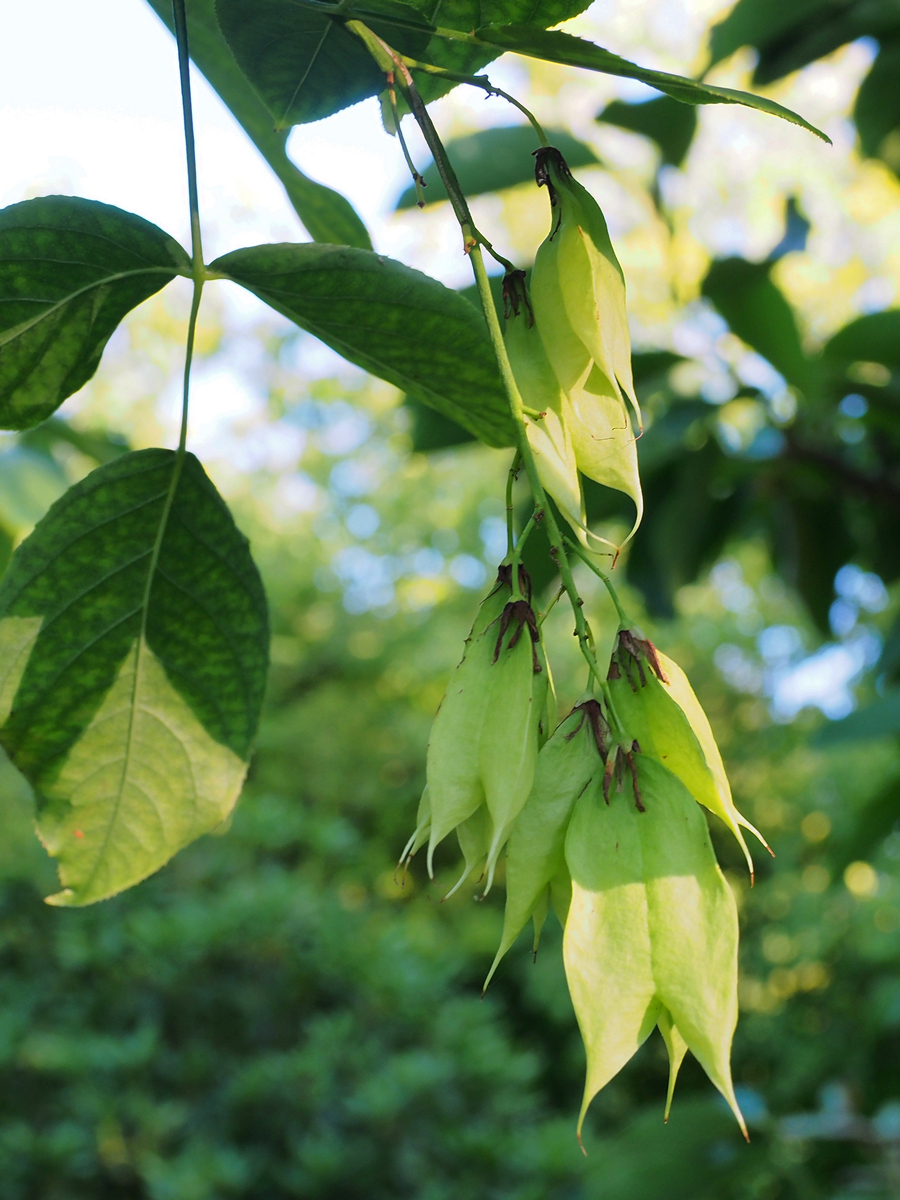
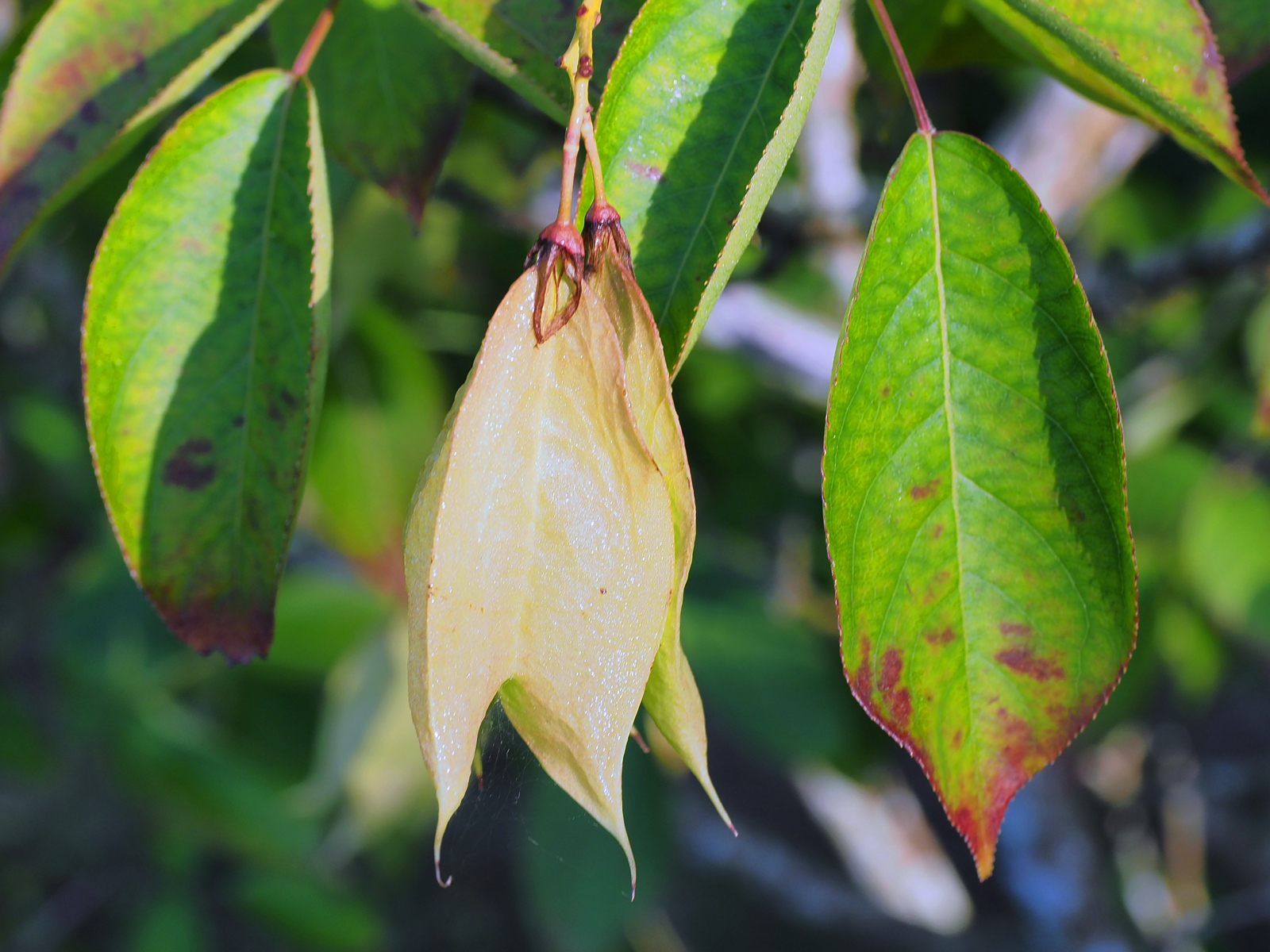
Either the drought or a squirrel has caused most of the seeds to drop prematurely to the ground well before ripening. The seeds photographed above are in pairs or small clusters. What has dropped were in much larger clusters from old flower spikes at the top of the plant. Drought telling the plant to jettison the effort of setting seed I expect although some signs of nibbling on the main stems on the ground.Staphylea pinnata also has pairs of rounded seed pods with only a tiny point at the bottom. They are only 1-1½in long and easily identified as different to S. colchica. They are however also all in two celled capsules which are joined together. Not a huge crop and none on the ground yet but clear signs of early autumn leaf colouring.
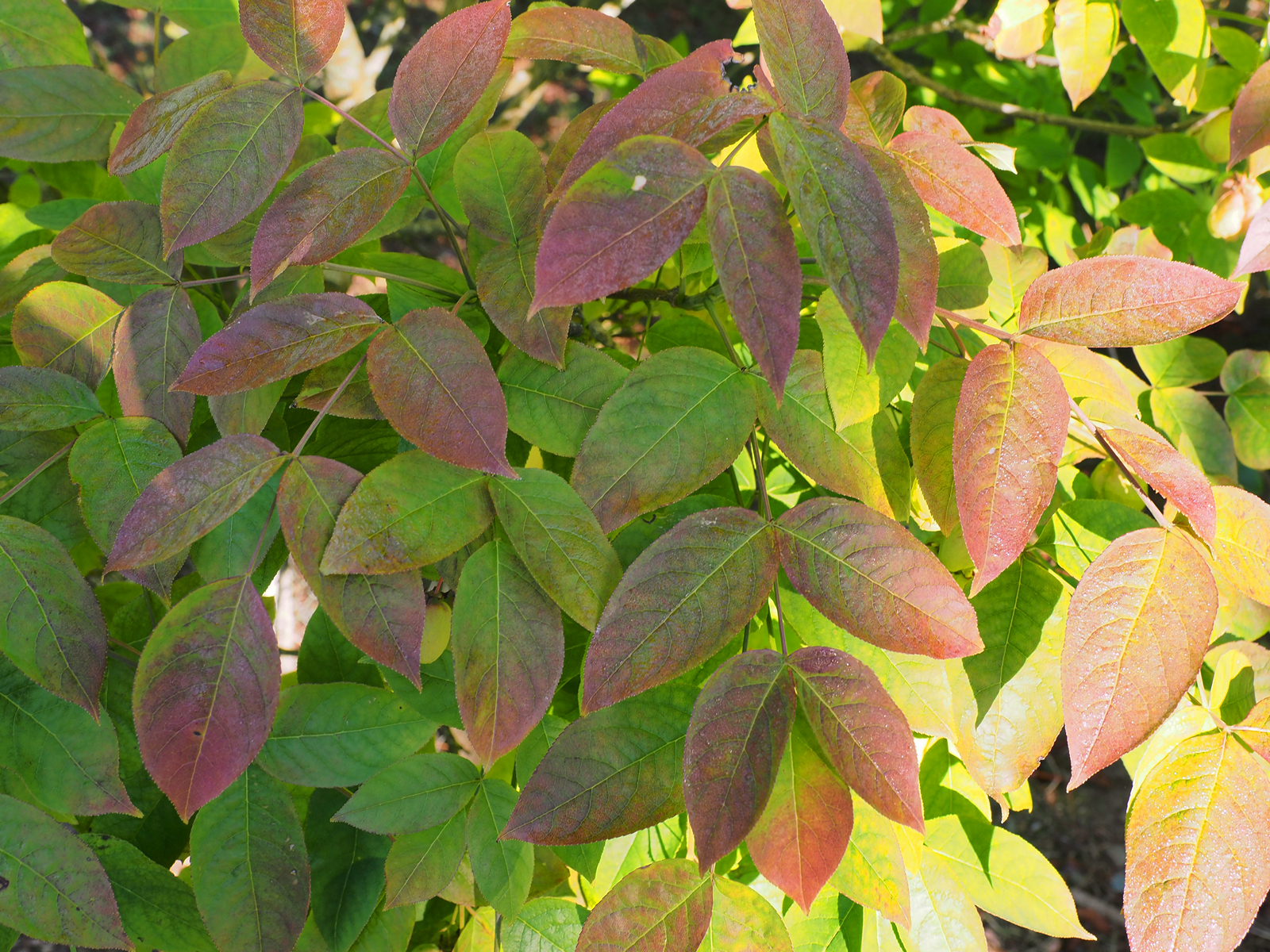
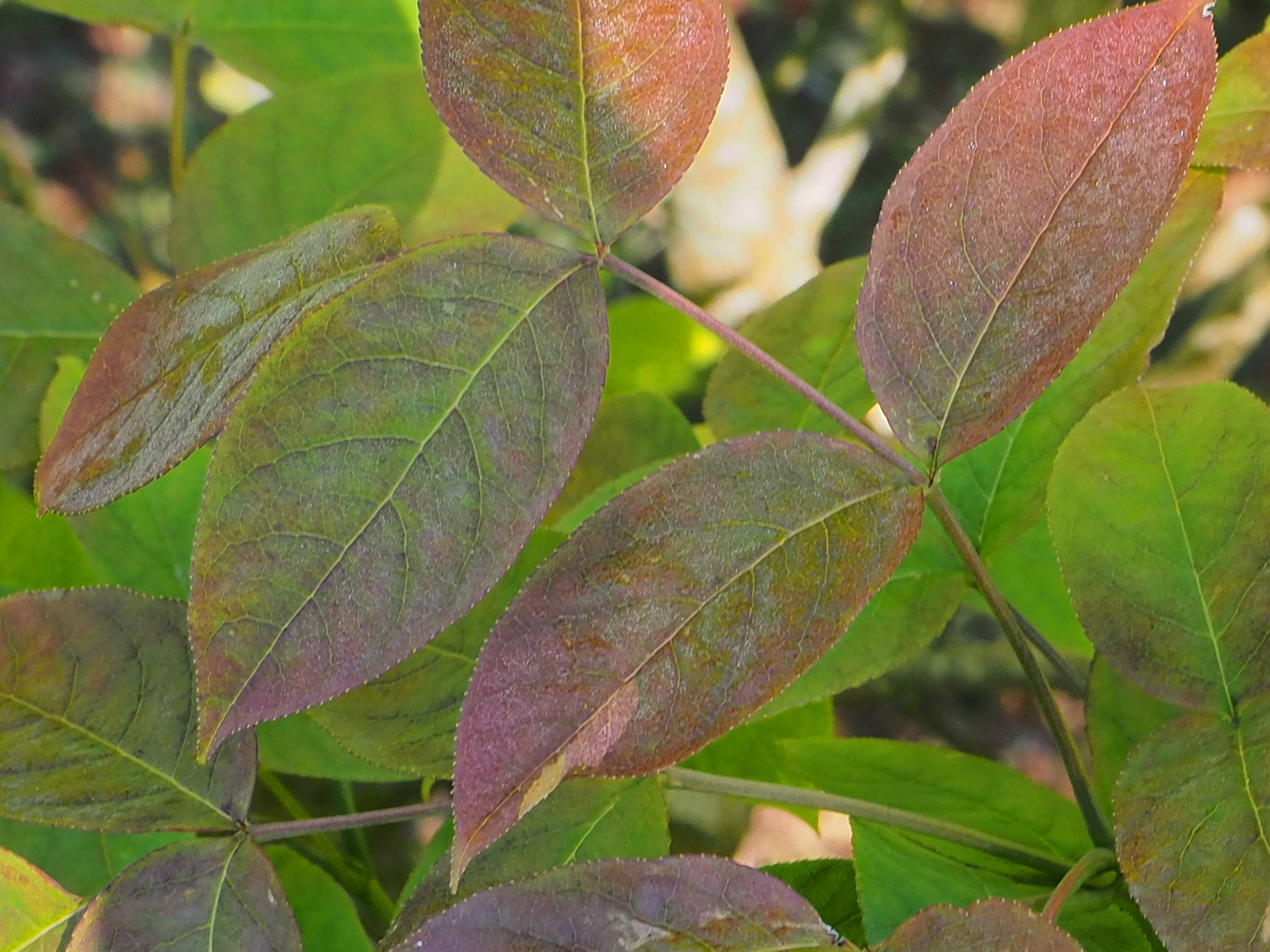
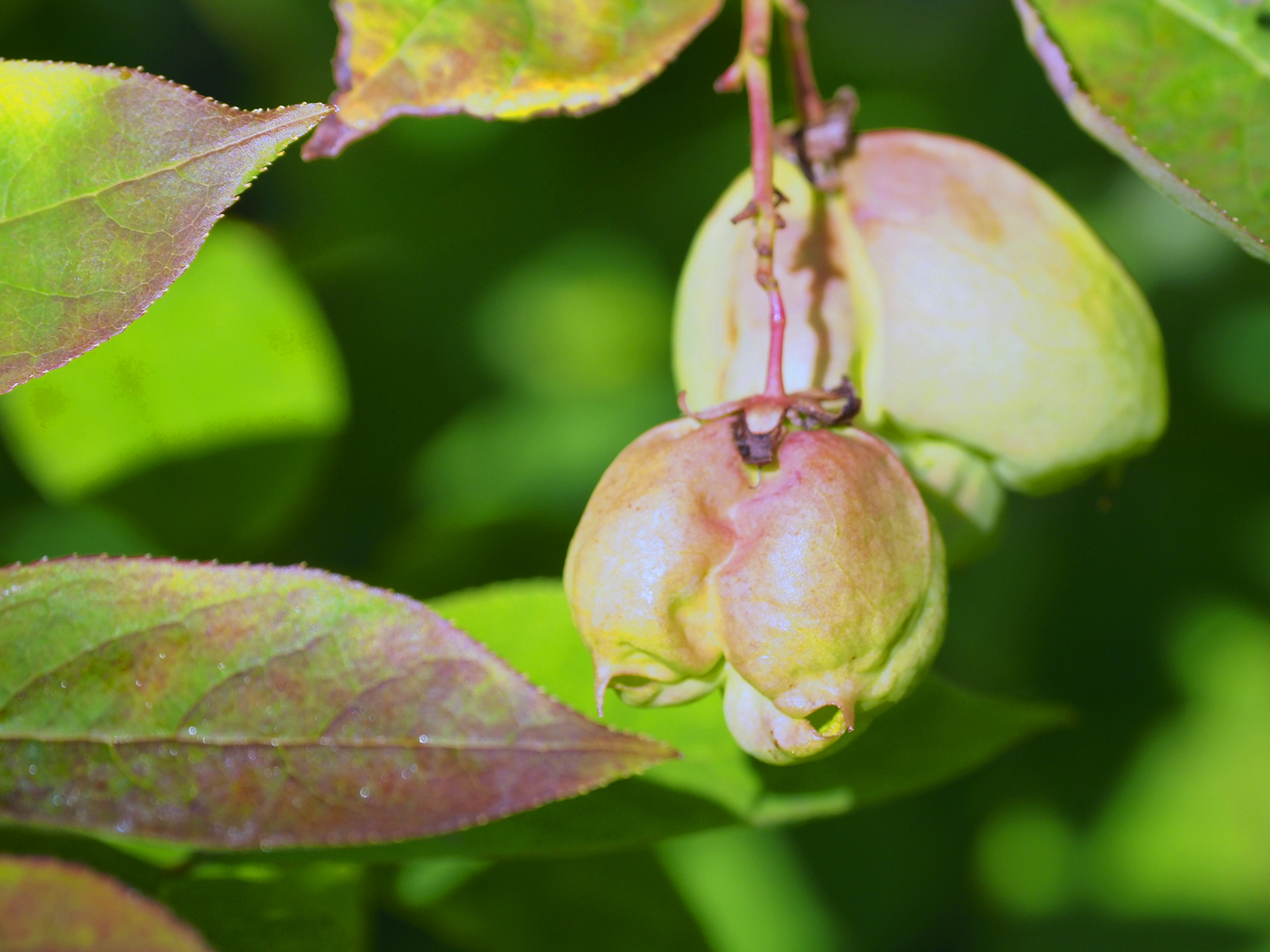
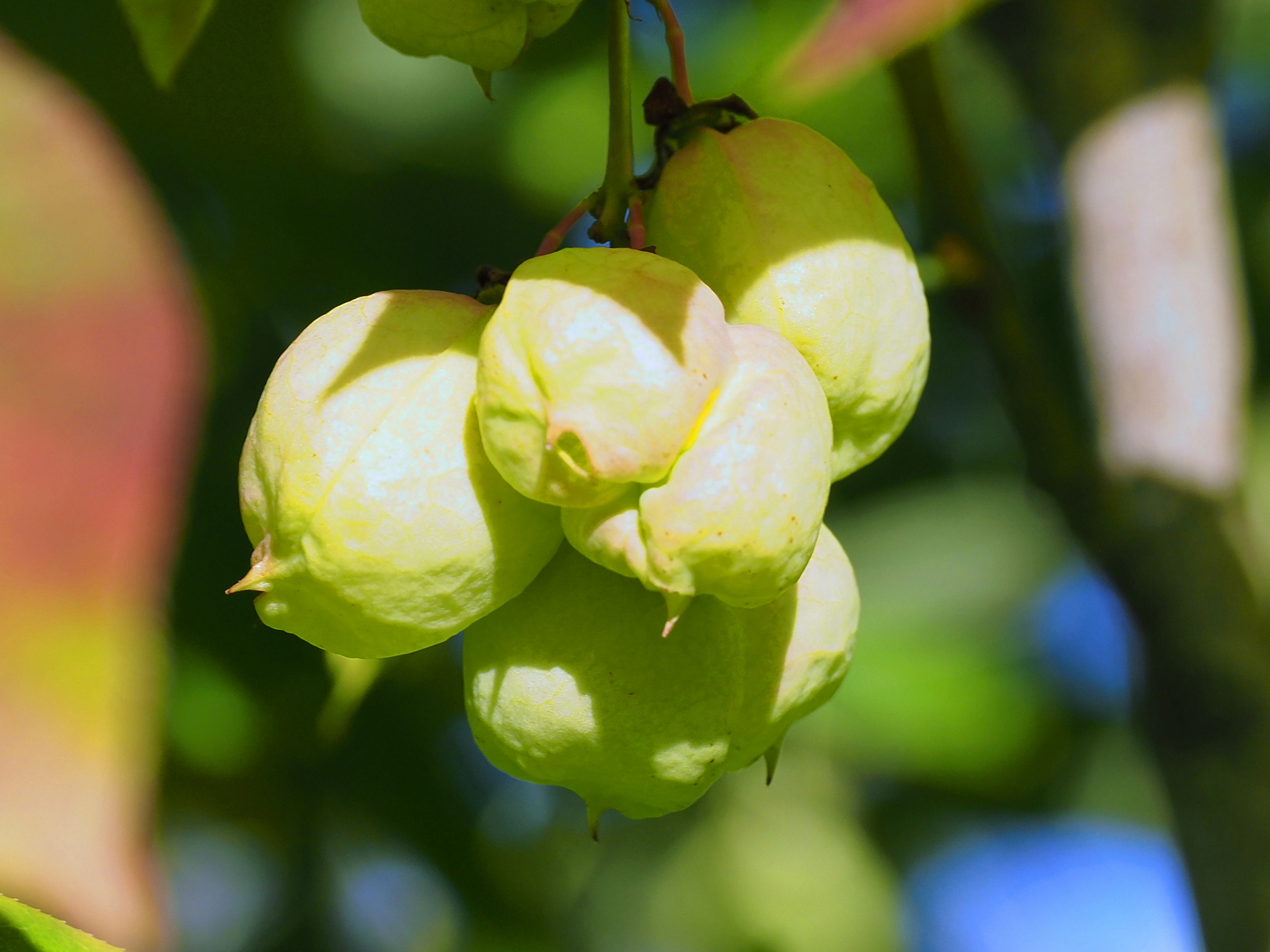


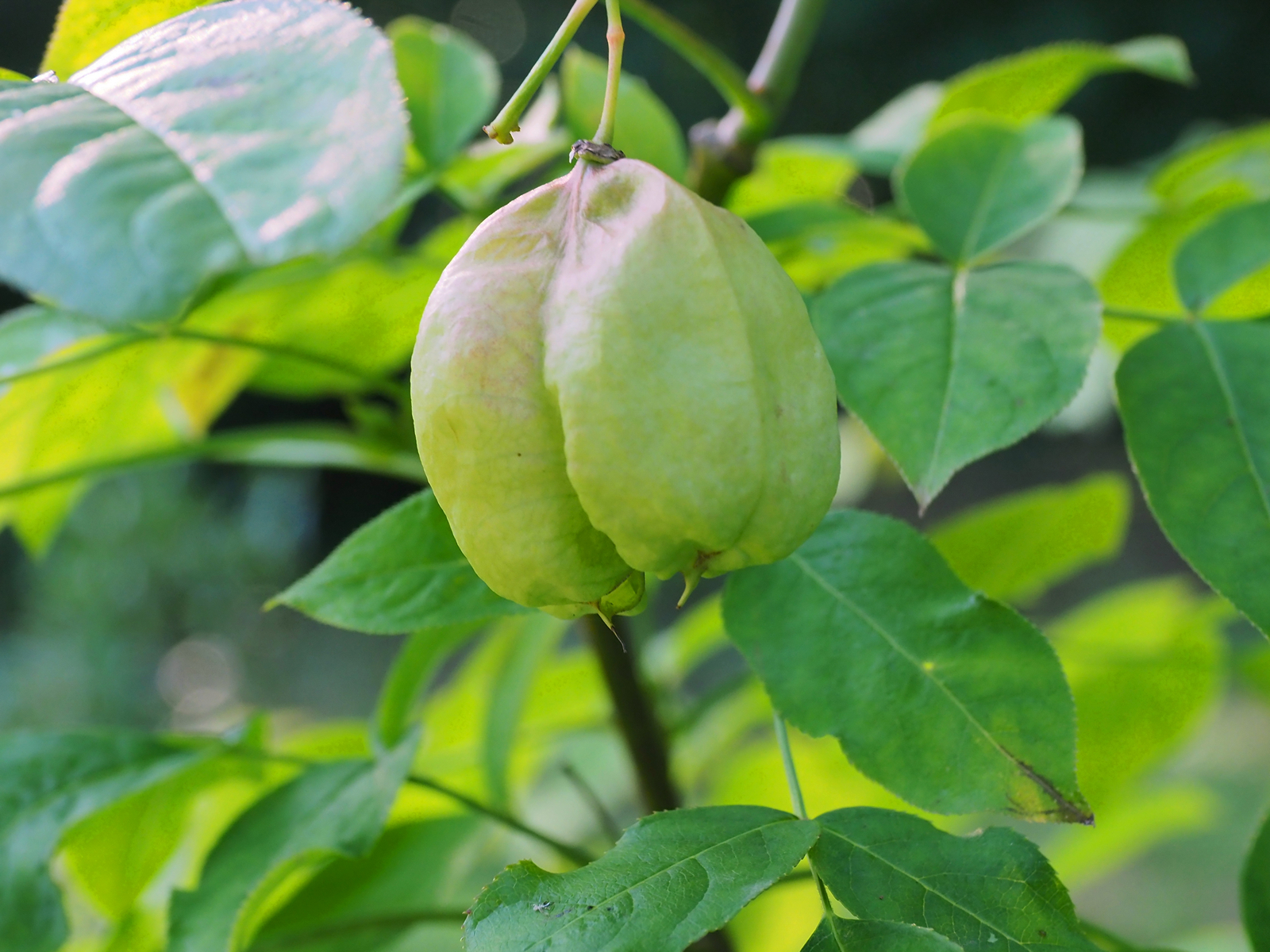
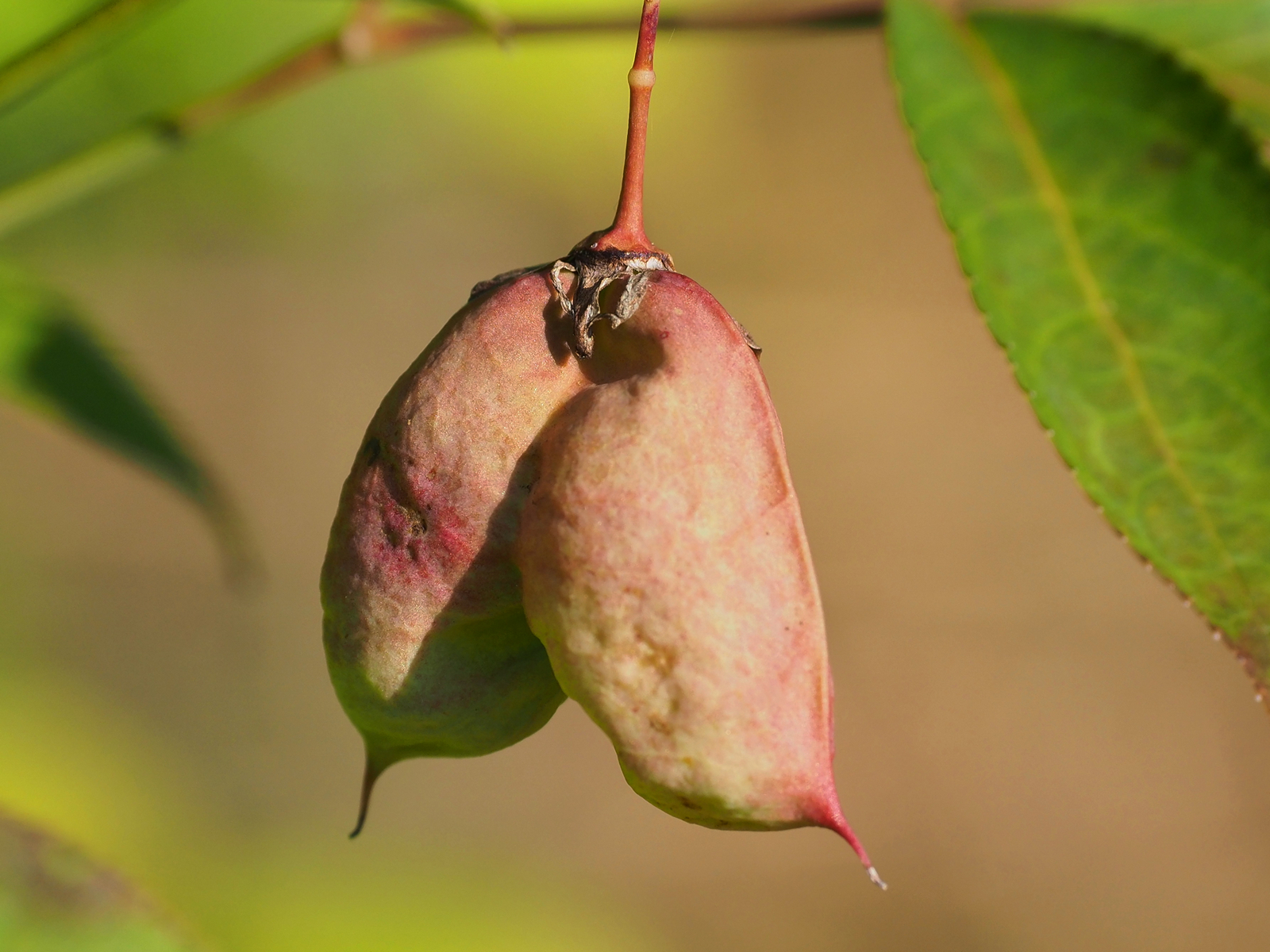
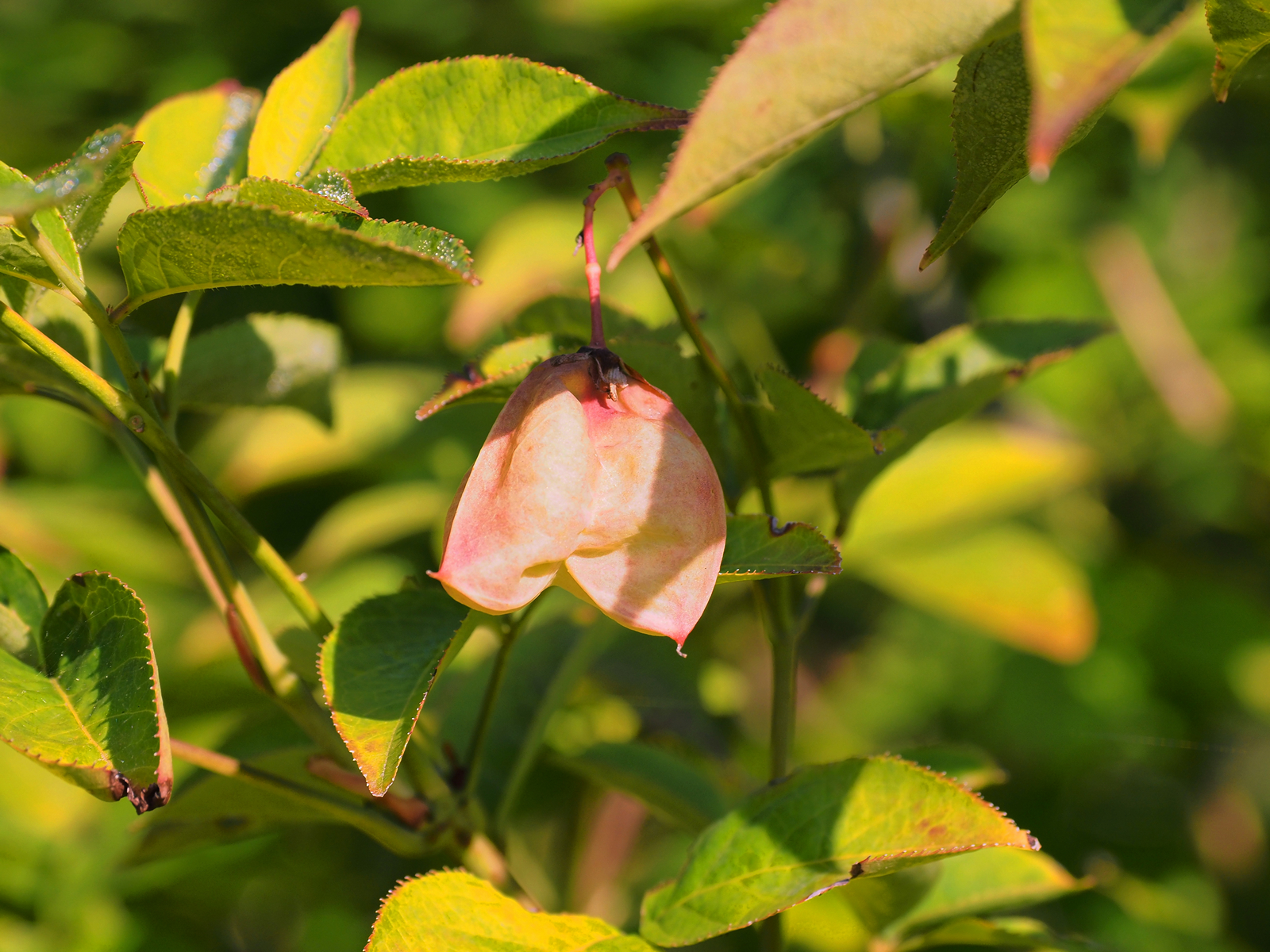
No seed pods on any of our three plants of Staphylea holocarpa this year. Need to check the Burncoose plant. The seed pods are pink rather than brown or yellow-brown when ripe as in colchica and pinnata.Our plant, labelled Staphylea bolanderi, has a single tiny seed pod this year which I doubt will now swell properly. It is perhaps the largest plant we have of any species but identification is still unclear and I suspect it is actually S. pinnata.
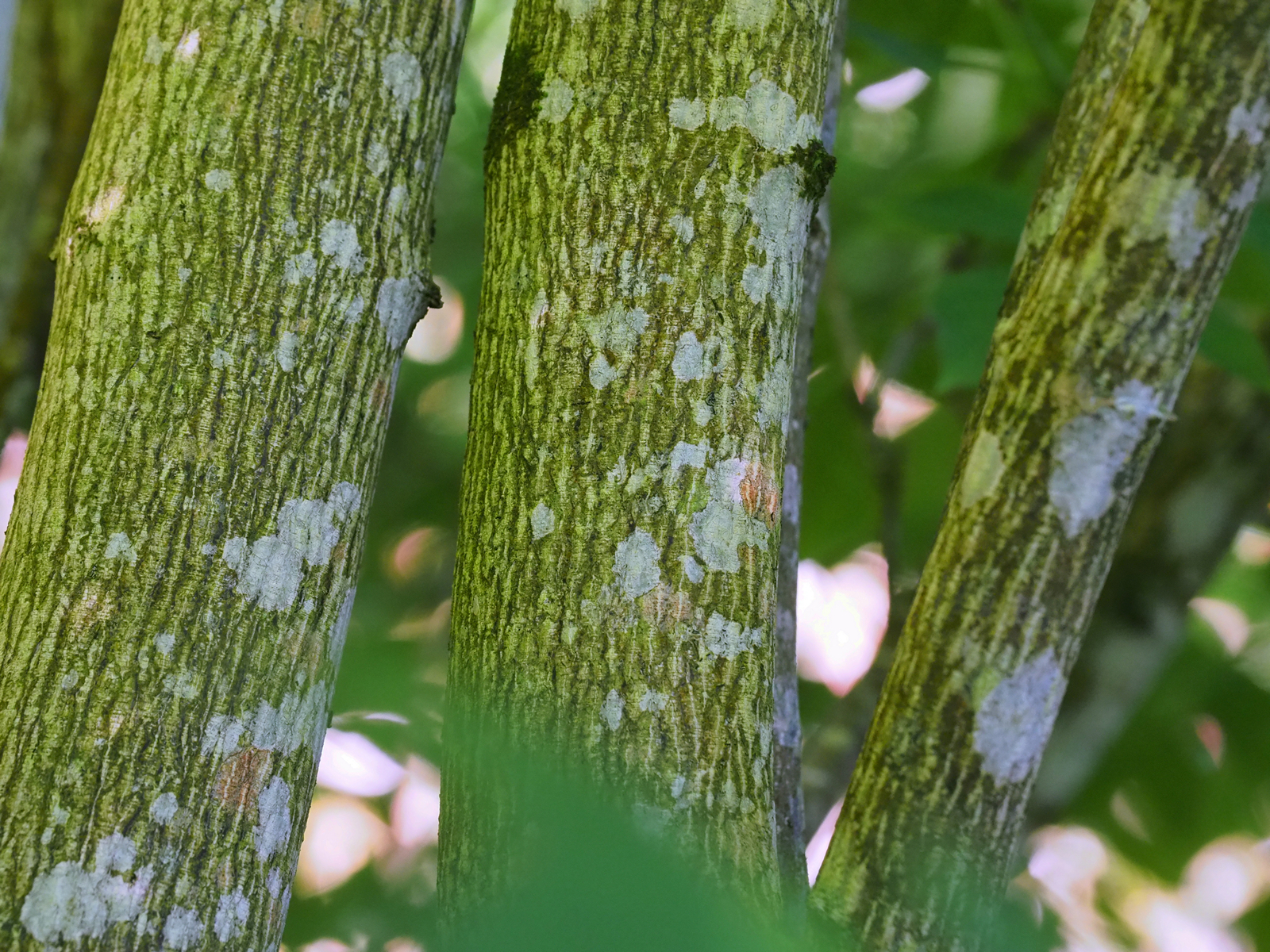
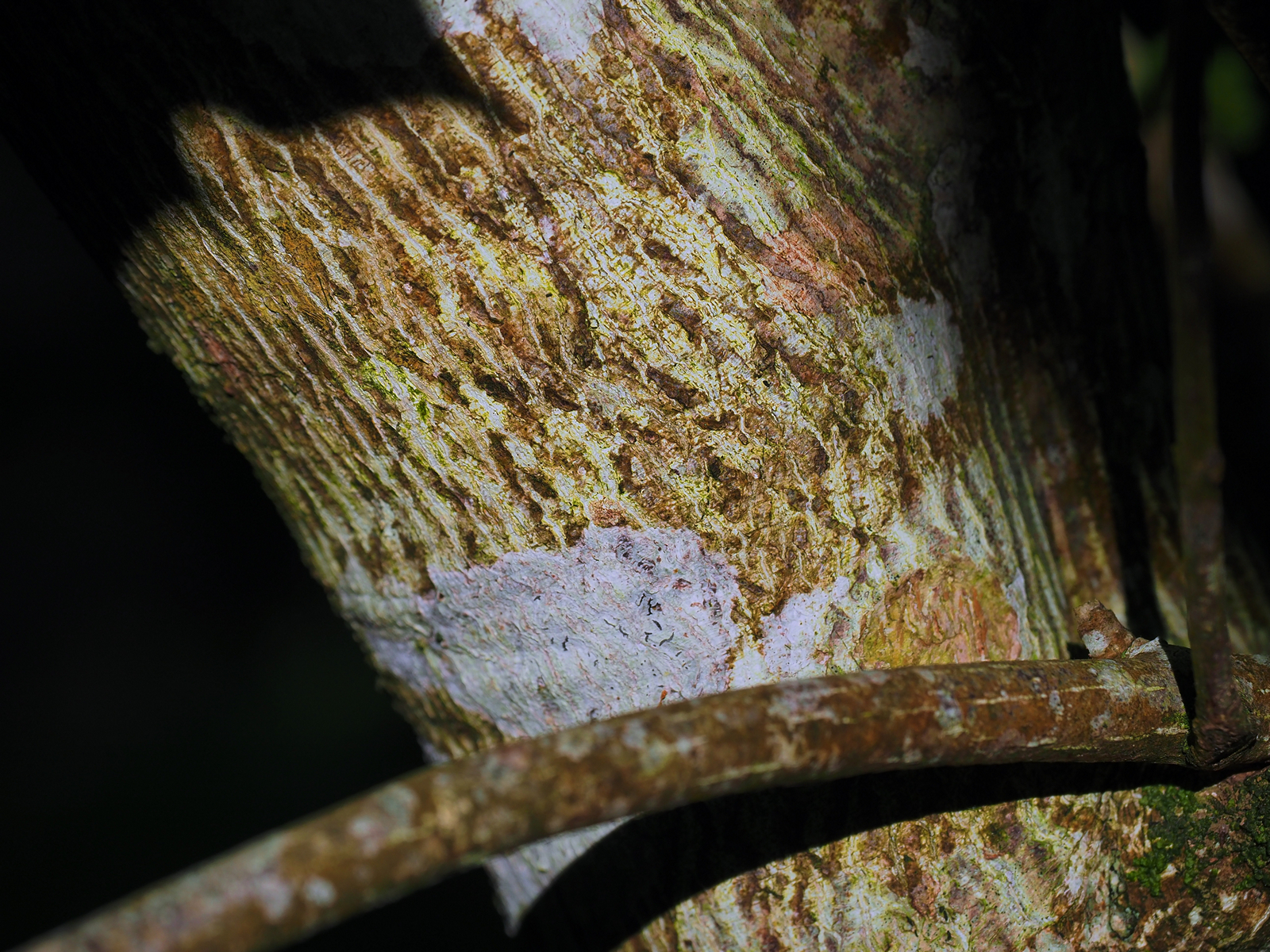
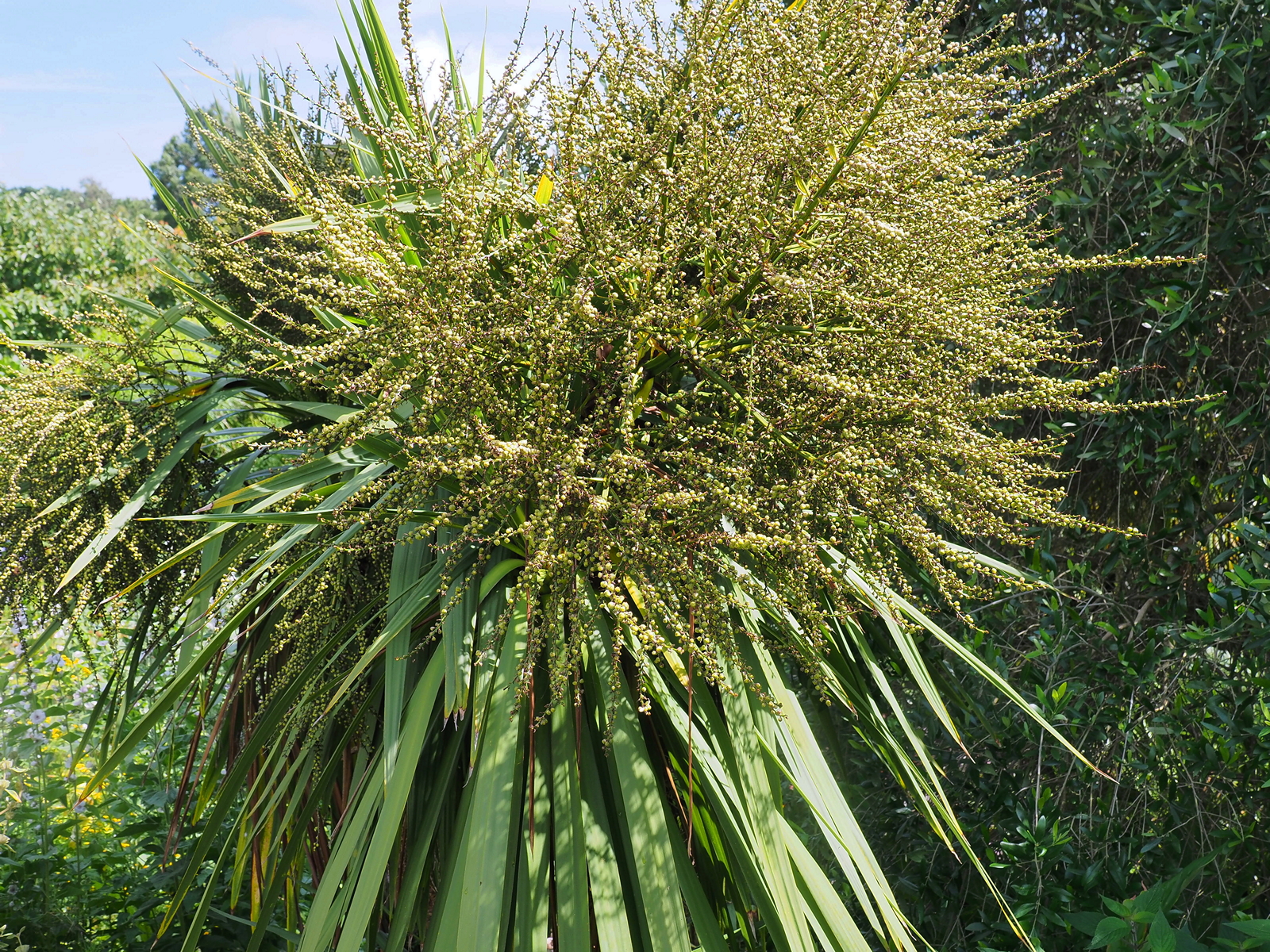
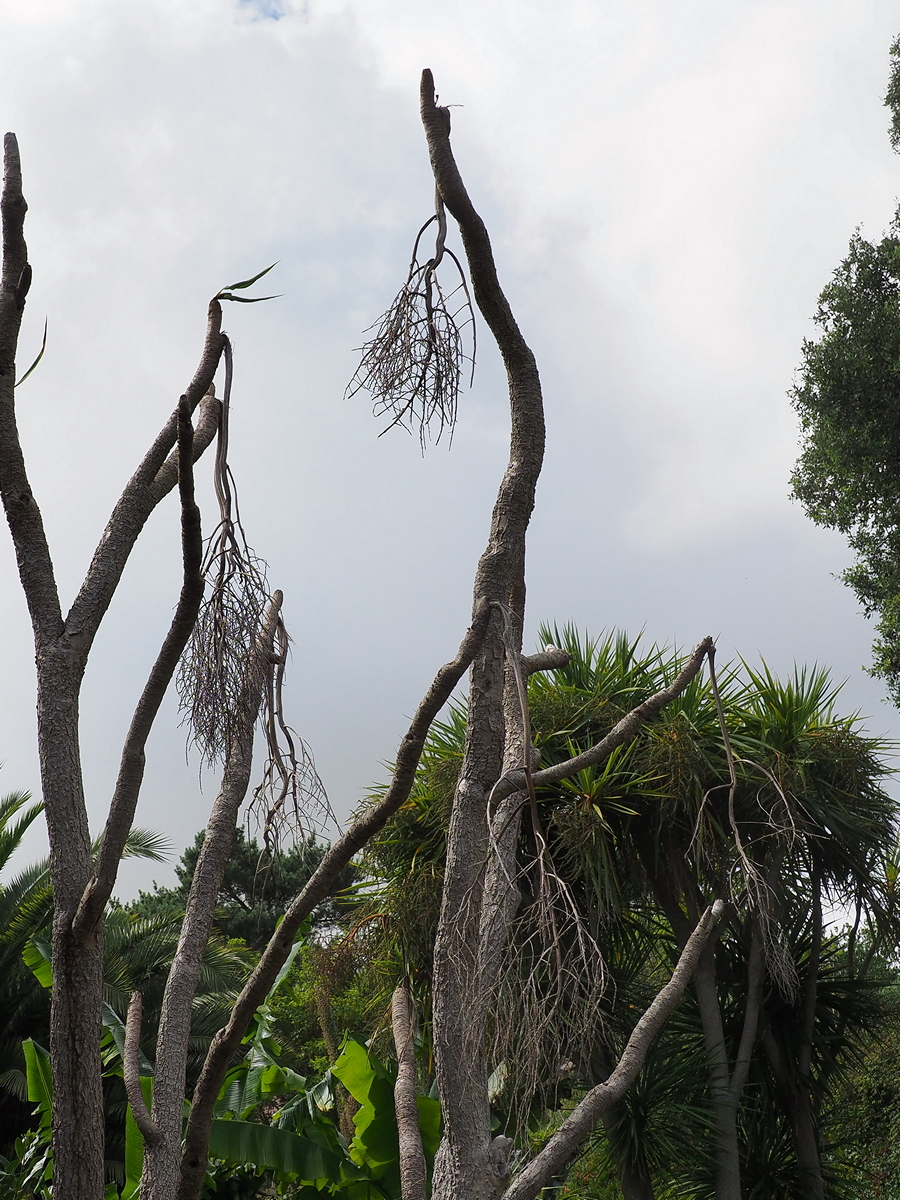
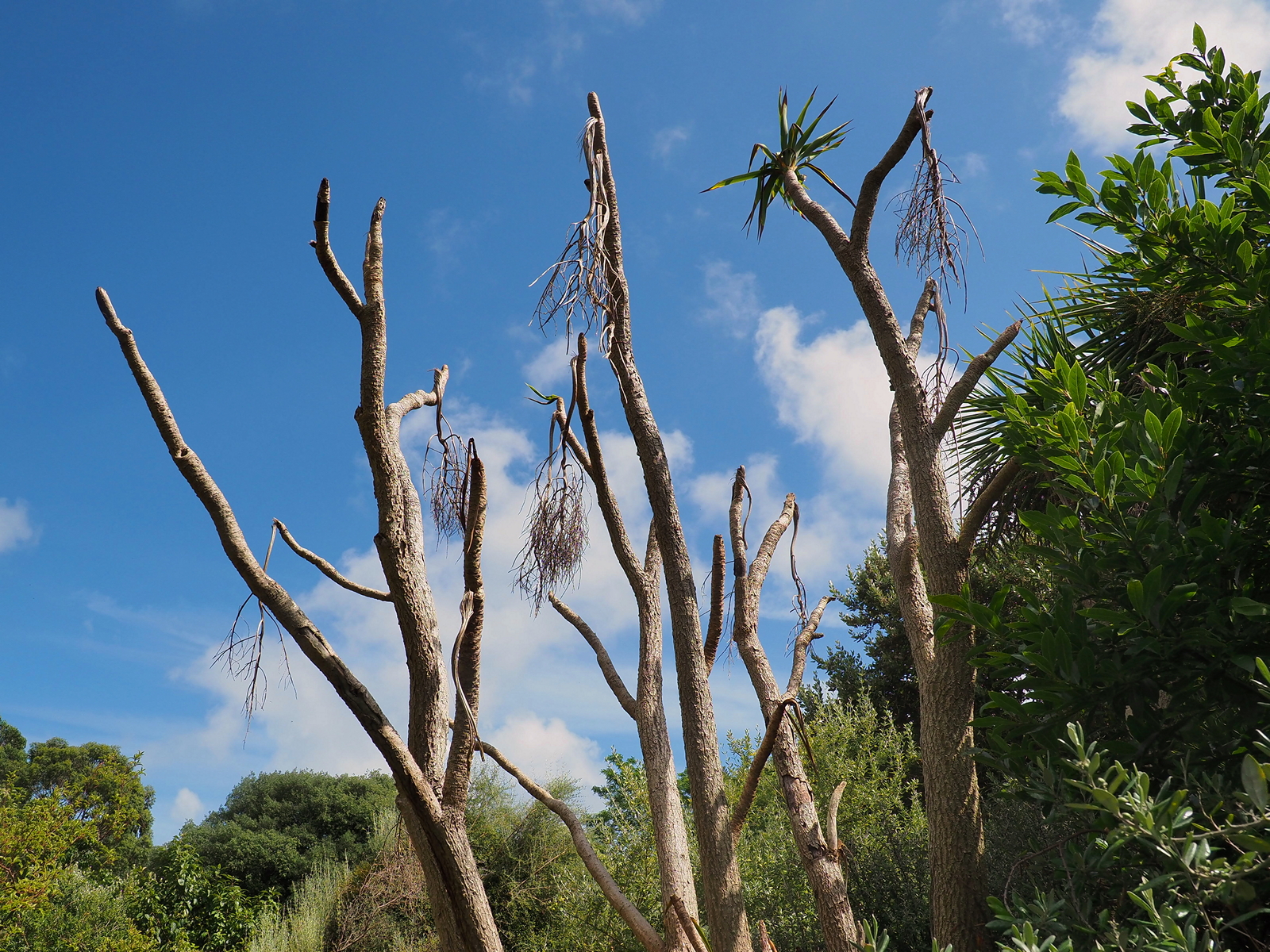
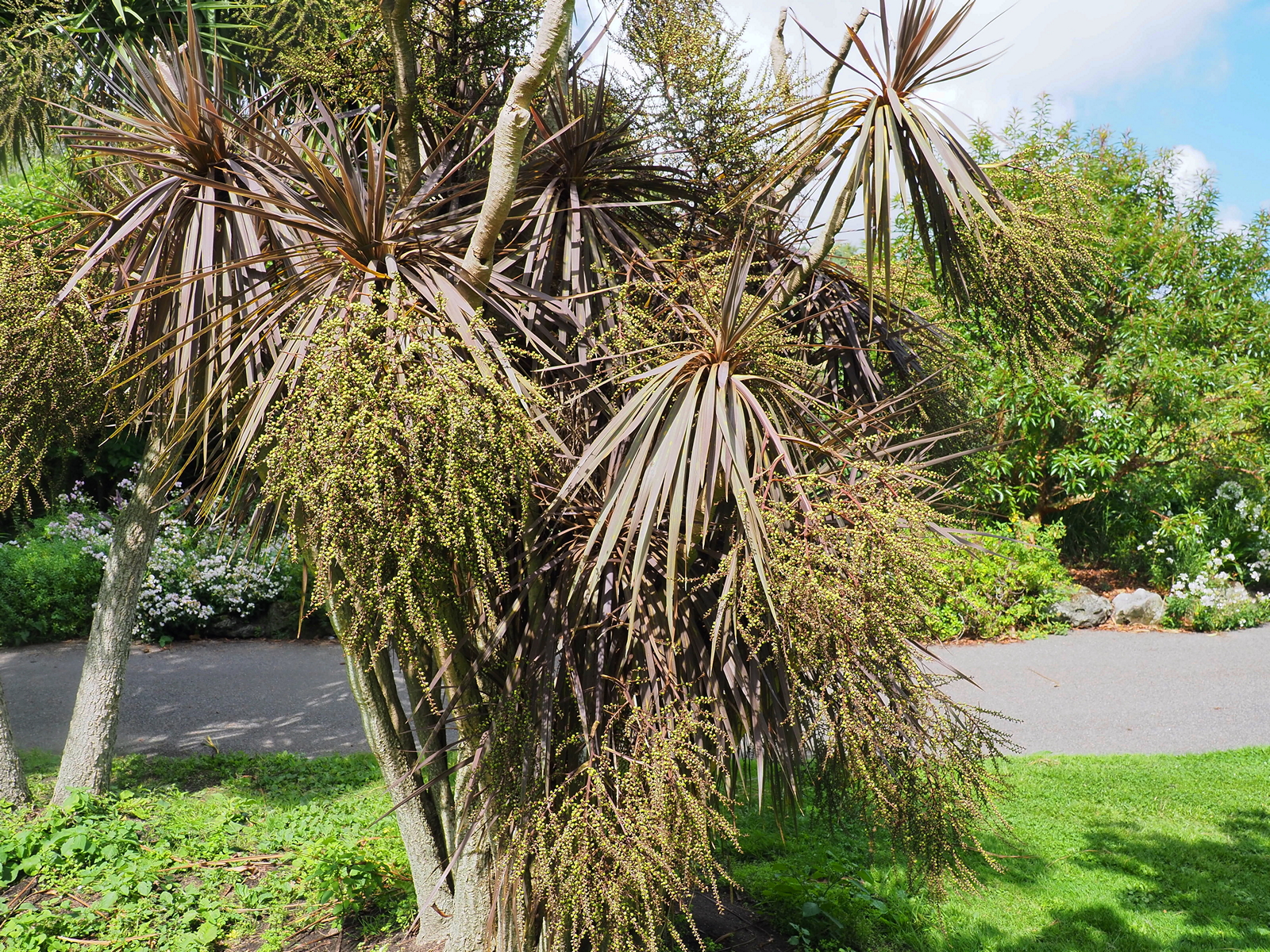
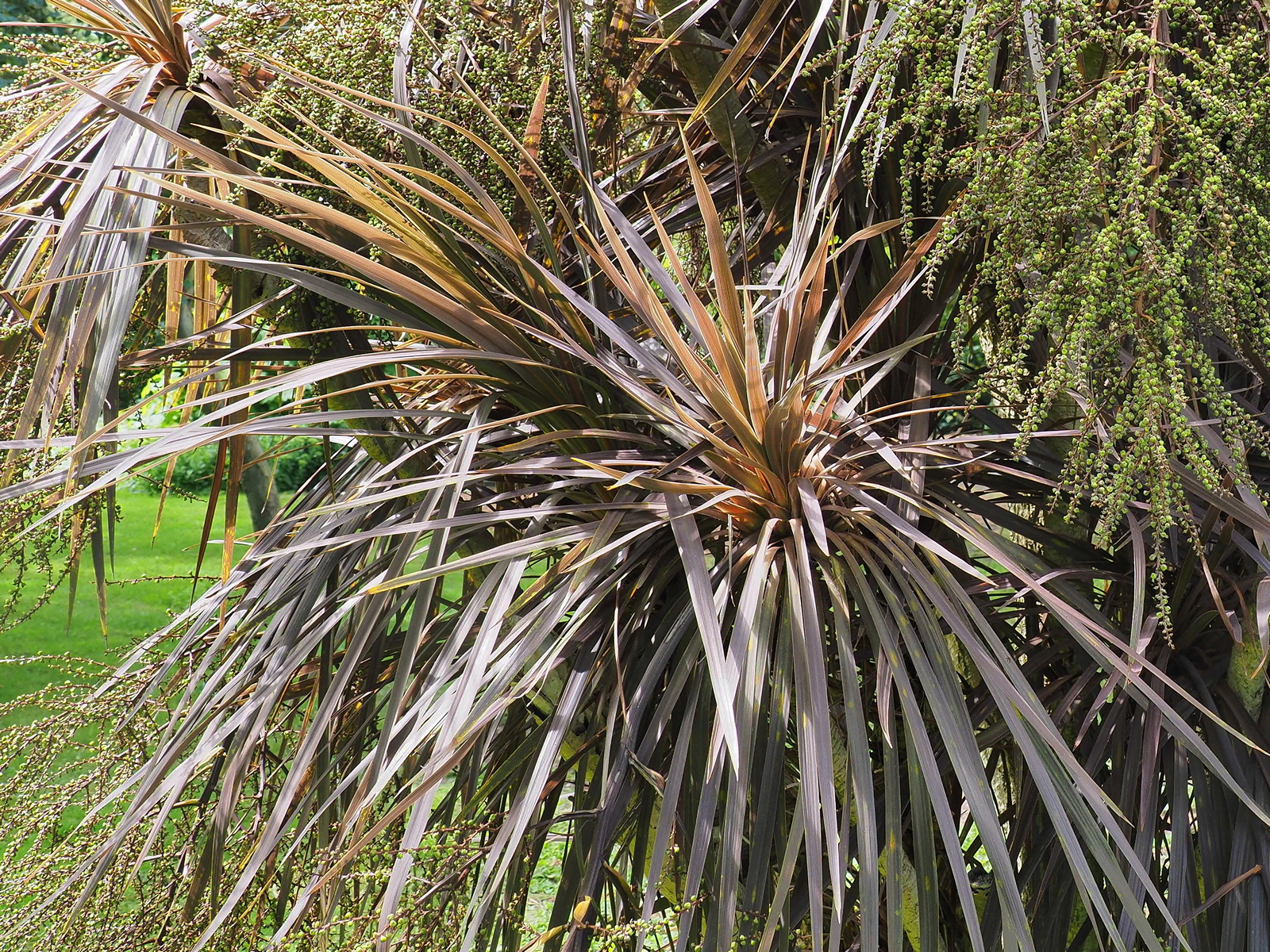
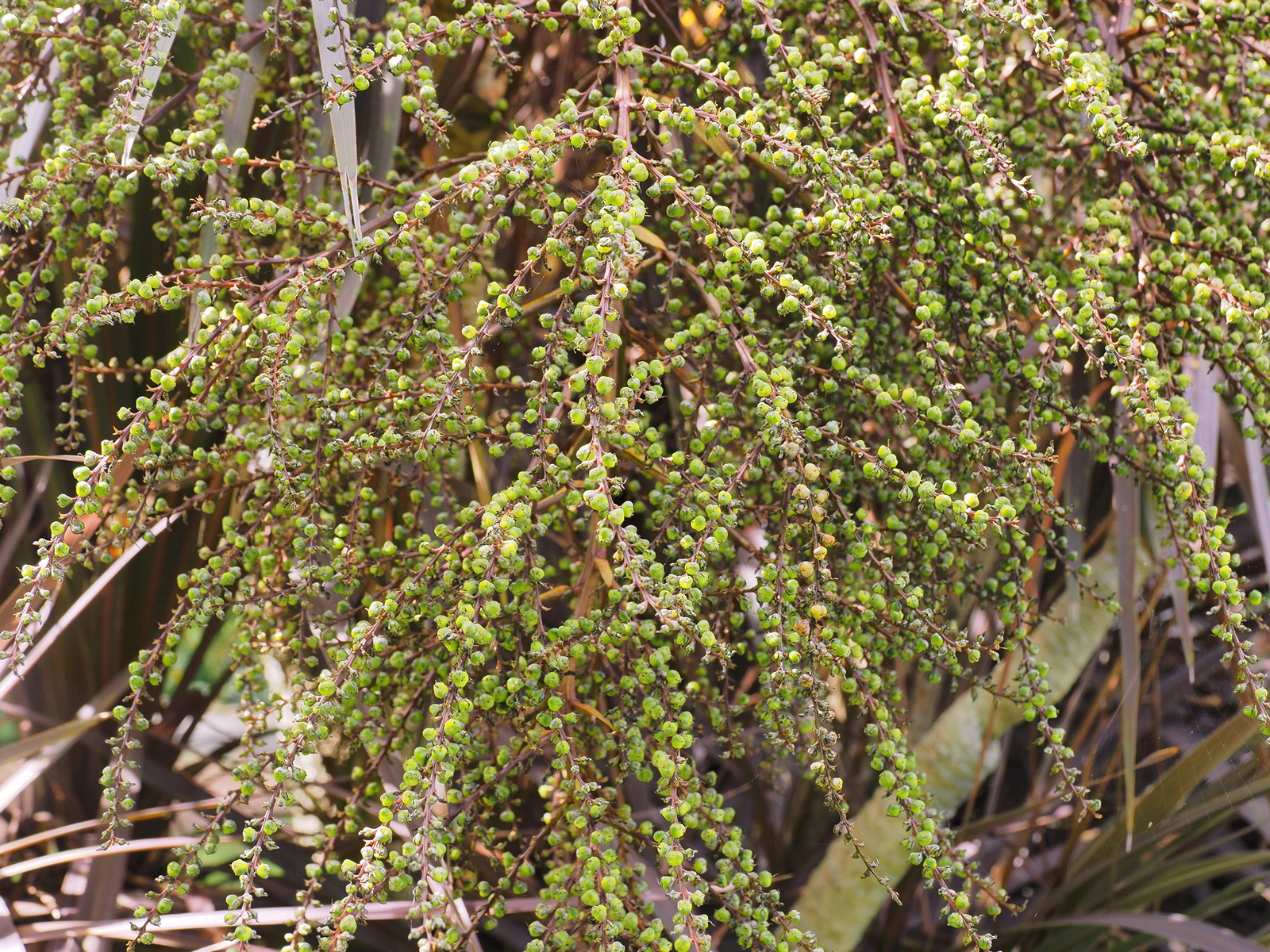
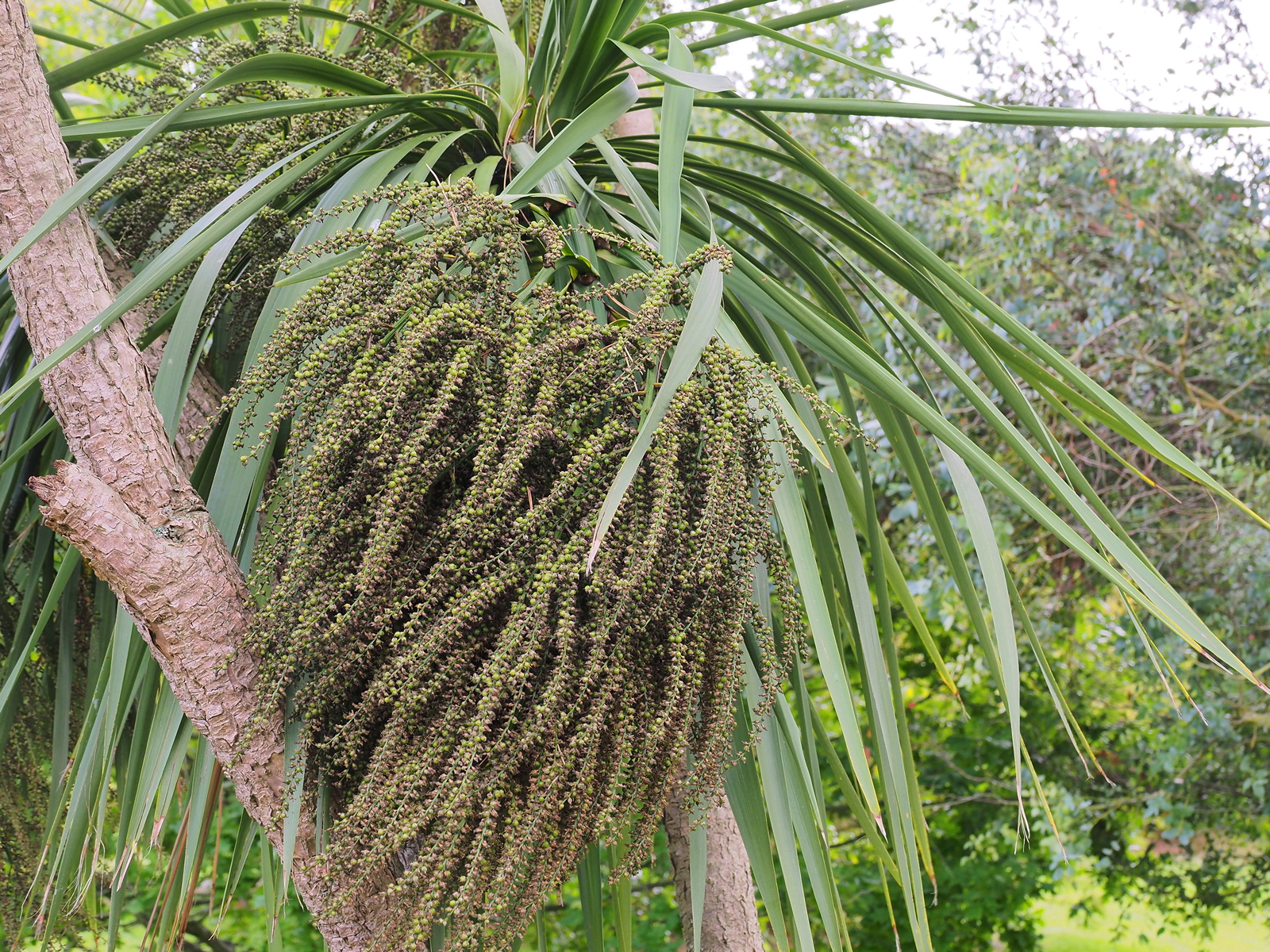
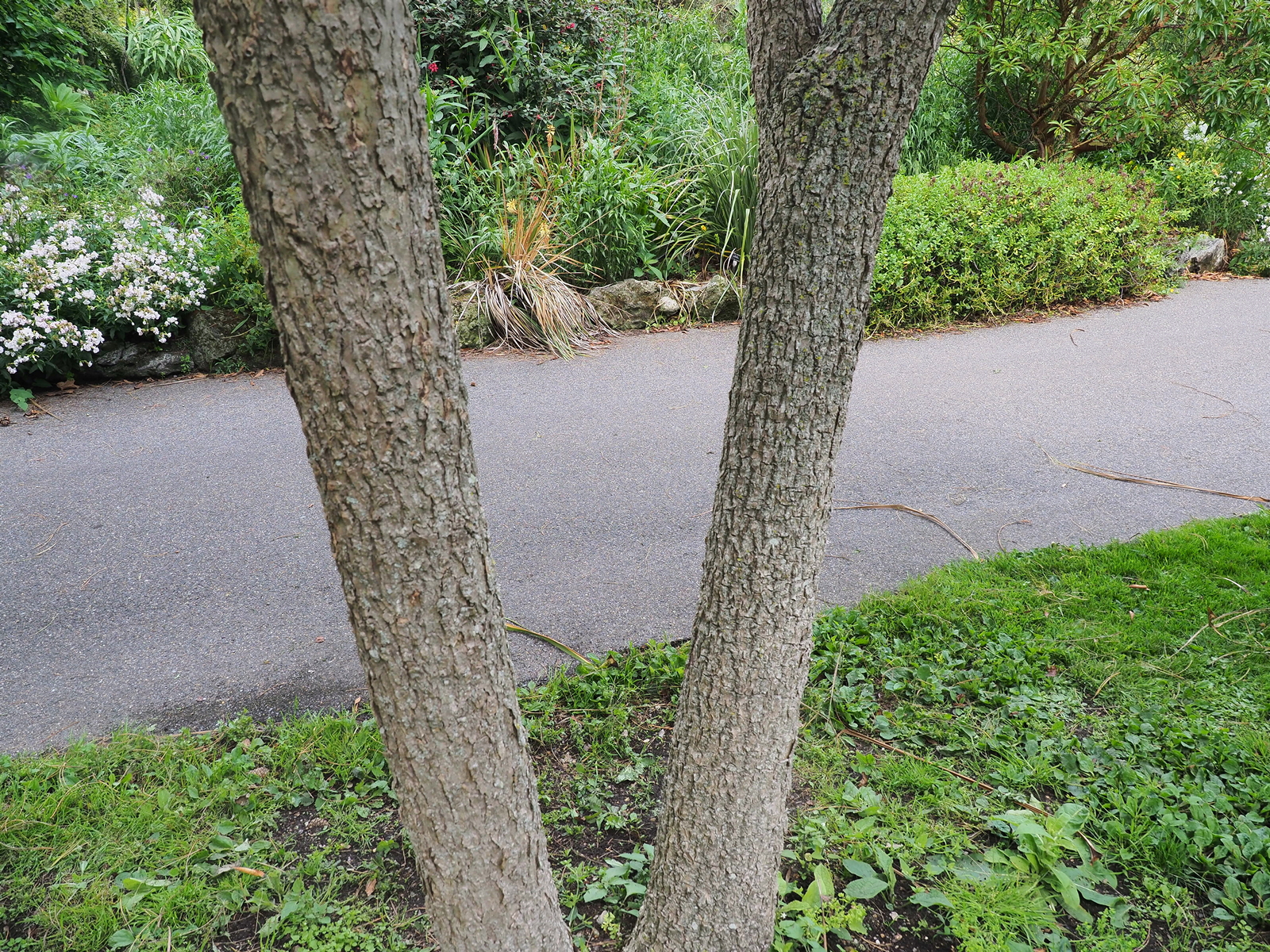
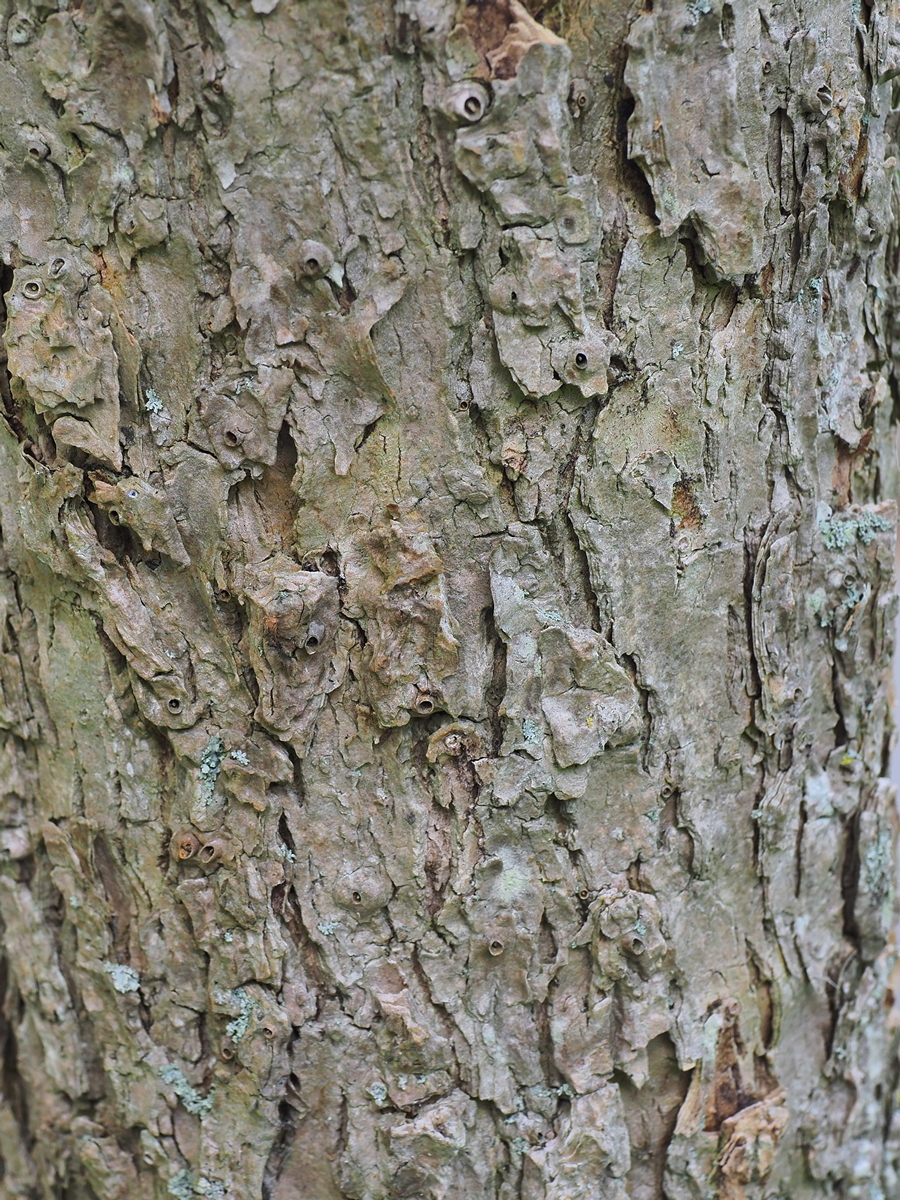
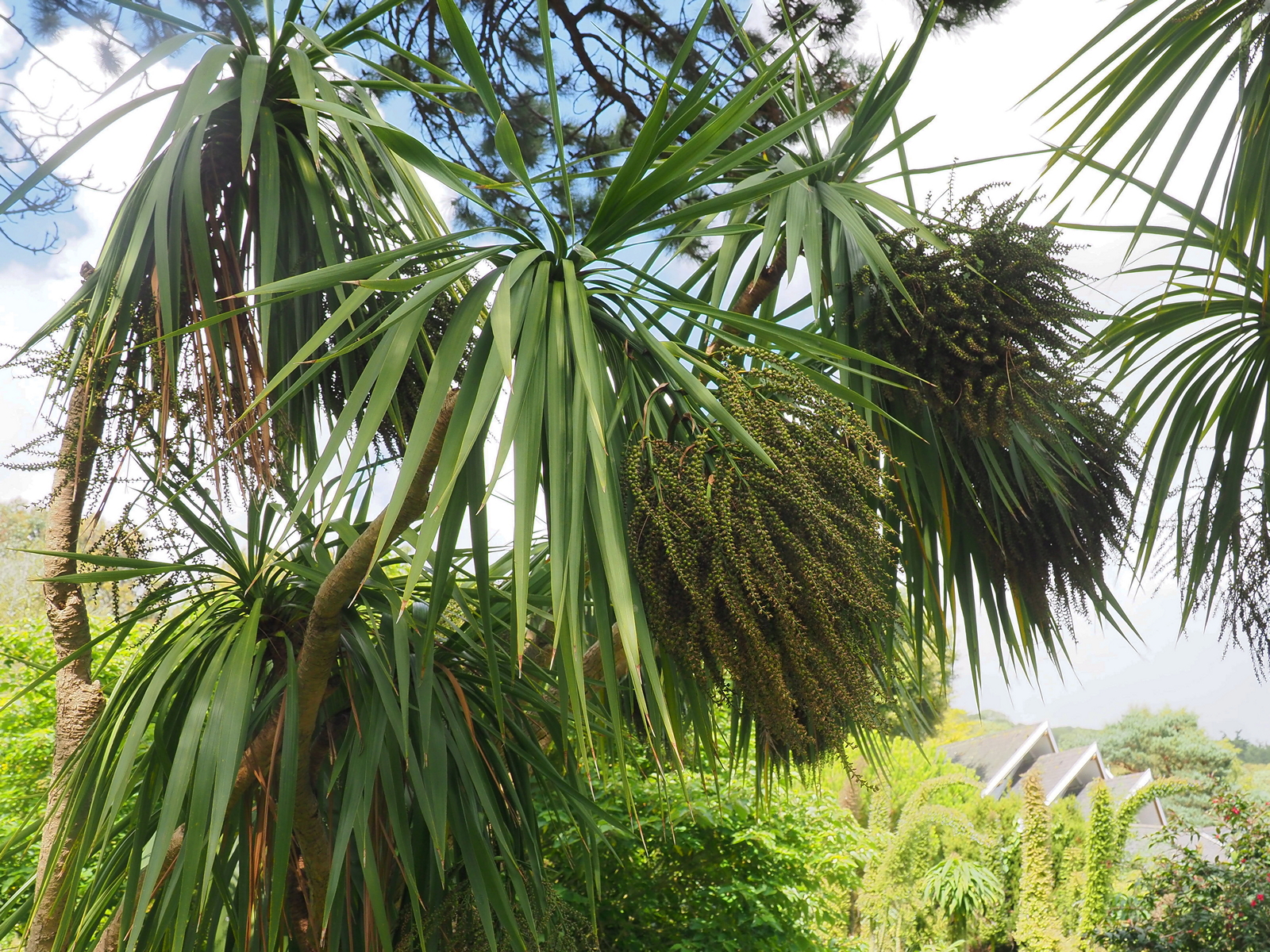
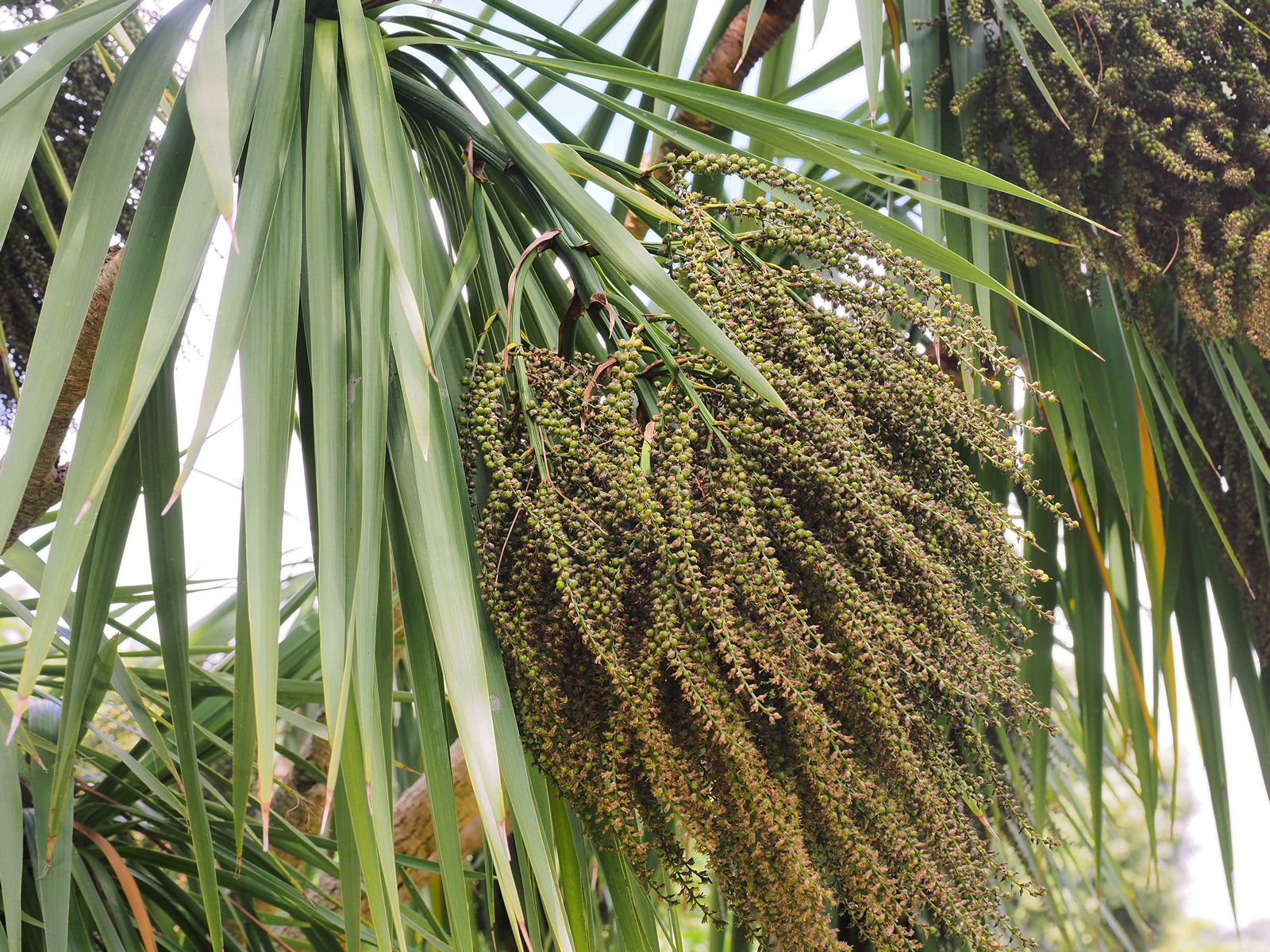
More from Ventnor Botanics.A Cordyline australis seed head larger than the leaves on the plant.
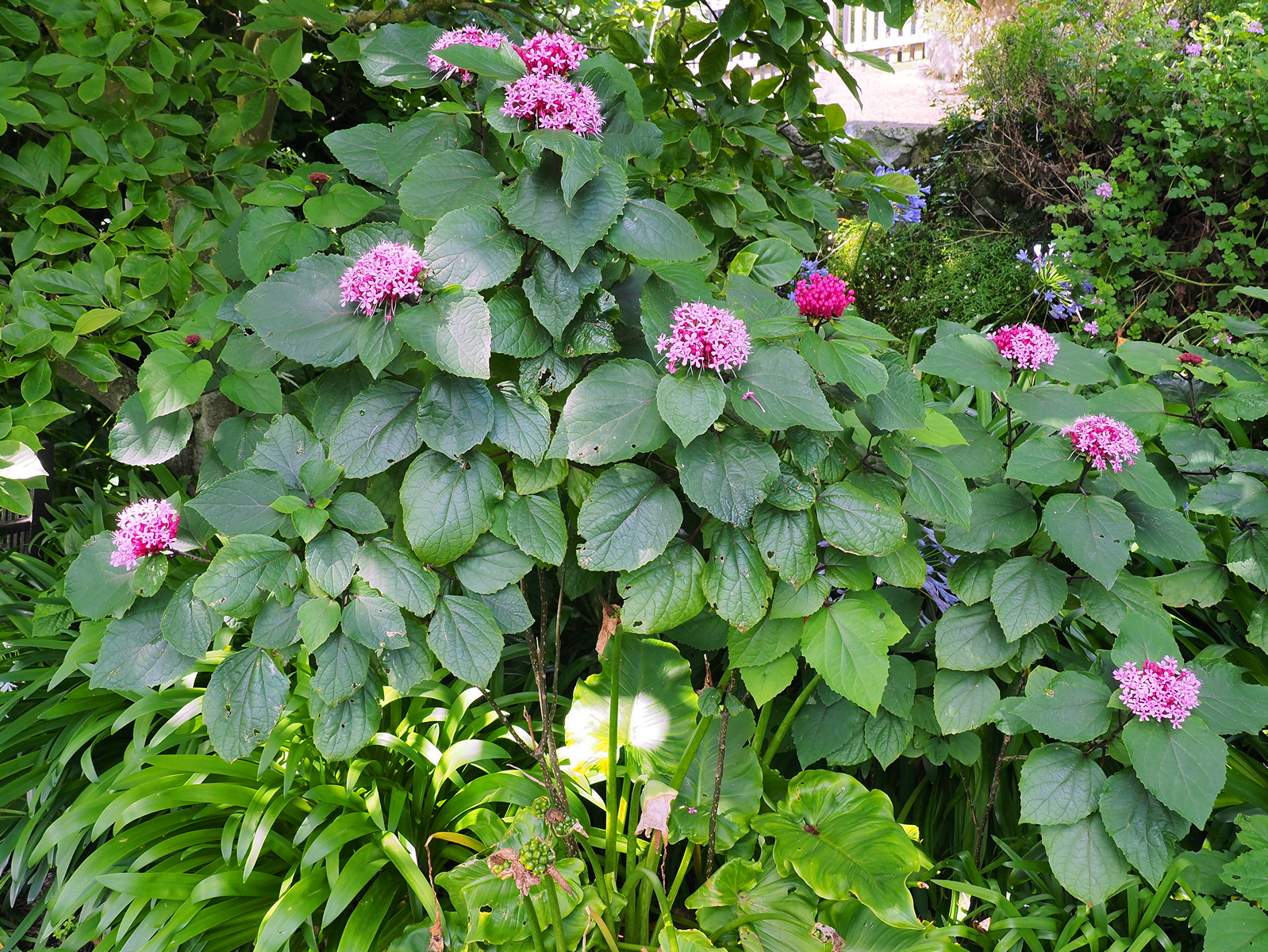
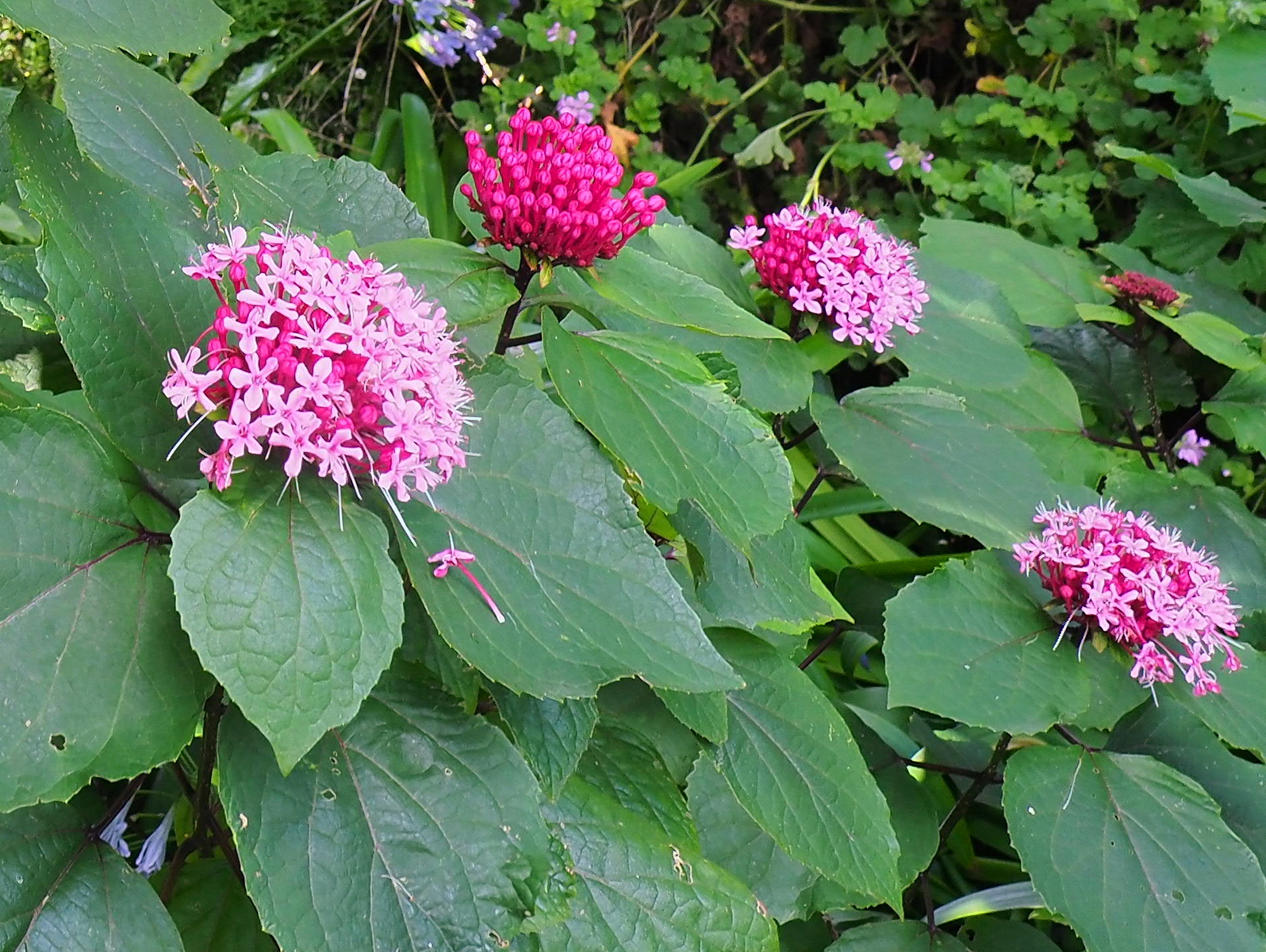
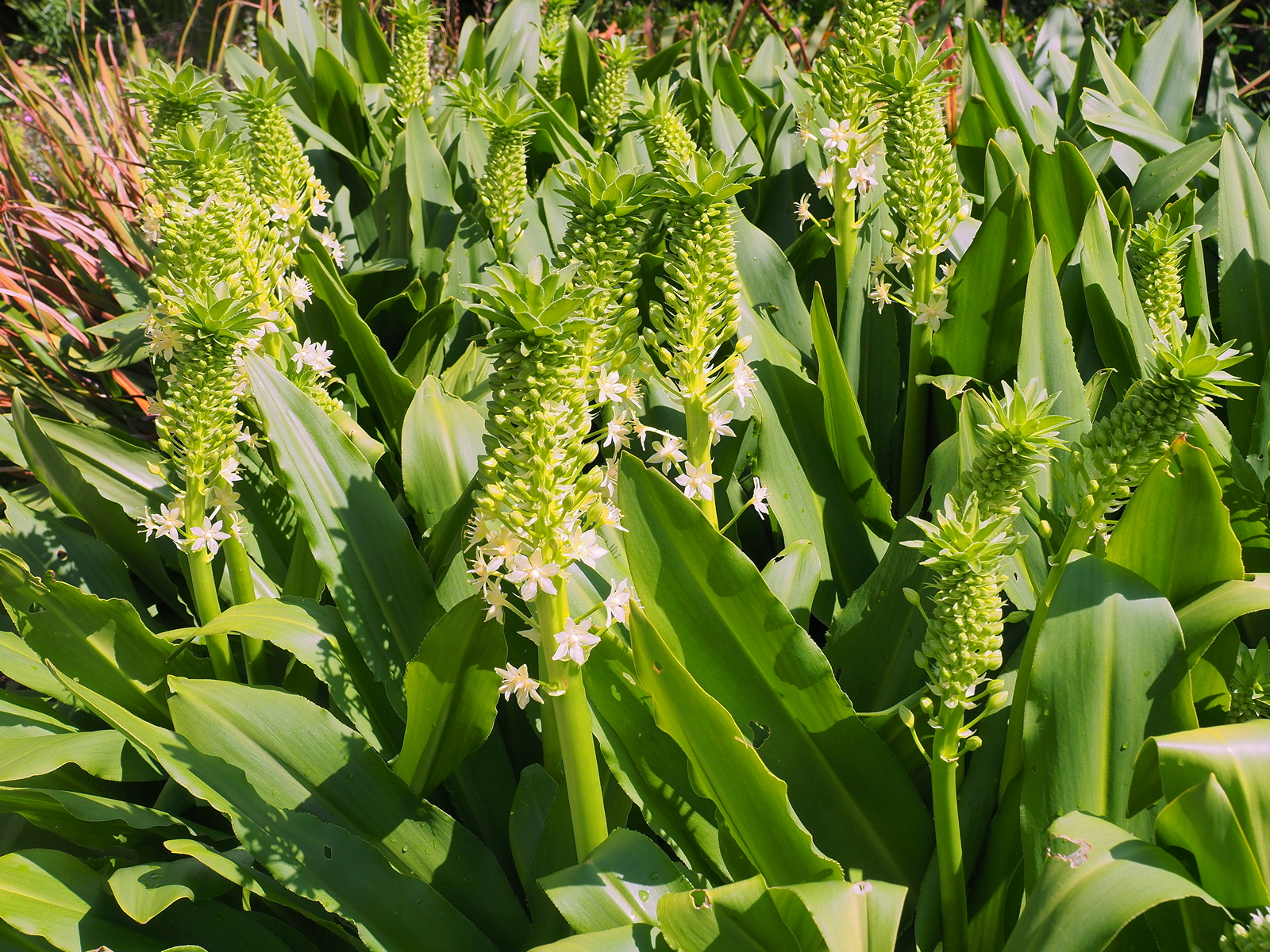
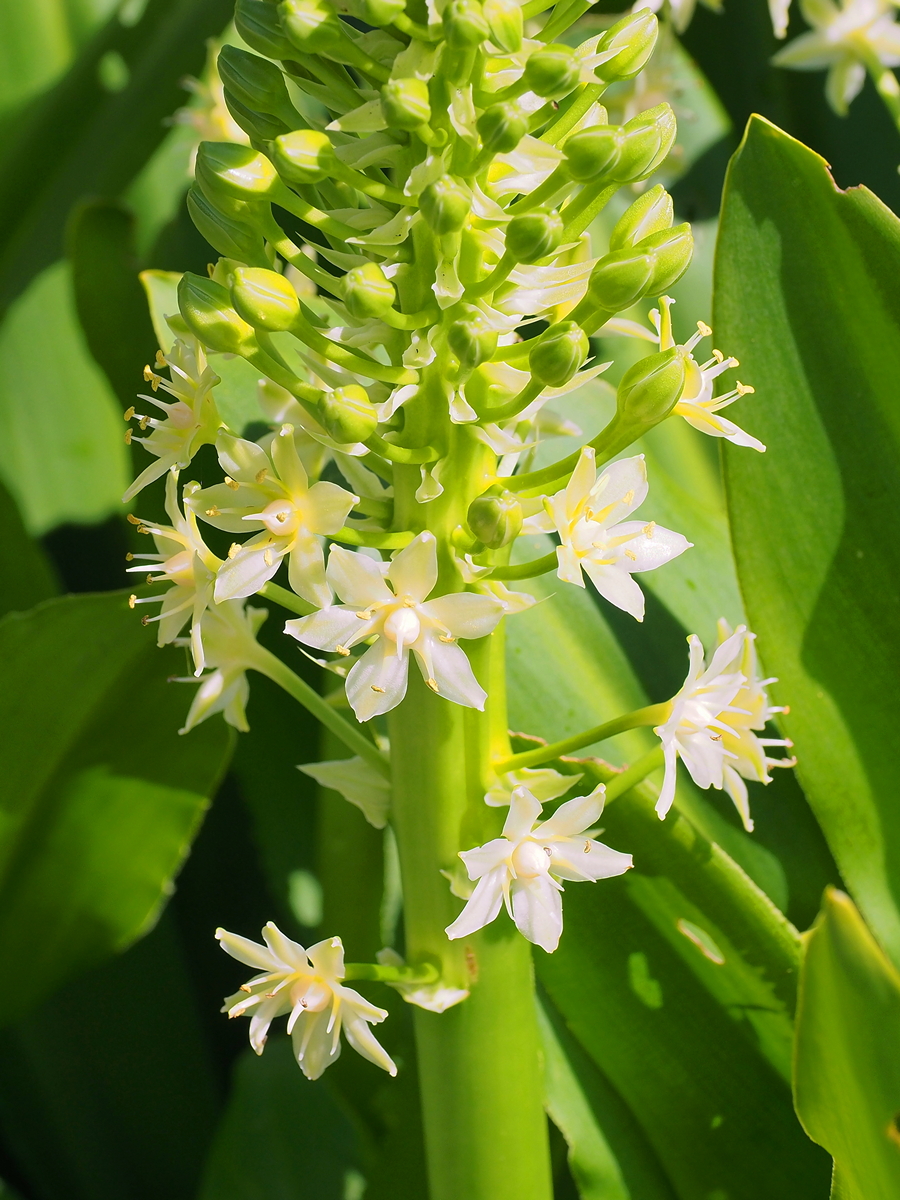


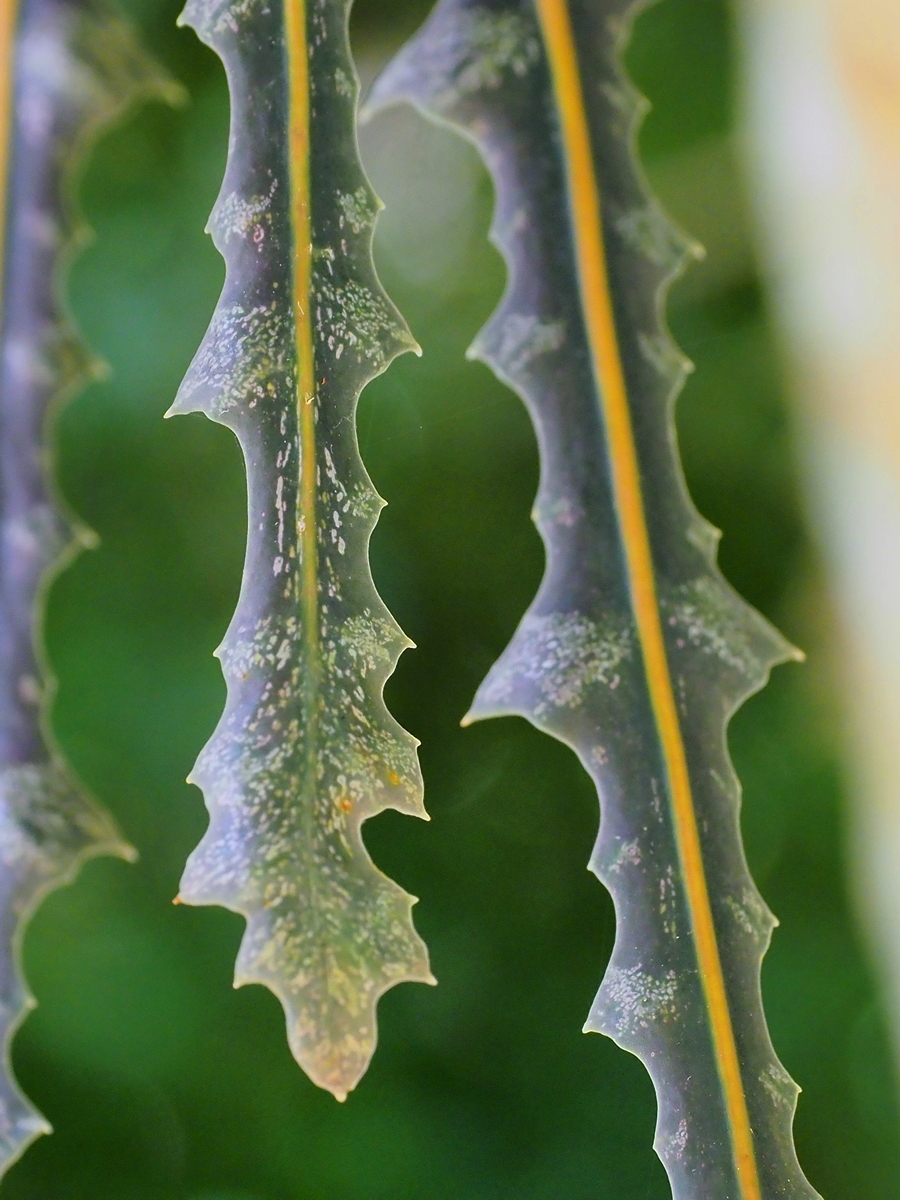
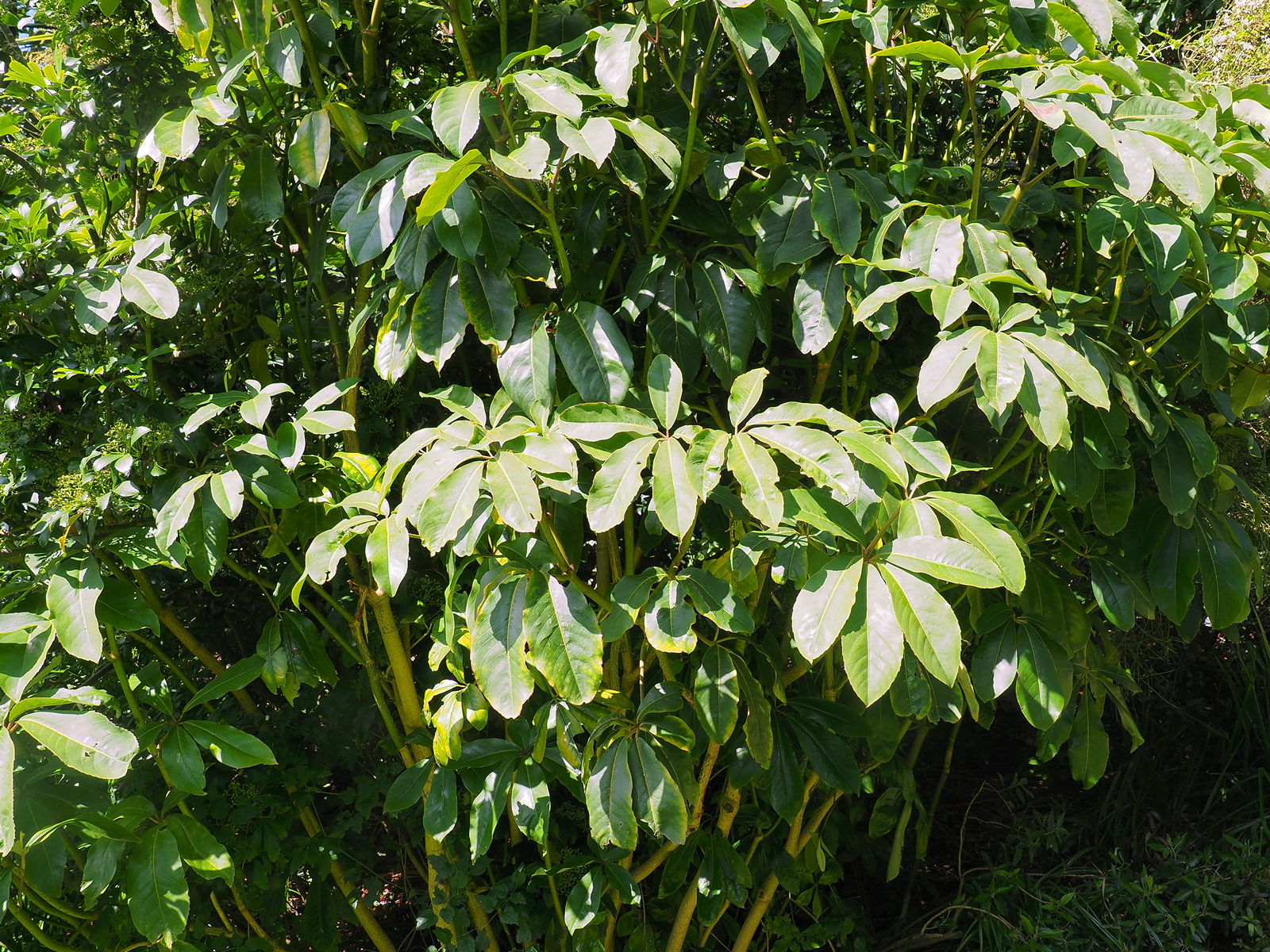
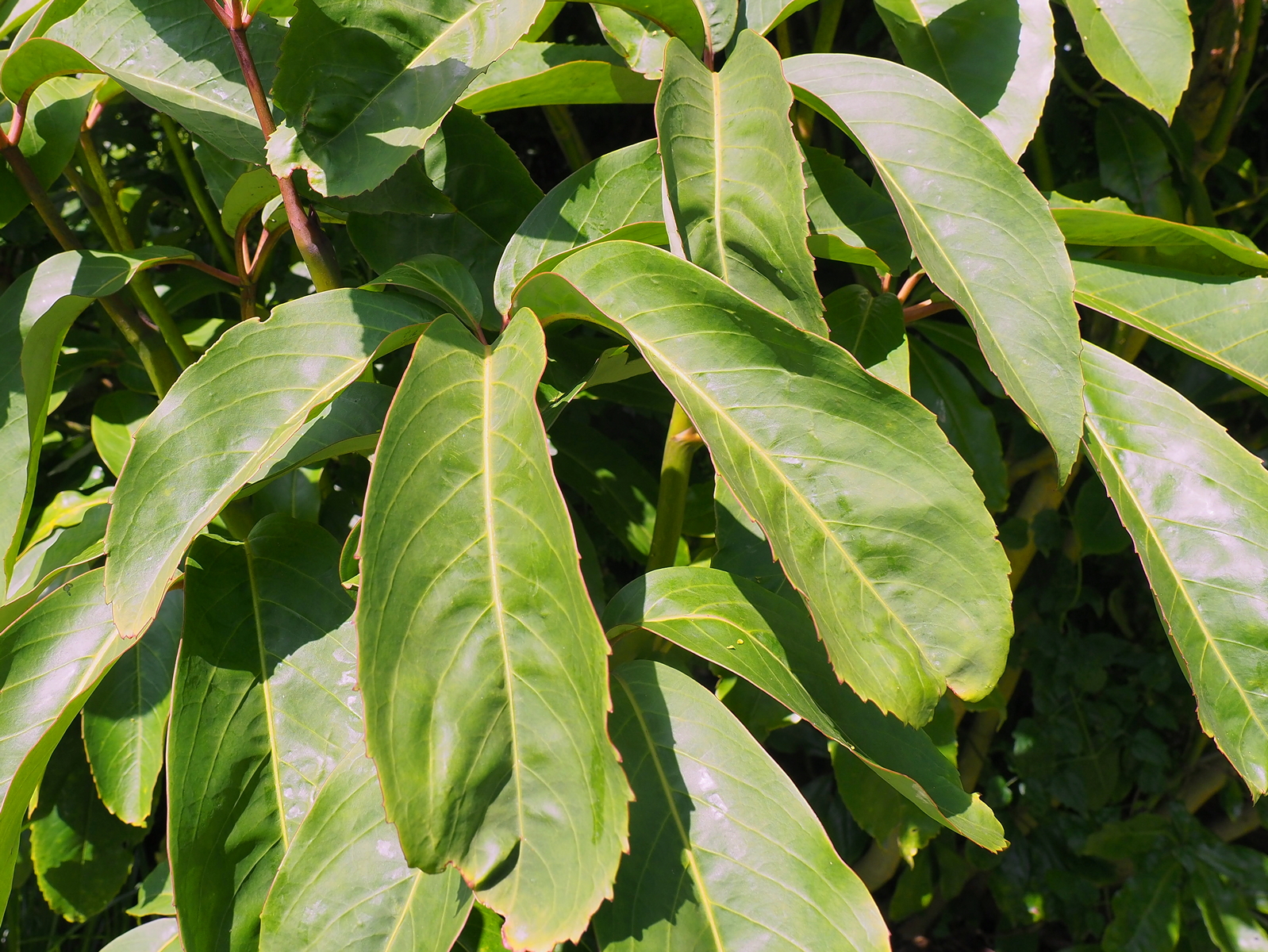

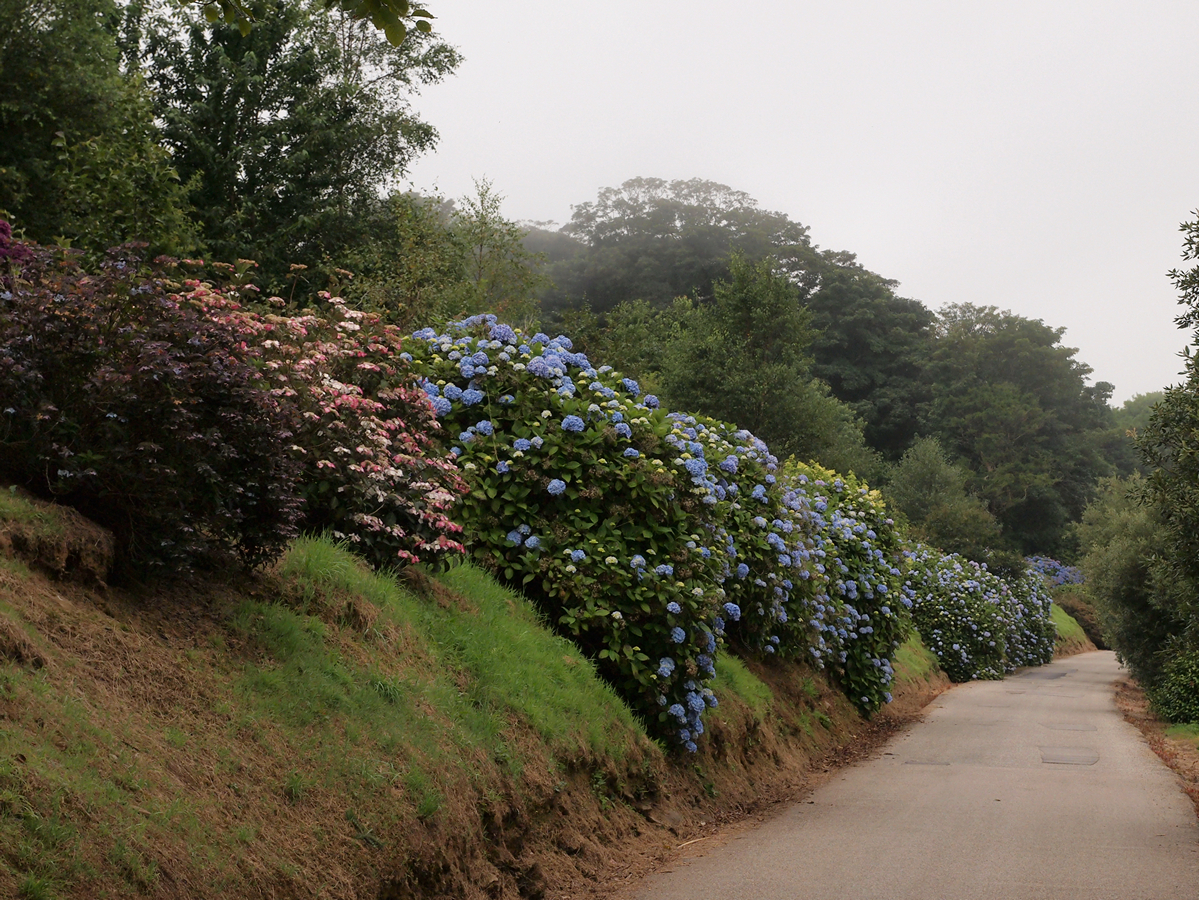
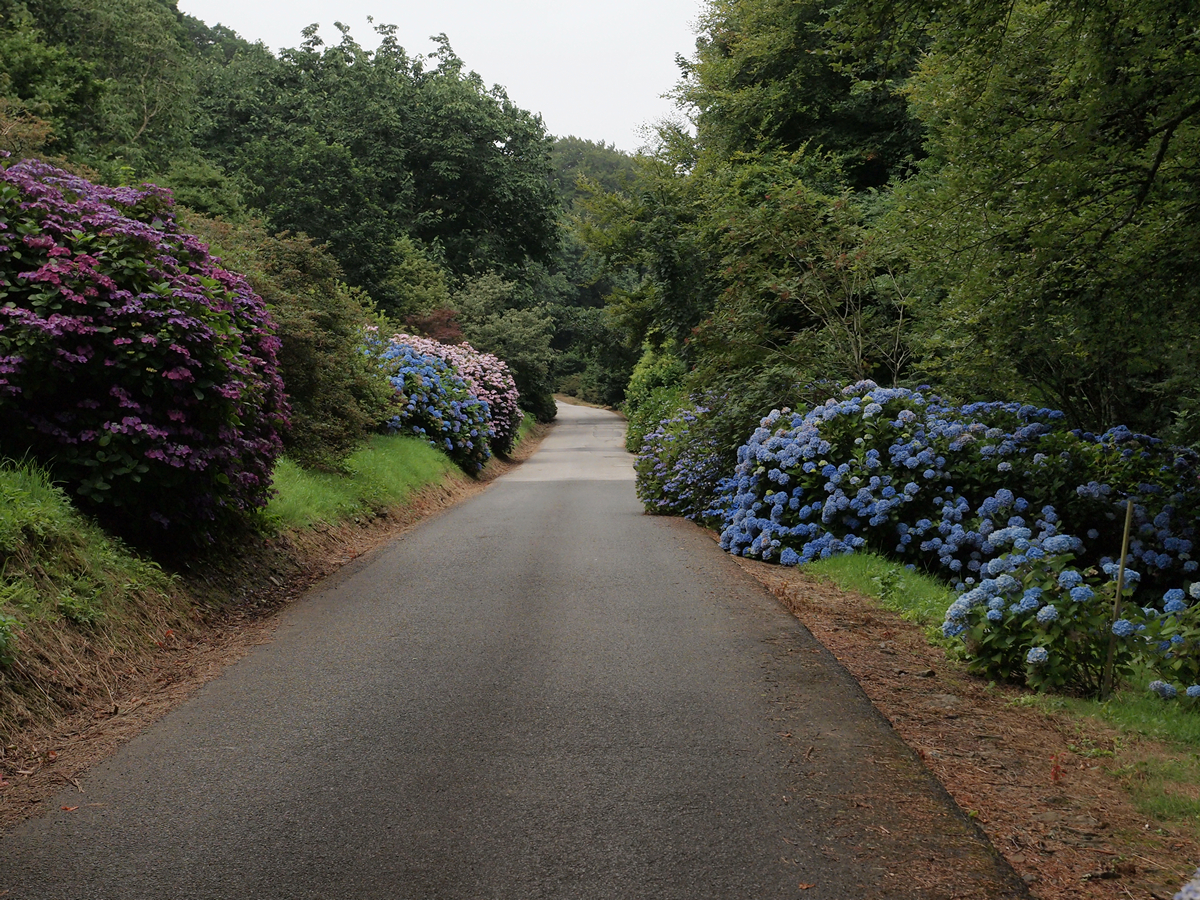
How good it is to be back and enjoy the Cornish air and absolute quiet! The hydrangeas on the drive are now a real show and the newer, more interesting varieties, are showing up as well as those which have been here for at least 70 to 80 years. This has all added a whole new dimension to the ‘summer flowering garden’ and the Hydrangea paniculatas are still only just starting to come out.More on these soon.

2015 – CHW
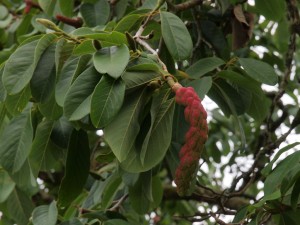
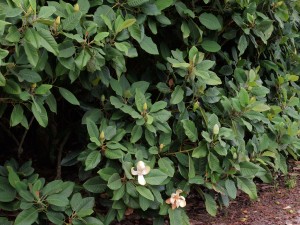
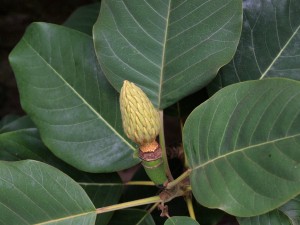
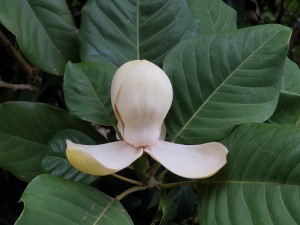
Already huge seed pods on the Magnolia sargentiana robusta hybrid/seedling on the mound outside the Back Yard. What energy this must take out of the tree and over seeding inevitably reduces the amount of flower next March.
1989 – FJW
Harvest all in – very very dry – spring barley poor, winter barley good.
1950 – CW
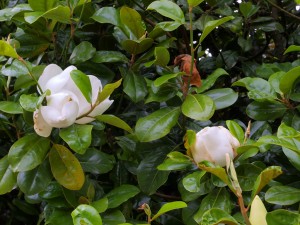
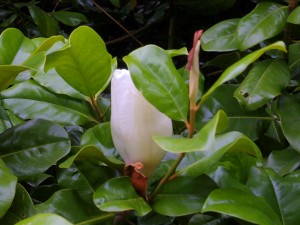
First lapageria out 2 days ago. Eucryphia pinnatifolia at its best only odd flowers on Nymansensis, a few cyclamen. A lot of Auriculatum hybrids still good and some not out. An odd Mag parviflora. Lots of both Grandiflora. A lot of rain for some weeks after a very dry spell.
1917 – JCW
Went round the garden with Harrow of Edinburgh, we found some flowers on Adenogynum, Idoneum[?], 10311, Rupicolum, Flavidum, Hippophaeoides, Keysii, Decorum, Fortunei, Auriculatum, Fasitigiatum, Intricatum.
1913 – JCW
Roses in the beds are very nice. White everlasting peas good. R magnifica fair, it is very dry. Gros au Felity very nice and so the Romneya. The Tin Garden work has finished.