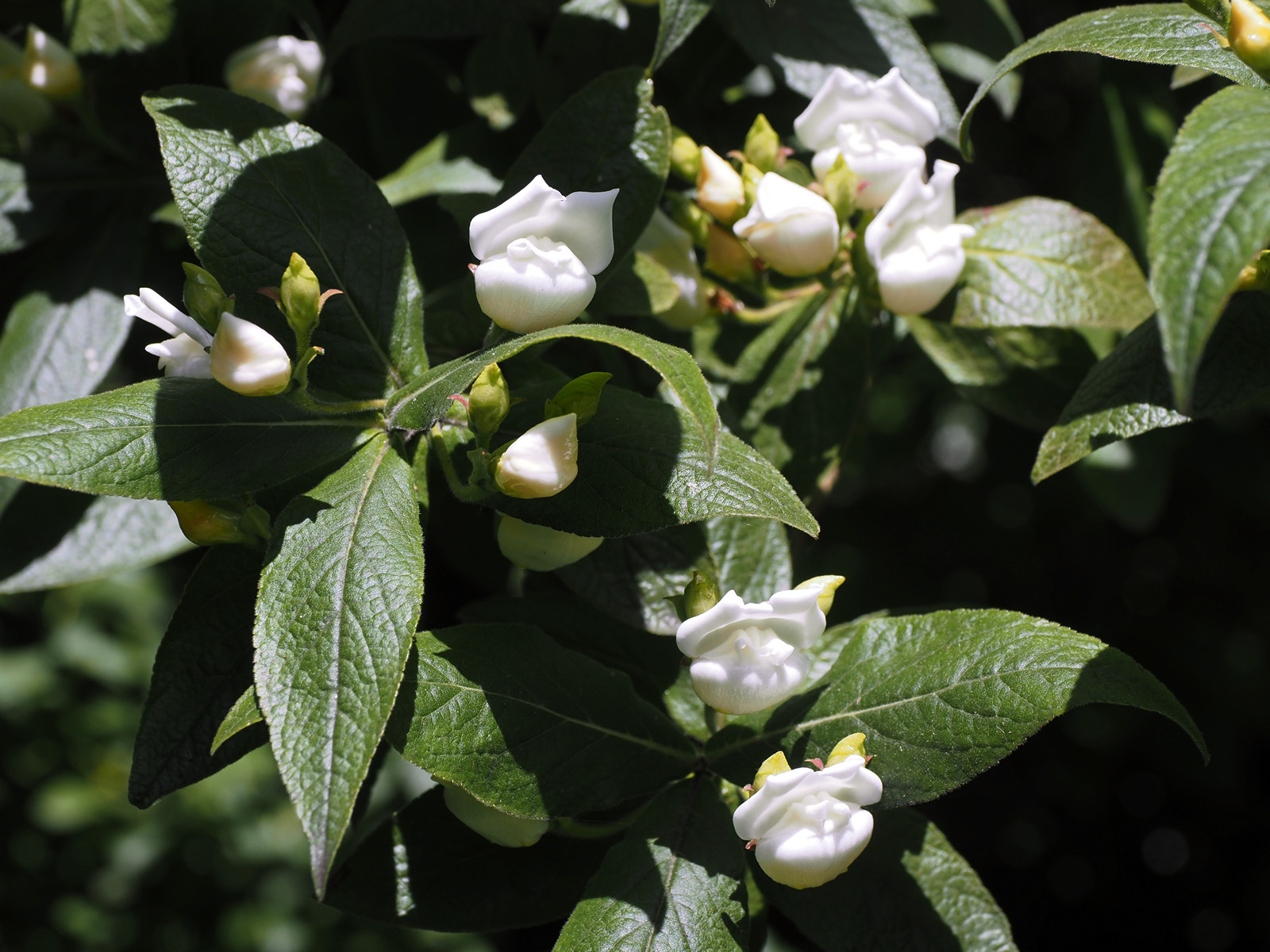
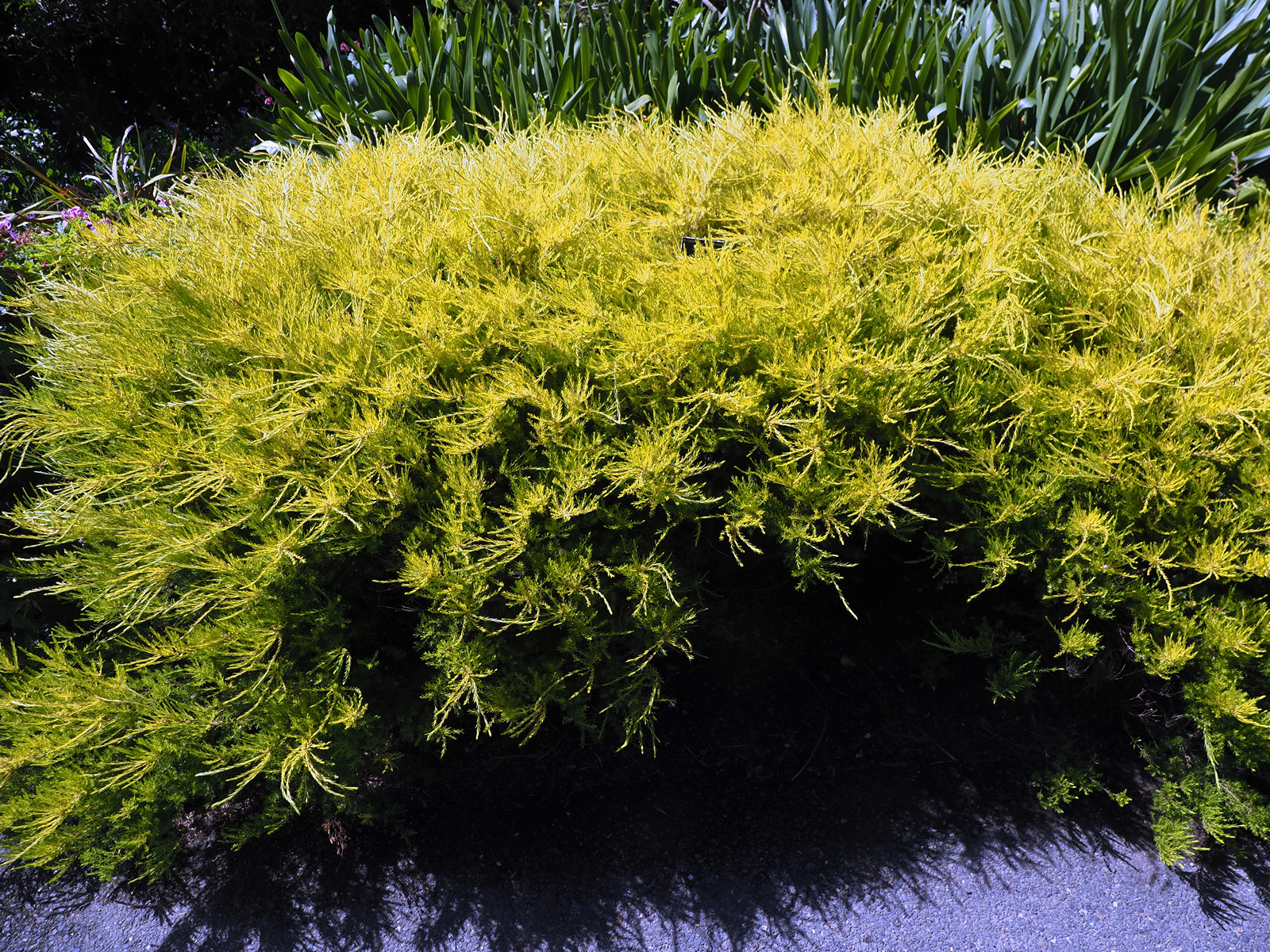
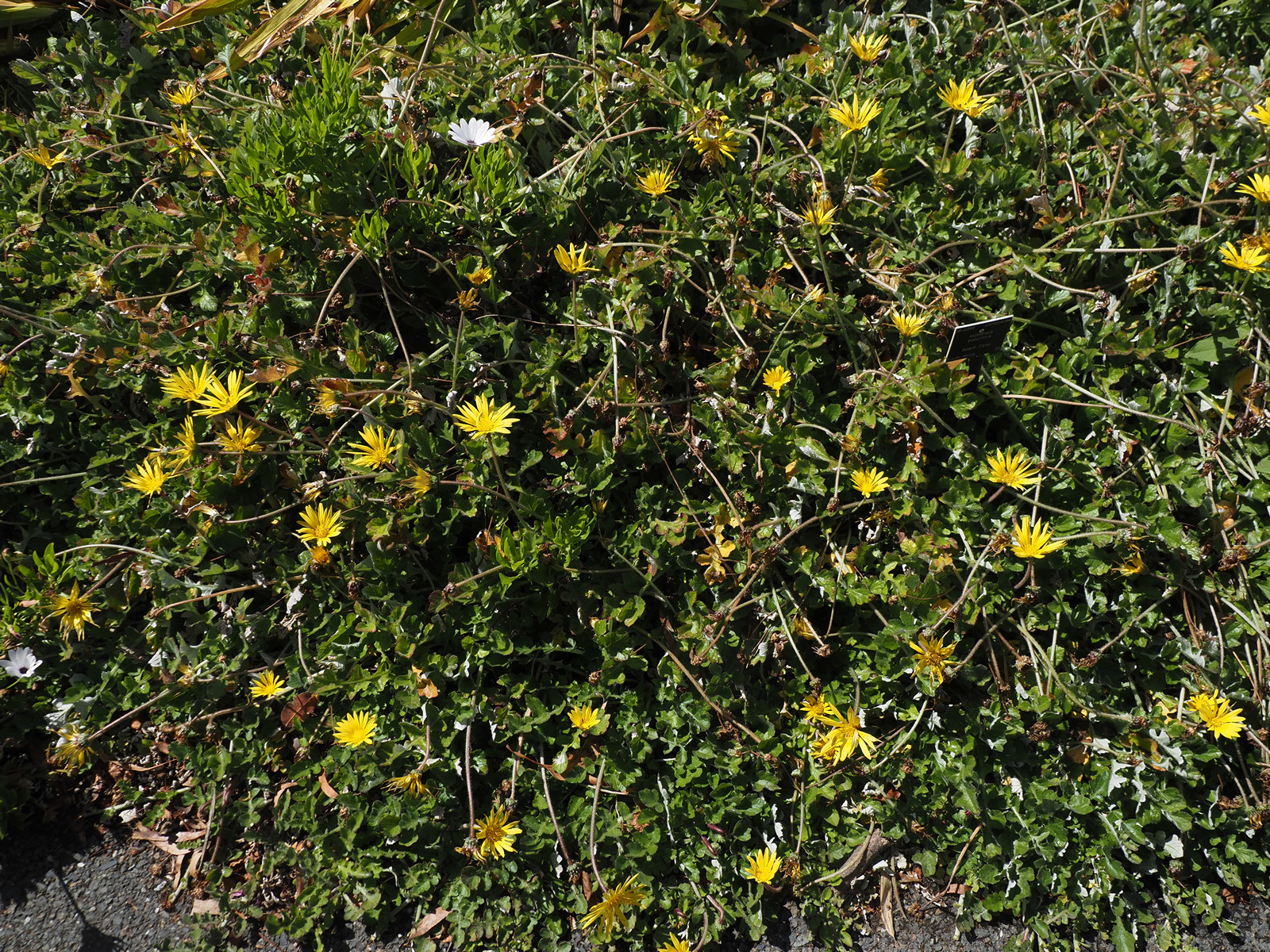
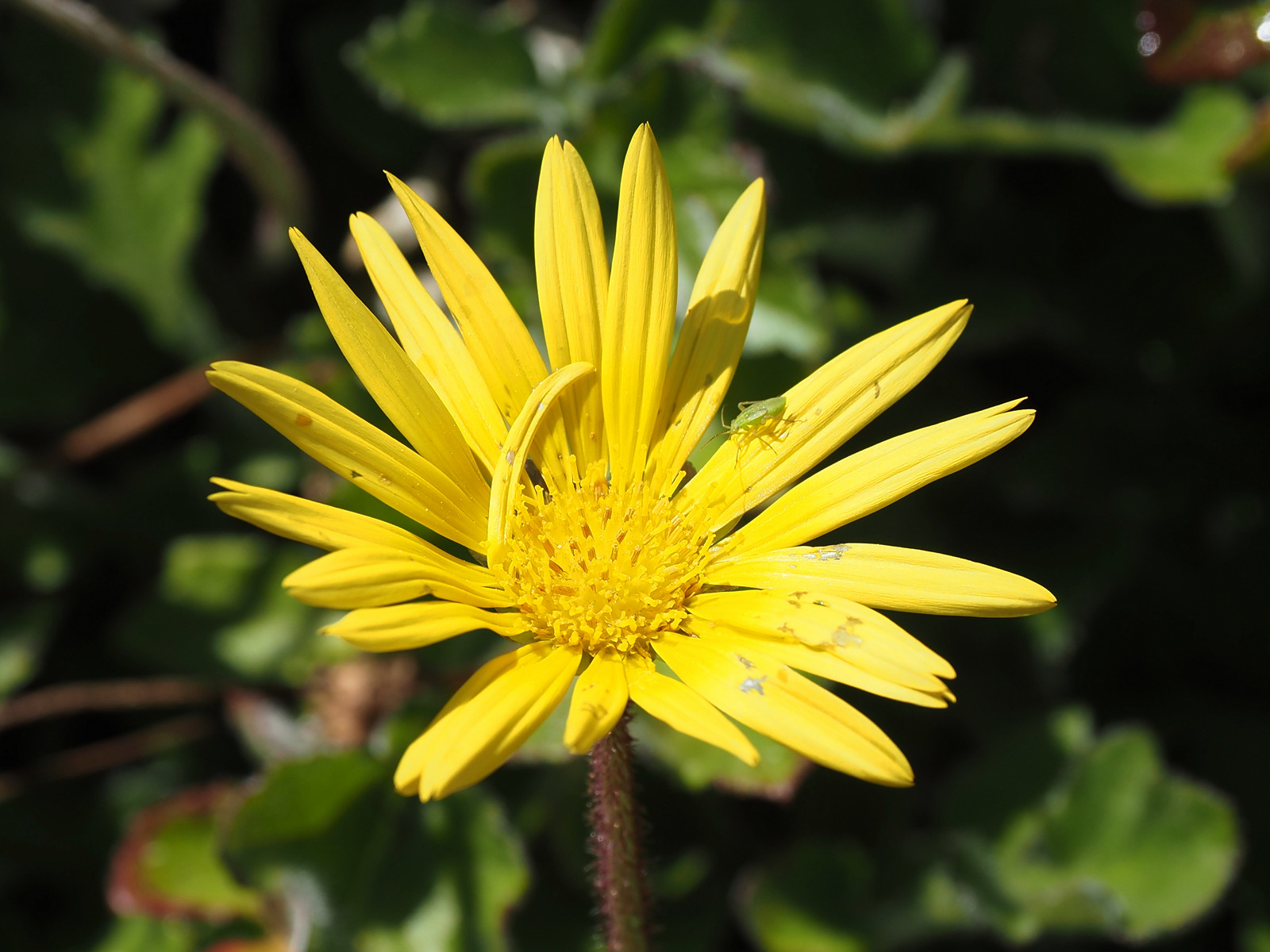
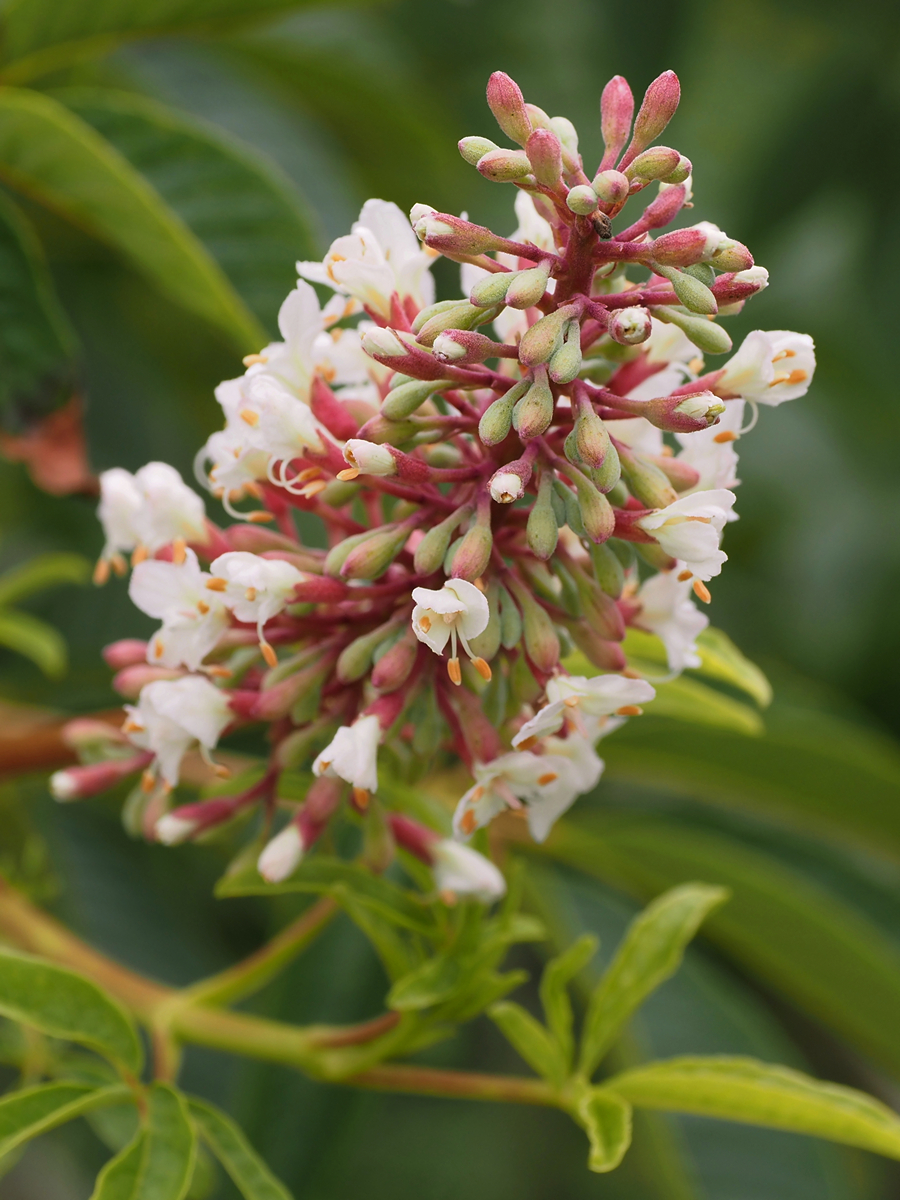
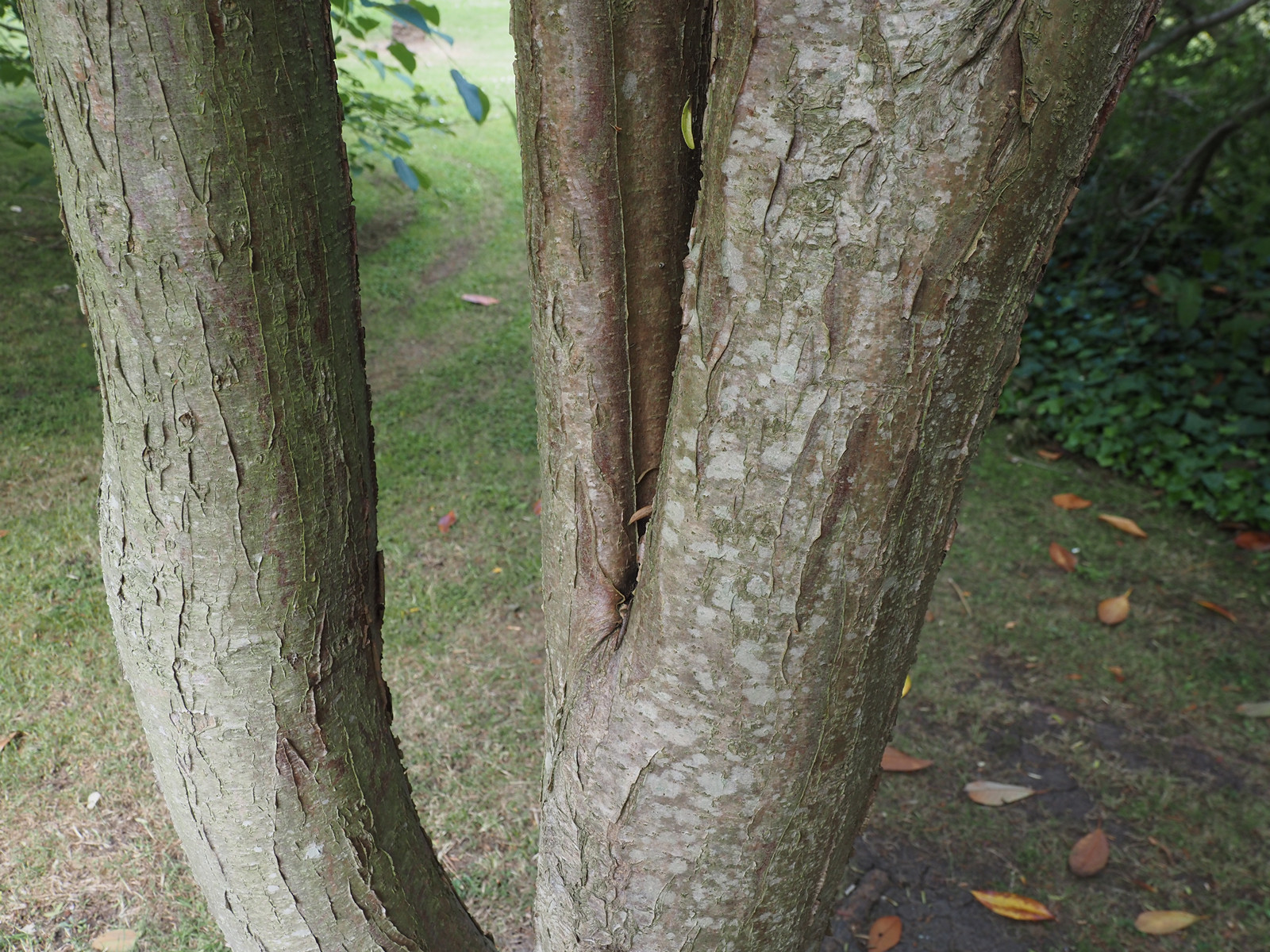
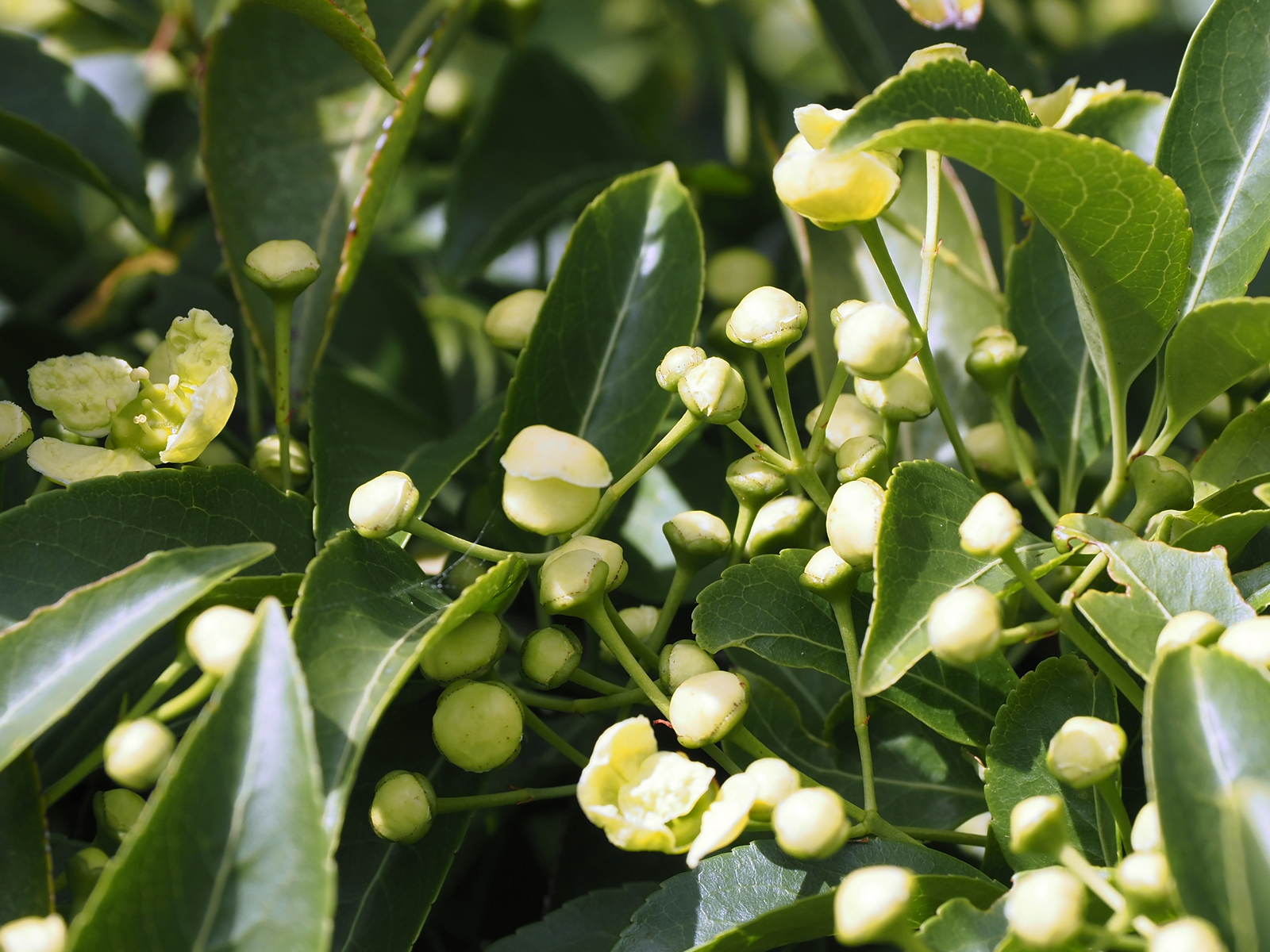
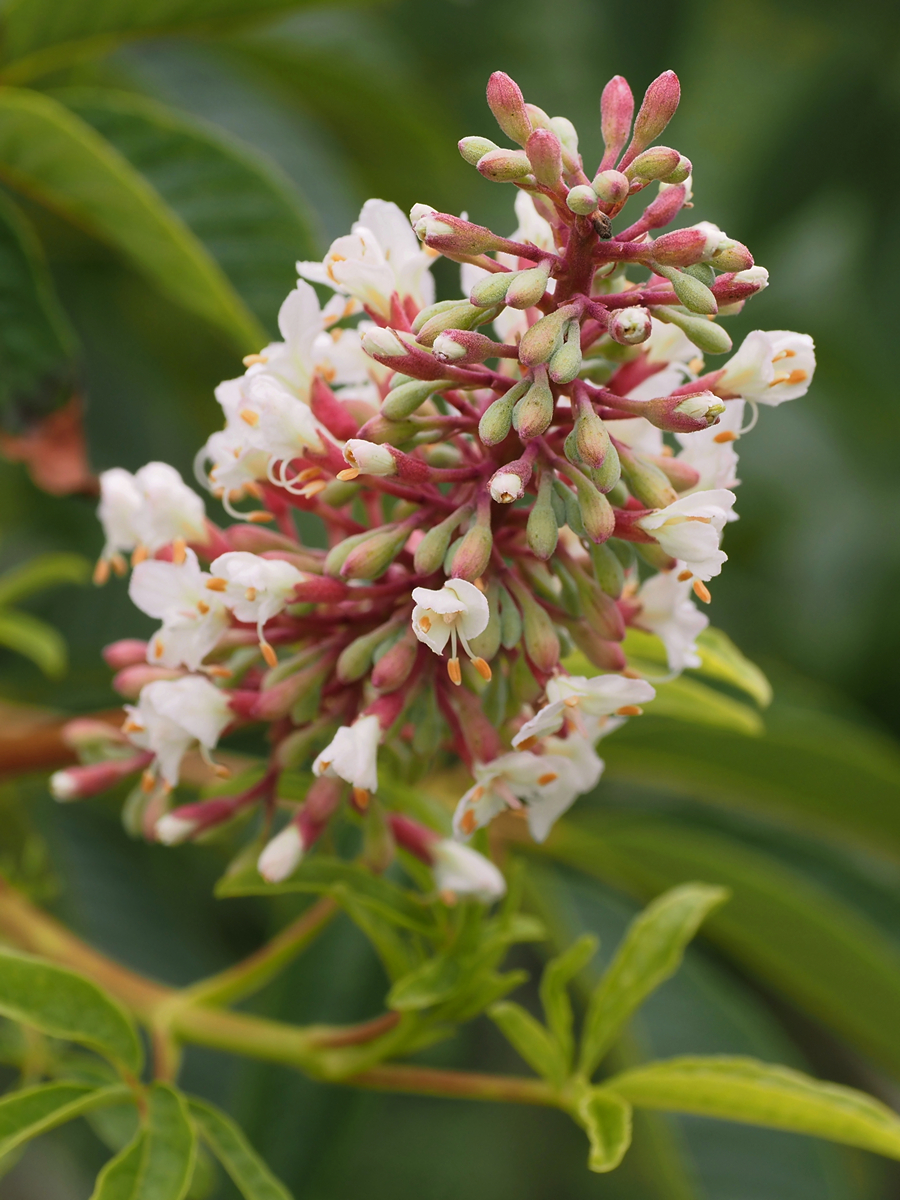
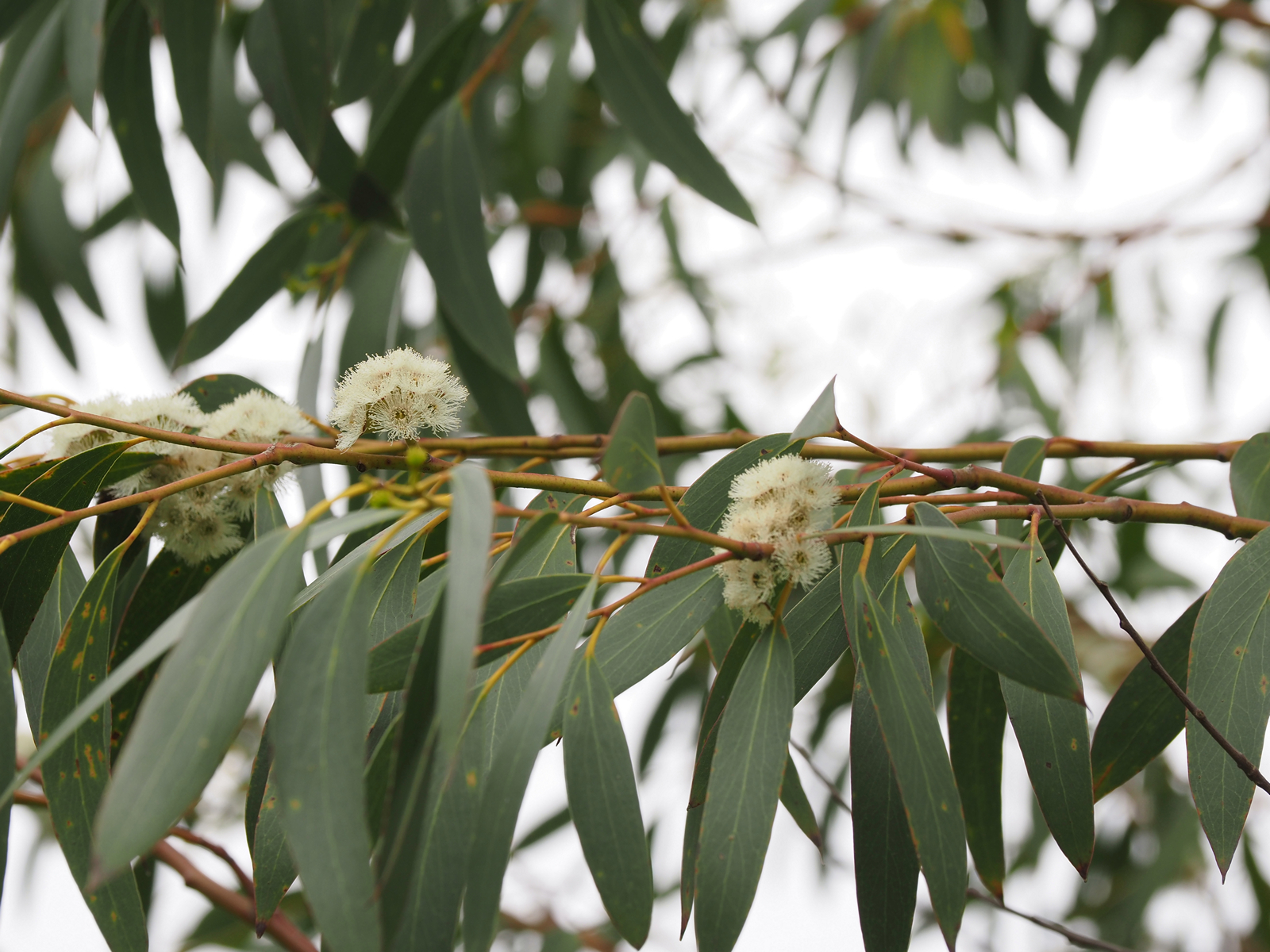
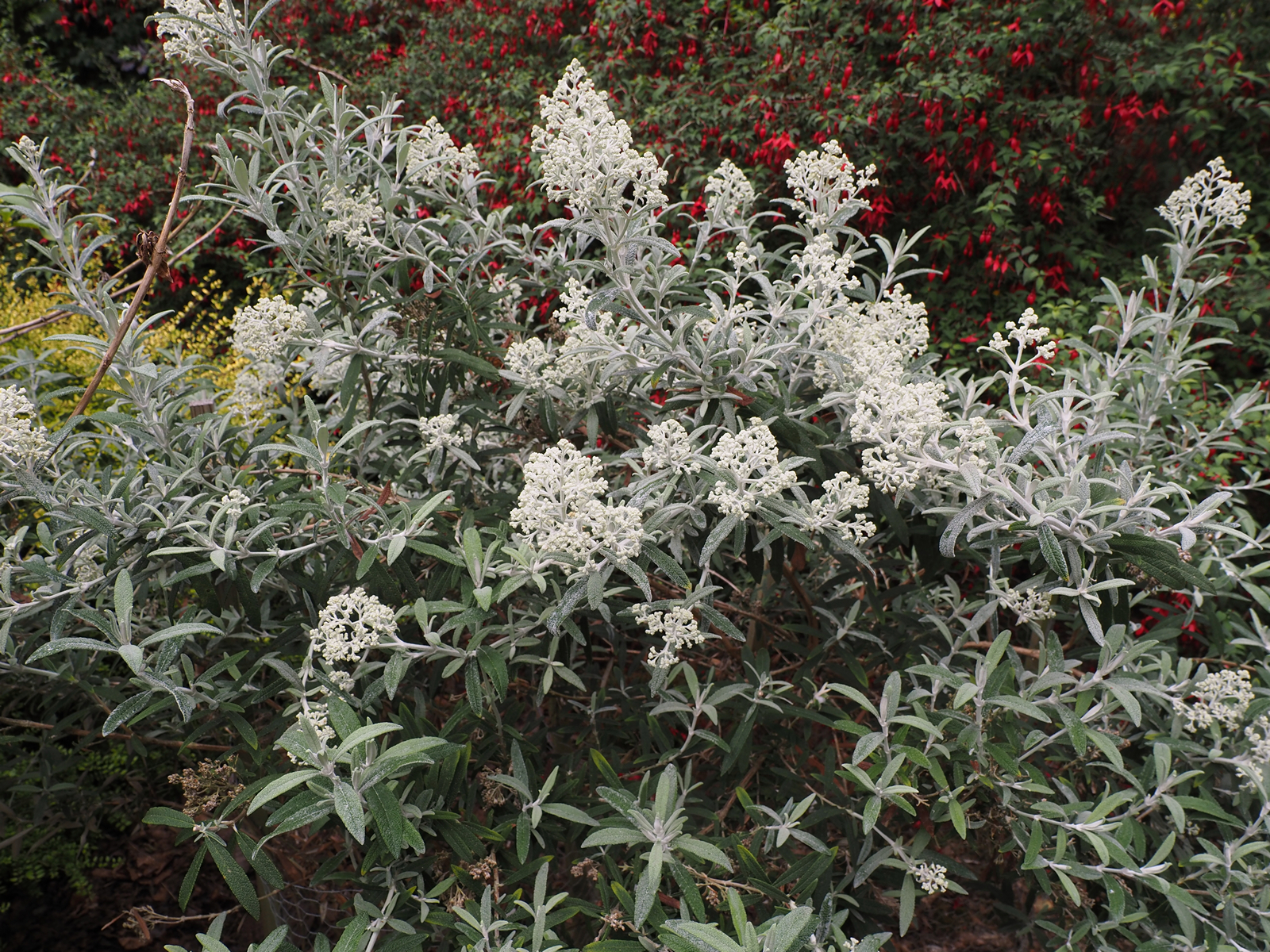
The contrasting colours of flowers on Rhododendron nuttallii. Yellow on opening but fading to white. The two plants here are slightly different, and slightly different too, to clumps of this species. Perhaps these two are Rh. sinonuttallii.
Rhododendron nuttalliiRhododendron nuttallii
Rhododendron nuttalliiRhododendron nuttallii
Magnolia delavayi is flowering profusely below the lawn this year.
The true and correctly named Magnolia ‘Yuchelia’.
Magnolia ‘Yuchelia’Magnolia ‘Yuchelia’
Hypericum augustinii from Maurice Foster.
Hypericum augustinii
Hydrangea chinensis ‘Golden Crane’ – one to do for cuttings soon (DJHC 049).
Hydrangea chinensis ‘Golden Crane’
Hydrangea serrata – name unknown.
Hydrangea serrataHydrangea serrata
2024 – CHW
Rosa ‘American Pillar’ full out on the tower on the lawn.
Rosa ‘American Pillar’Rosa ‘American Pillar’Rosa ‘American Pillar’
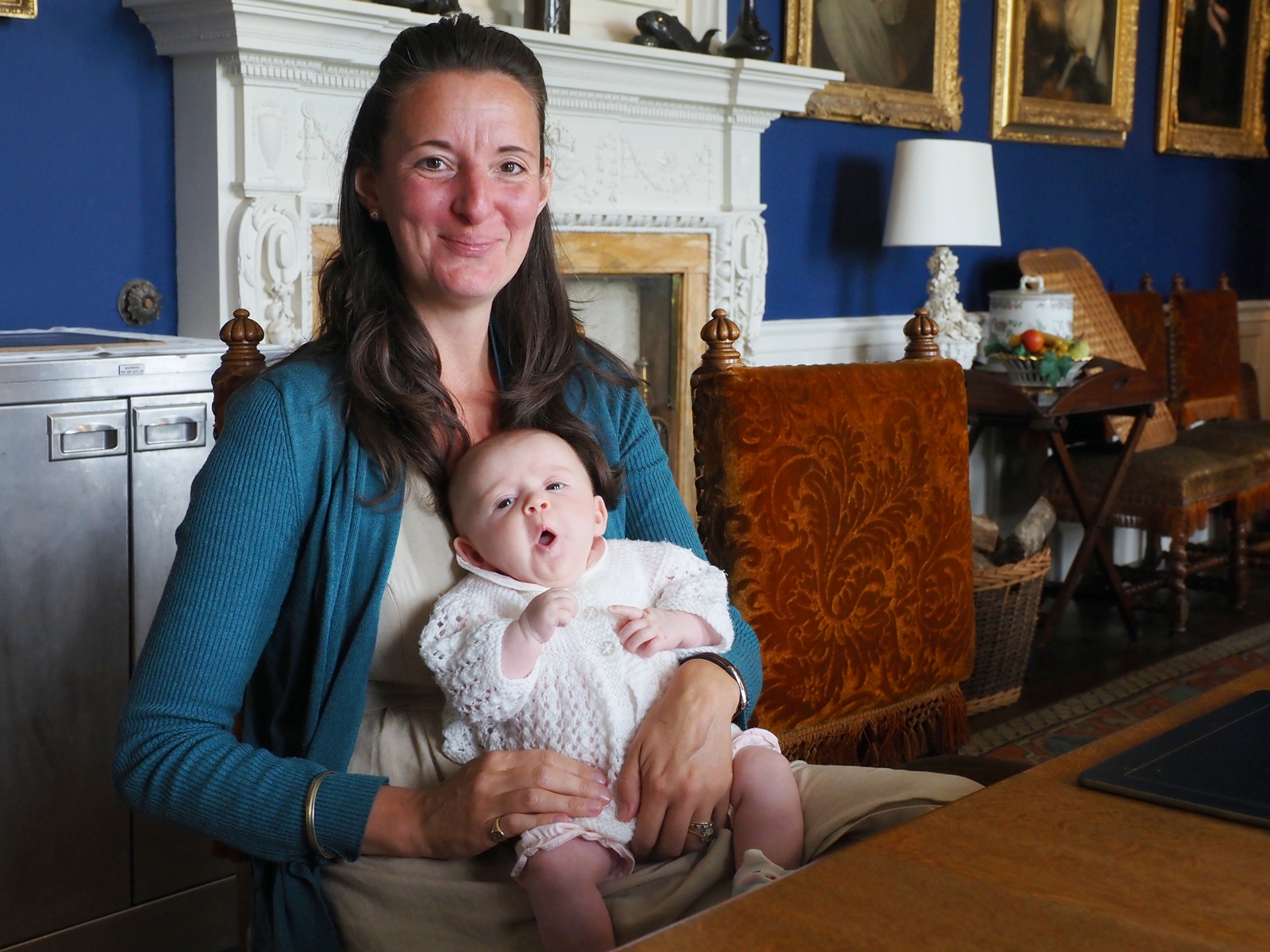
Mary Kaiser (nee Jobson), her daughter Sarah, and granddaughters Cora and Carter in the Tin Garden shed. A whistle stop tour of Cornwall for the family based in Bermuda and USA.
Mary Kaiser (nee Jobson), her daughter Sarah and granddaughters Cora and Carter
The Symphoricarpos albus clump on the lawn was cut down to get rid of the ivy within it. It has reshot more from root suckers than the cut main stems.
Symphoricarpos albus
Pinus wallichiana is now developing a flaking trunk.
Pinus wallichiana
A double flowered orange Hemerocallis in the frames which is incorrectly labelled.
Hemerocallis
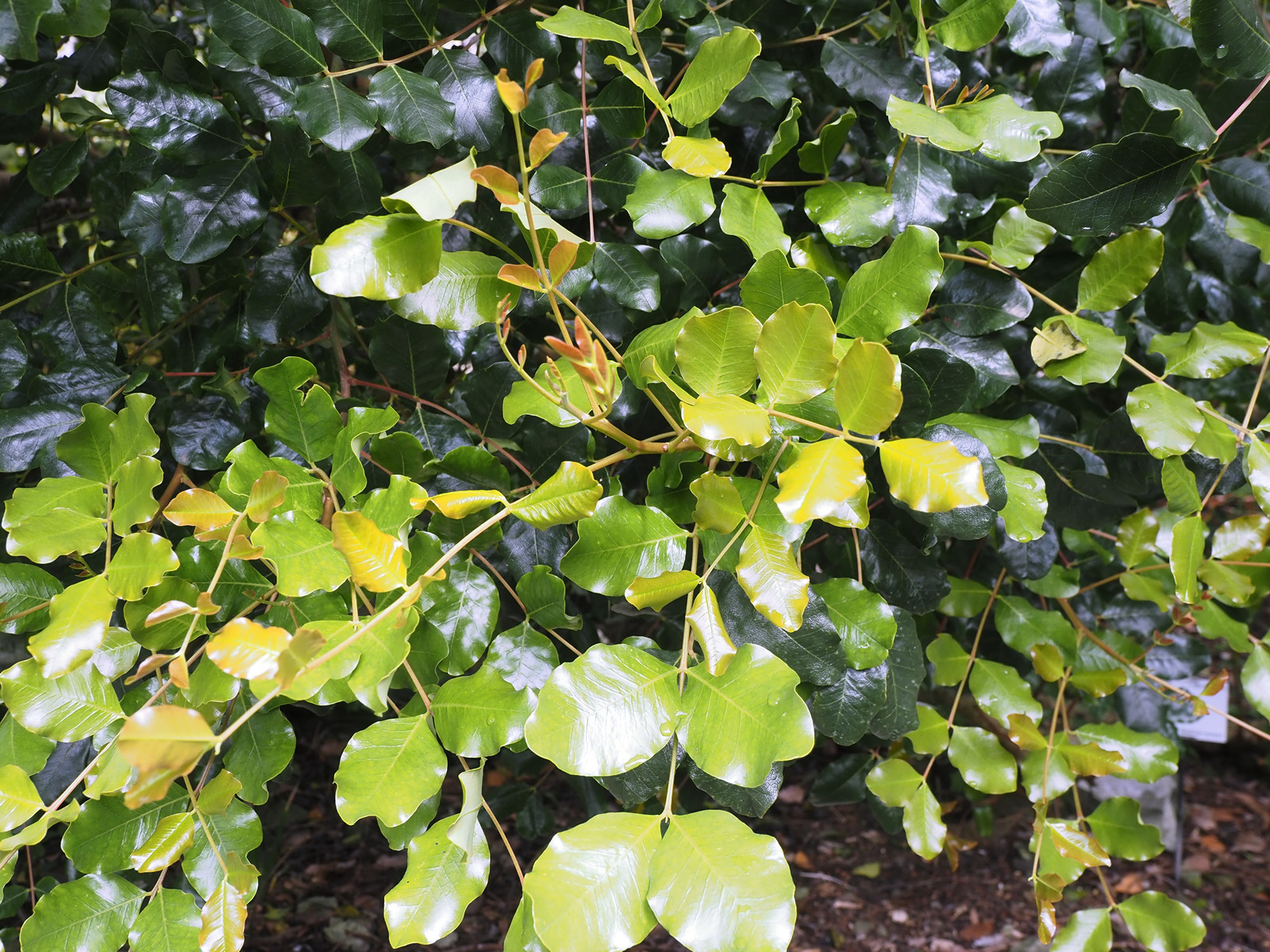
Machilus yunnanensis with its reddish new growth.
Machilus yunnanensis
Asia’s plant of Hoya carnosa is now enormous and covered in flower in the greenhouse.
Hoya carnosa
Camellia costei with reddish new growth in the greenhouse.
Camellia costei
And Camellia parvilimba is the same.
Camellia parvilimba
Syzygium australe has a very distinct leaf formation.
Syzygium australe
2023 – CHW
An incredibly sad day. Nicky who had featured in countless diary photographs and blogs shuffling around plants. Clearly ill last night the vet said his heart had given out and he had to be put down aged only 7. Seven years and around 500 days shooting together. His hips and back legs were terrible as a puppy and I suppose I always knew that he was not destined for a long life. Buried, with the others, on the lawn.
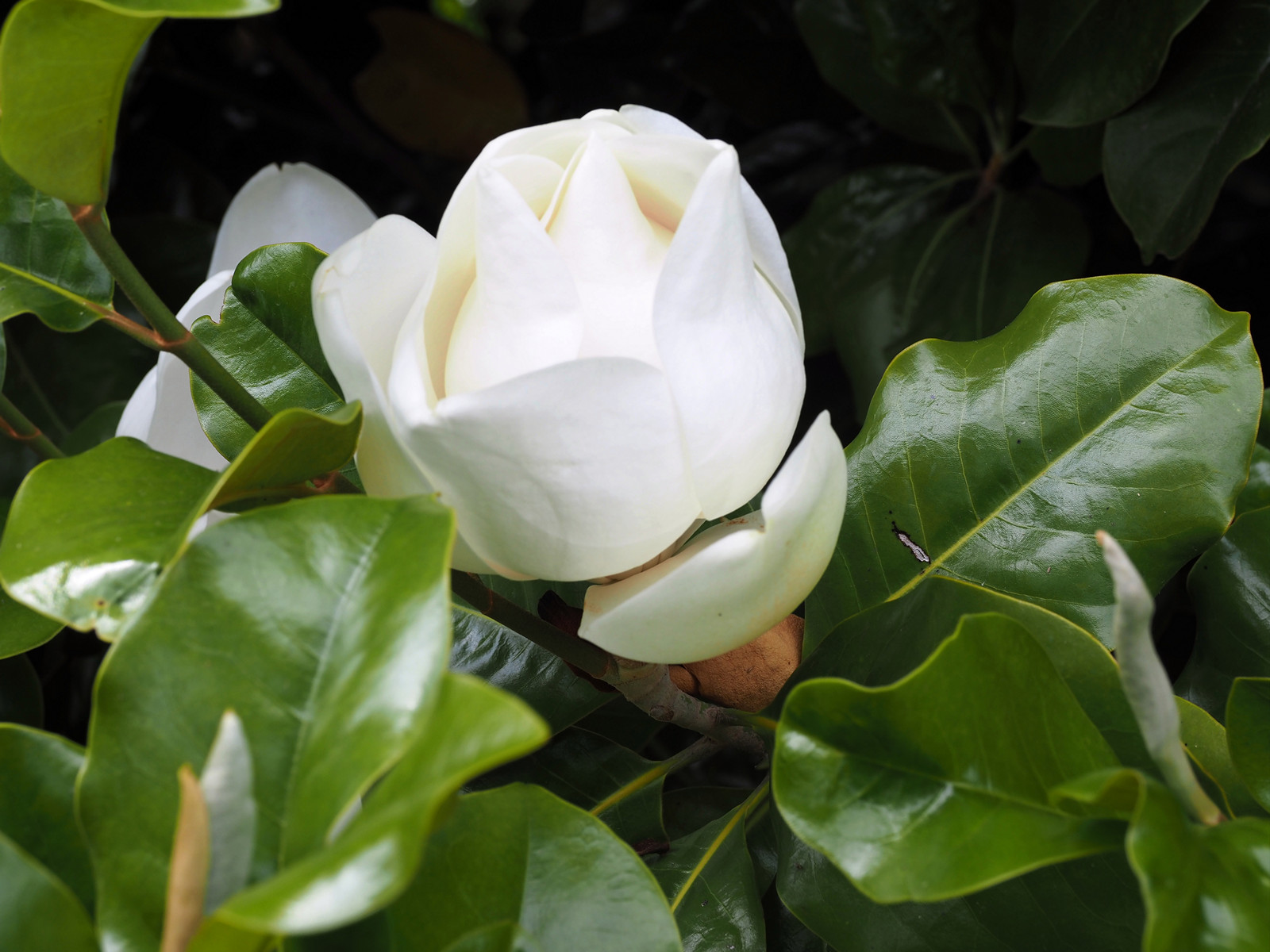
Magnolia grandiflora now well out below the lawn together with M. delavayi.
Magnolia grandiflora
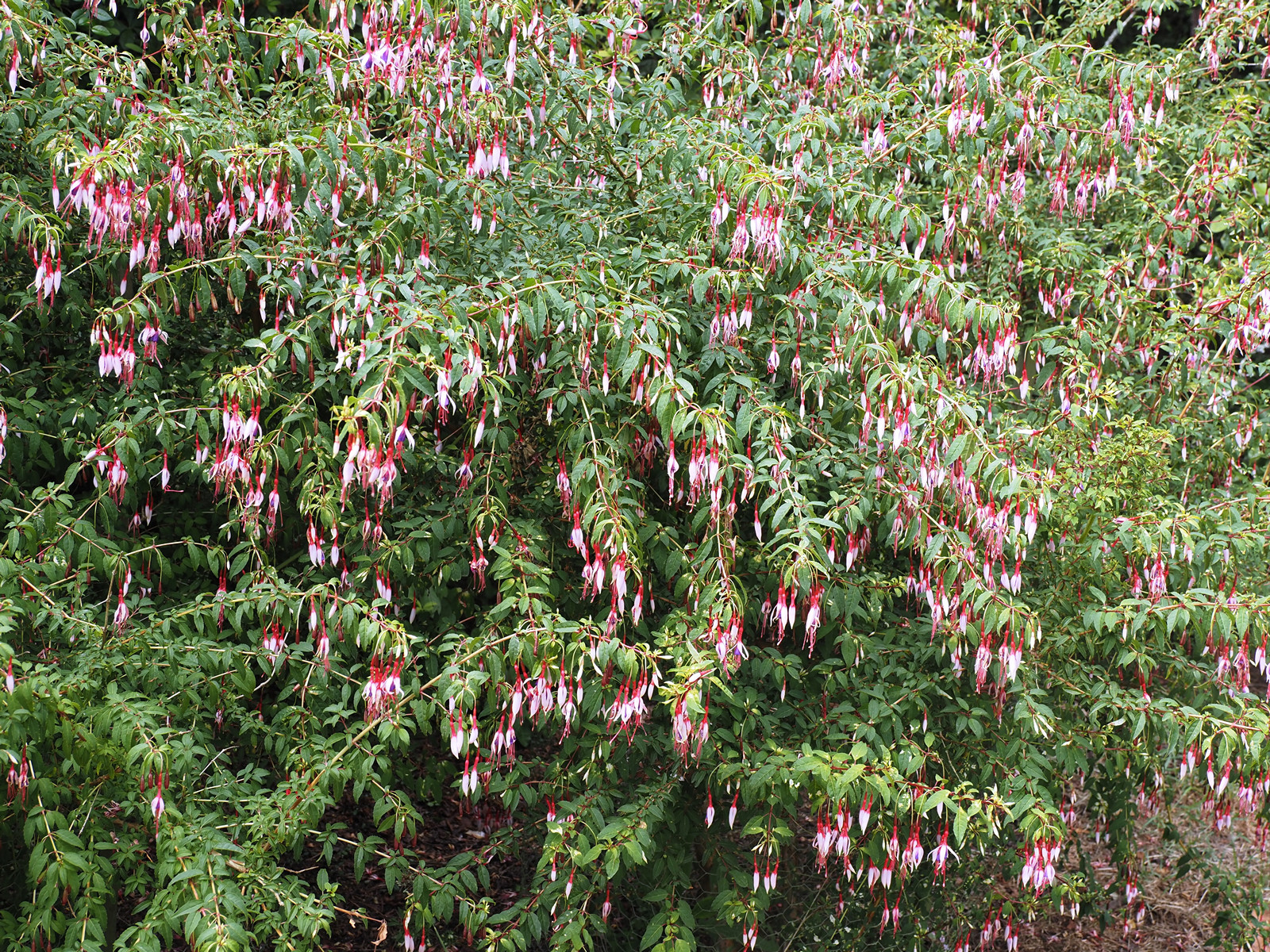
Fuchsia magellanica ‘Lady Bacon’ really is quite a sight.
Fuchsia magellanica ‘Lady Bacon’
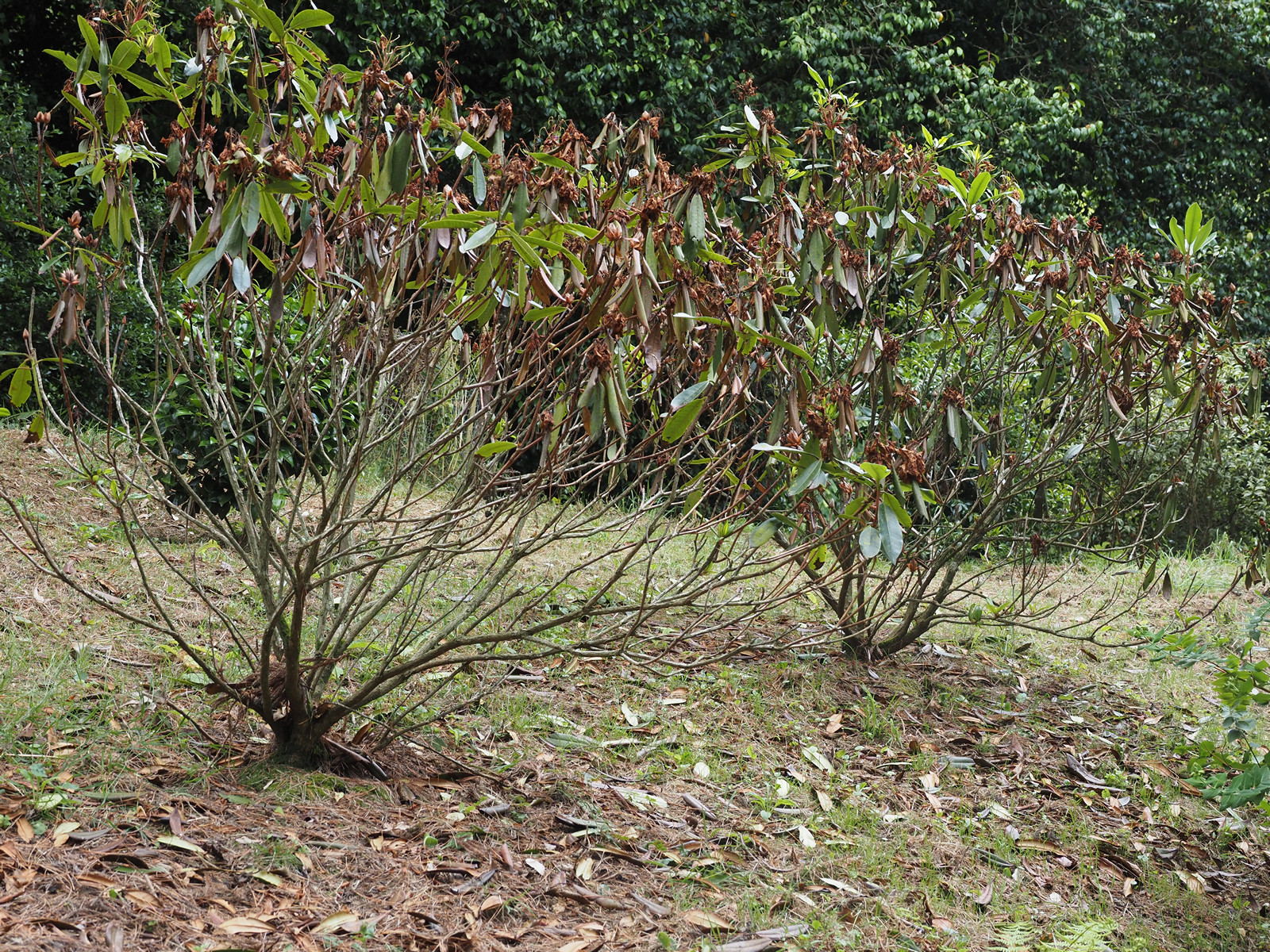
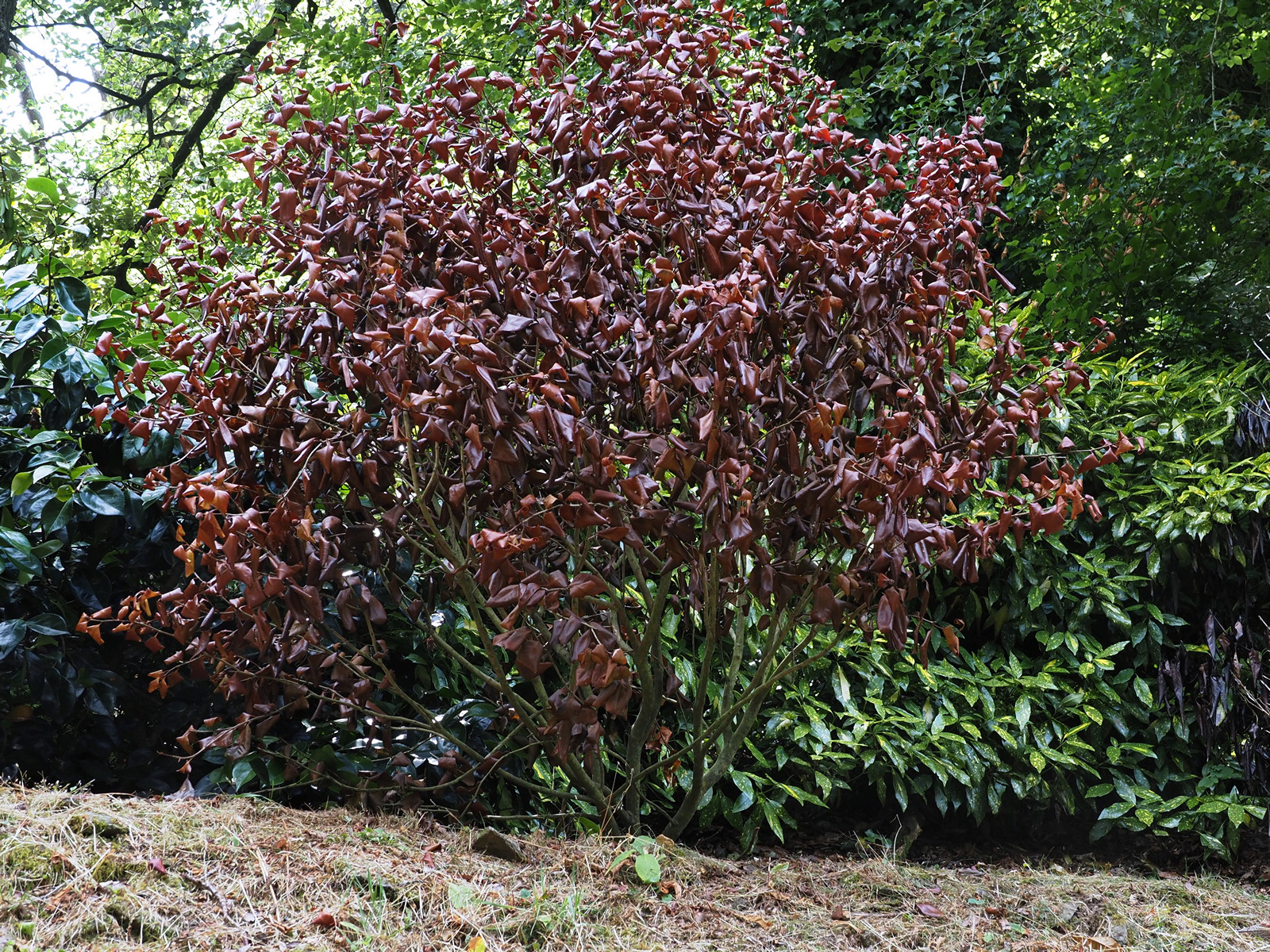
Dying 10-12 year old rhododendrons in the drought.
Dying 10-12 year old rhododendrons
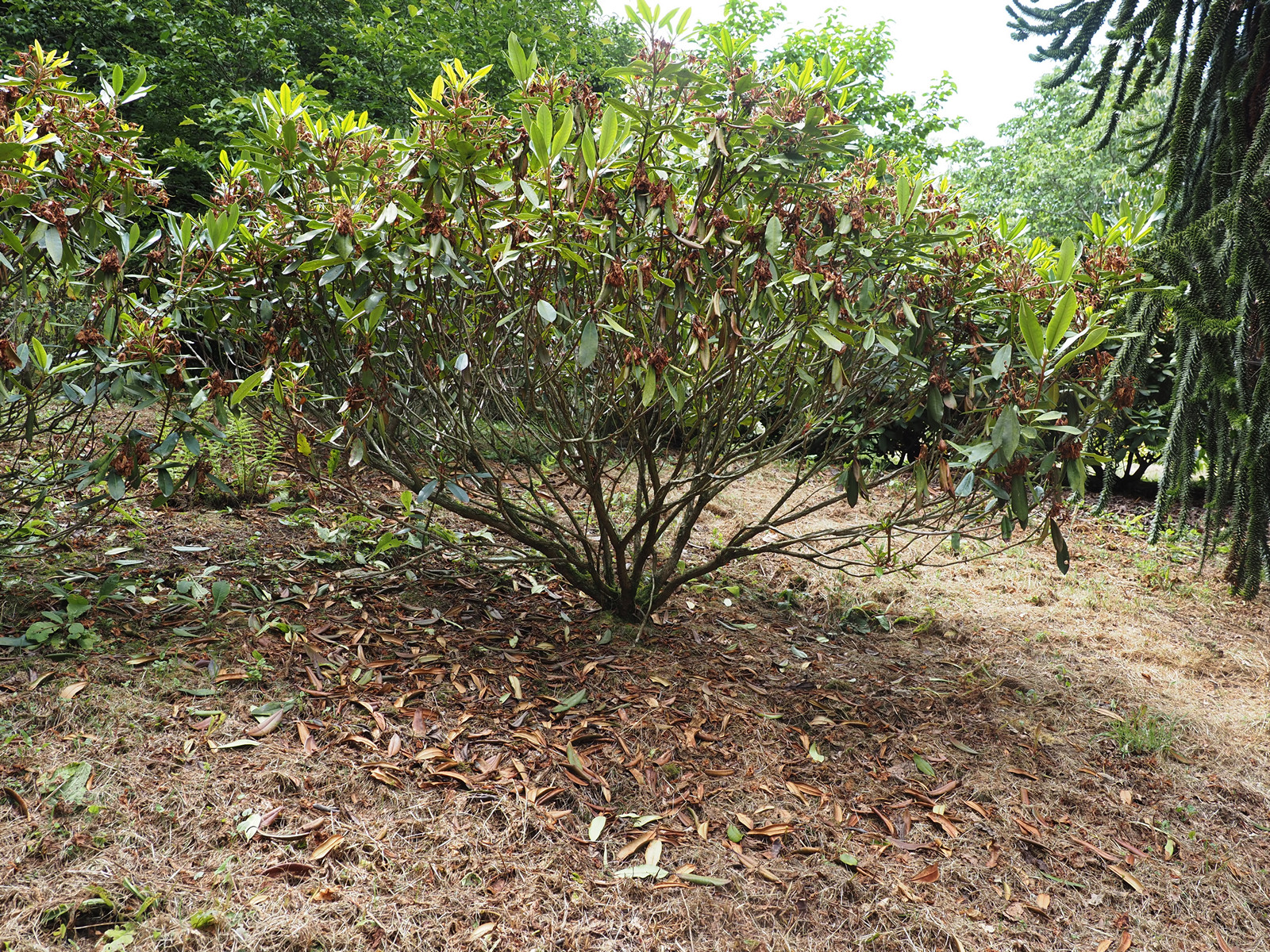
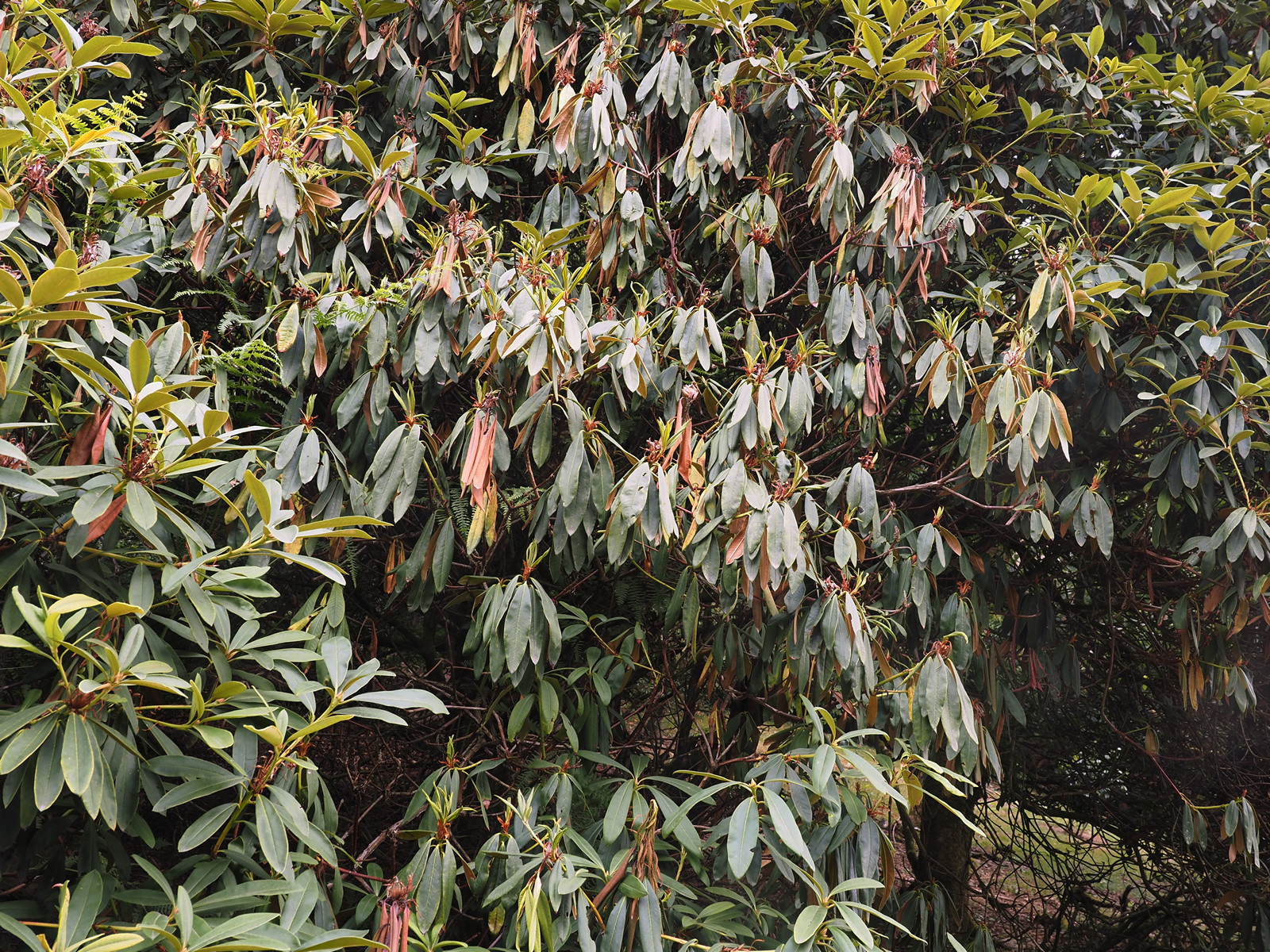
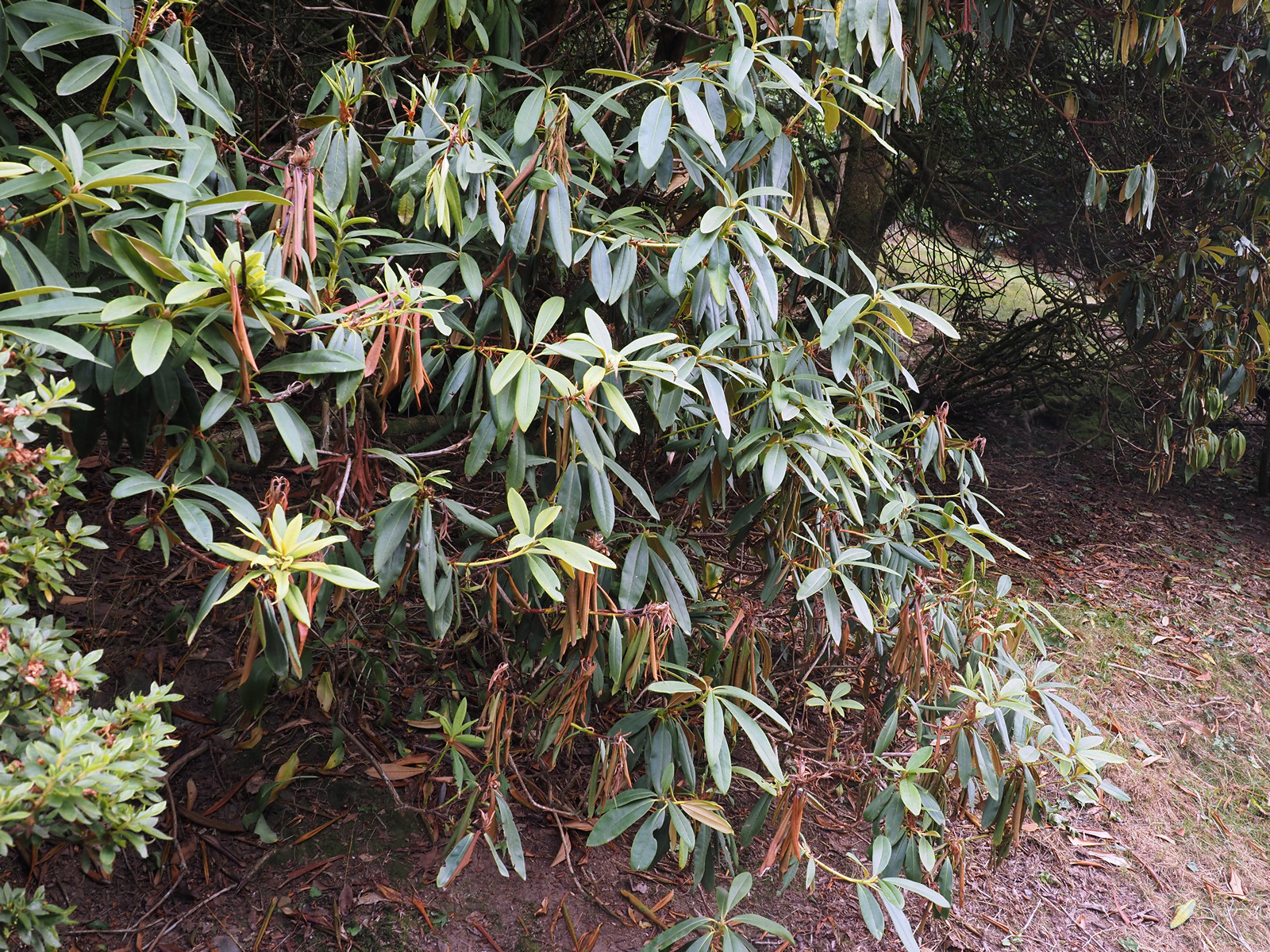
The next door clump are nearly there too.
next door clump
A newly dead camellia by the Fernery.
newly dead camellia
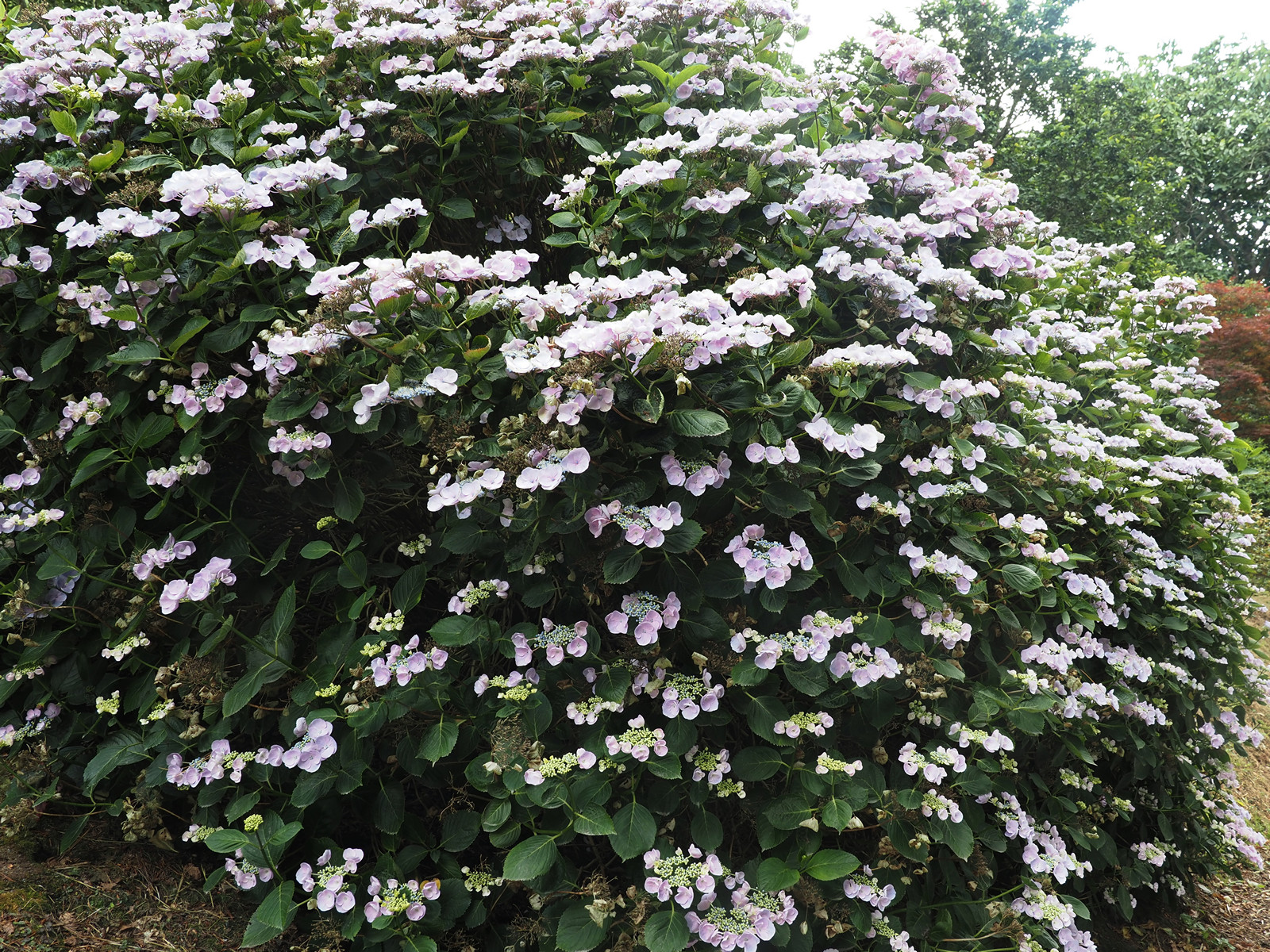
Hydrangea ‘Hobella’ nearly full out and not yet wilting like so many of the others.
Hydrangea ‘Hobella’
The large clump of Rhododendron nobleanum on the drive is shrivelling and dying as well when one looks closely.
Rhododendron nobleanumRhododendron nobleanum
2022 – CHW
I have been visiting Ventnor Botanic Garden in June/July for around 20 years and have watched it move from council ownership to becoming a charitable trust. Despite its obvious popularity with summer visitors and the improvements to its shops, catering and outside events I am afraid that in horticultural terms it is regressing and parts of it are becoming terribly overgrown and uncared for.
The faintly woke claim on the blackboard at the garden entrance has much to say about biodiversity and nature but is clearly also a tacit admission that the place is becoming scruffy and untended.
A botanic garden surely has a duty to inform the public about its rare plant collections. This means labelling. I have not seen any new labelling of anything for around 10 years when there was last an effort to clear an area and start a new collection of temperate or southern hemisphere plants below the entrance.
The collections of grevillea, melaleuca and callistemon are now a jungle where the fittest and largest growing species have killed off the rest. The eucalyptus collection has suffered in gales, is covered in fallen deadwood, and could do with complete pollarding so people could see (with labels) what the collection actually consists of. The New Zealand native lawn is now more of a tent than a plant area and needs urgent rejuvenation. There were labels once when I visited with Susyn Andrews to identify New Zealand native plants but long vanished in the undergrowth.
The whole echium area is crying out for a new start and the circa 15 year old specimen olive plantation is, frankly, a disgrace. The specimen trees in the lawn area are, in the main, labelled but it takes time to hunt them down.
If you have recently been accepted as having a Plant Heritage national collection of palm trees you could at least label them as such? The Tree Register lists quite a number of other record trees at Ventnor and most of them do not have proper labelling either.
We all know how the public steal and move plant labels but I could show you 20 labels on the agave bank alone where the plant is long dead and/or the label is obviously on the wrong plant. Nearly all the mature agave (not to mention the Puya and Beschorneria clumps) have been flowering and then dying in recent years. Where are the replacement plants to come on?
The one bit of new planting nearest the sea and above the children’s play area which I only came upon last year for the first time is a disaster. Burncoose magnolias being decimated by rabbits. Two new jubilee planted magnolias have wire netting guards but none of the others. The recently planted camellias just below look ghastly. It is too hot and dry in this part of the garden to grow camellias or magnolias unless there is irrigation. There are good camellias in shade elsewhere.
The expanded plant sales area (even with a few echiums to sell this year) is much better but the plants are too large and far too expensive for casual visitors (£39.95 for a 10L romneya). So many things could easily be grown from seed or propagated in house.
Staff all friendly and helpful but having to pay for everything (entry and from one shop) at the café till is absolutely daft quite apart from being unhygienic. The serving area was pretty confused and chaotic even with a small queue. Terrible layout for staff working behind the counter.
I saw six volunteers or staff working in the garden. A charming old man who was removing dead bits who agreed about the labelling. All tinkering at the edges rather than getting stuck into real clearance, improvement and regeneration.
Without someone getting a serious grip many rare herbaceous plants are and already have been swamped and killed and there is no sign of regeneration and new planting where it is needed most. The entrance used to have scores of well labelled tenderish herbs. All swamped now by a few thug plants and no labels remain.
No idea what the criteria are for being a ‘botanic’ garden but Ventnor is losing it on the plant front and on the education/learning side. One could understand this of the council but surely the current charity trustees could do better! Dare I write to the chairman of the trustees?
Bowkeria verticillata from South Africa is now 15ft tall and wide with its white calceolaria-like flowers. A wonderful show today in the sun.
Bowkeria verticillata
Polygala myrtifolia, another South African shrub, flowering well (myrtle leaved milkwort) and it even had a label!
Coleonema pulchrum, confetti bush, glowing in the sun. South African.
Coleonema pulchrum
Arctotheca populifolia, beach daisy, was swamping all its neighbours. Dandelion flowers and leaves (but hairy). South African origin and a thug of a plant in any border.
Arctotheca populifoliaArctotheca populifolia
A gigantic Freylinia lanceolata, honey bells – here its woody trunk which we have never seen on our stock plant at Burncoose by the mist houses where it is a shrub not a South African tree.
Freylinia lanceolata
Picconia excelsa – Canary Islands olive – is a huge ilex-like tree which we tried and failed with.
Picconia excelsaPicconia excelsa
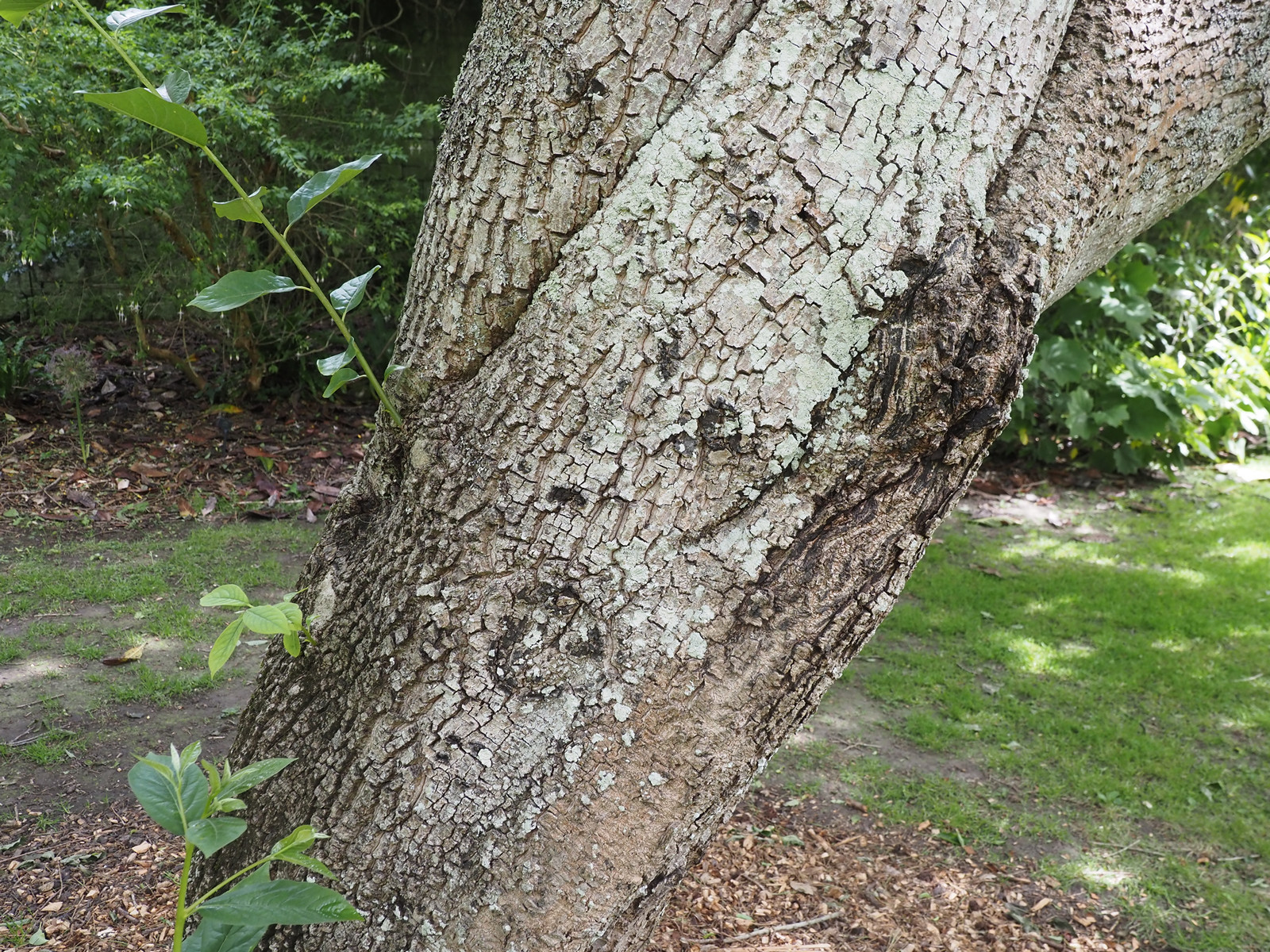
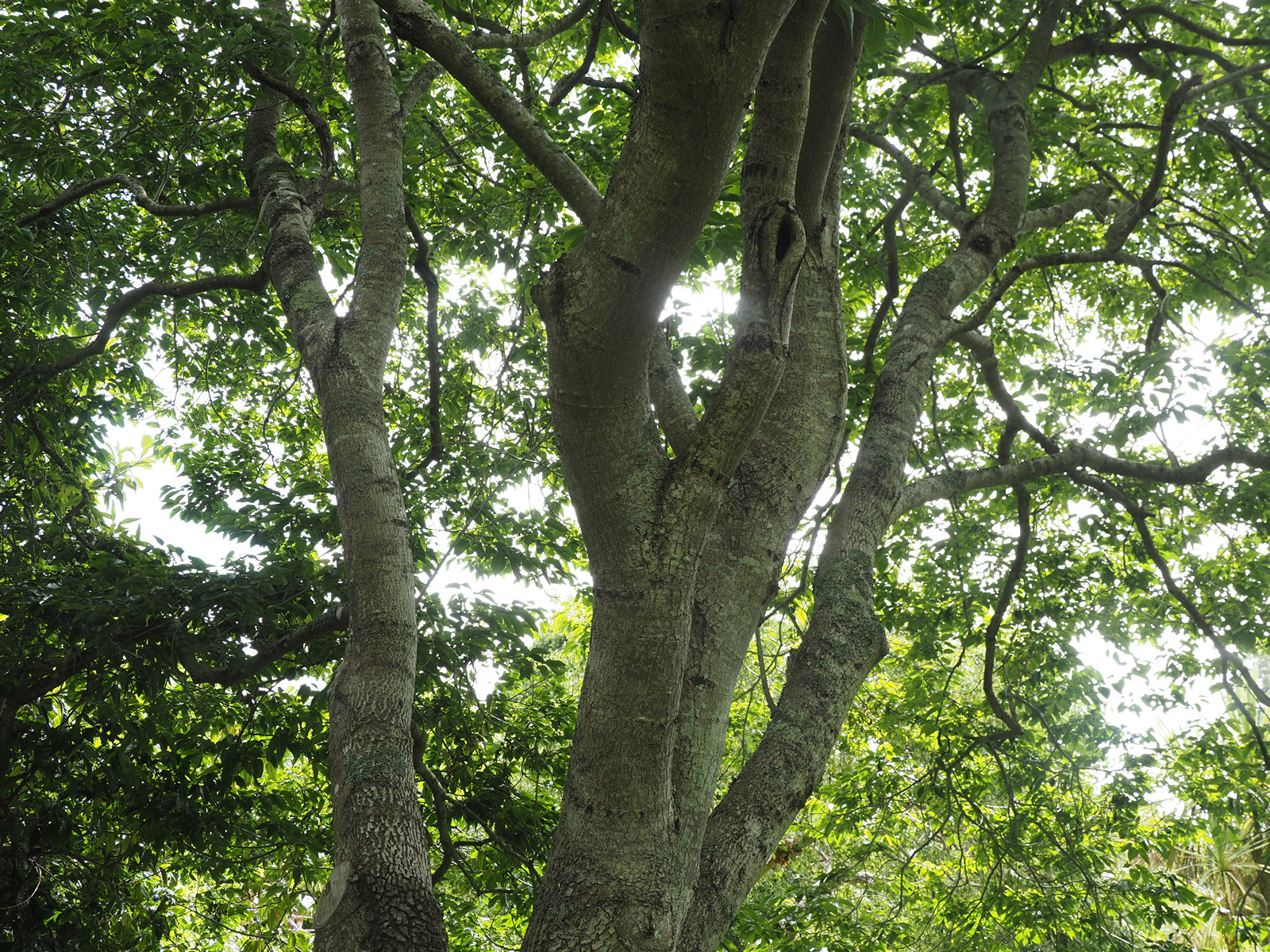
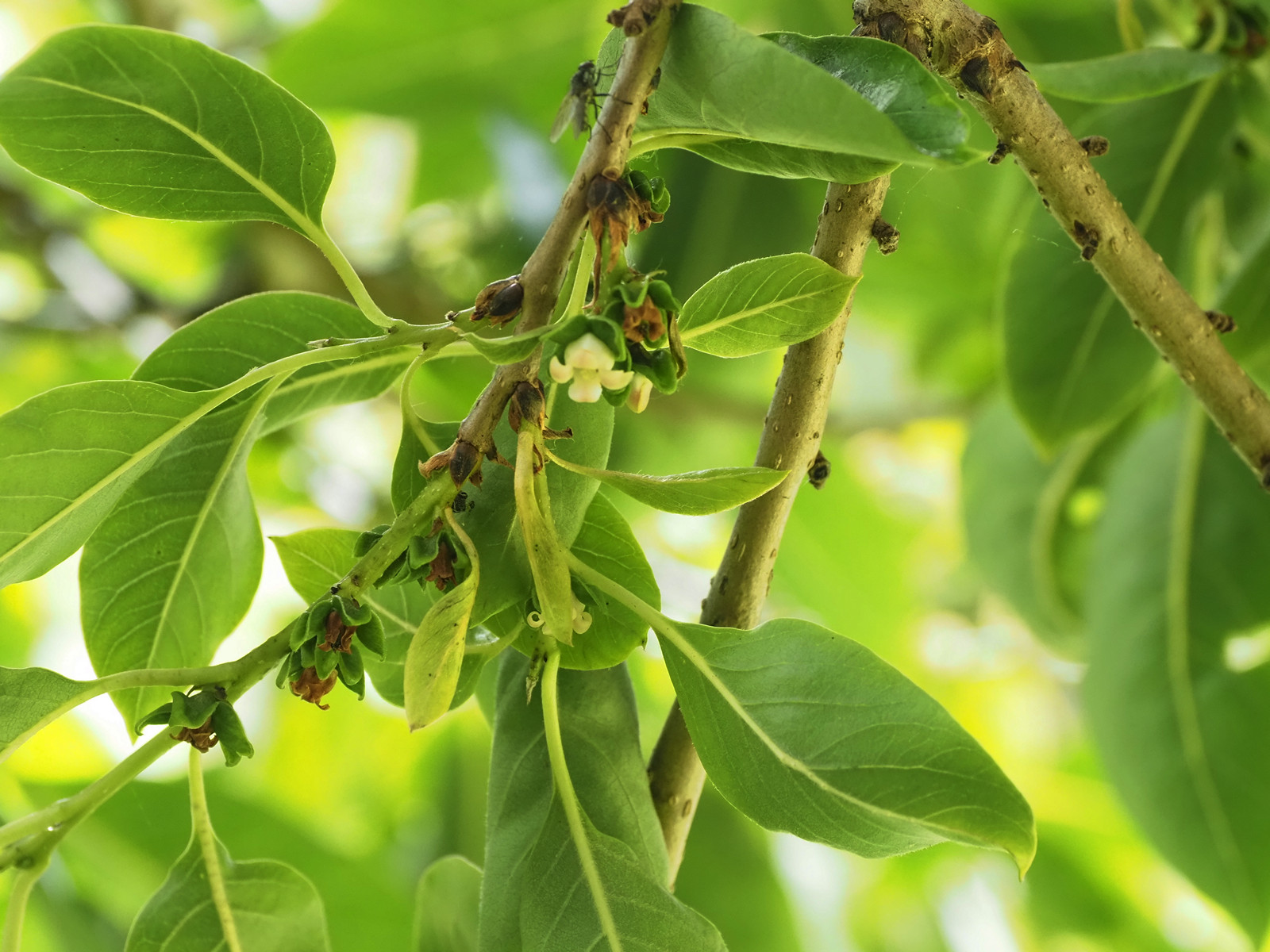
Diospyros glaucifolia – a species I have not seen anywhere else. Tiny white/green flowers just showing which I have seen full out before.
Diospyros glaucifoliaDiospyros glaucifolia
Aesculus californica at about 30ft. Not that many flowers and I am not convinced that the label was correct (as I have said before). Looks more like A. wilsonii or the other late flowering species.
Aesculus californica
The UK champion tree of Pittosporum bicolor from S. E. Australia. Never realised it could grow to 40ft.
Pittosporum bicolorPittosporum bicolor
A 30-40ft tall Dacrydium cupressinum (another champion) whose branches and leaflets have no drooping at all? A change in maturity for this tree? I have seen larger on Tresco that did not look like this and still had drooping branches. It may be Dacrydium but label wrong I suspect.
Dacrydium cupressinum
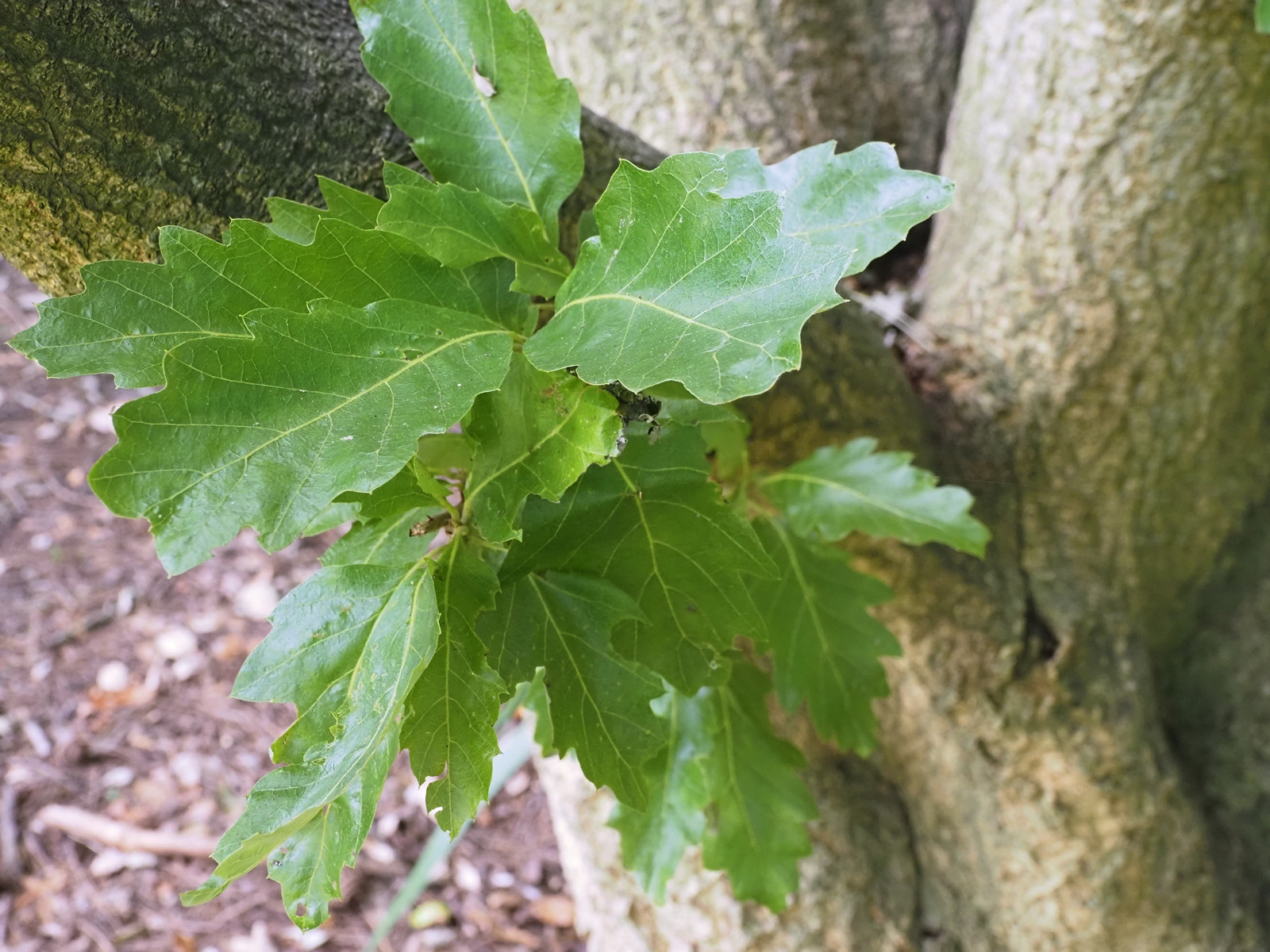
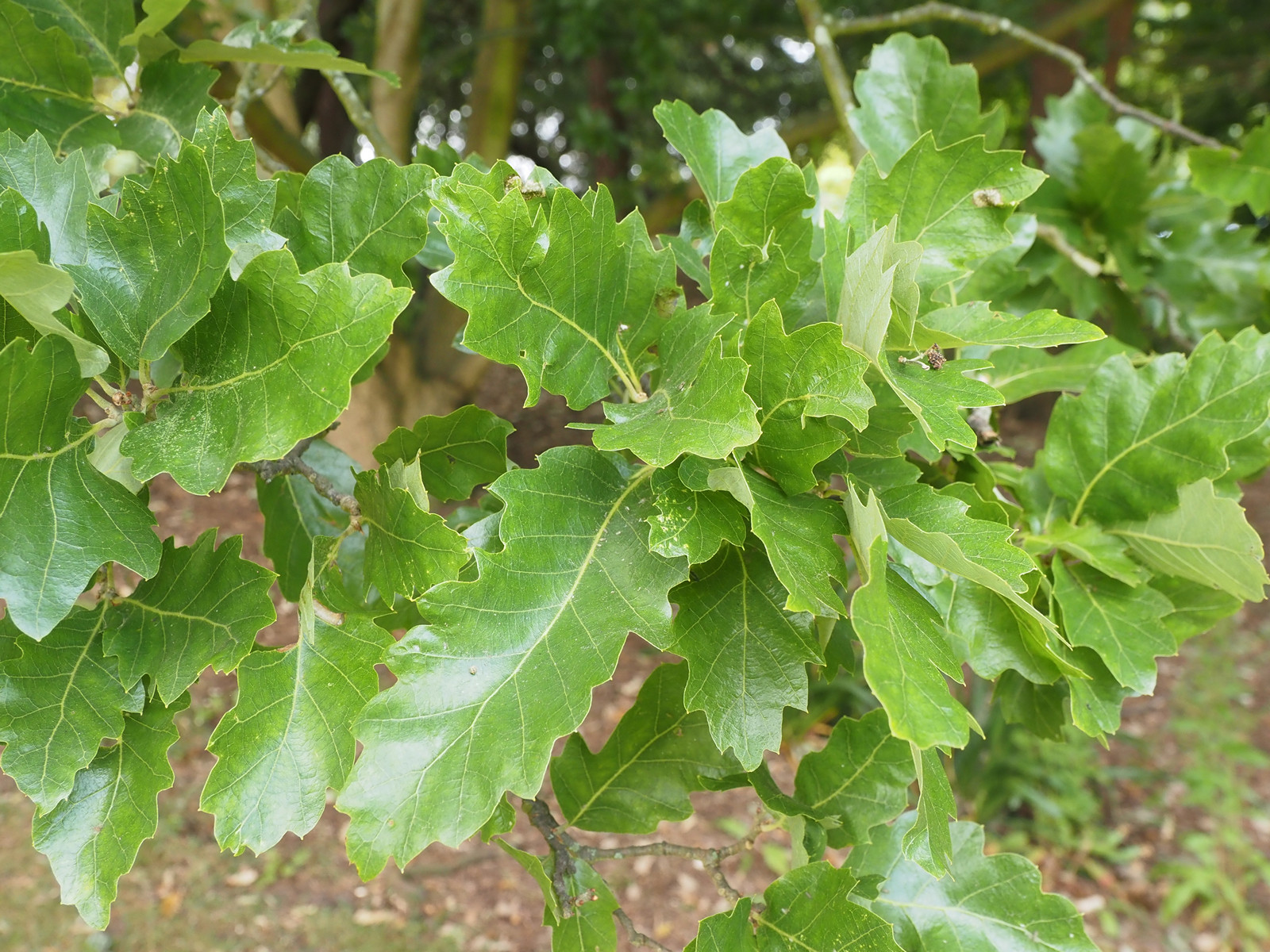
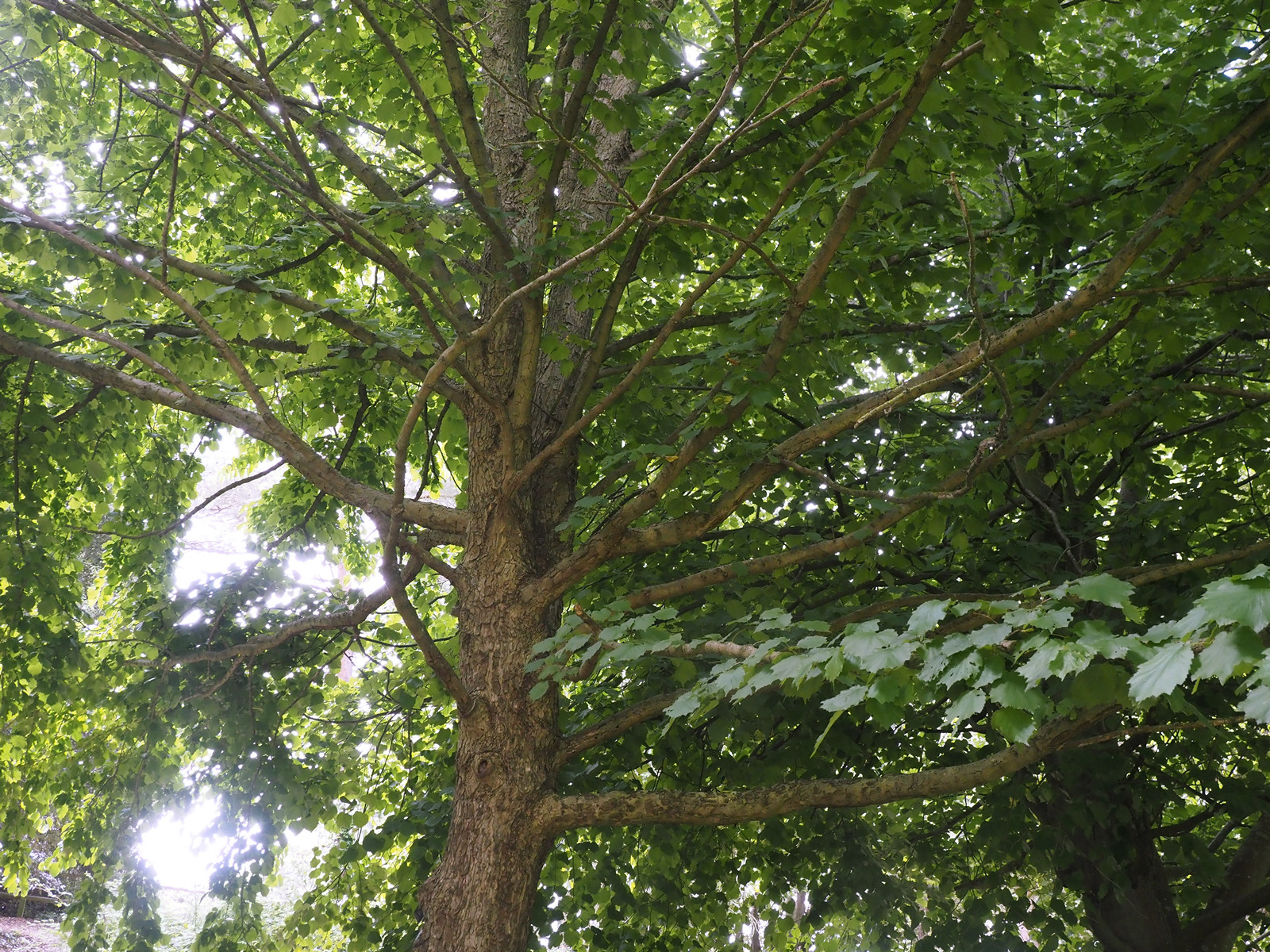
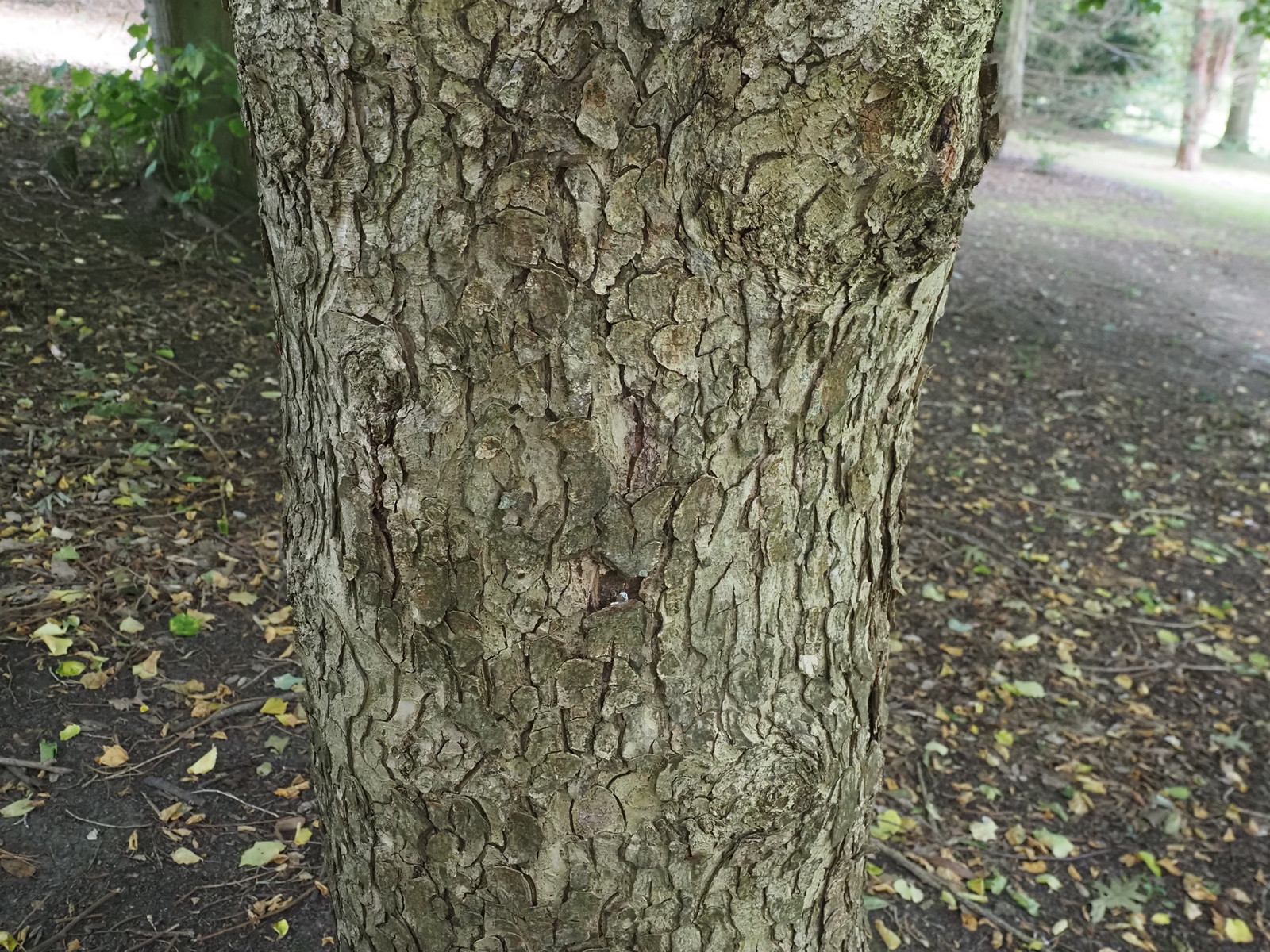
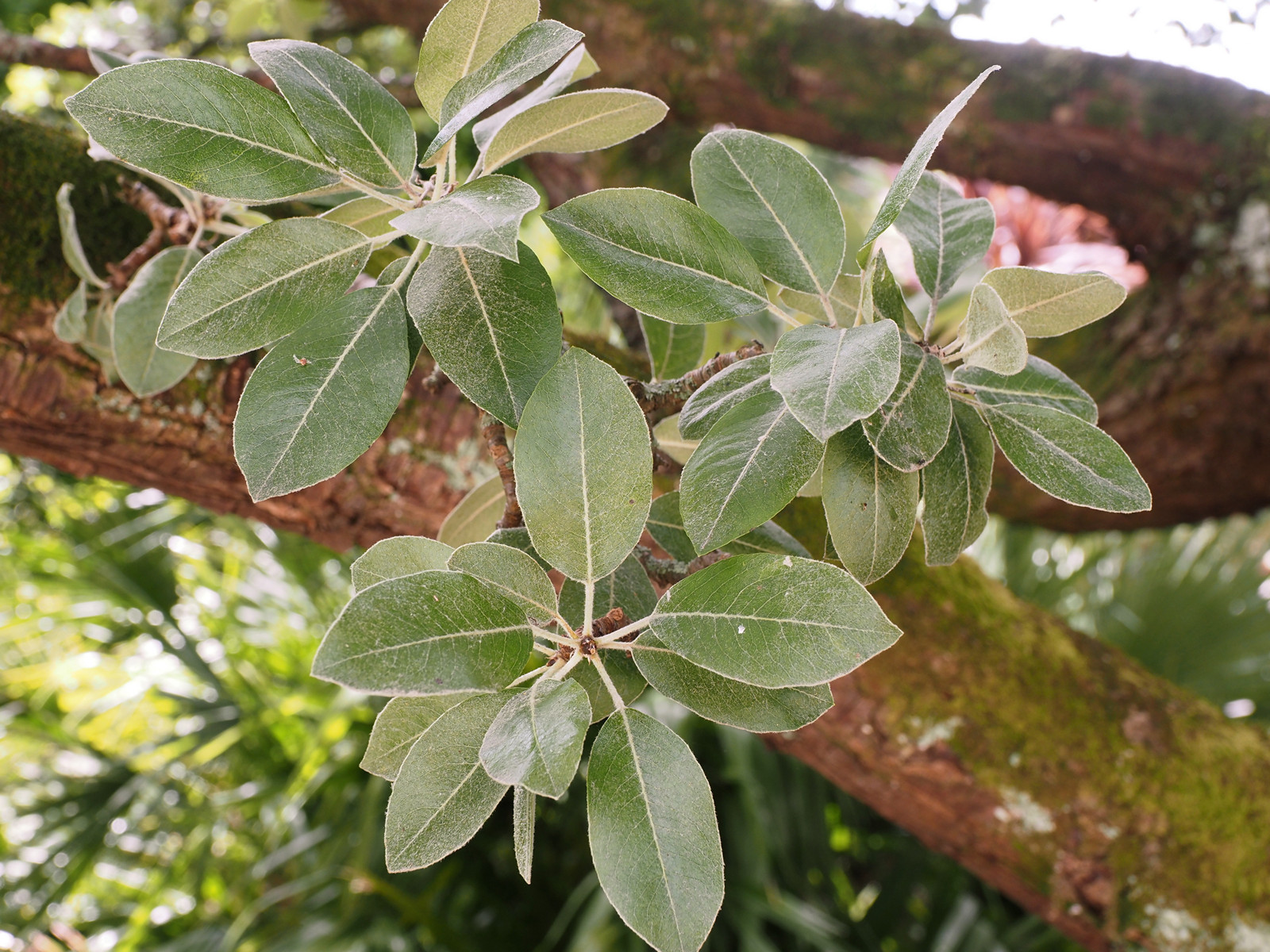
Quercus x hispanica ‘Ambrozyana’. Hillier’s say x hispanica is mislabelled and it should be Q. x crenata ‘Ambrozyana’. Semi-evergreen, leaves white underneath.
Quercus x hispanica ‘Ambrozyana’Quercus x hispanica ‘Ambrozyana’
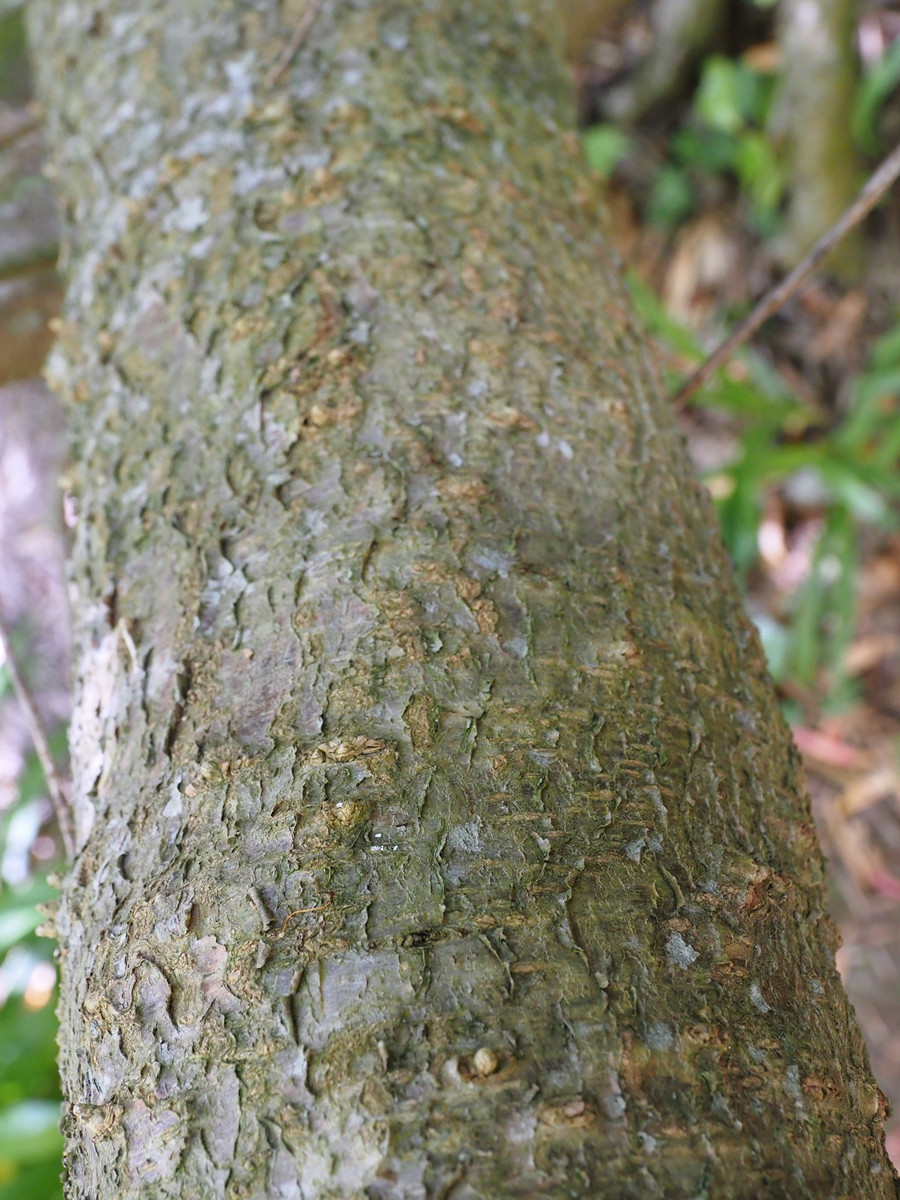
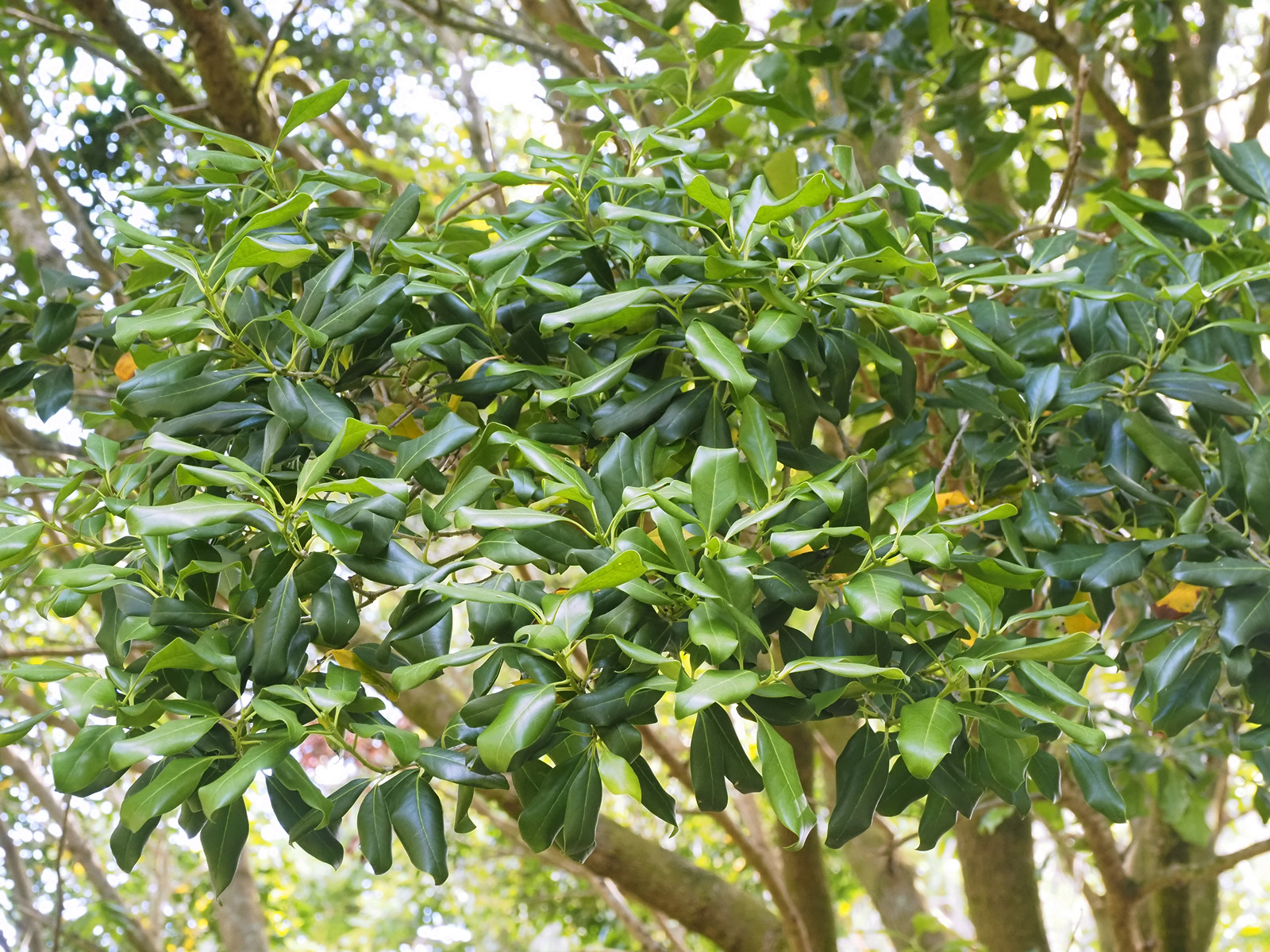
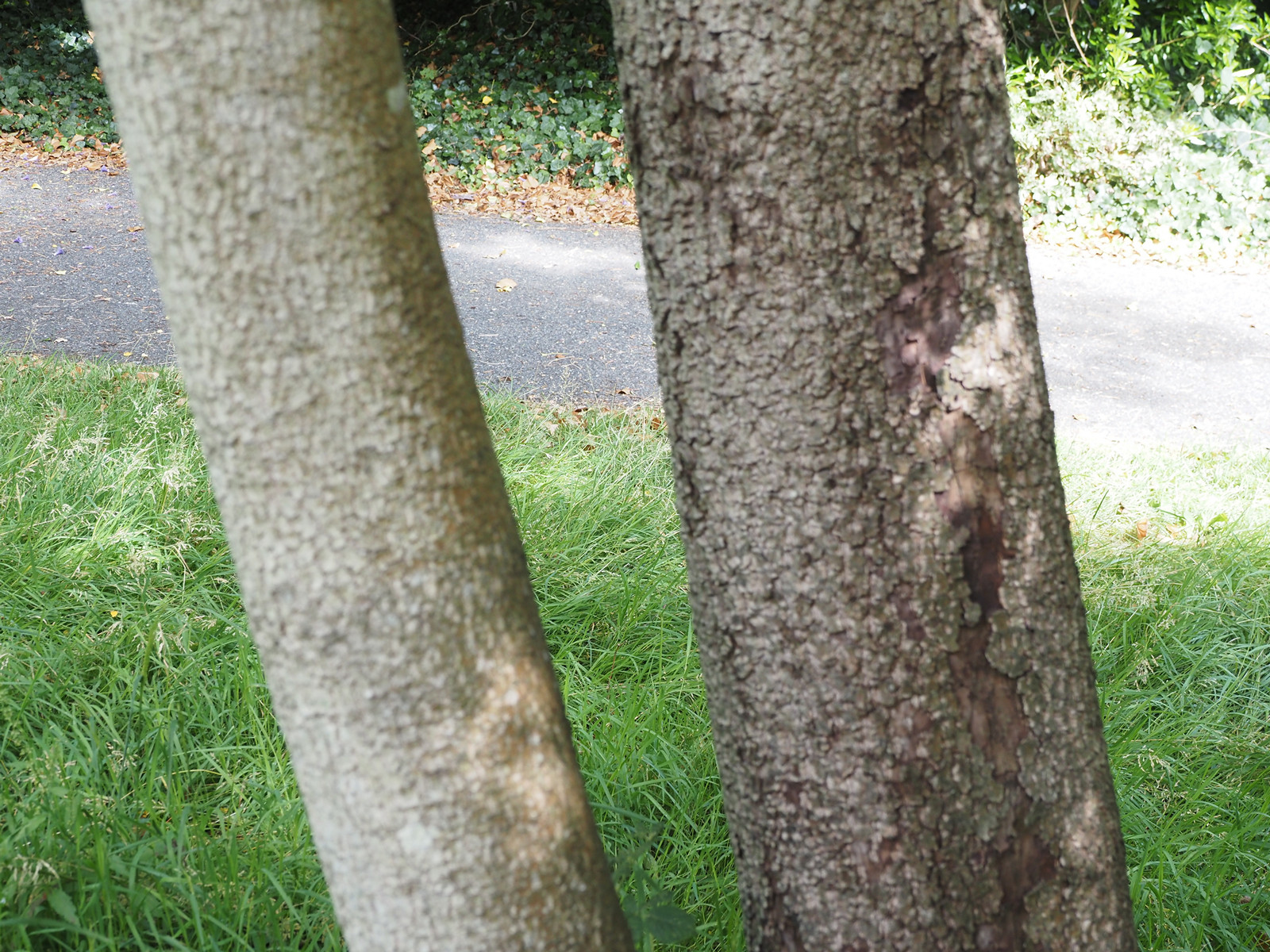
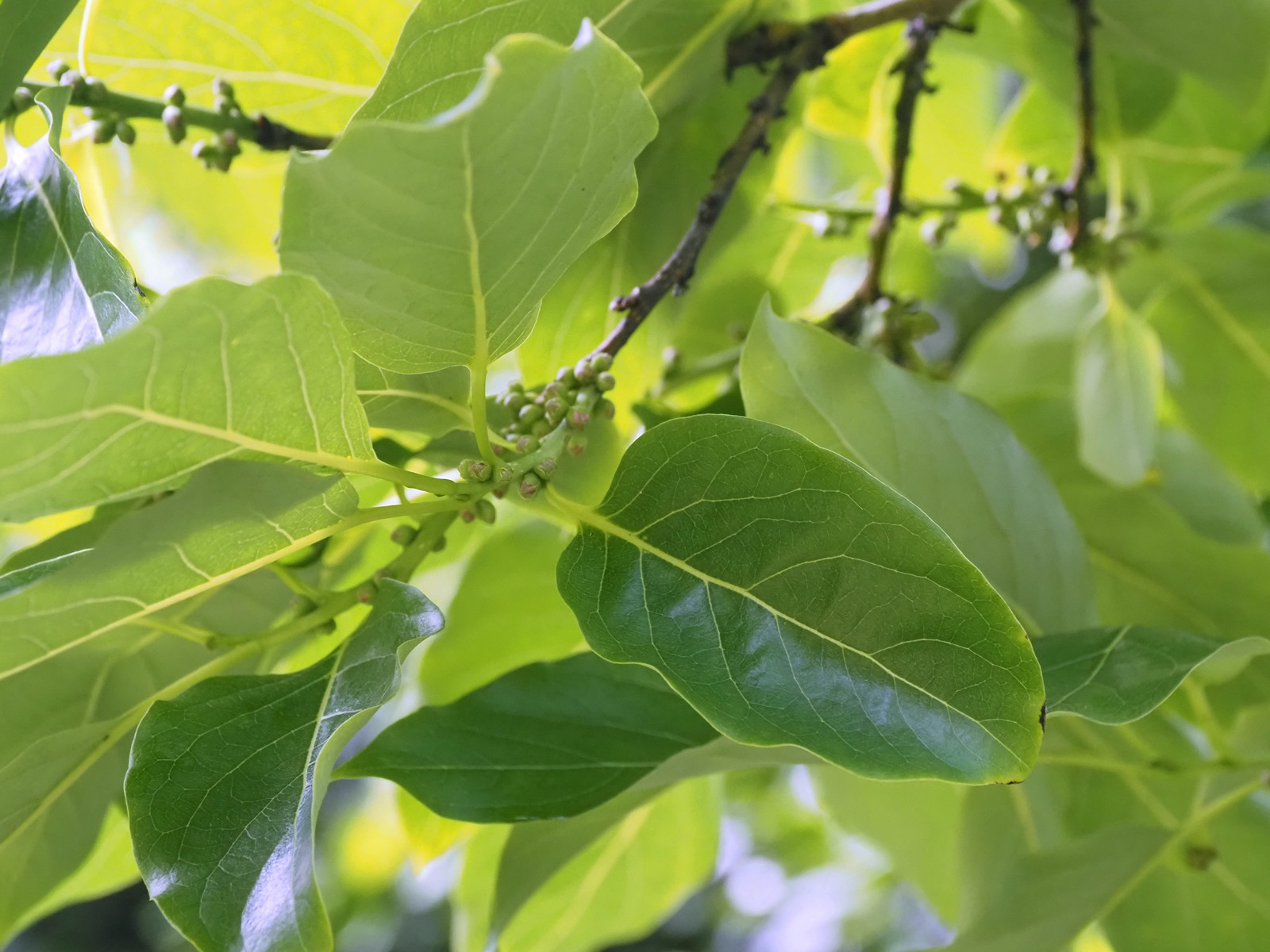
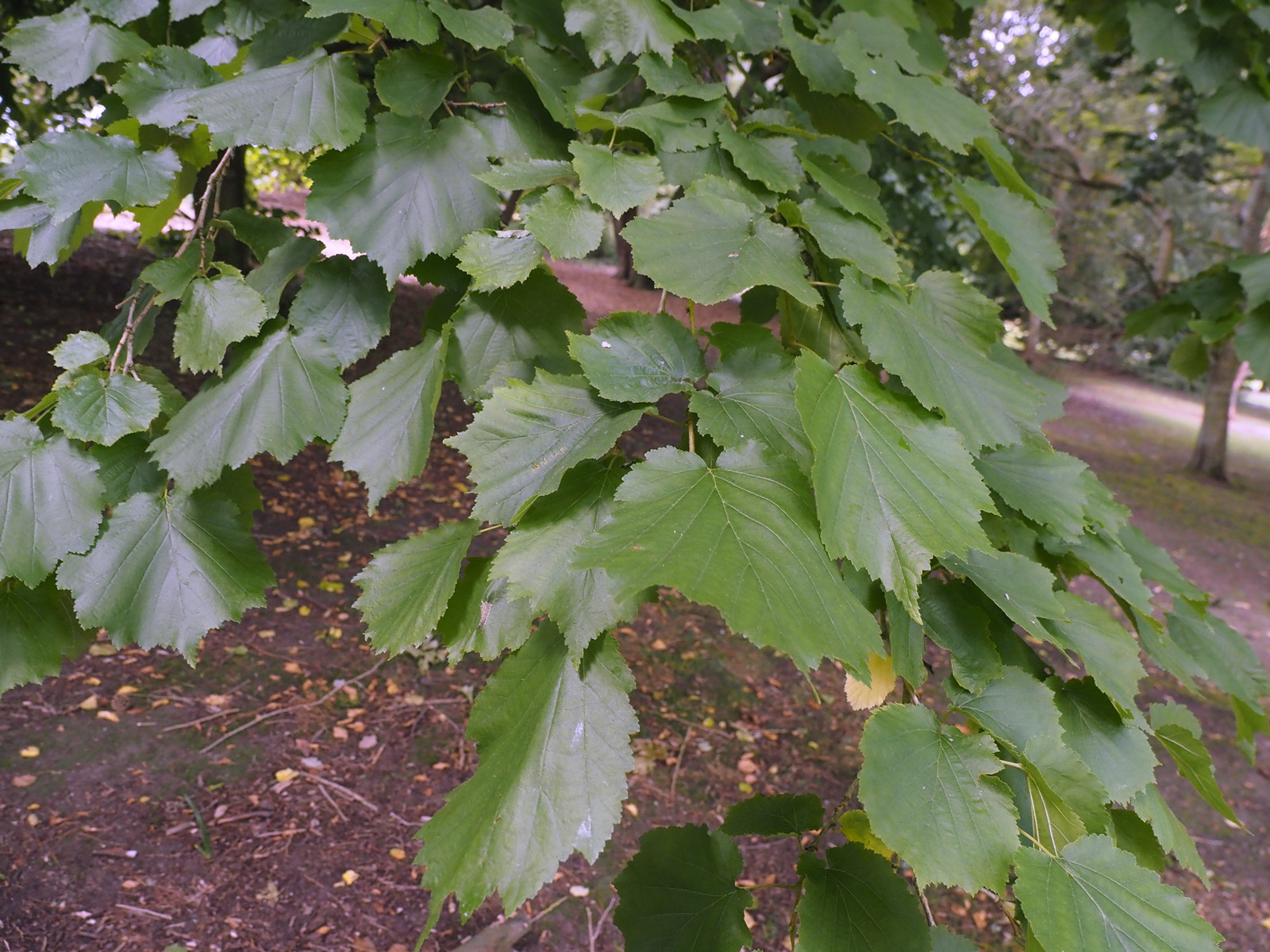
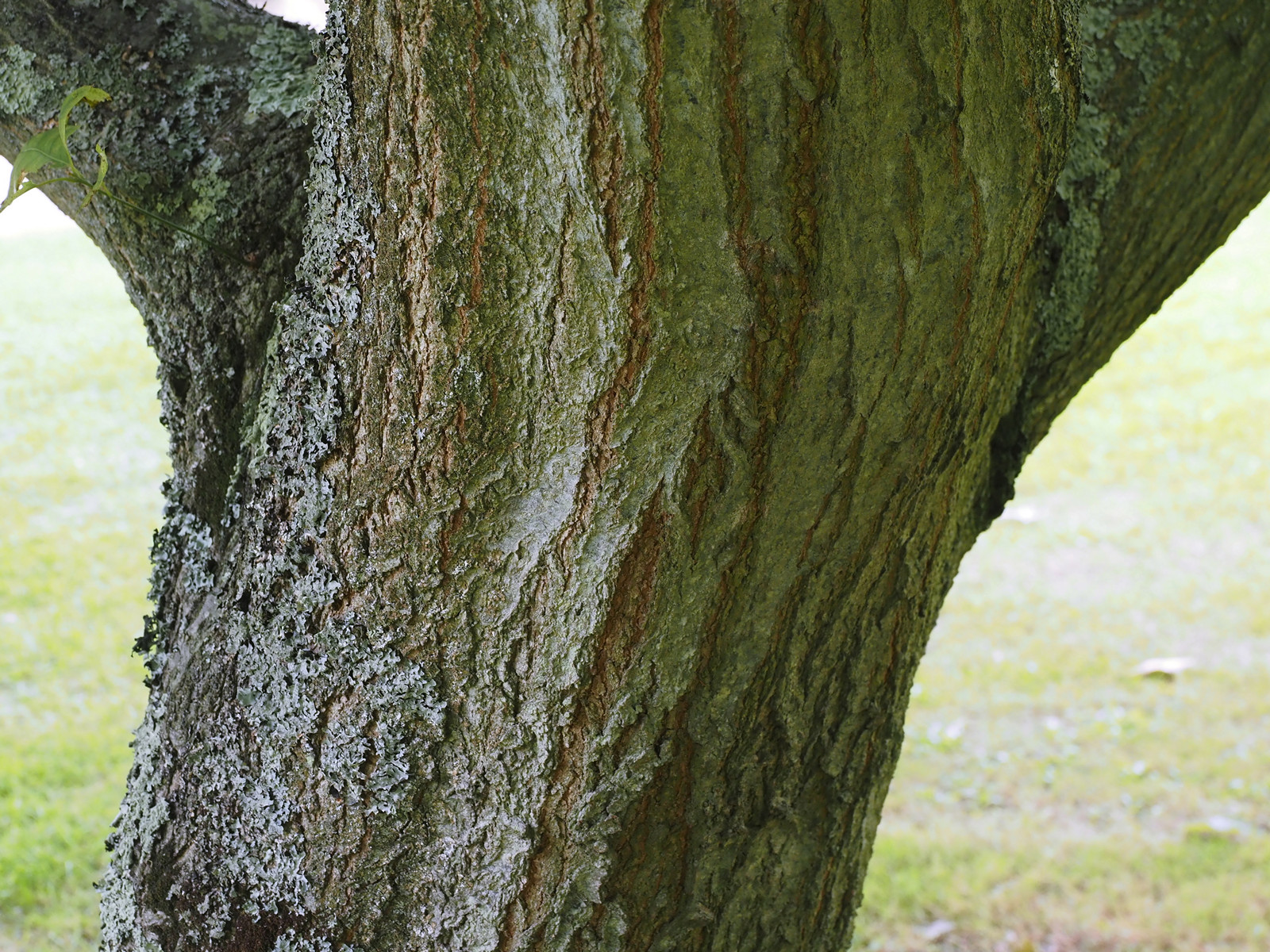
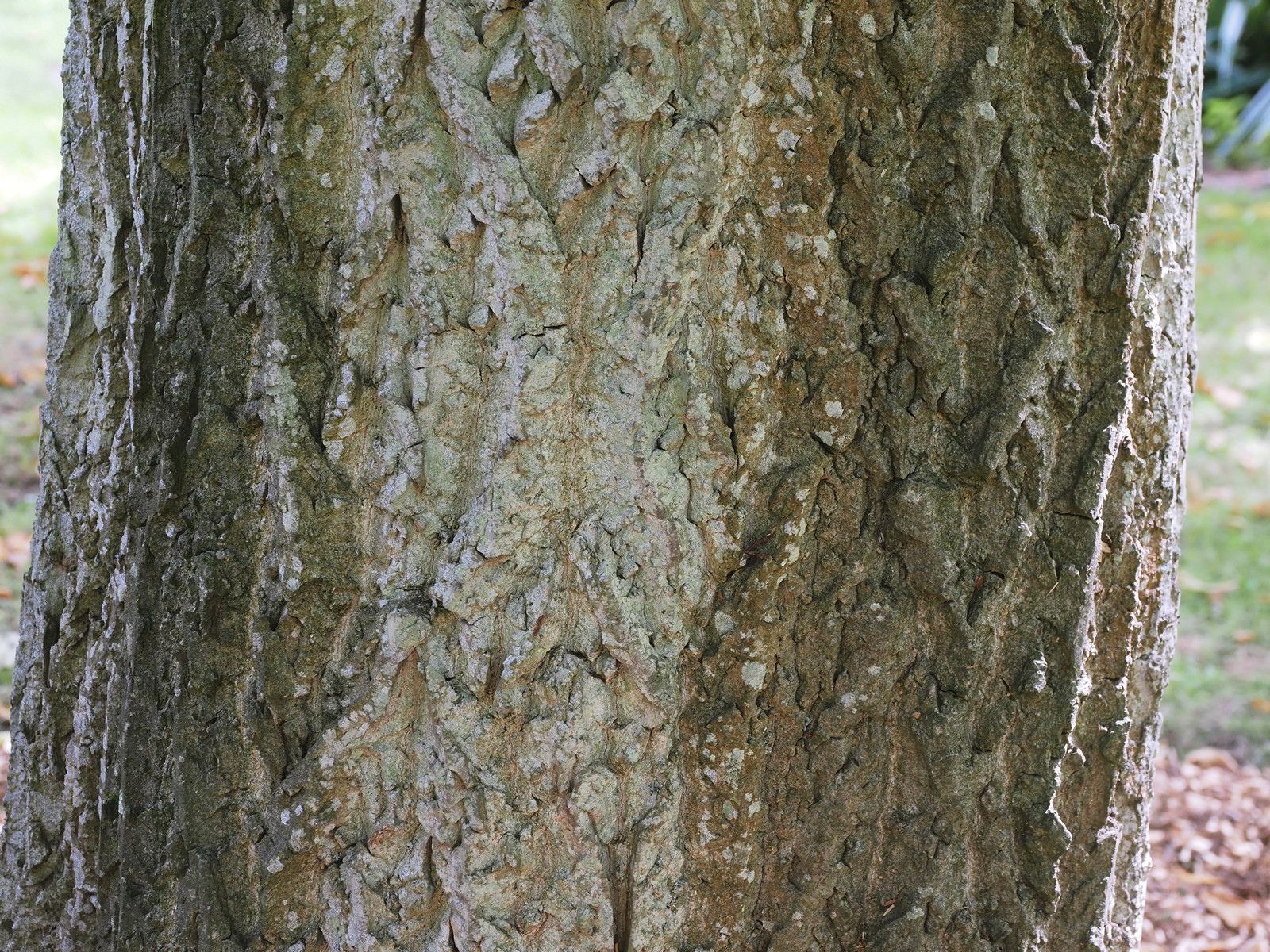
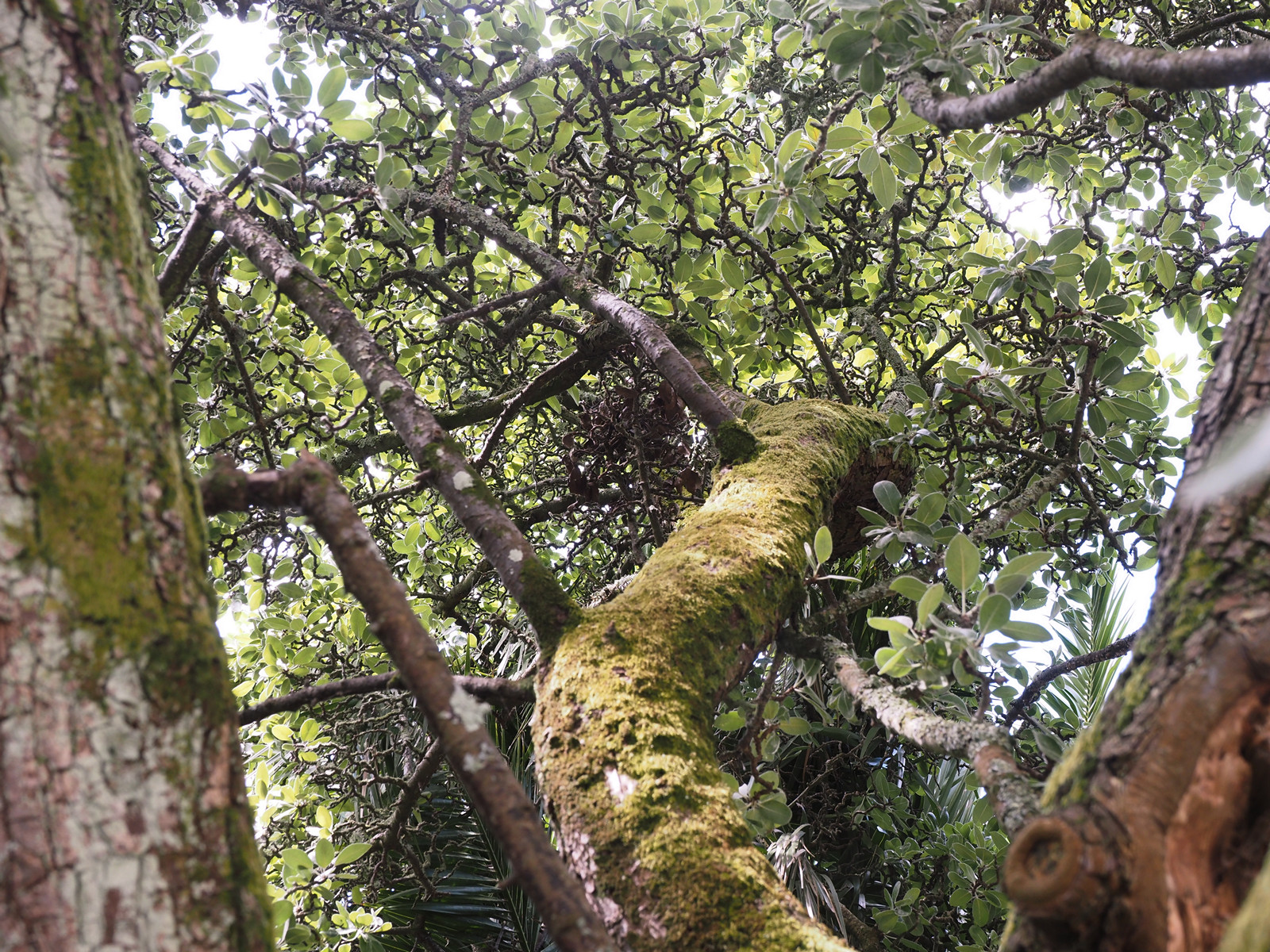
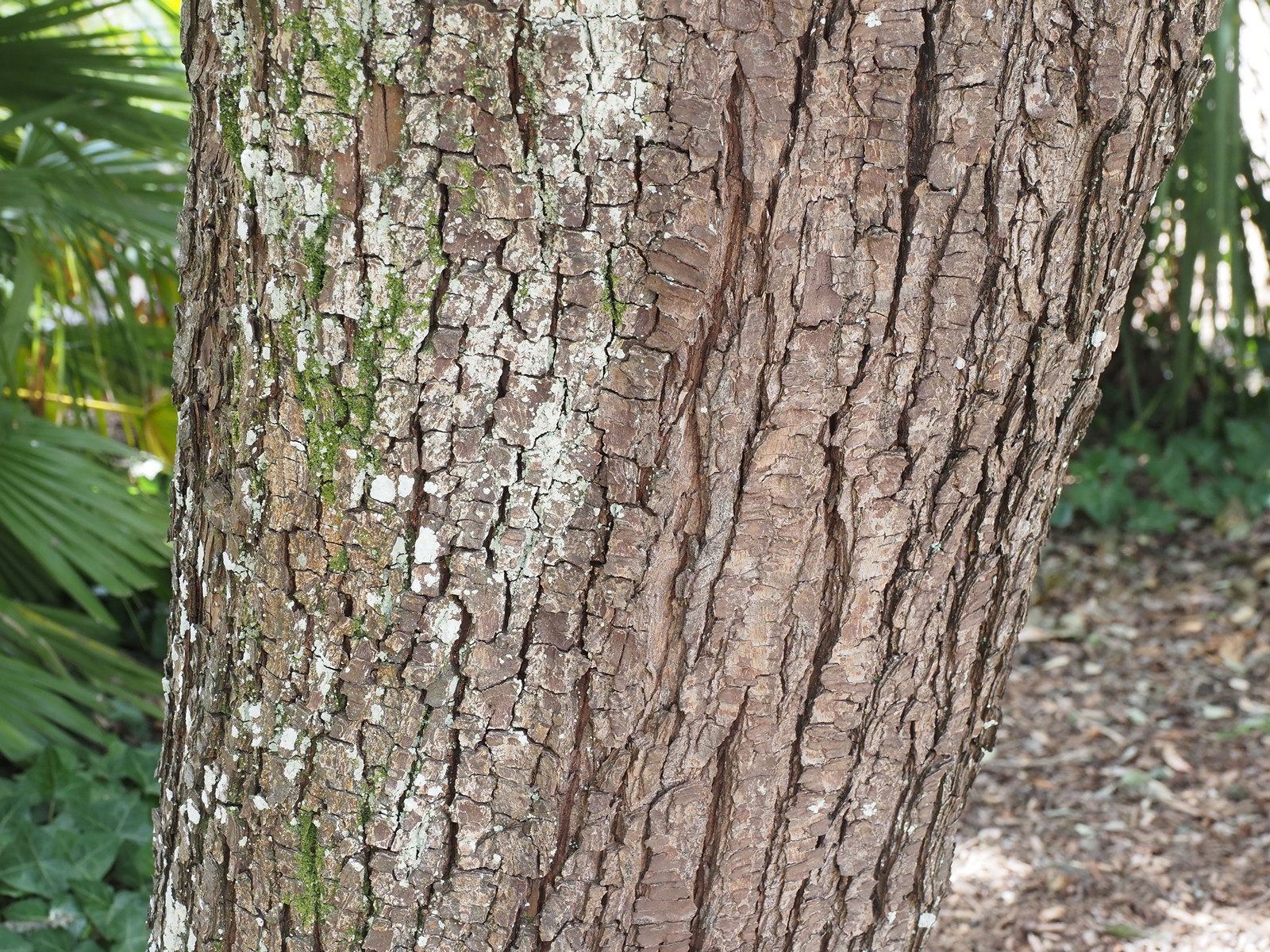
A tree sized Corylus columna which I have not spotted before. The Turkish hazel which I once grew by Lower Quarry Nursery at Caerhays but cut down as too dull for this location. I was wrong when looking at this bark and branch structure.
Corylus columnaCorylus columnaCorylus columna
Quercus rubra with a wonderful trunk too.
Quercus rubra
Rabbit damage on a recently planted Magnolia x loebneri and no rabbit guards on what is left of the dry and starved magnolia planting (ex Burncoose). Plants look dreadful.
Magnolia x loebneriMagnolia x loebneri
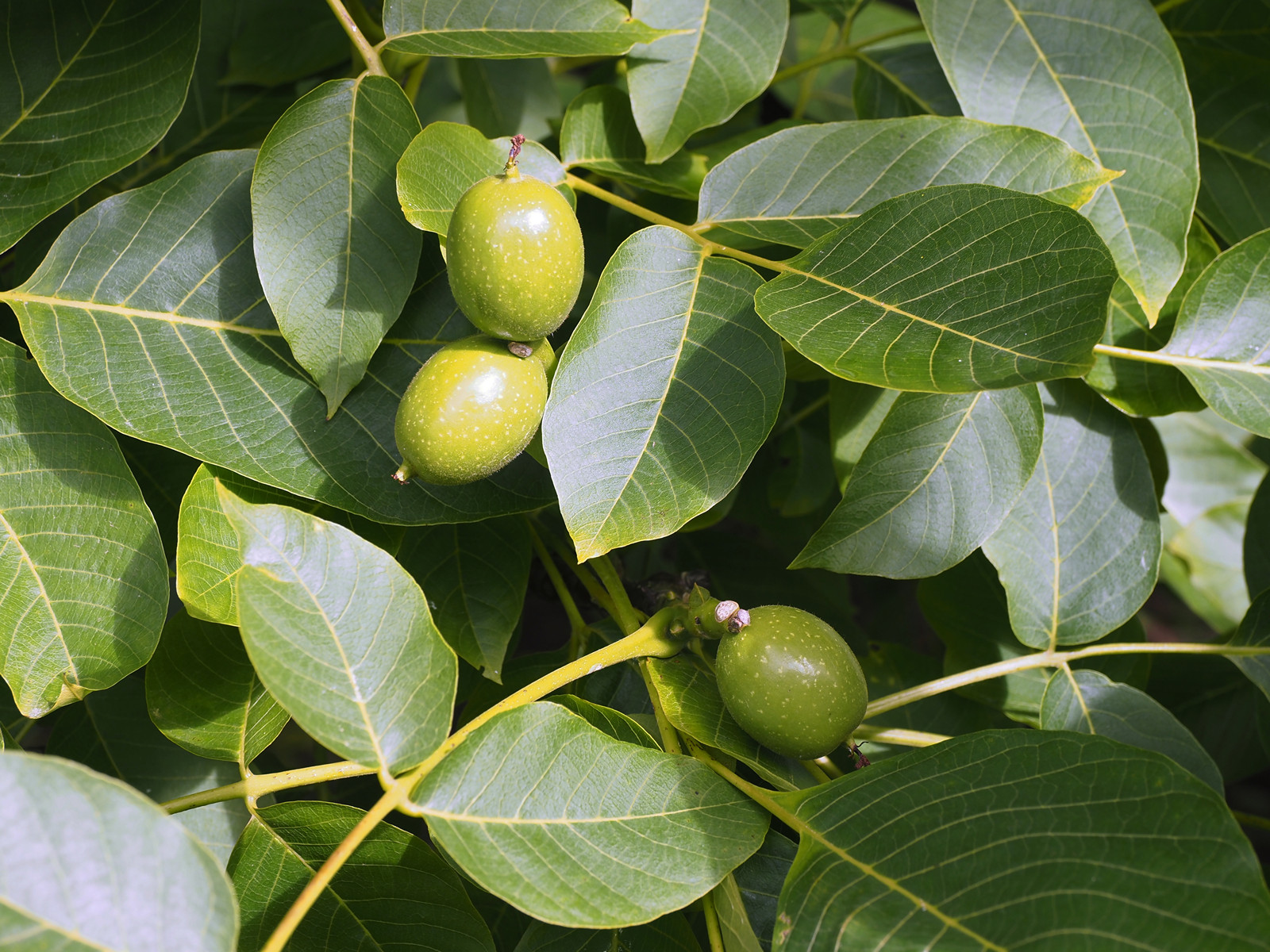
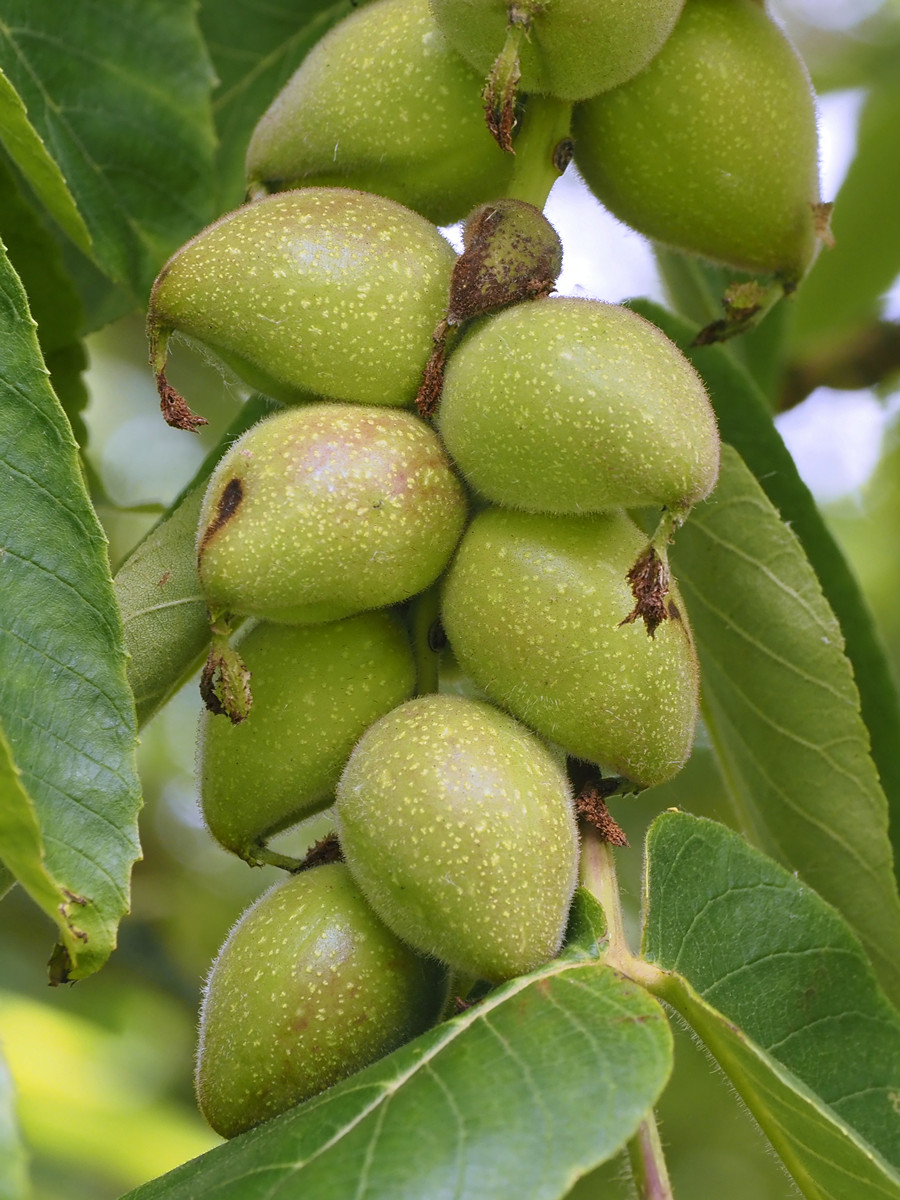
A very good crop of walnuts on Juglans nigra – black walnut.
Juglans nigraJuglans nigra
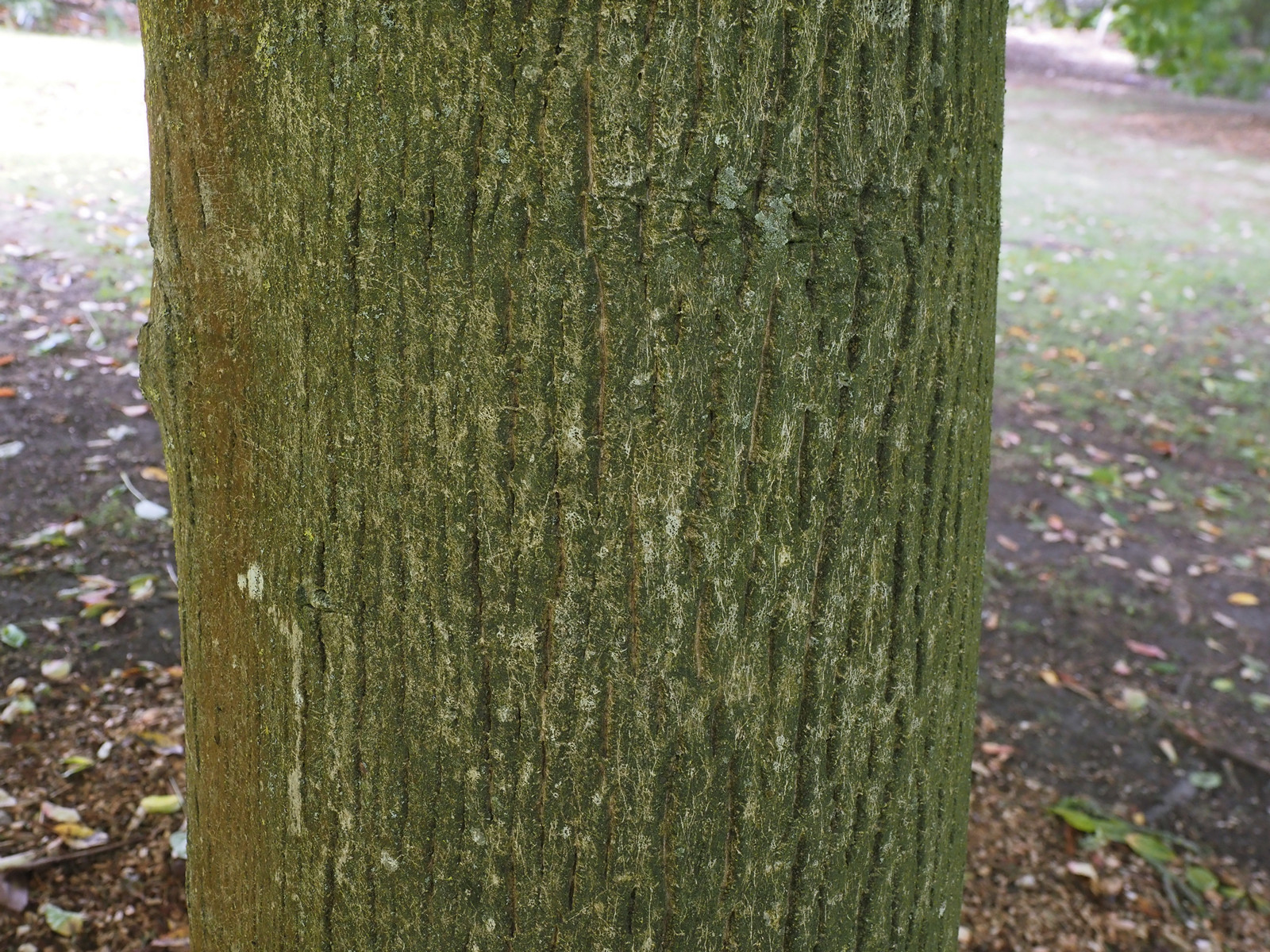
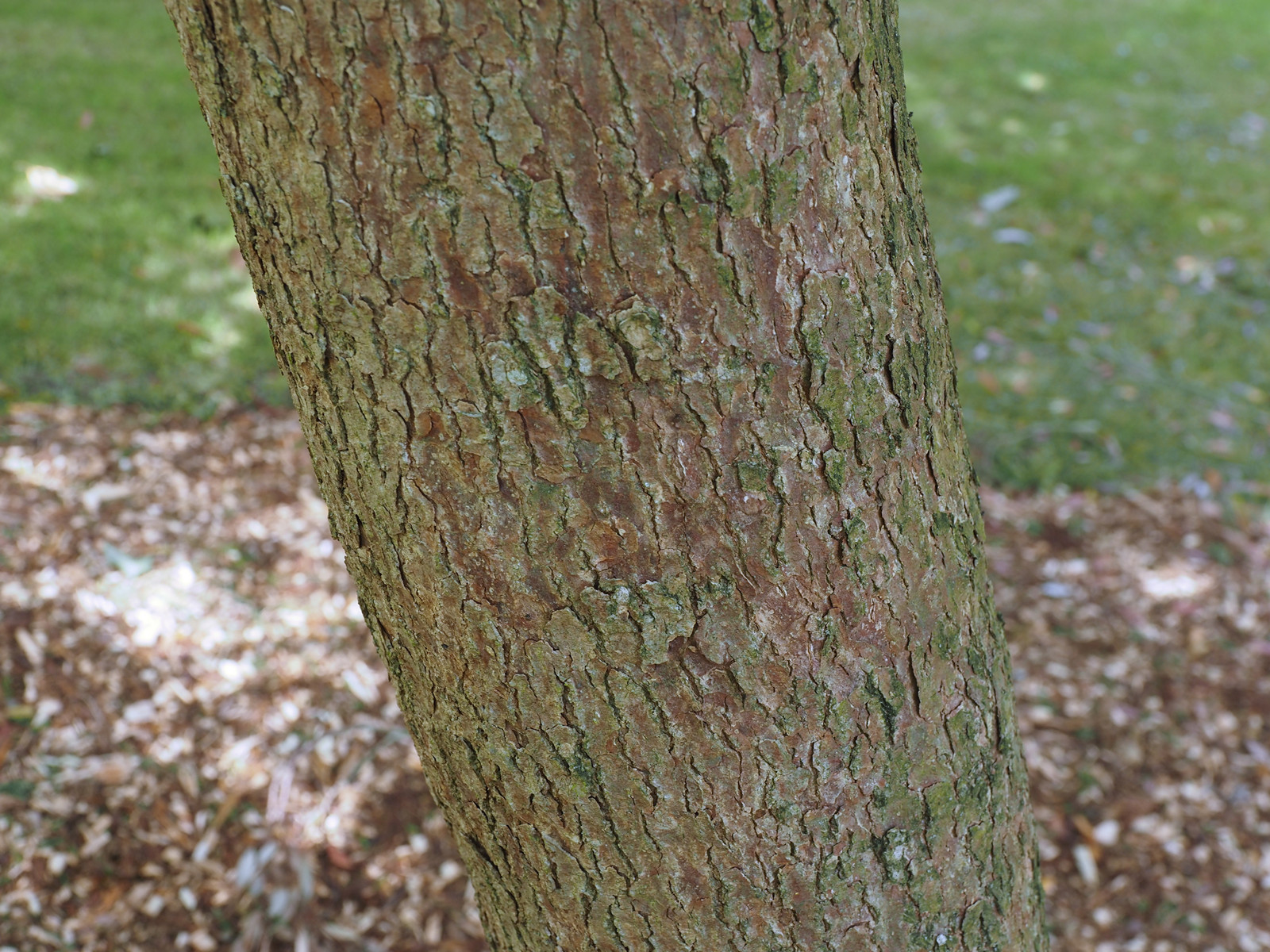
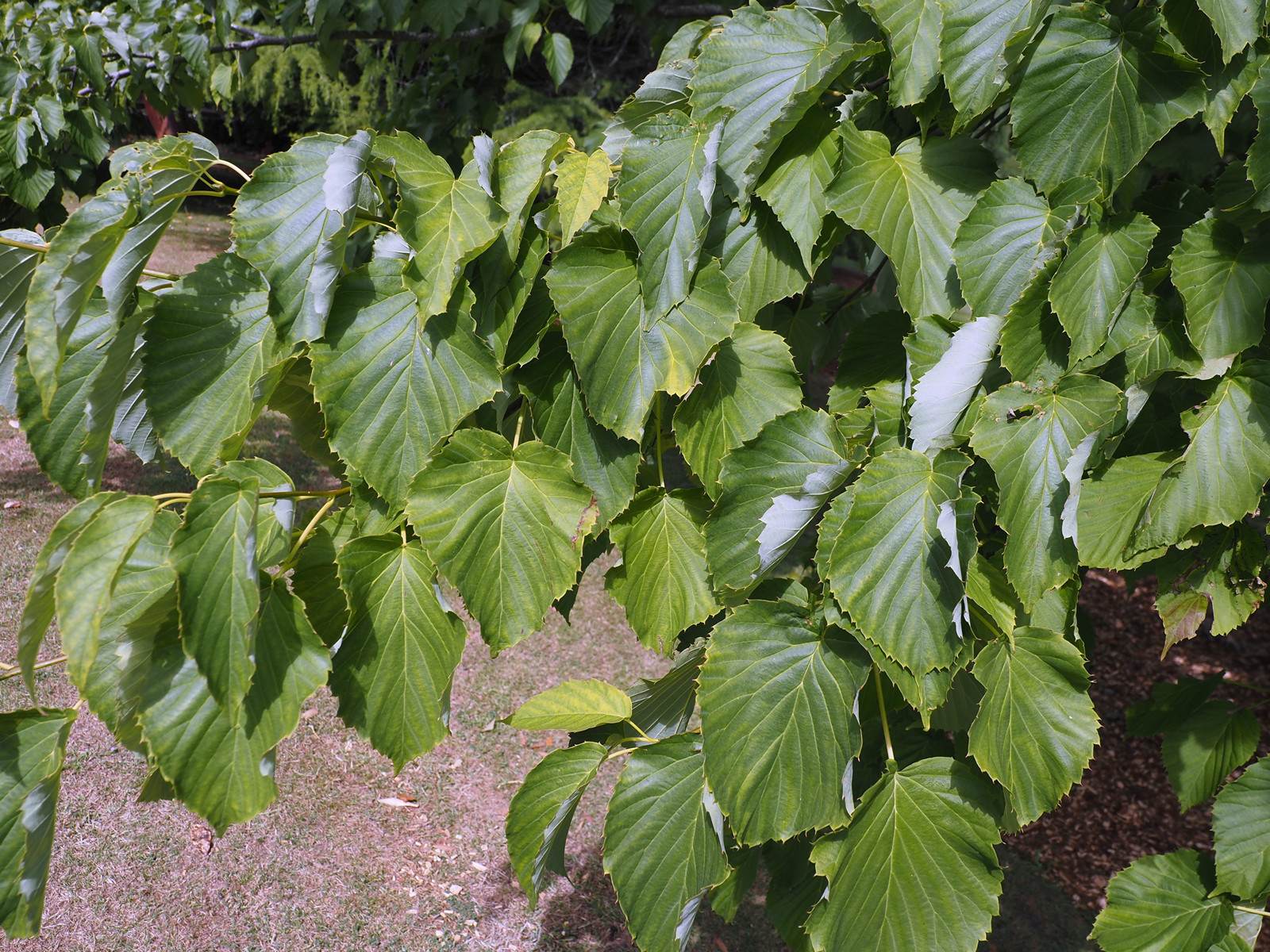
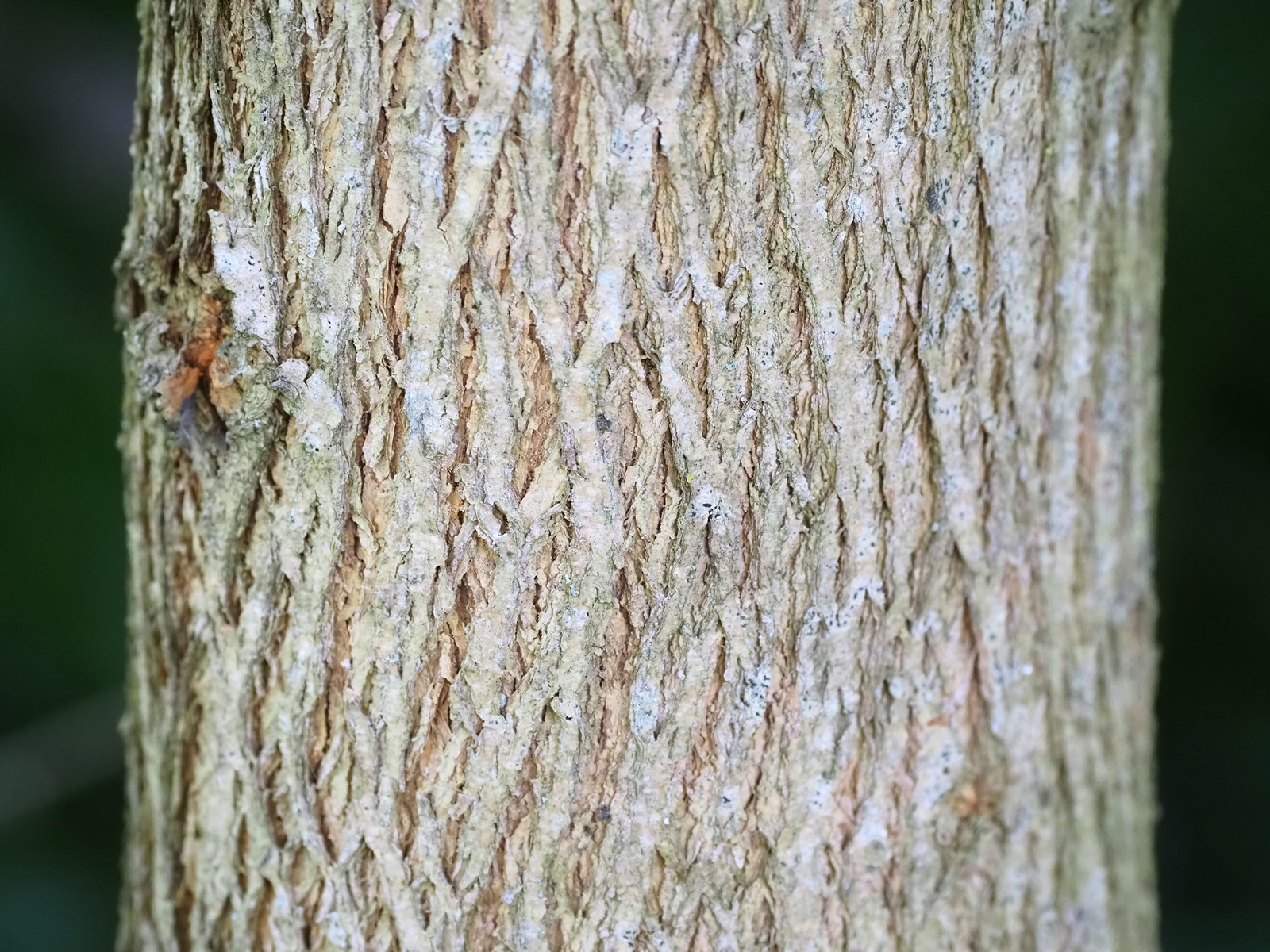
Davidia involucrata var. vilmoriniana has attractive bark and slightly different shaped leaves. Flowers long gone. Bark a bit different too.
Davidia involucrata var. vilmorinianaDavidia involucrata var. vilmoriniana
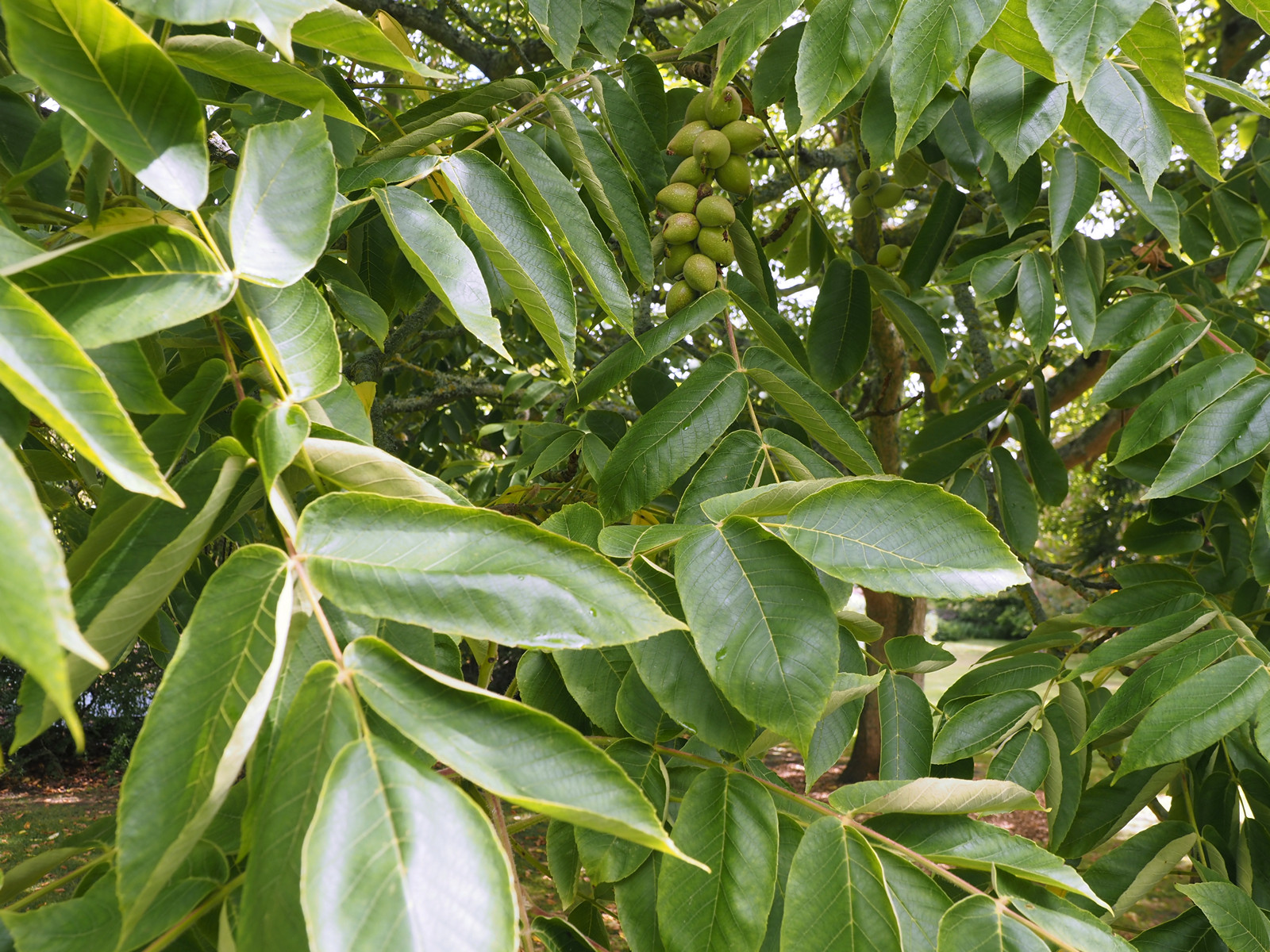
Juglans ailanthifolia – Japanese walnut – also with well advanced walnut formations as we have seen recently in a young tree at home.
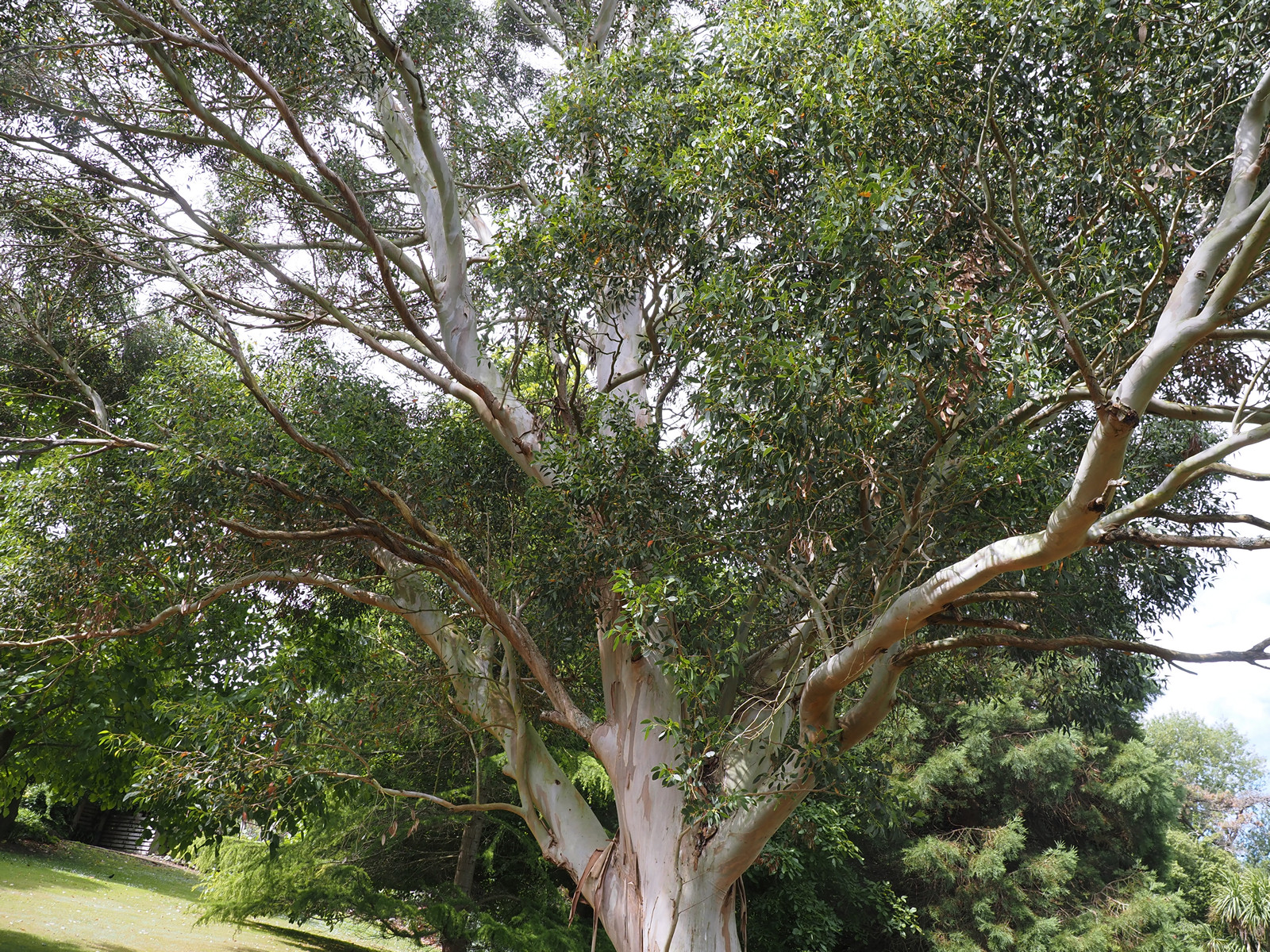
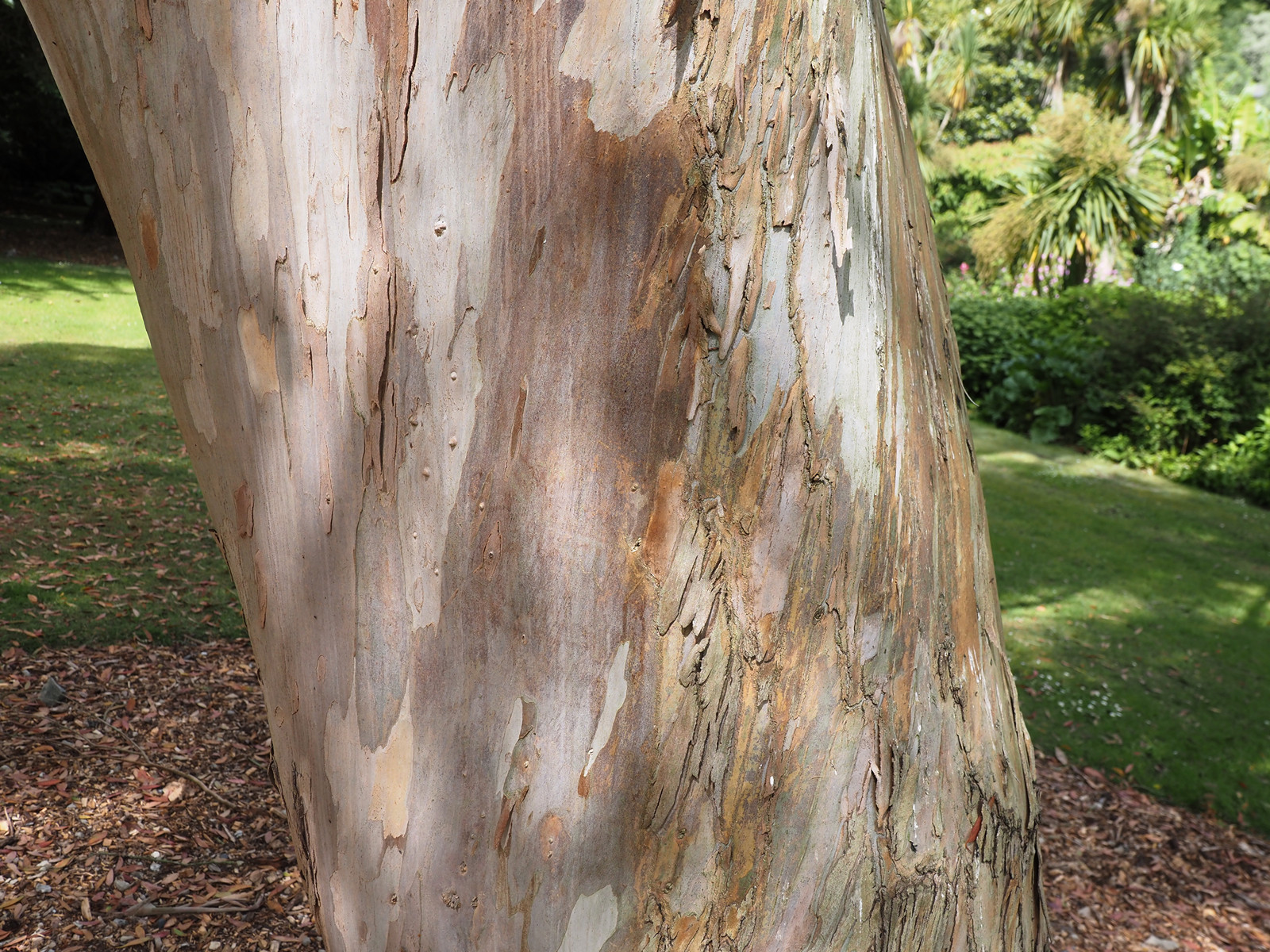
Eucalyptus archeri – alpine cider gum – with wonderful bark as I have seen before. Not a single eucalyptus species in flower that I spotted while we have two at home.
Eucalyptus archeriEucalyptus archeri
Unlabelled but a huge mature tree of Asimina triloba just coming into flower. None of our small trees are mature enough to have decent bark like this.
Asimina trilobaAsimina trilobaAsimina triloba
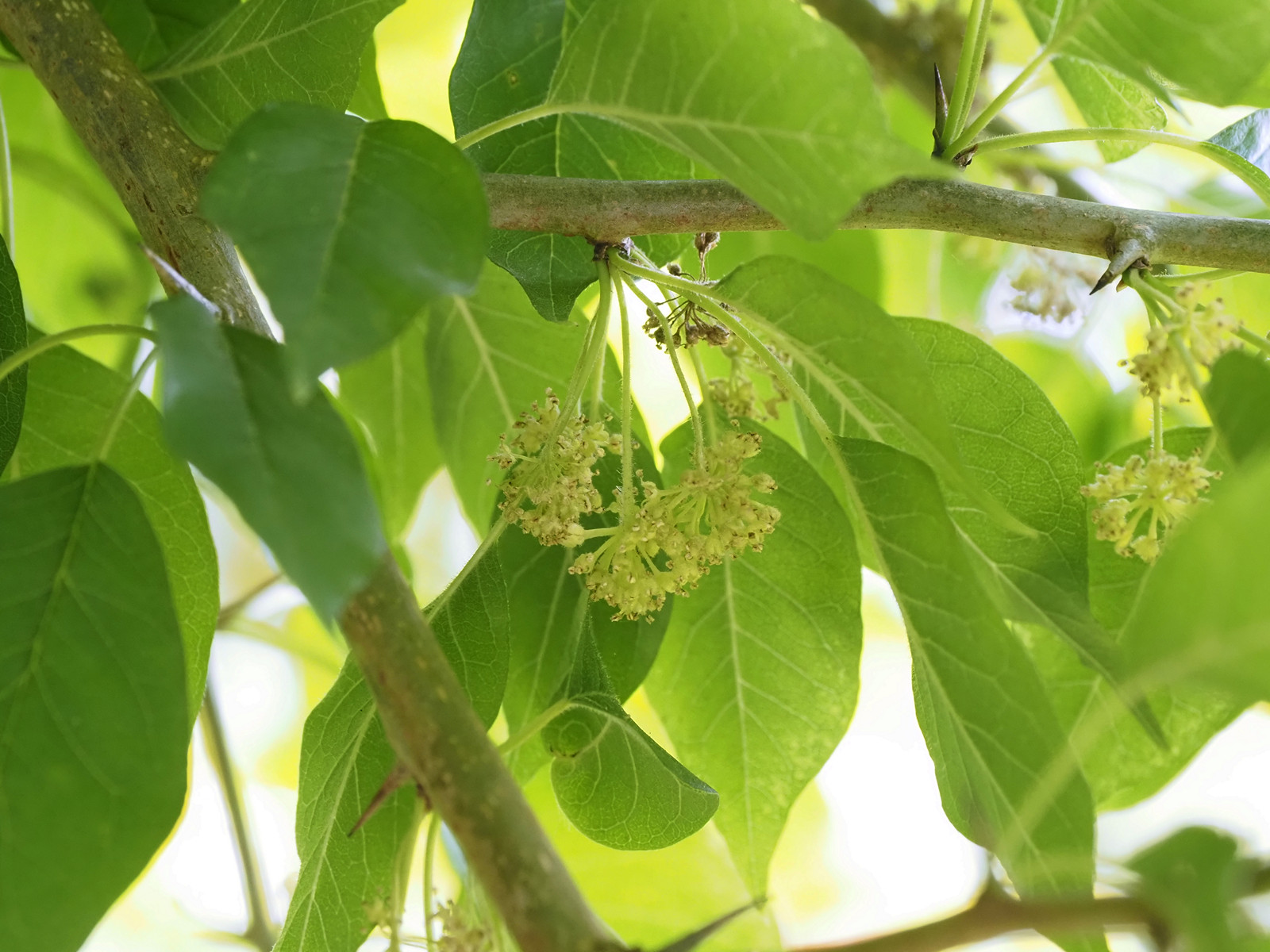
Maclura pomifera – Osage orange – as a small tree with some insignificant flowers and nasty prickles on the stems.
Maclura pomiferaMaclura pomifera
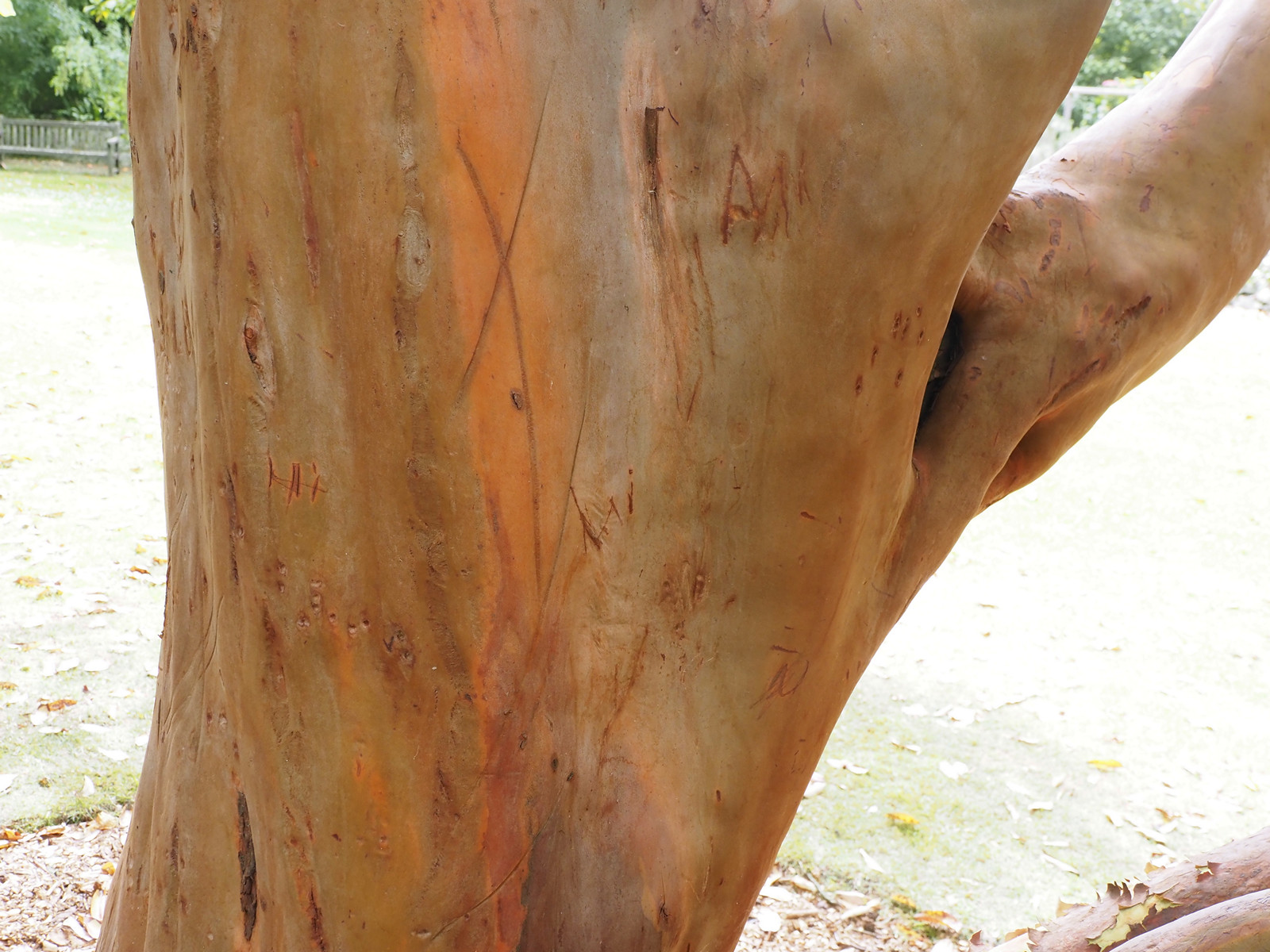
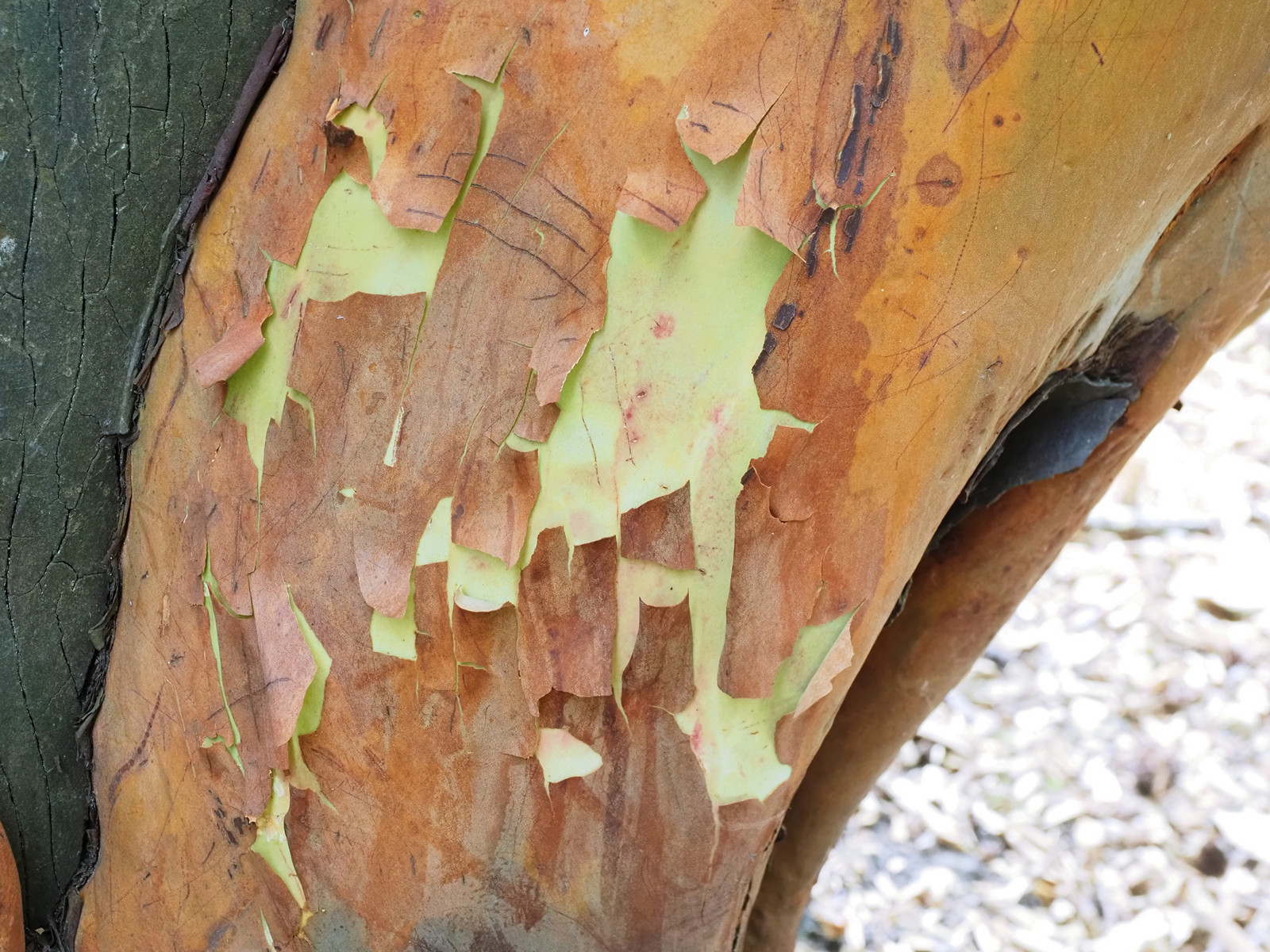
Arbutus x alapensis – champion tree of the ‘Texas madrone’. Superb bark just starting to split lower down near ground level. Visitors have carved graffiti into the trunk, sadly; little realising how important a tree this is.
Arbutus x alapensisArbutus x alapensis
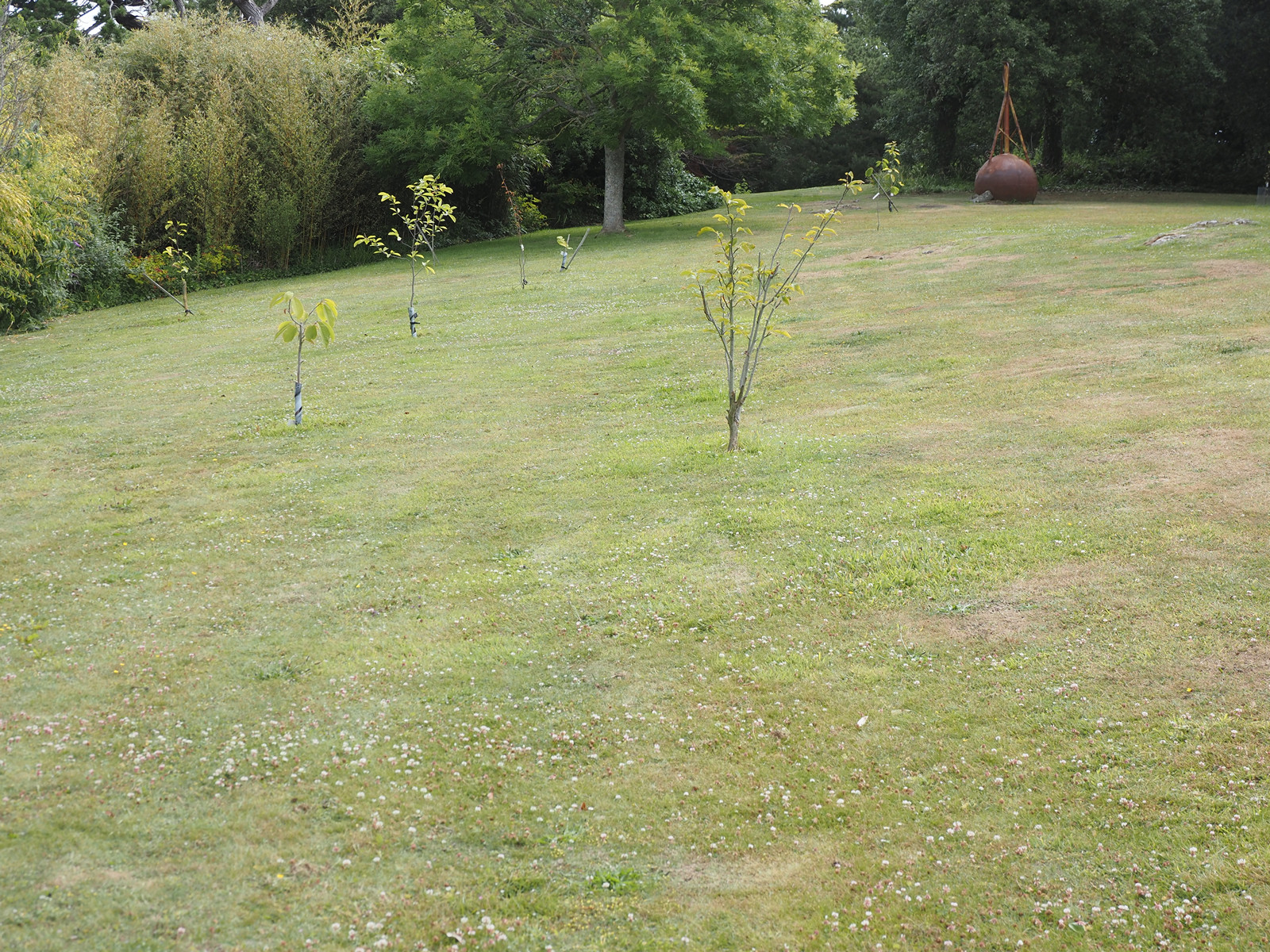
We are attempting to grow Ceratonia siligua below Slip Rail. Michael brought back seeds from France and, to my surprise, they are starting to grow away.
Ceratonia siligua
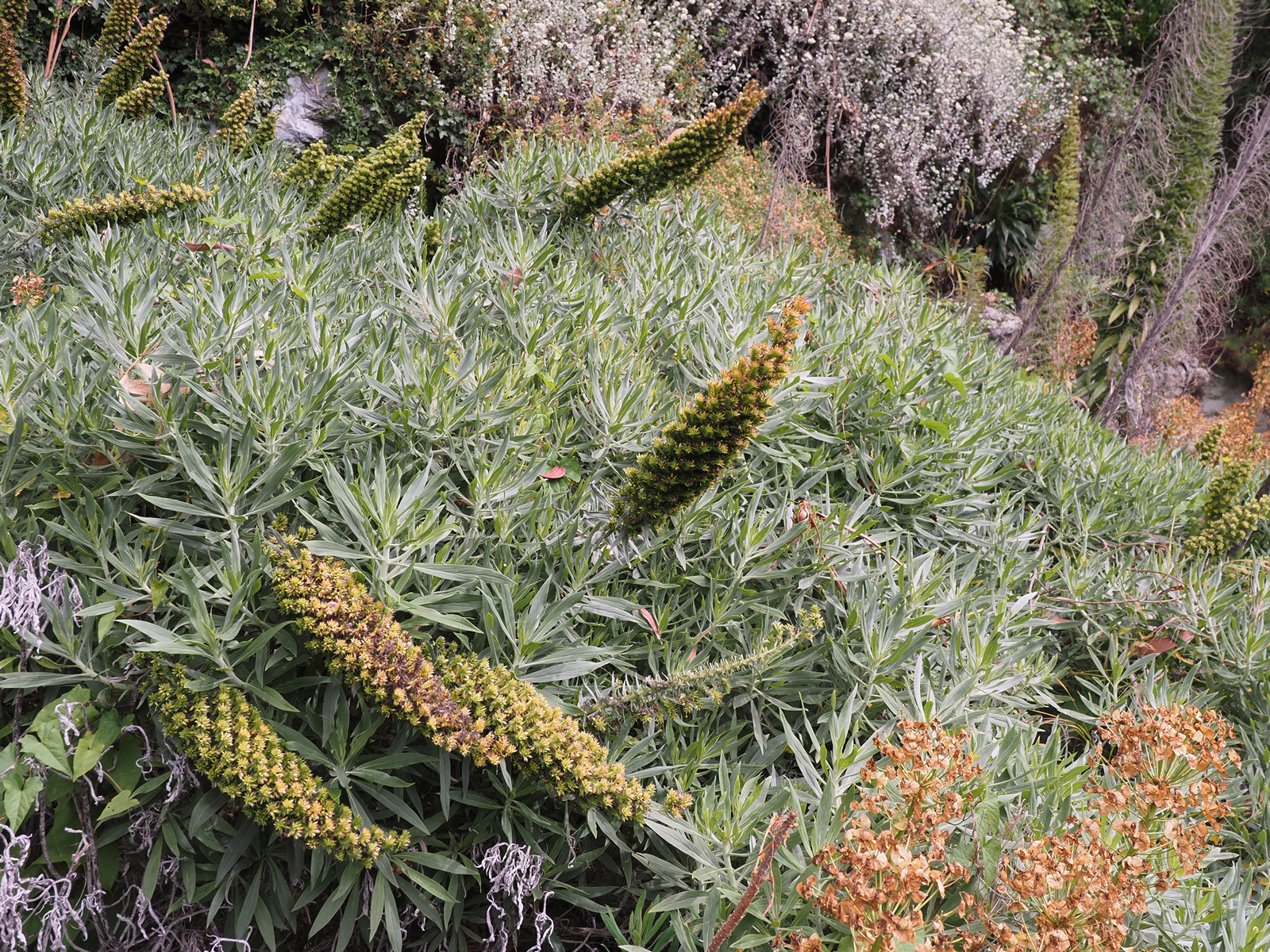
Echium fastuosum with its attractive seedheads.
Echium fastuosum
Pyrus x michauxii – hybrid pear and champion tree originating in the Levant as I have seen before with flower and fruit.
Pyrus x michauxiiPyrus x michauxiiPyrus x michauxii
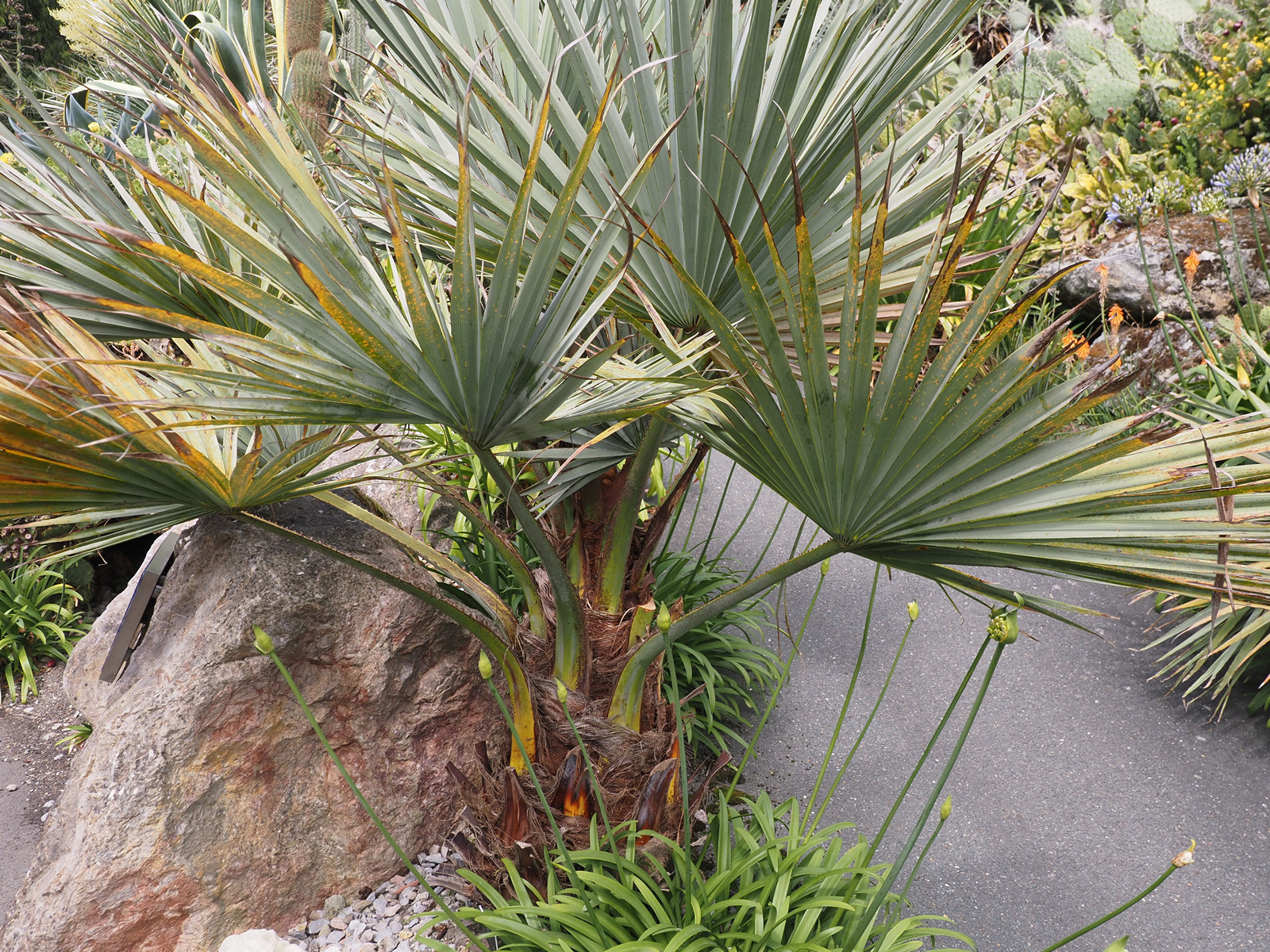
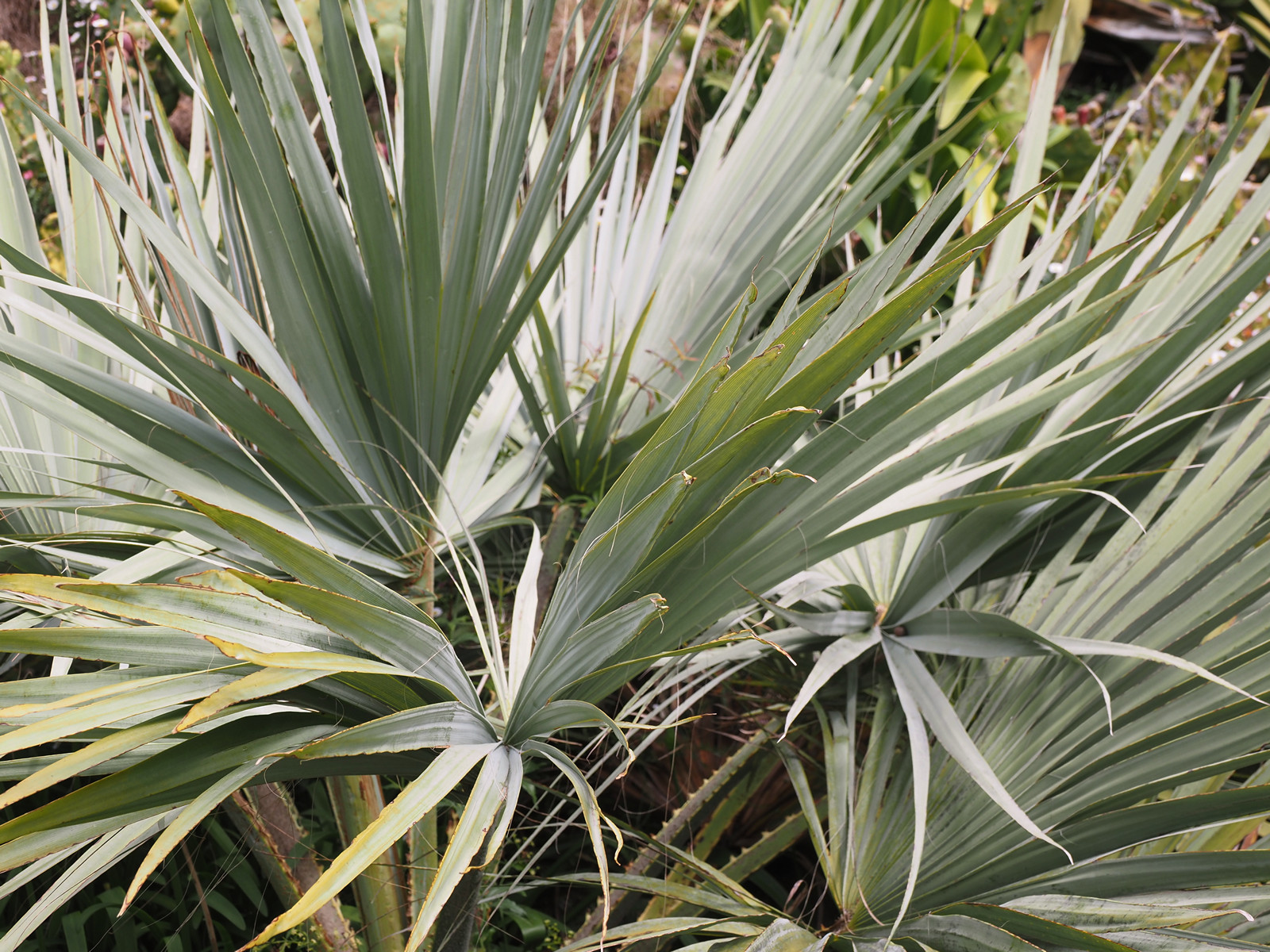
Brahea armata – Mexican blue palm – these two plants have doubled in size since I last saw them on this very hot top bank.
Brahea armataBrahea armata
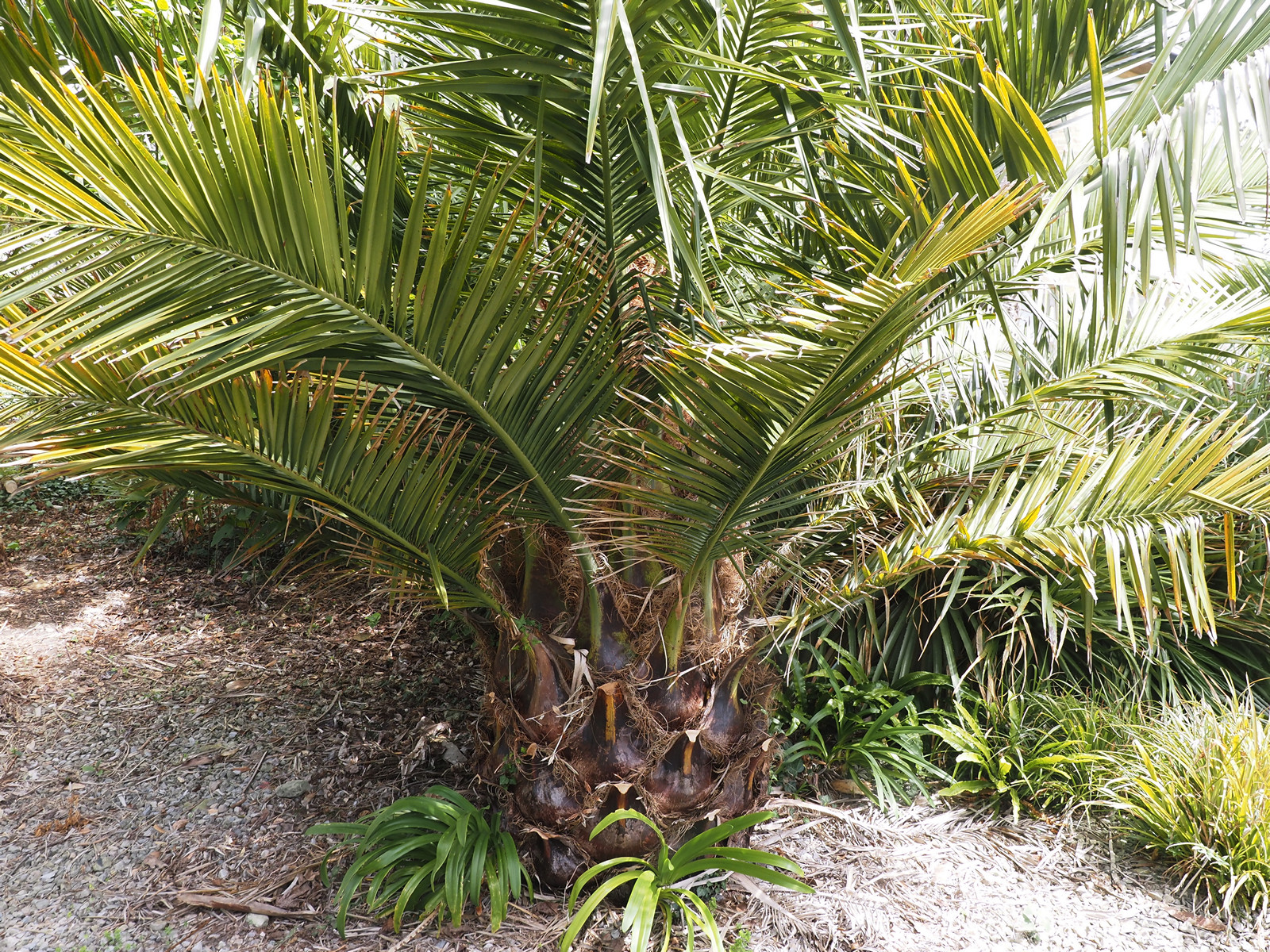
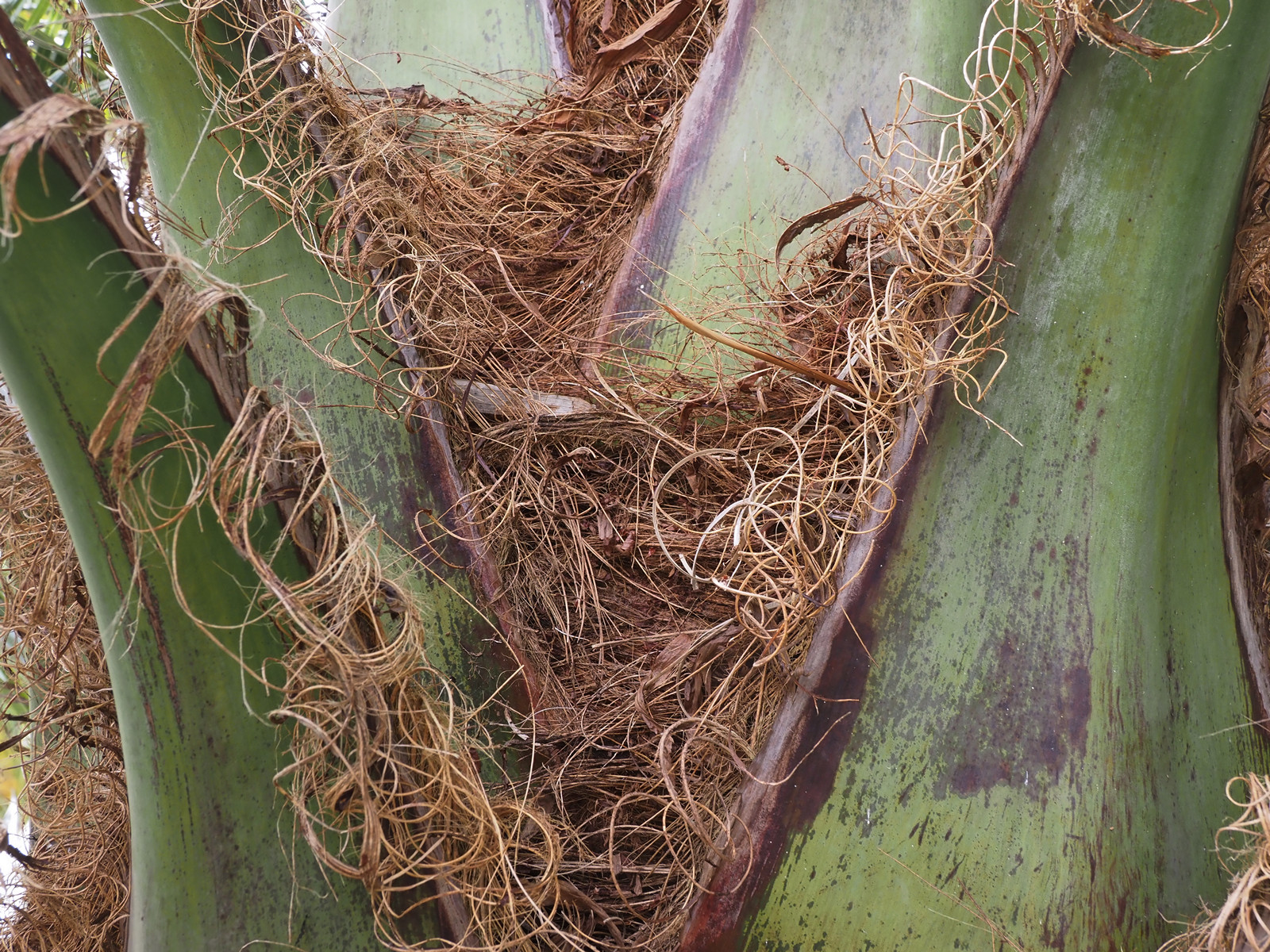
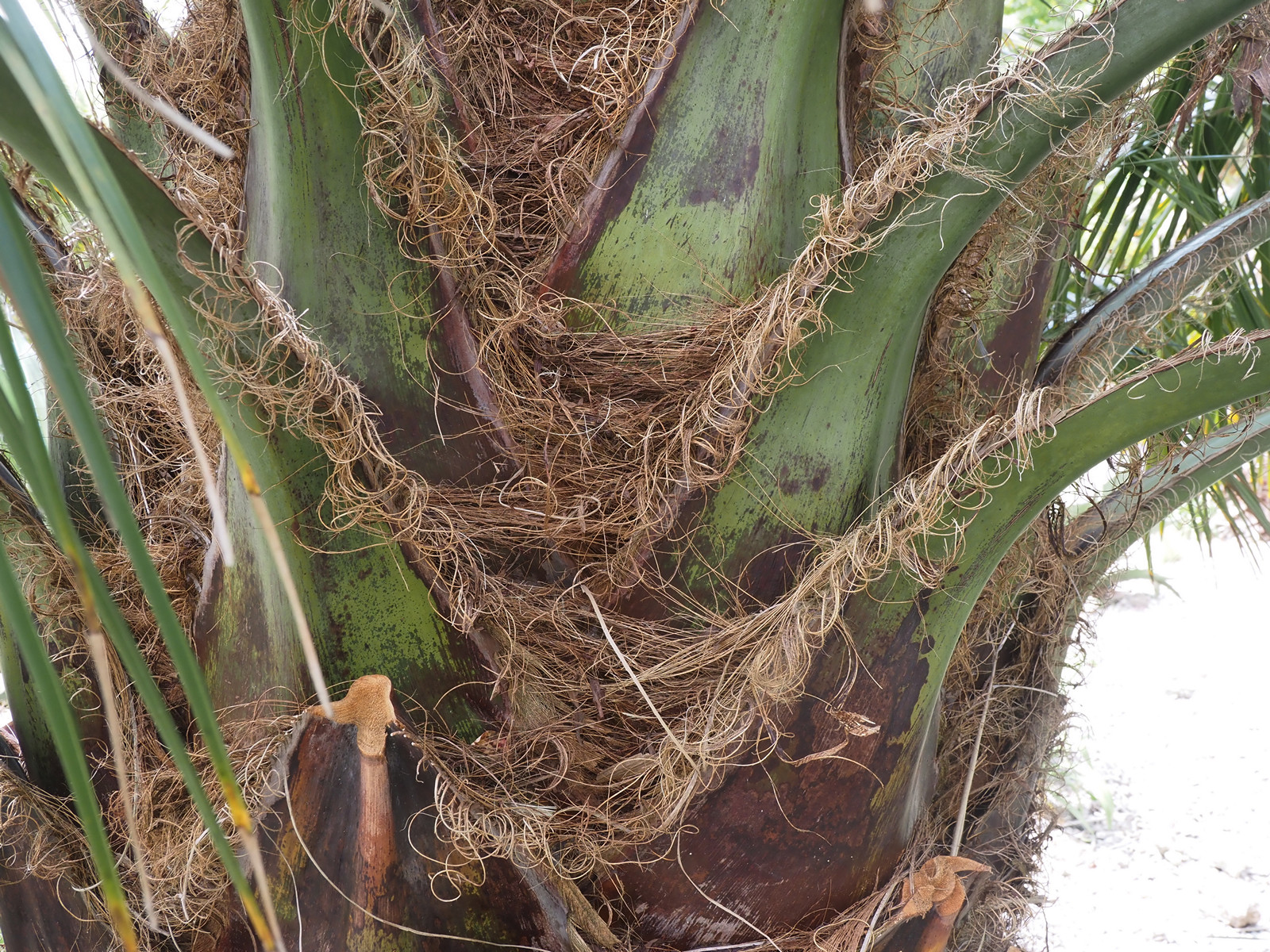
Jubaea chilensis – Chilean wine palm with peculiar hairs growing from its leaf edges.
Jubaea chilensisJubaea chilensisJubaea chilensis
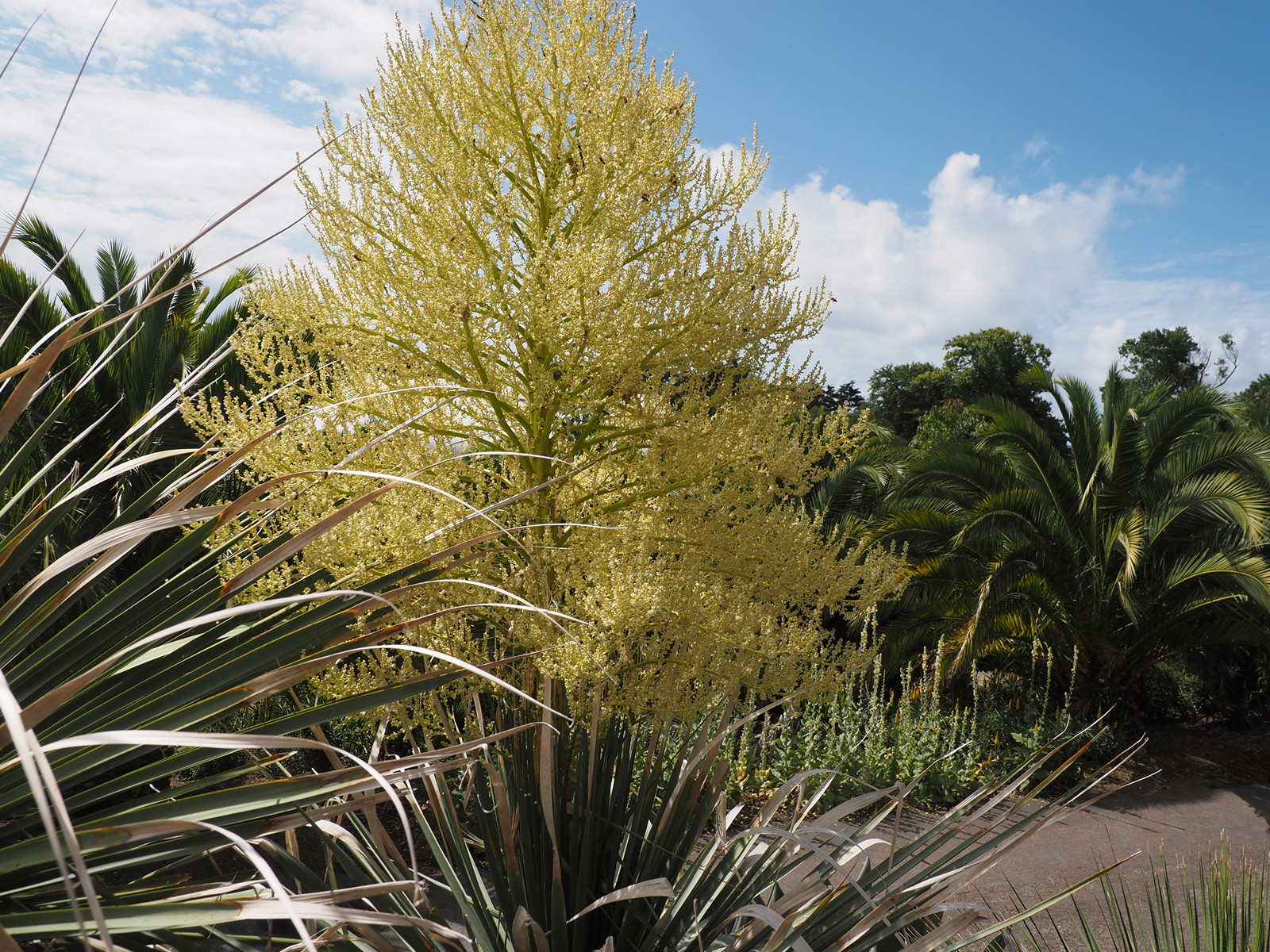
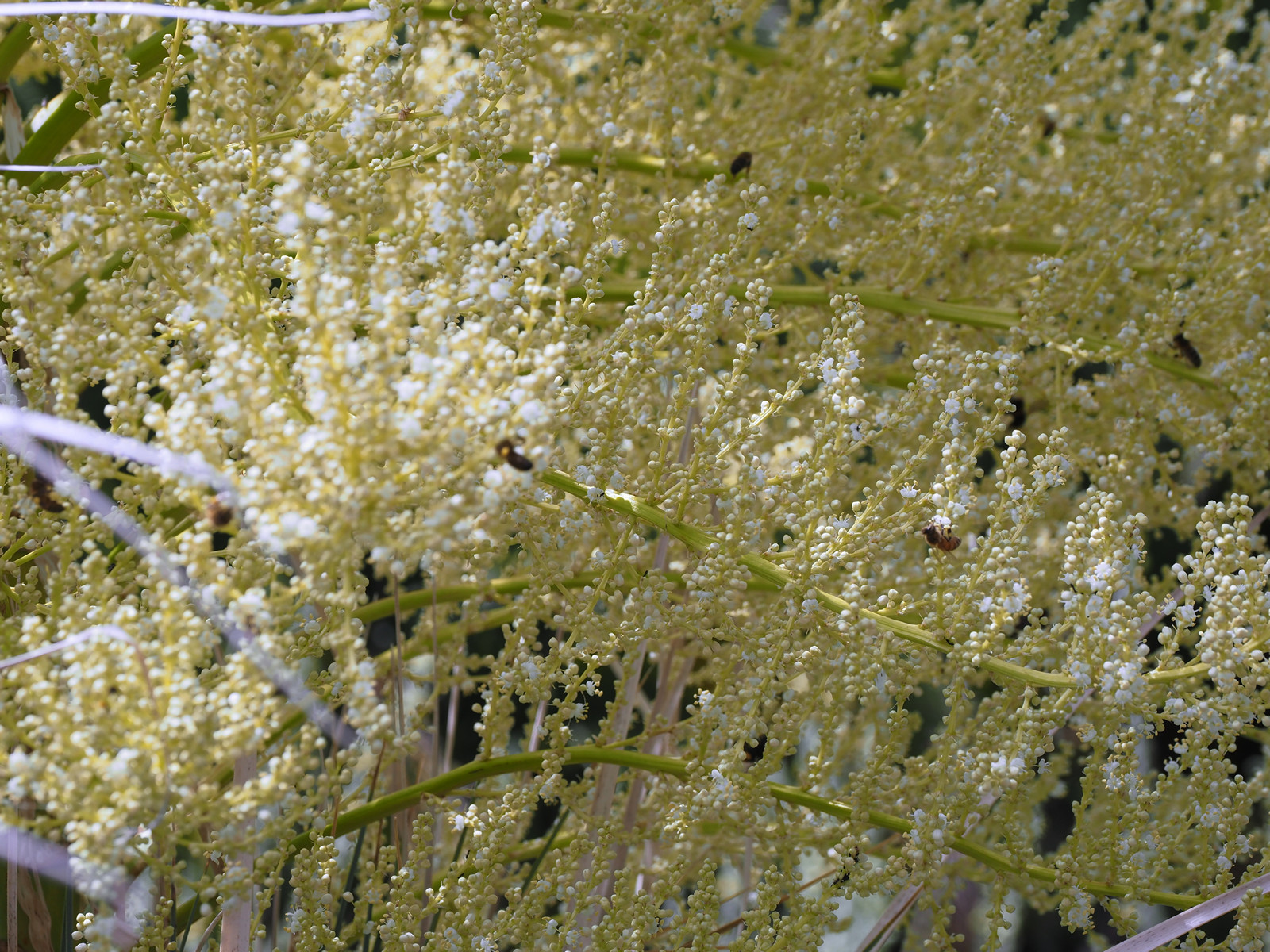
If the label is in the right place this is Nolina nelsonii with a 10ft tall yellow flower covered in bees. When I look this up Nolina are Mexican evergreen perennial shrubs related to yuccas which makes sense looking at the flower spike. Label correct but the two next to it were not as on non-existent plants. Not exciting until it flowers.
Nolina nelsoniiNolina nelsonii
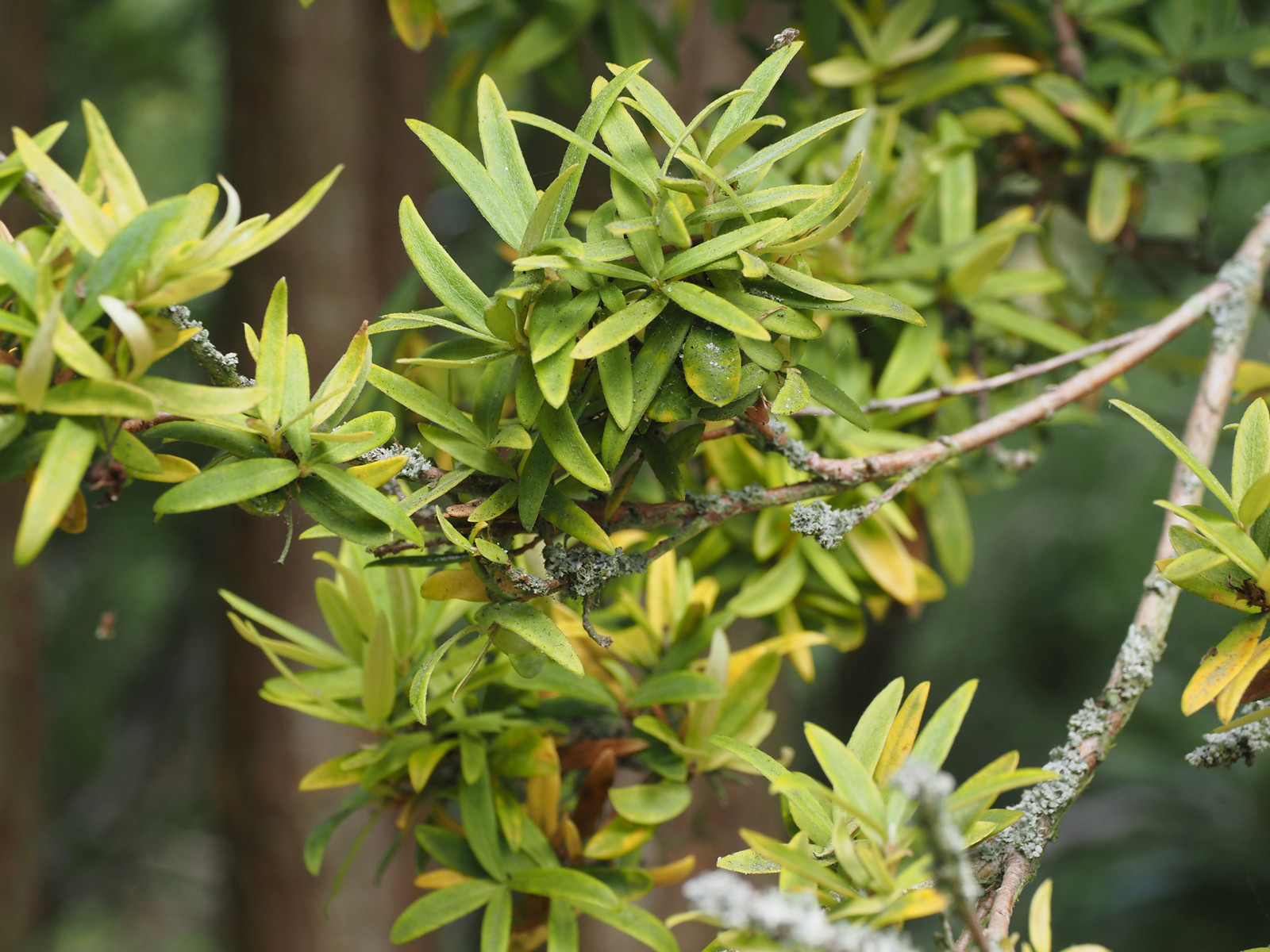
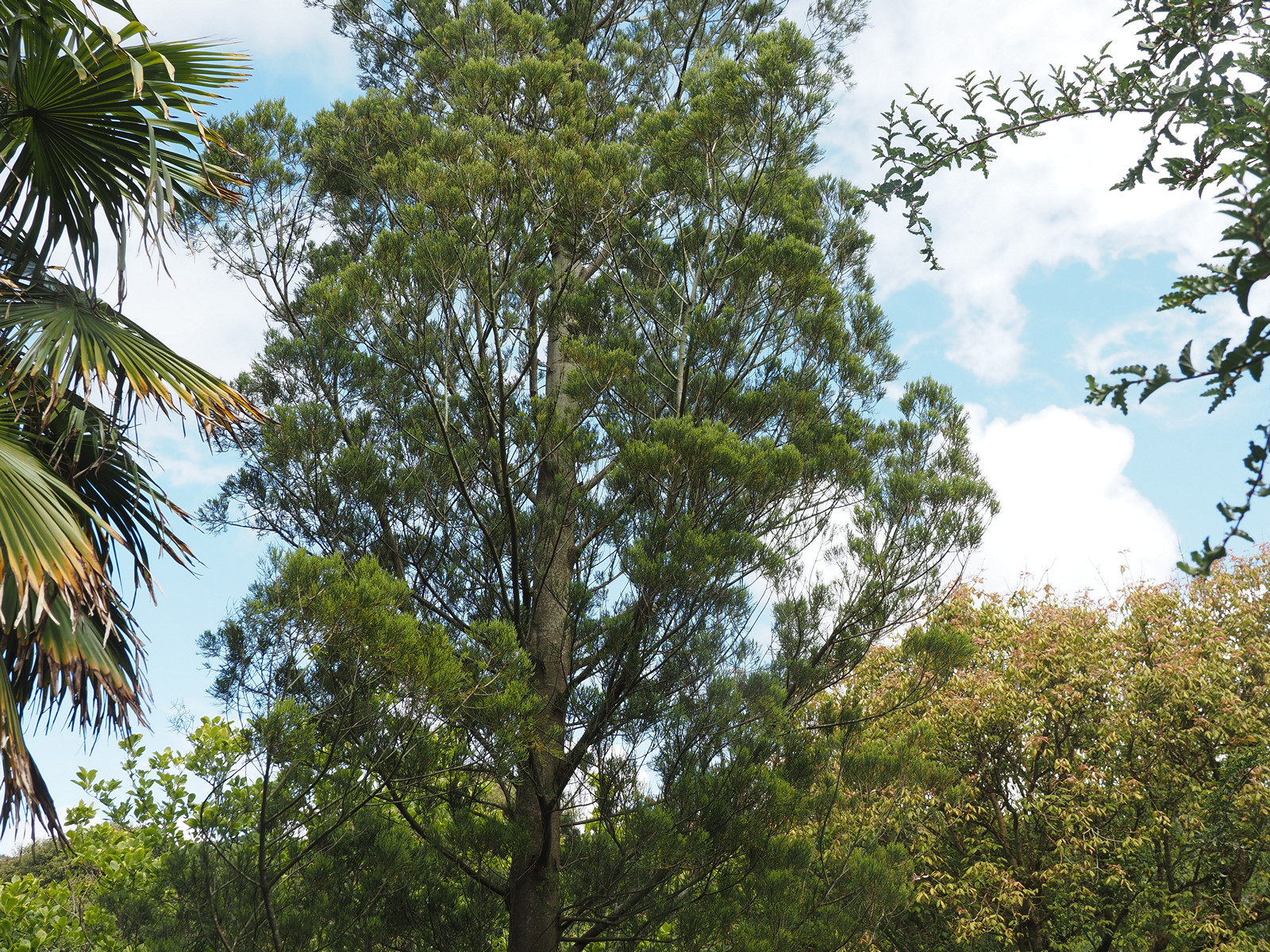
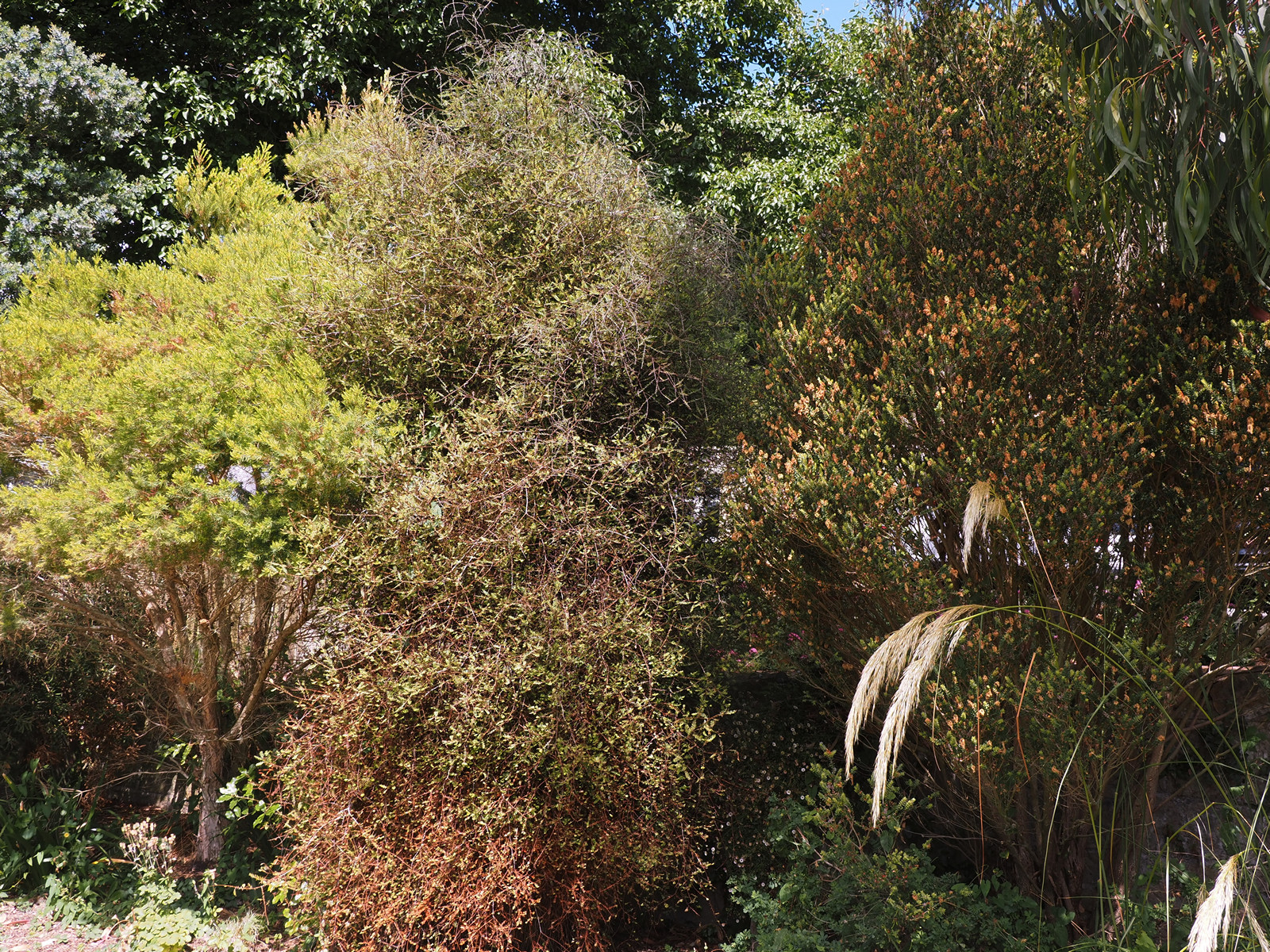
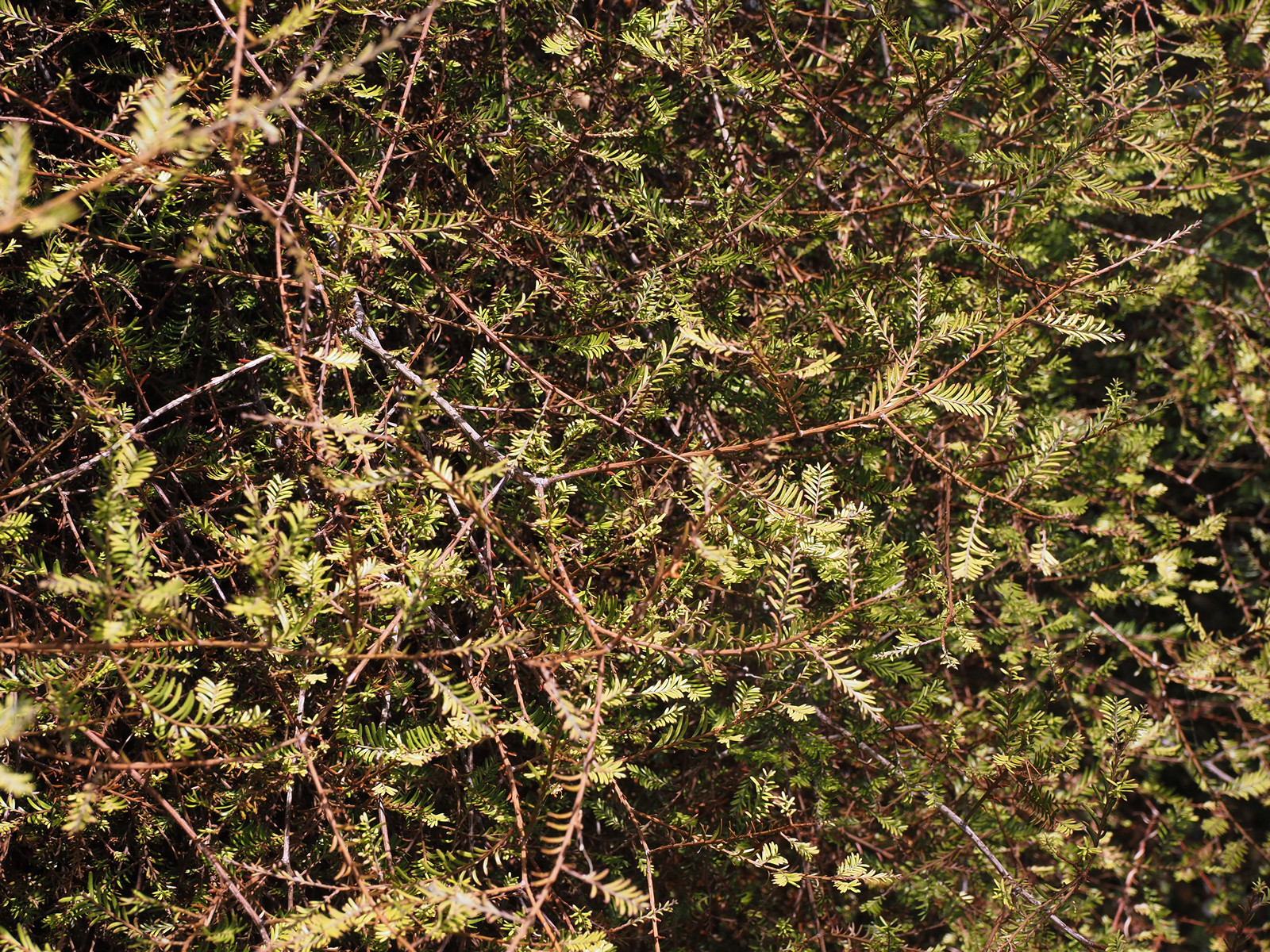
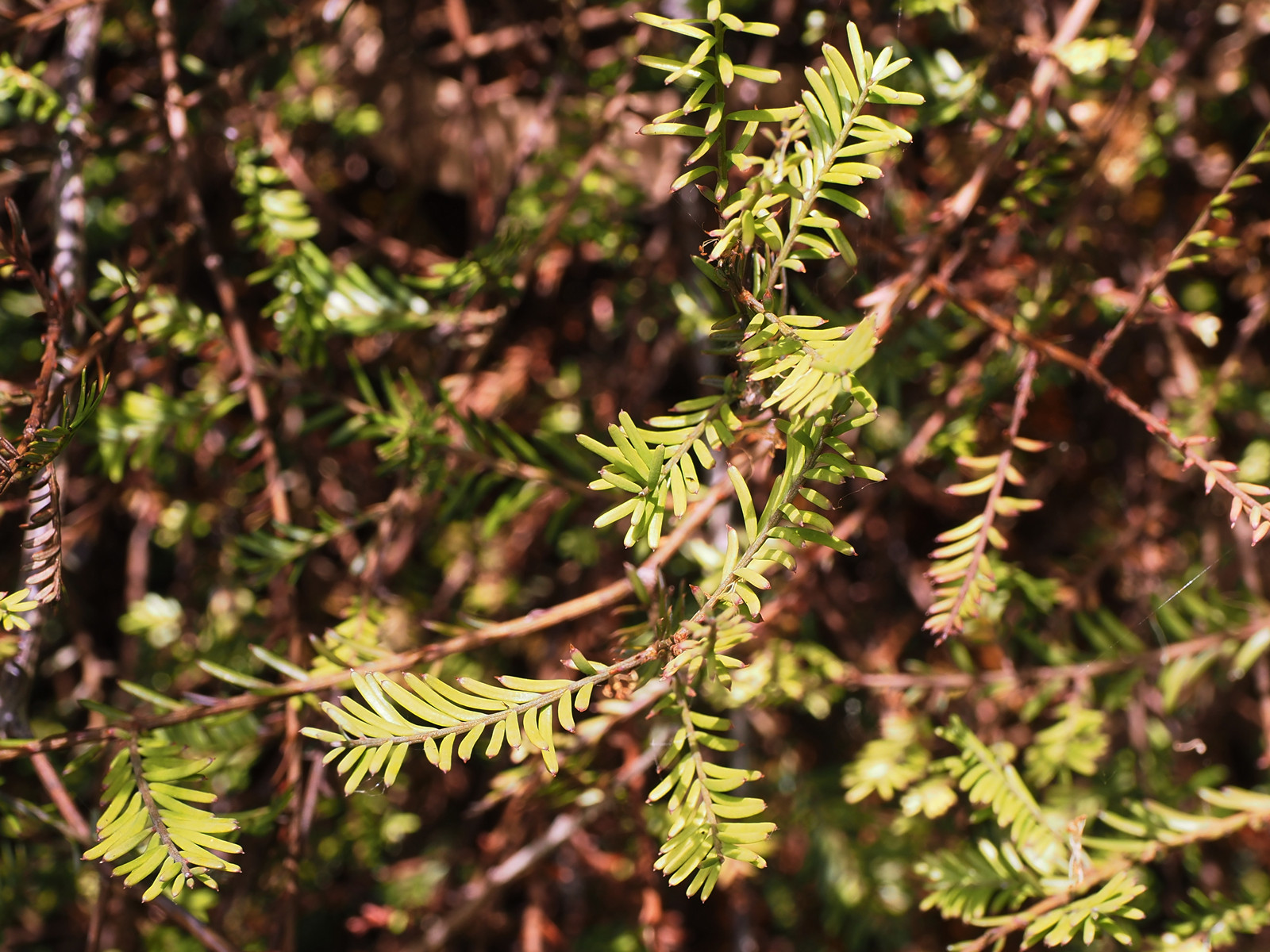
My favourite Ventnor plant is perhaps Prumnopitys taxifolia growing under the carpark. It has shot away since I last saw it and is now a small tree of 10-12ft rather than a drooping mounded shrub of 4-6ft as I remember it. Label now lost inside the branchlets but I think it used to say Prumnopitys andina which may be why I muddled the two species originally. Much more green new growth and leaflets than usual on its orangy twiglets and plenty with no leaflets as well (i.e. as usual).
This website uses cookies to improve your experience. We'll assume you're ok with this, but you can opt-out if you wish.AcceptRead More
Privacy & Cookies Policy
Privacy Overview
This website uses cookies to improve your experience while you navigate through the website. Out of these, the cookies that are categorized as necessary are stored on your browser as they are essential for the working of basic functionalities of the website. We also use third-party cookies that help us analyze and understand how you use this website. These cookies will be stored in your browser only with your consent. You also have the option to opt-out of these cookies. But opting out of some of these cookies may affect your browsing experience.
Necessary cookies are absolutely essential for the website to function properly. This category only includes cookies that ensures basic functionalities and security features of the website. These cookies do not store any personal information.
Any cookies that may not be particularly necessary for the website to function and is used specifically to collect user personal data via analytics, ads, other embedded contents are termed as non-necessary cookies. It is mandatory to procure user consent prior to running these cookies on your website.