2026 – CHW
A tour of Bonython Garden. It was supposed to rain all afternoon but didn’t! A garden of contrasts and surprises. South Africa meets a traditional Cornish woodland garden. Beautifully maintained.
Moraea huttonii – iris-like and stand out today. A South African cormous perennial.
Moraea huttoniiMoraea huttonii
The Leylandii shelter belt which I planted c.35 years ago was blown away in Goretti. Around 90 trees down at Bonython but mainly in the shelter belts rather than the garden itself.
The Leylandii shelter belt
Azalea ‘Kermesinum Rosé’ which is well worth growing.
Azalea ‘Kermesinum Rosé’
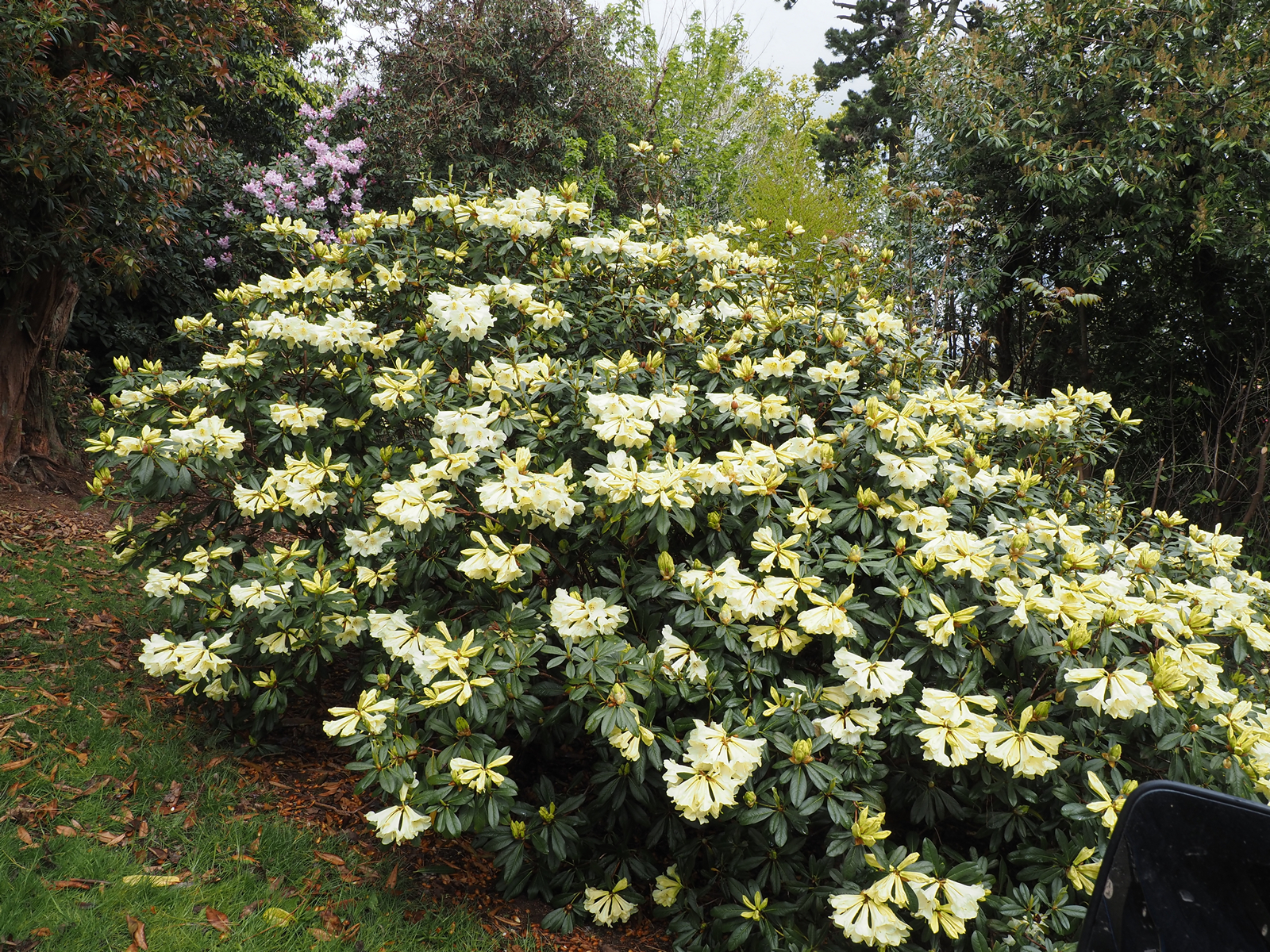
View of the rhododendron glades.
rhododendron glades
A huge mature Photinia which might be x fraseri ‘Robusta’?
mature Photinia
Arum lilies and Iris pseudacorus at the water’s edge. Not sure of the name of the variegated one – perhaps Iris pseudacorus ‘Variegata’?
Arum lilies and Iris pseudacorusArum lilies and Iris pseudacorus
I think I planted this Davidia also.
Davidia
Two or three species of bamboo flowering and dying – here Thamnocalamus crassinodus which I have not seen before (now dead!)
Thamnocalamus crassinodus
The huge Bonython Paulownia tomentosa excellent today.
Bonython PaulowniaBonython Paulownia
With a David Austin rose climbing up through the Paulownia and over the wall of the walled garden.
David Austin rose
An Iris species which I first saw at Penrice Castle in the conservatory.
Iris species
Rhododendrons above the house which date from the Lyle era. This is Rhododendron ‘Percy Wiseman’.
2024 – CHW
Scented Rhododendron tour today with 8 people. Only 4 wanted the lecture so we compromised.Last year’s drought has resulted in many dead flower buds on Rhododendron megacalyx. The few flowers left will not be out for a bit yet. New growth visible today only where there are no flower buds.
Rhododendron megacalyx
Rhododendron ‘Lady Alice Fitzwilliam’ beside the greenhouse.
Rhododendron ‘Lady Alice Fitzwilliam’
Rhododendron ‘Tinkerbird’ is just coming out rather later than all the other ‘smellies’. A rather spreading habit and here in full tree cover. We lost this twice on the Burncoose drive.
A flower or two on our Rhododendron ‘Royal Flush’ by George’s Hut.
Rhododendron ‘Royal Flush’
The rare Rhododendron concinnum now in far too much shade by the Acer griseum.
Rhododendron concinnum
The pink form of Rhododendron ‘Royal Flush’ beyond the Acer griseum.
Rhododendron ‘Royal Flush’ beyond the Acer griseum
Flowers nearly out on Halesia macgregorii. Is it really a Chinese Rehderodendron species and not an American Halesia?
Halesia macgregorii
Good bronze leaves emerging on Hydrangea aspera ‘Hot Chocolate’. This is our second attempt at the start of the Sinogrande Walk. The first lot were killed in the drought of 2022.
Hydrangea aspera ‘Hot Chocolate’
First flowers out on Echium pininana by the Gents loos.
Echium pininana
The Times pretend they want to do an article about our 40 years at Burncoose but of course it’s only a con trick to get us to pay £5k for 6 weeks online advertising. This quickly falls to £2k when we fail to reply.
2023 – CHW
Coronation day here on a drizzly, overcast day with mist and sea fret. Perfect growing weather for the garden but not perhaps the weather that King Charles III would have chosen for HIS big event!
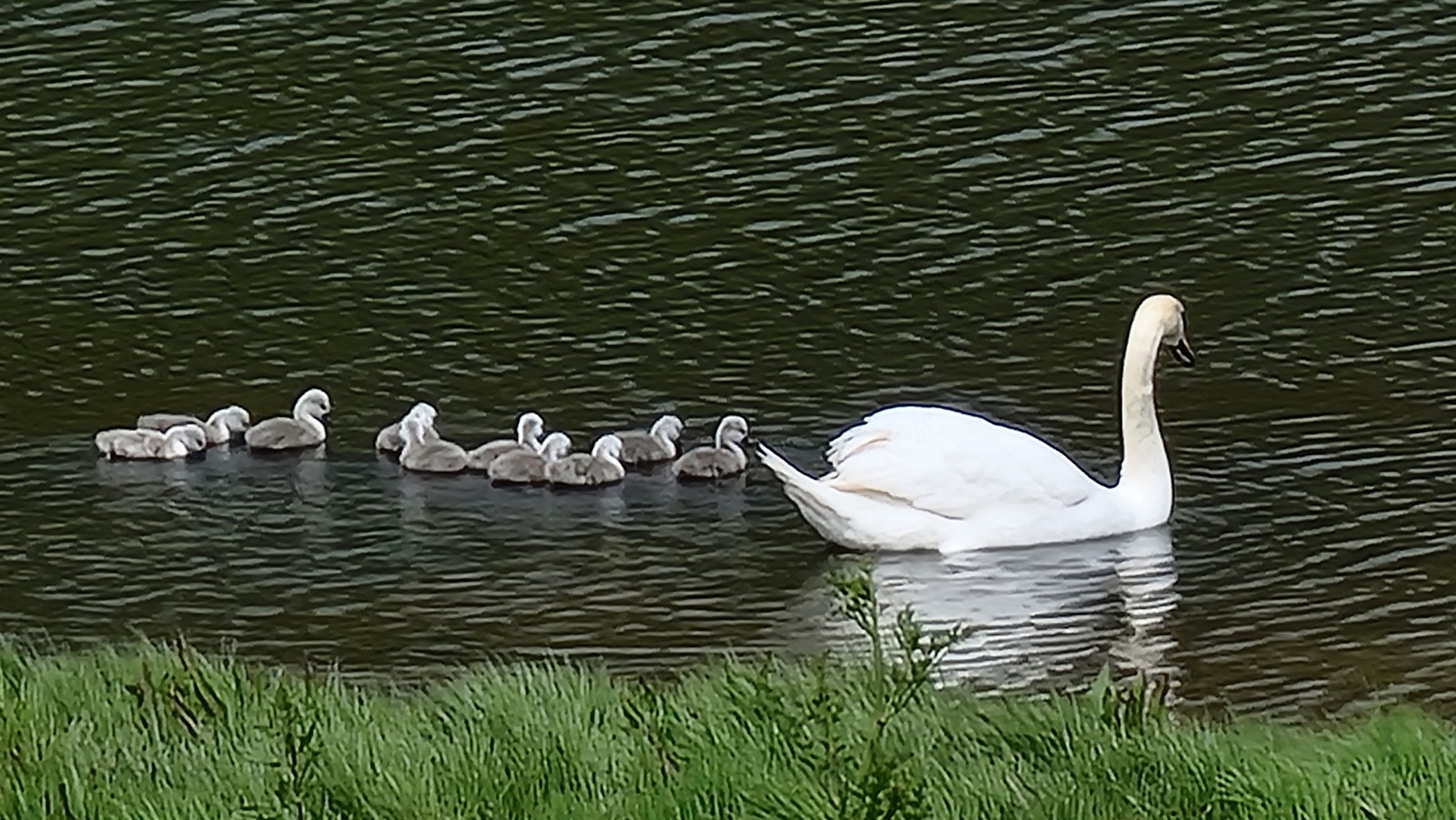
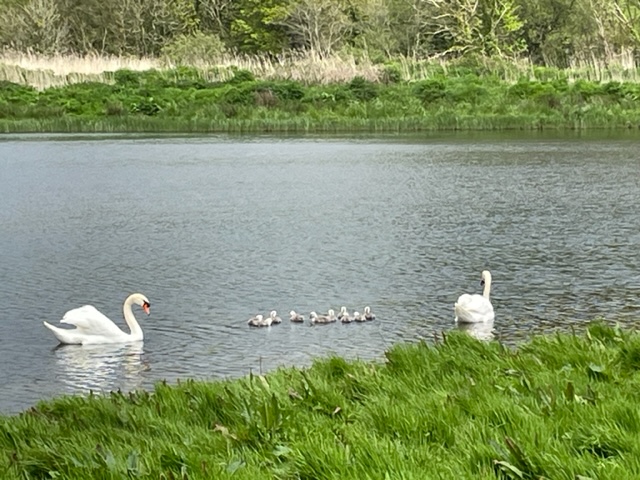
10 signets have hatched off on the lake and the parents allowed us to see them for the first time today. They look a few days old already. Last year only 1 of 7 survived. This pair of swans are breeding for their third year here and are clearly getting the hang of it now. A much earlier hatch off than previously. Lets hope the otters don’t get them all. Interesting that the pair headed off last autumn for a couple of months and took their one surviving signet with them. He came back with them but they never allowed him near the lake and, after a week or two, pushed off.
10 signets have hatched10 signets have hatched
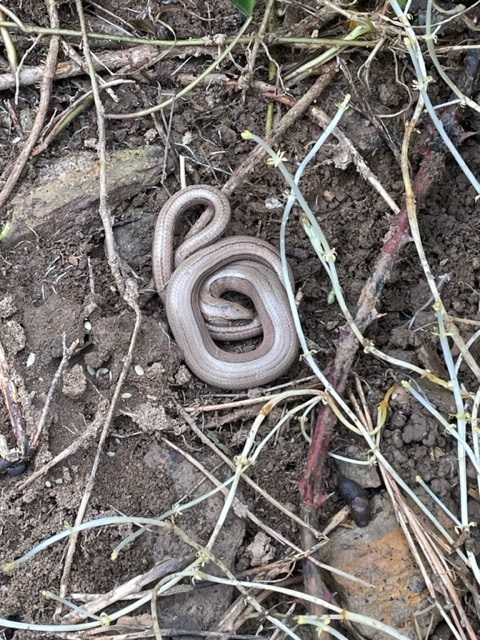
Slow worms sighted under a rhododendron which was cut back outside the front gate.
Slow worms
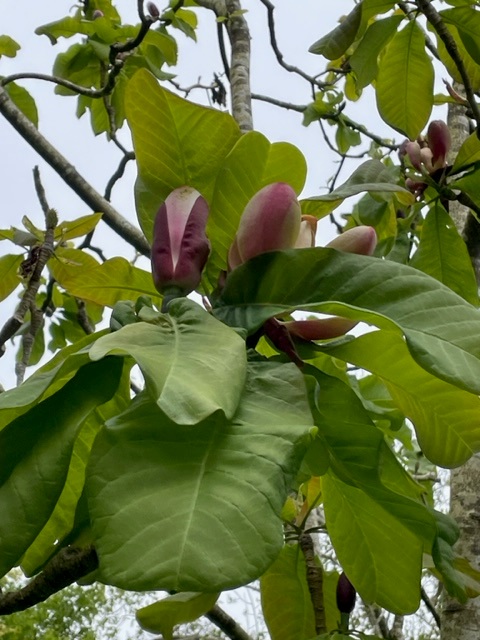
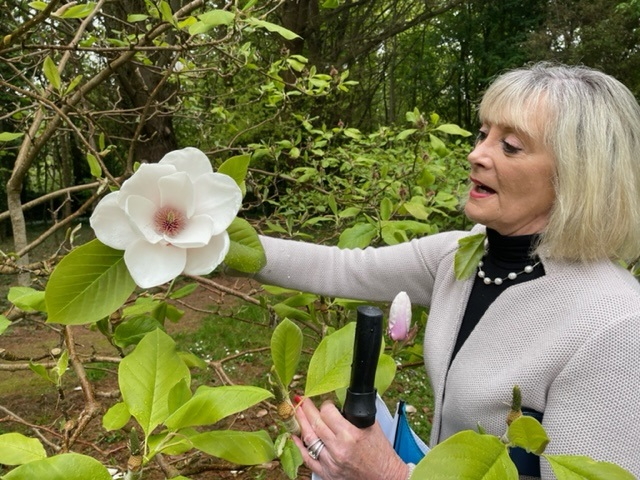
Magnolia officinalis var. biloba flowering in Penvergate. Later than usual but the one by Slip Rail is still not showing at all.
Magnolia officinalis var. biloba
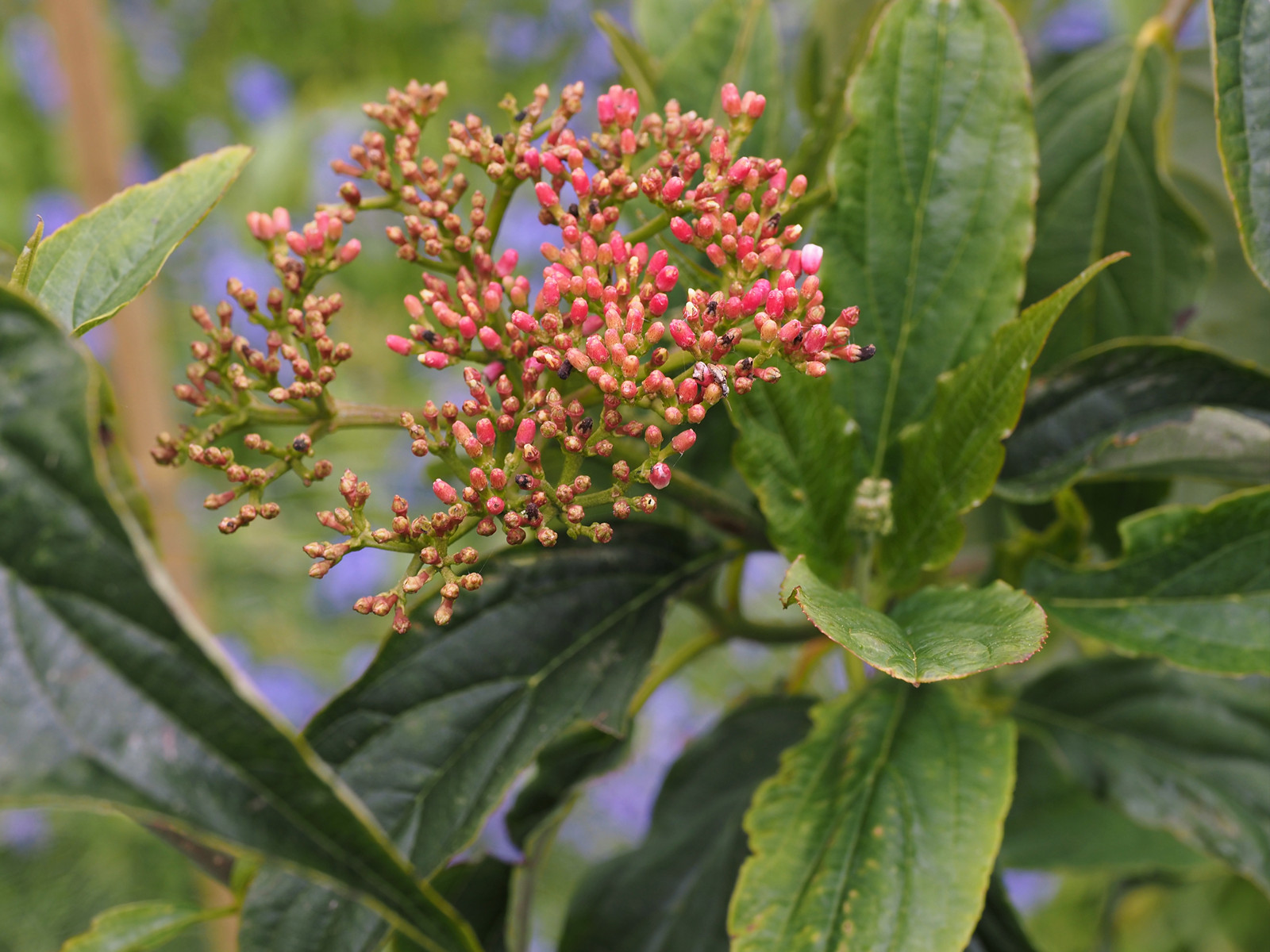
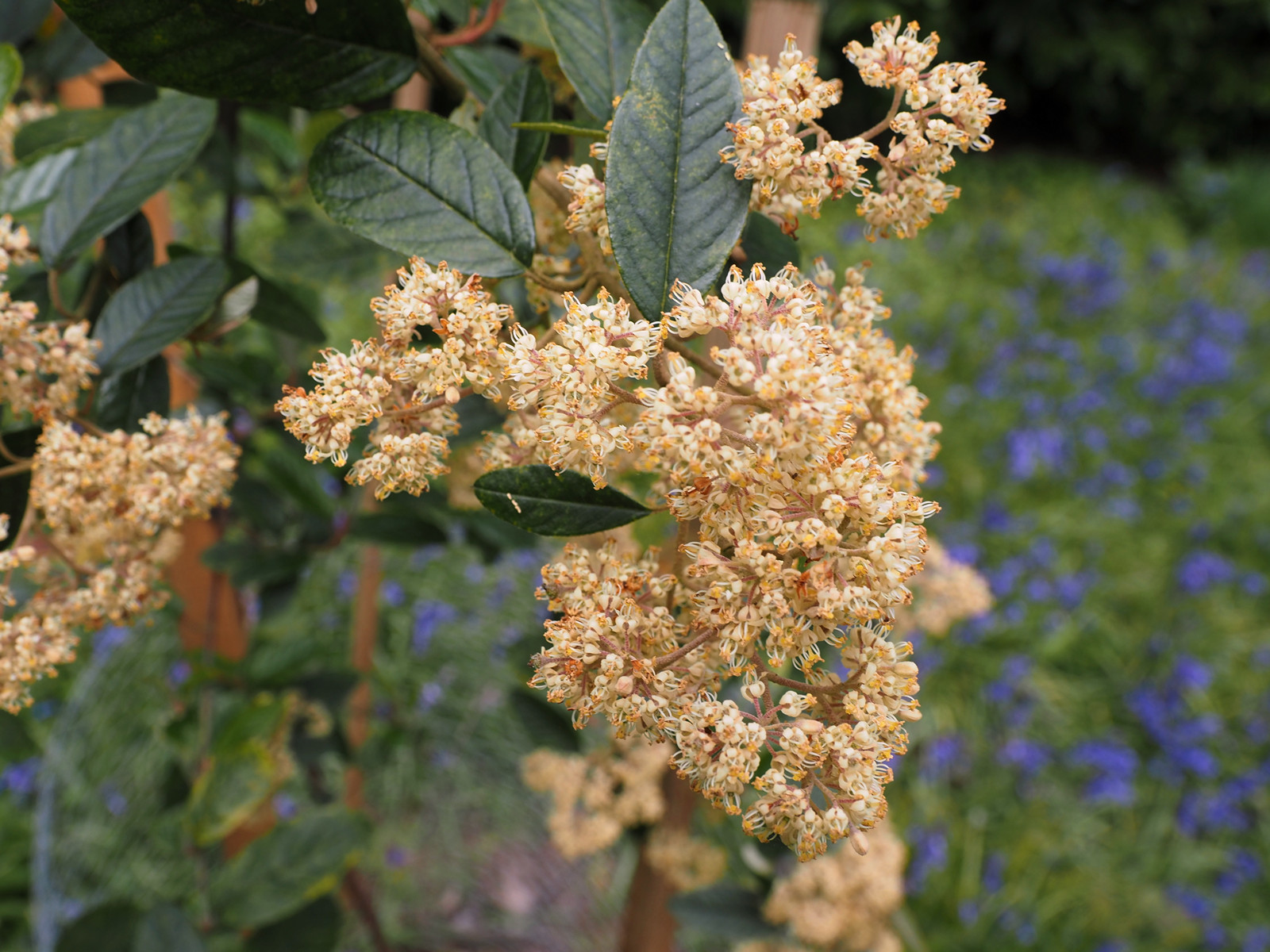
Viburnum taiwanianum with huge flower heads.
Viburnum taiwanianum
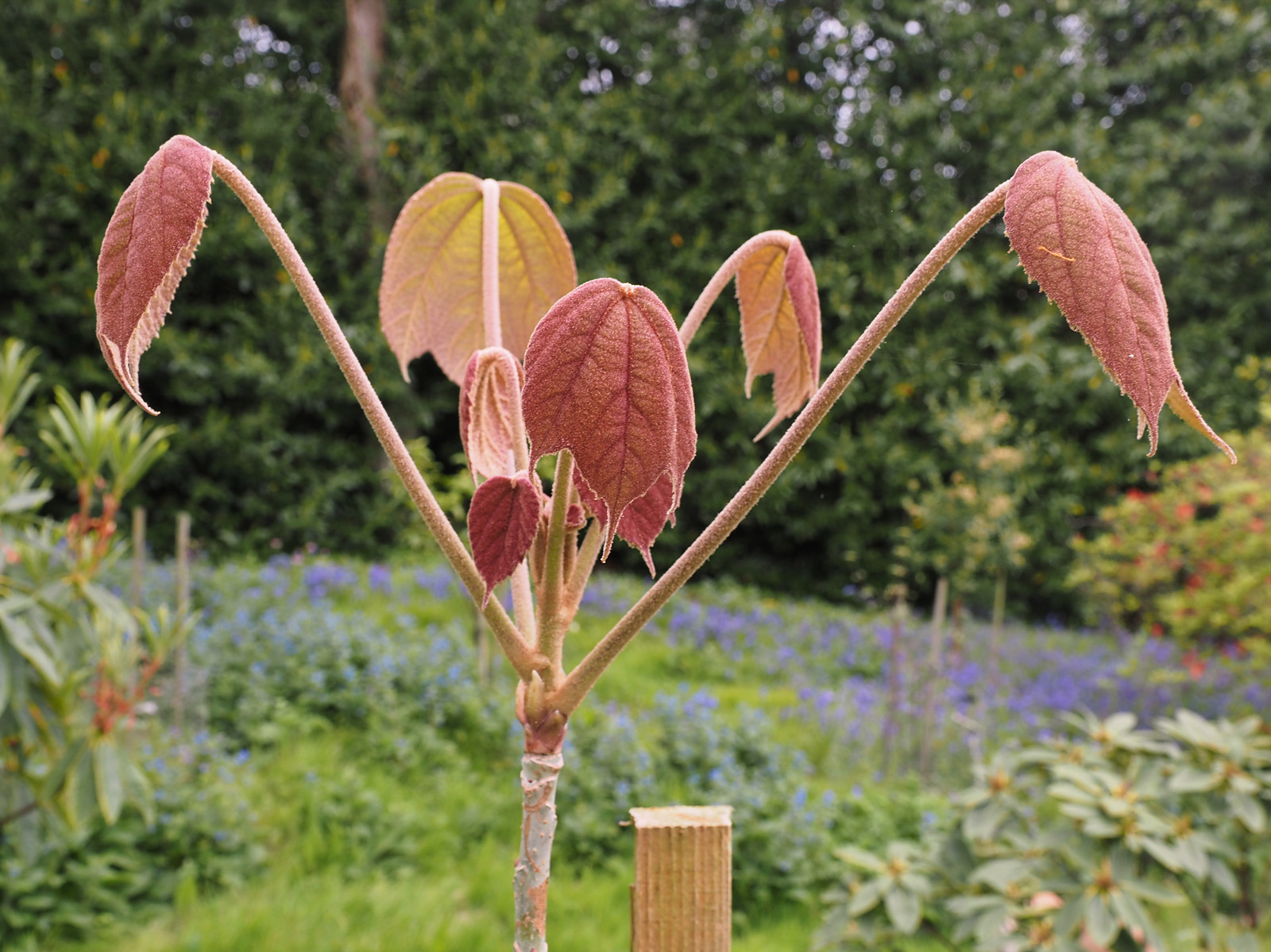
Merrilliopanax alpinus (BSWJ 13939) with its attractive new growth.
Merrilliopanax alpinus (BSWJ 13939)
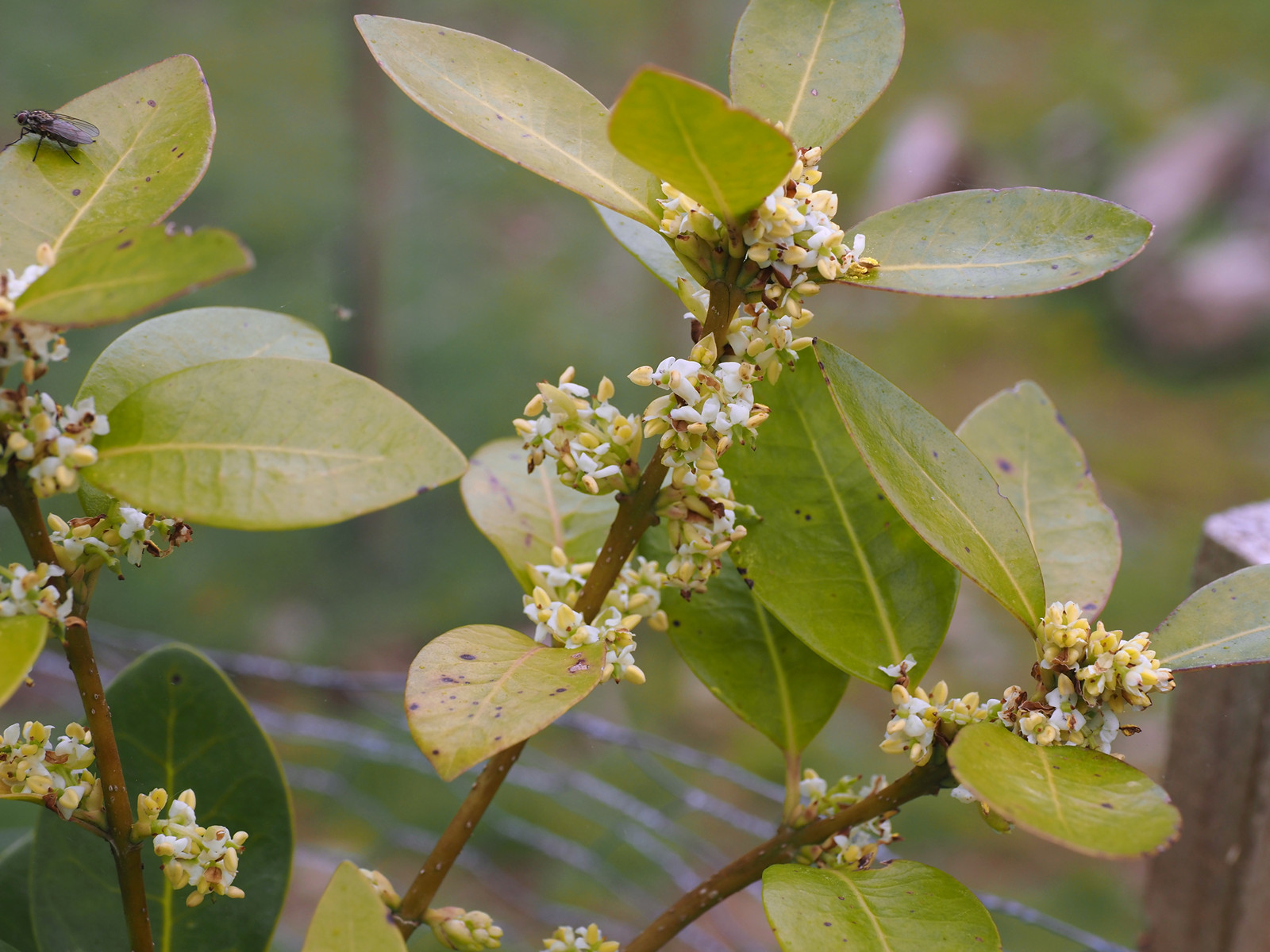
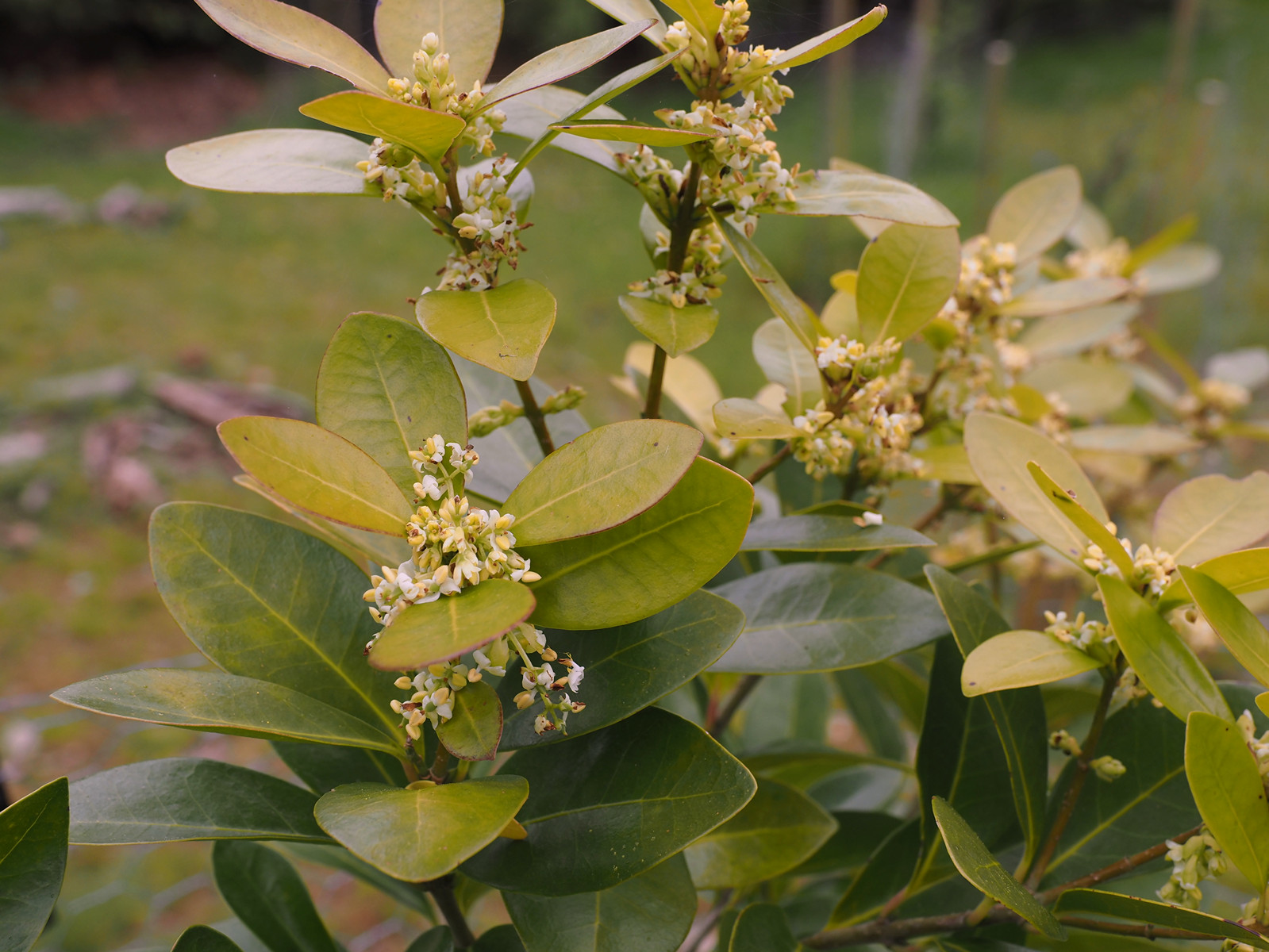
Picconia excelsa flowering for the first time here. Rather bay-laurel like? Its related to Olea and comes from the Canary Isles. If it survives it will become a large evergreen tree with hard, heavy wood.
Picconia excelsaPicconia excelsa
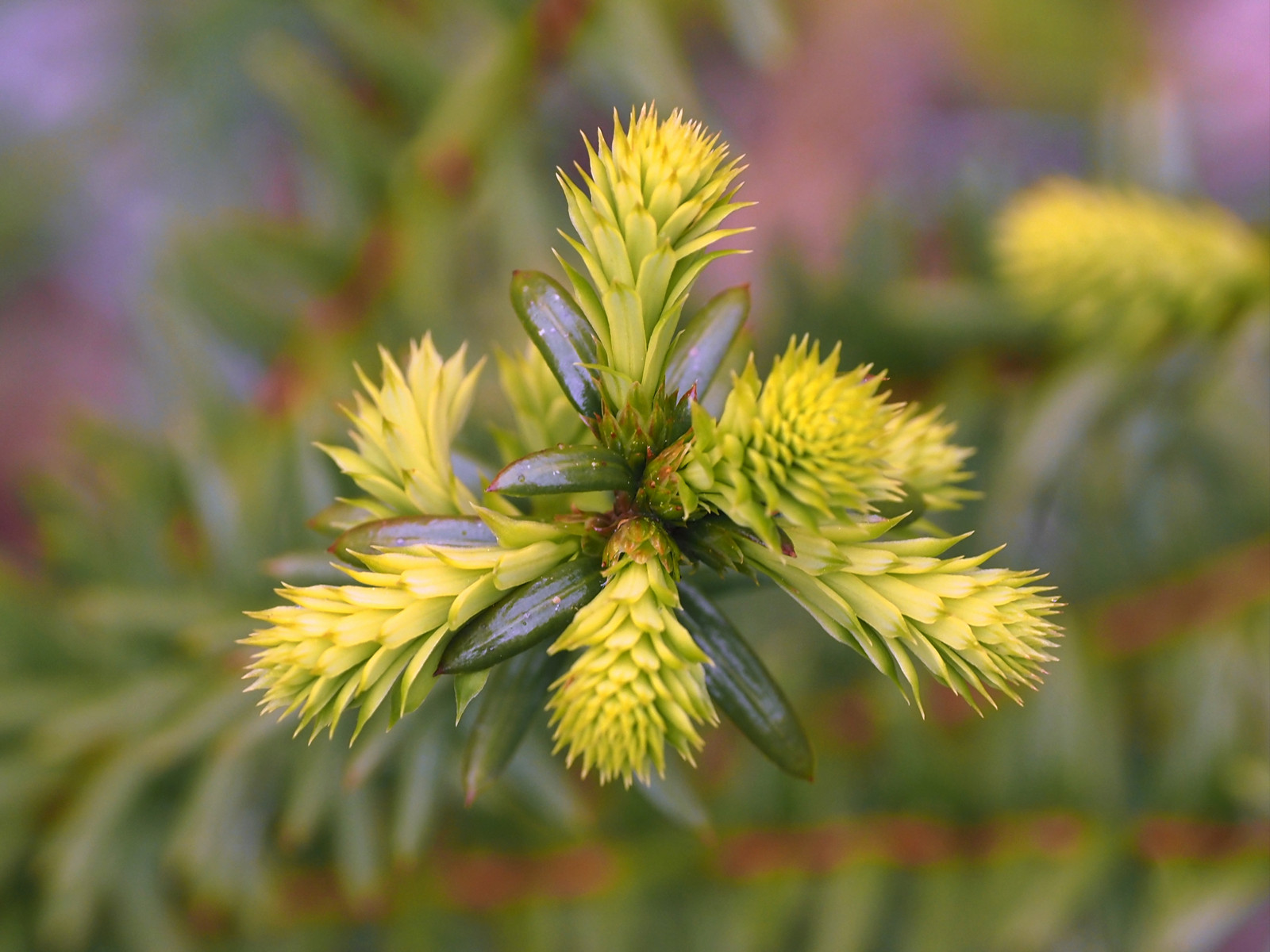
Pseudotaxus chienii with attractive new growth.
Pseudotaxus chienii
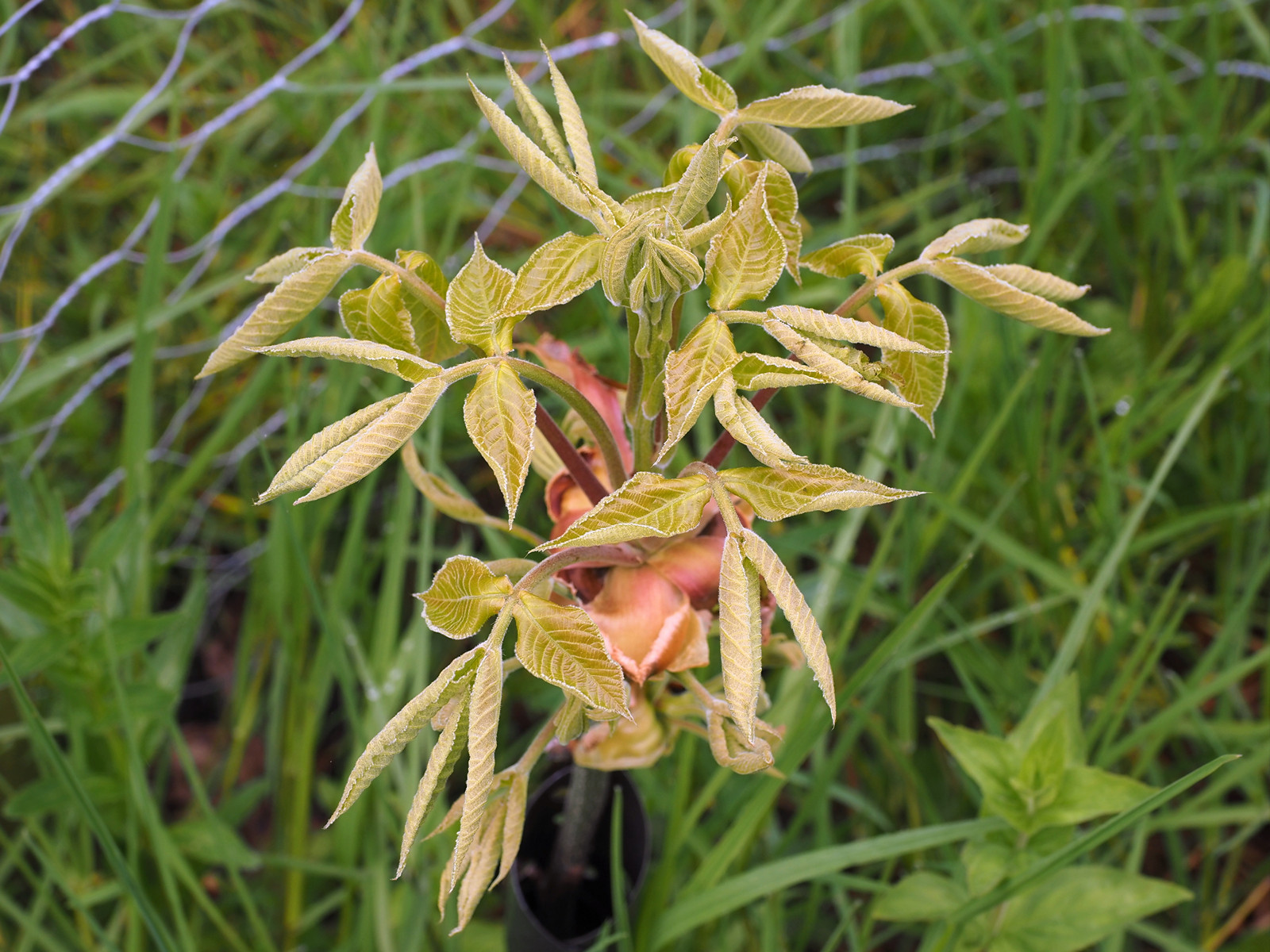
New growth on a young Carya ovata.
Carya ovata
2022 – CHW
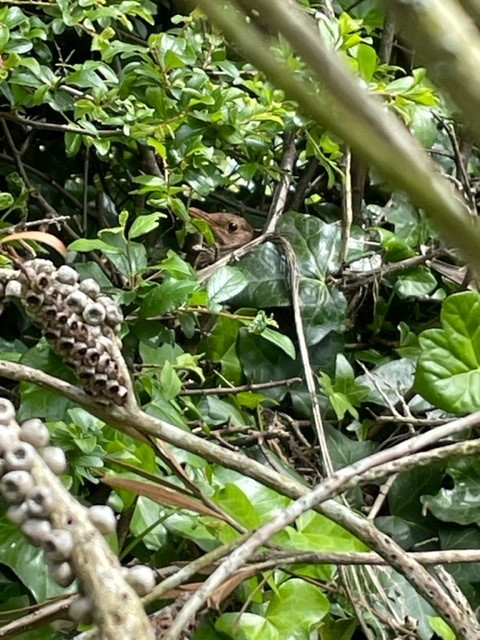
Jaimie sends me this picture of a blackbird nesting for the third year running in the same place in ivy behind a Callistemon rigidus (as you can see from the gnarled seedpods). Lots to be said for magpie control with Larsen traps in his garden. The chicks have in fact hatched and both parents are feeding them. Vermin control is the secret to the survival of songbirds but that is, ‘naturally’, a politically incorrect statement to those who want corvids and raptors to wipe out all smaller birds in our countryside.
blackbird
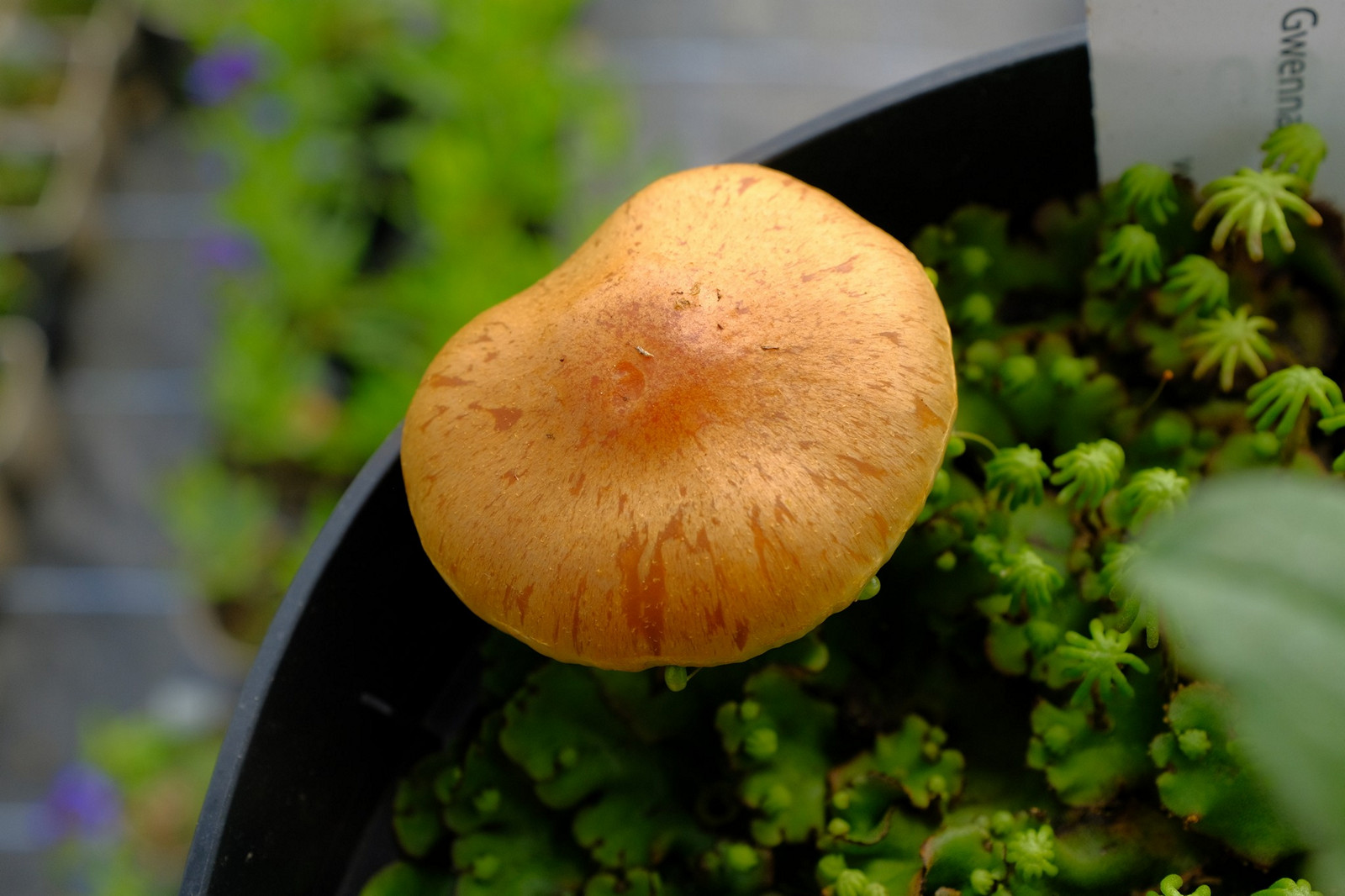
Scaly rustgill (Gymnopilus sapineus) growing in our eco-friendly green waste compost in which all our herbaceous plants have been potted this year. Can you imagine what the customer would have said if he or she had received this pot by mail order? Carbon credit worthiness at a price! This is the third such green waste fungus that I have shown in the diary.
Scaly rustgill (Gymnopilus sapineus)
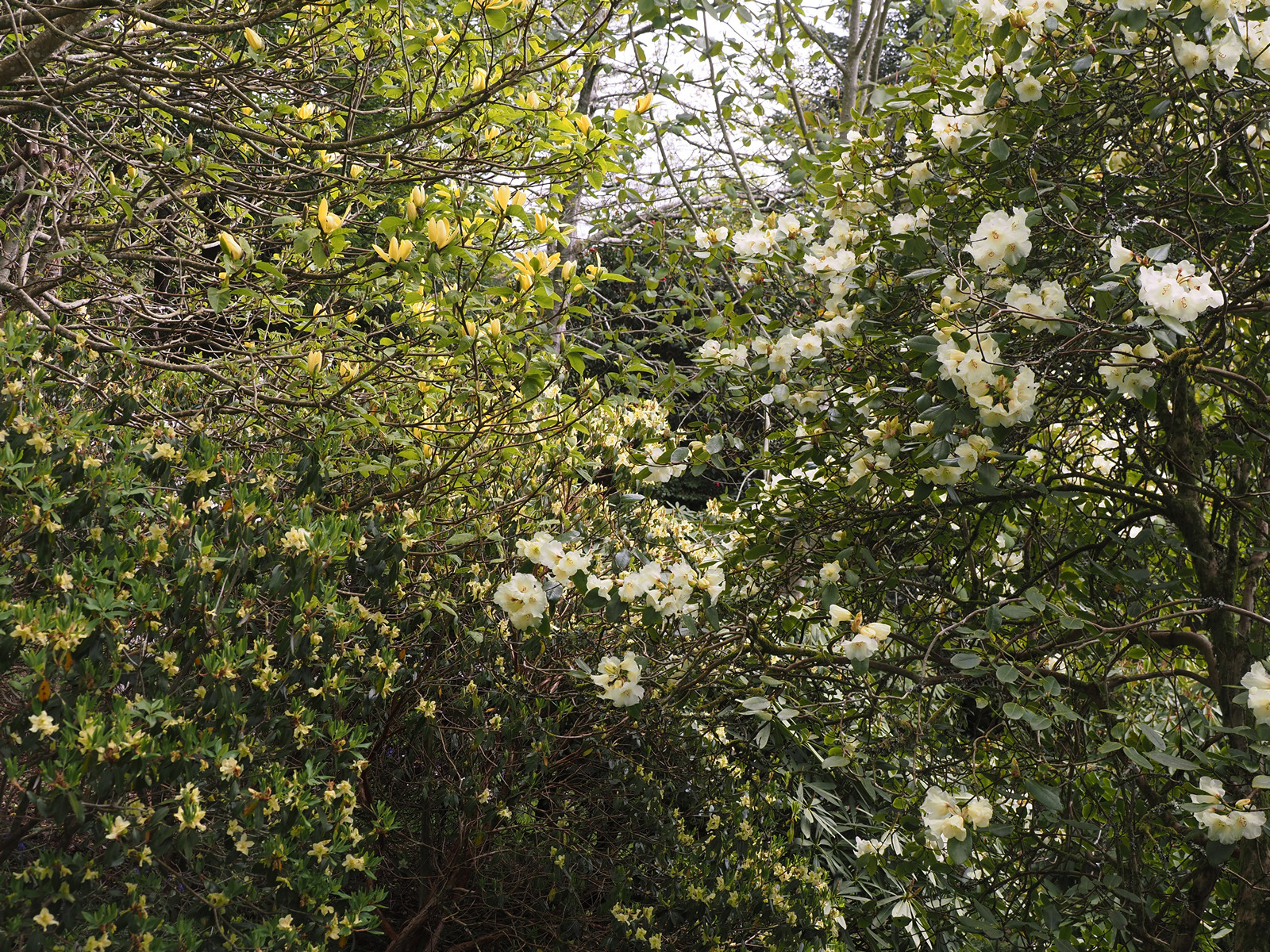
Rhododendron bahuiniflorum and Magnolia ‘Daphne’ and Rhododendron ‘Damaris’.
Rhododendron bahuiniflorum
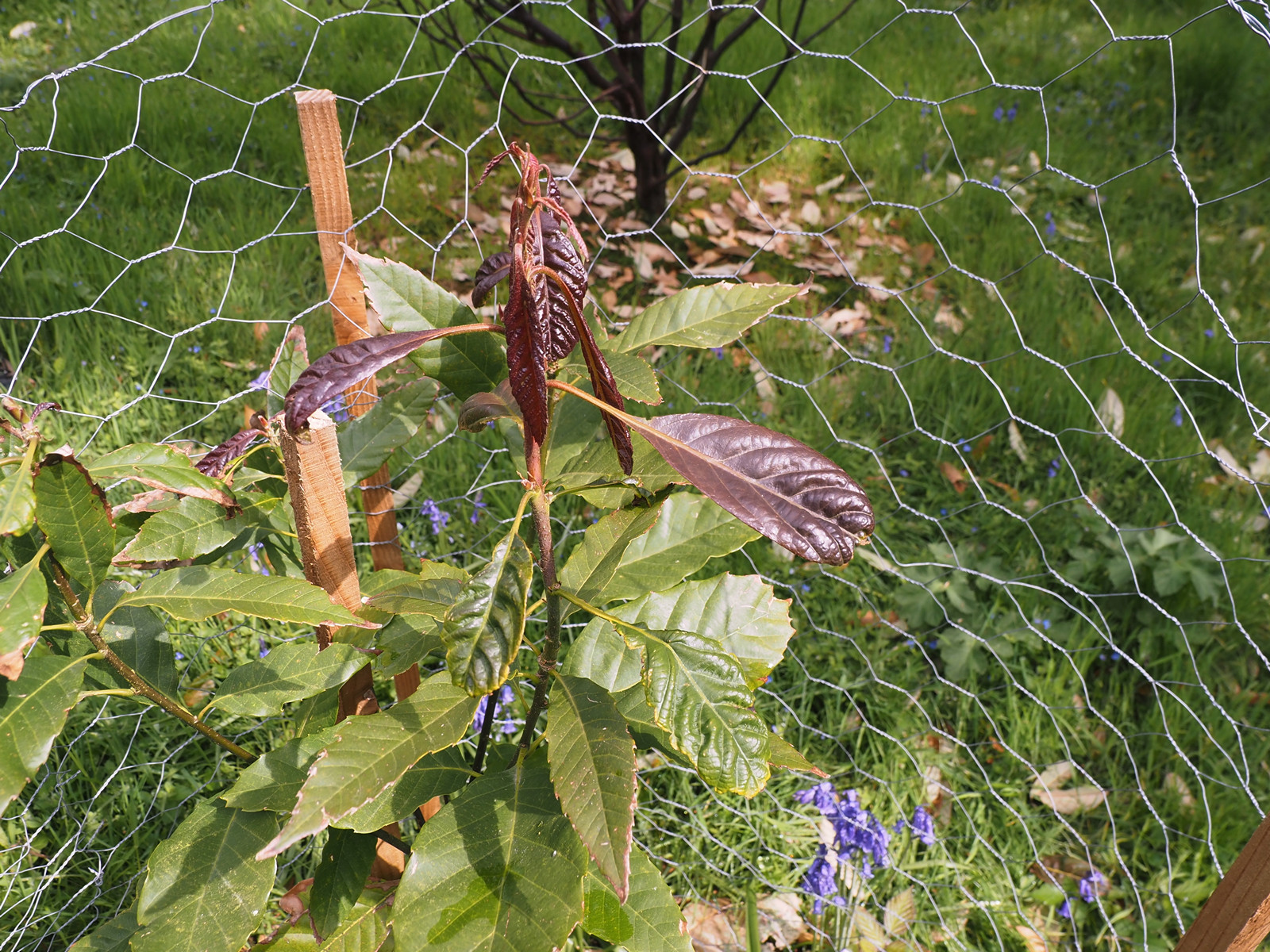
The new growth on Quercus chapensis from seed grown by Margaret Miles from a conference in China in 2015. Gorgeous reddish-black new growth.
Quercus chapensis
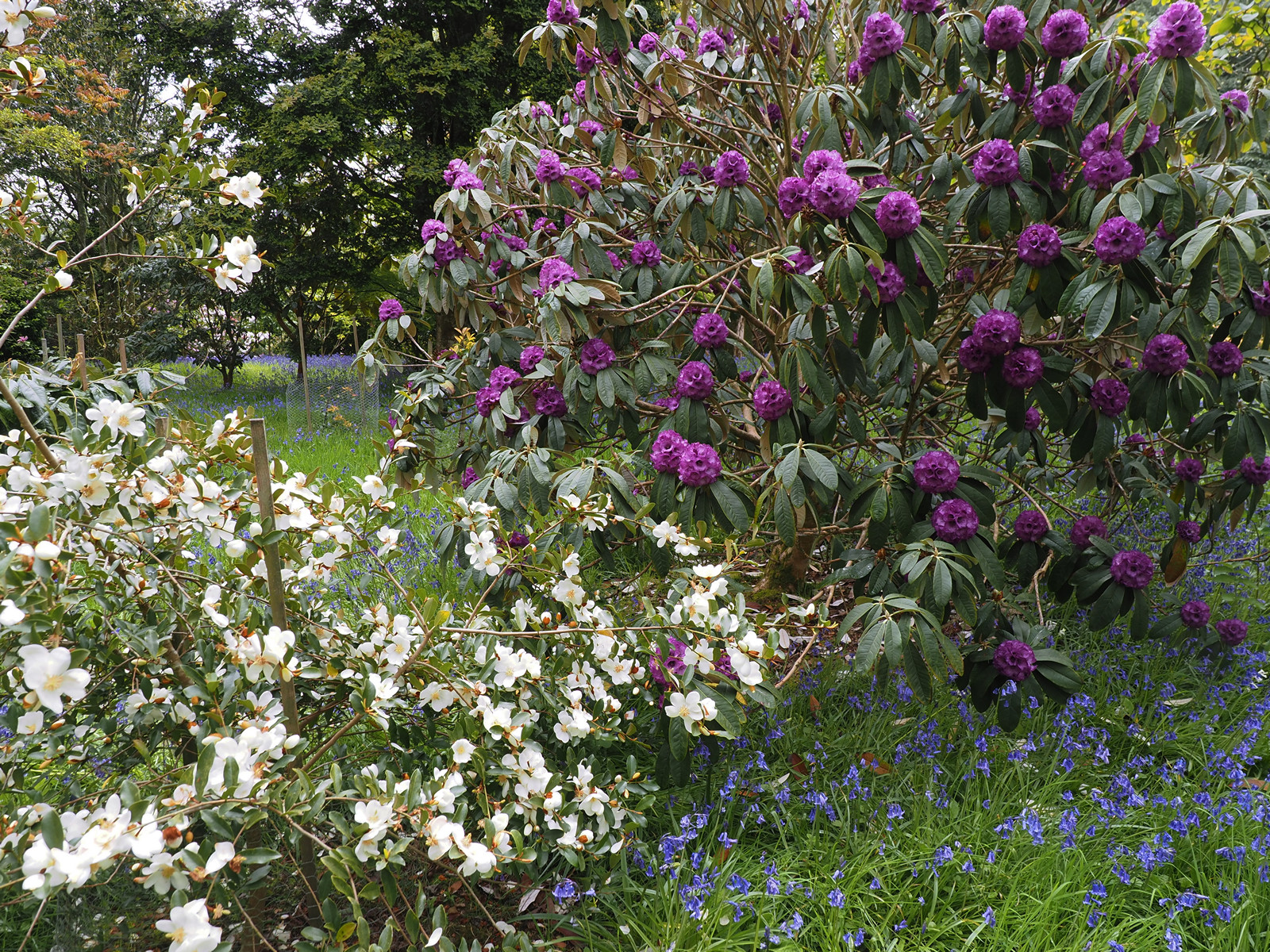
Michelia ‘Touch of Pink’ and Rhododendron ‘Fragrantissimum’ together as I had hoped to see a fortnight or so ago.
Michelia ‘Touch of Pink’
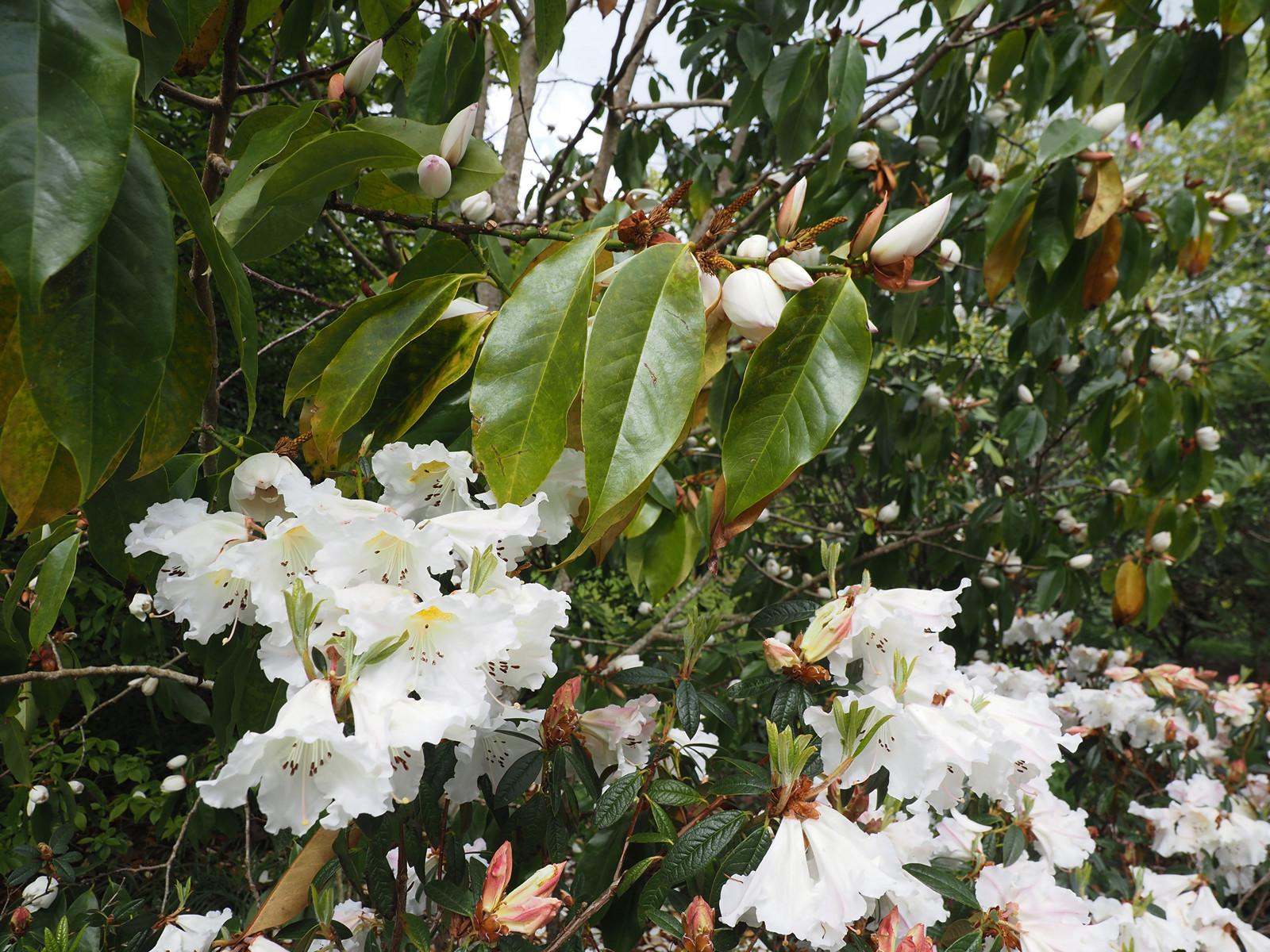
Michelia (Magnolia) laevifolia ‘Summer Snowflake’ and Rhododendron niveum. What a colour contrast! My mother always said Rh. niveum was suitable only as lavatory wallpaper but I never agreed. Gorgeous colour – gorgeous Chinese species!
Michelia (Magnolia) laevifolia ‘Summer Snowflake’
Pomaderis elliptica now full out in flower. Peculiar but not unattractive. Missed any scent during a garden tour (one of many this week).
Pomaderis elliptica
Sue Nathan sends me a picture of a late flower on their Magnolia ‘Atlas’ at Bonython where I was earlier this week in light, but welcome, rain. I did not dare say that the flower was ‘unrepresentative’!
Magnolia ‘Atlas’
2021 – CHW
After the showers the poplars (left) and oaks in Old Park provide an exciting colour contrast.
poplars (left) and oaks
A hard pruning for the hydrangea clump by the top lodge.
hydrangea clump
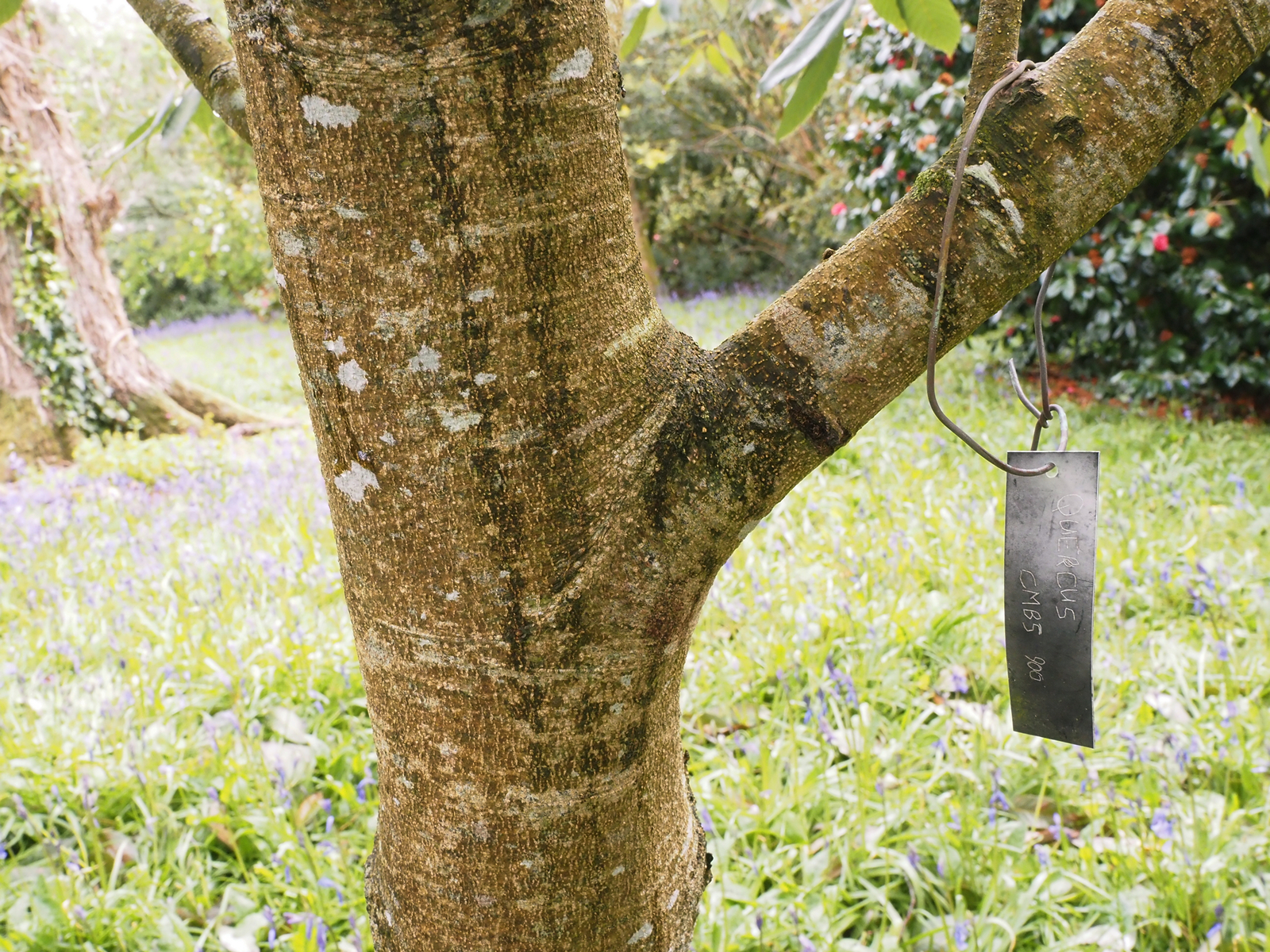
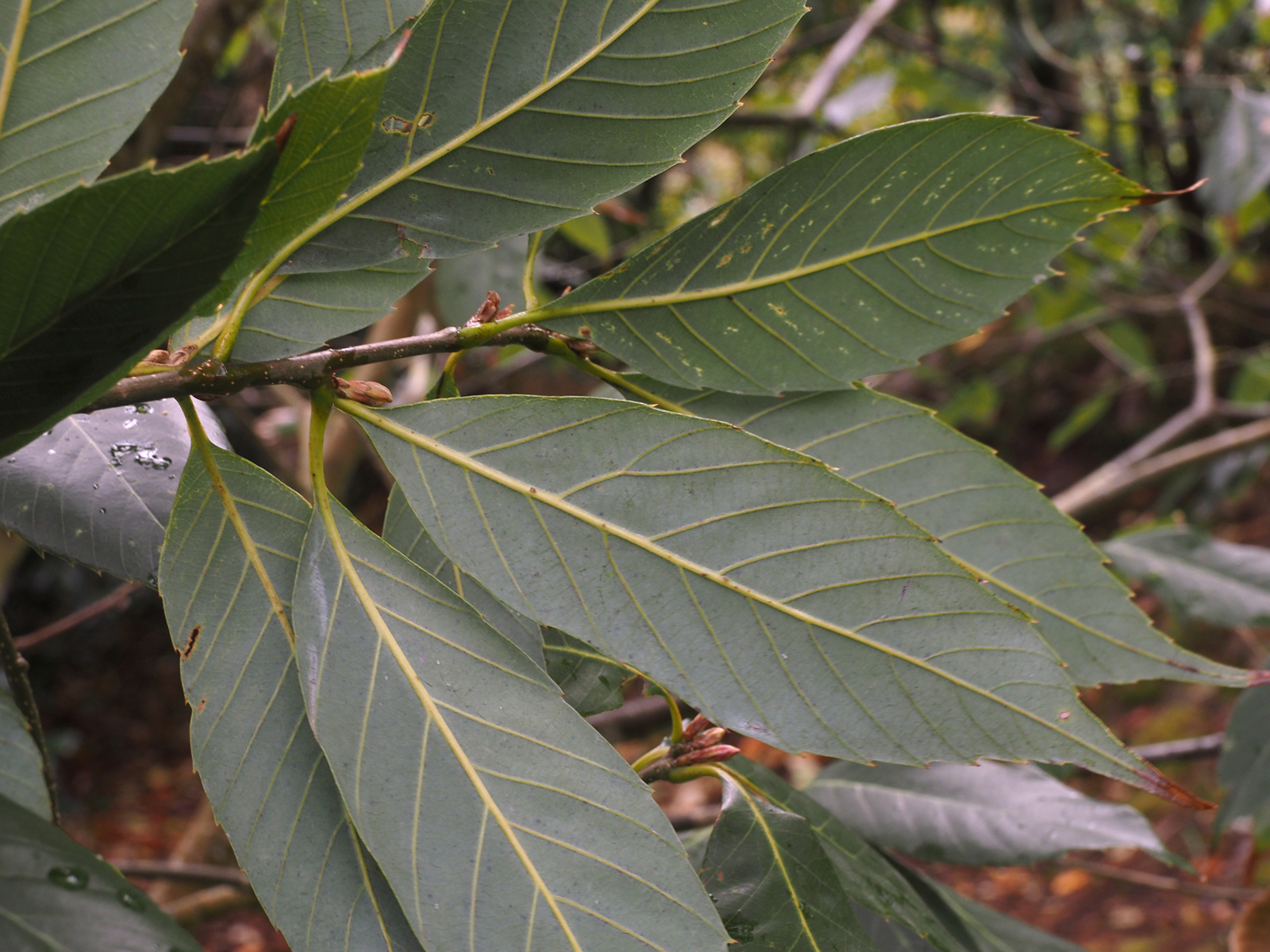
This is Allen Coombes’ 900 collection which he says is now named Quercus kiukiangensis. We had thought it was very close to Nigel Holman’s collection of Quercus oxyodon (see earlier this week).
Quercus kiukiangensisQuercus kiukiangensis
Quercus kiukiangensisQuercus kiukiangensis
This is the ancient Quercus glauca in the 1920s Quercus clump below the Pound. The tree is partially dead and not very accessible as far as the foliage goes but still has some vigorous regrowth.
Quercus glaucaQuercus glauca
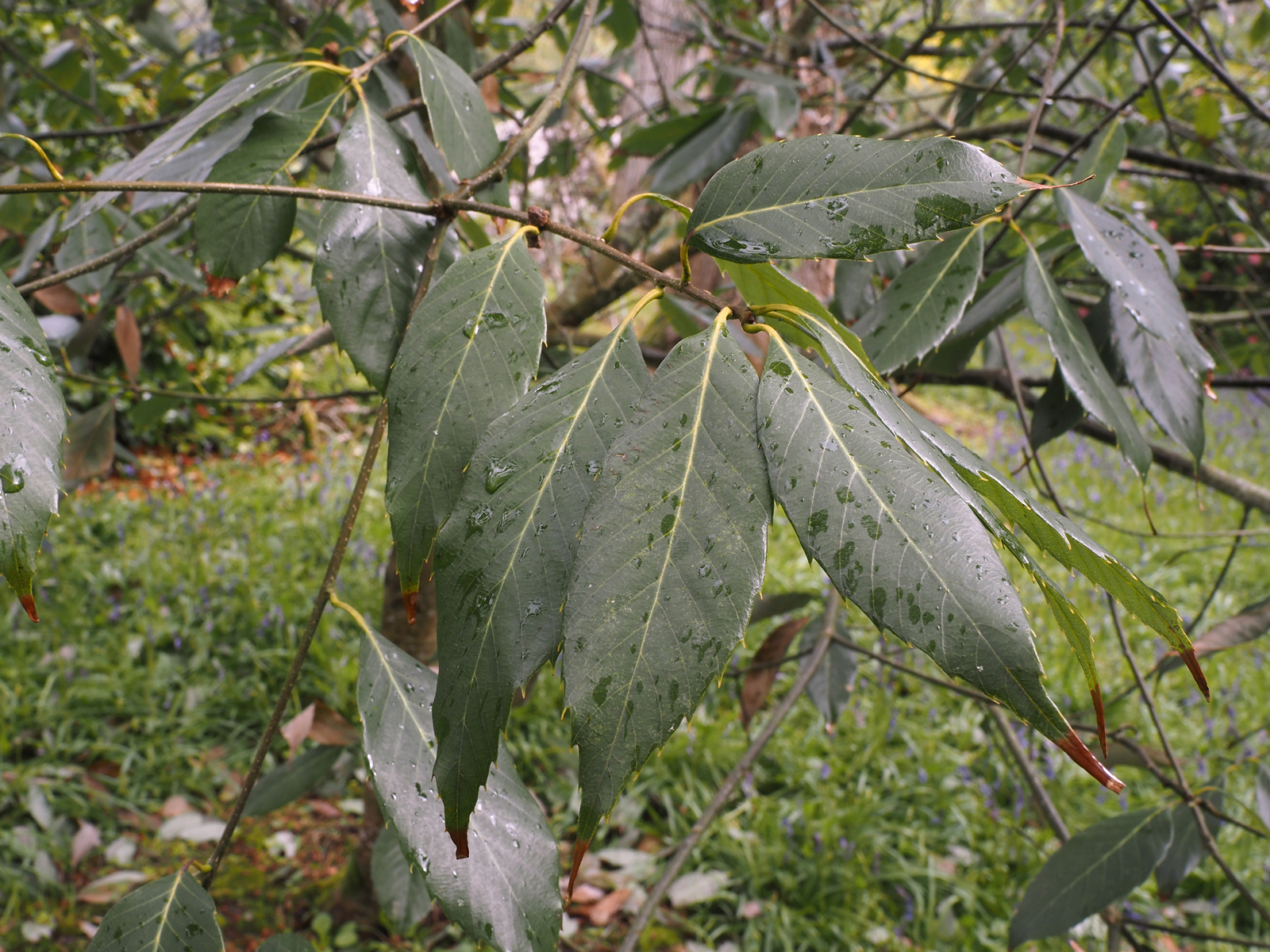
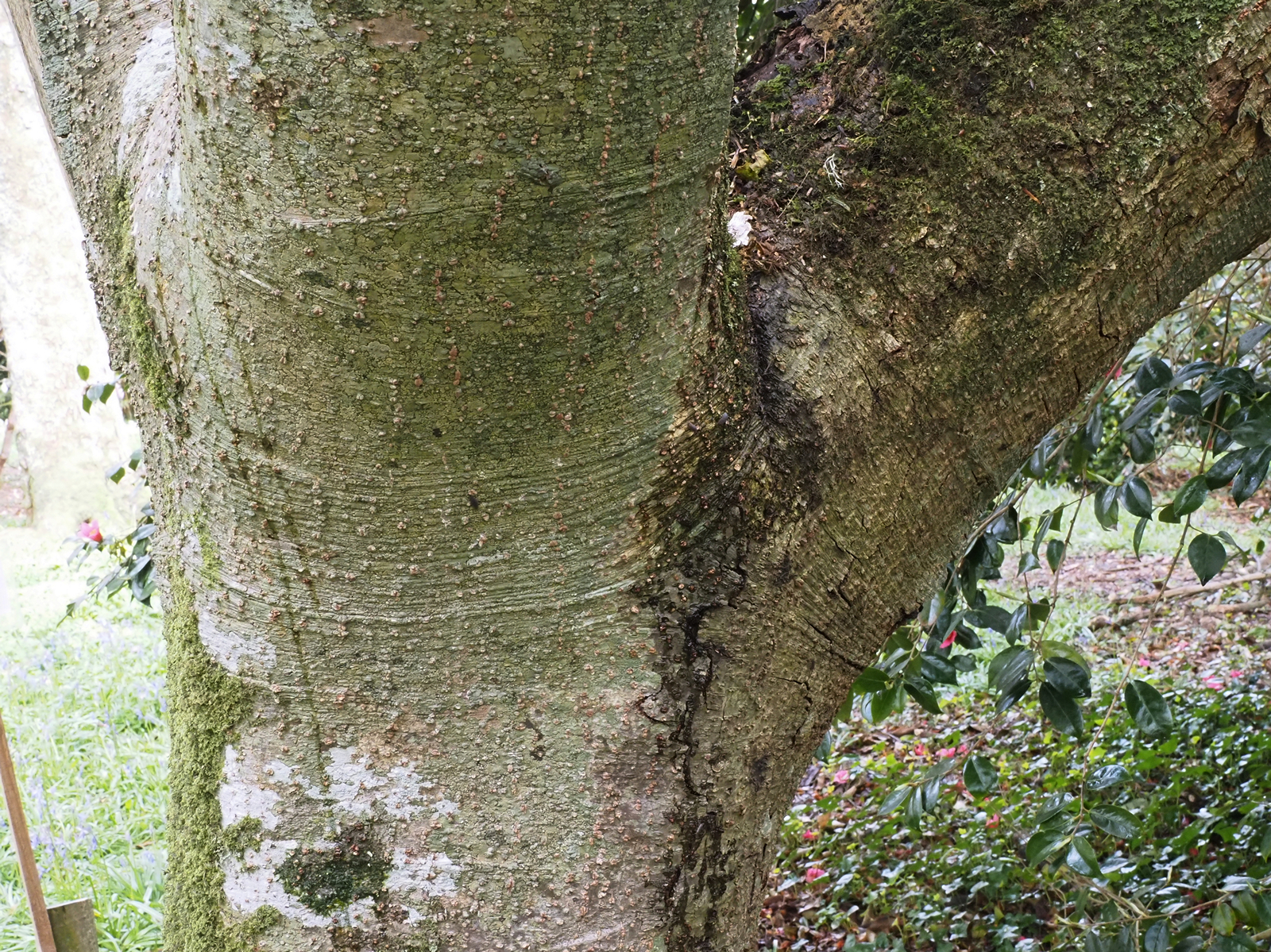
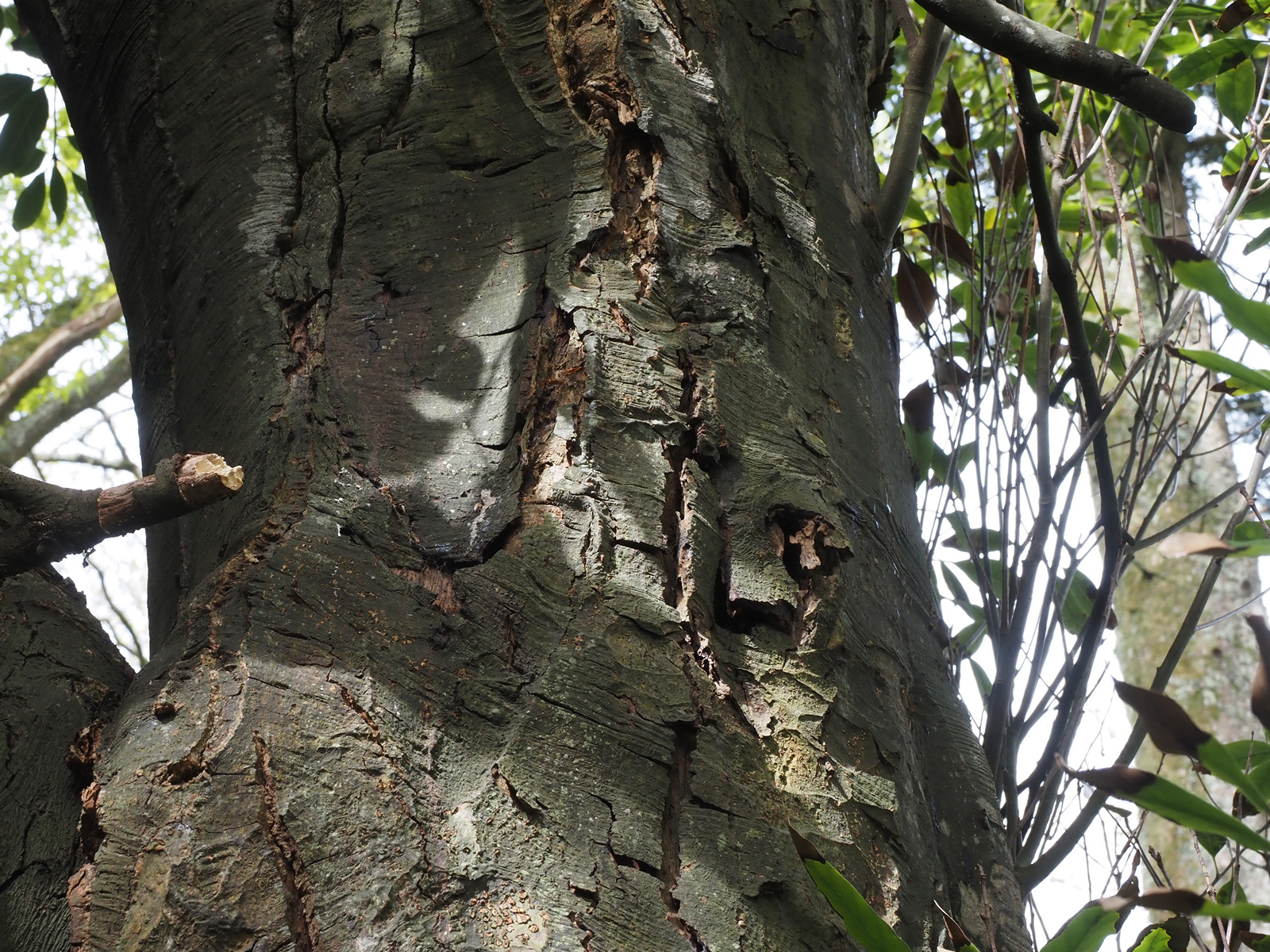
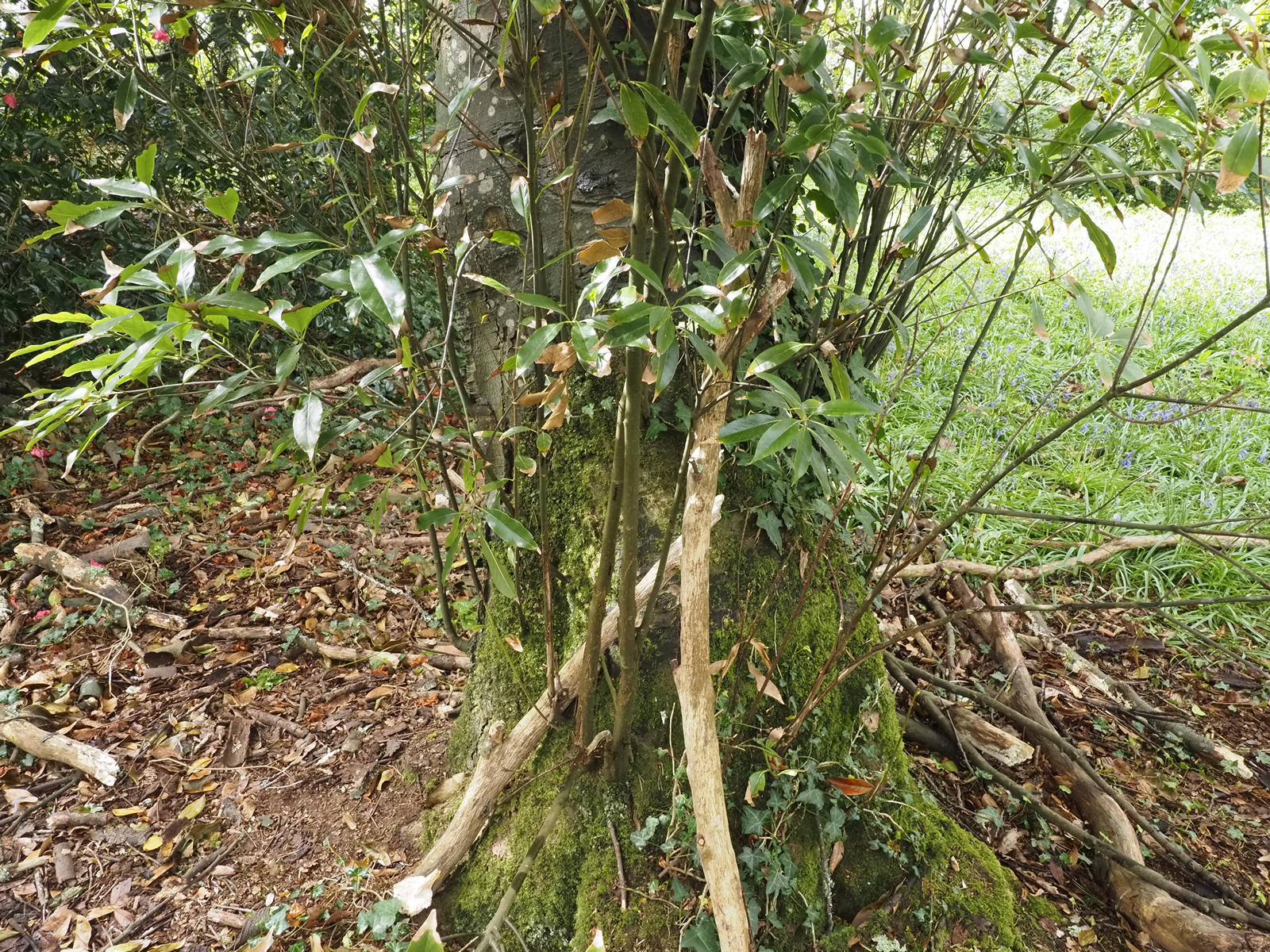
This is one of the four 1920s Quercus acuta in the same clump. You could be forgiven for thinking the leaves are quite different from our other Q. acuta but the bark splits and fissures in the same way.
This website uses cookies to improve your experience. We'll assume you're ok with this, but you can opt-out if you wish.AcceptRead More
Privacy & Cookies Policy
Privacy Overview
This website uses cookies to improve your experience while you navigate through the website. Out of these, the cookies that are categorized as necessary are stored on your browser as they are essential for the working of basic functionalities of the website. We also use third-party cookies that help us analyze and understand how you use this website. These cookies will be stored in your browser only with your consent. You also have the option to opt-out of these cookies. But opting out of some of these cookies may affect your browsing experience.
Necessary cookies are absolutely essential for the website to function properly. This category only includes cookies that ensures basic functionalities and security features of the website. These cookies do not store any personal information.
Any cookies that may not be particularly necessary for the website to function and is used specifically to collect user personal data via analytics, ads, other embedded contents are termed as non-necessary cookies. It is mandatory to procure user consent prior to running these cookies on your website.