Everything in the garden looks worse day by day despite our non-stop watering.
An old Rhododendron ‘Polar Bear’ tried to flower but has now dropped its leaves and died.
Rhododendron ‘Polar Bear’
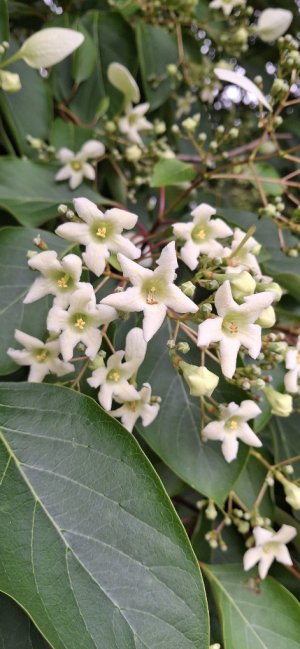
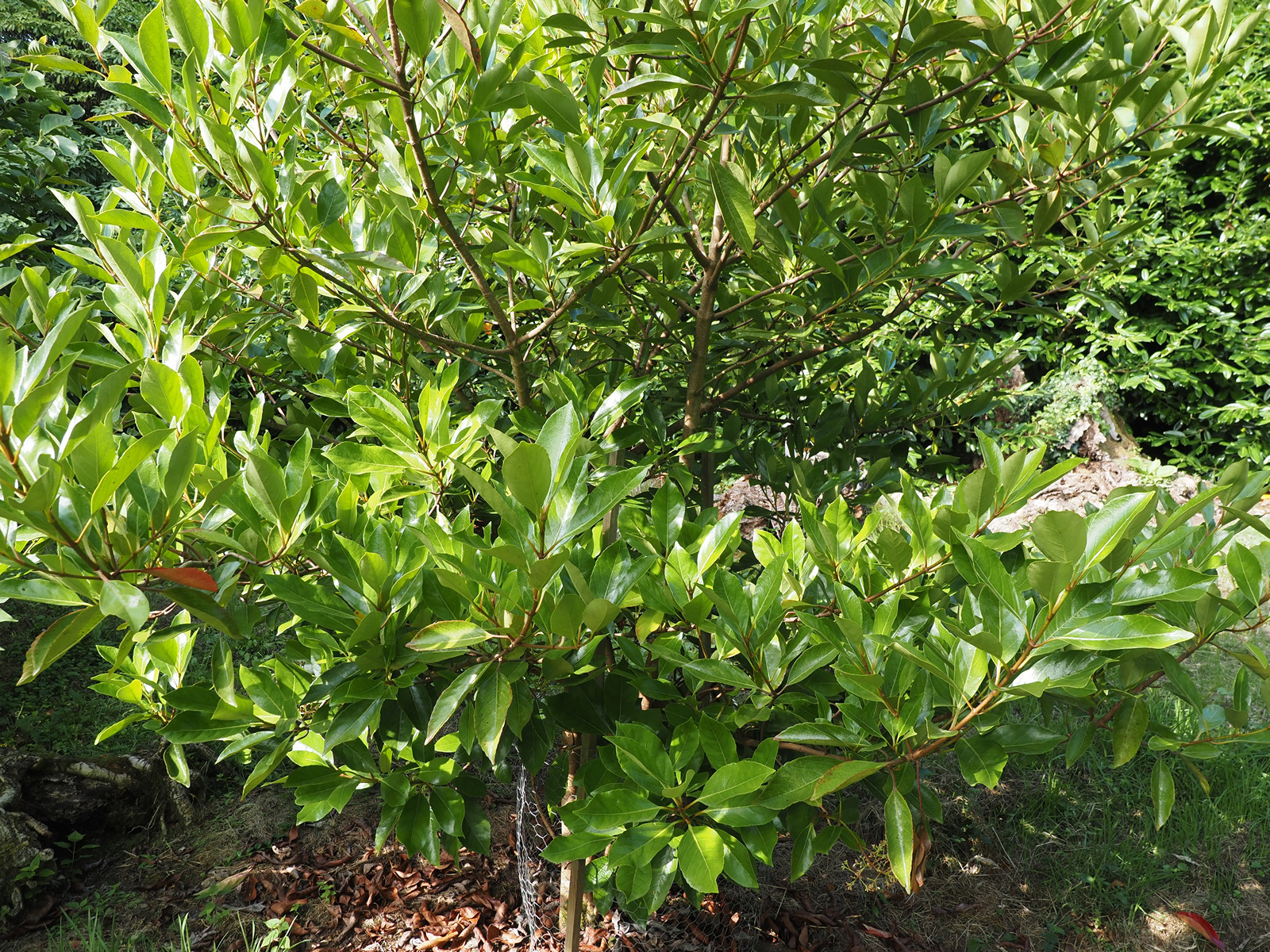
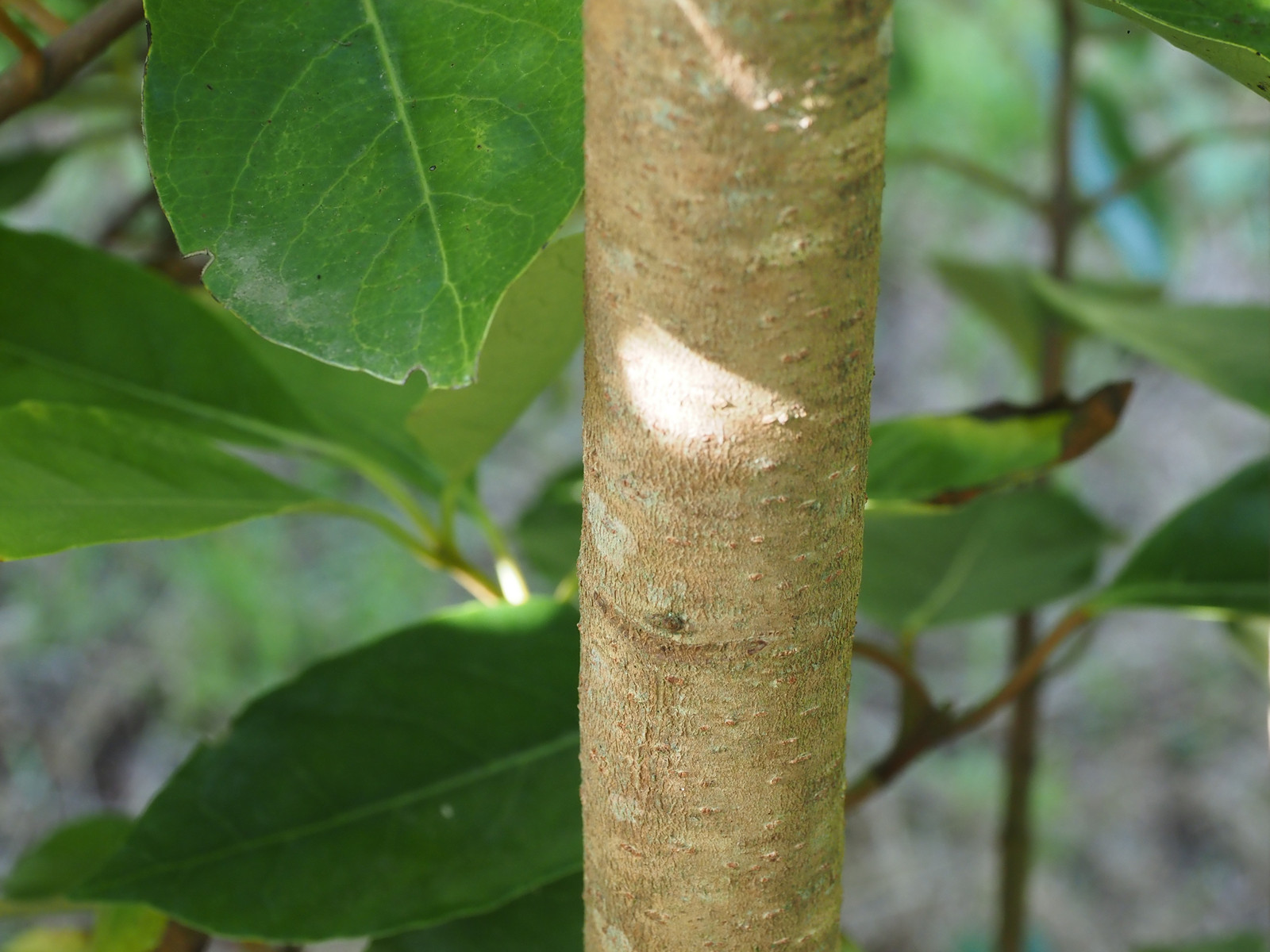
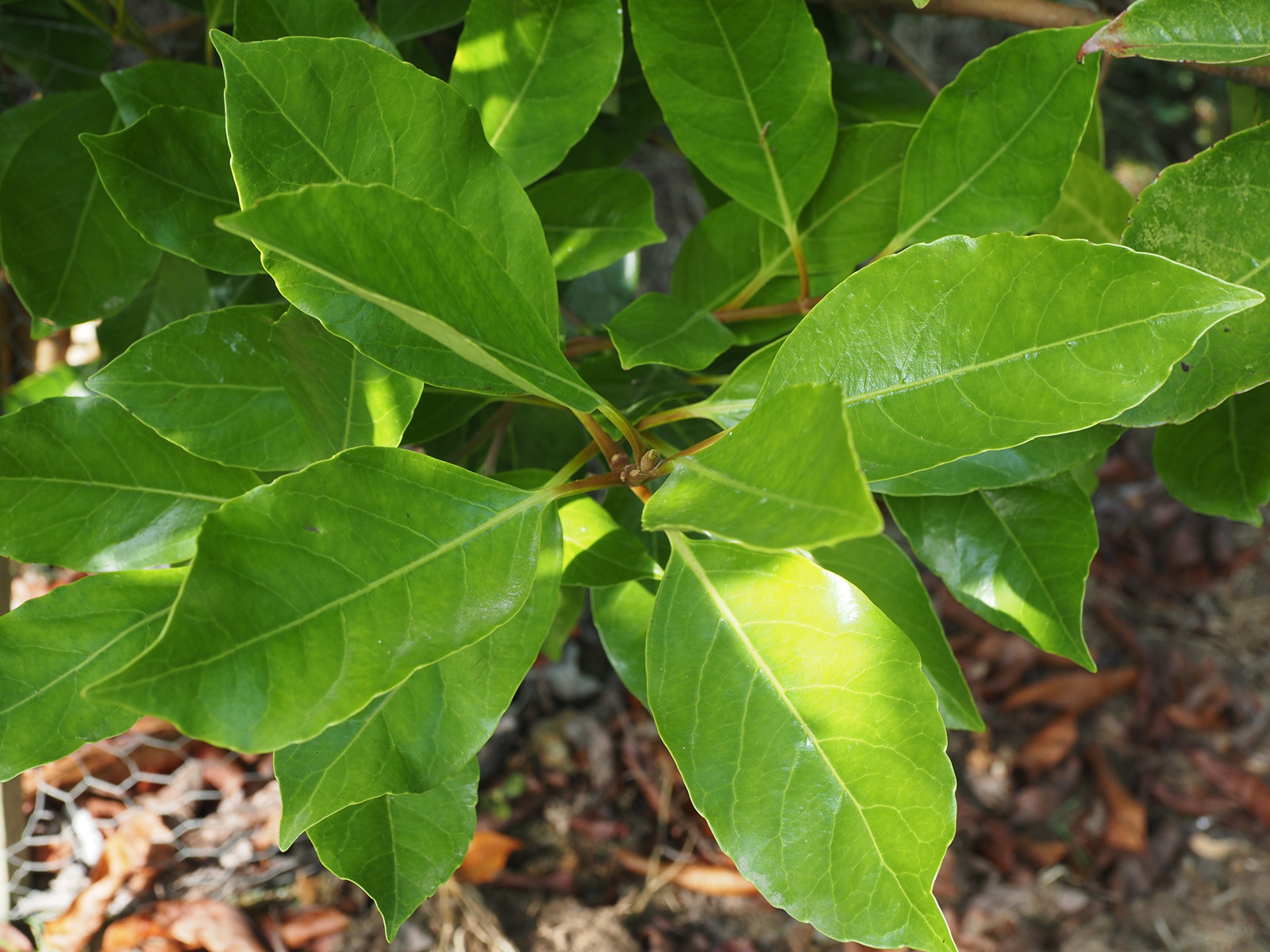
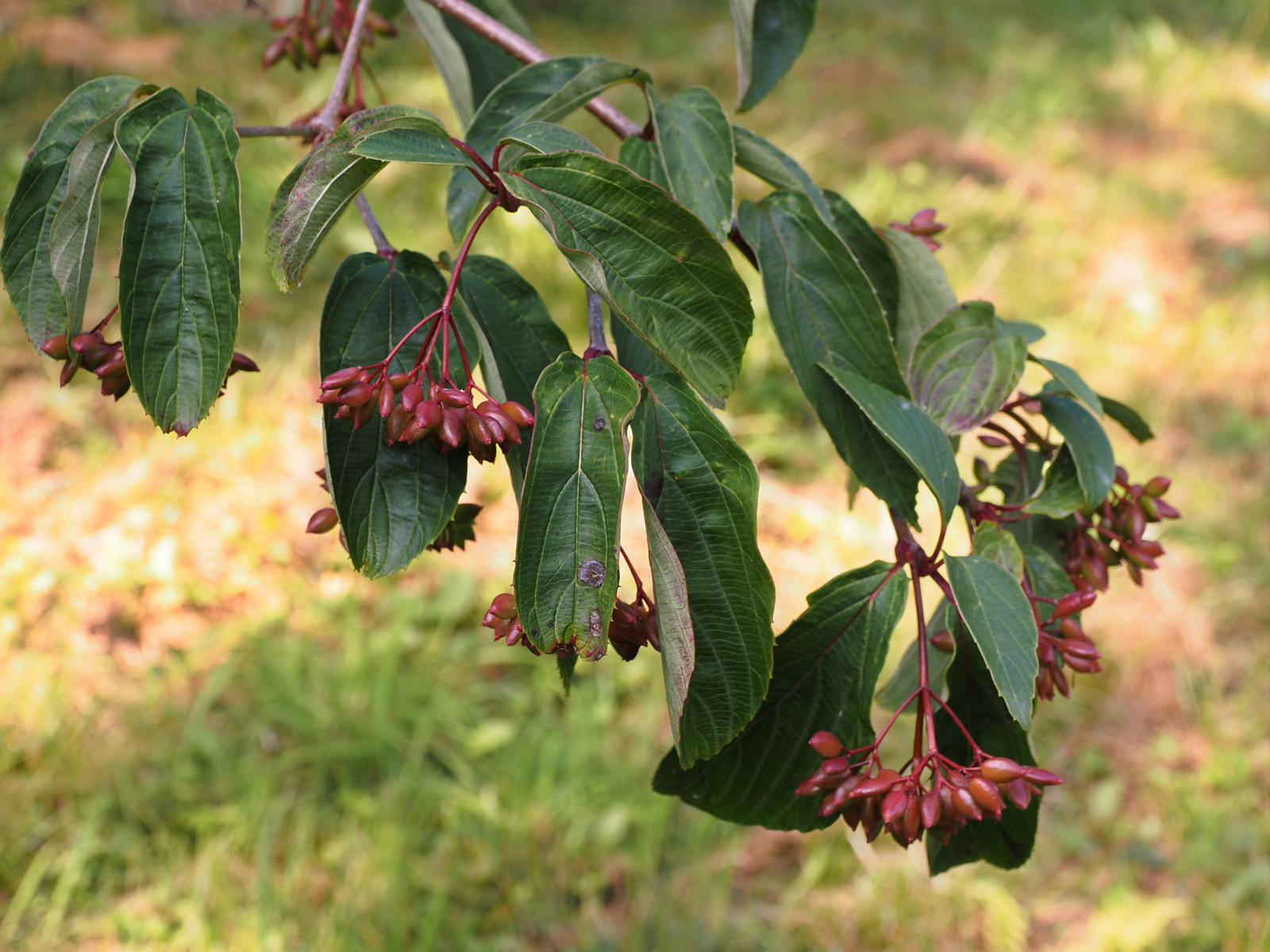
Beside it a huge Eucryphia x nymansensis ‘Nymansay’ looks fine but flowers shrivelled higher up.
Eucryphia x nymansensis ‘Nymansay’
Hydrangeas dying on the drive.
Hydrangeas dying
And our best blue mophead hydrangeas look ghastly.
blue mophead hydrangeas look ghastly
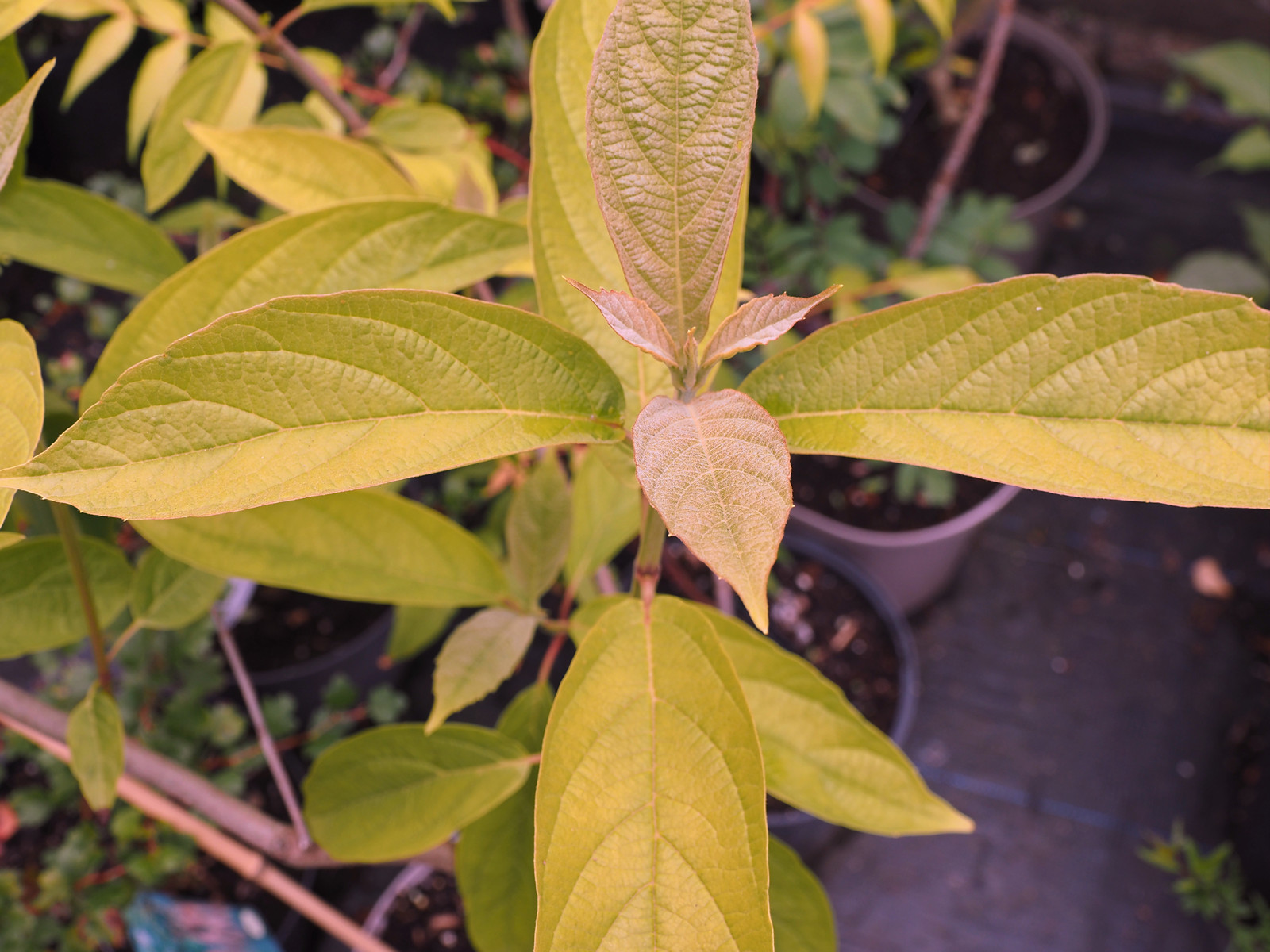
Liquidambar acalycina however thrives in the heat with good secondary new growth.
Liquidambar acalycinaLiquidambar acalycina
Good growth now on the pollarded Tilia cordata ‘Winter Orange’.
Tilia cordata ‘Winter Orange’
Cattle allowed in to graze the frazzled grass in White Styles. We cannot graze the 200 odd hectares of wild flower meadows from 1st May to 1st August.
Cattle allowed in to graze the frazzled grass in White Styles
2025 – CHW
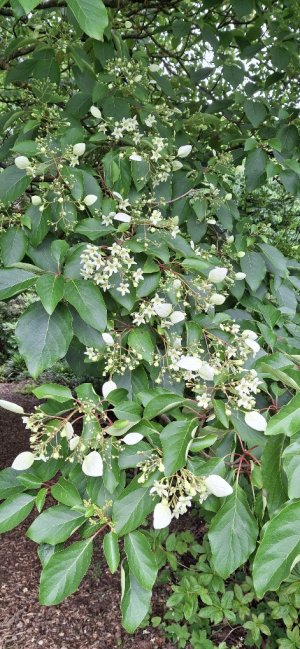
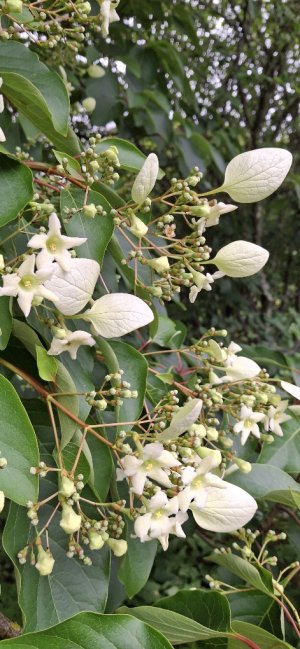
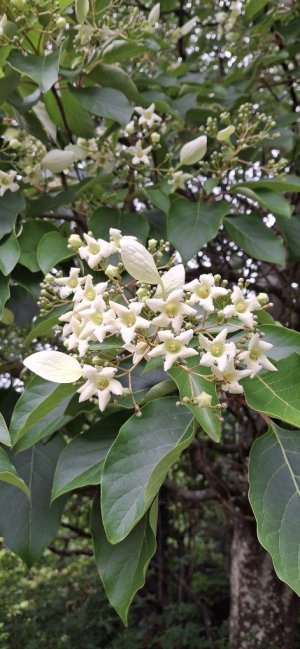
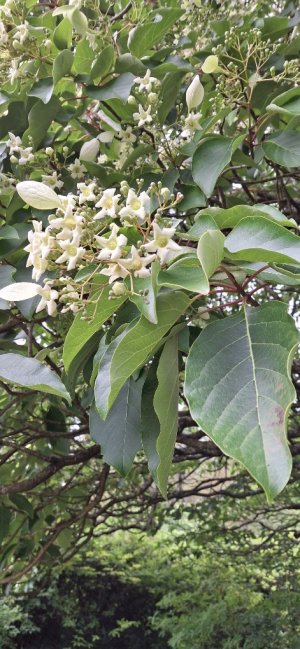
Jim Gardiner has kindly sent me these pictures of Emmenopterys henryi in full flower at Borde Hill Gardens this week. The flower is a bit like a Schizophragma with its marginal sterile flower bracts, which eventually turn pink, as they will on Emmenopterys.
This tree is a very rare flowerer in our UK climate. To perform like this the tree needs to be in a baking hot dry location in full sun. The Borde Hill trees have flowered regularly only since 2018 after 90 years. The tree at Wakehurst first flowered in 1987 but Jim says nothing this year as its roots have been damaged by a new pathway.
Our plants here of E. henryi and E. wilsonii are around 100 years old and have never flowered. They are planted within the woodland canopy and never get enough heat from the sun.Caerhays and Burncoose also grow Kew raised tissue cultured E. henryi which have grown well but not flowered in the 30 years since planted. One of the Kew tissue cultured plants did flower there after 40 years so perhaps there is hope.Anyway this was enough of a prompt for me to go and look at our 3 trees. No hint of any flowers as expected. The two old trees have no foliage within reach so I cannot send the promised leaf samples of our plants to Hilliers.
2024 – CHW
A visit to the garden of two Plant Heritage National Collections – Juglans and Pterocarya.
The view from the front of the house over a wild flower meadow.
view from the front of the house
Abelia grandiflora.
Abelia grandiflora
Cornus capitata had turned completely pink.
Cornus capitata
Quercus coccifera is very slow growing and shrubby. It appears more like a holly.
Quercus coccifera
Pterocarya fraxinifolia where all the suckers have been removed from where the roots are above ground.
Pterocarya fraxinifoliaPterocarya fraxinifolia
Juglans regia ‘Kaemonia’.
Juglans regia ‘Kaemonia’
Juglans nigra ‘Student Orchard’.
Juglans nigra ‘Student Orchard’
Juglans macrocarpa.
Juglans macrocarpaJuglans macrocarpa
Juglans nigra ‘Laciniata’.
Juglans nigra ‘Laciniata’Juglans nigra ‘Laciniata’
Juglans ailantifolia ‘Campbell’ with a spreading habit.
Aesculus x neglecta ‘Autumn Fire’Aesculus x neglecta ‘Autumn Fire’
Aesculus glabra var. sargentii.
Aesculus glabra var. sargentiiAesculus glabra var. sargentii
Juglans nigra (NG23).
Juglans nigra (NG23)Juglans nigra (NG23)
Juglans regia ‘Conway Mayette’.
Juglans regia ‘Conway Mayette’
Cyclocarya cathayensis.
Cyclocarya cathayensisCyclocarya cathayensis
Juglans australis surviving but for how long?
Juglans australis
Juglans cathayensis.
Juglans cathayensis
Fountains and mulberries.
Fountains and mulberries
Juglans neotropica growing in a pot and only outside the greenhouse in the summer. The first ever walnut was developing.
Juglans neotropica
2023 – CHW
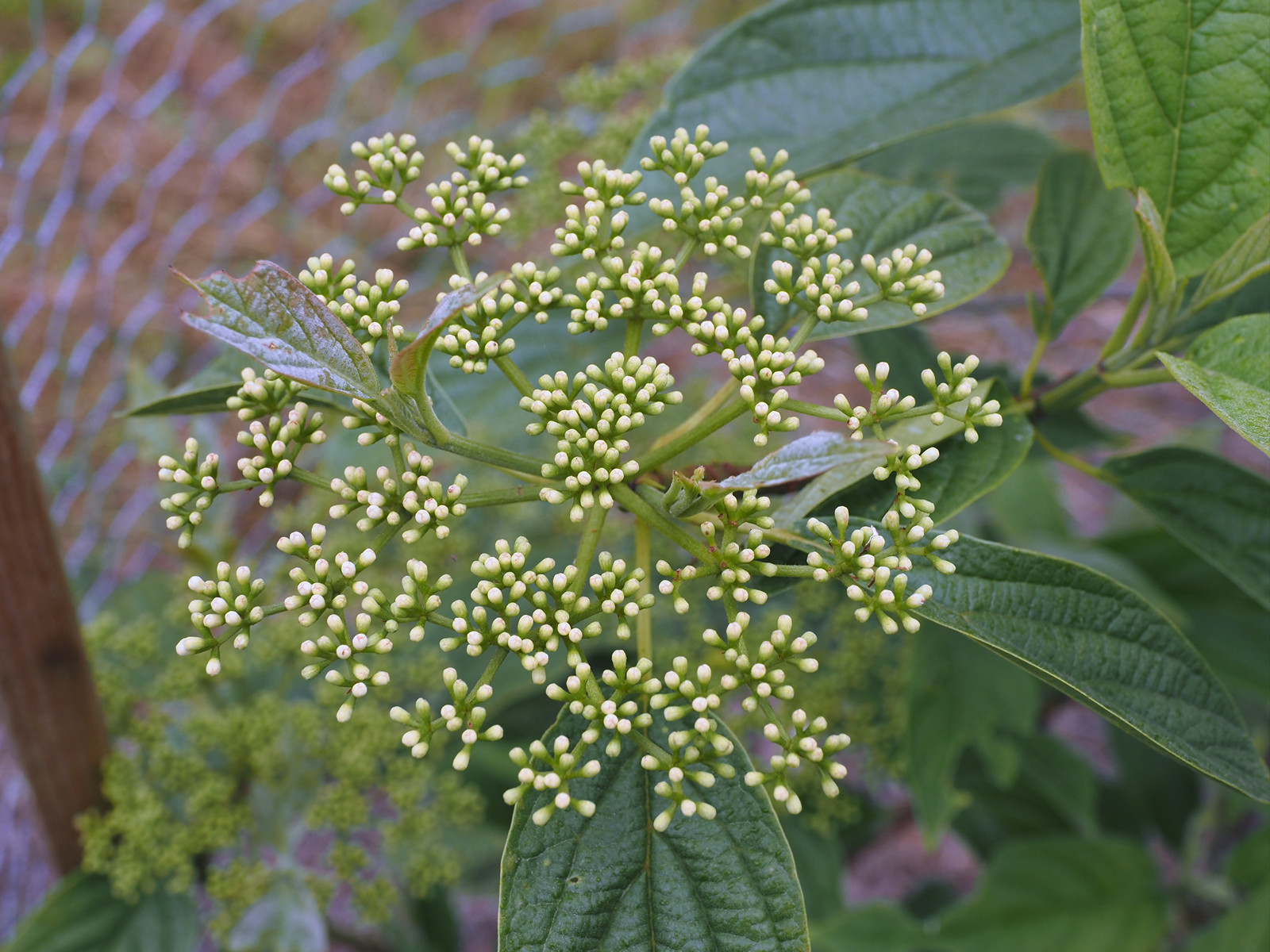
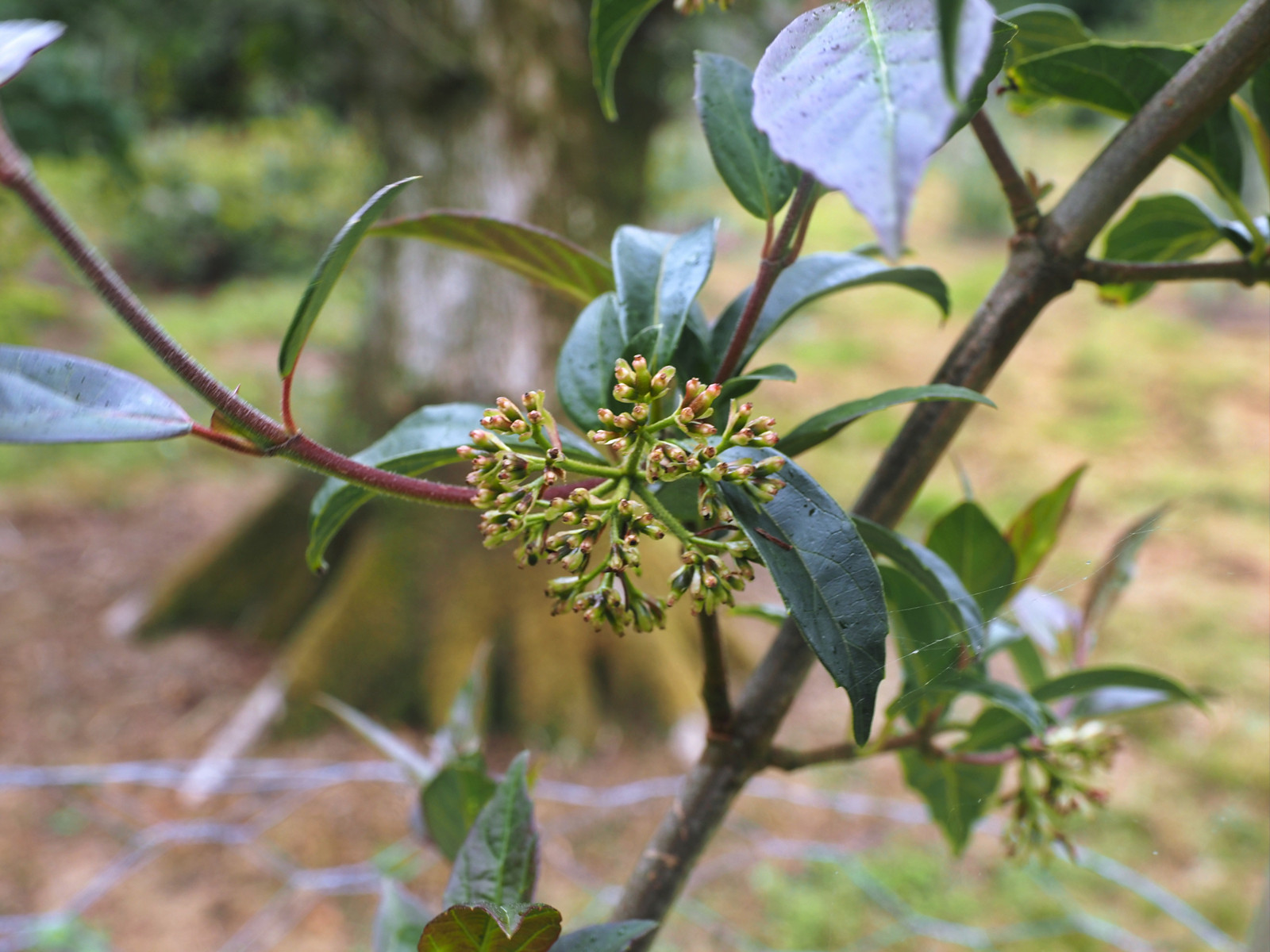
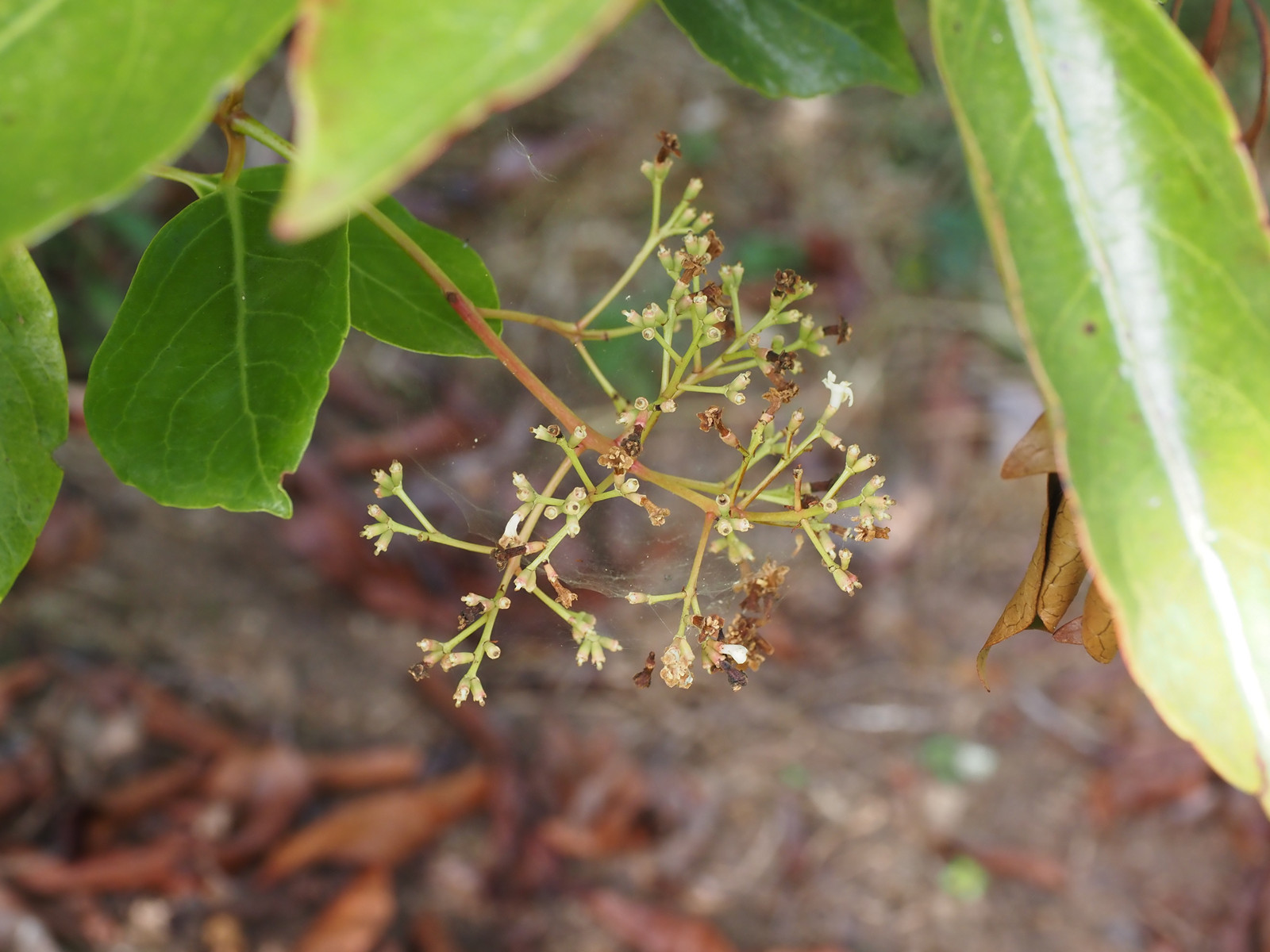
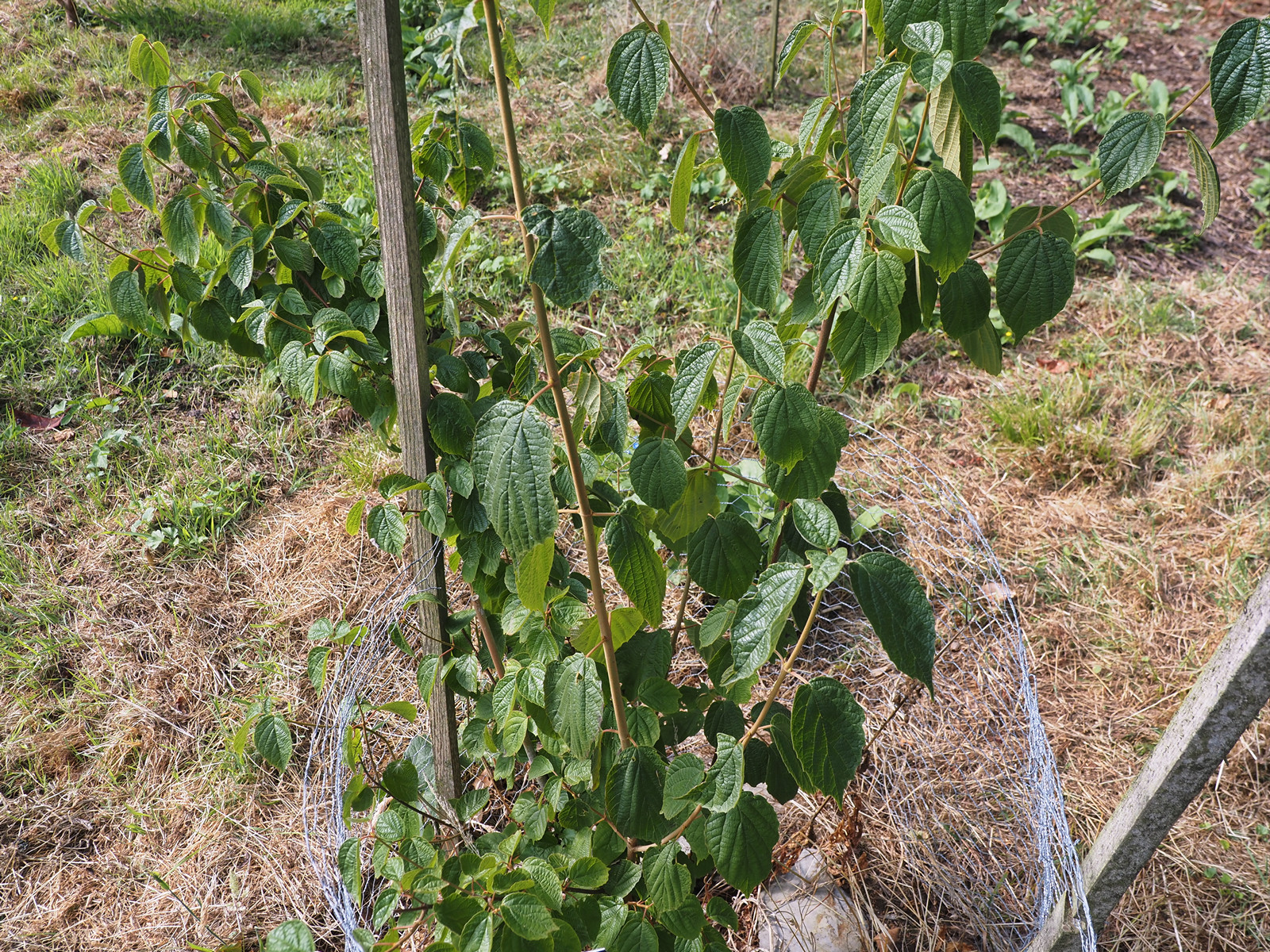
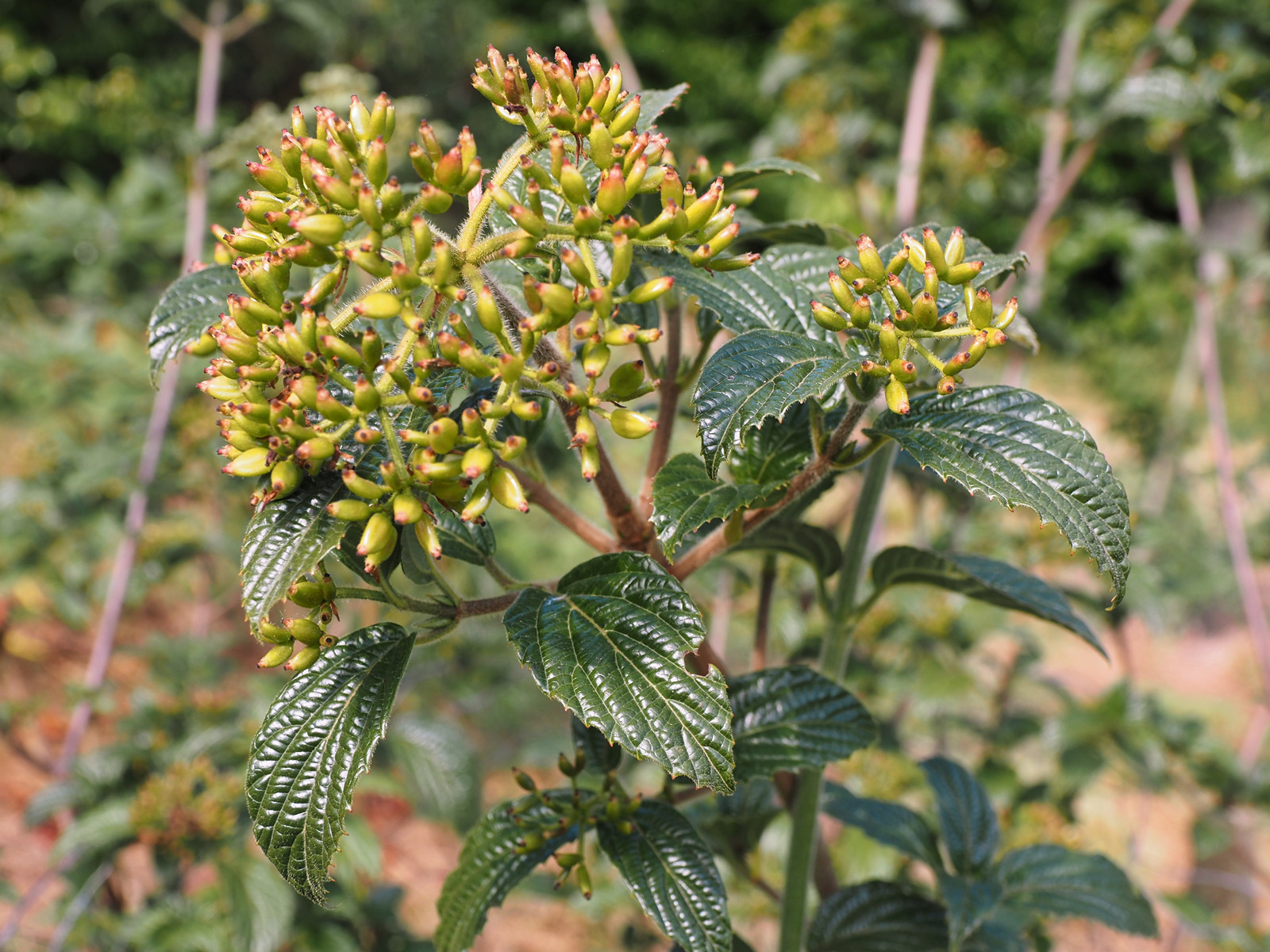
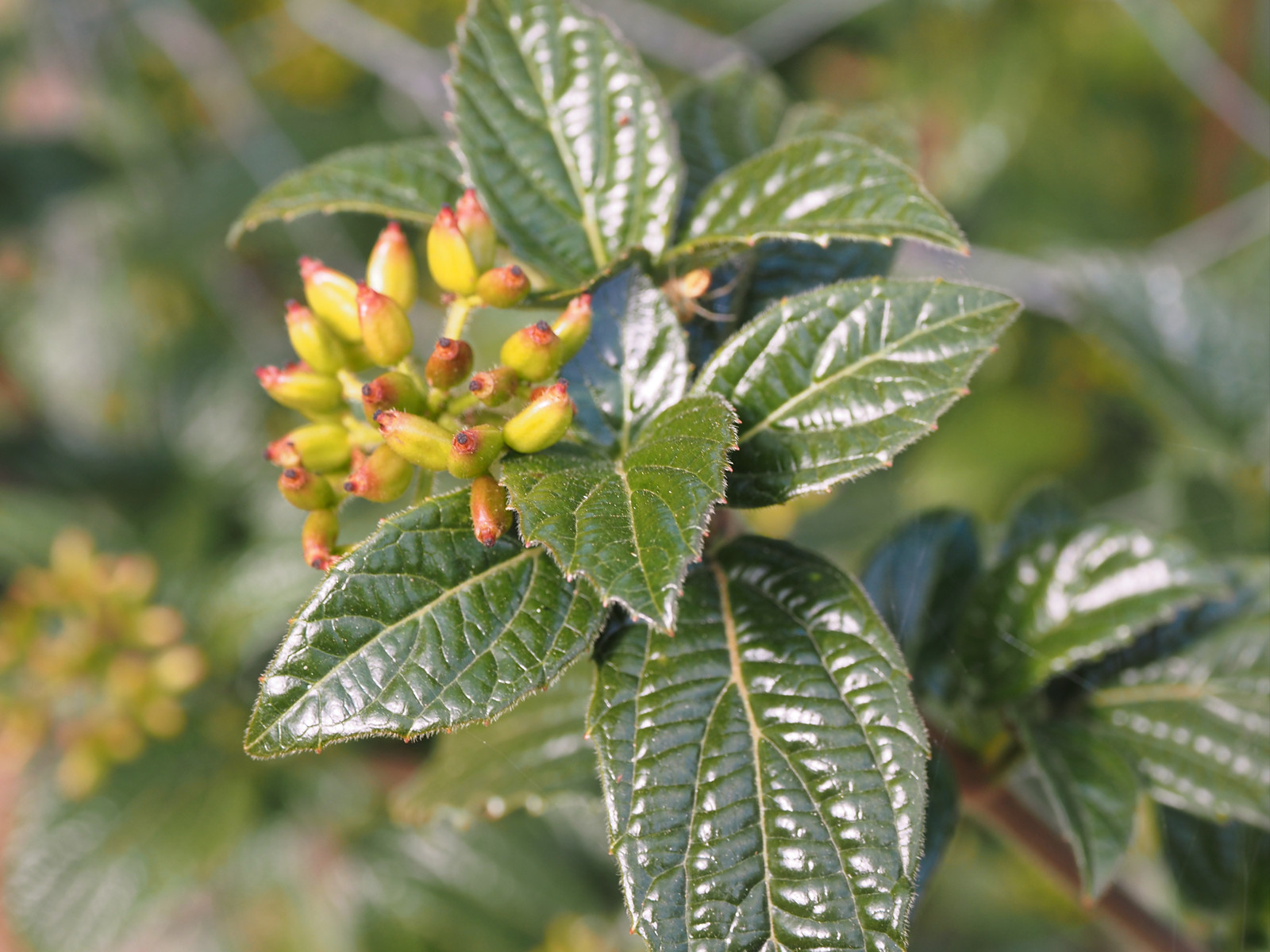
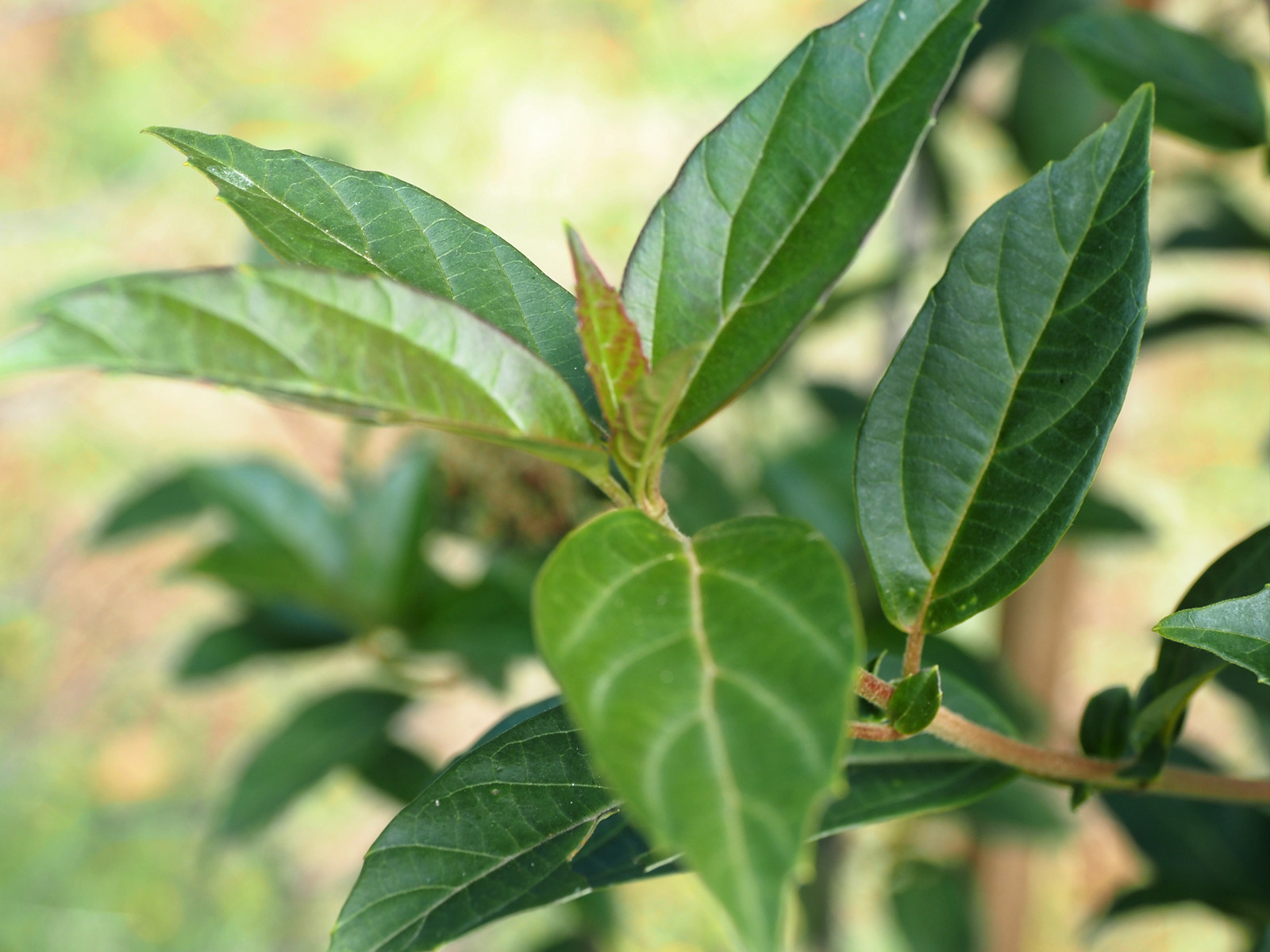
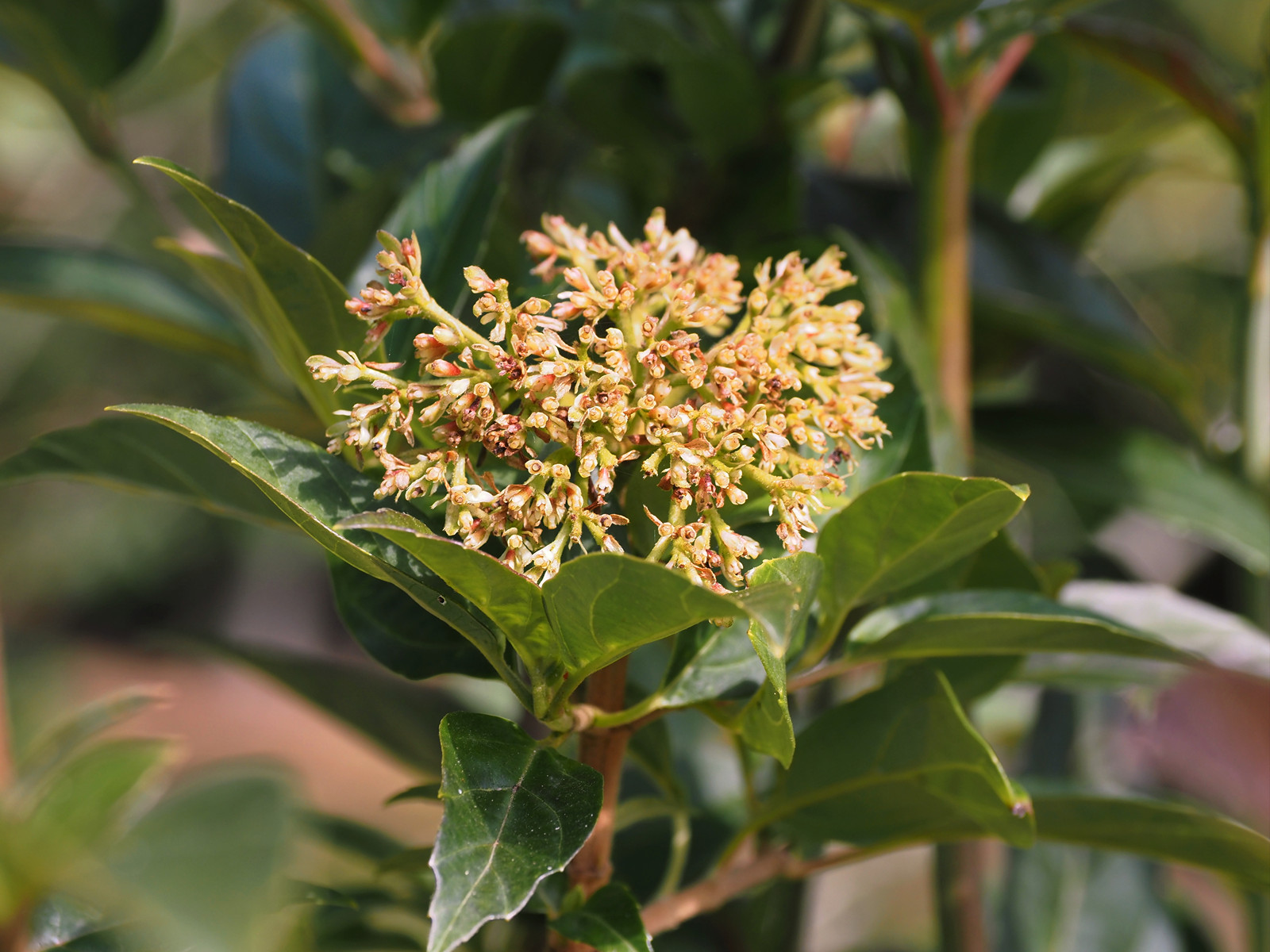
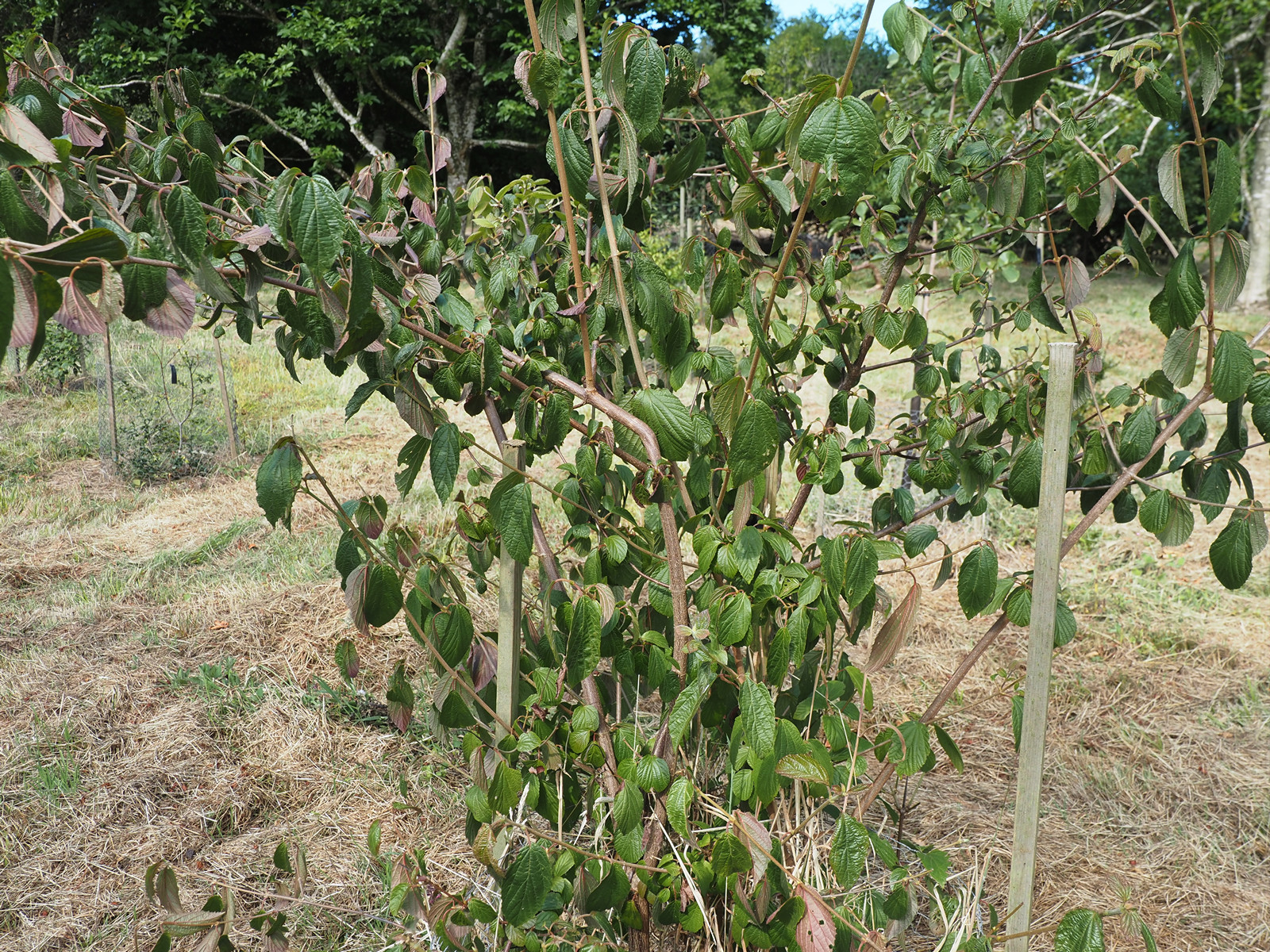
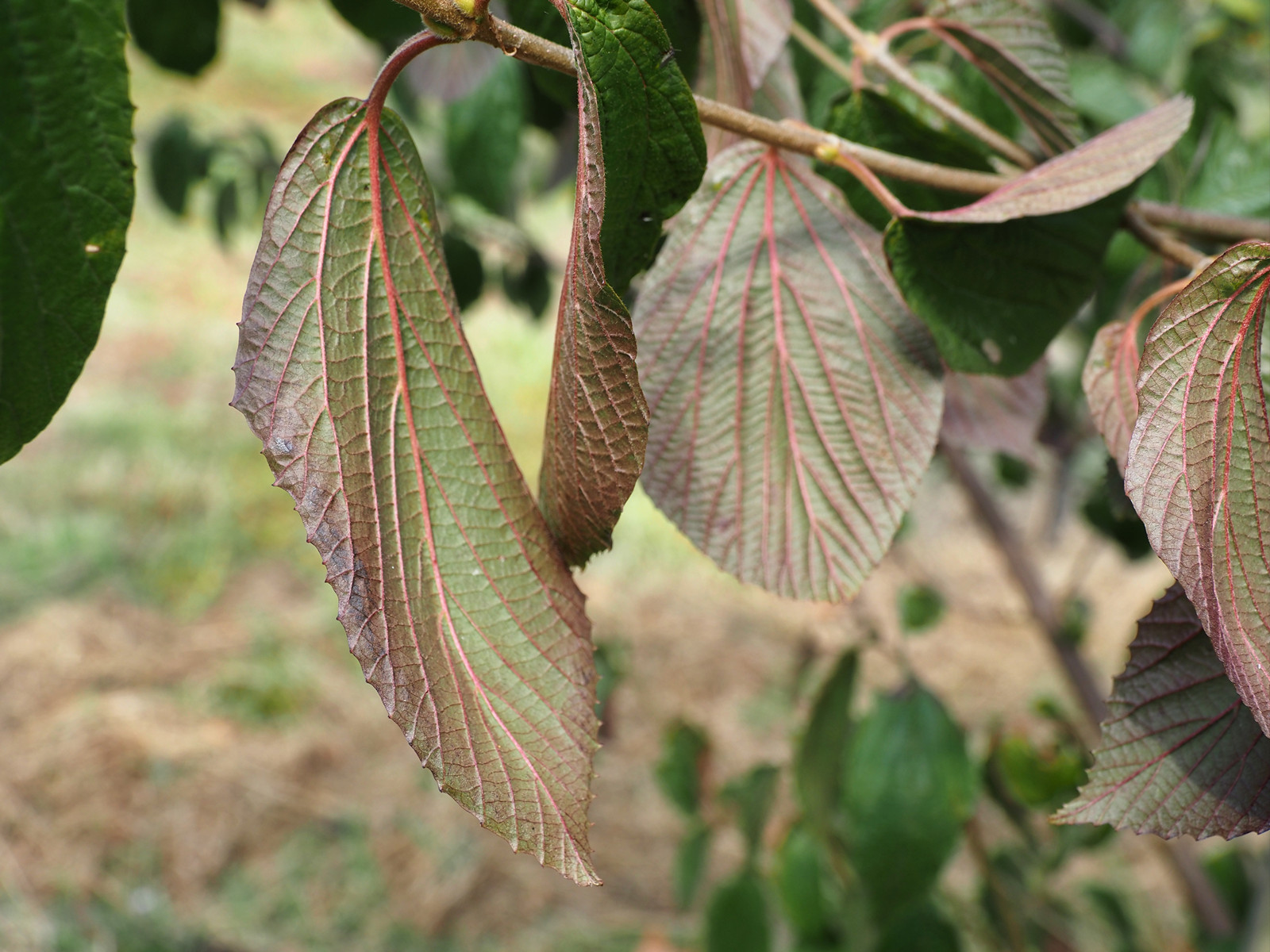
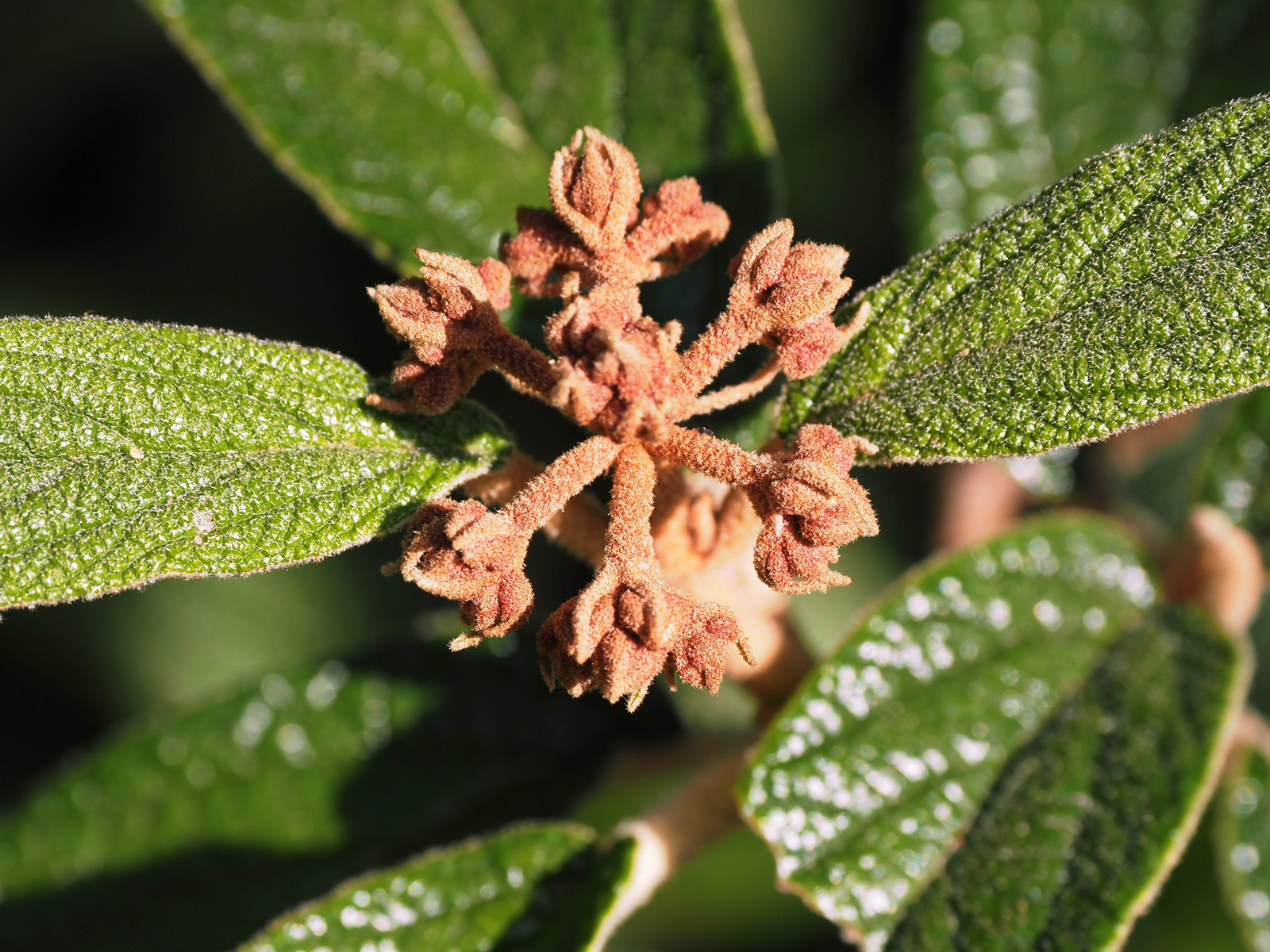
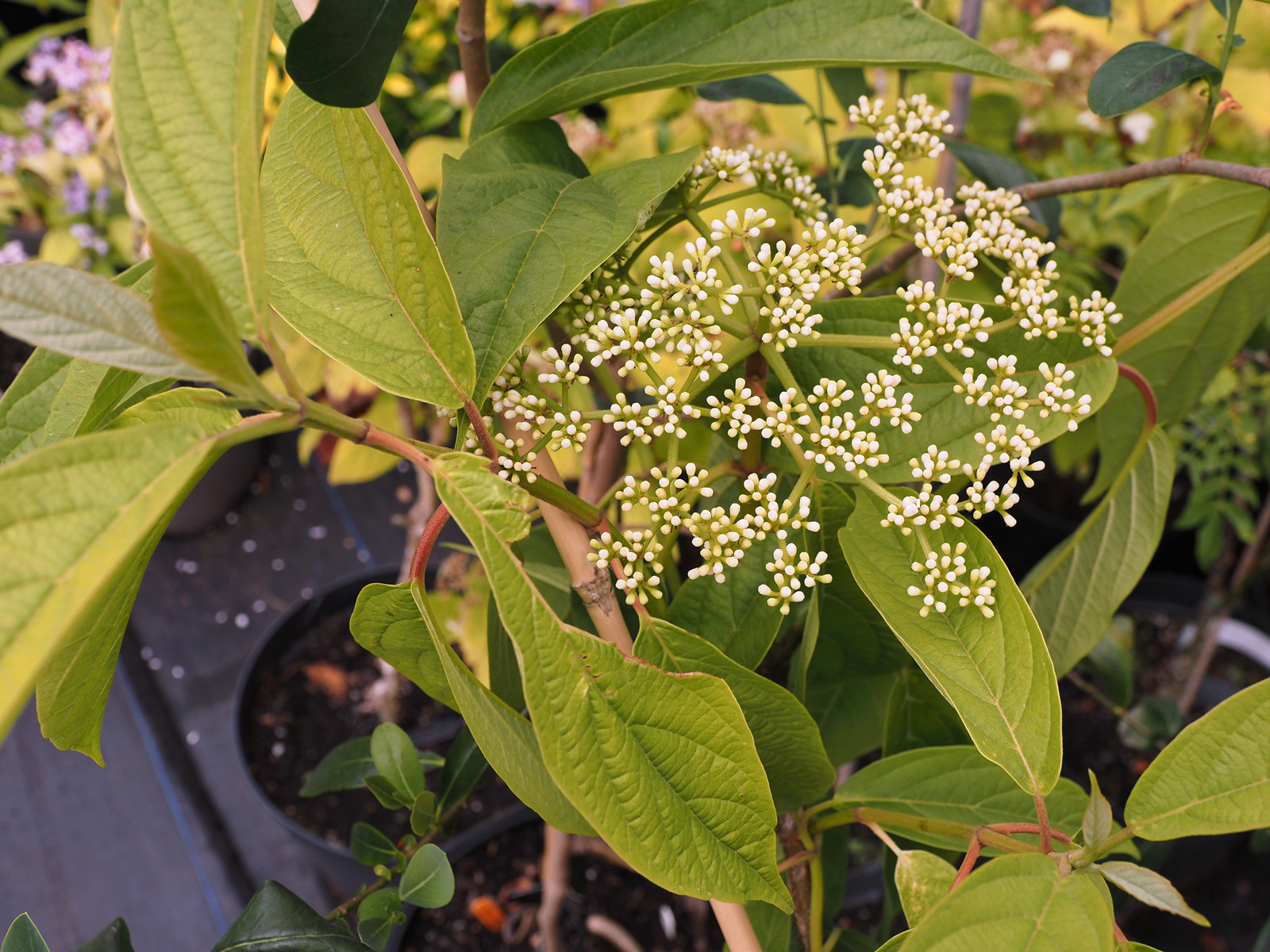
Viburnum sambucinum about to flower for the first time here.
Viburnum sambucinum
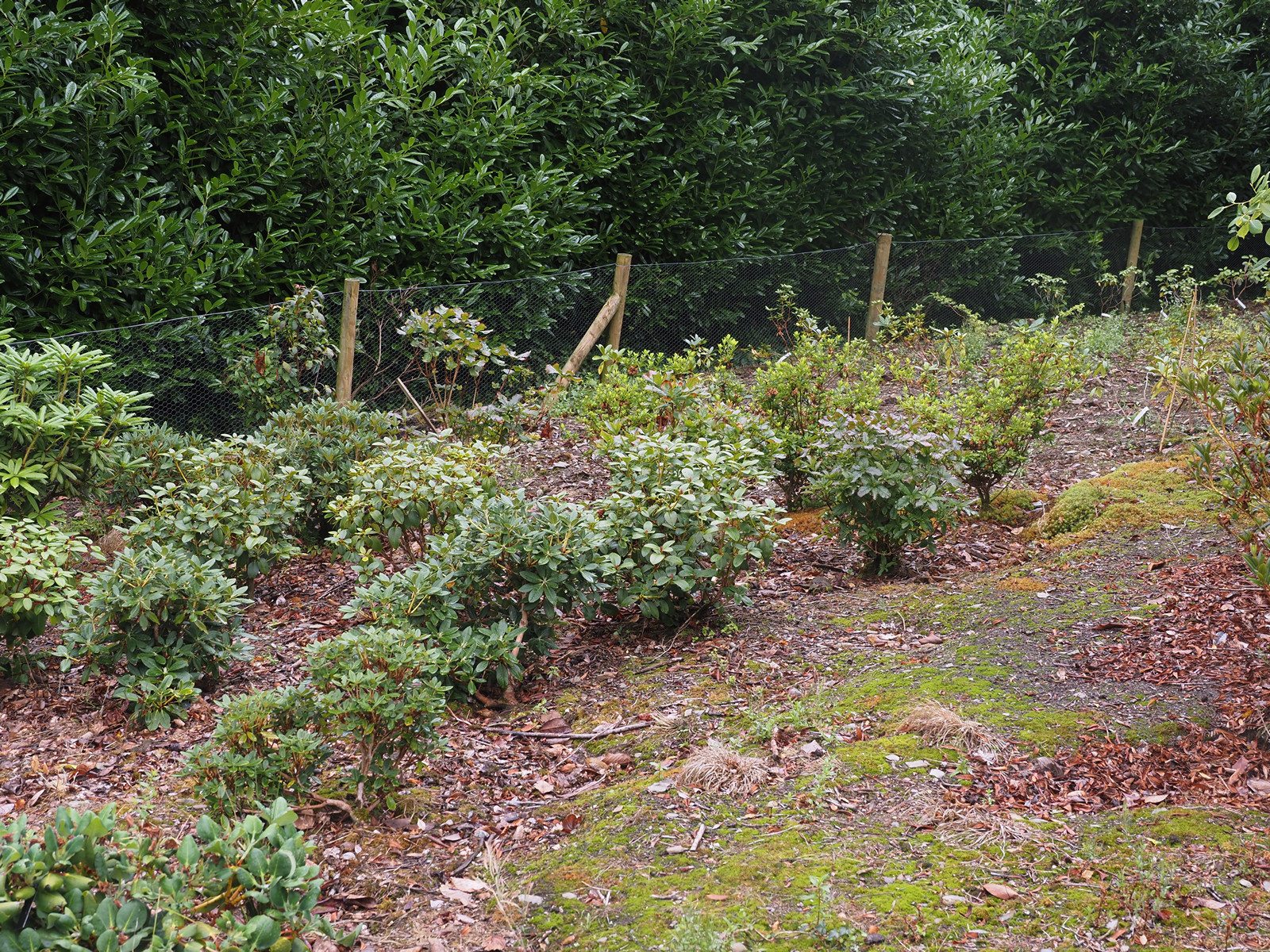
Watering has saved these young rhododendrons in the Higher Quarry Nursery.
young rhododendrons
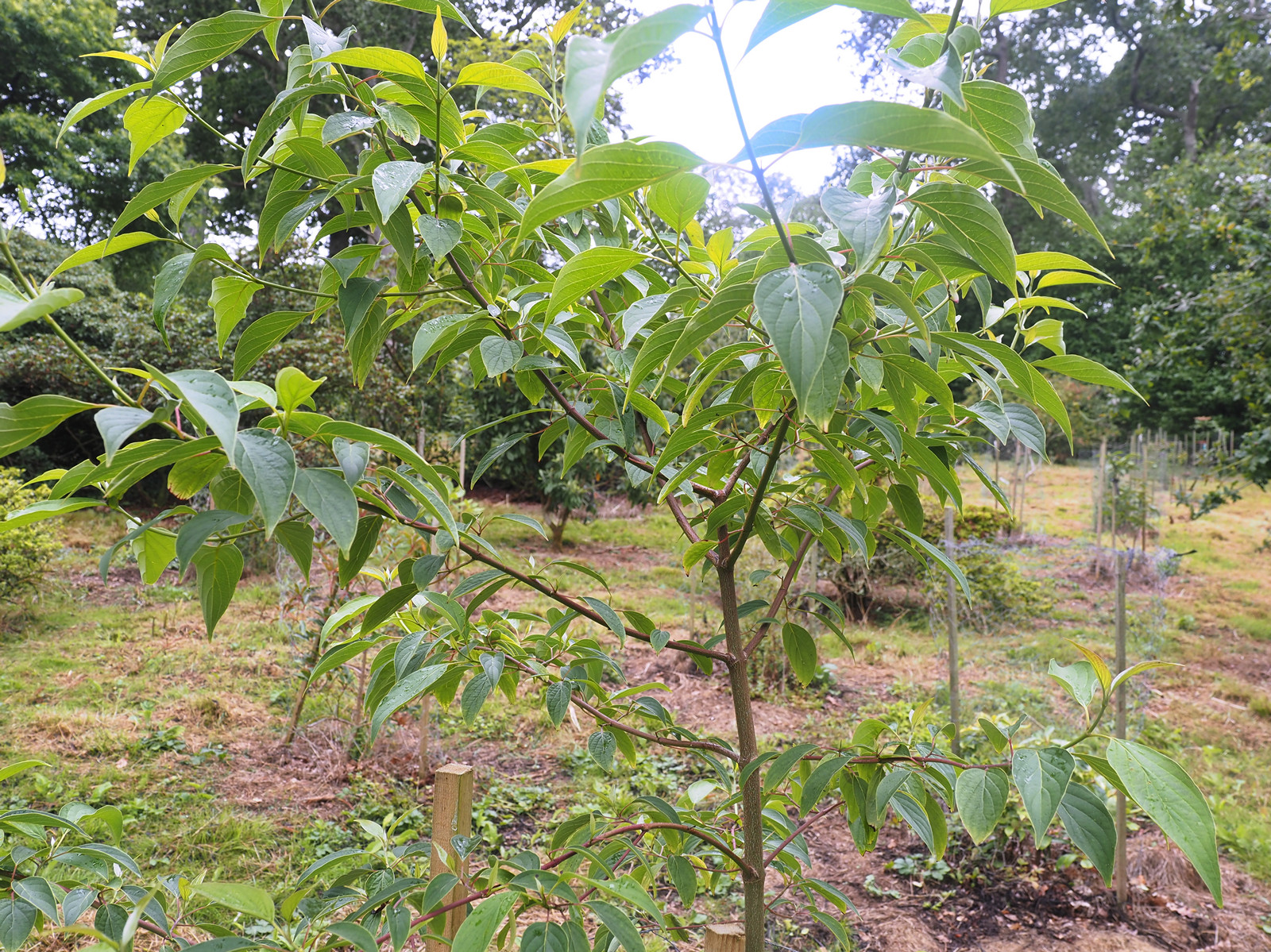
Cornus macrophylla, another evergreen species, is getting going but no flowers yet.
Cornus macrophylla
Viburnum fansipanensis (BSWJ 8302) also with swelling seed heads.
Viburnum fansipanensis (BSWJ 8302)
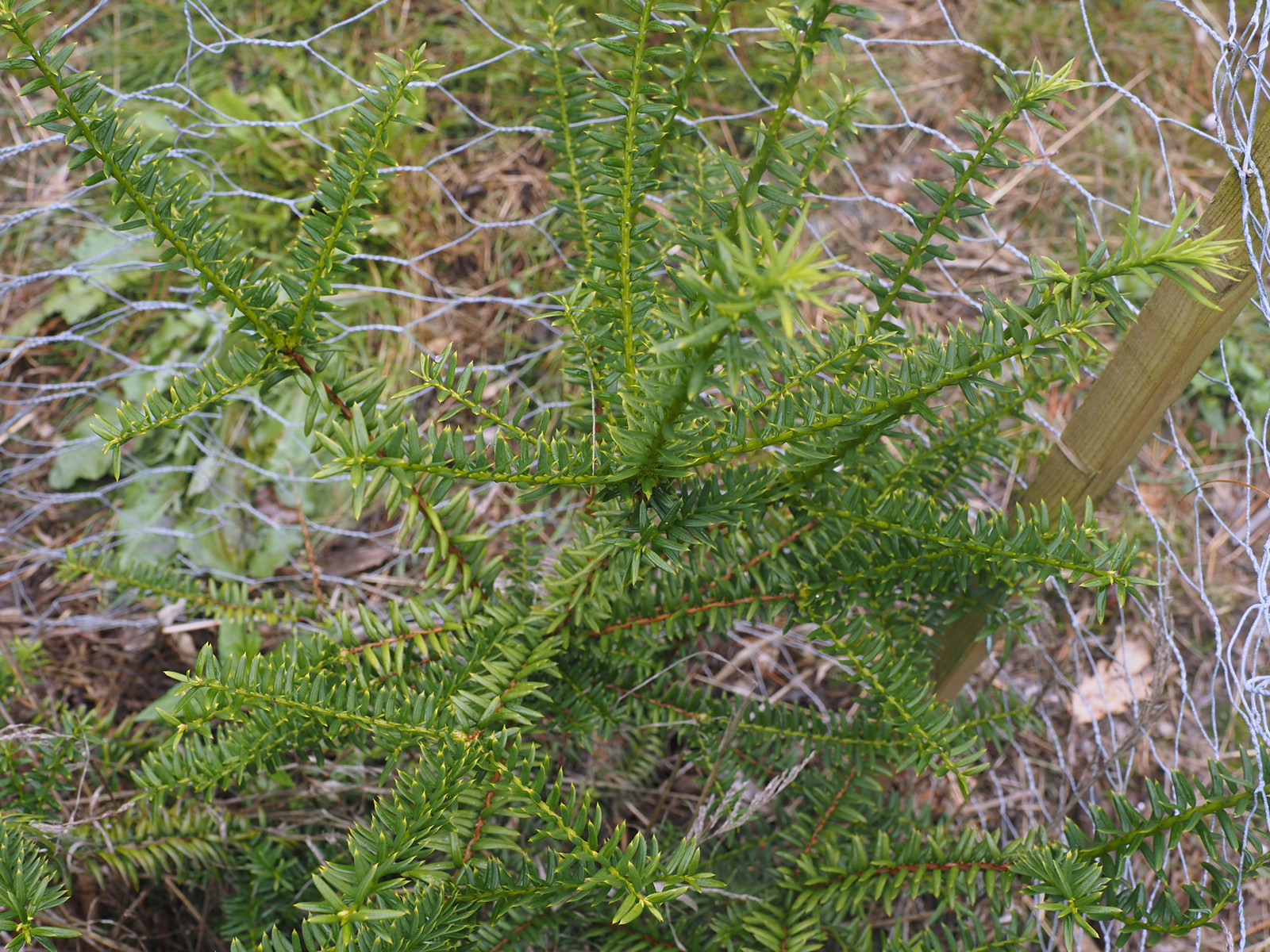
This newly planted Pseudotaxus chienii looks rather different from the established plant on Sinogrande Walk. Need to see which is the correct thing. I am suspicious of this as being too spreading and loose in habit?
Pseudotaxus chienii
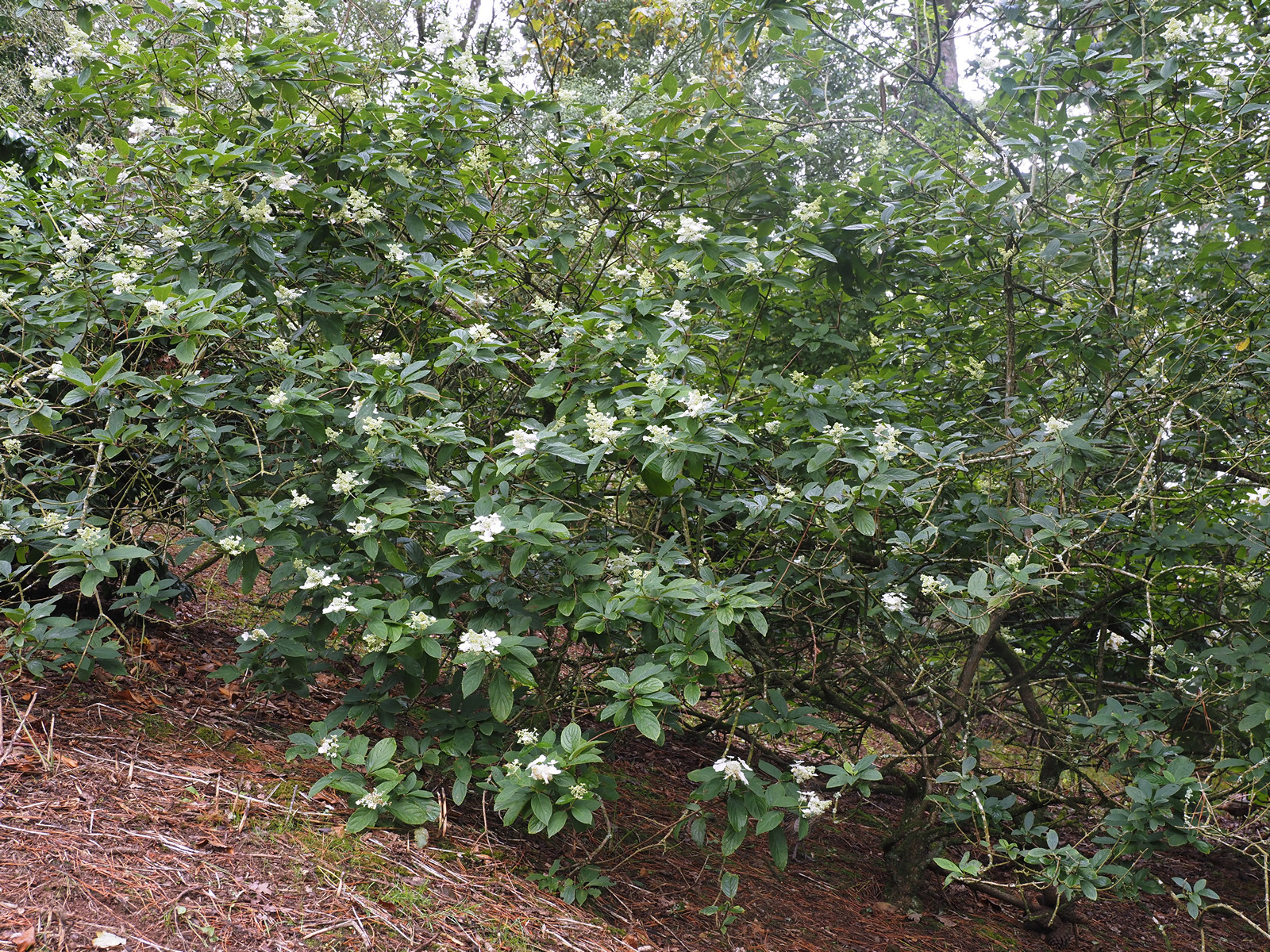
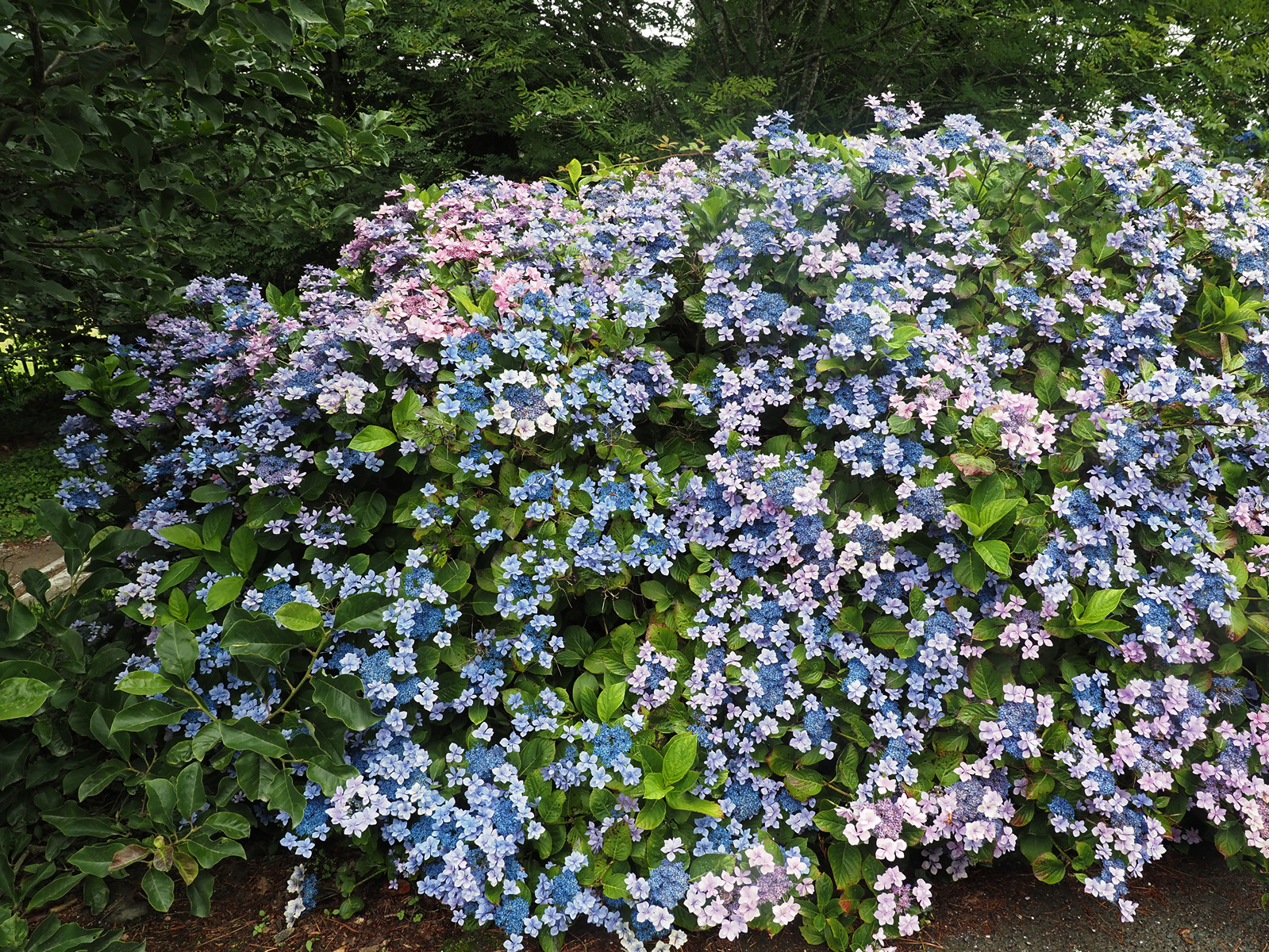
A clump of Hydrangea paniculata ‘Tardiva’ in shade. Small flowers and not very impressive but this is a 30 year old clump.
Hydrangea paniculata ‘Tardiva’
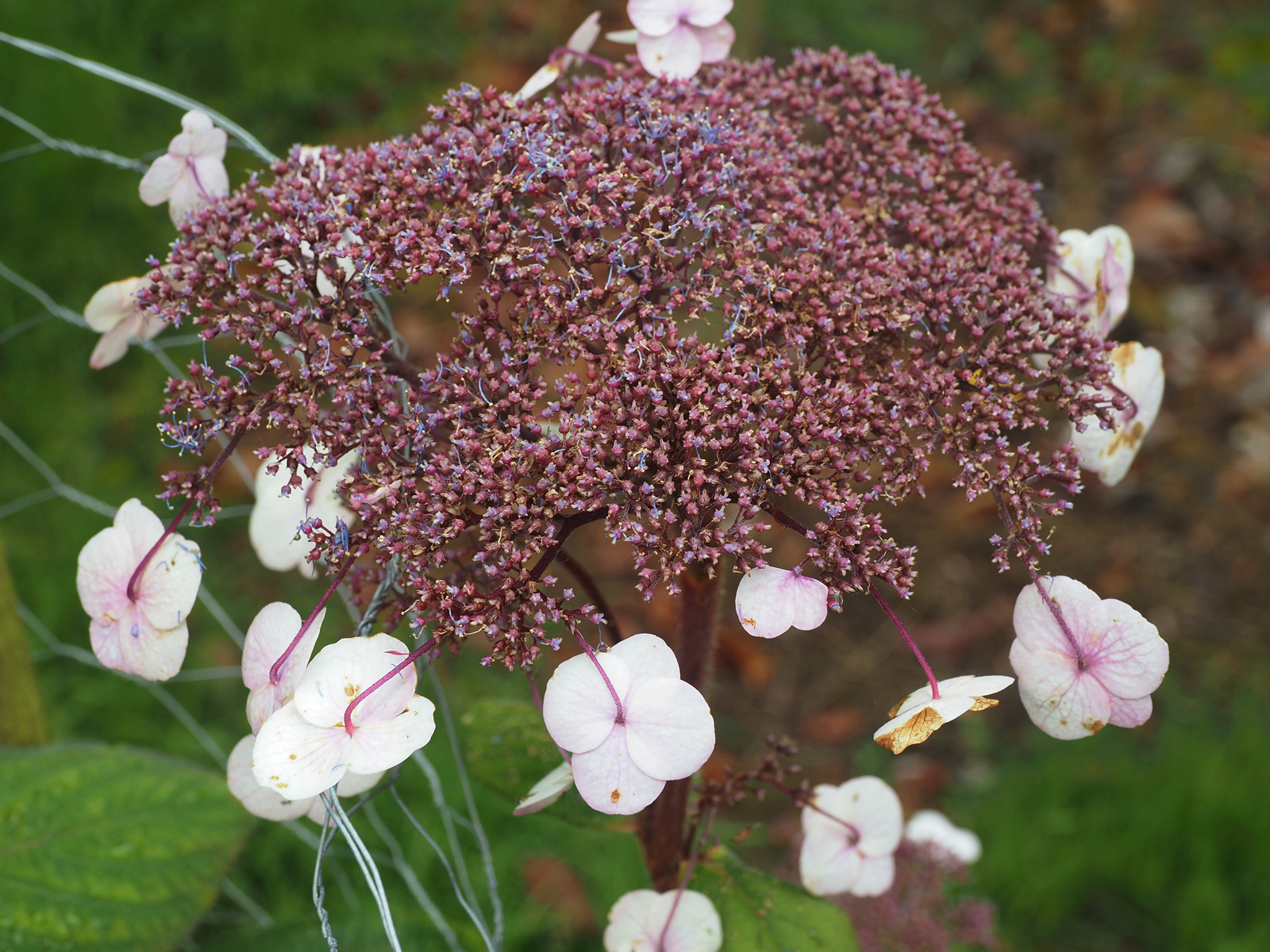
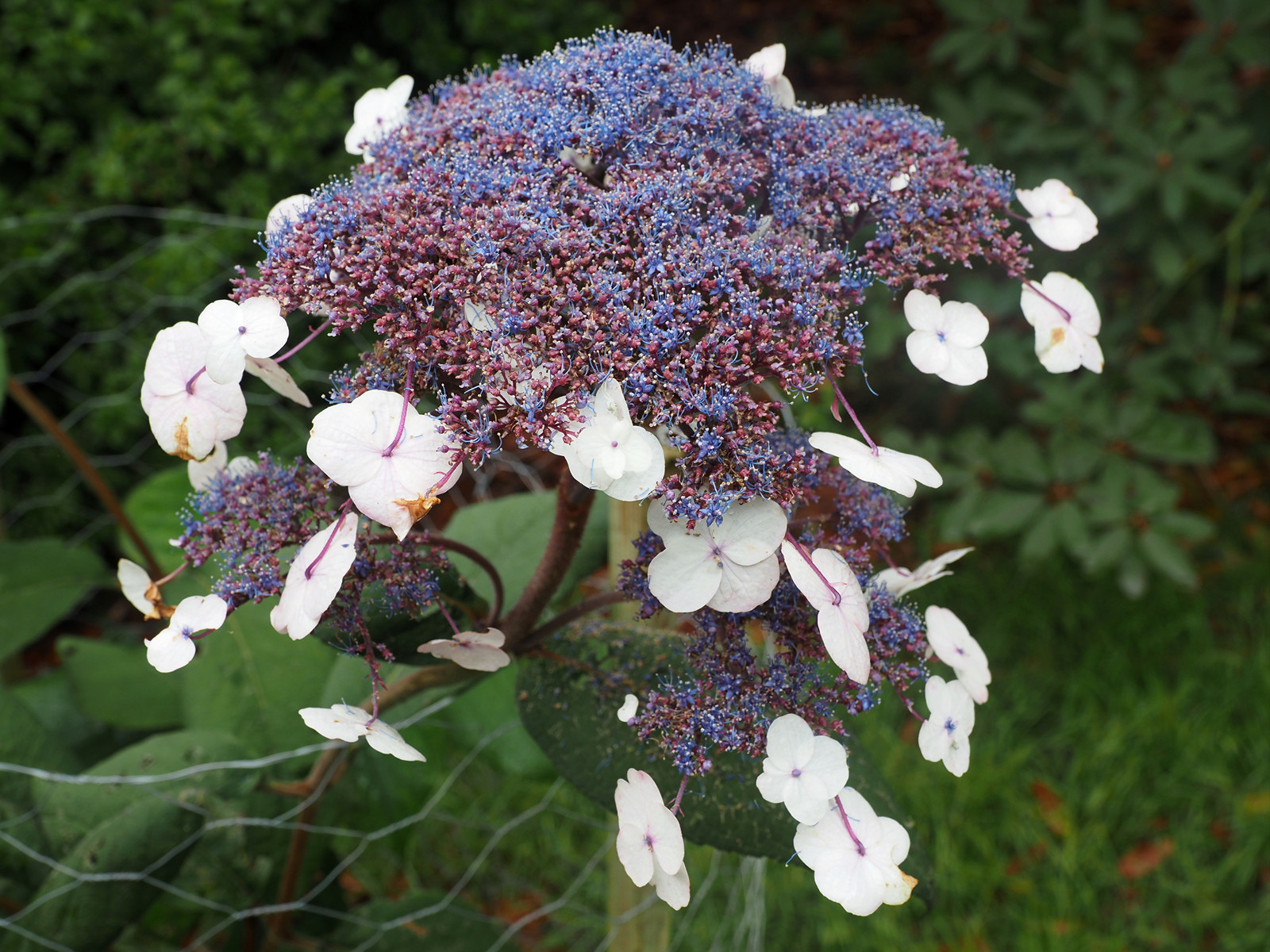
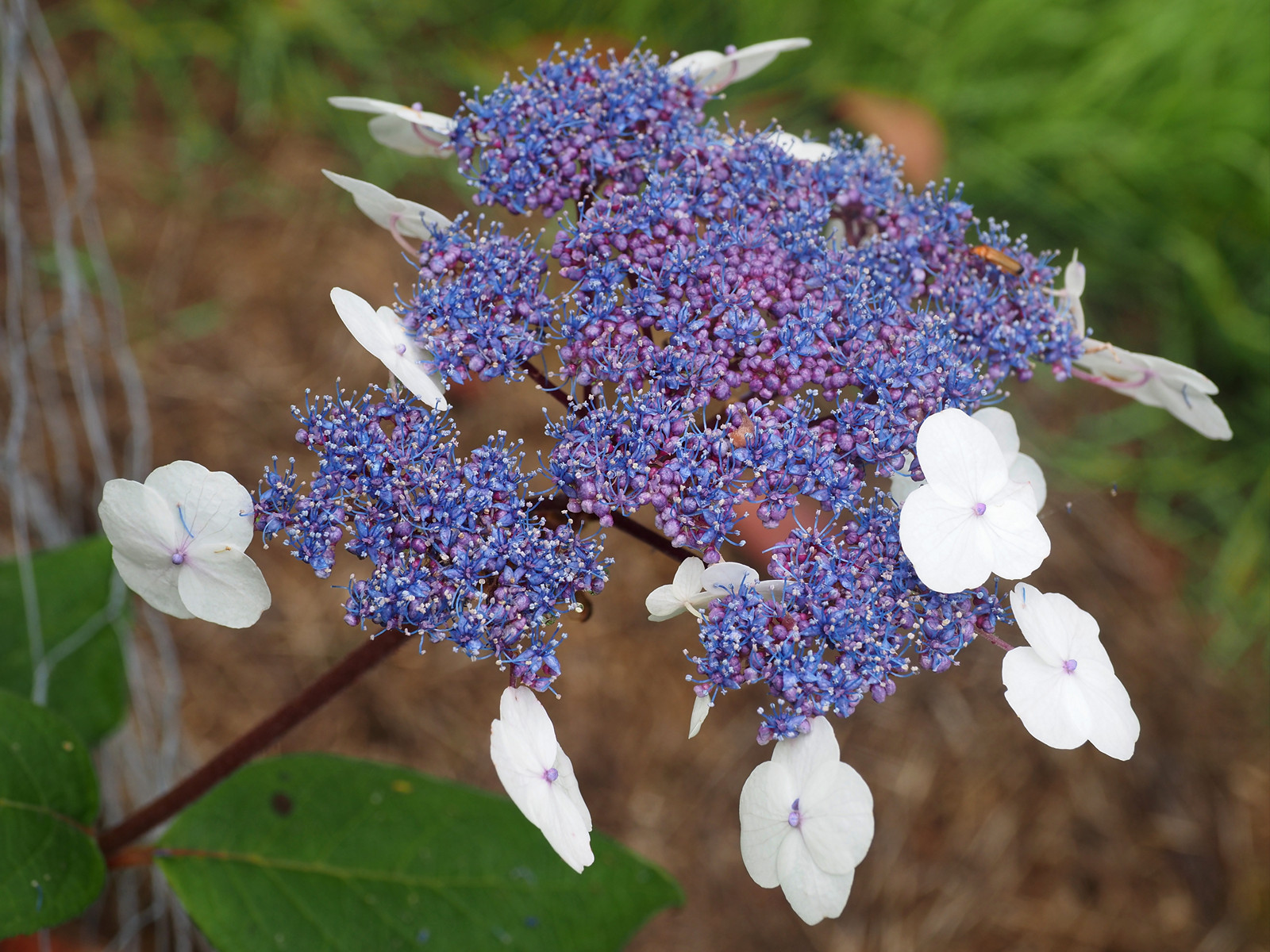
Hydrangea aspera ‘Macrophylla’ flowers in 3 stages.
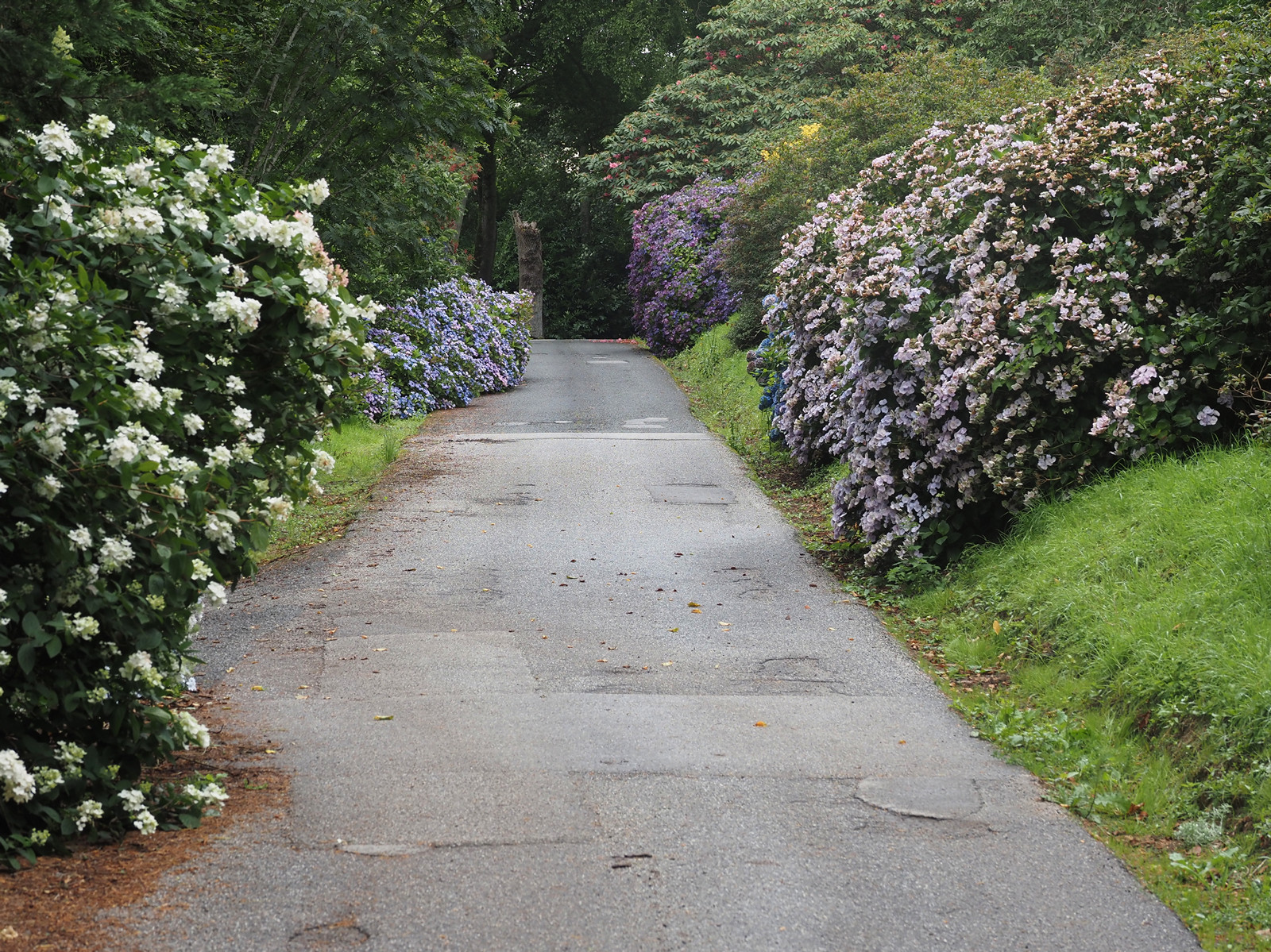
The hydrangeas are nearly over but the view down the drive is still is not bad.
hydrangeas are nearly over
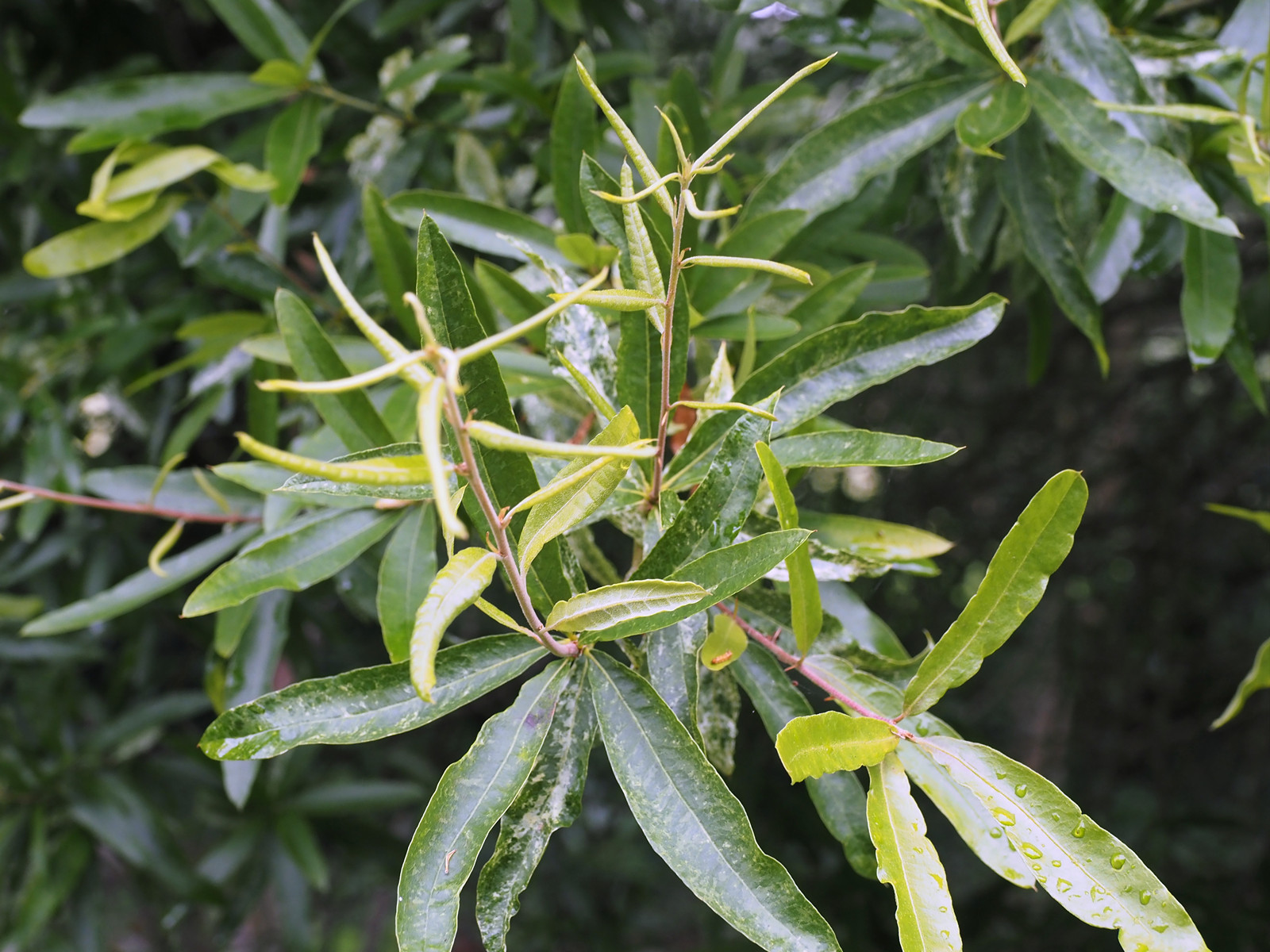
After the rain a peculiar set of young new growth on Quercus phellos.
Quercus phellos
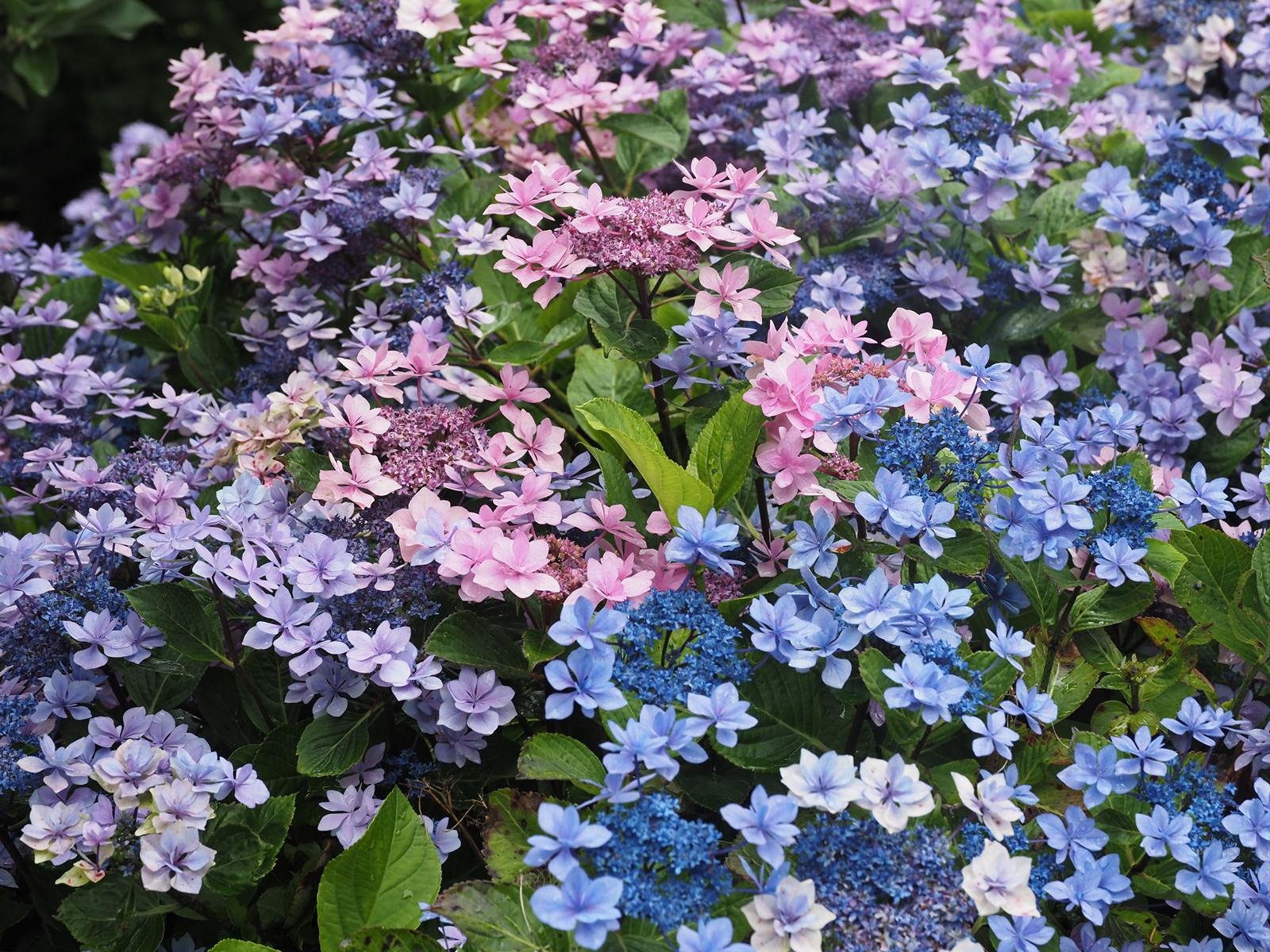
Pink and blue Hydrangea ‘Fireworks’ together.
Pink and blue Hydrangea ‘Fireworks’Pink and blue Hydrangea ‘Fireworks’
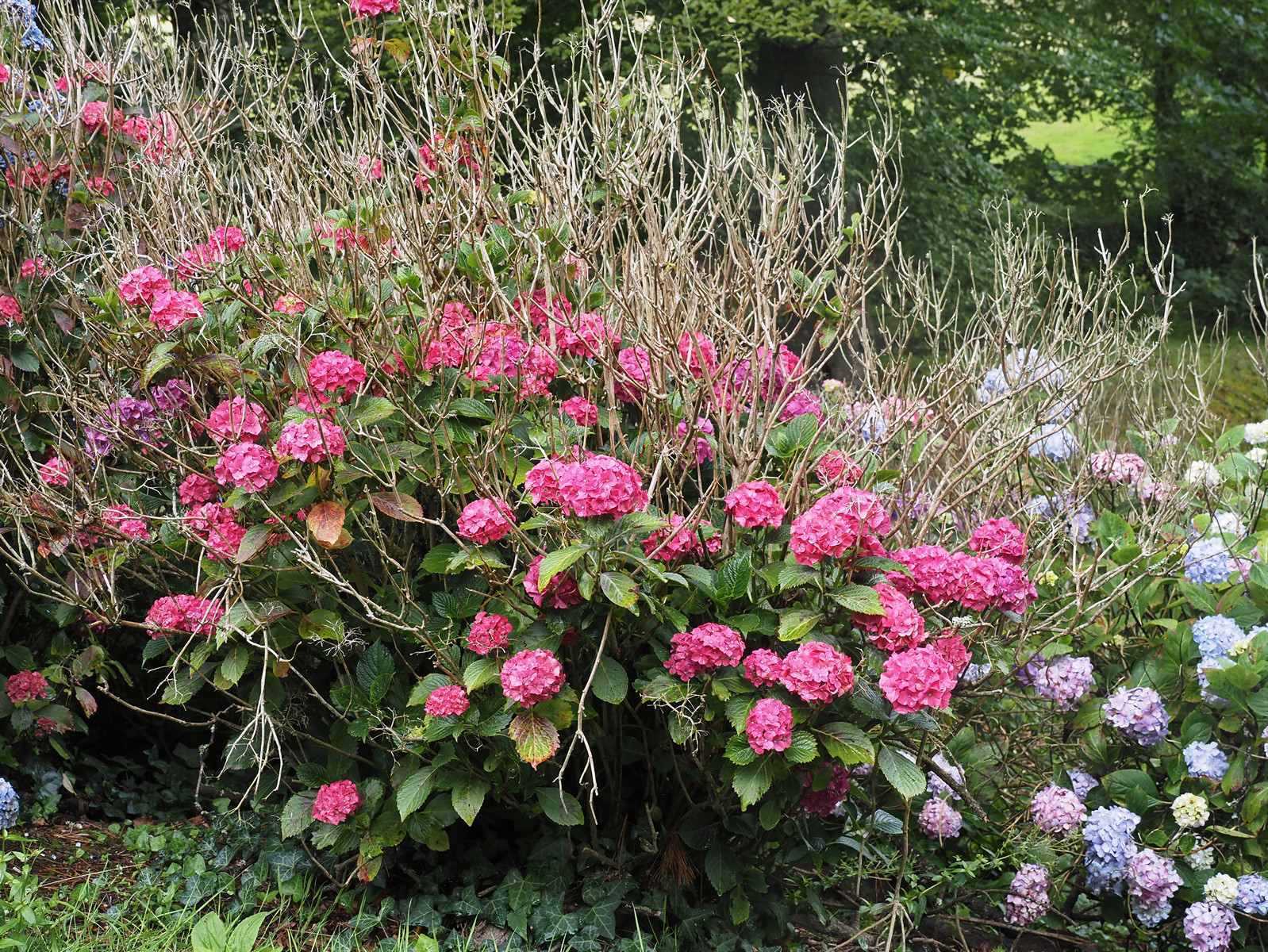
See what a hit this clump of red hydrangea took in the drought last year but it is now recovering.
clump of red hydrangea
2022 – CHW
We are now in full drought conditions. Younger plants and especially rhododendrons are starting to die.
A new book on Viburnums arrives and this prompts me to go and have a look at our more recent plantings.
The latest book is by Andre Gayraud and complements Michael Dirr’s book on the same subject published in 2007. Gayraud’s book on Cornus has been especially helpful in identifying our 1991 planted Cornus collection where the labelling was not perfect. All our Viburnums here come from Crug Farm Nursery or Nicholas Lock Plants at Tregrehan Fair/CGS shows.
Viburnum awabuki is romping away but I had not seen it flower until today where there is a solitary flower now over. It came named as x awabuki but the reference books make clear there is a botanical muddle here which I wont go into. It grows to 20 feet in southern US states and is used as a hedging plant. A firm trunk or two developing here. In Japan there are trees 60 feet tall. Native to Japan, Korea and Taiwan.
Viburnum awabukiViburnum awabuki
Viburnum awabukiViburnum awabuki
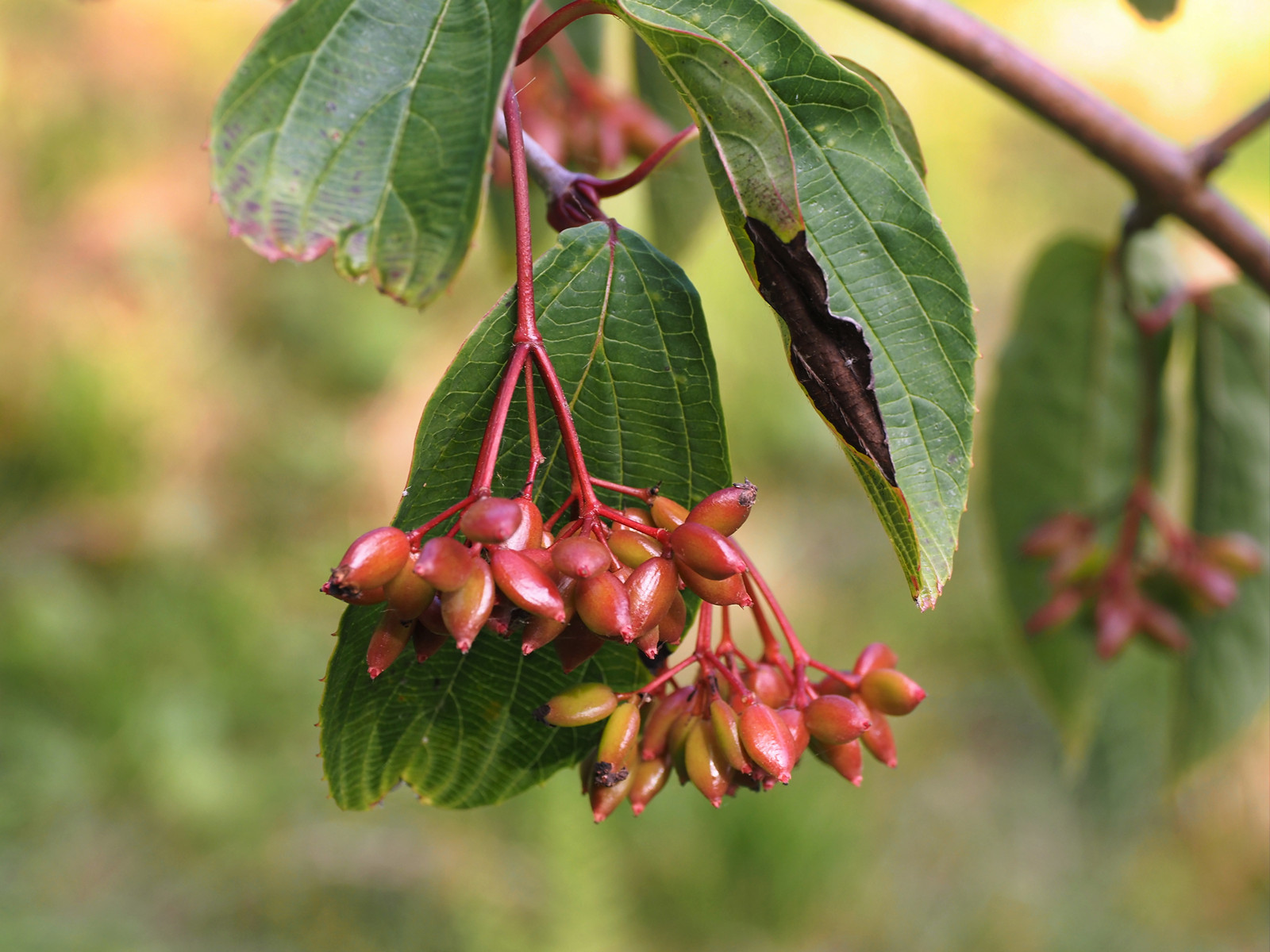
Viburnum setigerum with a fine crop of seeds on a young plant. This was a 1901 Wilson introduction and can grow to 10-12 feet but with nodding branches as here. Yet to take in the autumn colours. Dirr rates this as being in his top 5 Viburnum species.
Viburnum setigerumViburnum setigerum
Viburnum atrocyaneum is a native of the N.W. Himalayas. A dense bushy shrub is developing with us but no flowers that I have seen as yet.
Viburnum atrocyaneumViburnum atrocyaneum
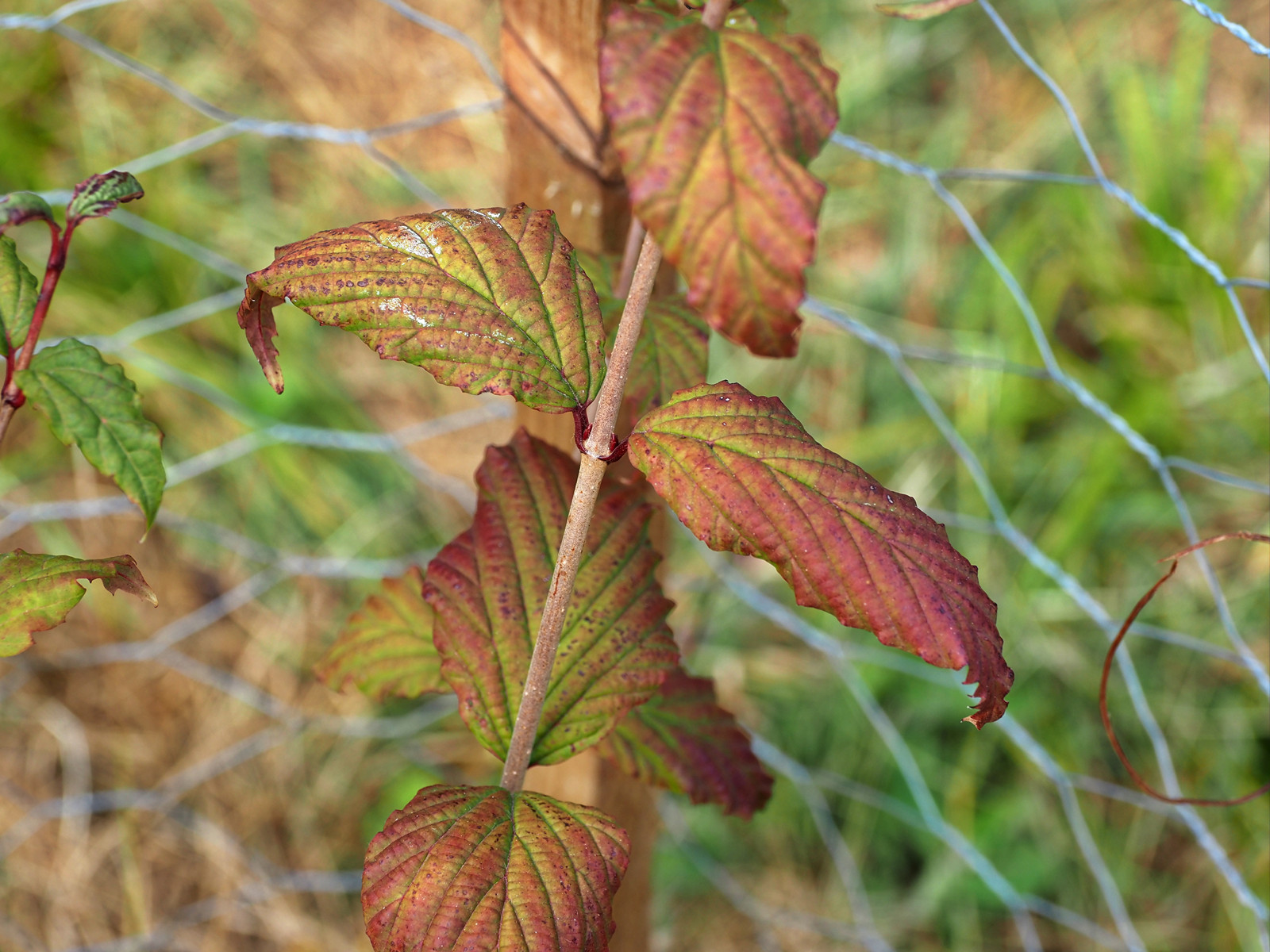
Viburnum phlebotricum struggling in the heat. A Japanese species which grows to about 10 feet if it survives?
Viburnum phlebotricum
Viburnum phlebotricum (BSW 11147) with much smaller leaves and also struggling.
Viburnum wrightii – a Japanese species with attractive bright red fruits which we have yet to see here.
Viburnum wrightii
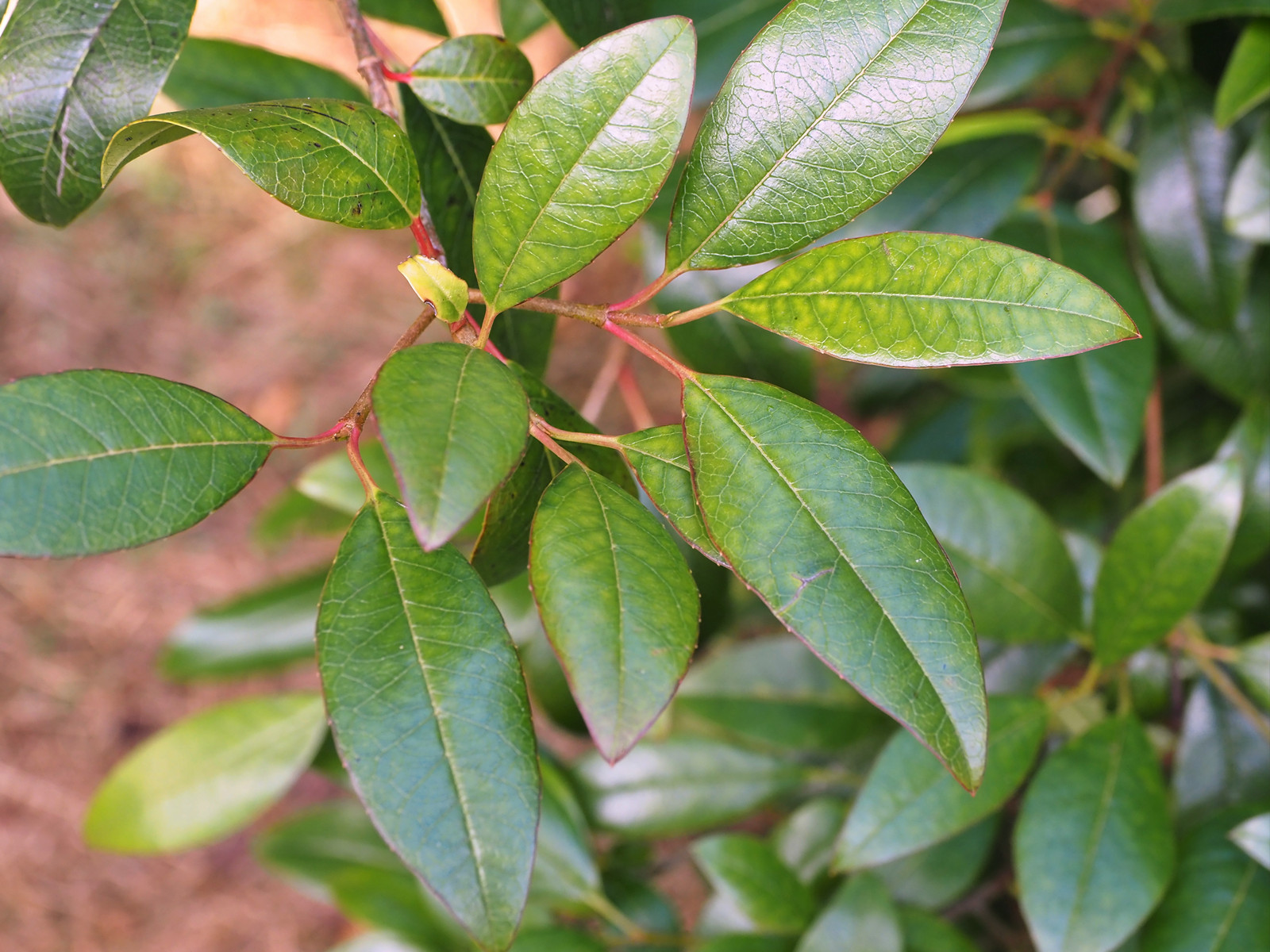
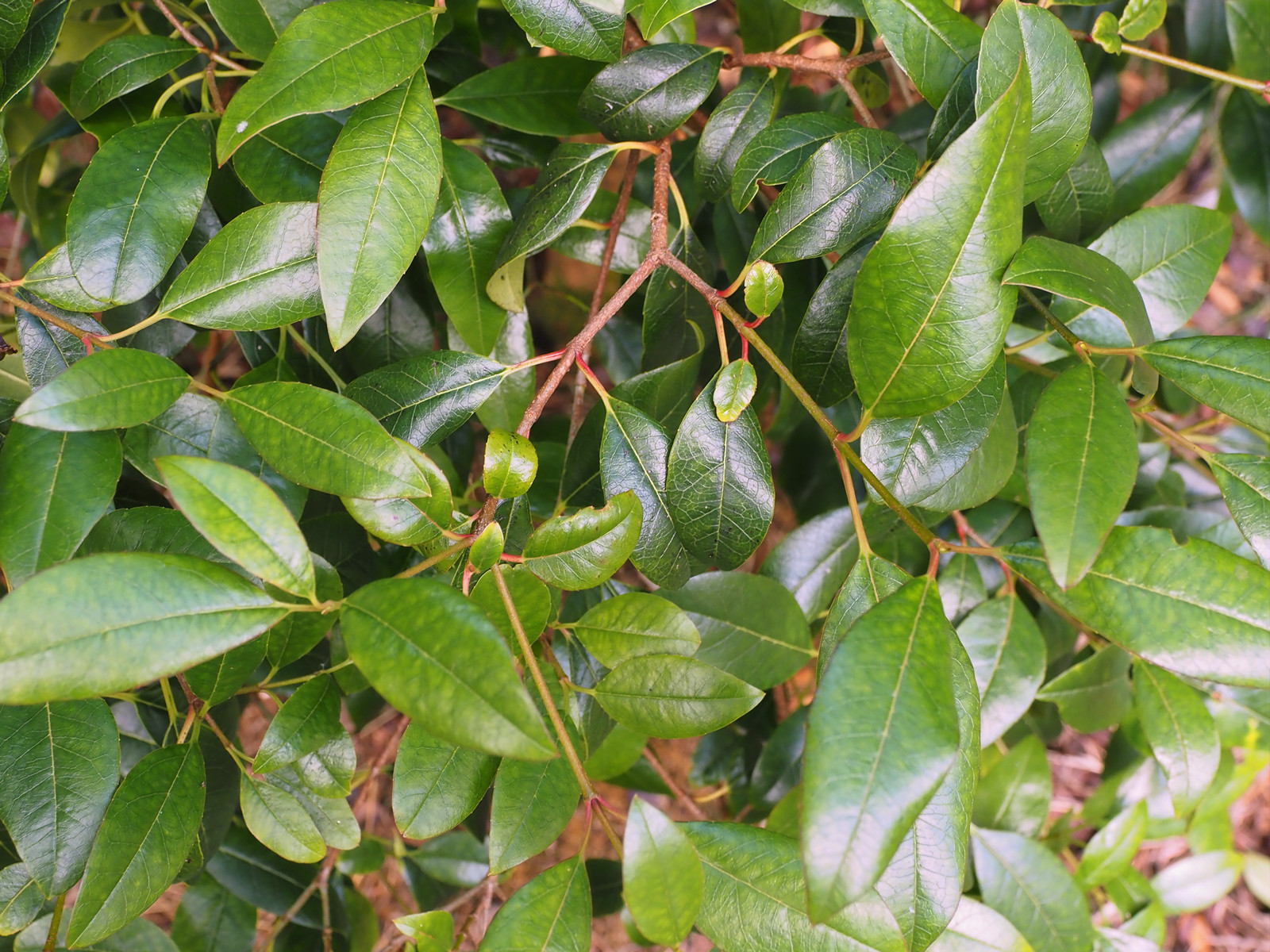
Viburnum fordiae – this evergreen species is making good progress and promises to become a large shrub. Native to China.
Viburnum fordiaeViburnum fordiae
Viburnum hoangliense – a vigorous grower too with plenty of flowers and seeds now setting. This species does not feature in either of the Viburnum reference books!
Viburnum hoanglienseViburnum hoangliense
Viburnum calvum – introduced by E.H. Wilson in 1904 but very rare in cultivation. Flowers just finishing as you can see. Close relative of V. tinus apparently but I am just getting to grips with all this.
Viburnum fansipanense (BWJ 8302). This species also does not feature at all in either of the reference books.
Viburnum fansipanenseViburnum fansipanense
Viburnum wilsonae – Introduced from Sichuan by E.H. Wilson in 1908 but little known in cultivation today. Can reach 6-10 feet eventually.
Viburnum wilsonaeViburnum wilsonae
Viburnum rhytidophyllum with, as usual, seed heads and next years flower buds visible. Now that the plant is no longer in full shade it flowered twice last year in its newly hot location as we saw in the diary.
Viburnum rhytidophyllumViburnum rhytidophyllum
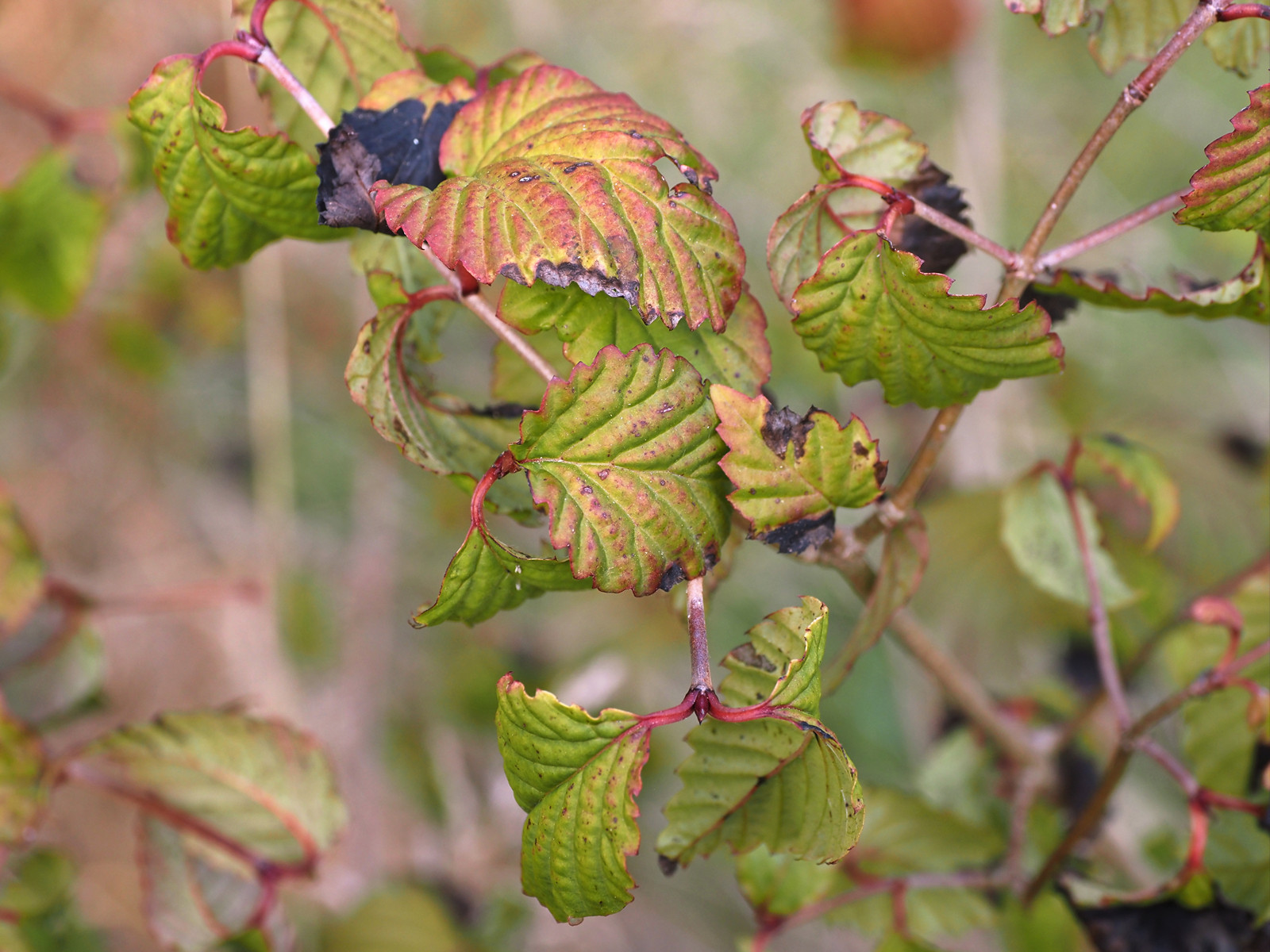
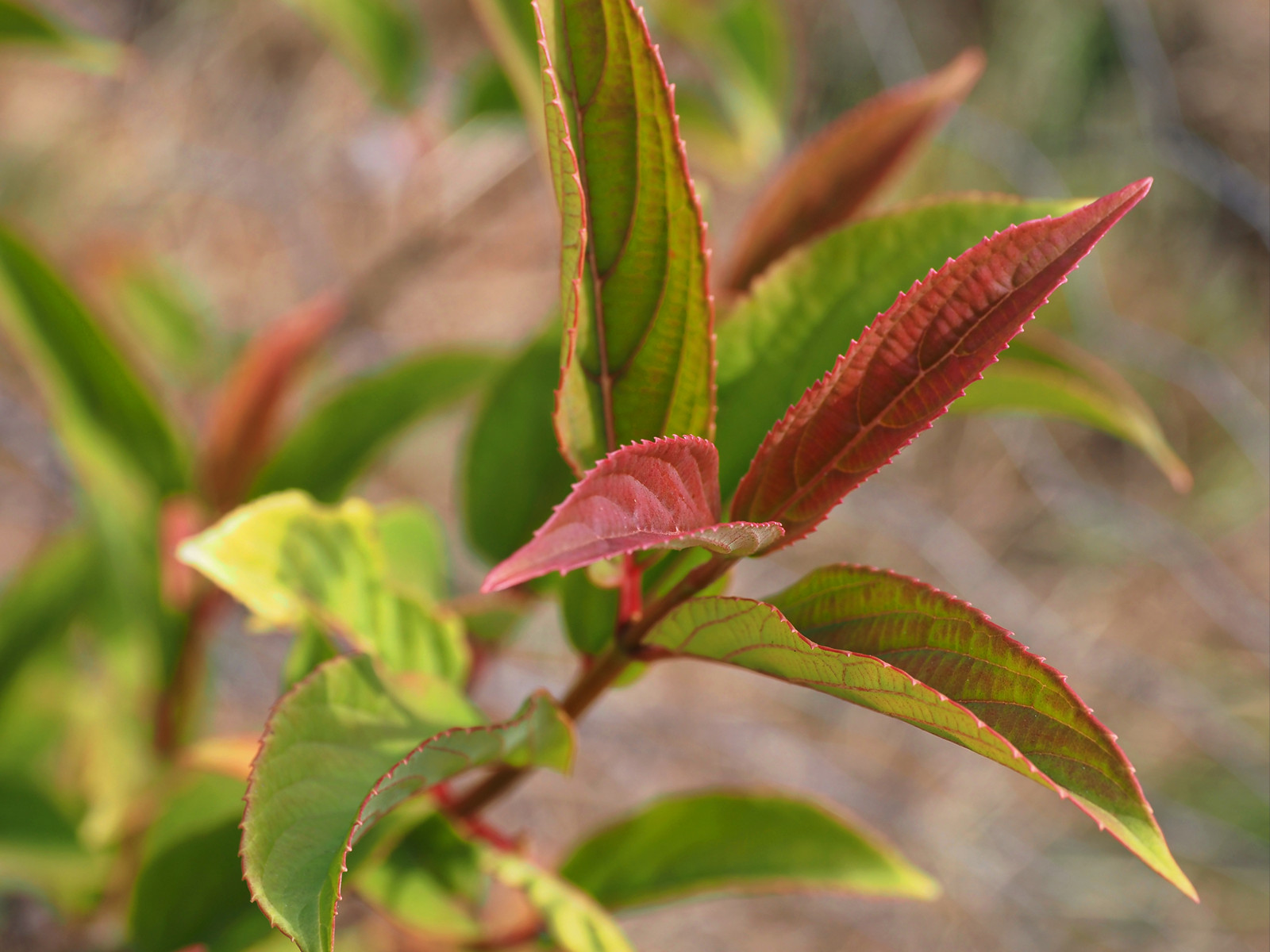
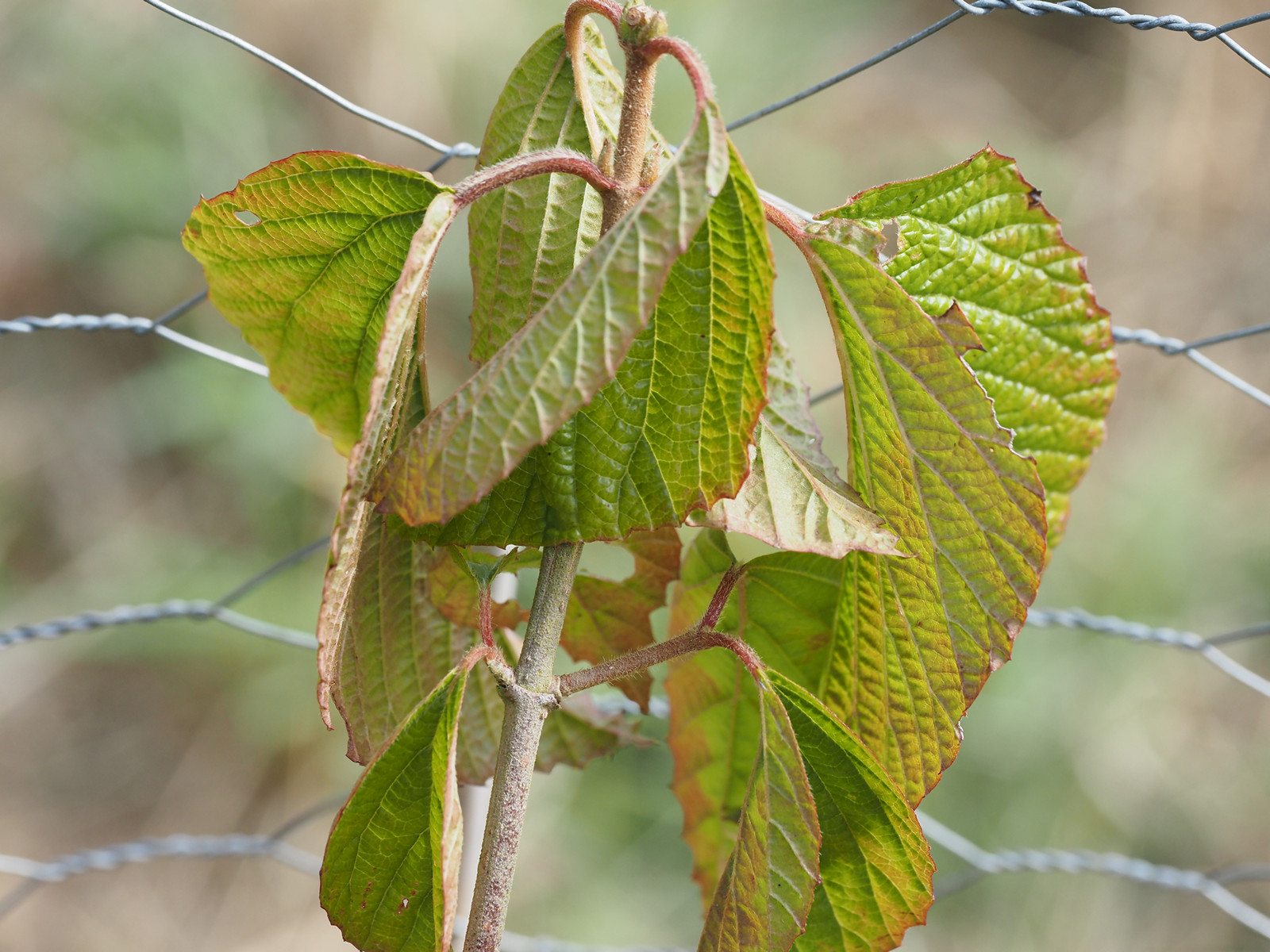
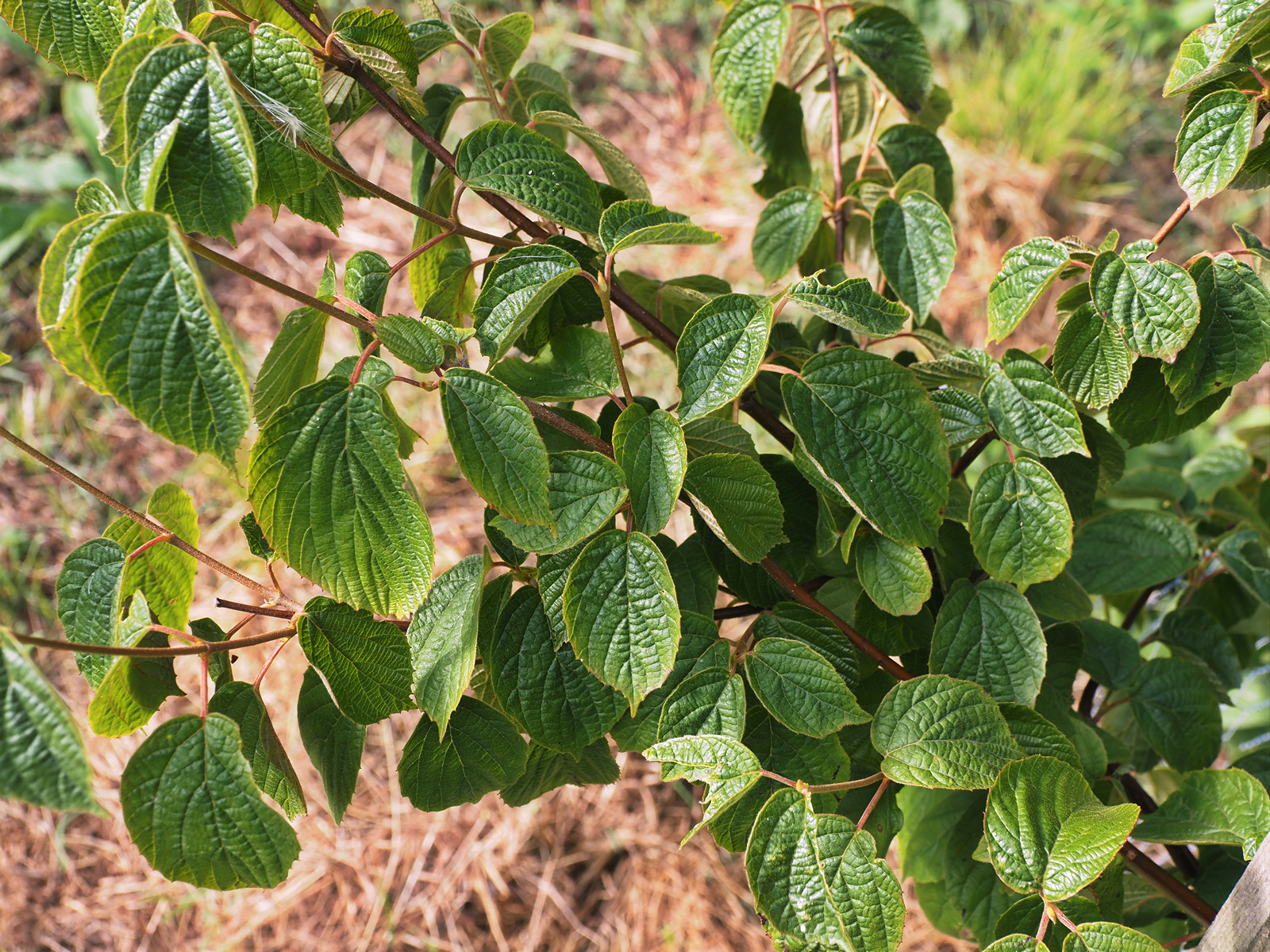
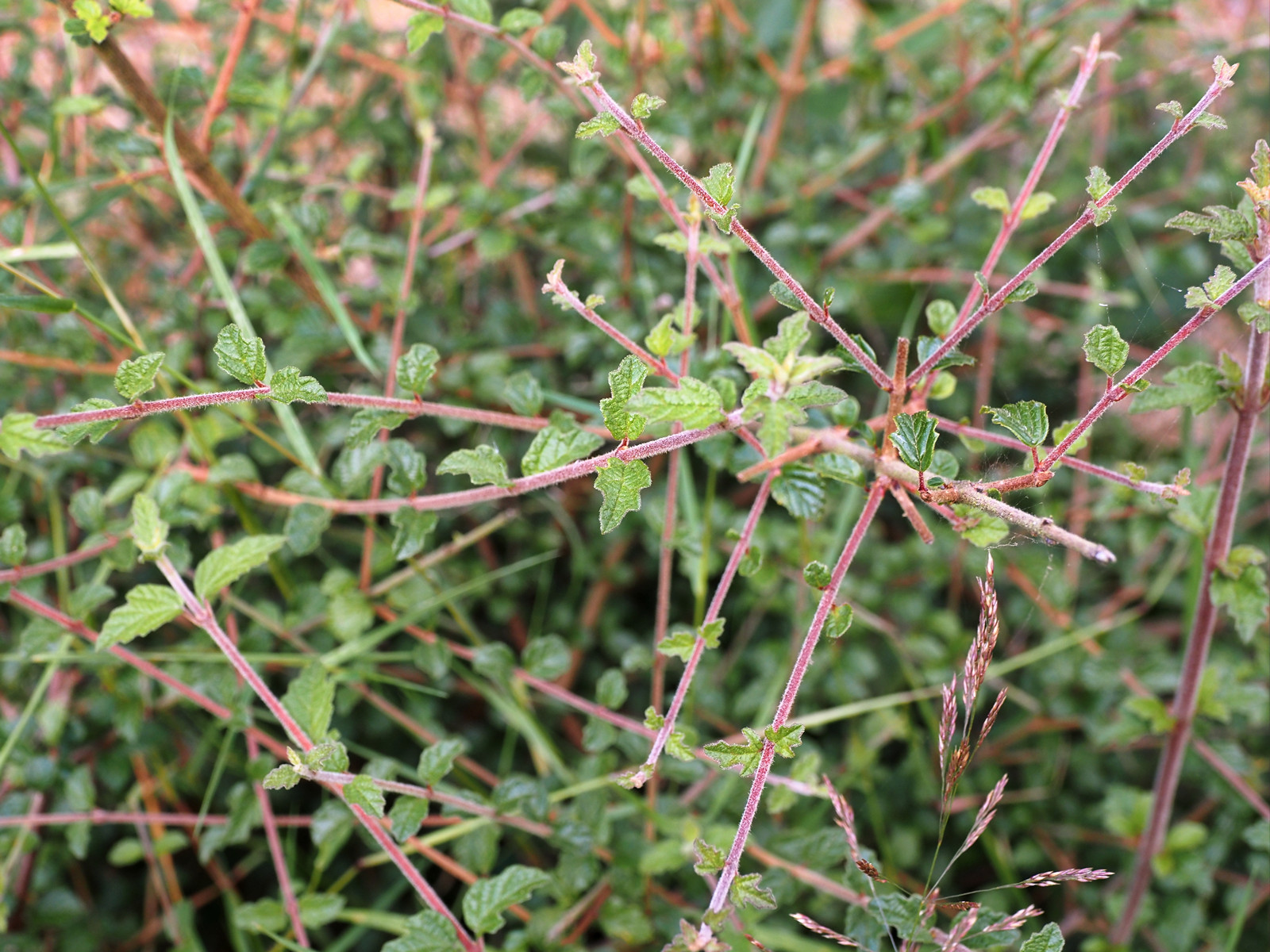
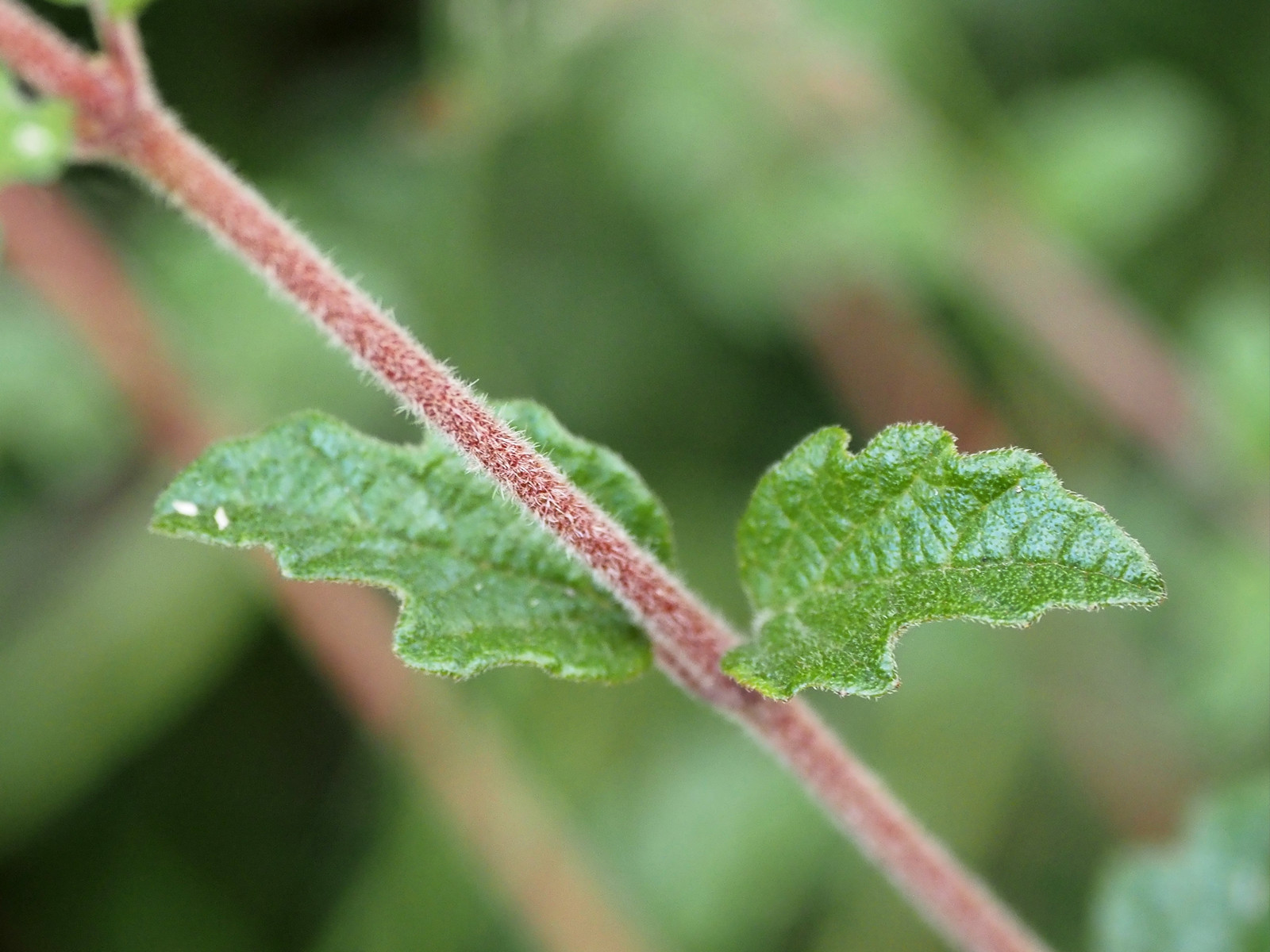
Viburnum parvifolium – (BSWJ 76768). This is a mountain shrub from Taiwan and there is argument over the name which should perhaps be Viburnum yamadae? Dense habit and tiny leaves. We saw the tiny flowers a month or so ago.
Viburnum parvifoliumViburnum parvifolium
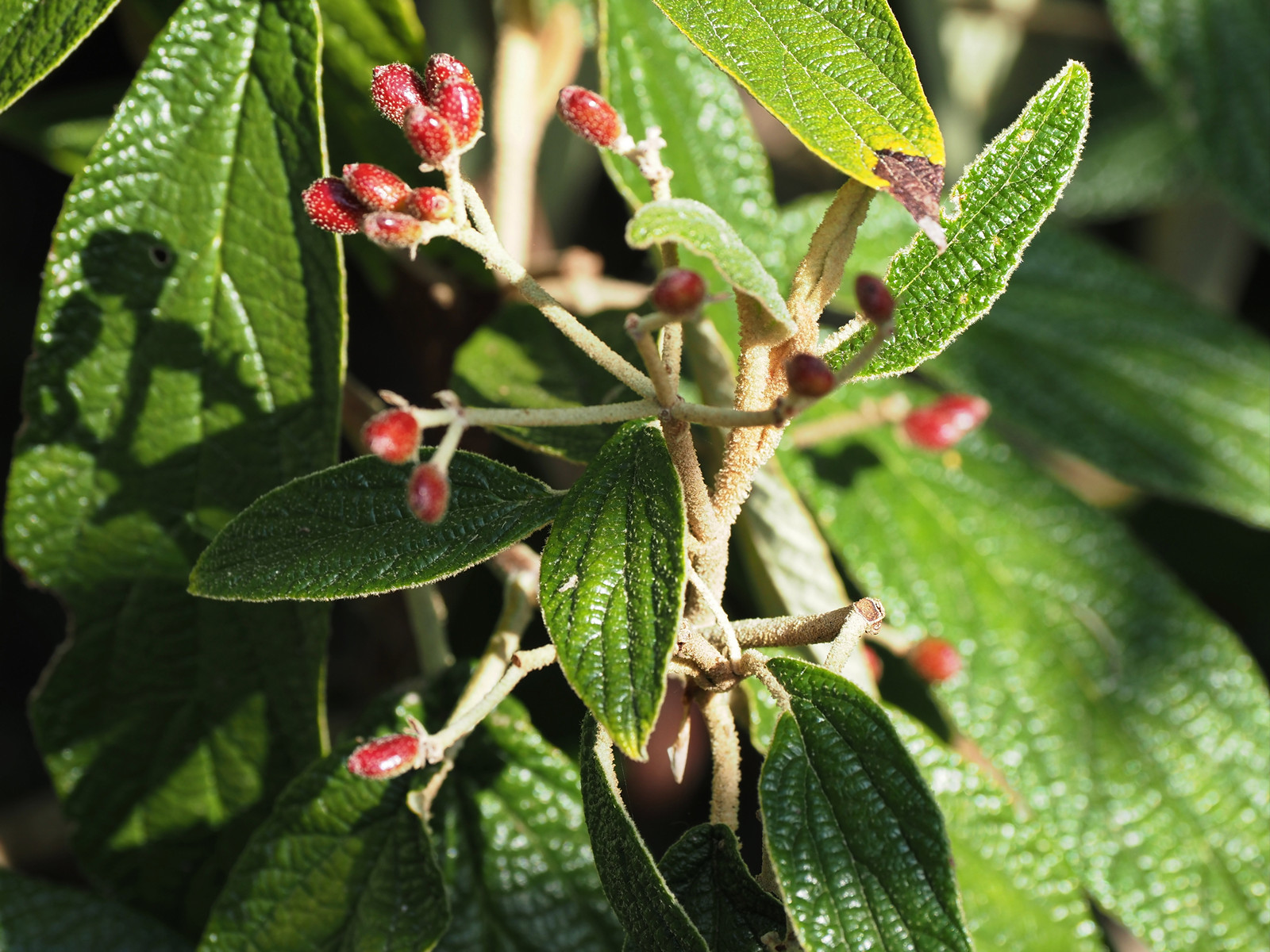
Viburnum sambucinum has yet to be planted out but is flowering in the frames.
Viburnum sambucinumViburnum sambucinum
I went to view Viburnum globosum on the bank above HCR but the large shrub was ‘deado’!
2021 – CHW
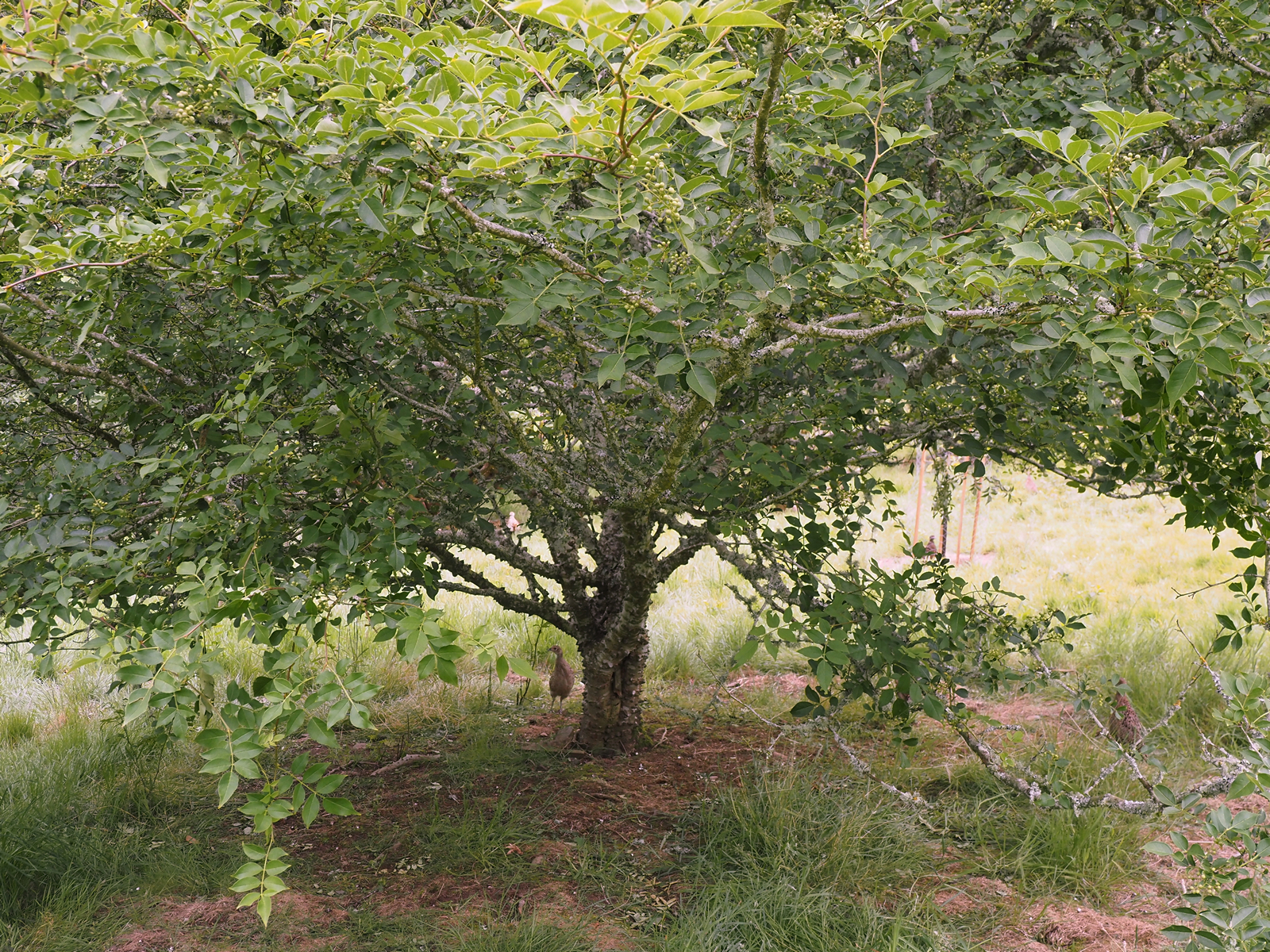
A chef from Falmouth is determined to have seed from our zanthoxylum or pepper trees to flavour his fish dishes. Apparently the seed do not have to be ripe to fit the bill so I went to Forty Acre Wood today to view the prospects.Zanthoxylum piperitum is loaded with green seed but cutting off the seed clusters and collecting them is going to be difficult and time consuming with such a prickly tree (last time I photographed these two trees I got the naming the wrong way around). A spreading tree with no easy access to the top.
Zanthoxylum piperitumZanthoxylum piperitum
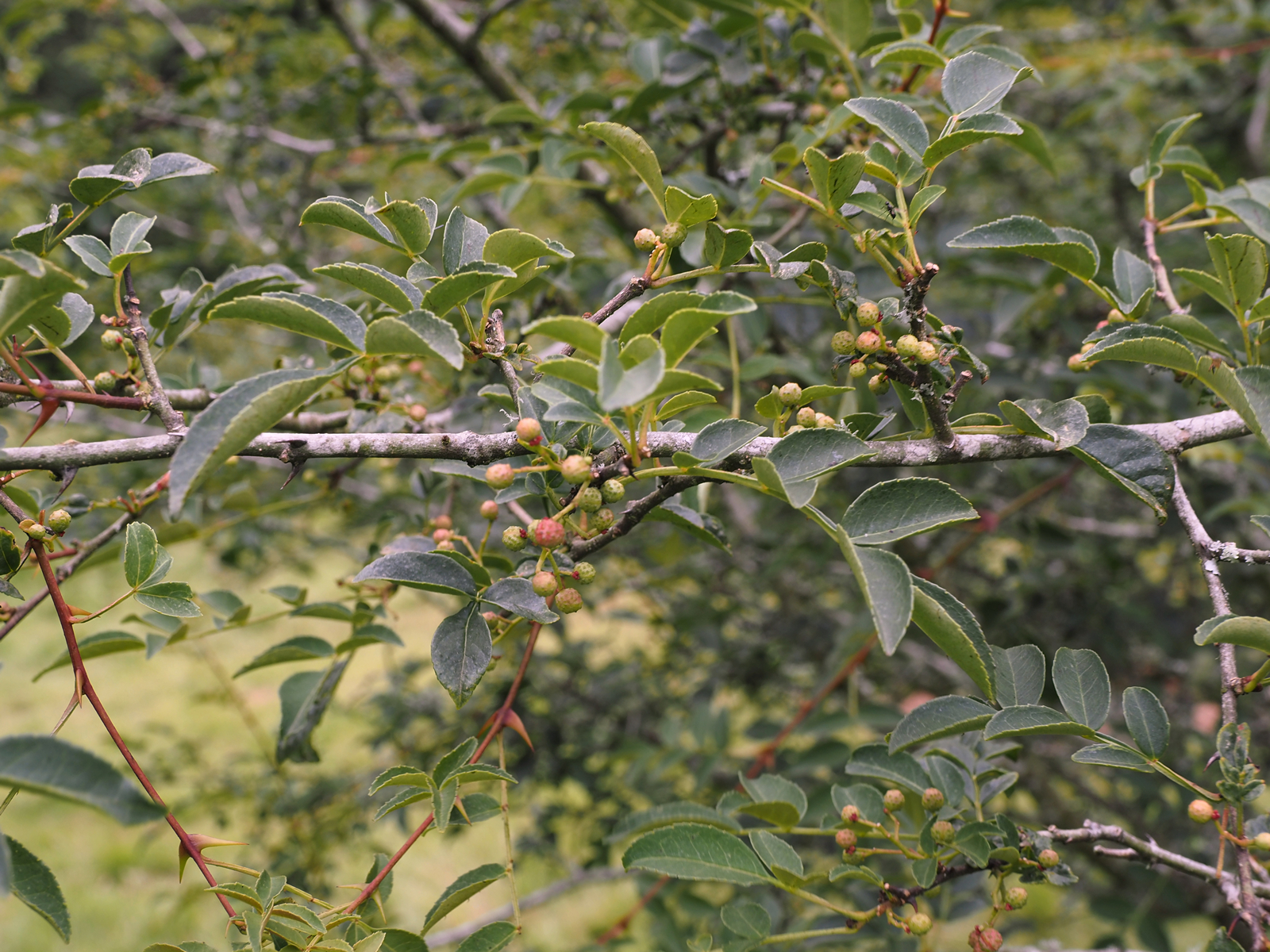
Zanthoxylum simulans is a smaller tree and not quite as loaded with (as yet unripe) seed as in previous years. Easier to collect from this one.
Zanthoxylum simulansZanthoxylum simulans
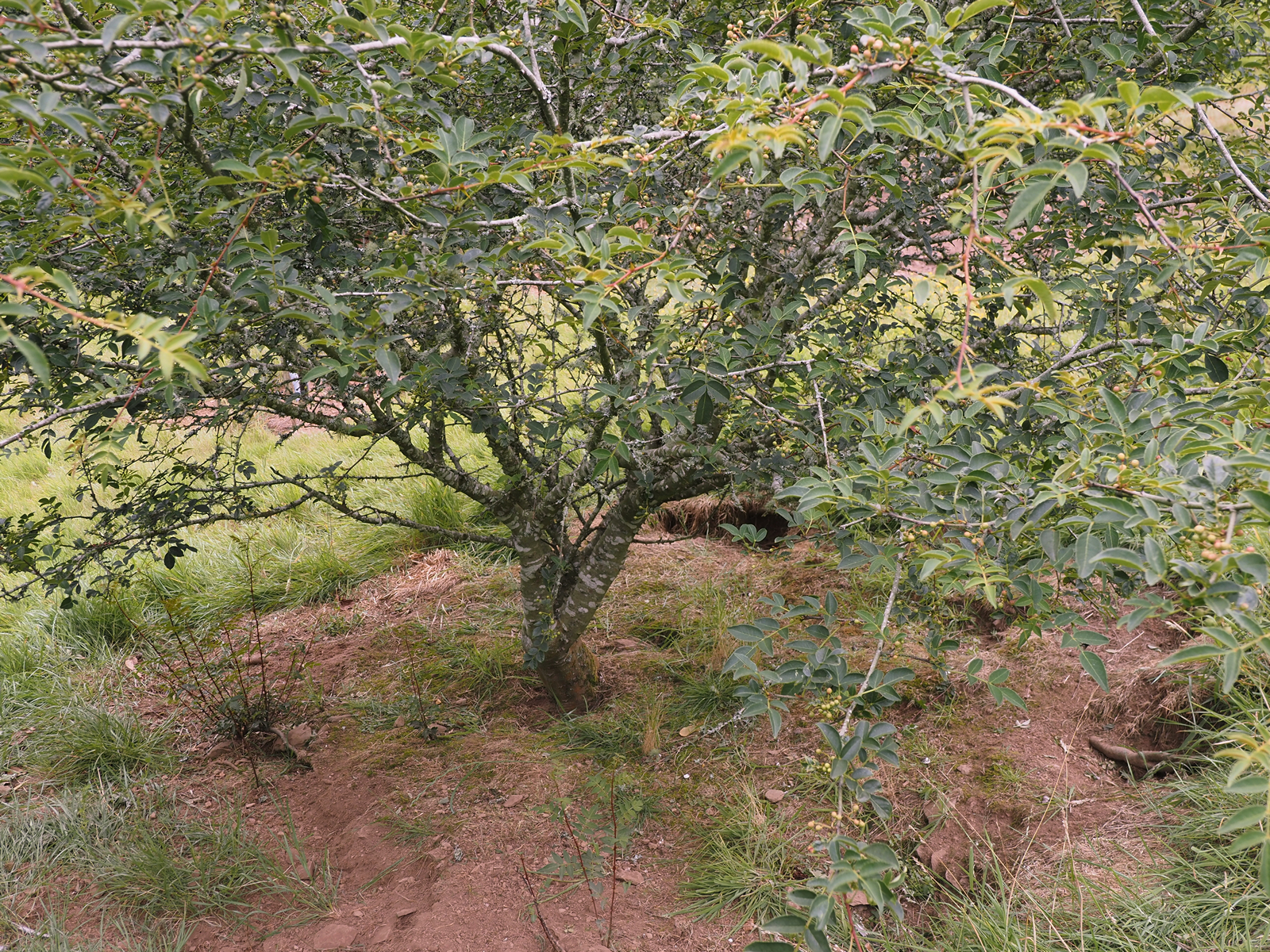
Zanthoxylum piperitum var. inerme is in Kennel Close with few seeds this year and a much younger tree.
Zanthoxylum piperitum var. inerme
Three plants of Zanthoxylum coreanum are also doing well in Kennel Close. They look very like Z. piperitum.
Zanthoxylum coreanum
Z. armatum grows above the foliage camellias. And Z. acanthopodium was photographed in the nursery a while ago.
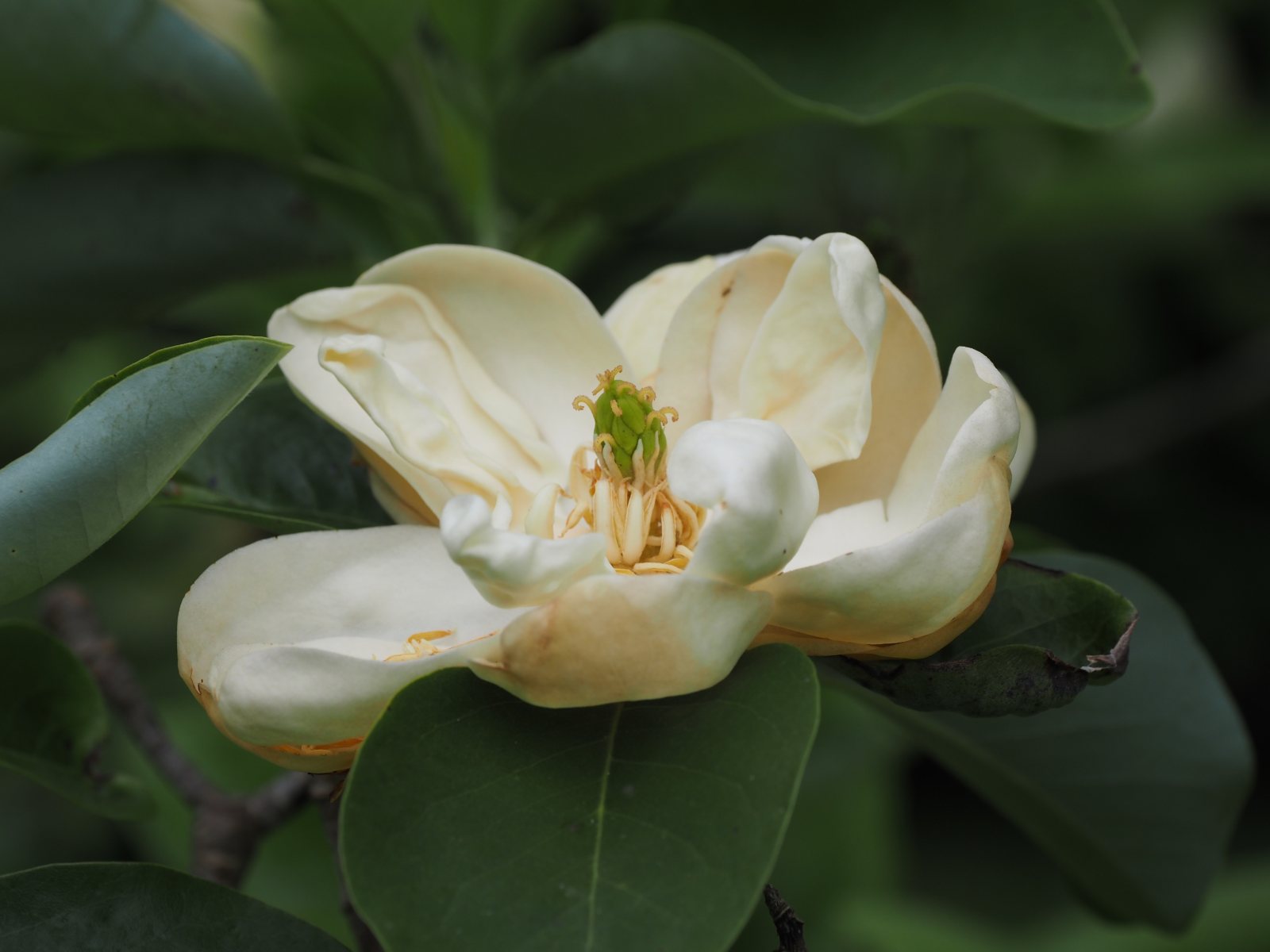
A good Magnolia virginiana full out but unseen in Forty Acres.
This website uses cookies to improve your experience. We'll assume you're ok with this, but you can opt-out if you wish.AcceptRead More
Privacy & Cookies Policy
Privacy Overview
This website uses cookies to improve your experience while you navigate through the website. Out of these, the cookies that are categorized as necessary are stored on your browser as they are essential for the working of basic functionalities of the website. We also use third-party cookies that help us analyze and understand how you use this website. These cookies will be stored in your browser only with your consent. You also have the option to opt-out of these cookies. But opting out of some of these cookies may affect your browsing experience.
Necessary cookies are absolutely essential for the website to function properly. This category only includes cookies that ensures basic functionalities and security features of the website. These cookies do not store any personal information.
Any cookies that may not be particularly necessary for the website to function and is used specifically to collect user personal data via analytics, ads, other embedded contents are termed as non-necessary cookies. It is mandatory to procure user consent prior to running these cookies on your website.