2020 – CHW
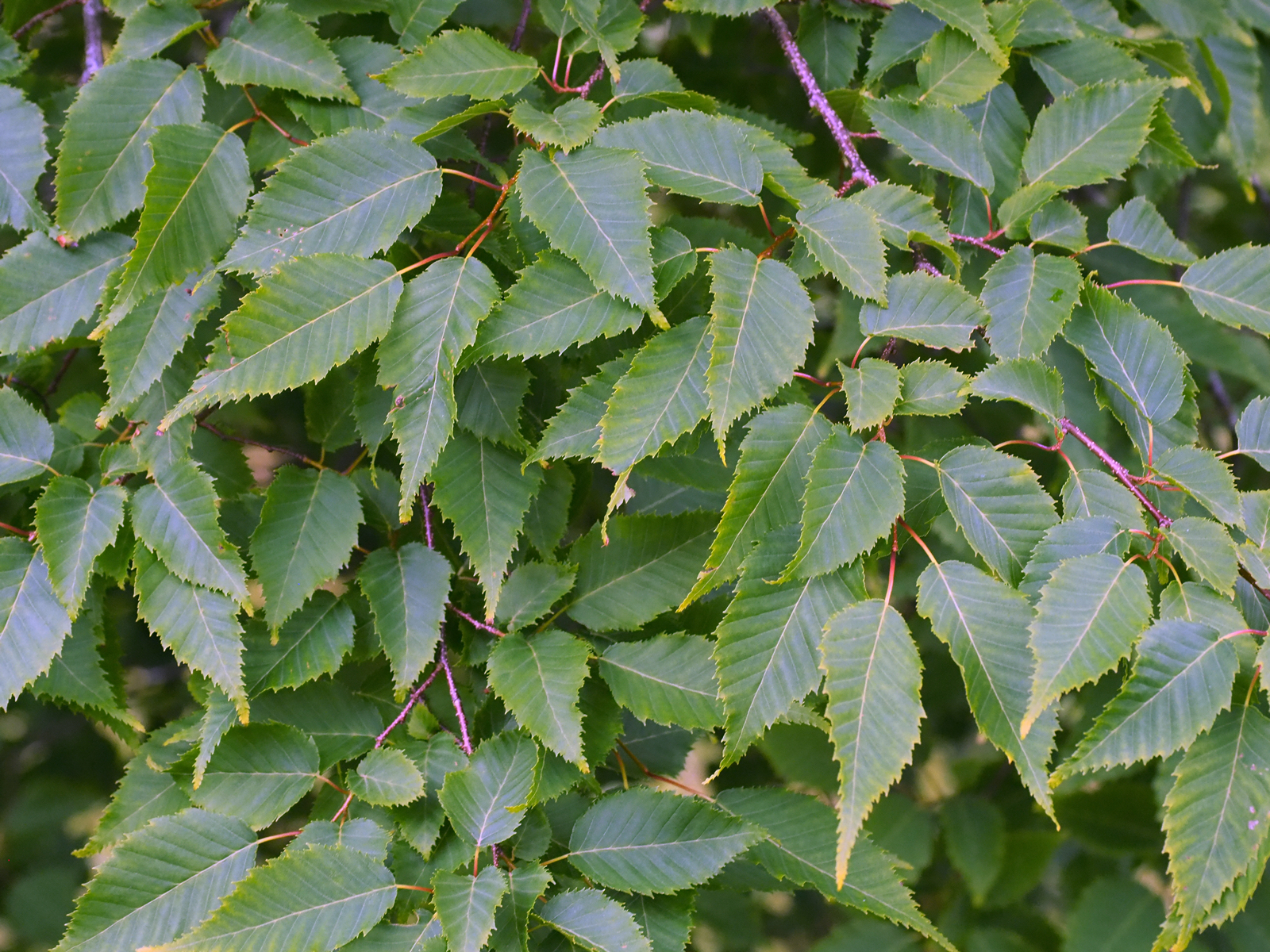
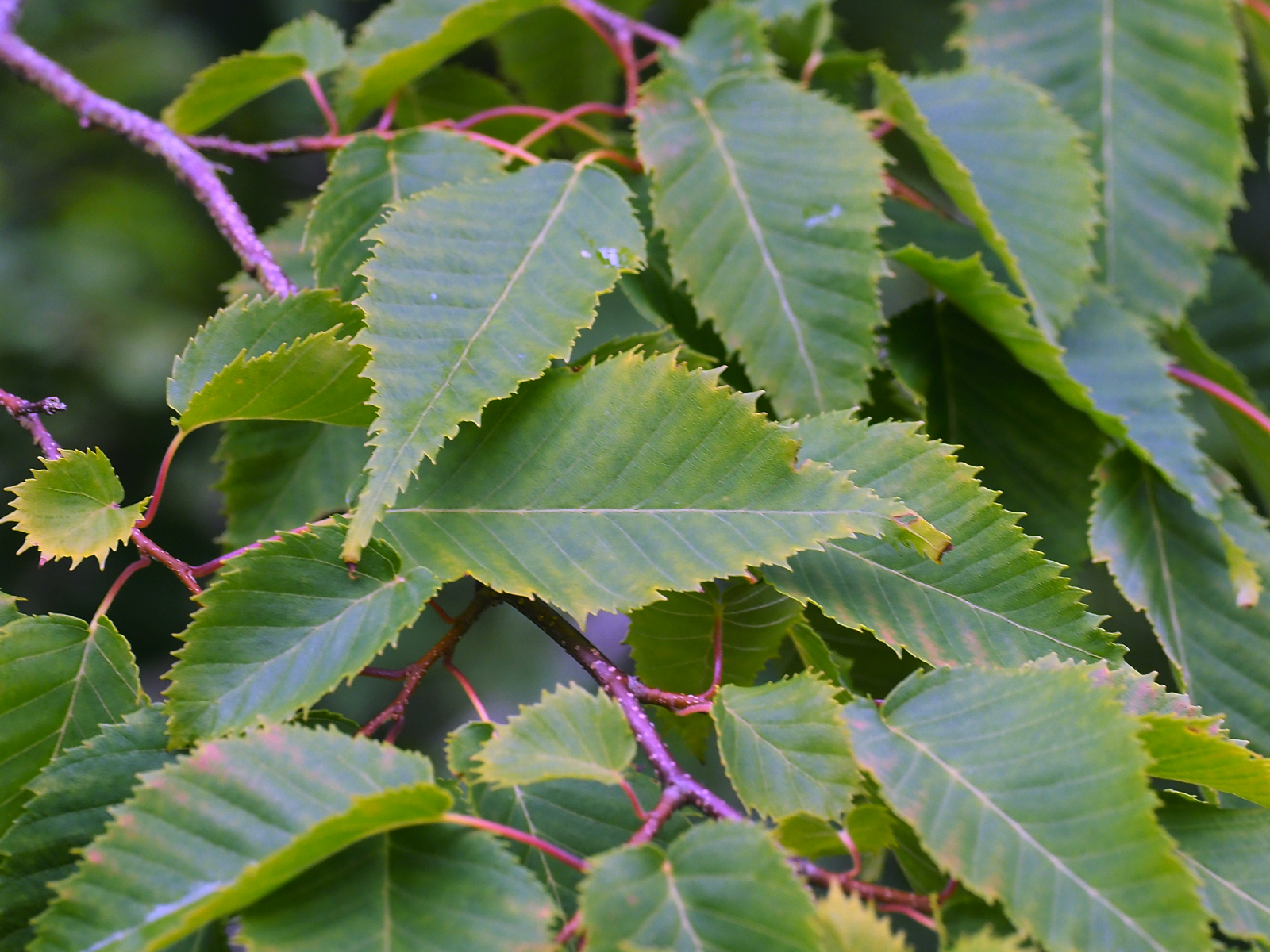
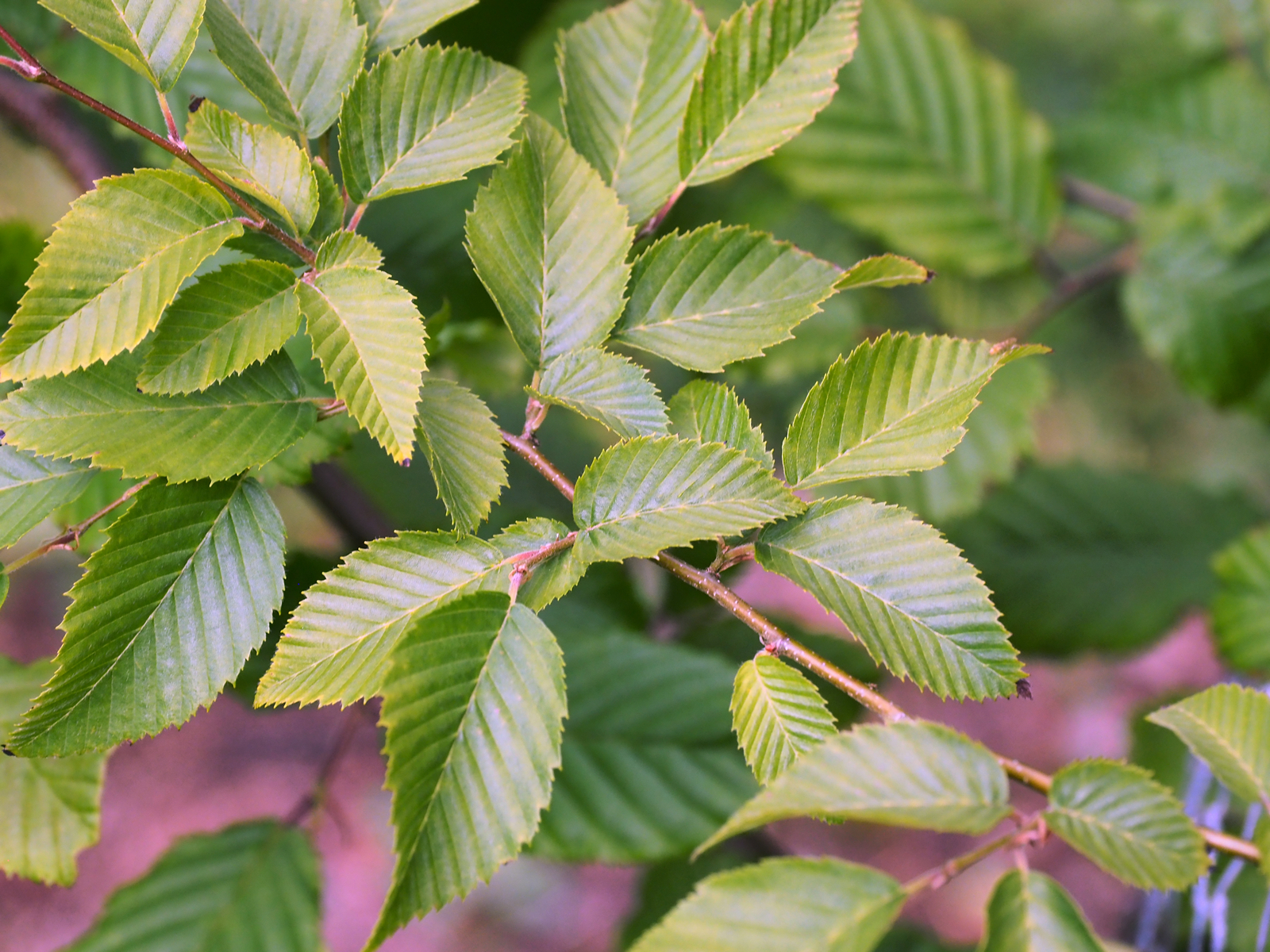
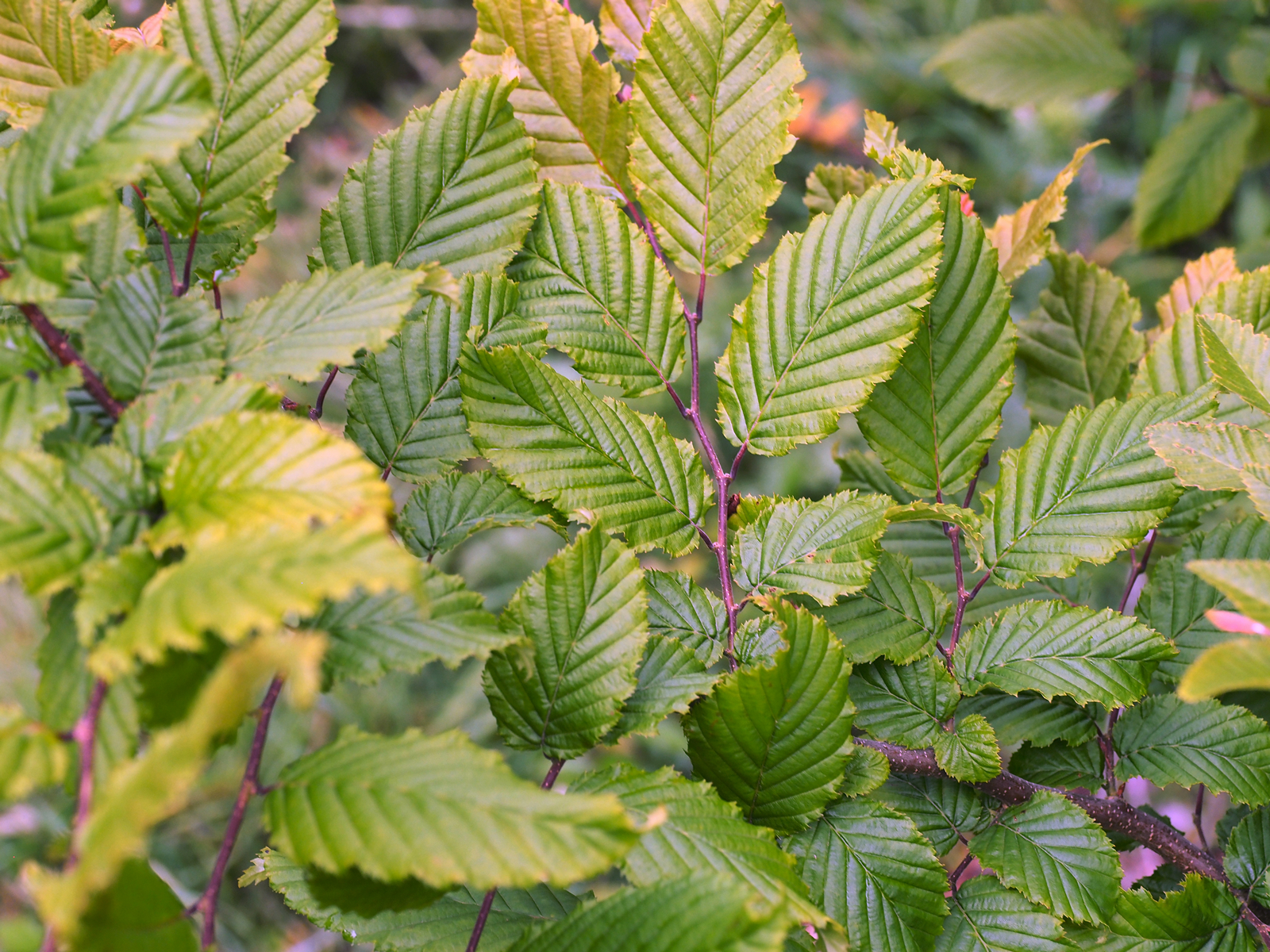
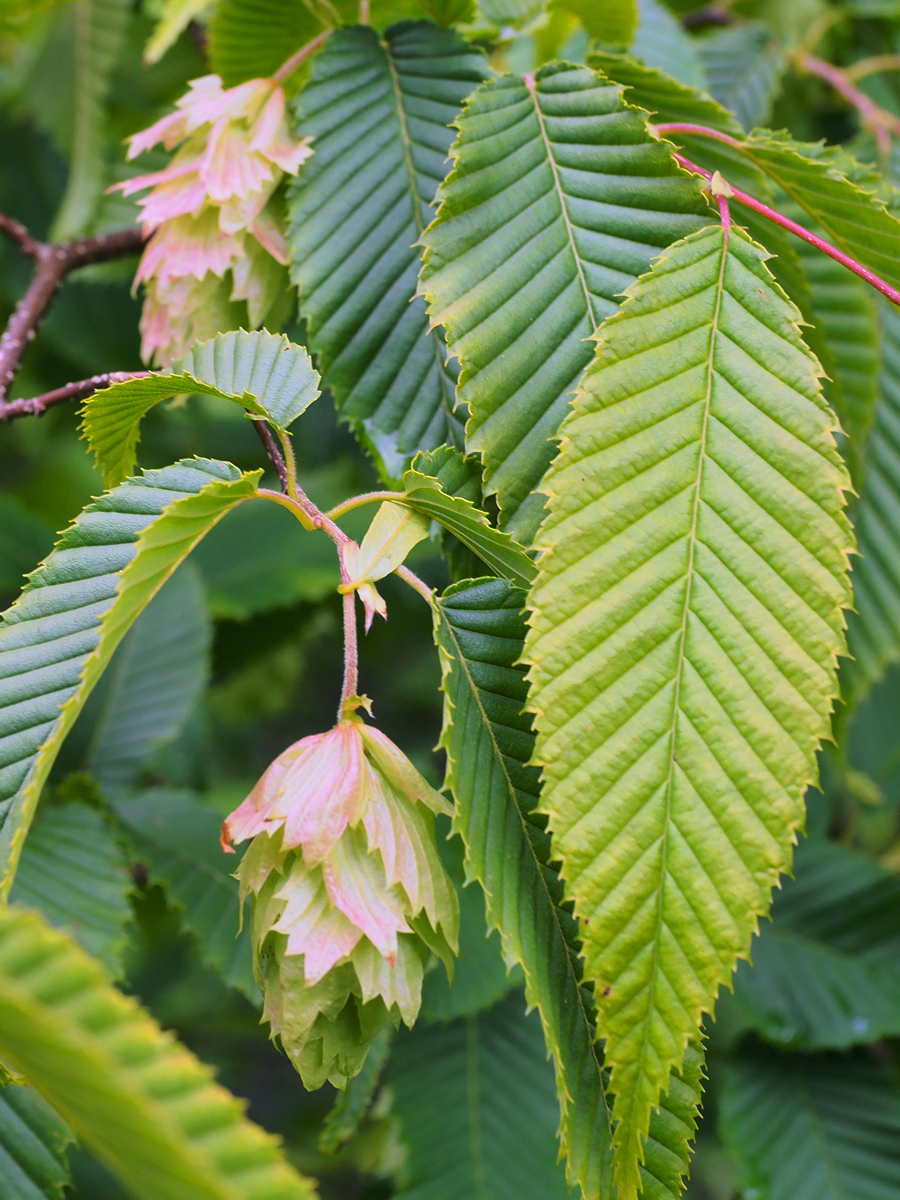
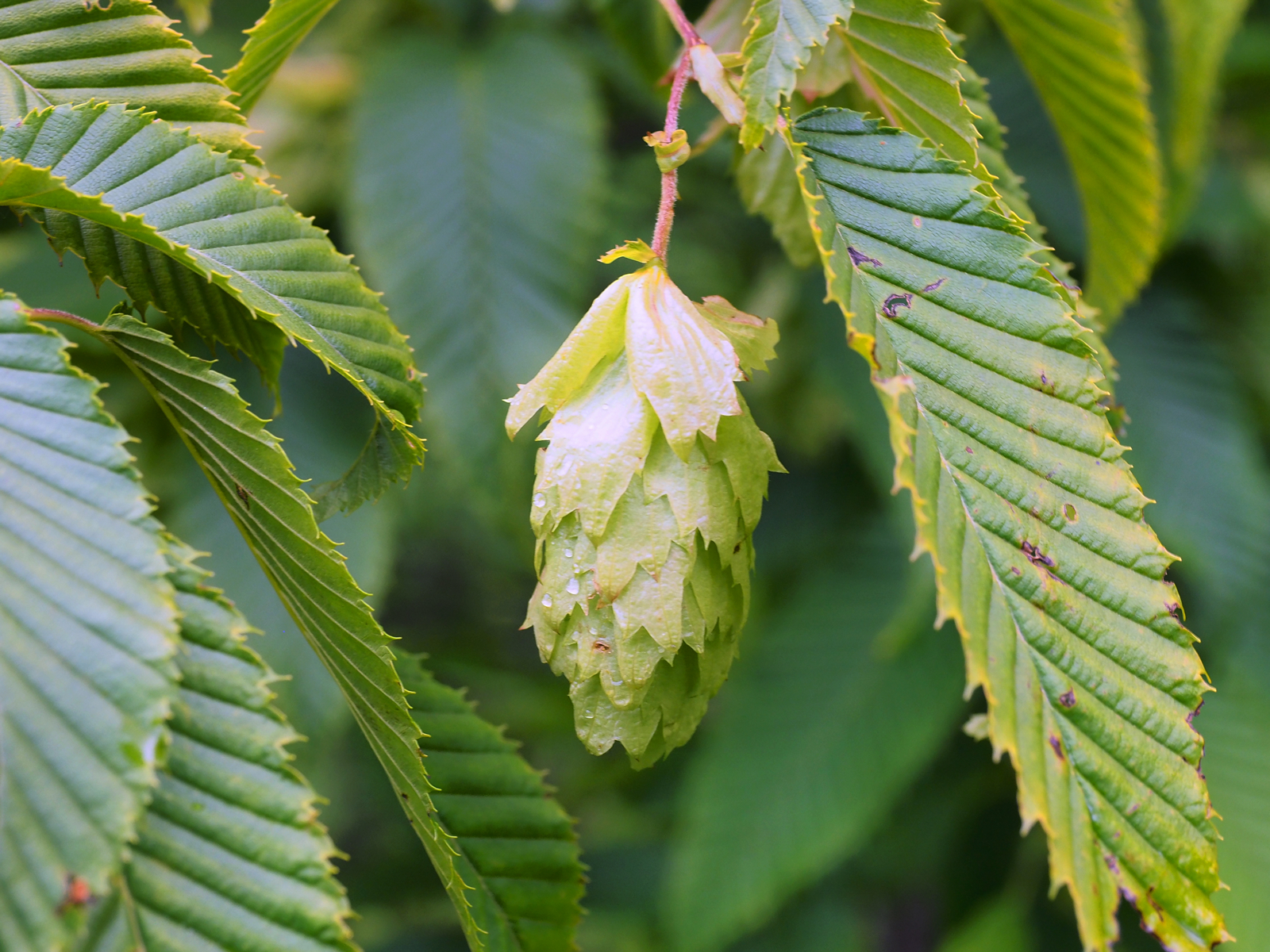
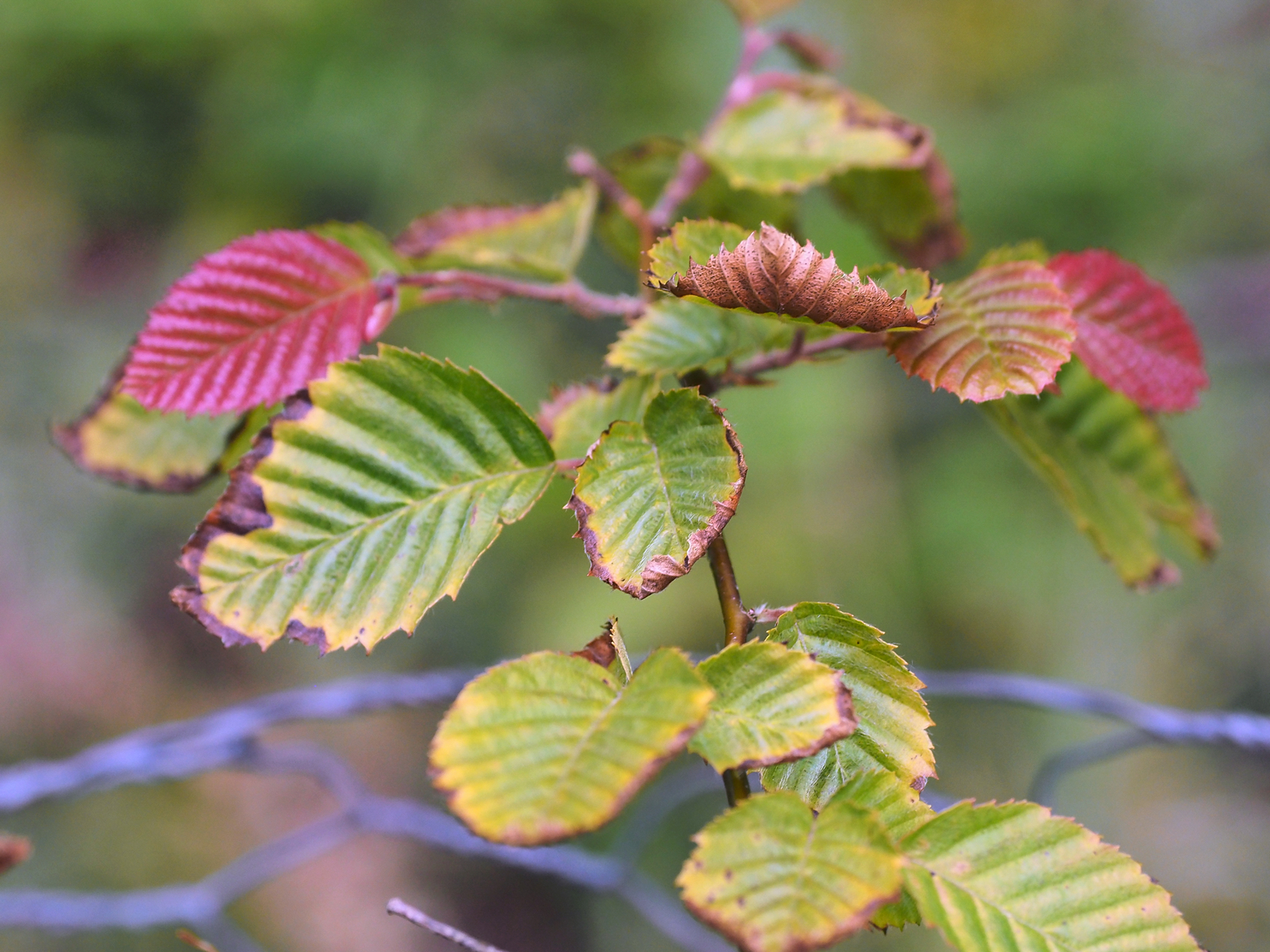
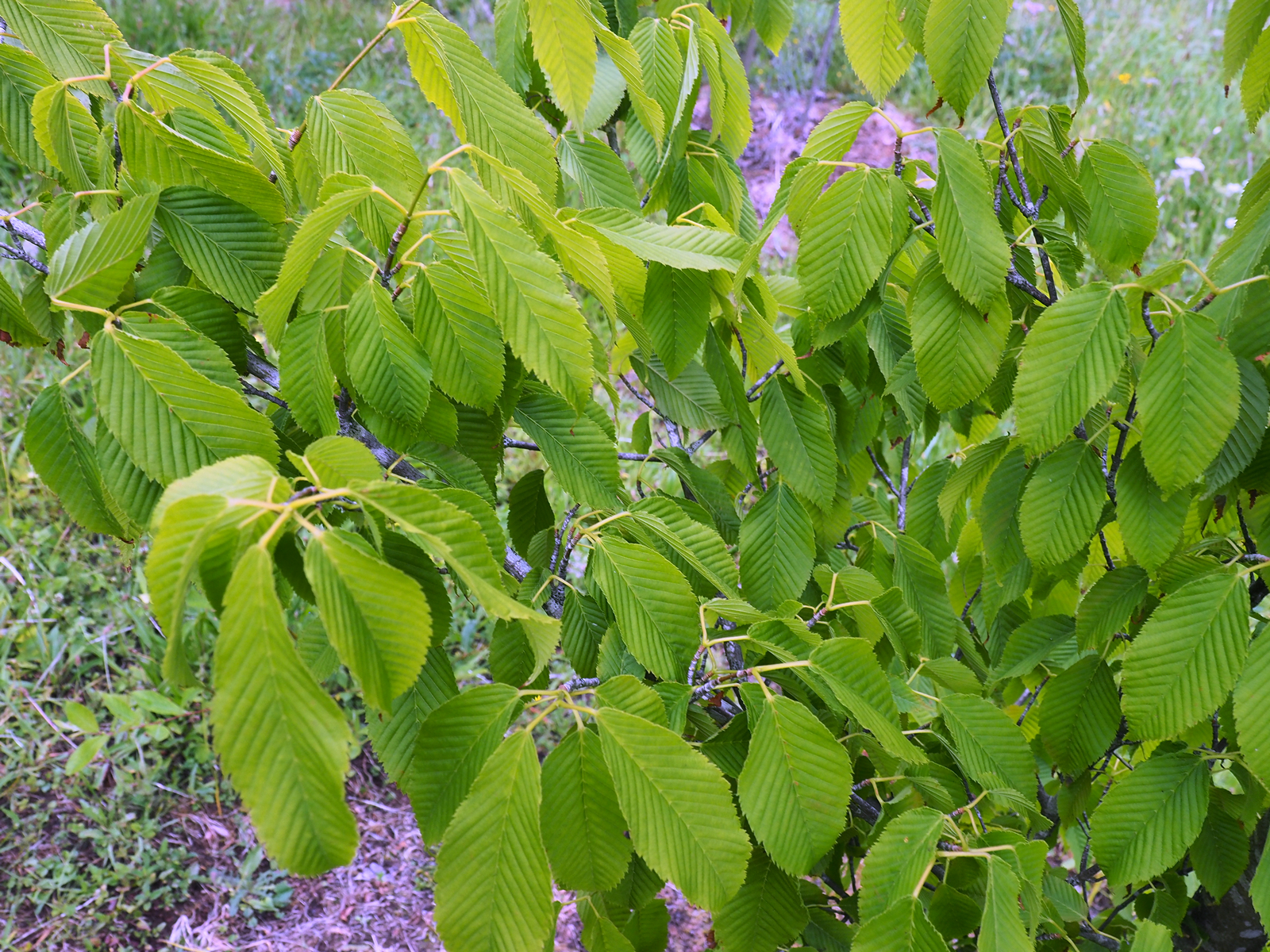
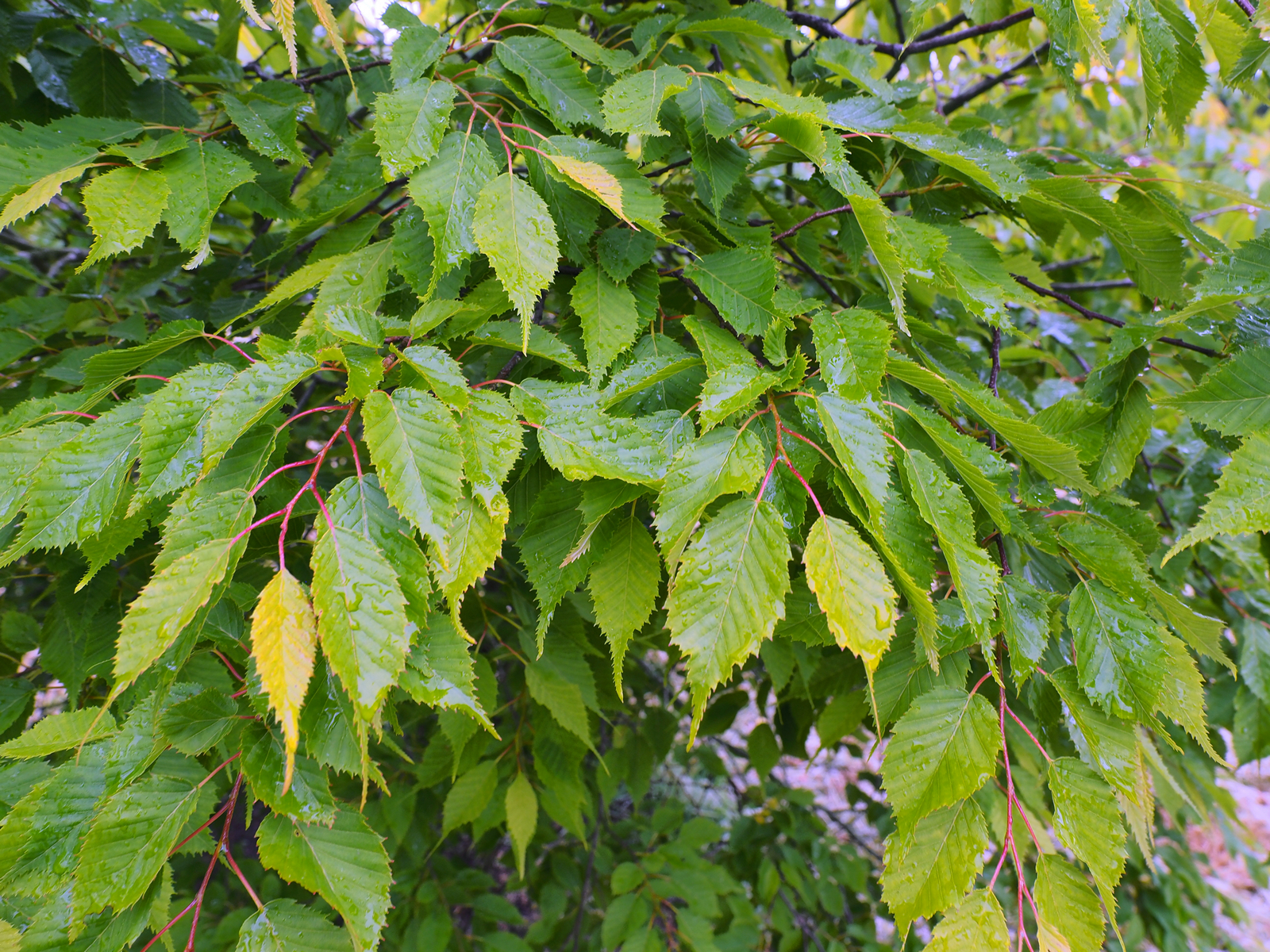
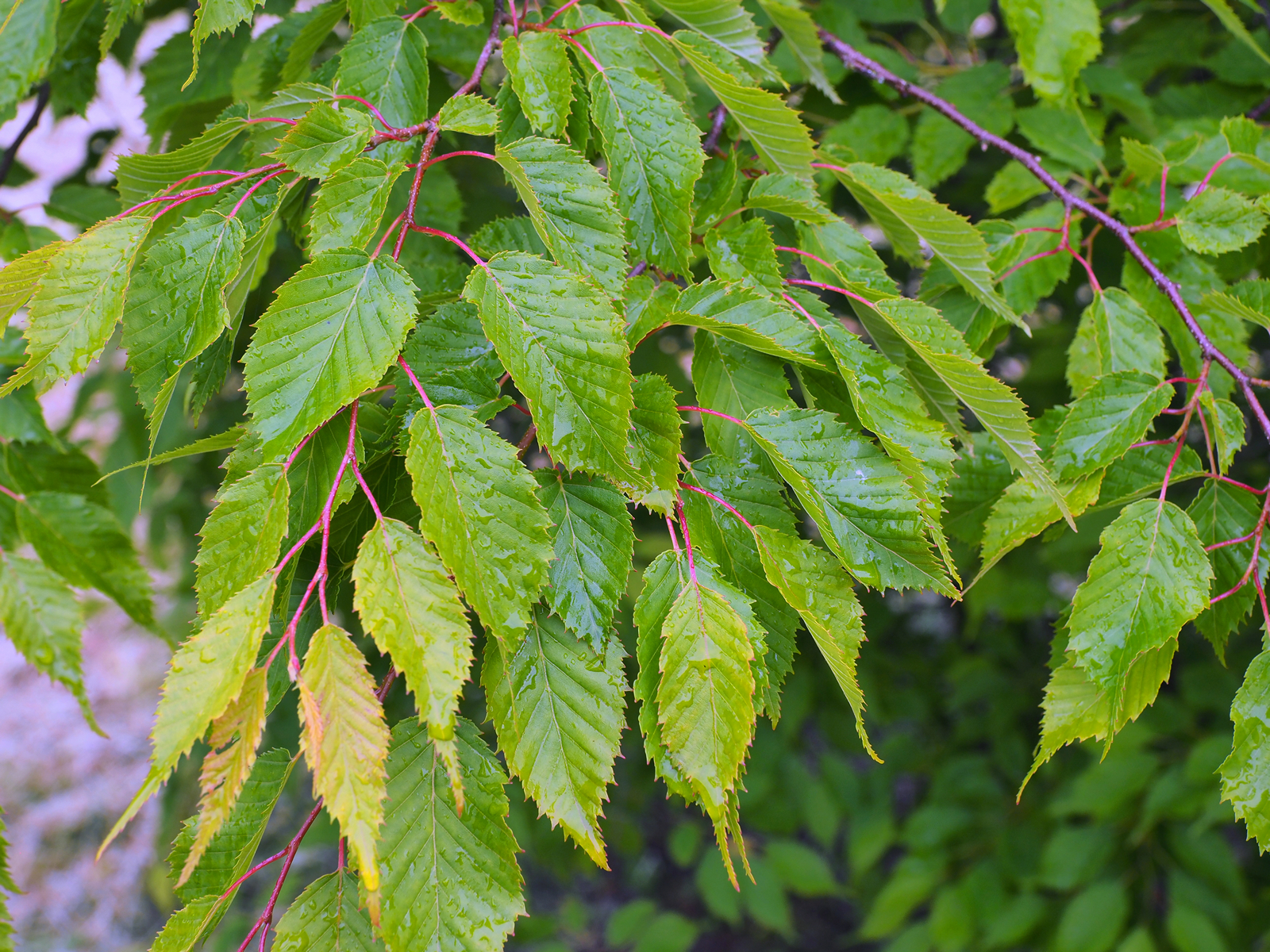
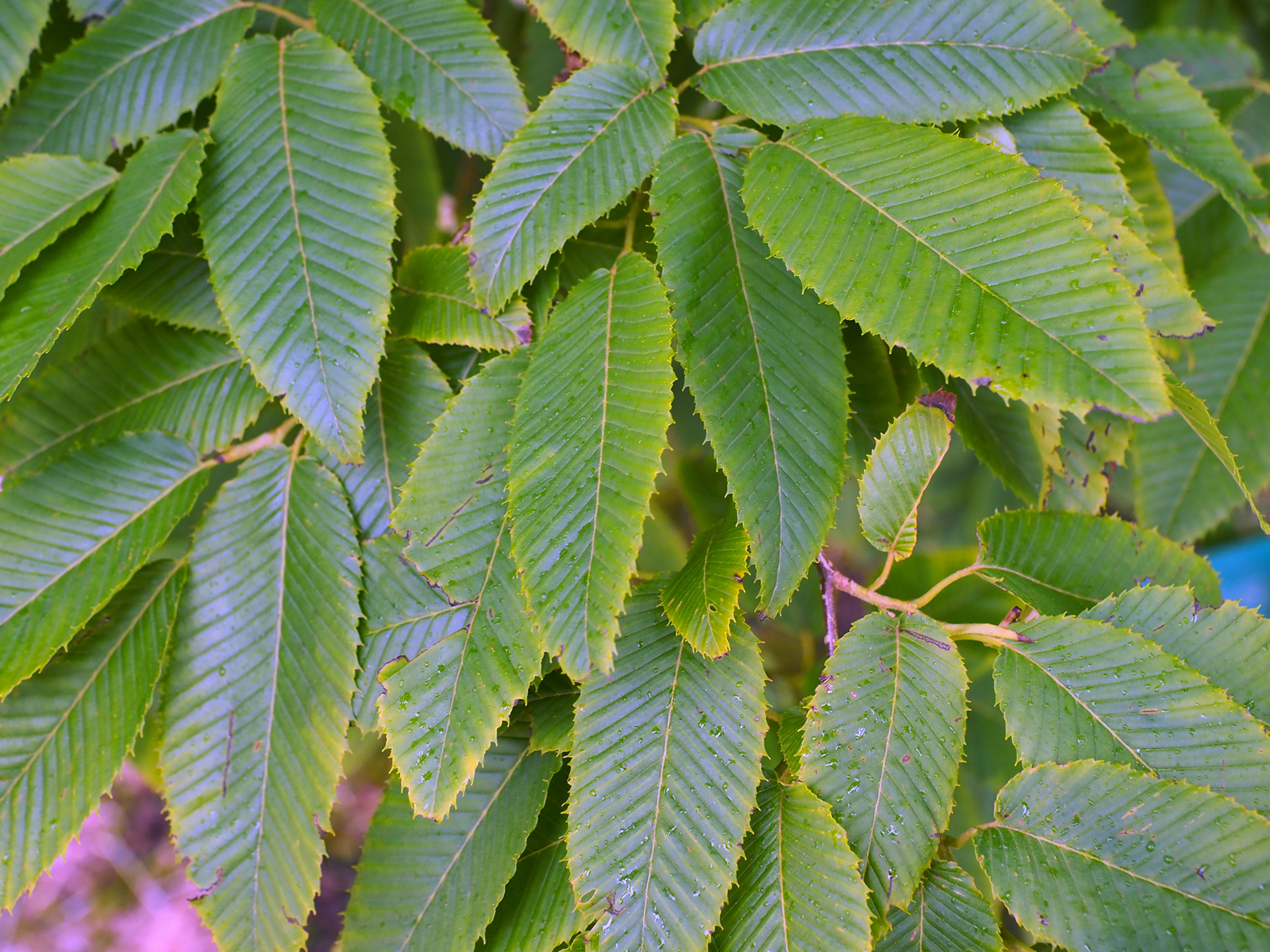
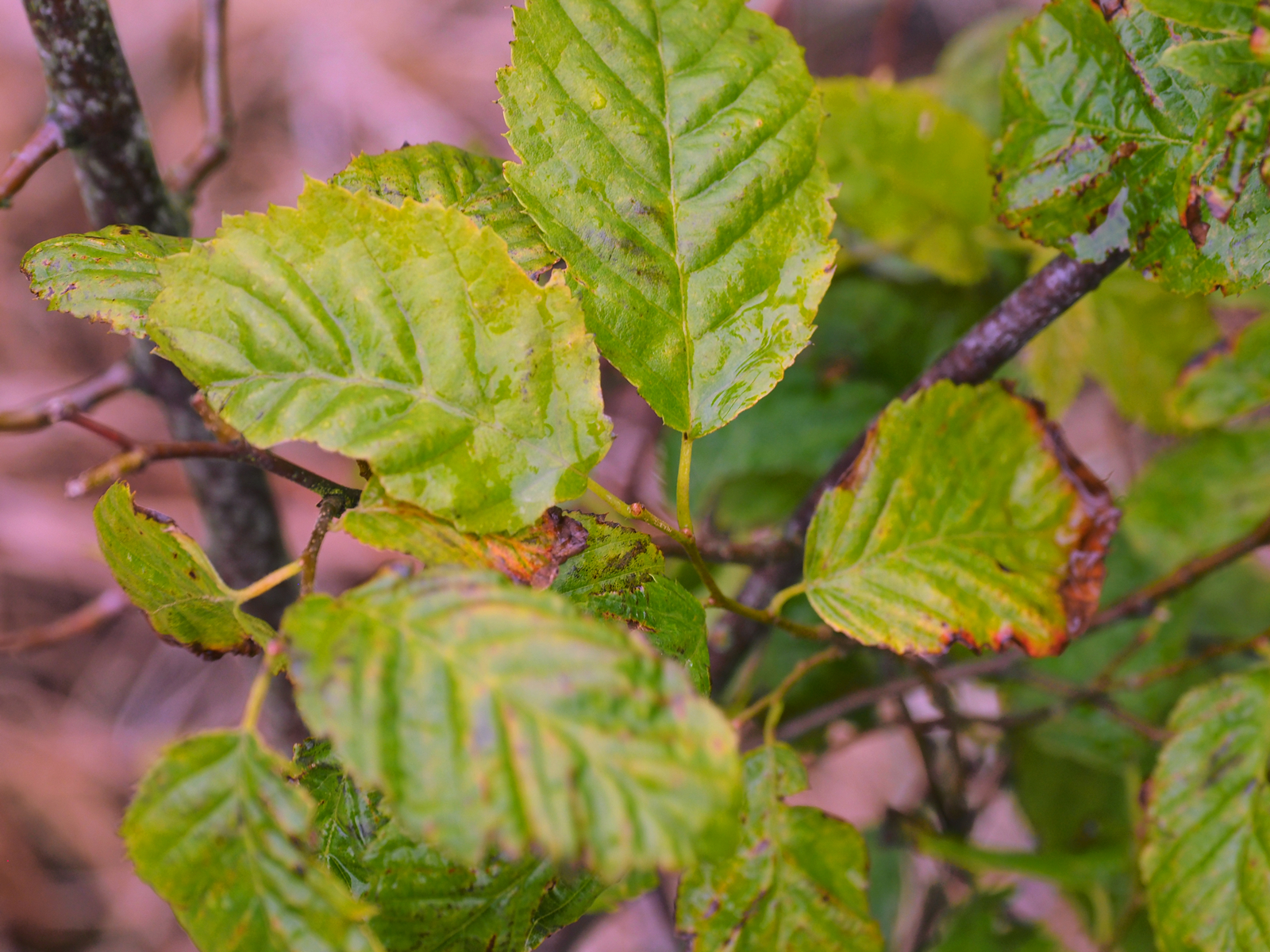
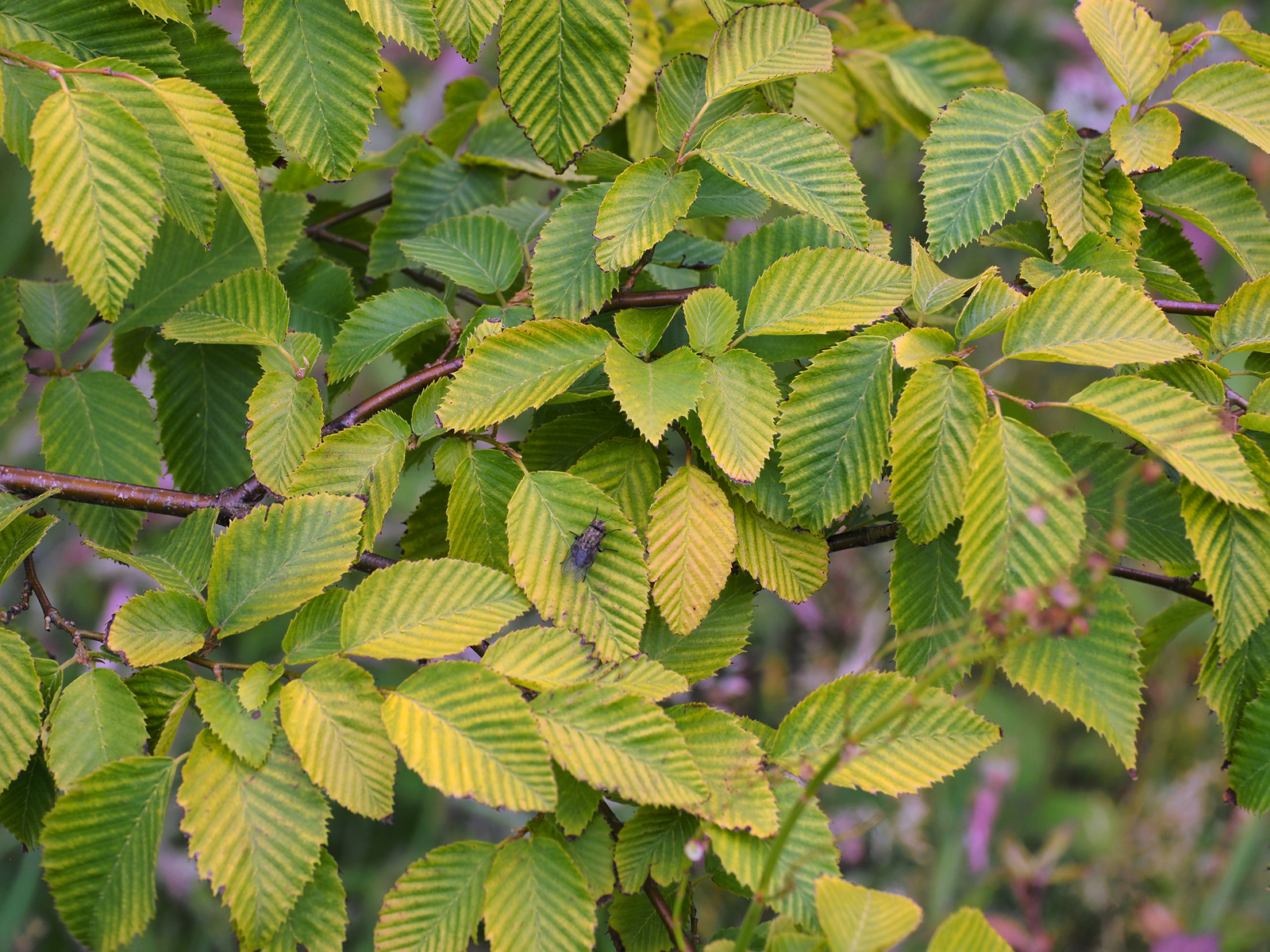
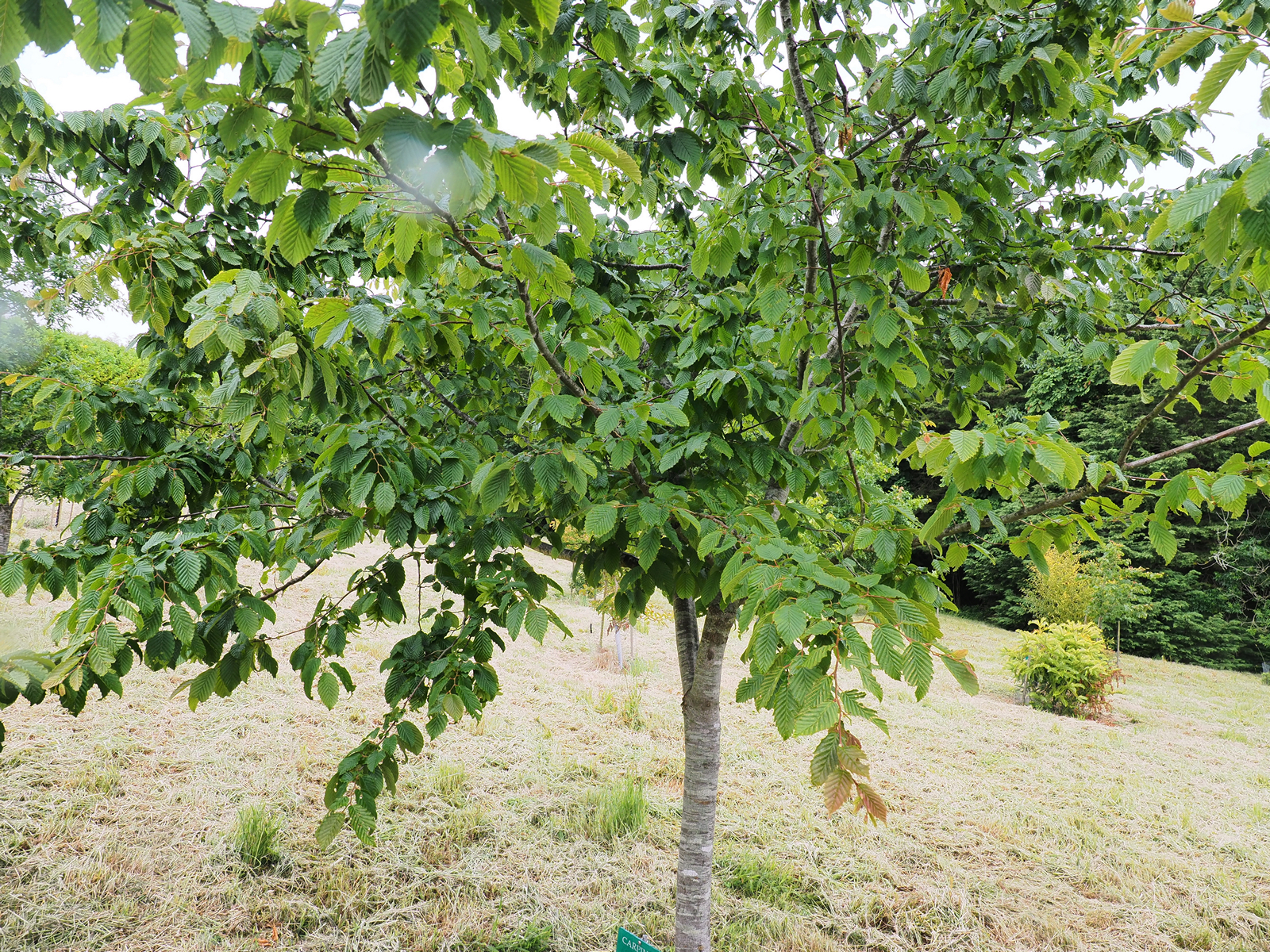
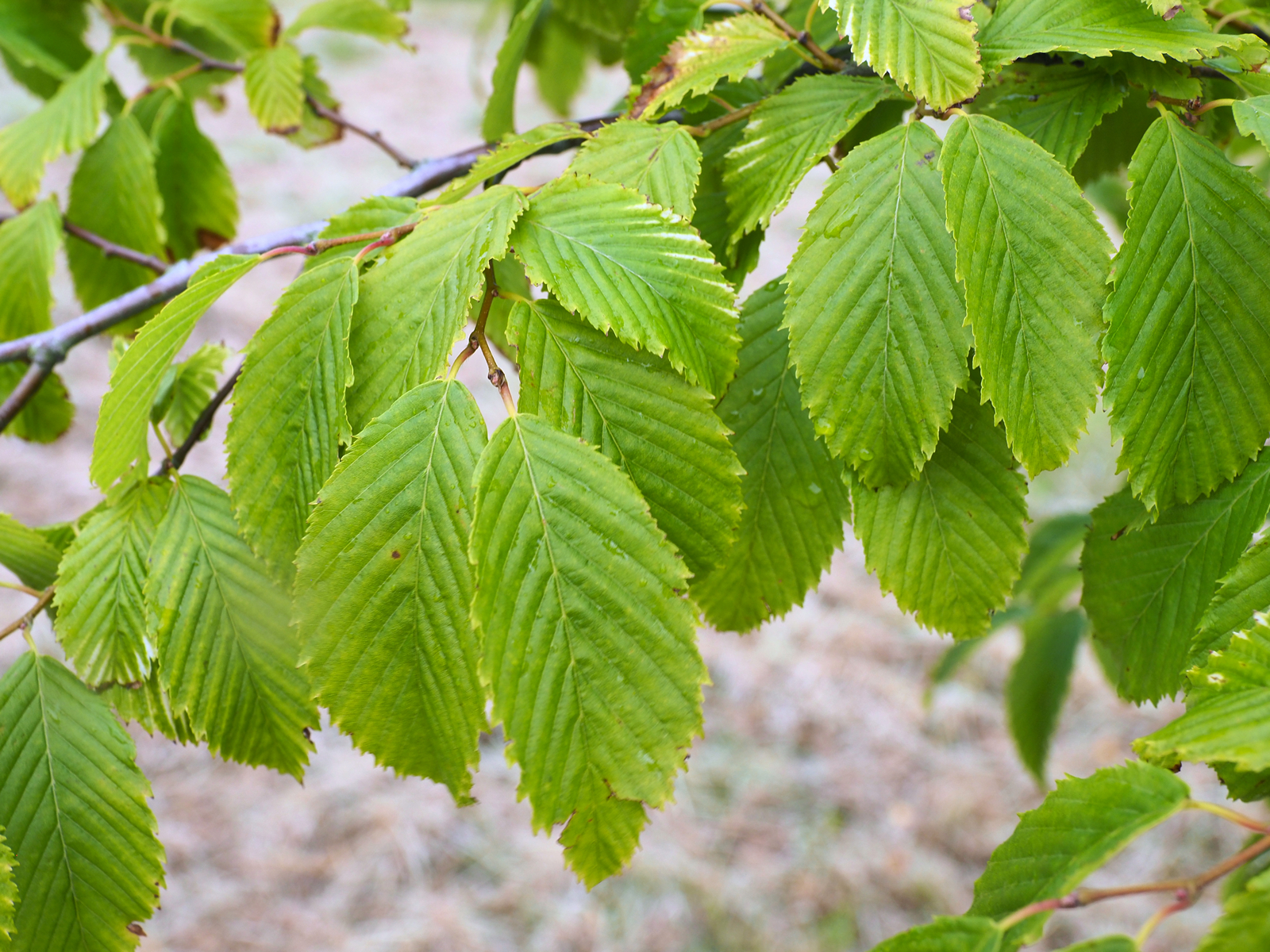
A day which threatens more good rain.I have been meaning to photograph the leaves (and any seed heads) on our relatively young collection of Carpinus to make it easier to compare and recognise them. There are very few (if any) hornbeams in our native woodlands apart from those I have planted as along the road to Five Turnings and a good one below the fernery. Nor do I find any evidence of Carpinus species growing here when the first tree measuring of original wild collected Chinese species in 1964 took place. So this is a new genus for us to get to grips with and there are many new species which have been introduced in the last 30 to 40 years.Quite a long (and boring) list but perhaps a useful guide for the future as most of them are still too young to produce the fruiting catkins which are one of their best features.Carpinus laxiflora is well away on Sinogrande Walk but not yet seeding. Carpinus laxifloraCarpinus laxiflora
Carpinus henryana var. simplicidentata appears to have a vigorous shoot from below the graft and has small ovate leaves. Sinogrande Walk. Need to cut the rootstock shoot out.
Carpinus henryana var. simplicidentataCarpinus henryana var. simplicidentata
Carpinus japonica is also well away with fruiting catkins. Sinogrande Walk. A much larger one in Kennel Close.
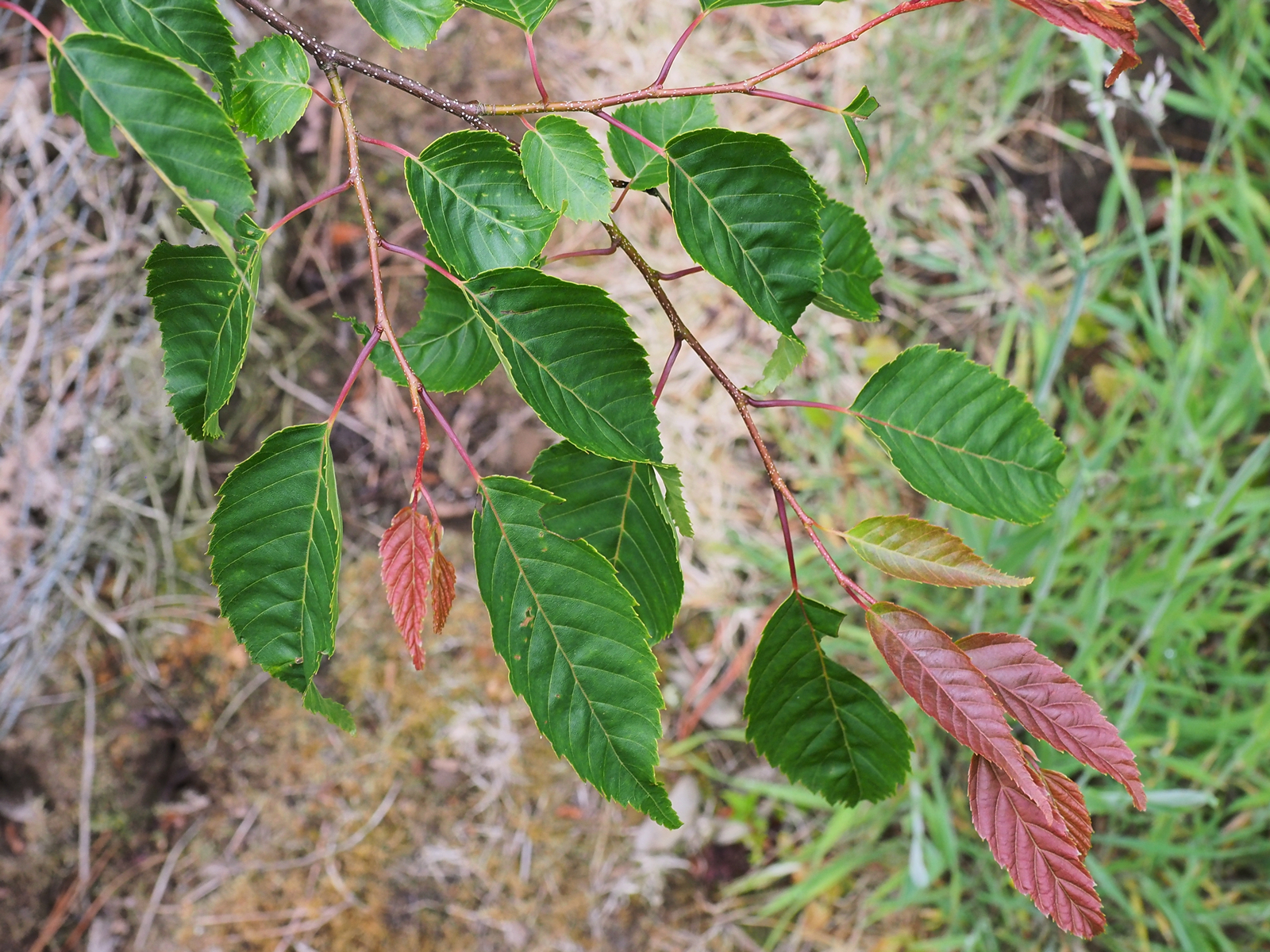
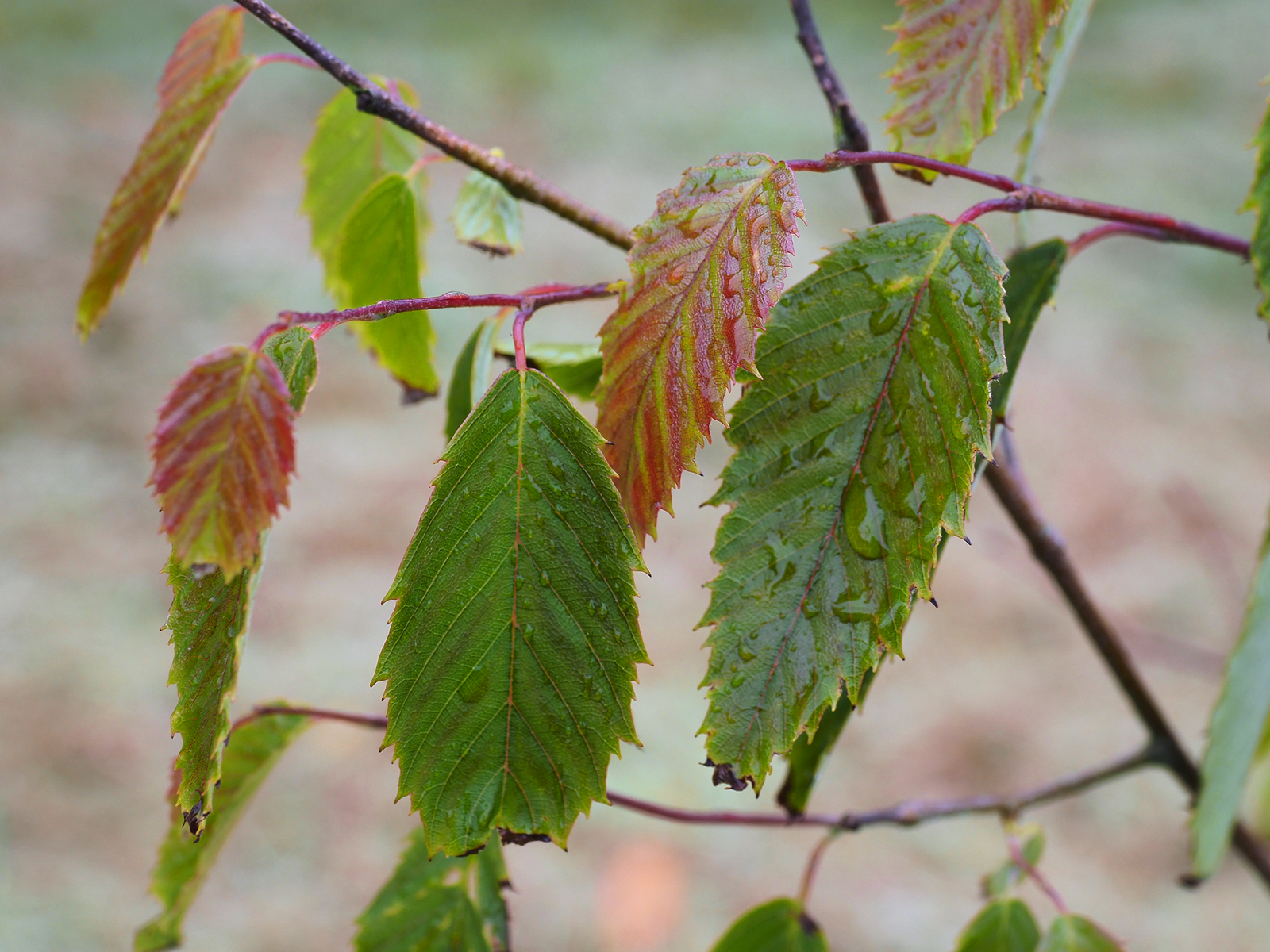
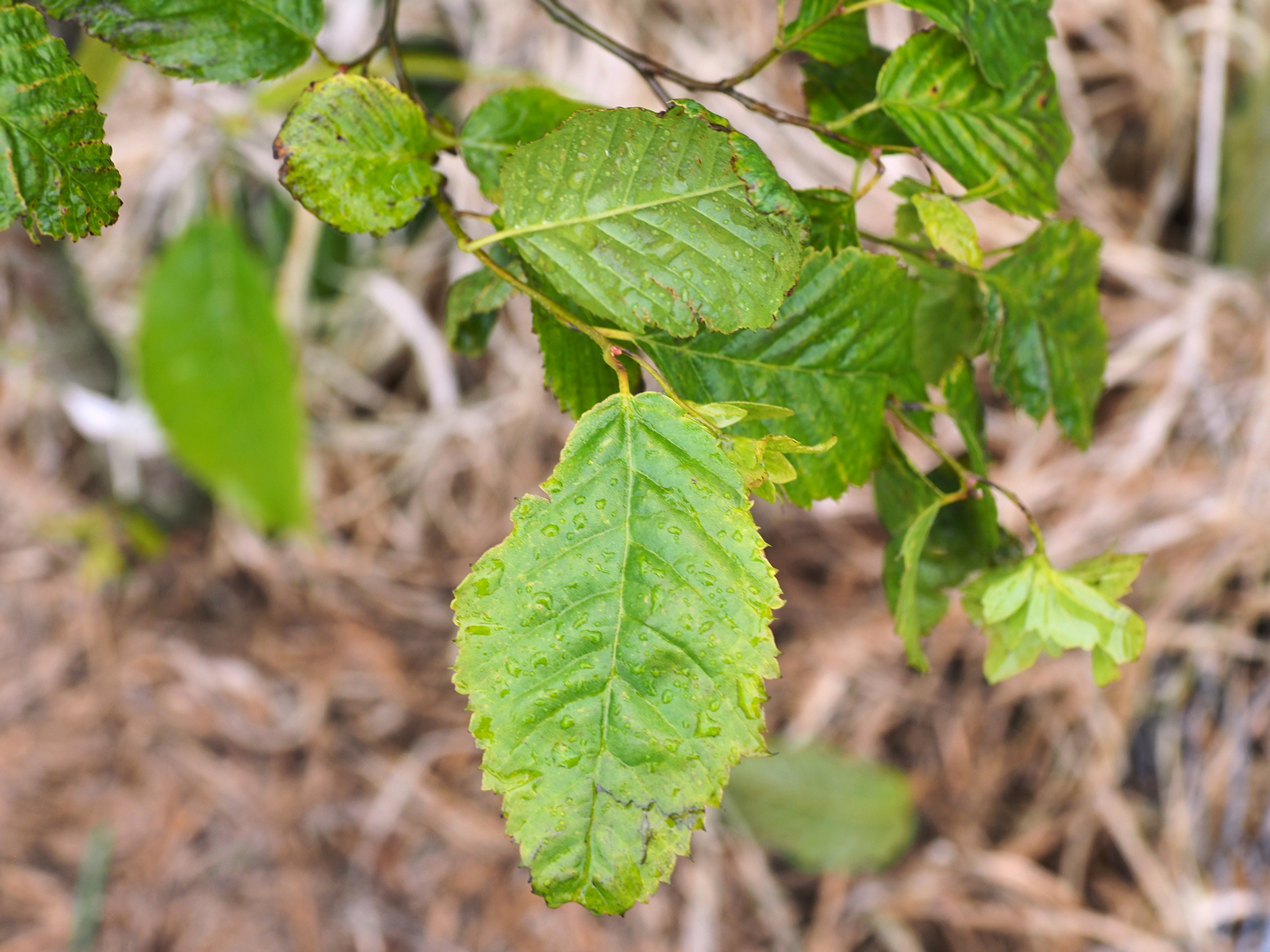
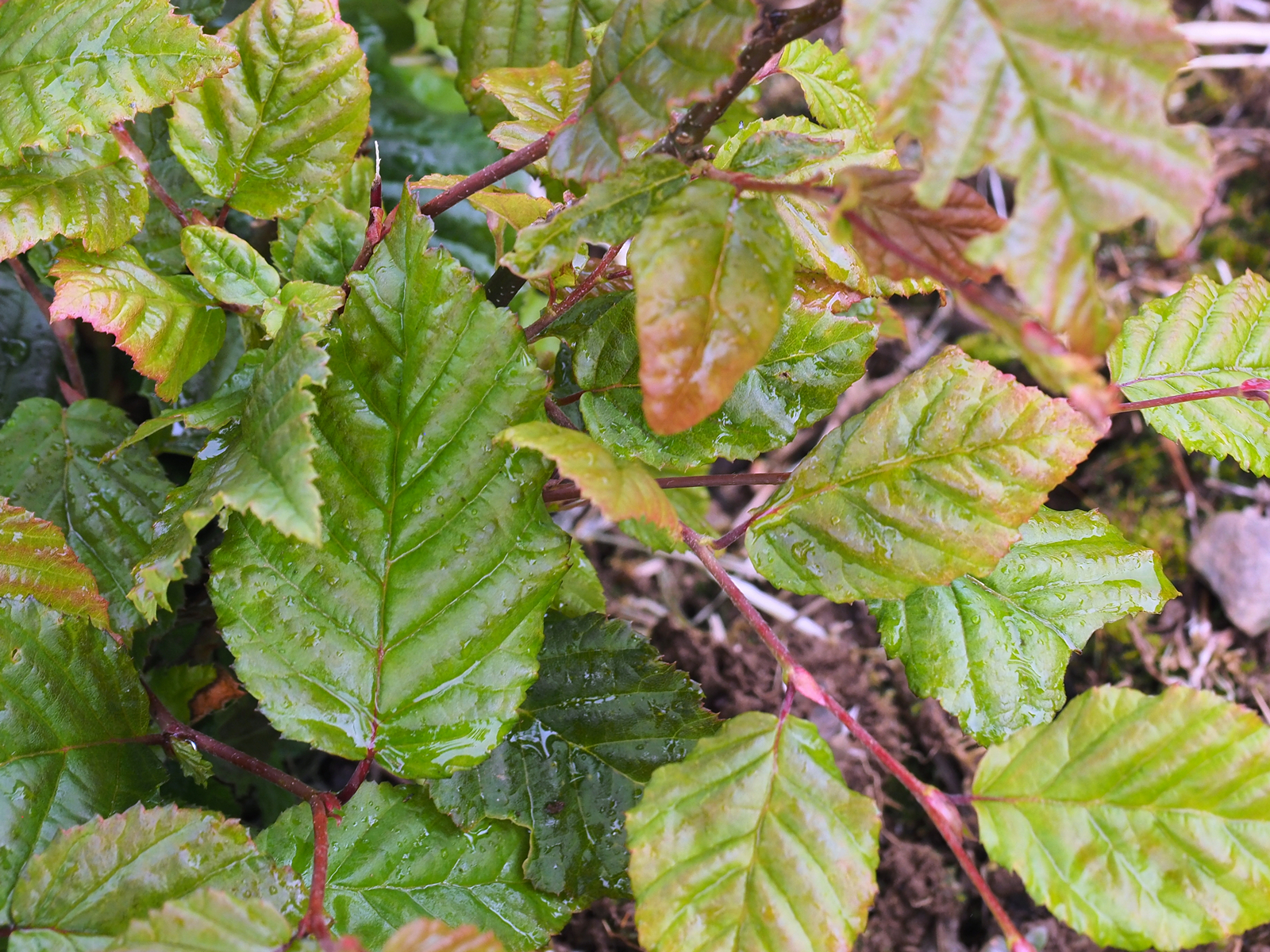
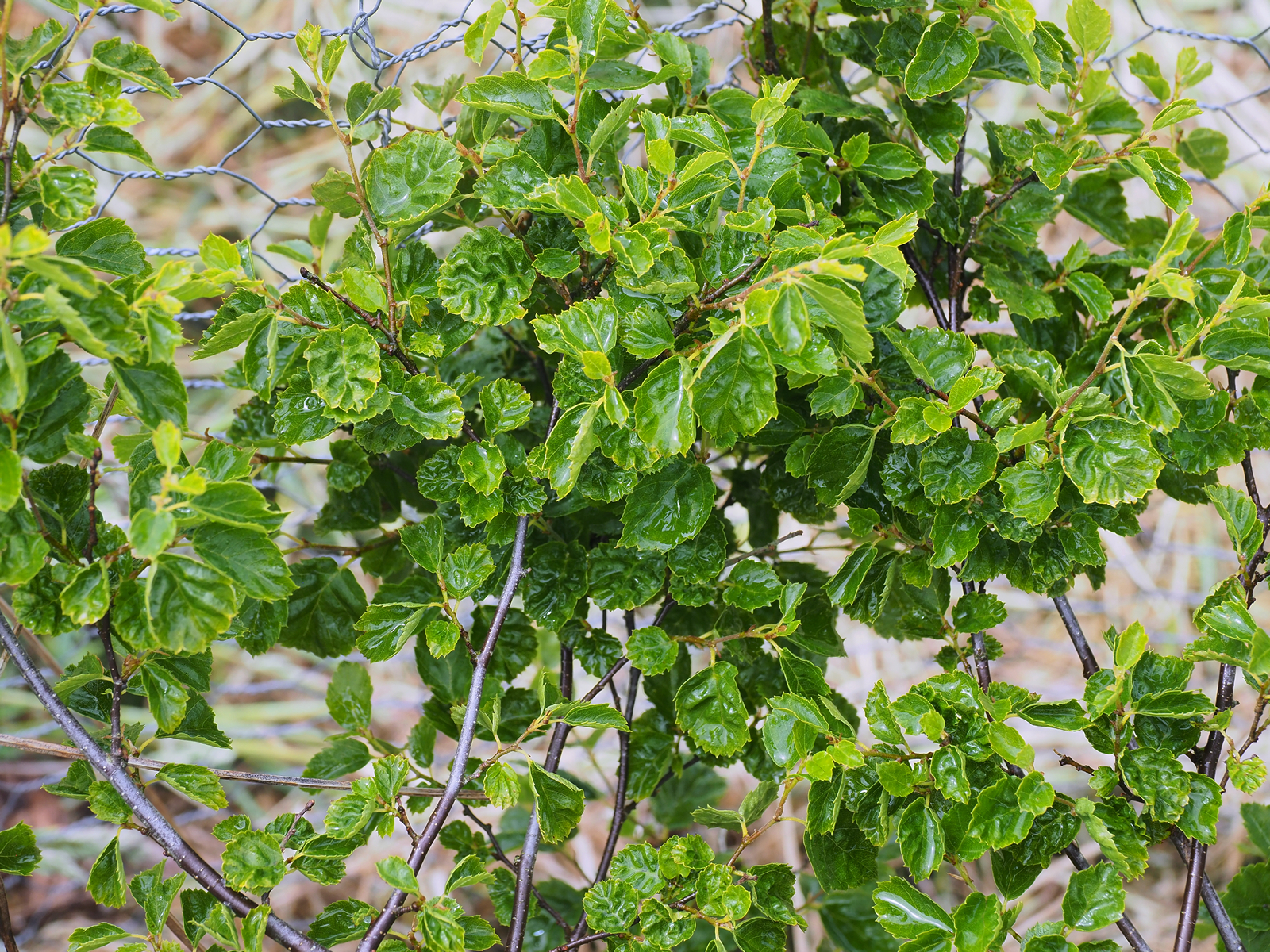
Carpinus nimpoli is struggling in a dry spot above the path. Also small leaved but with reddish new growth – possibly a dwarf habit – but not listed in New Trees? Sinogrande Walk.
Carpinus nimpoliCarpinus nimpoli
Here is an interesting trick – Acer carpinifolium which has leaves exactly like a Carpinus and, with us, a very erect growth habit. Above the greenhouse.
Acer carpinifoliumAcer carpinifolium
Carpinus betulus ‘Fastigiata’. Beside Orchid House Nursery.
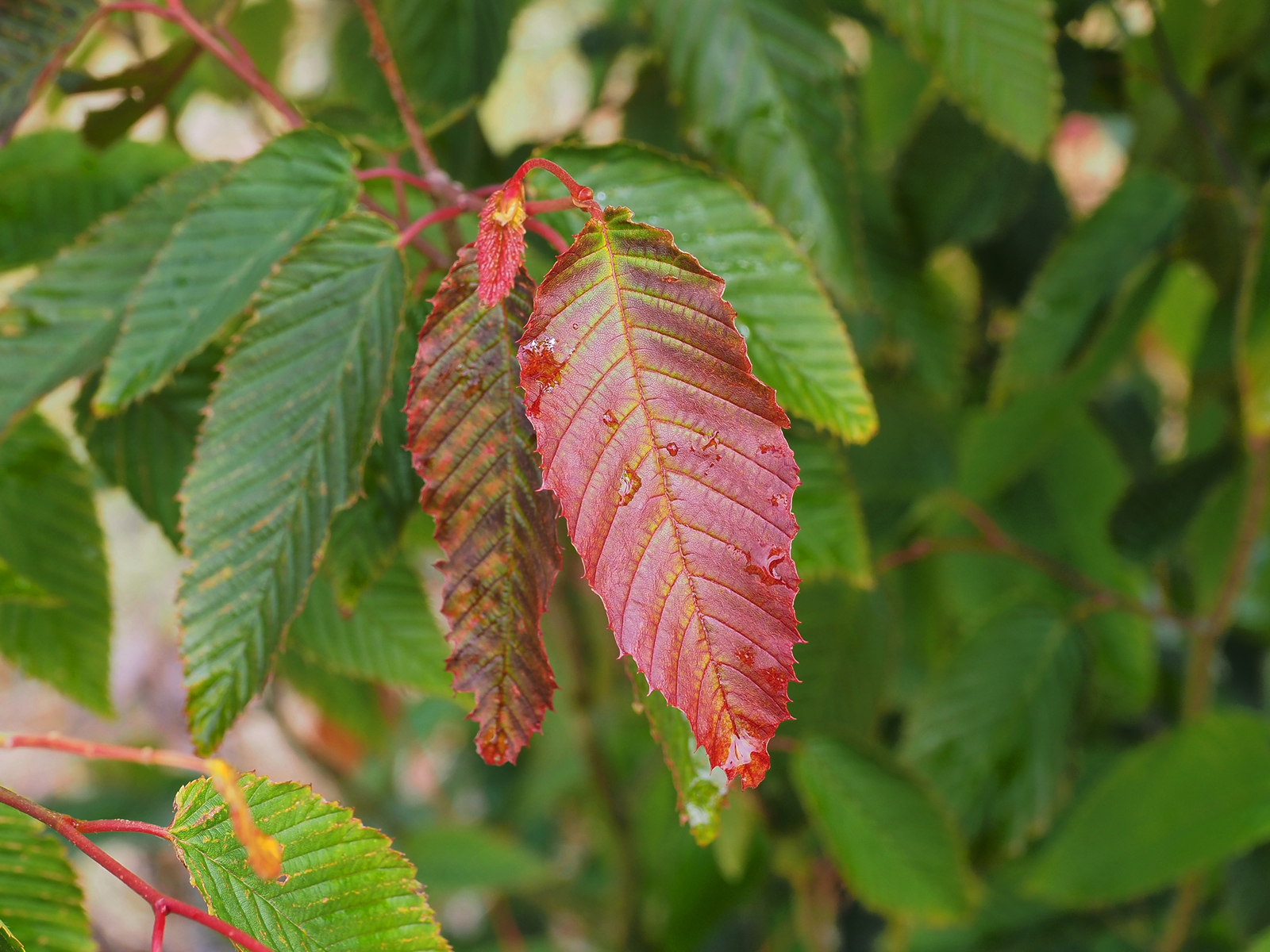
Carpinus polyneura – 2018 planting within the relatively new Styrax/Stewartia collection on from Charlie Michael’s old nursery bed. Again reddish new growth.
Carpinus polyneuraCarpinus polyneura
Carpinus orientalis is going along well – 2018 planting located as above. A dense habit and fairly small leaves.
Carpinus orientalisCarpinus orientalis
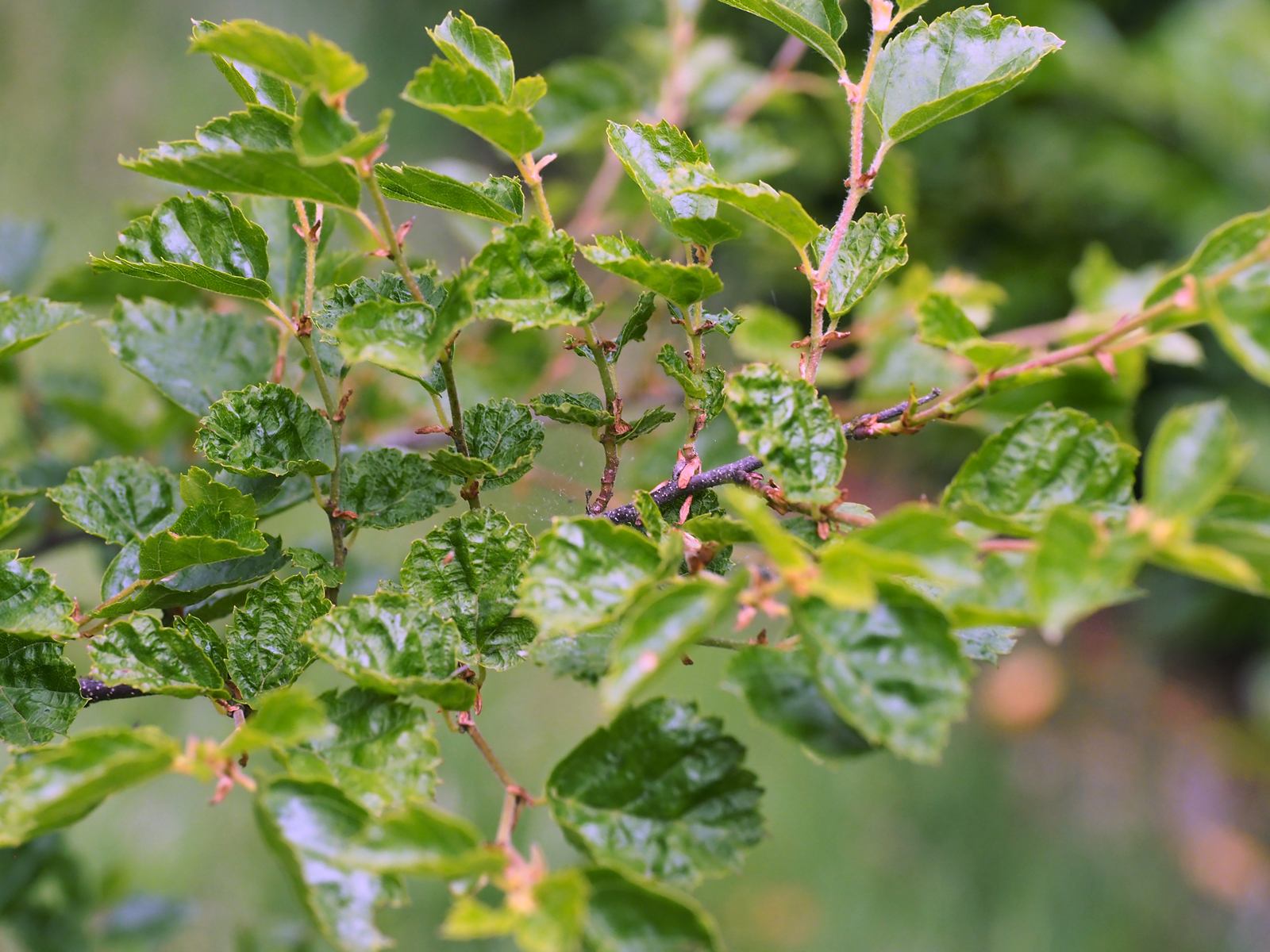
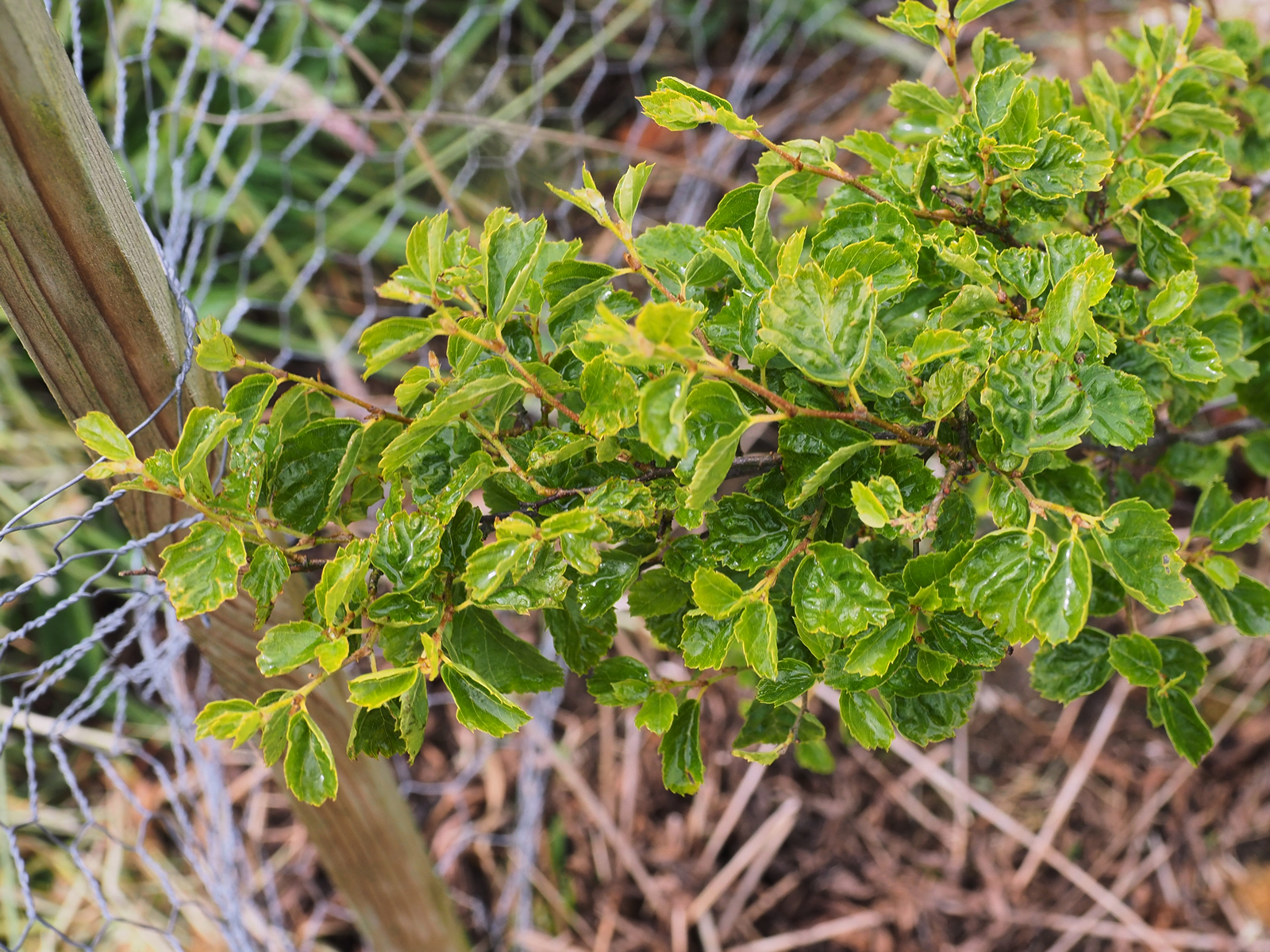
The dense growing and, with us, evergreen Carpinus kawakamii growing below Tin Garden.
Carpinus kawakamiiCarpinus kawakamii
The species listed below are all in Kennel Close.
A young and drought affected Carpinus omeiensis, the Mt Omei hornbeam.
Carpinus omeiensis
A well-established Carpinus tschonoskii.
Carpinus tschonoskiiCarpinus tschonoskii
Another Carpinus orientalis.
Carpinus orientalisCarpinus orientalis
Carpinus caroliniana ‘Red Hill’ also suffering from drought until last Wednesday and Friday’s torrential rain.
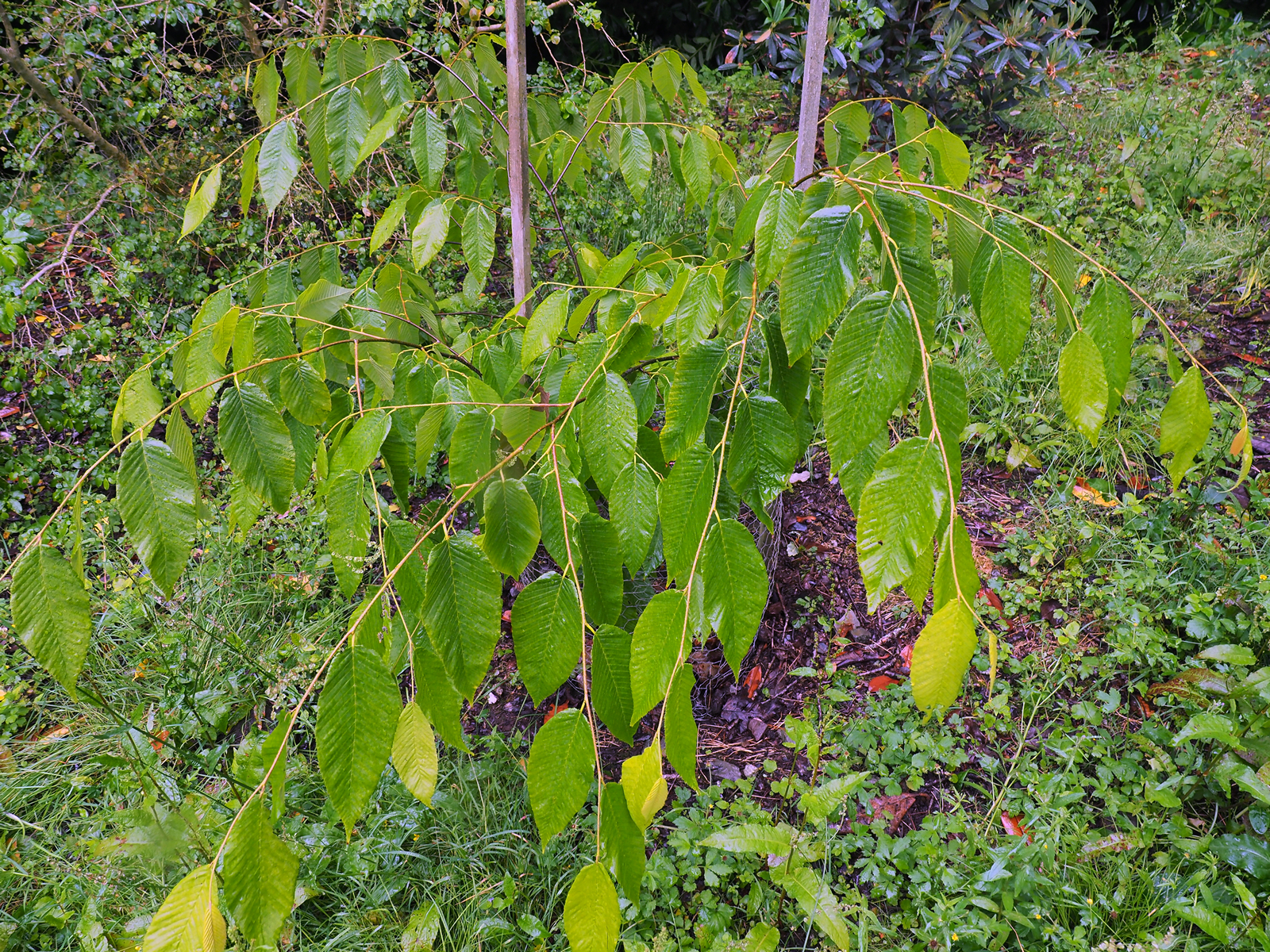
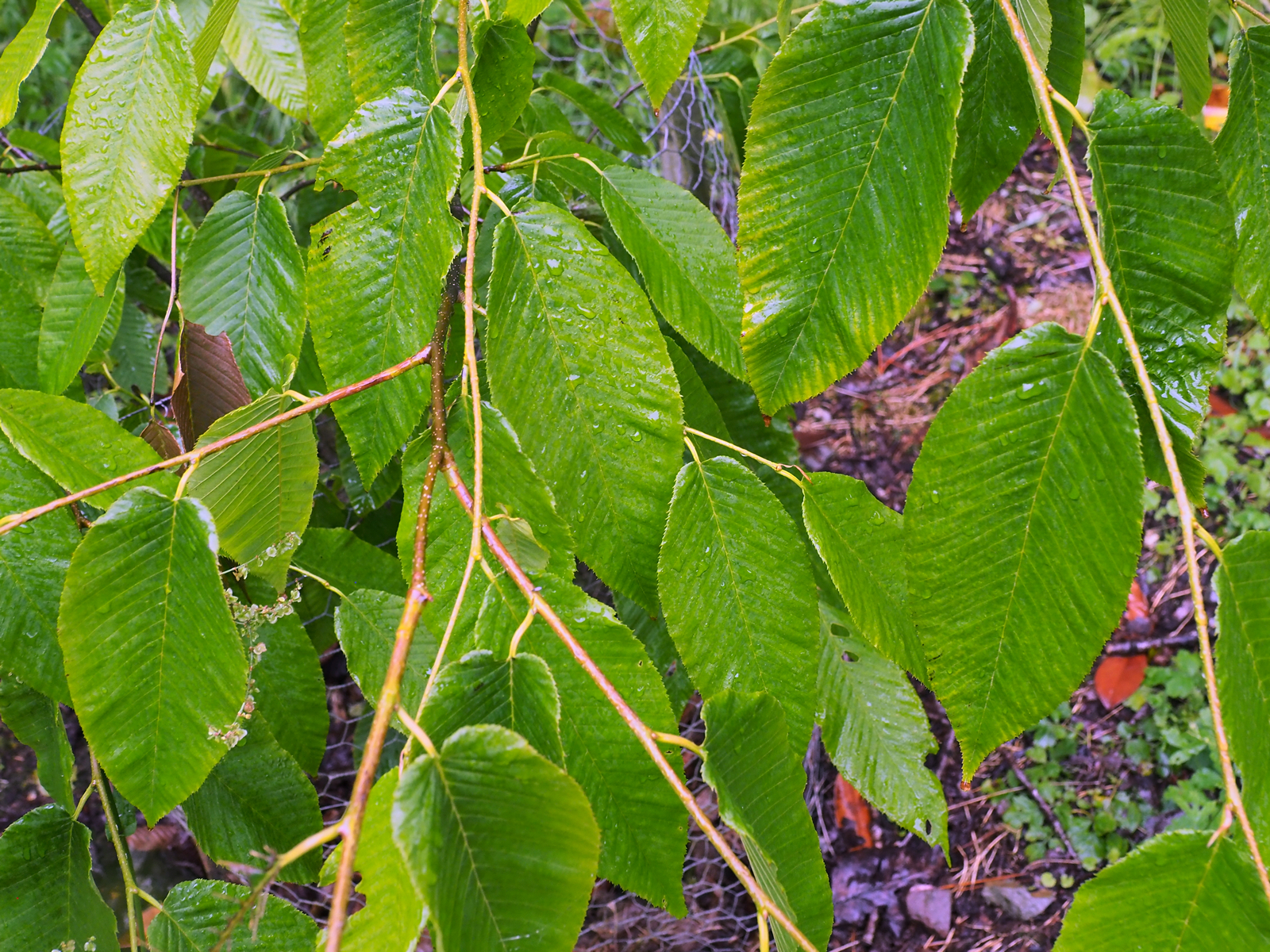
The Carpinus above Burns Bank is a second Carpinus laxiflora which is doing well at 12-15ft.There are two other young and weeping Carpinus in Kennel Close with no label which need identifying.
Carpinus betulus grows below the drive below the fernery. The roadside trees towards Five Turnings are mostly Carpinus betulus ‘Fastigiata’.
I have yet to find Carpinus turczaninowii which I know we planted here quite a while ago. It may be what I thought were Zelkova by they borehole or below the tree fern on the main ride. I see we planted another in Area 6 in 2019 but have yet to find it so it may have died.
So we have around 16 to 18 different species and varieties currently.
Still to get (possibly from Roundabarrow) are Carpinus cordata, Carpinus coreana, Carpinus pubescens, Carpinus x schuschaensis and Carpinus viminea in Hillier’s and Carpinus londoniana, Carpinus monbeigiana which are also listed in New Trees.
We already have nearly all of the New Trees Carpinus listings.
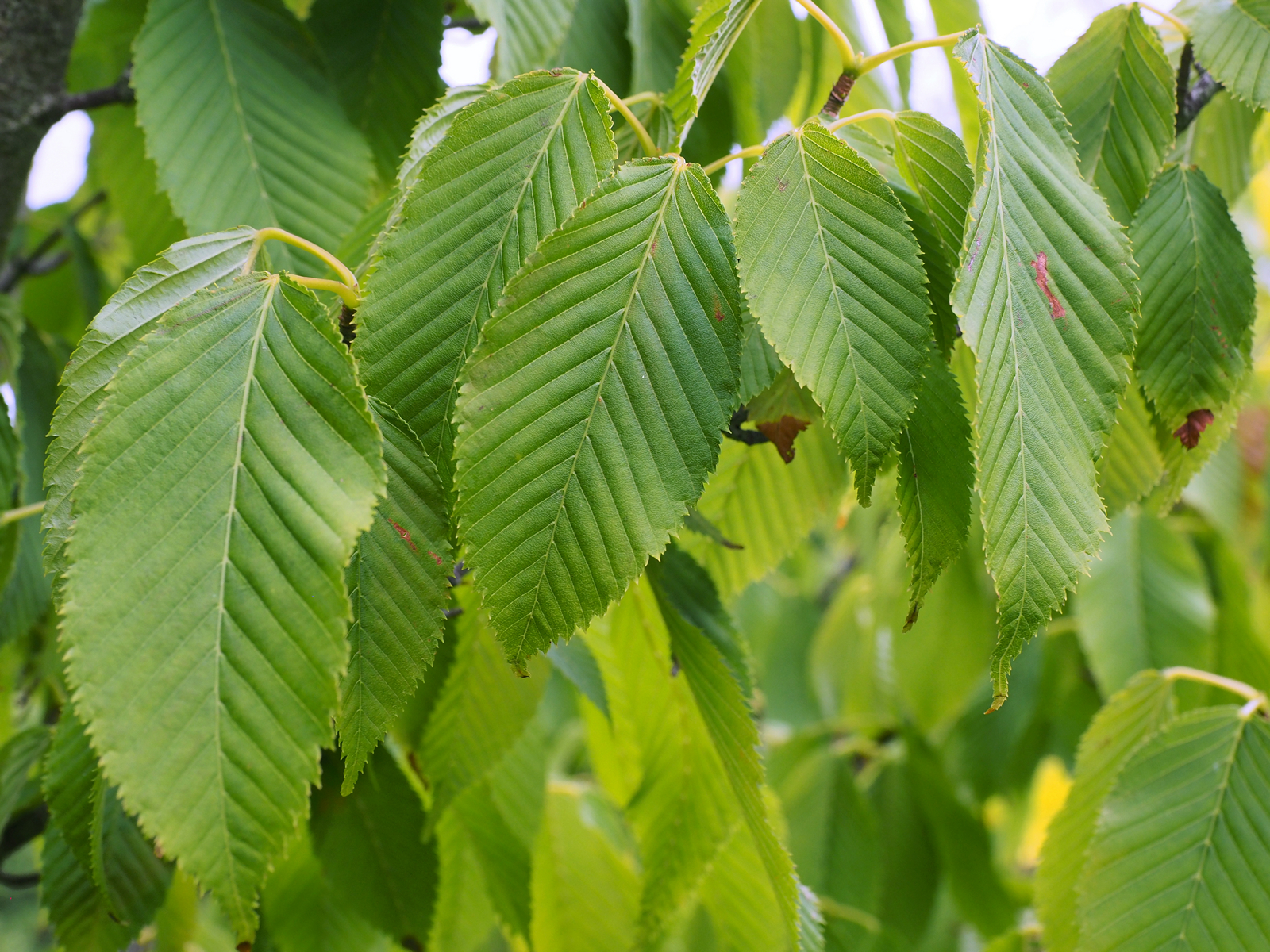
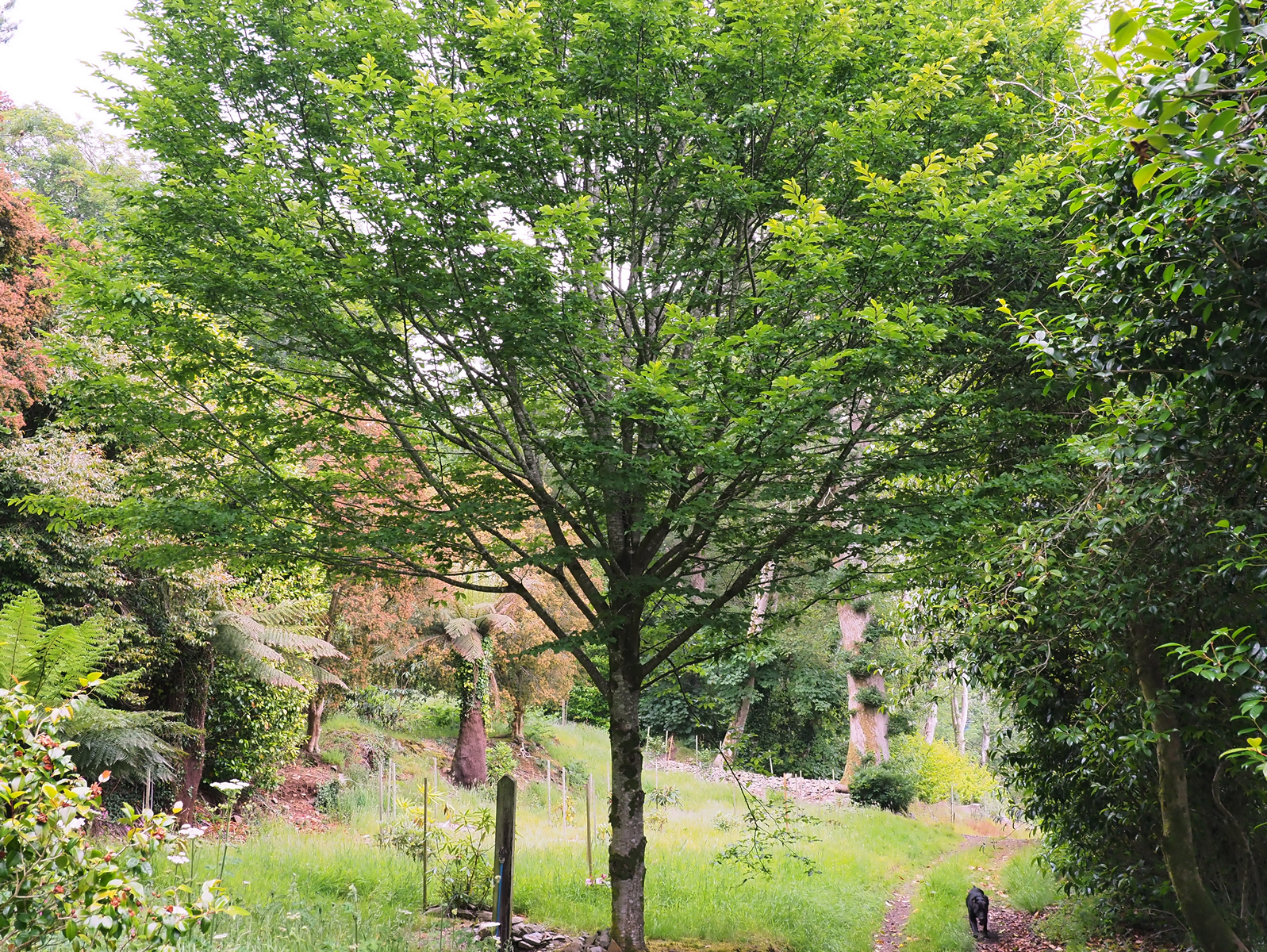
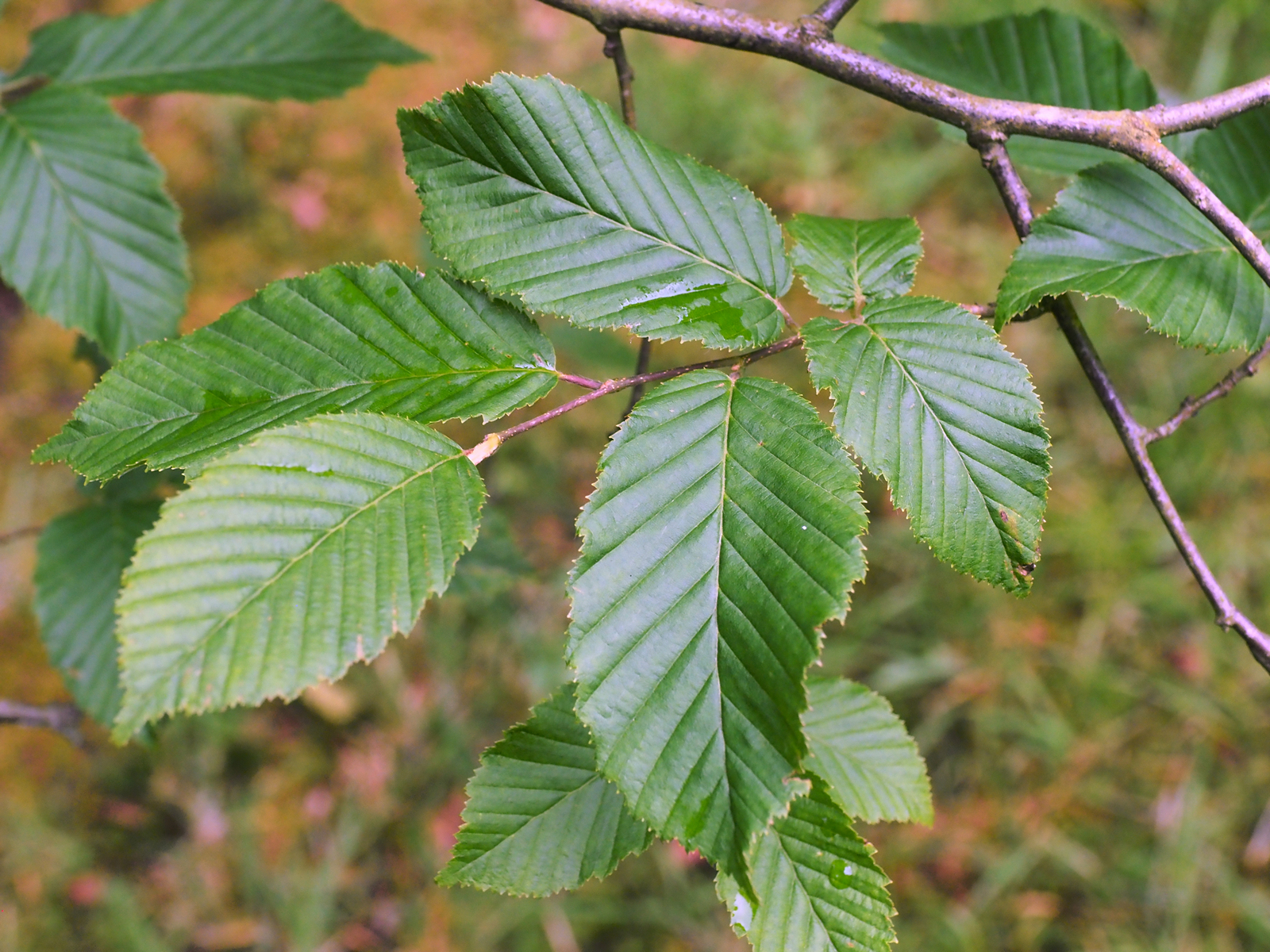
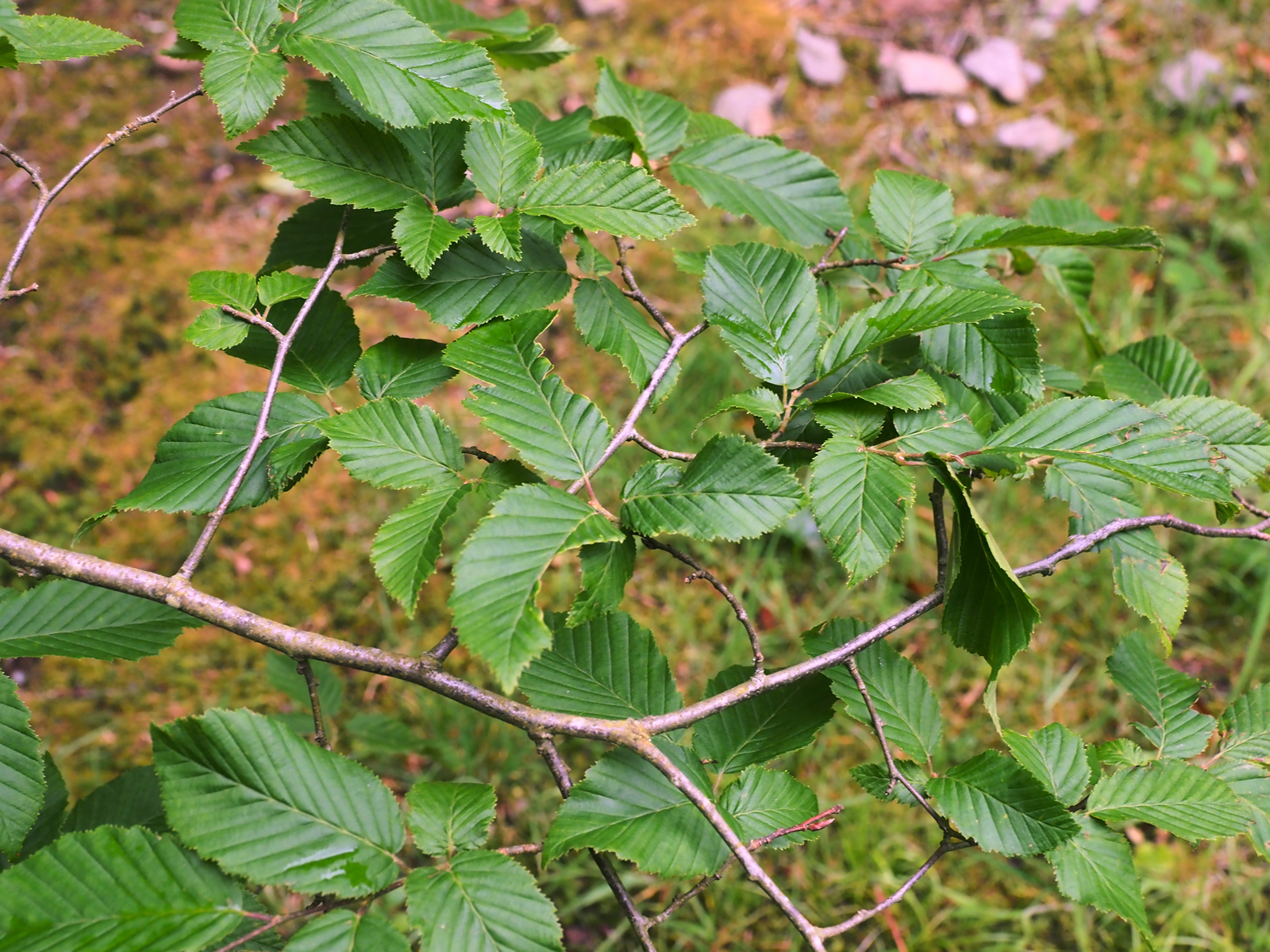
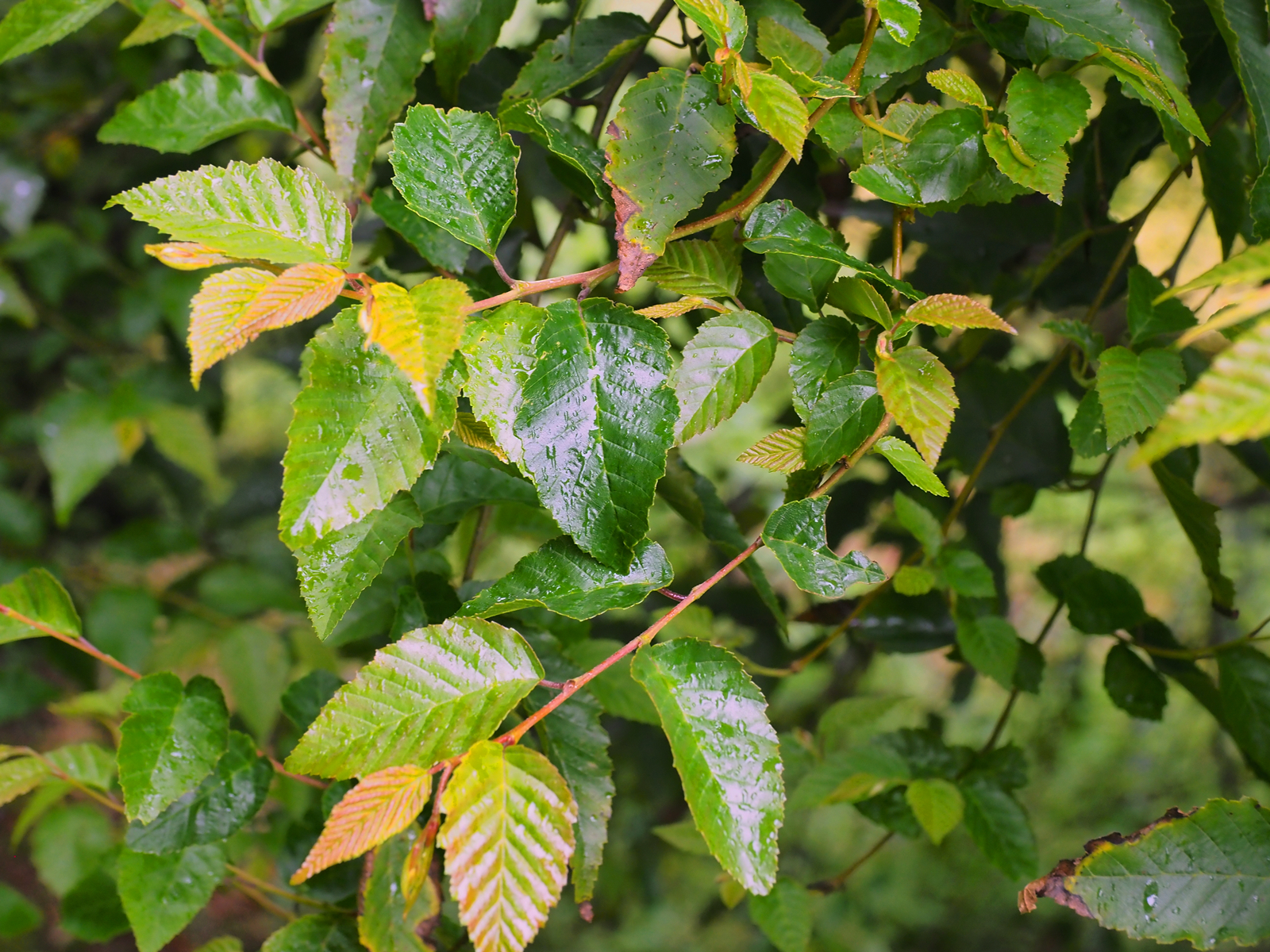
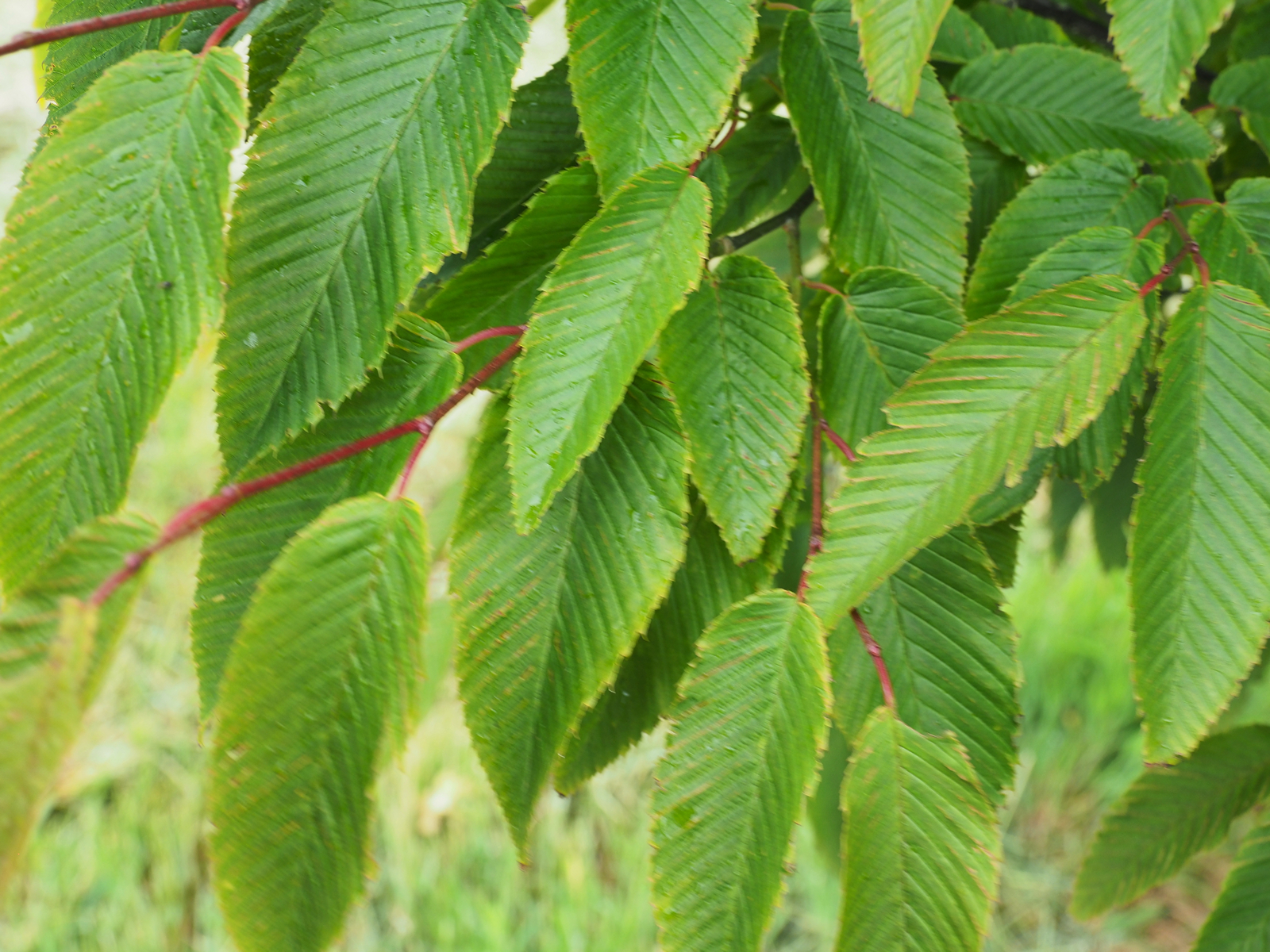
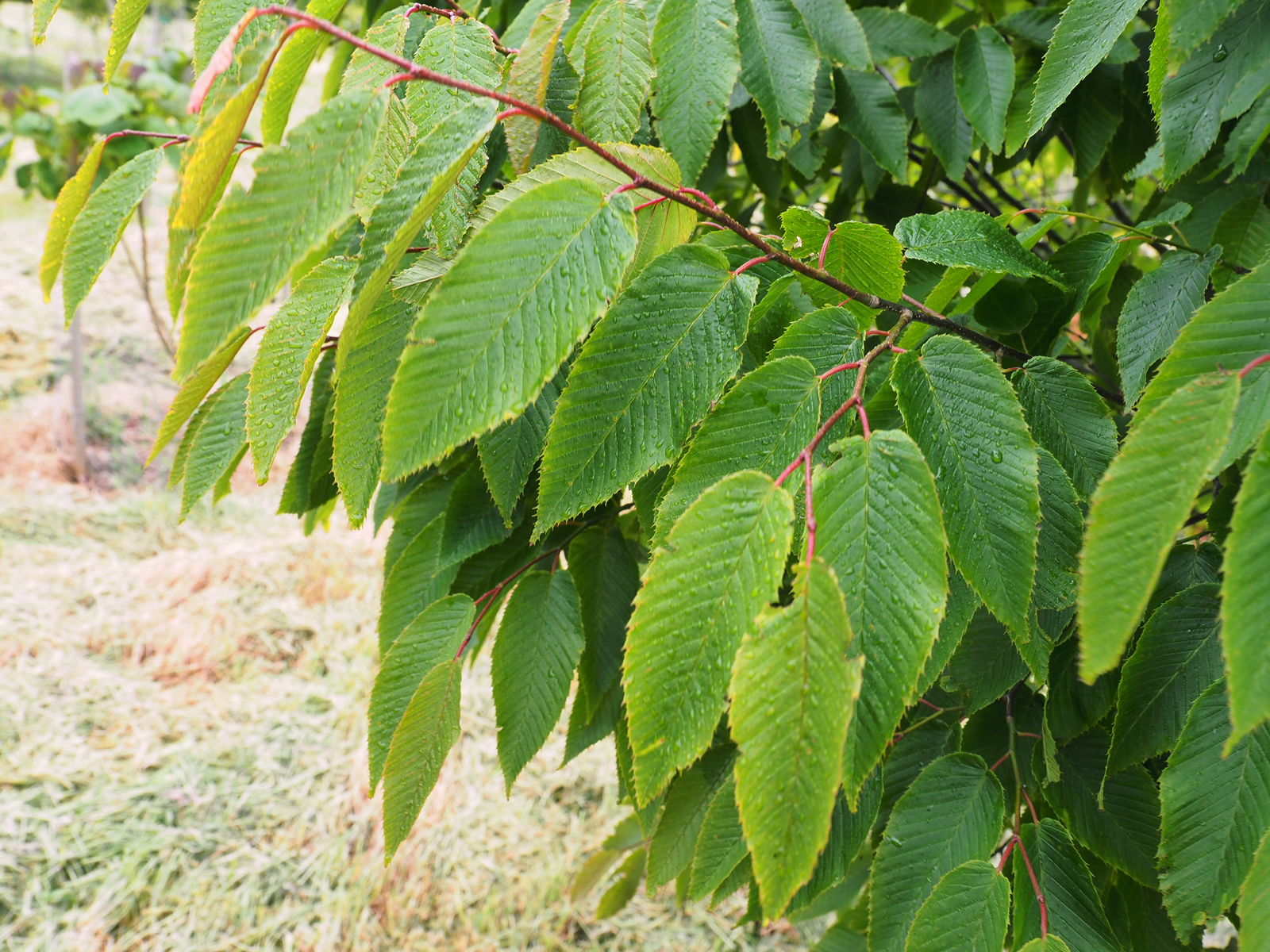
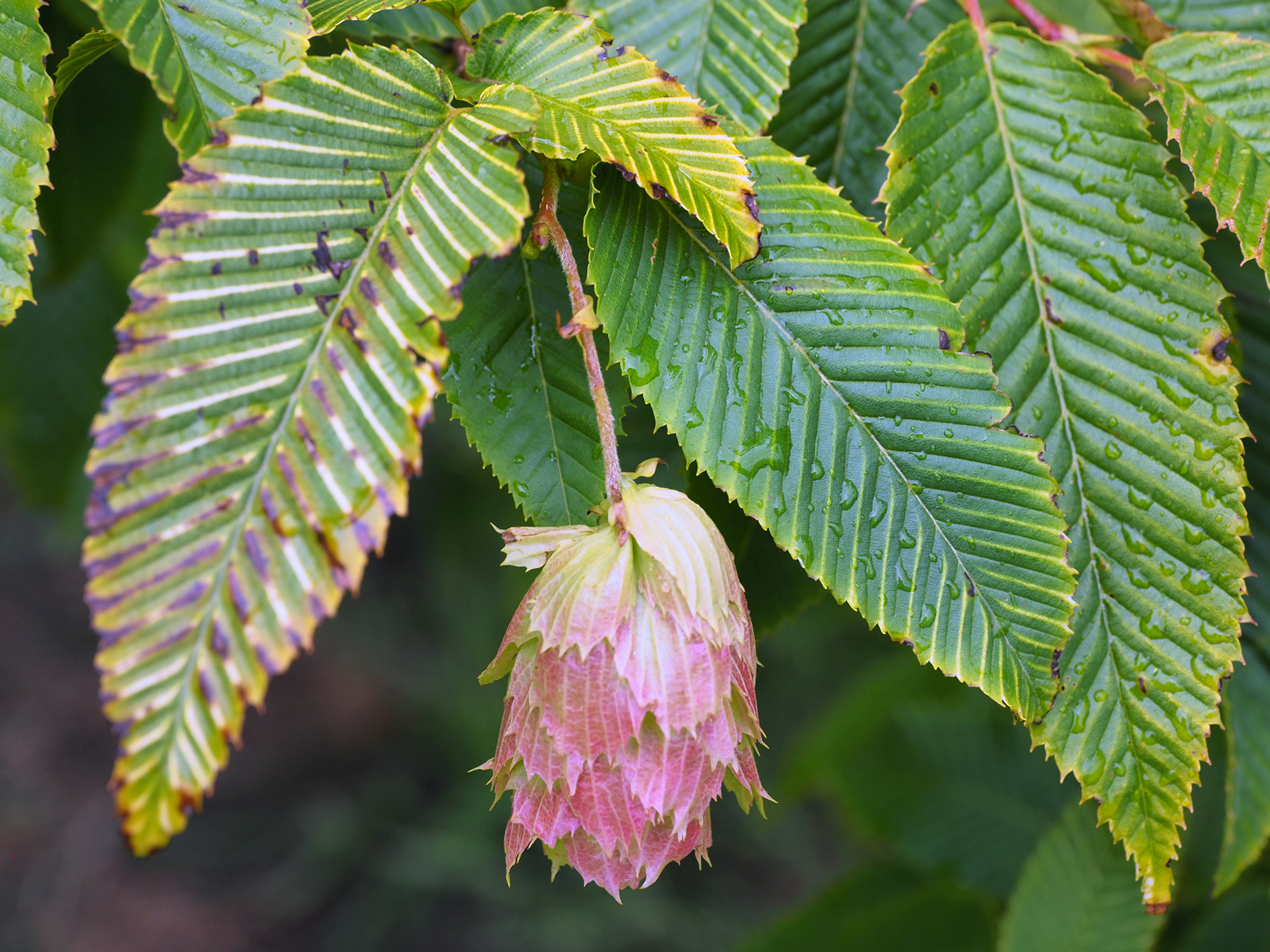
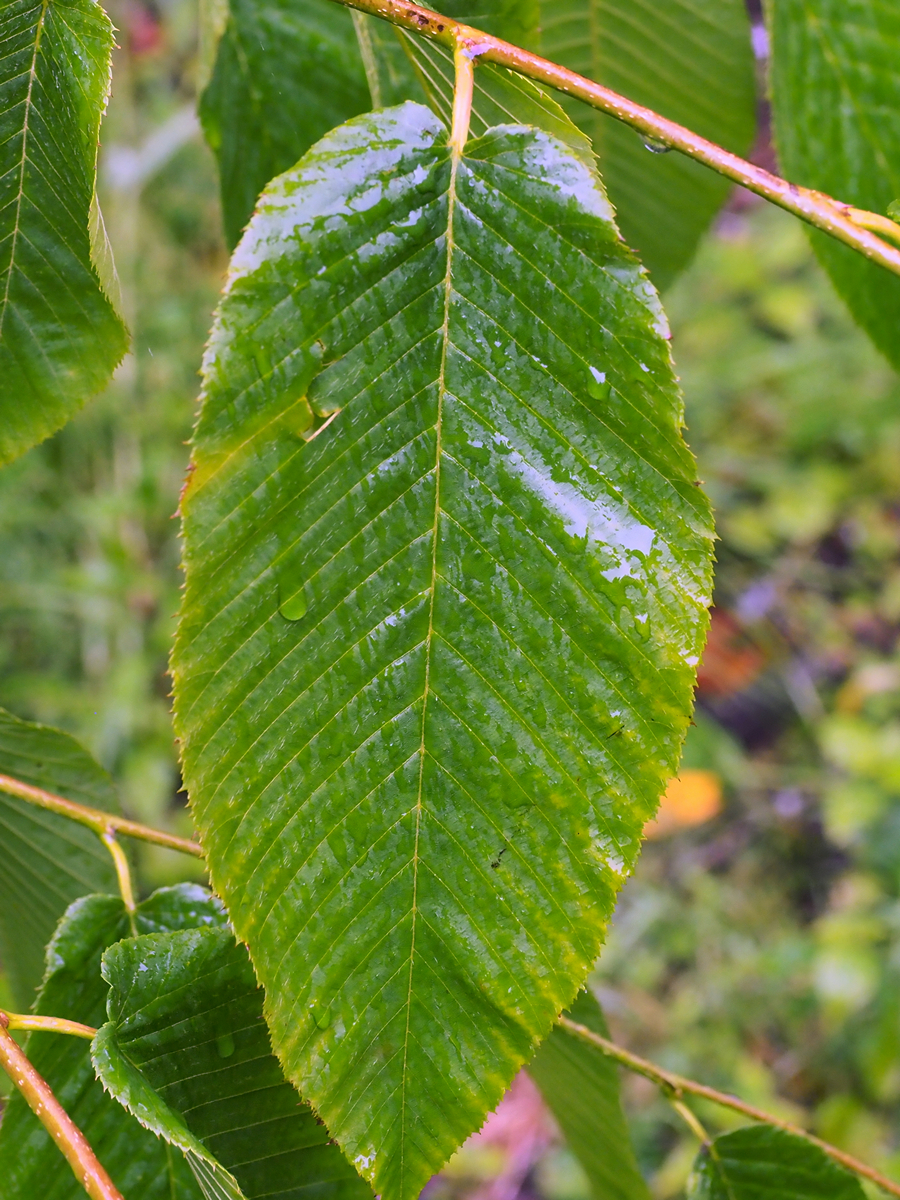
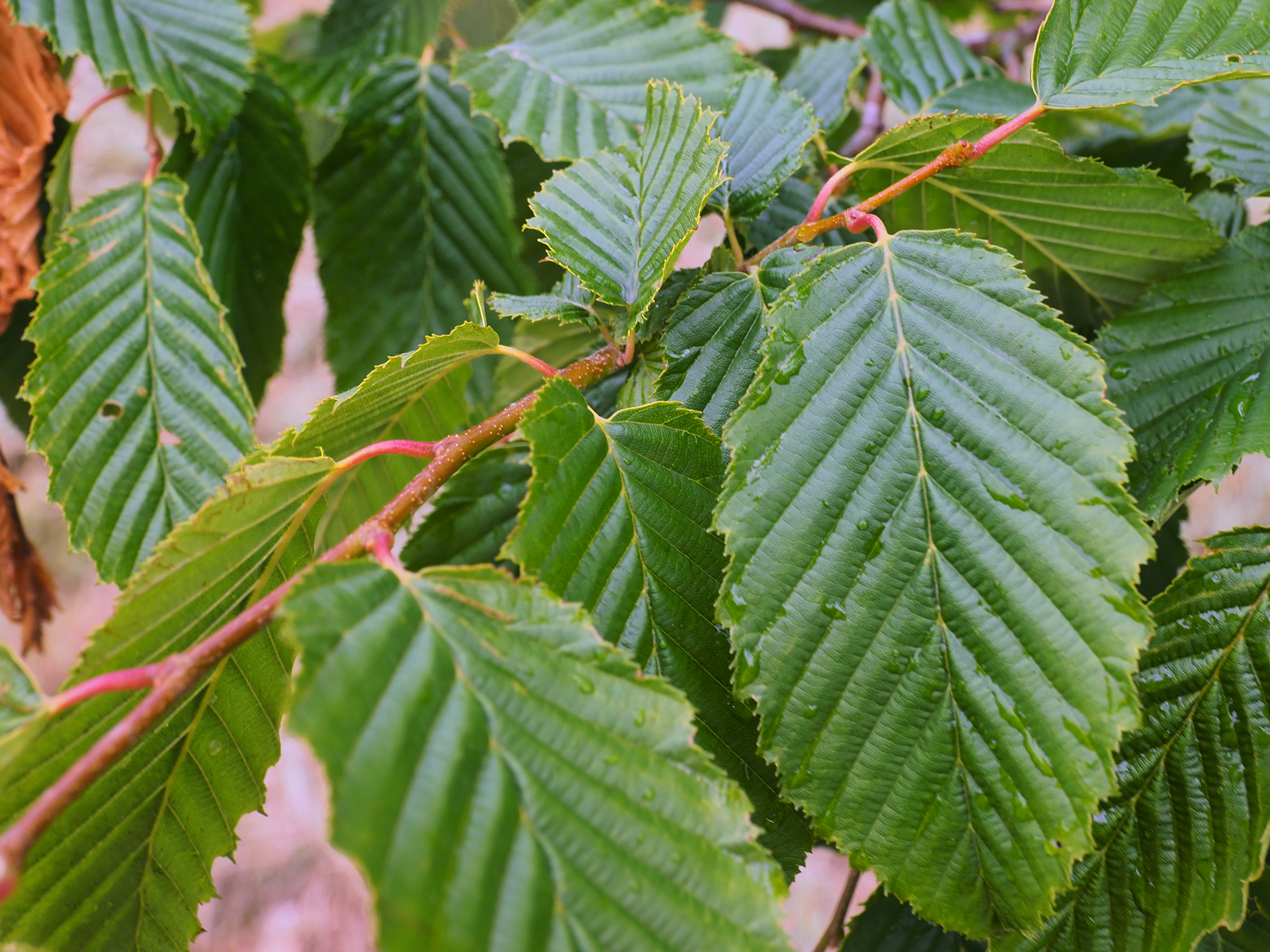
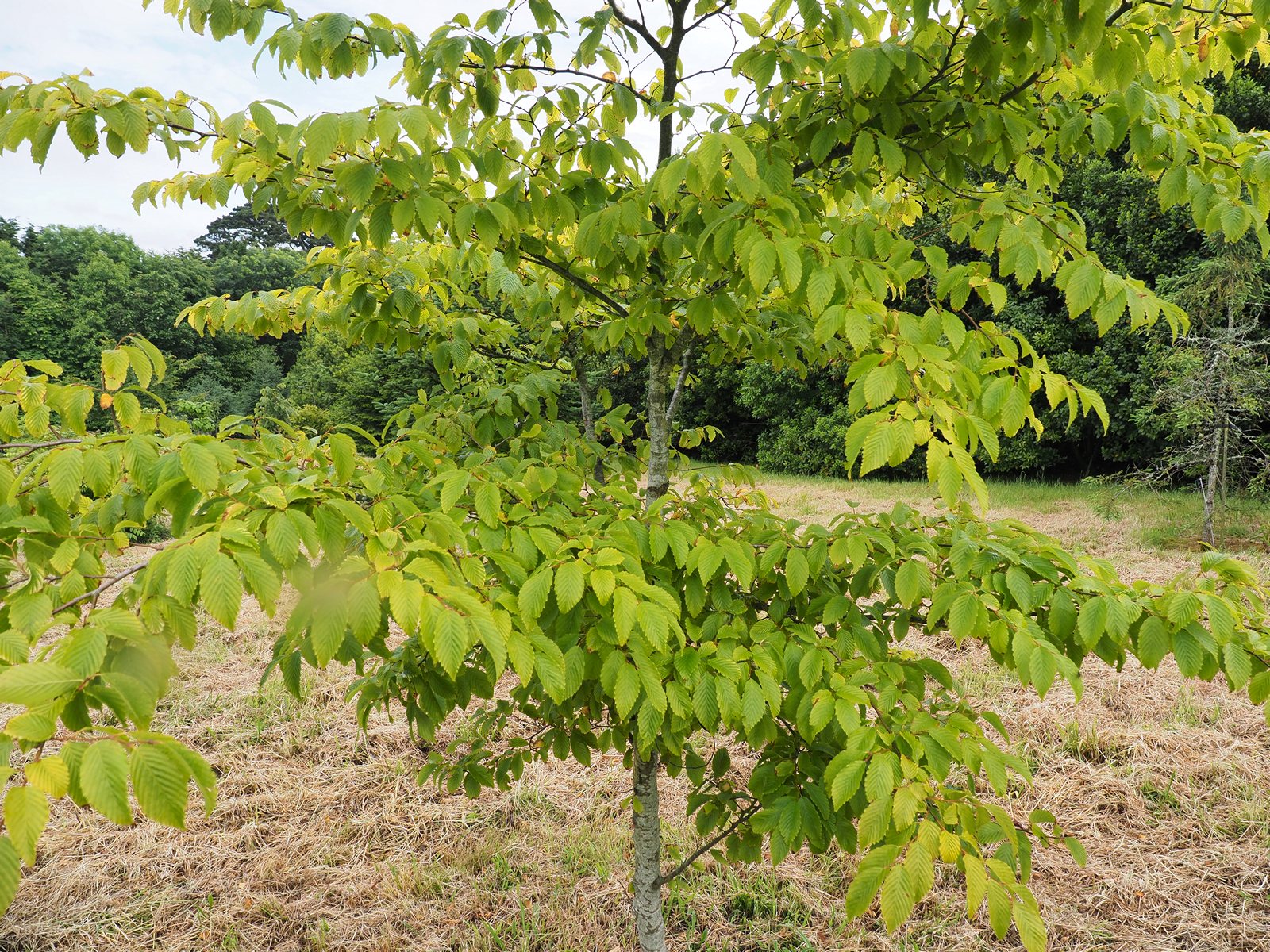
Carpinus shensiensis found on the second trip today to Kennel Close.
Carpinus shensiensisCarpinus shensiensis
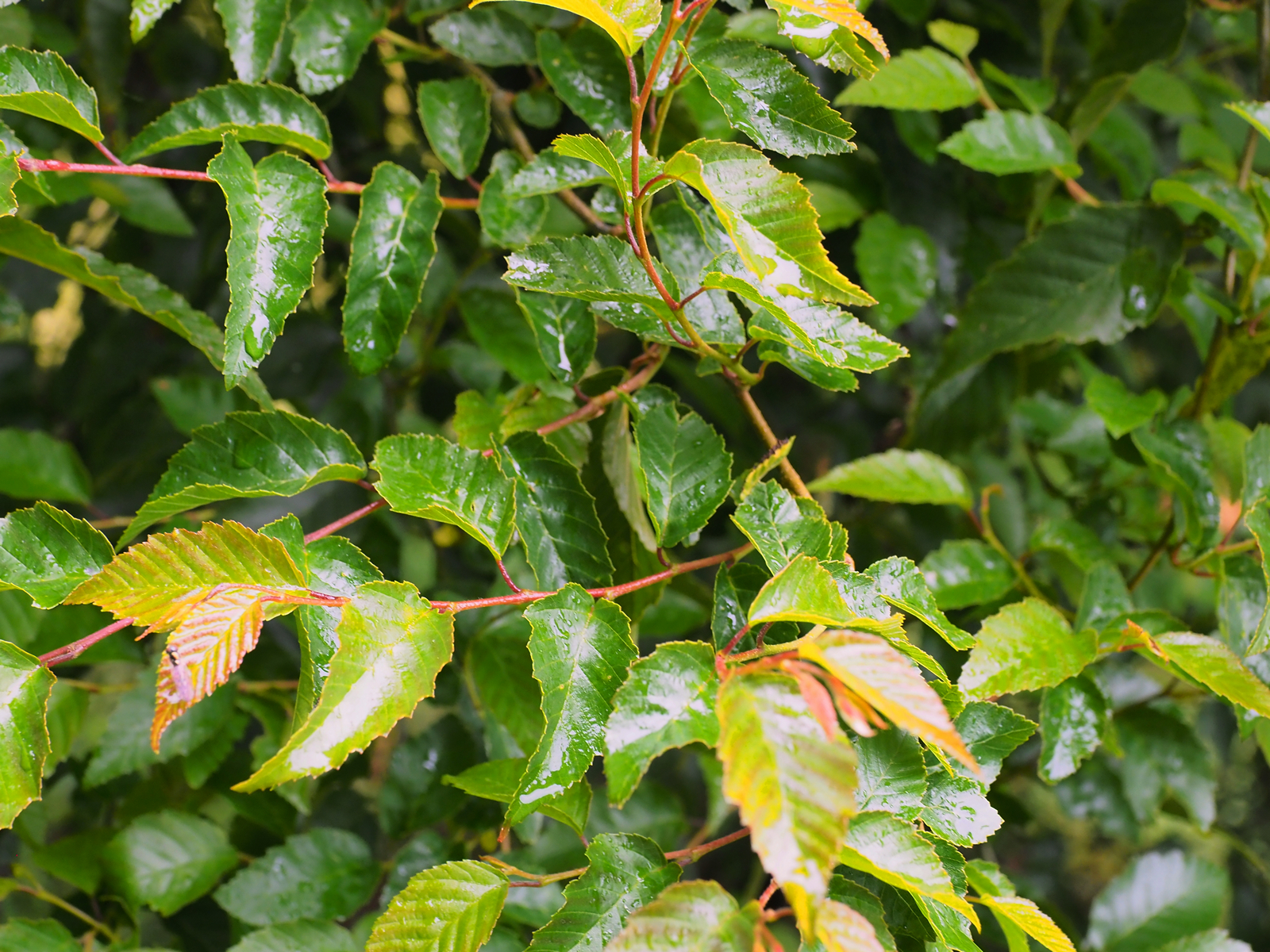
Carpinus betulus ‘Purpurea’ with purple showing now only on the very new growth near the base of the trunk.
The two unlabelled Carpinus with a weeping habit are, I think, C. shensiensis.
2019 – CHW
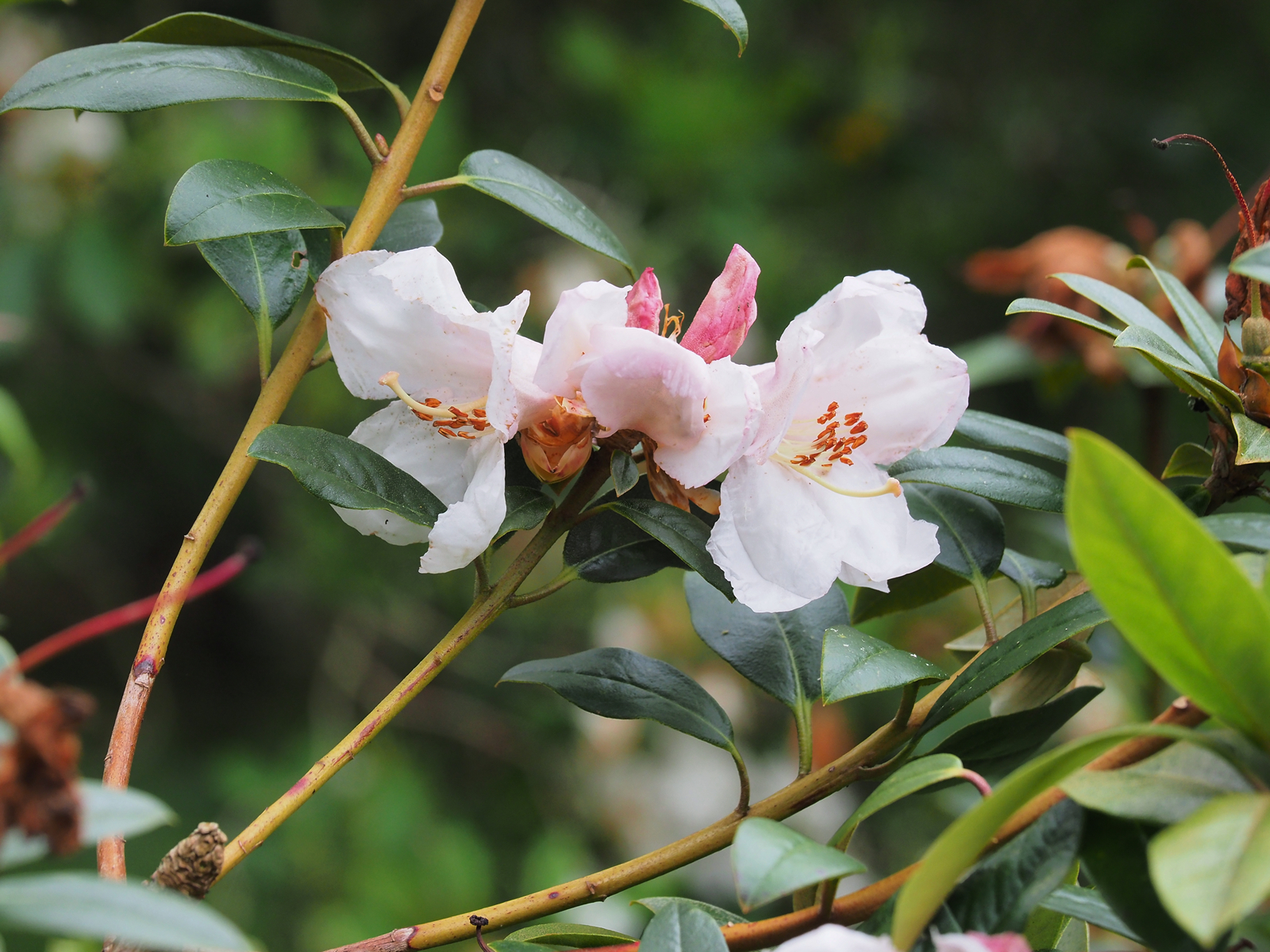
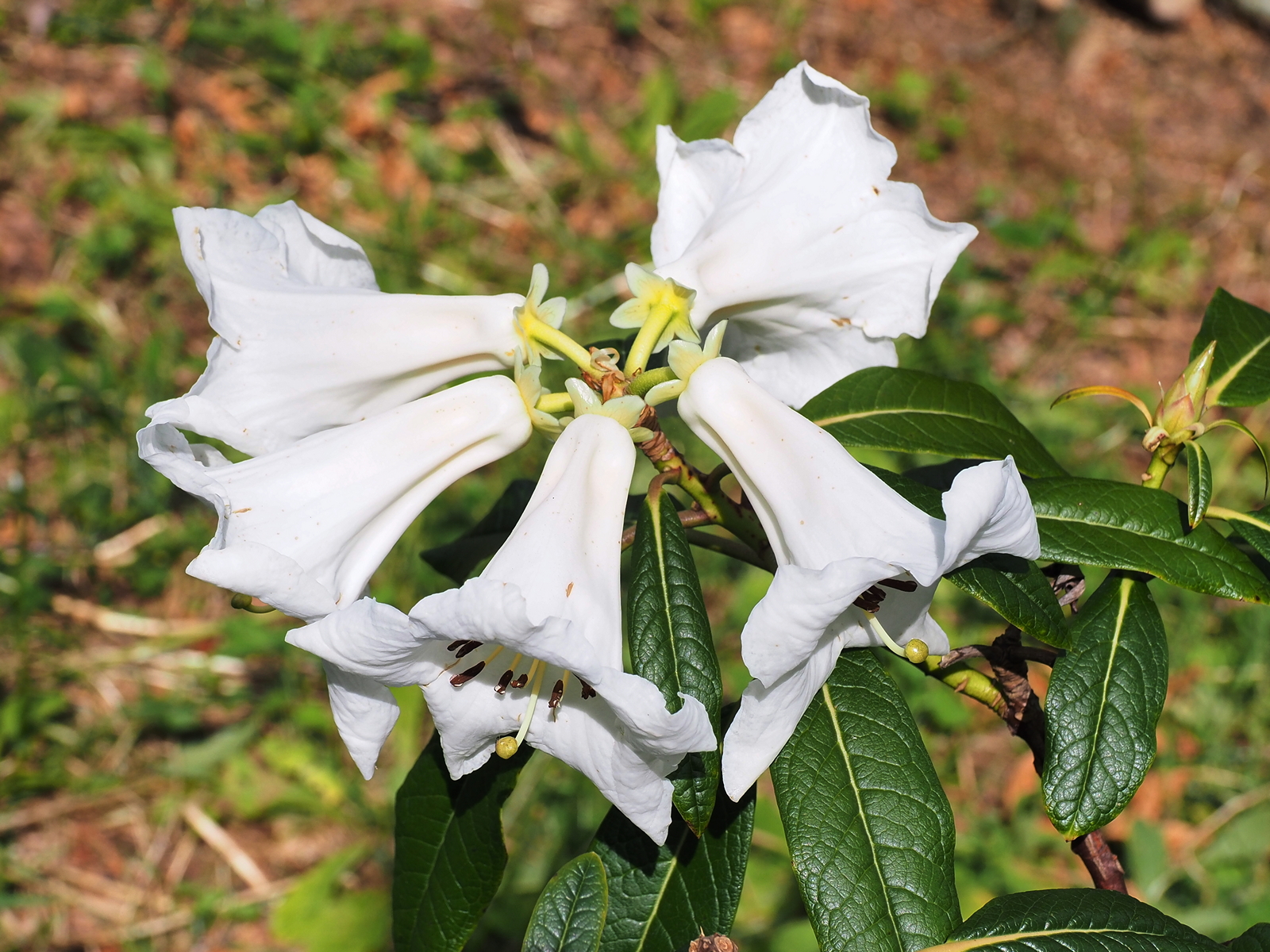
One of the rhododendrons grown from seed supplied by Major Howell decades ago. Late flowering and with an attractive green ‘eye’ but small trusses. I think the Major may once have run the Rhododendron Society seed distribution.
The original clump of Camellia reticulata ‘Captain Rawes’, which looked nearly dead last summer, has put on a good crop of new growth and may not yet be a basket case.
Camellia reticulata ‘Captain Rawes’
A tail end flower on Rhododendron crassum.
Rhododendron crassum
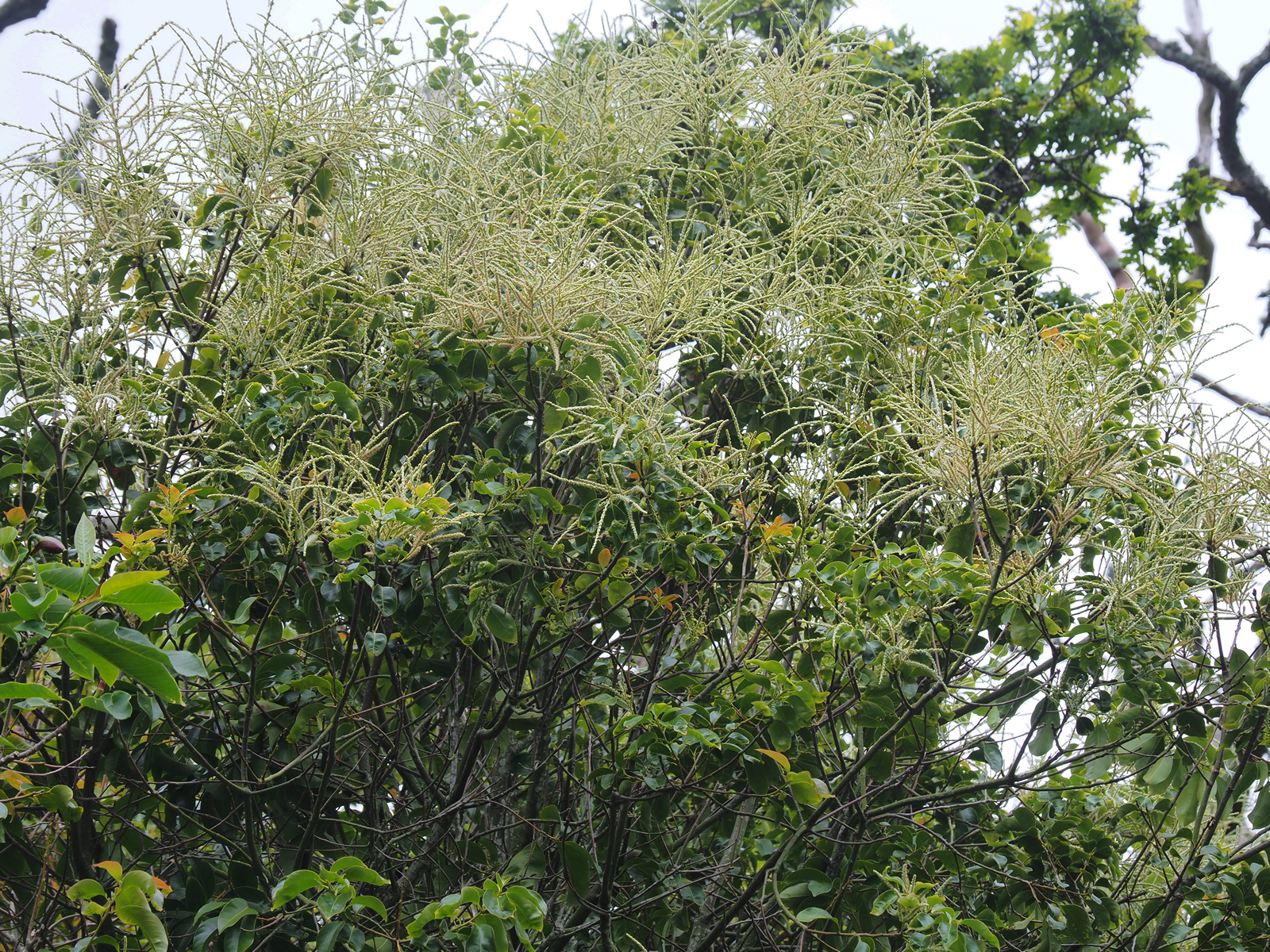
A huge inflorescence on Lithocarpus hancei. Far greater than I have ever seen before so perhaps even some acorns eventually?
Lithocarpus hanceiLithocarpus hancei
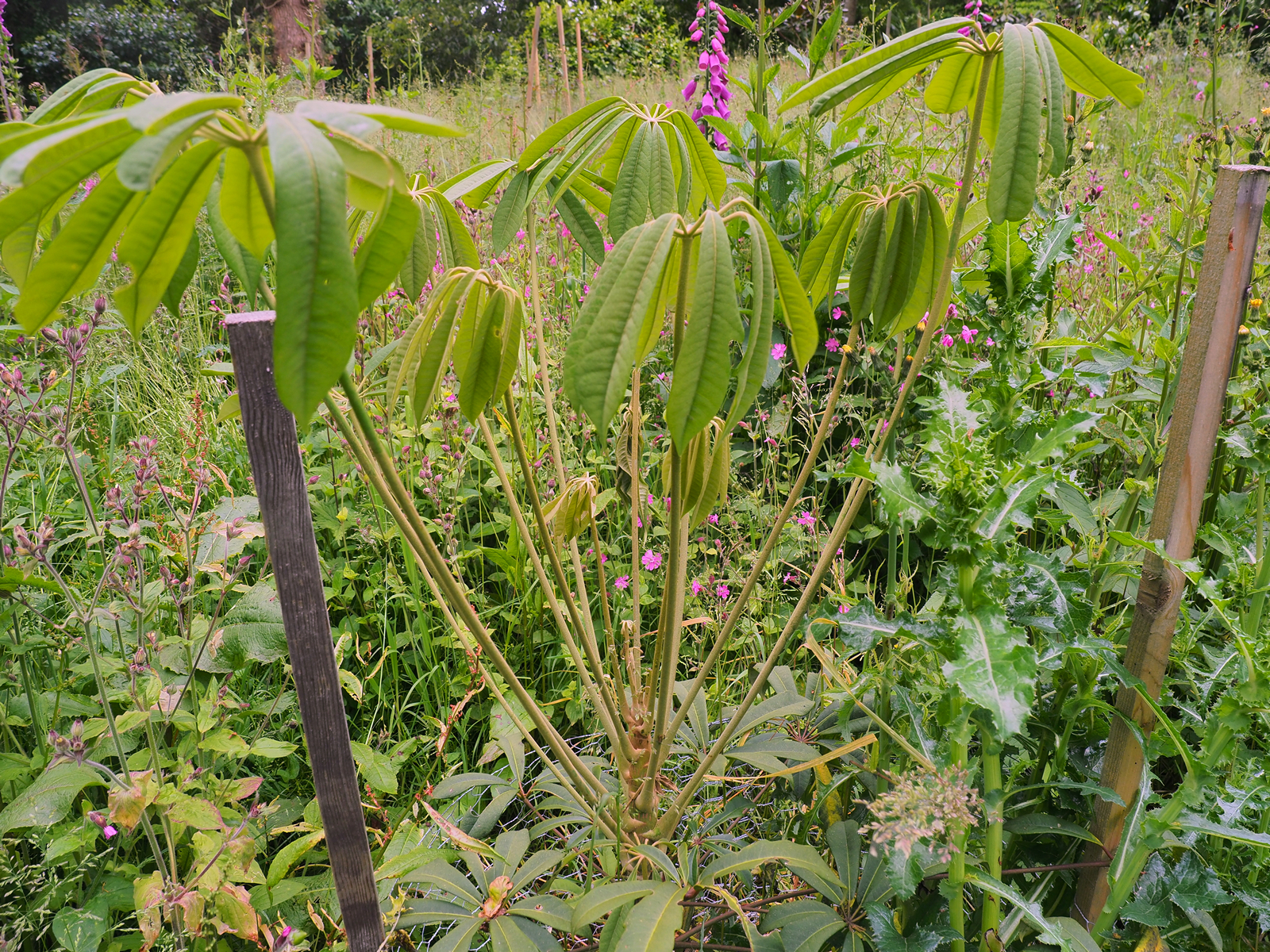
Schefflera rhododendrifolia making a good set of new growth which has doubled the size of the plant. It went in in March.
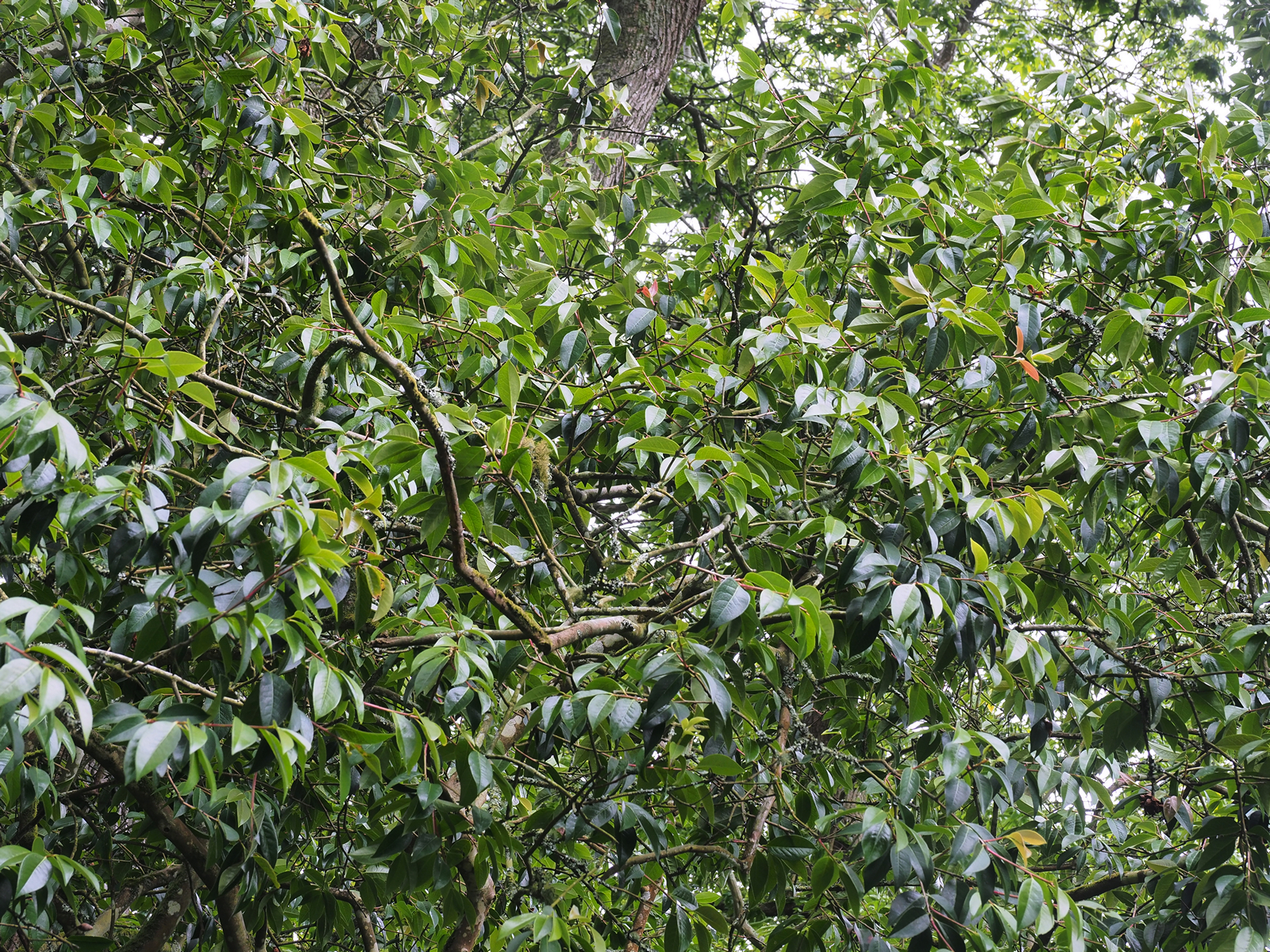
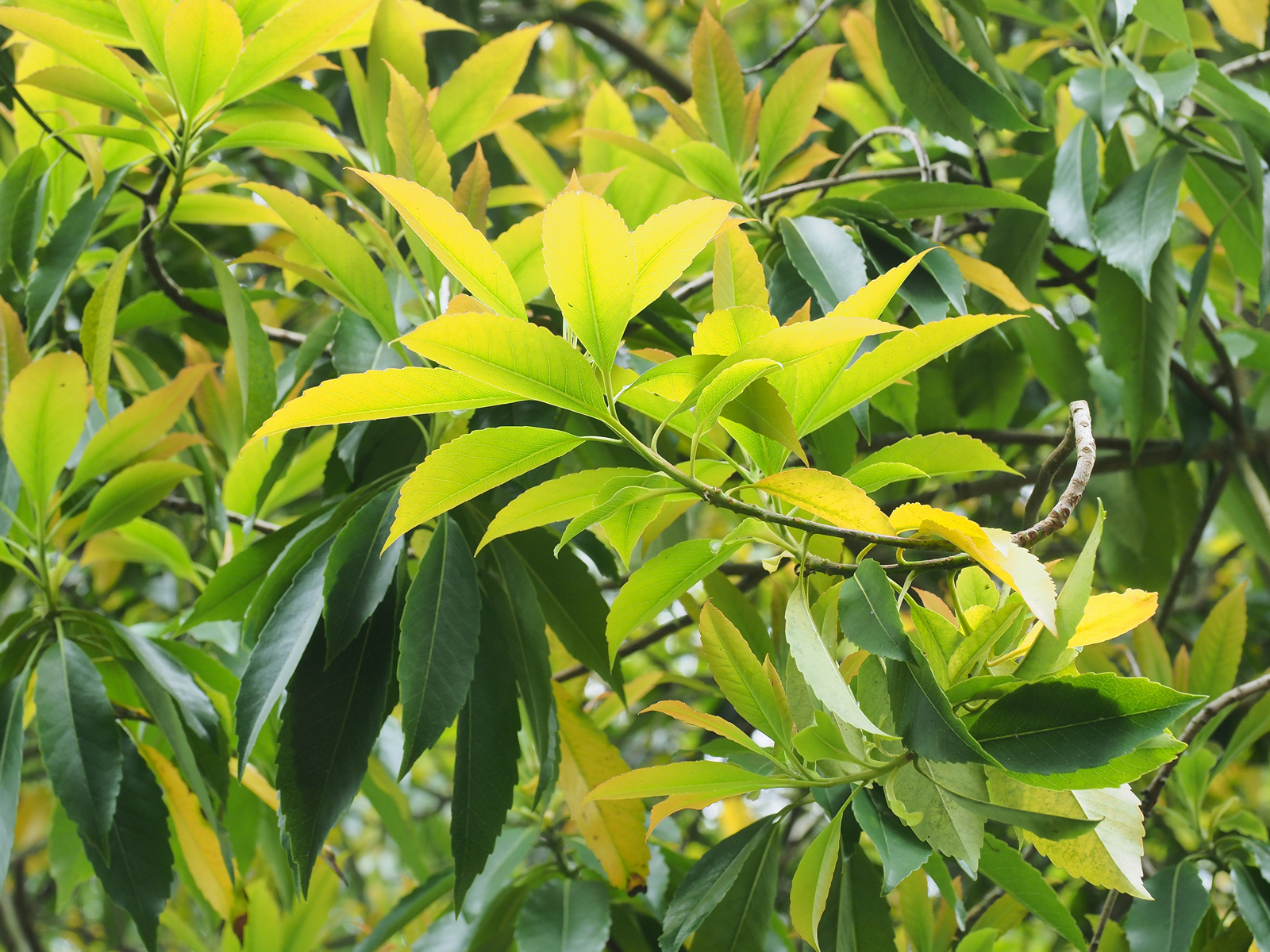
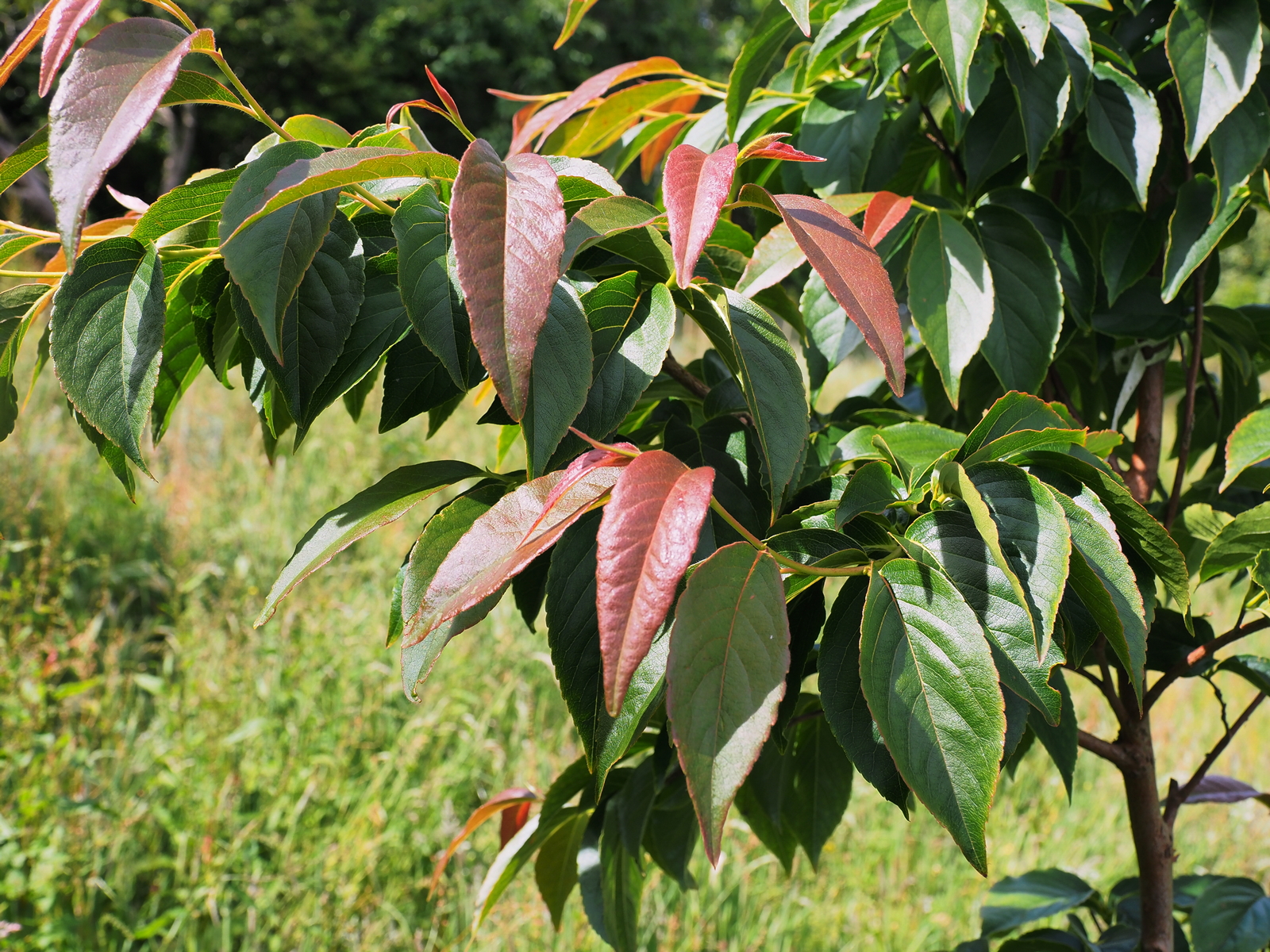
Attractive new growth on Schima superba which I have never noticed before. For years, until it flowered, I thought this was Persea japonica and even labelled it as such.
Schima superbaSchima superba
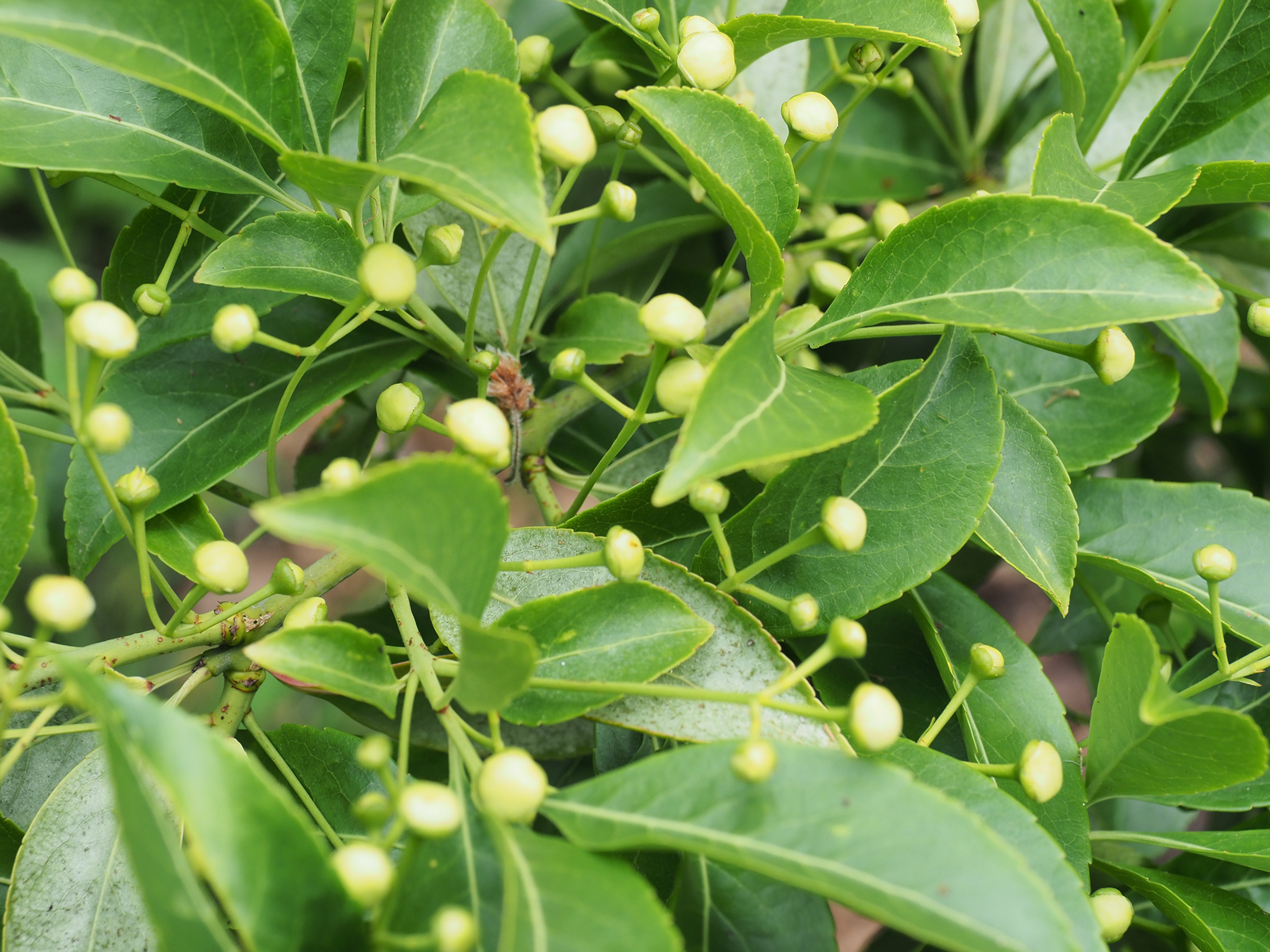
Euonymus morrisonensis with loads of bud. Planted three to four years ago.
Euonymus morrisonensisEuonymus morrisonensis
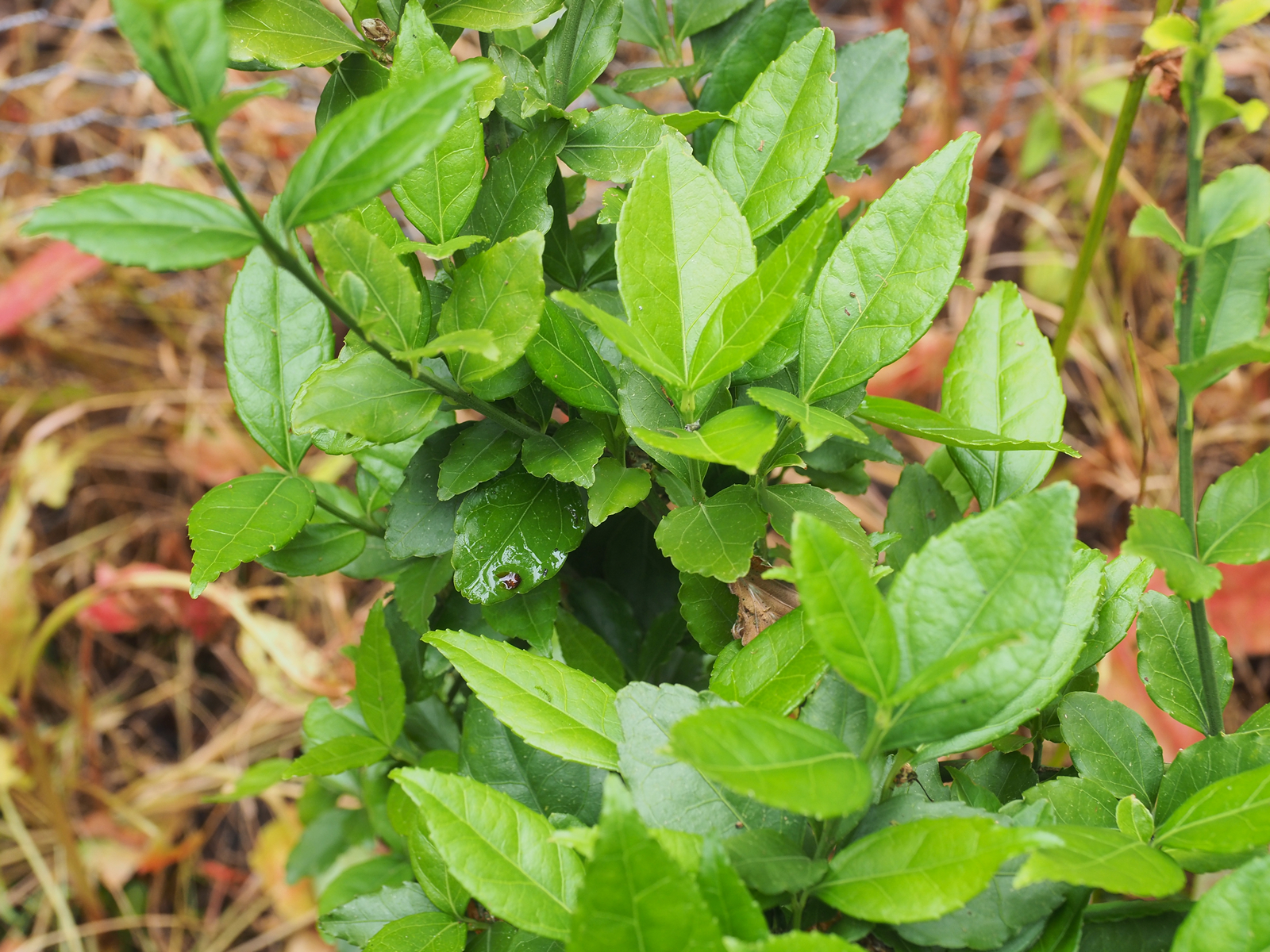
The newly planted Euonymus tonkinensis with no flower as yet.
Euonymus tonkinensis
2018 – CHW
Preparing for my styrax lecture tomorrow with a quick trip around. Most of the day at Burncoose.Rhododendron nuttallii now full out.
Rhododendron nuttalliiRhododendron nuttallii
Stewartia monodelpha new growth is a good red at first.
Stewartia monodelphaStewartia monodelpha
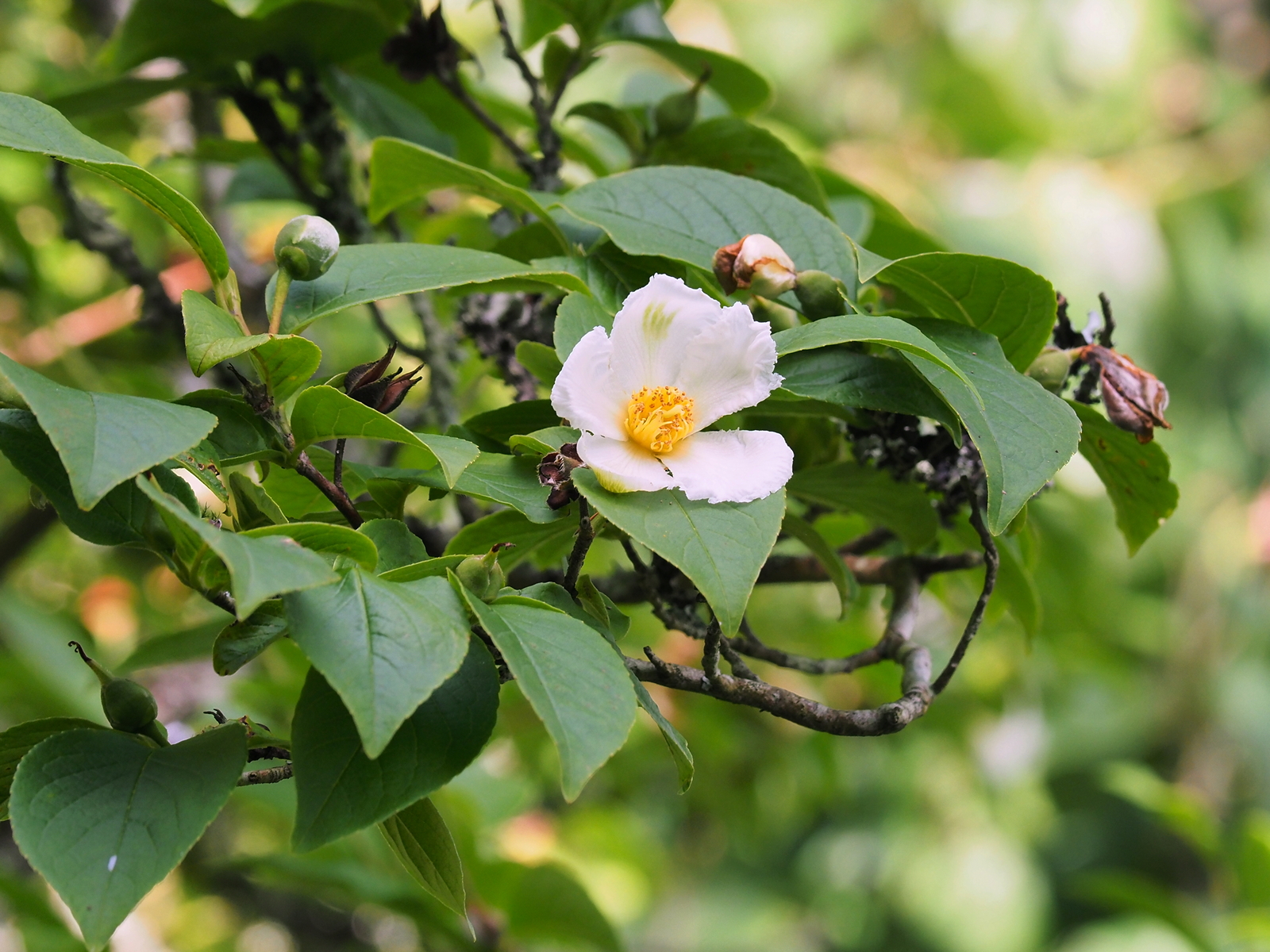
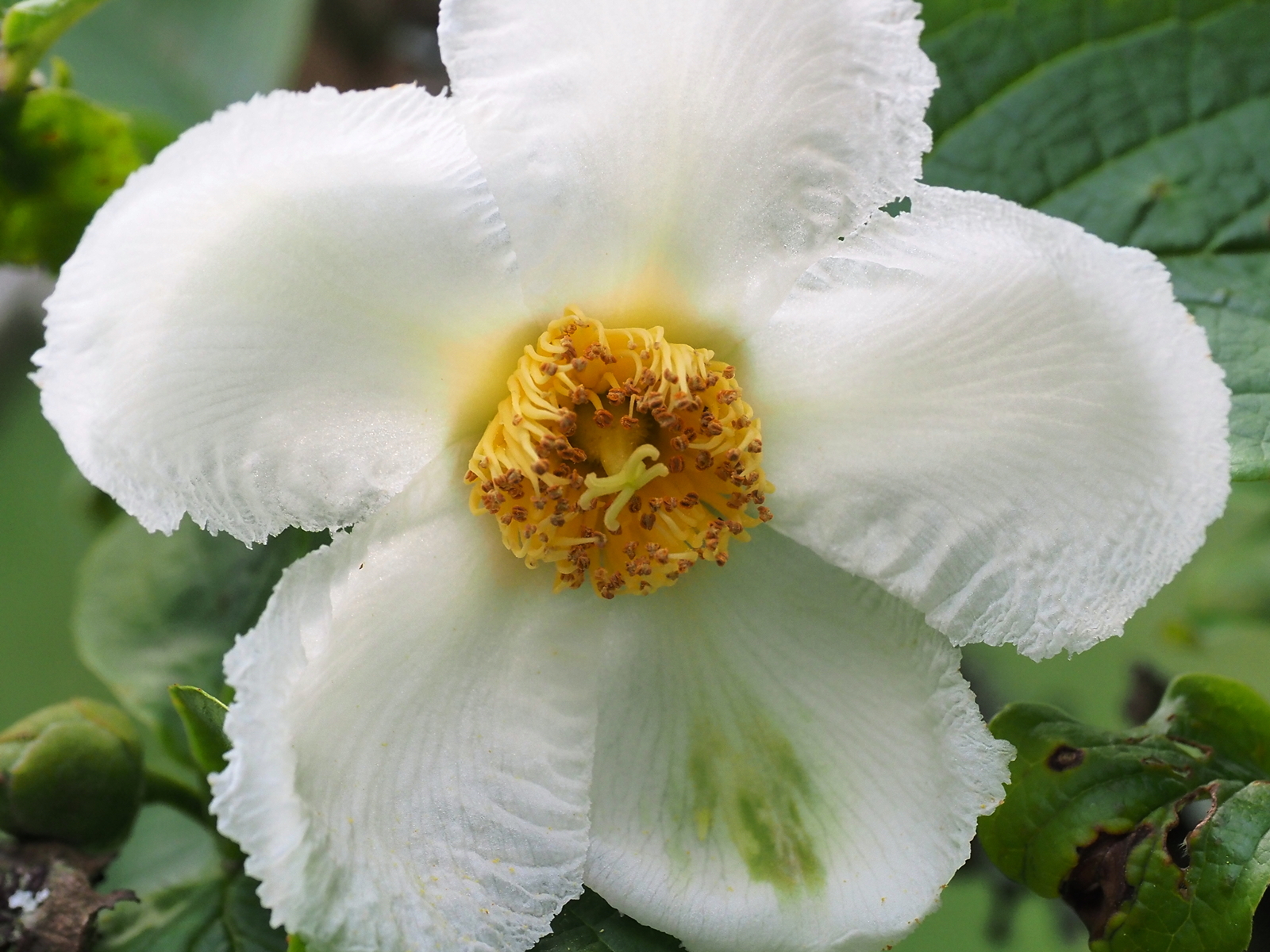
The Stewartia pseudocamellia flowers are nearly over already in a week.
Stewartia pseudocamelliaStewartia pseudocamellia
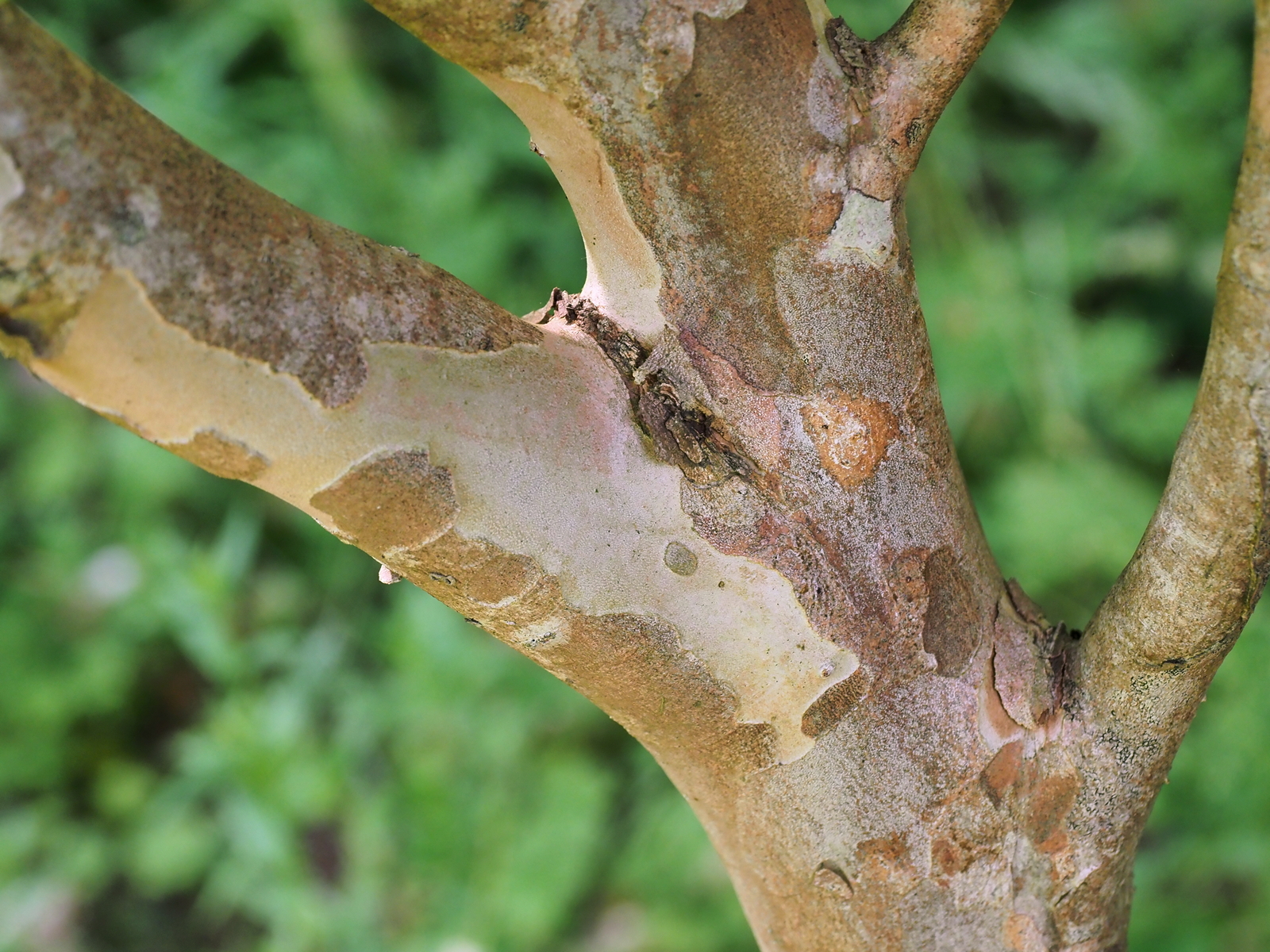
But its bark is only just starting to ‘fissure’ near the base. Further up the stem little has changed for a year.
barkbark
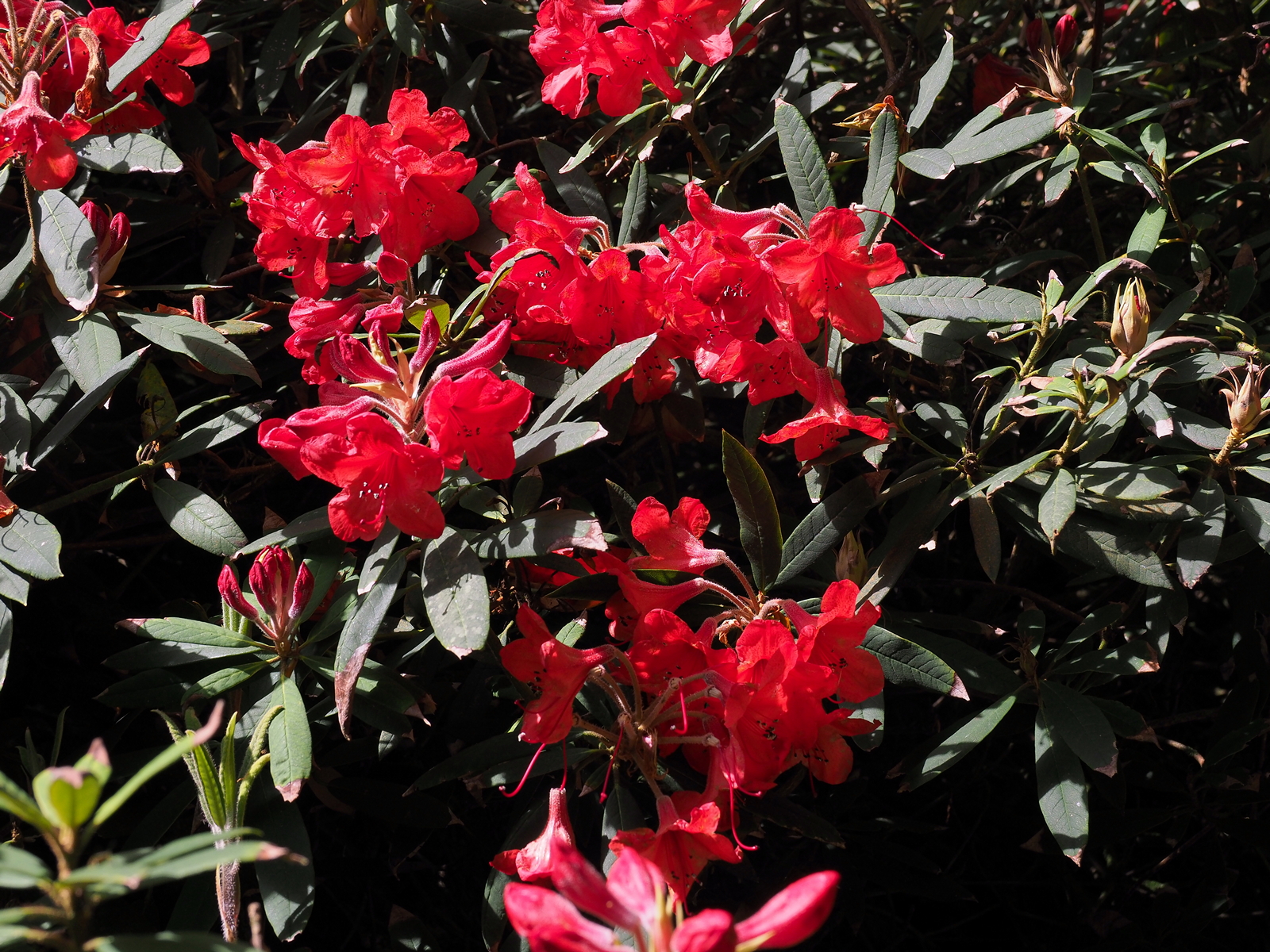
Rhododendron griersonianum nearly over.
Rhododendron griersonianum
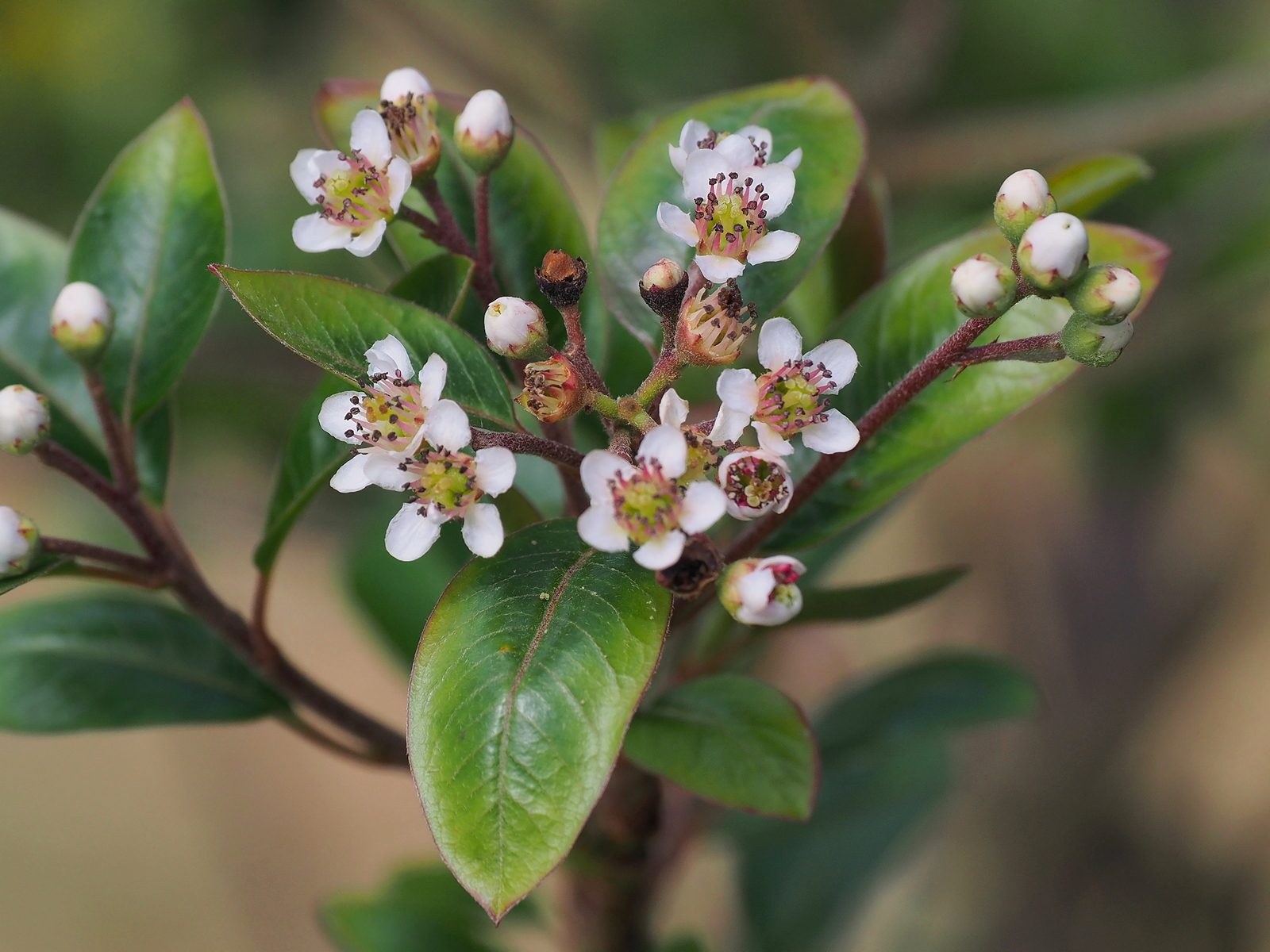
Photinia macrophylla with neither big leaves nor flowers but this plant suffered in The Beast.
Photinia macrophyllaPhotinia macrophylla
2017 – CHW
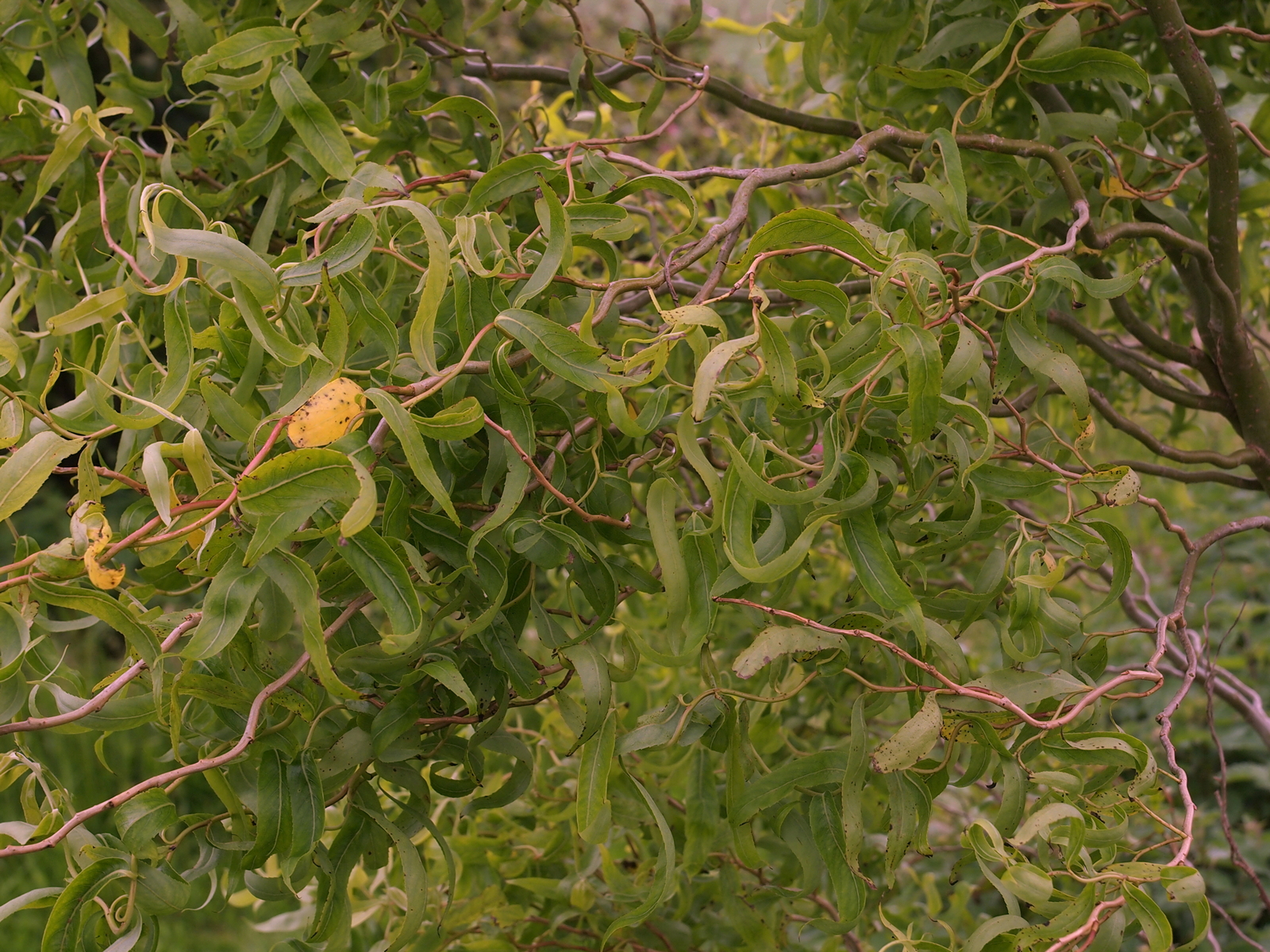
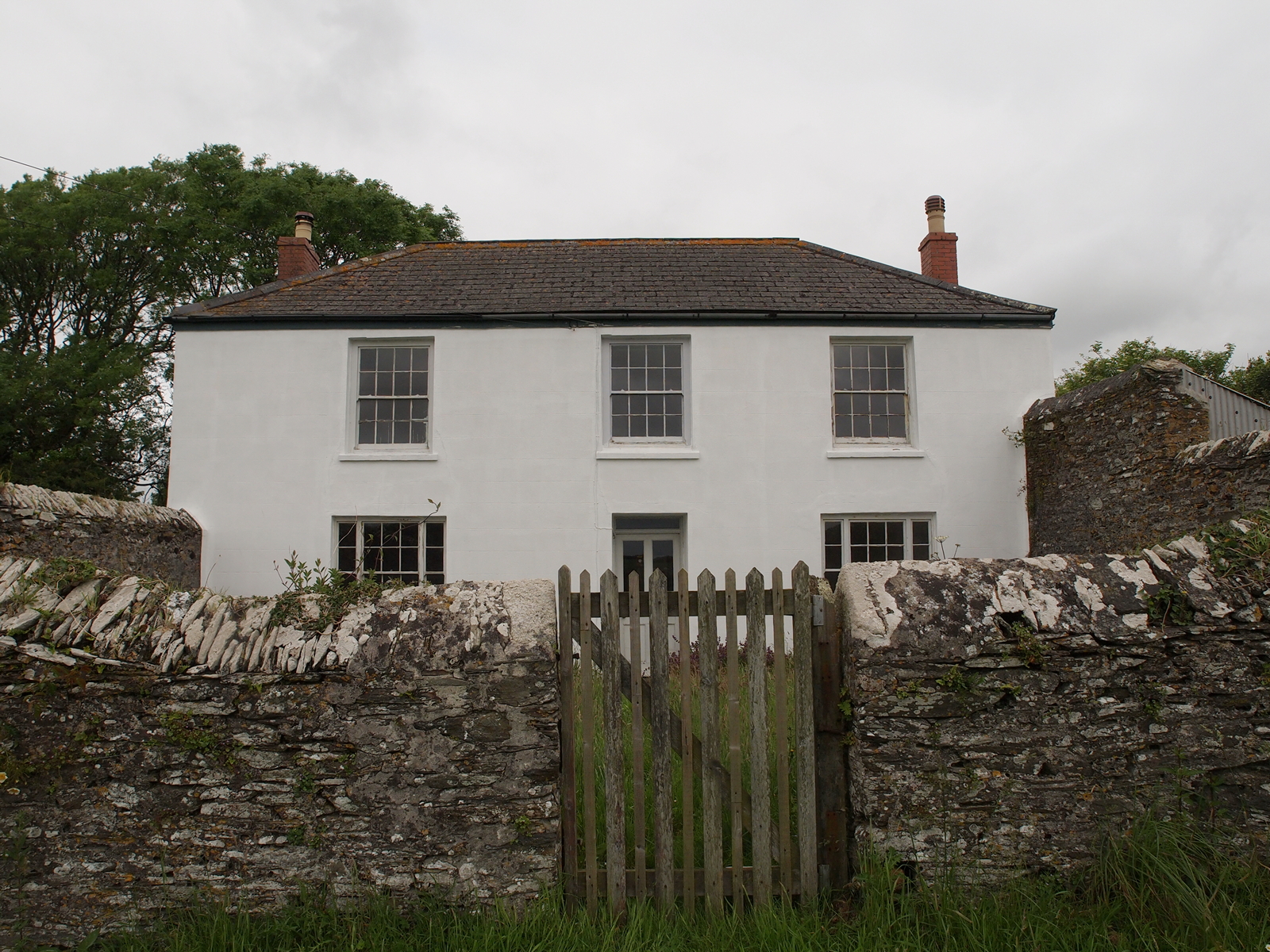
A trip to the vacant Rosevallon Farmhouse to view the necessary repairs. In the garden we find two surprises:Salix babylonica ‘Tortuosa’ growing on quite happily in the undergrowth with little wind protection. The contorted stems have combined to form a small tree. Unexpected in the middle of nowhere.
Salix babylonica ‘Tortuosa’
The front of Rosevallon Farmhouse facing south.
front of Rosevallon Farmhouse
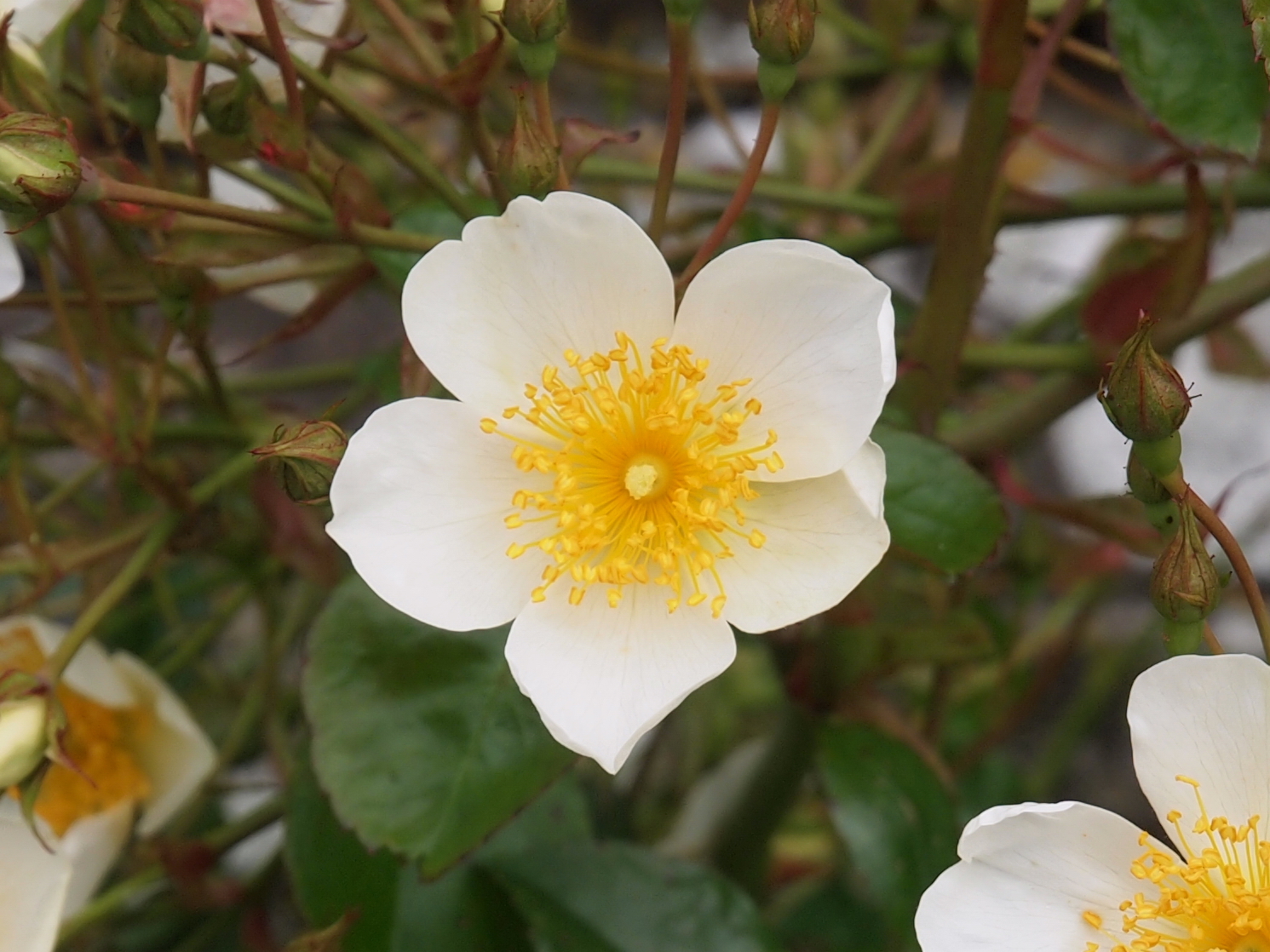
Rosa ‘Wedding Day’ growing away happily on the garden wall. Creamy yellow flowers fading to white in large trusses which do not all come out at quite the same time. I wonder who this was planted for? The Bloomfield family lived here for generations but Joss only died about eight years ago.
Rosa ‘Wedding Day’Rosa ‘Wedding Day’
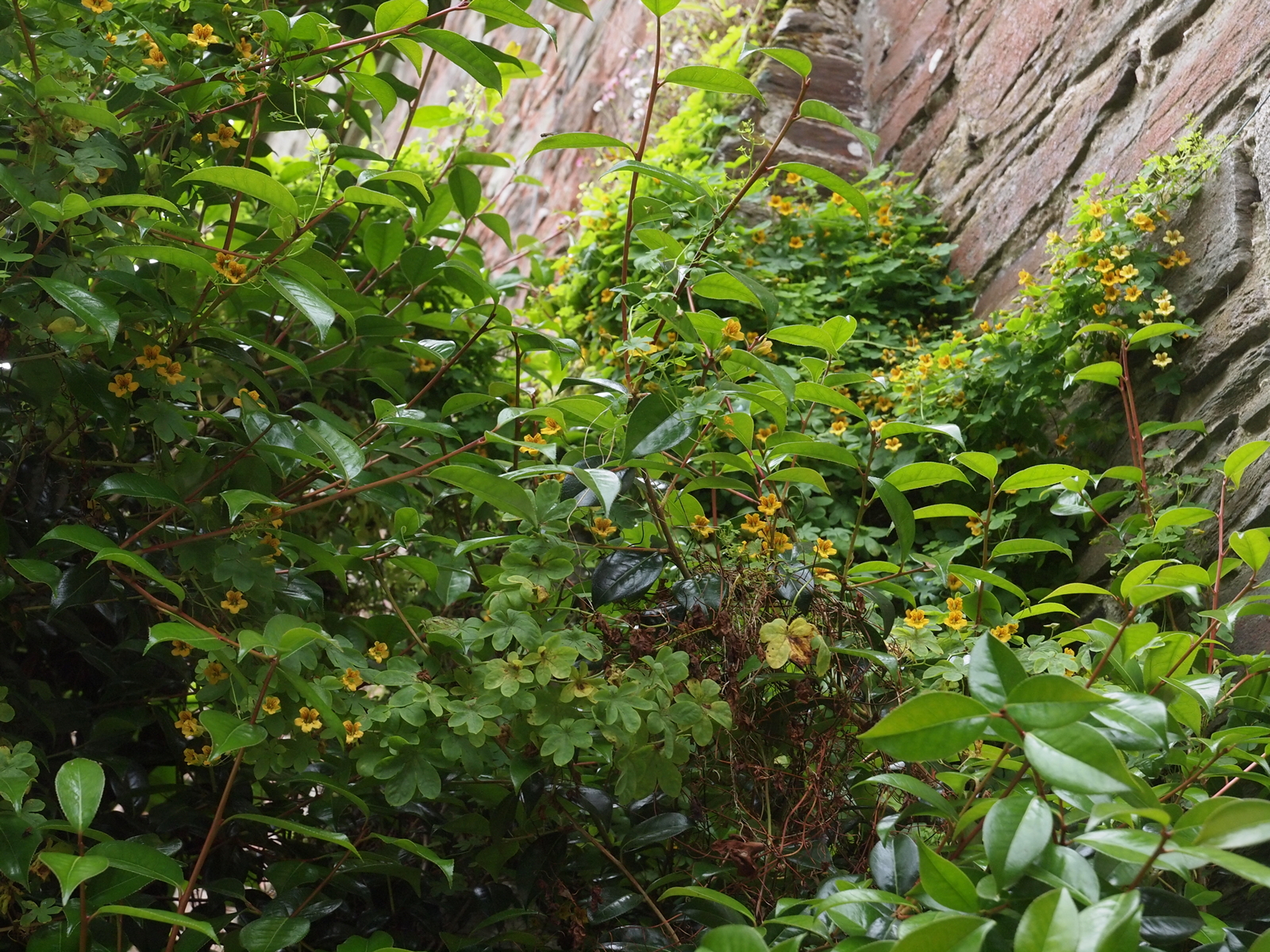
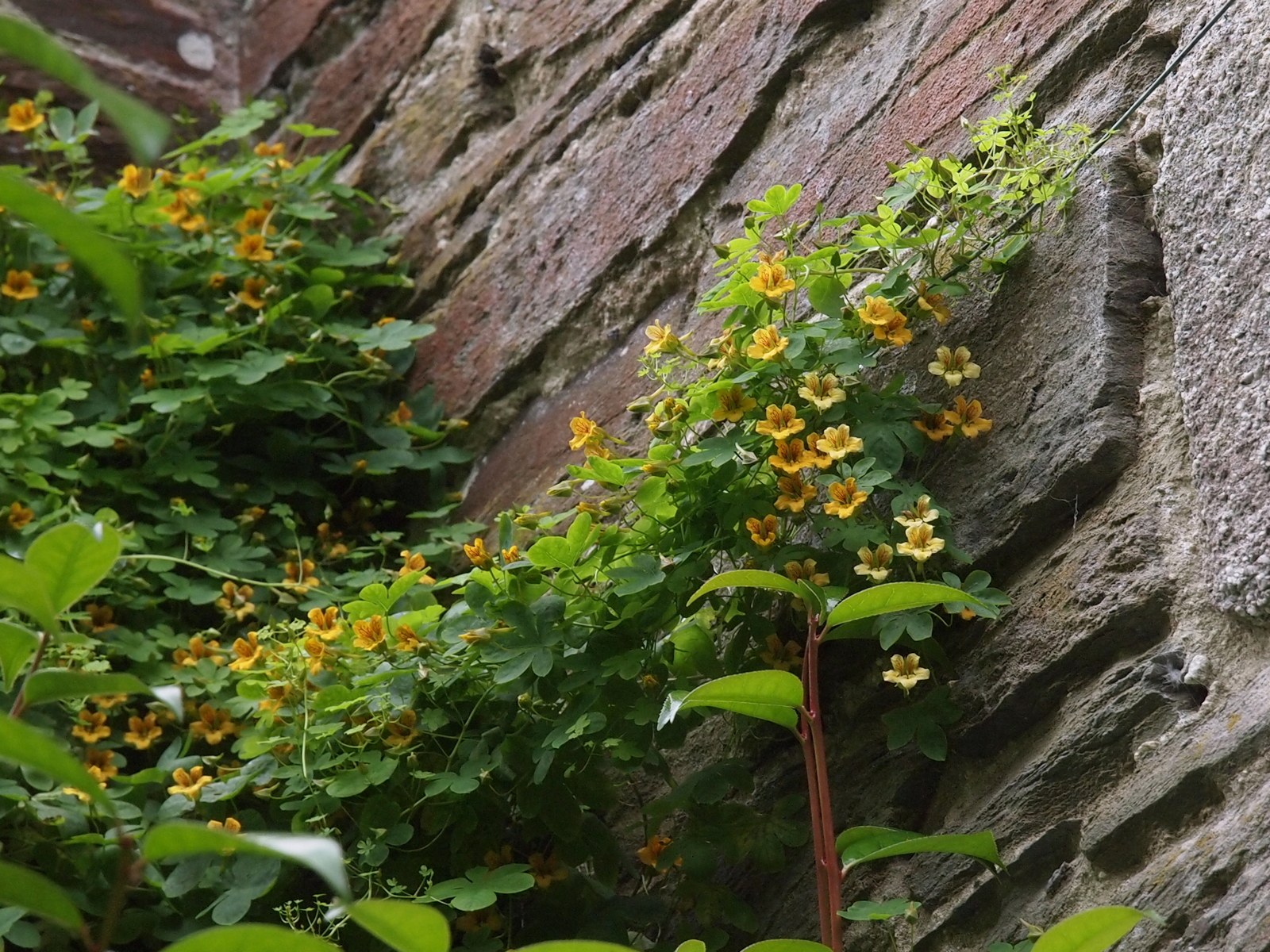
Tropaeolum ciliatum full out already as it never died down in the mild winter. It is invading the nearby camellia just as Tropaeolum speciosum does nearby. Another tropaeolum whose roots need to be in the shade with the 6-10ft tendrils reaching up through something into the light.
Tropaeolum ciliatumTropaeolum ciliatum
2016 – CHW
In London for the day – how The City and Moorgate, where I worked for 10 years, has changed. 21 Moorfields, the old Lazards concrete building, is half demolished and with it ‘The City Boat’ our favourite ‘watering hole’ on a Friday.2015 – CHW
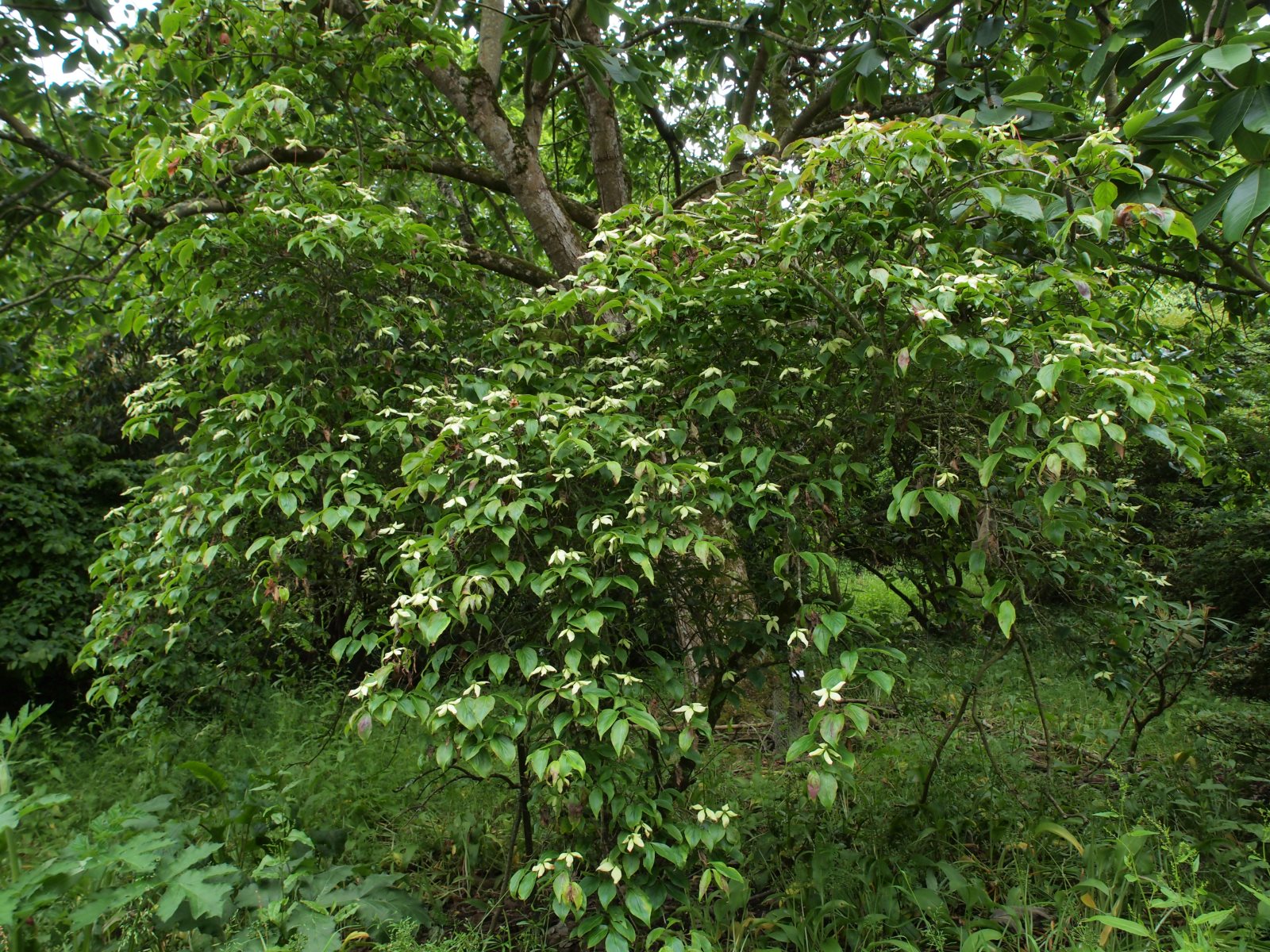
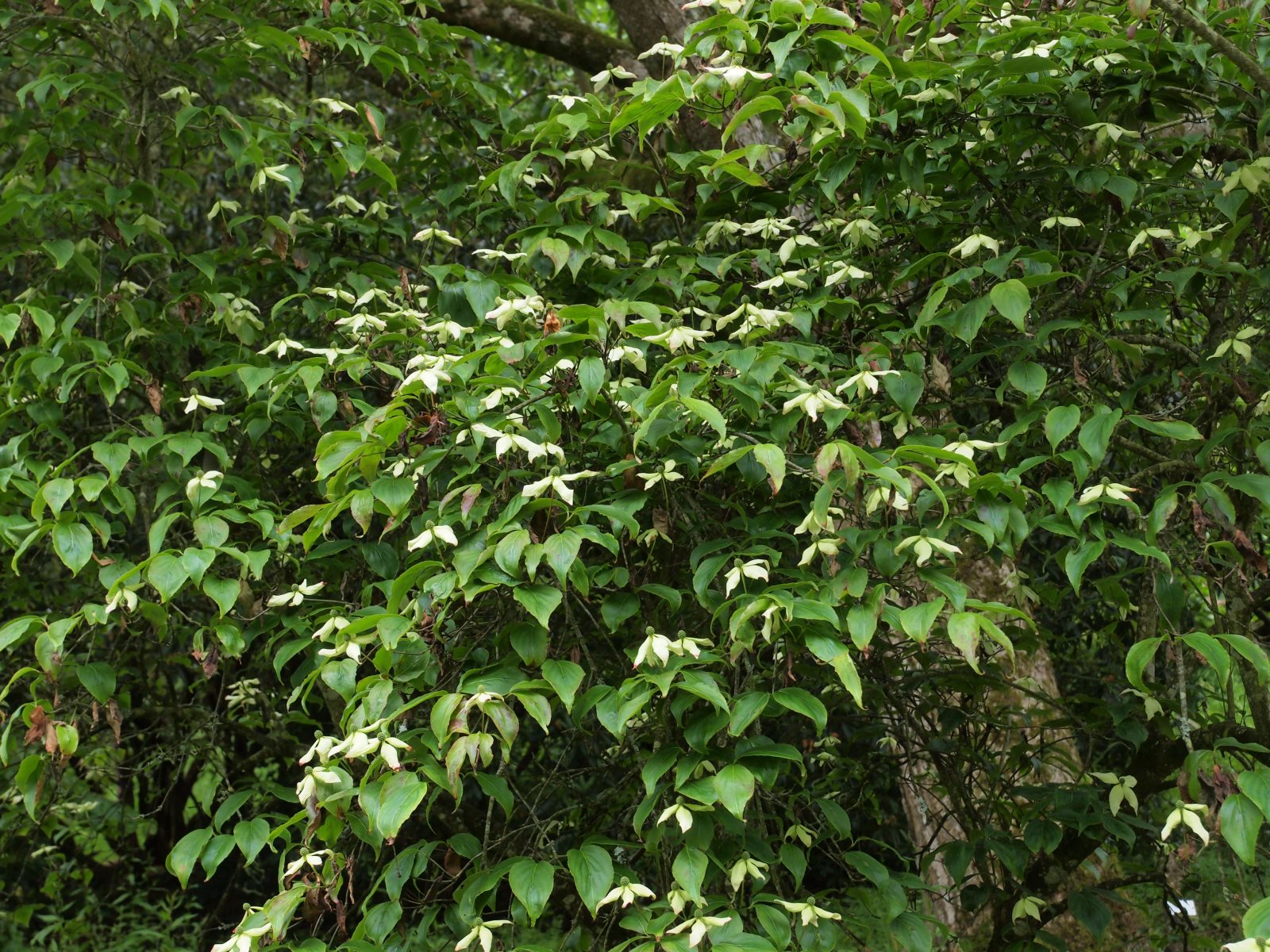
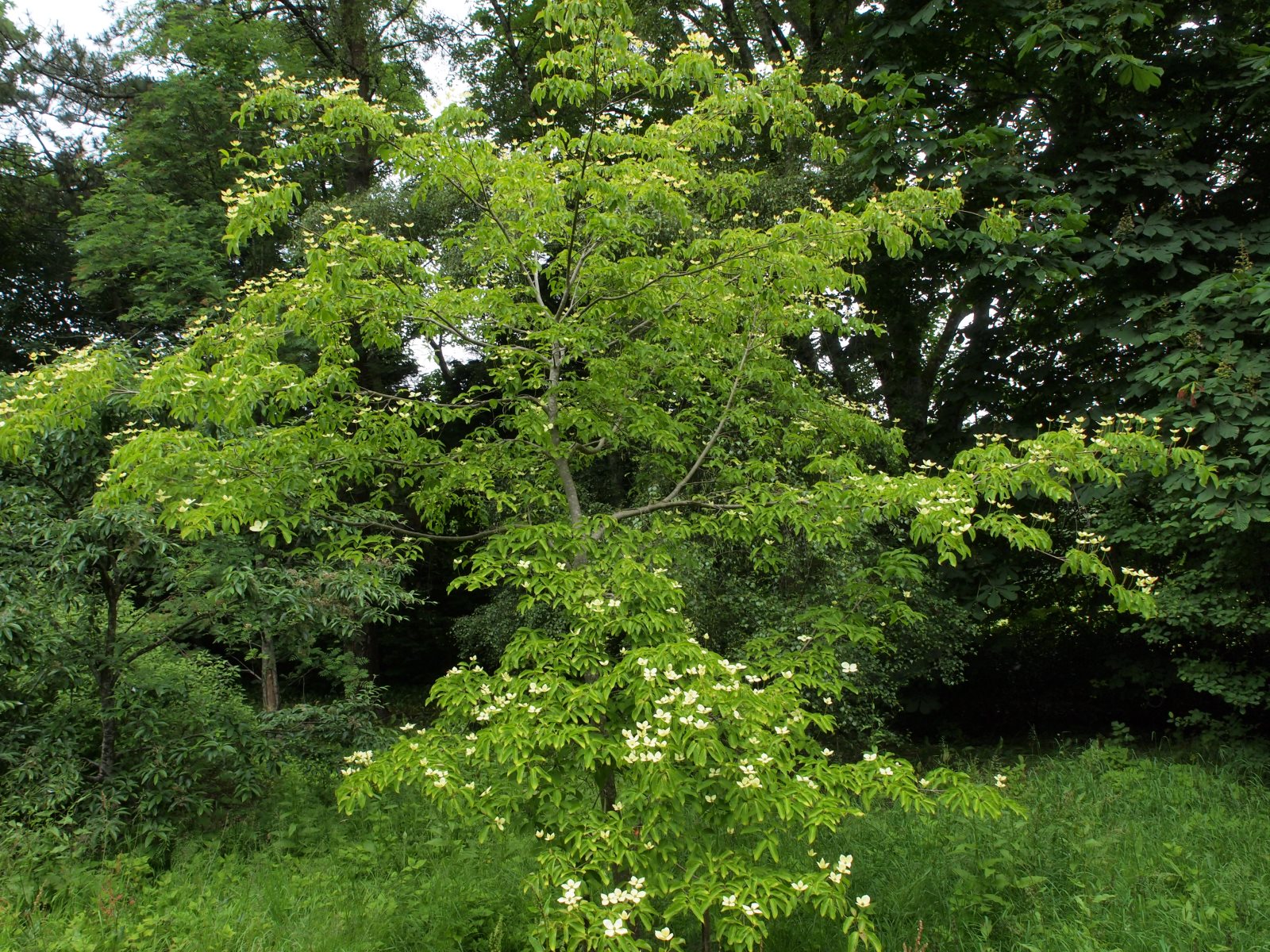
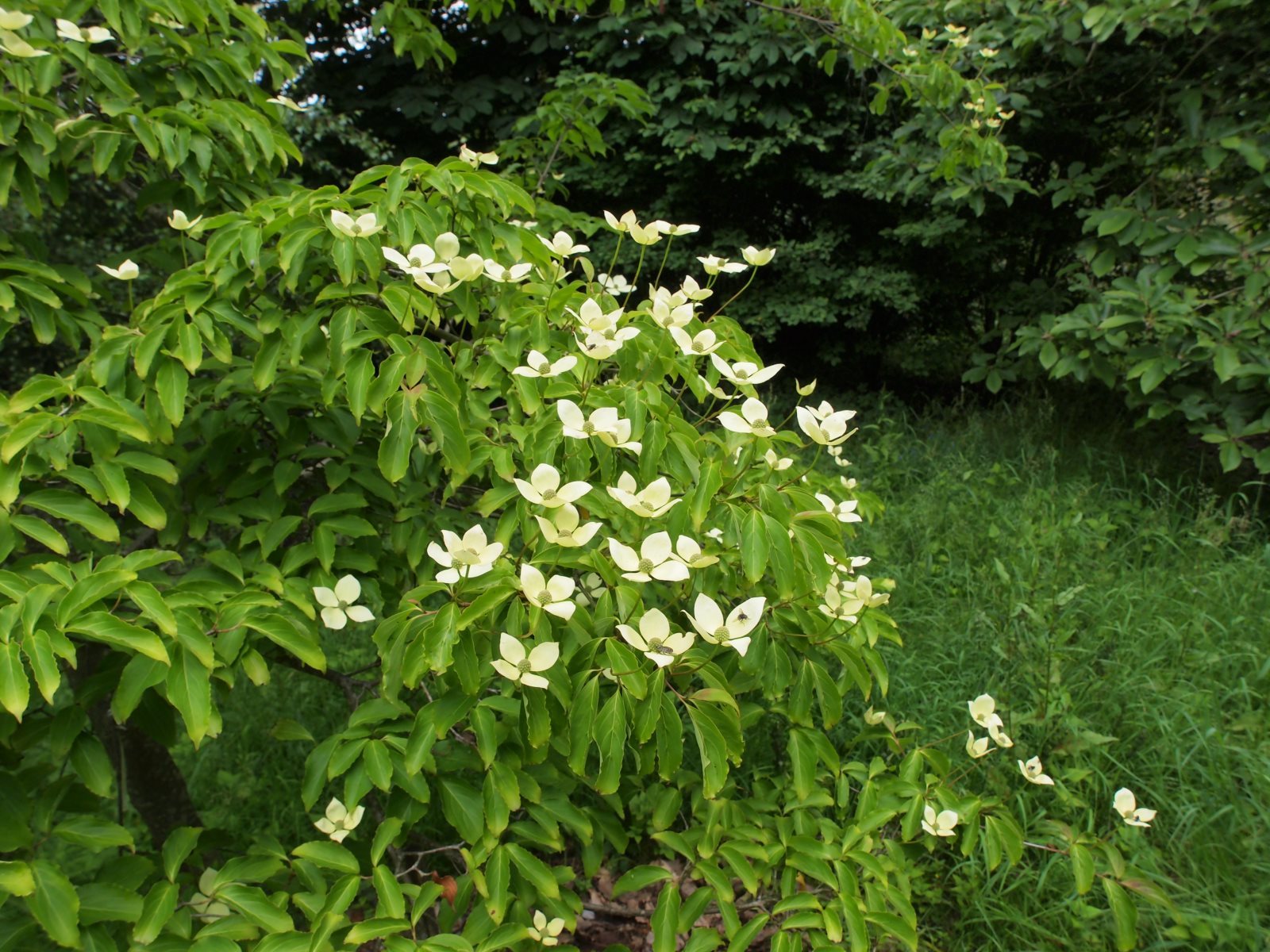
The cornus hunt gathers pace:
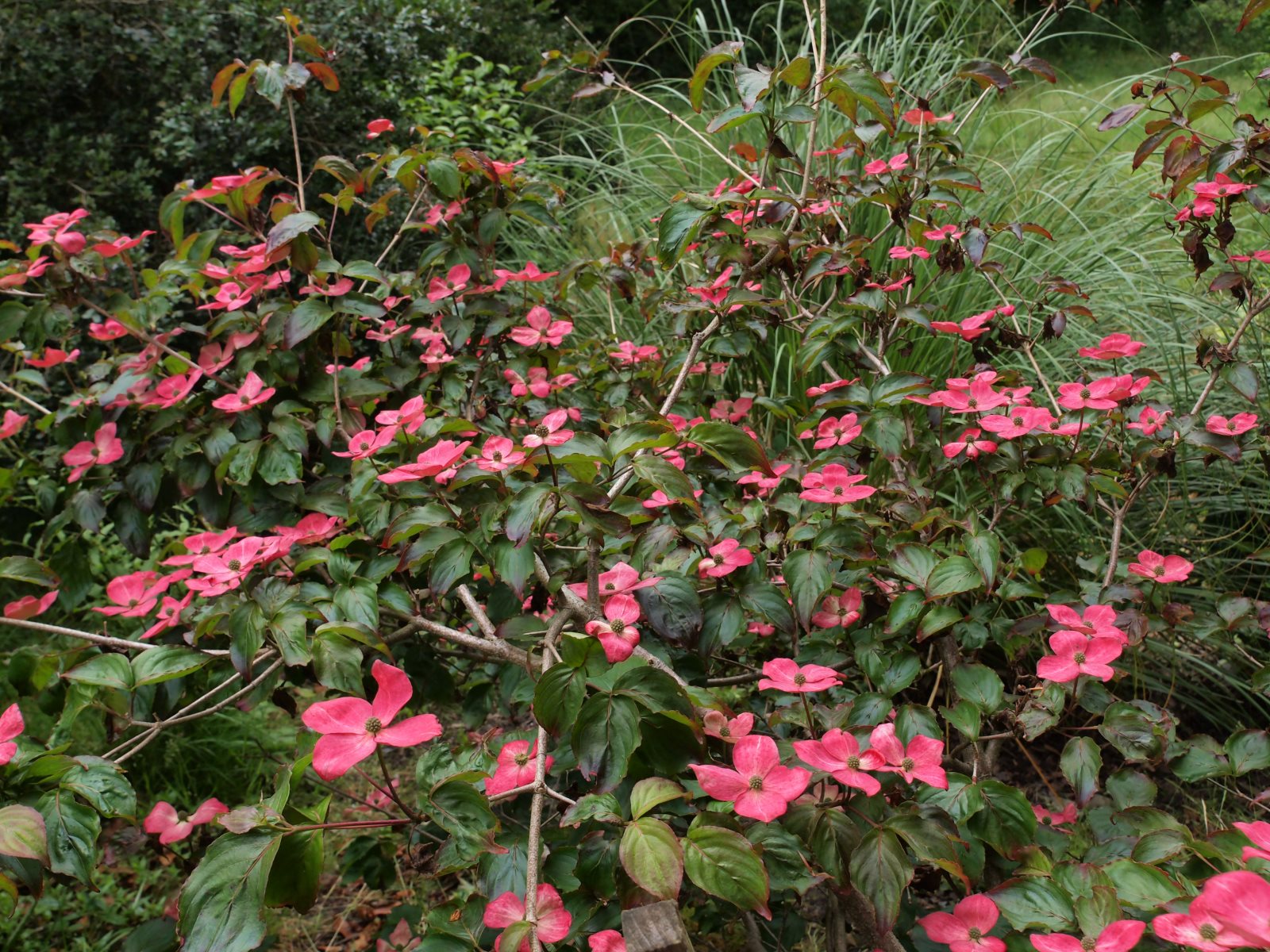
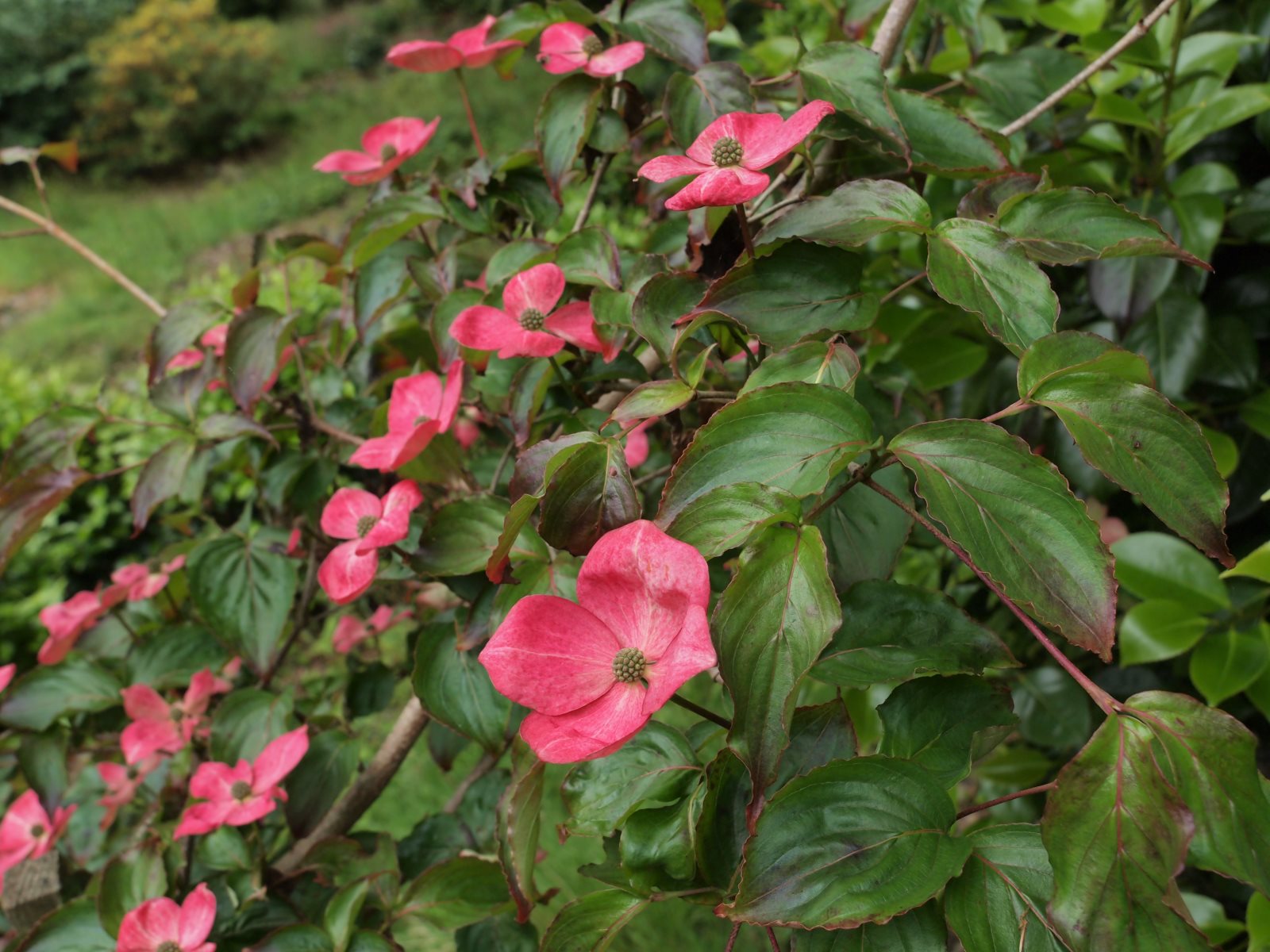
Cornus kousa ‘Heart Throb’ below the Fernery is in full sun but not the same shape or as red as ‘Satomi’. Very nice and we need to remove the camellias around it.
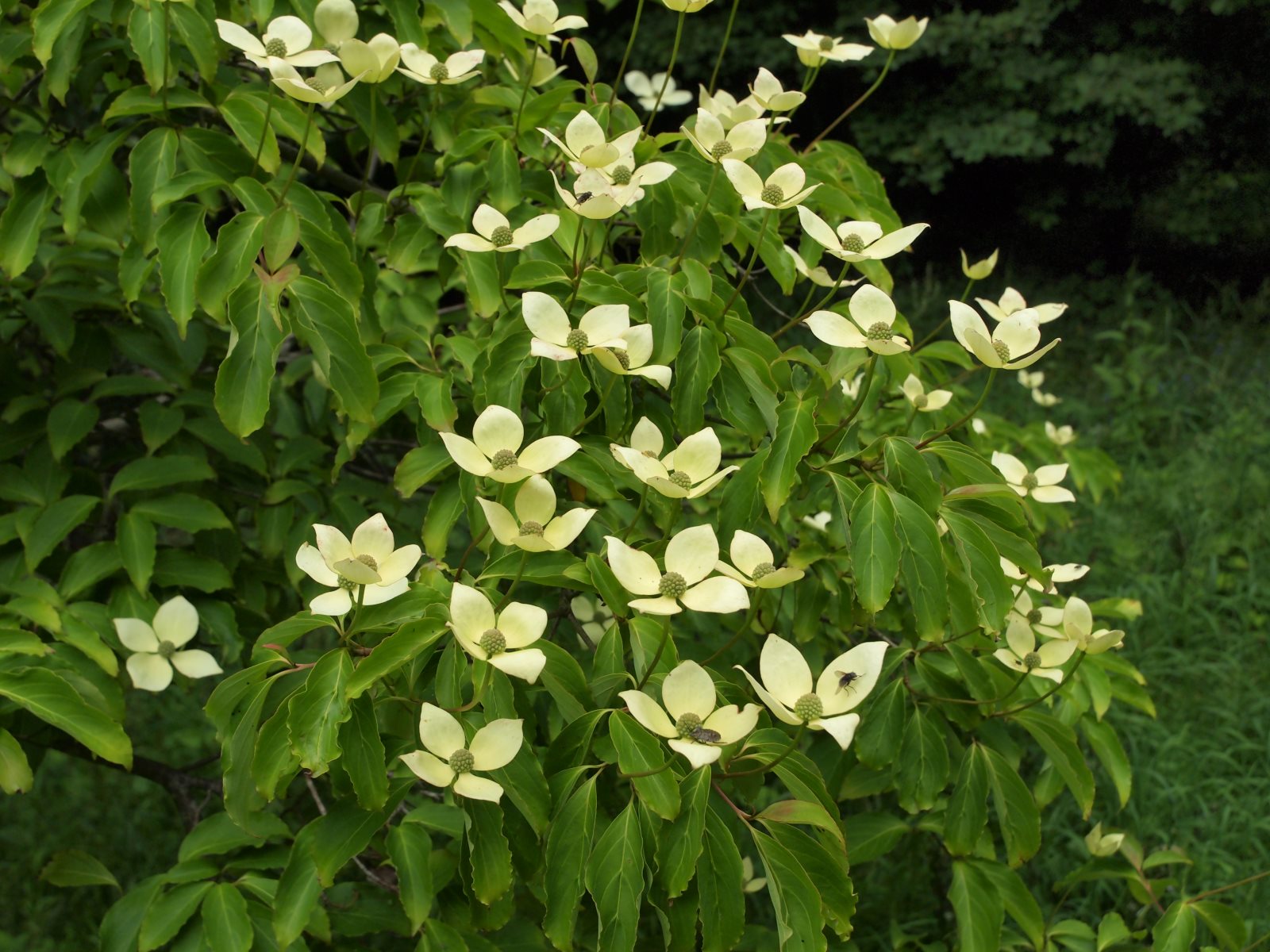
This Cornus kousa had no name when planted in 1998. After consulting Mr Cappiello and Mr Shadow’s reference book I am none the wiser as no pictures in the book even faintly match it. Cornus kousa ‘Wolf Eyes’ has similar flowers but the Wolf has variegated foliage. Clearly a very good plant in a key spot and covered in bracts.
Cornus kousa no nameCornus kousa no name
Cornus kousa ‘Windles Weeping’ has small flowers and looks a bit sick. It has not grown much since it was planted in 1991. The one at Burncoose gets more sun but is equally slow.
Cornus kousa ‘Gloria (?) Birkett’ (part of label lost). Again the name is not mentioned in the USA cornus reference book. This tree was also planted after the 1990 hurricane and has been laden with strawberry fruits for several years now which are even larger than those regularly found on Cornus kousa var chinensis. A really excellent vigorous plant.
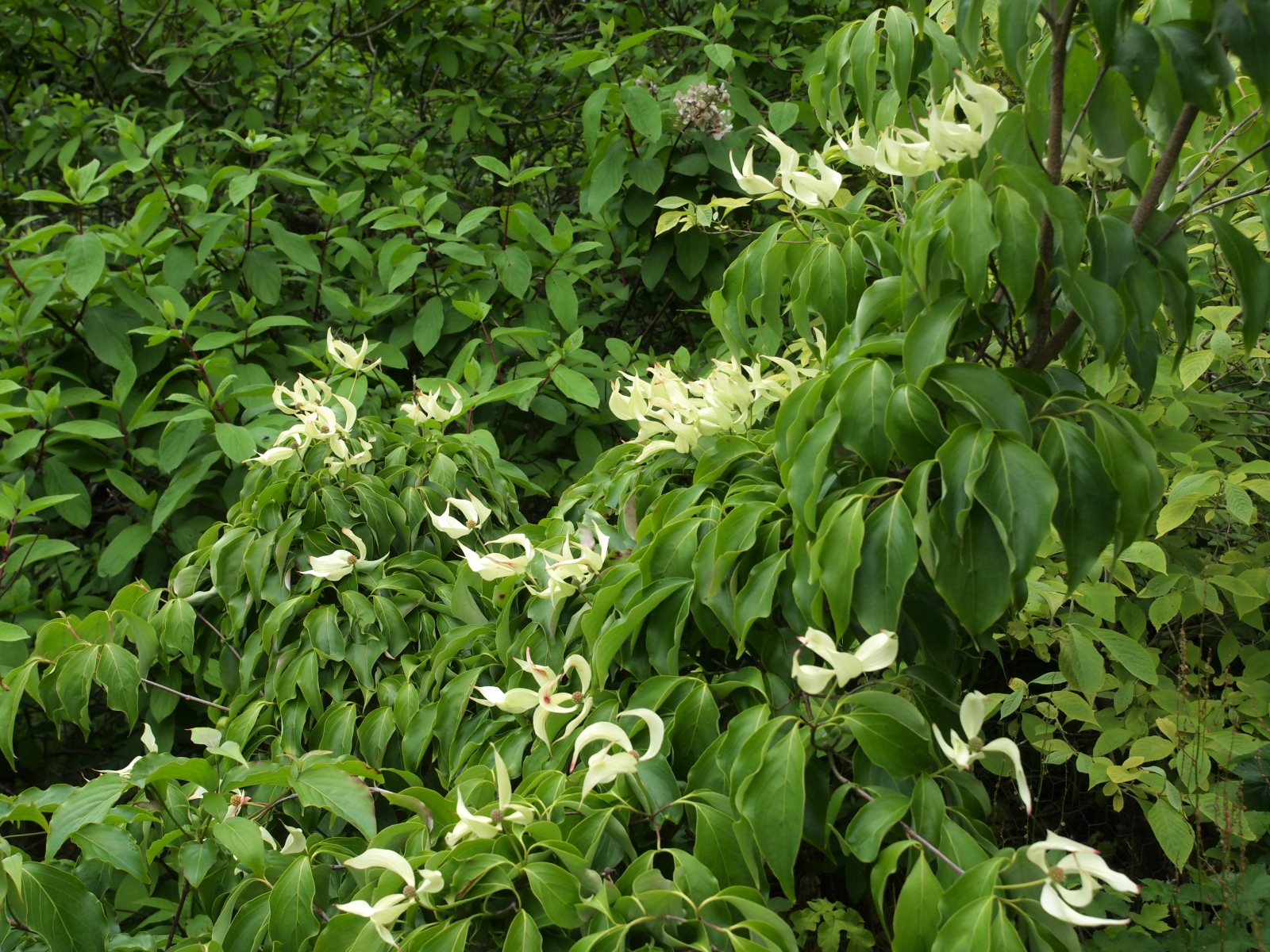
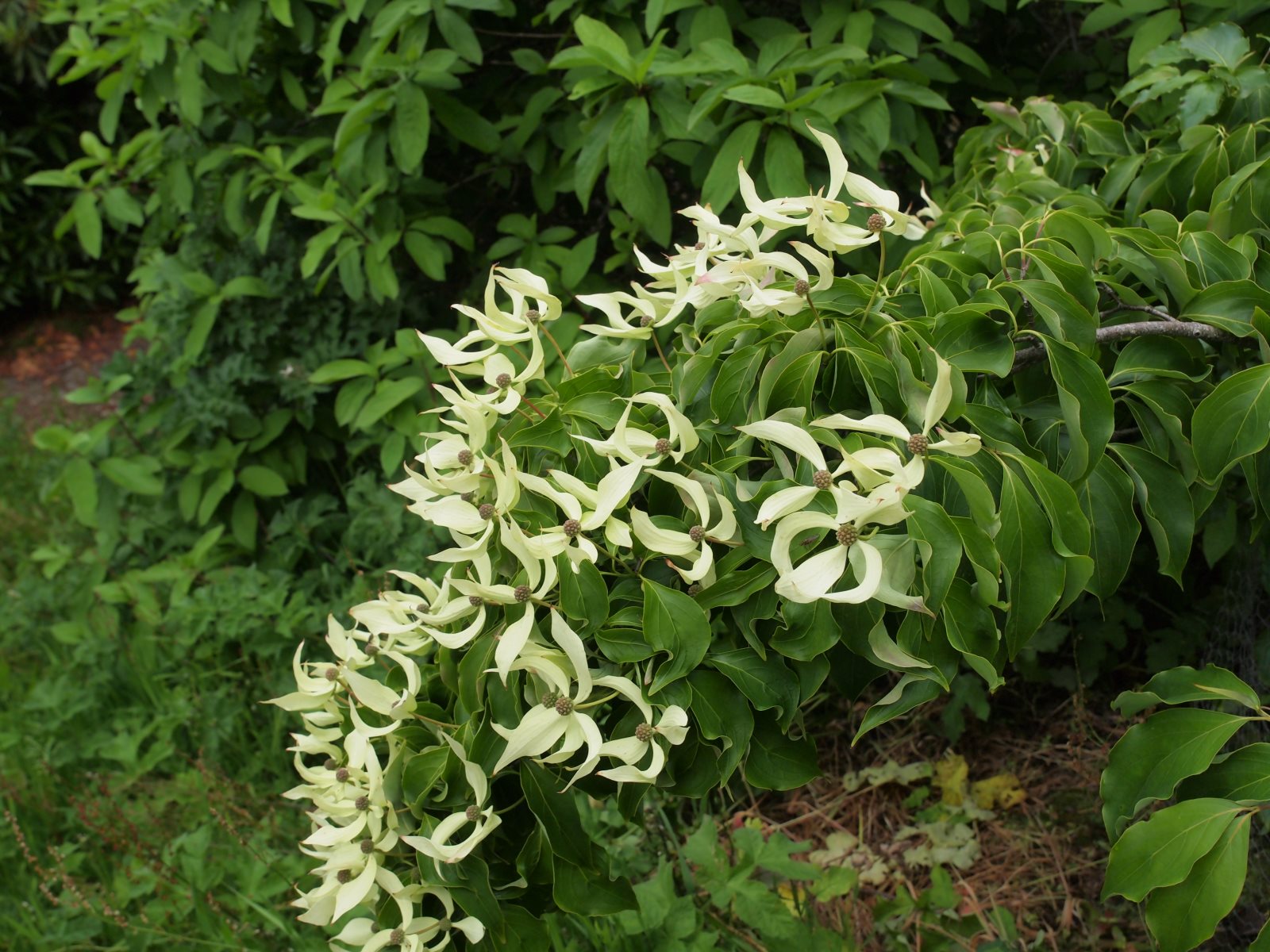
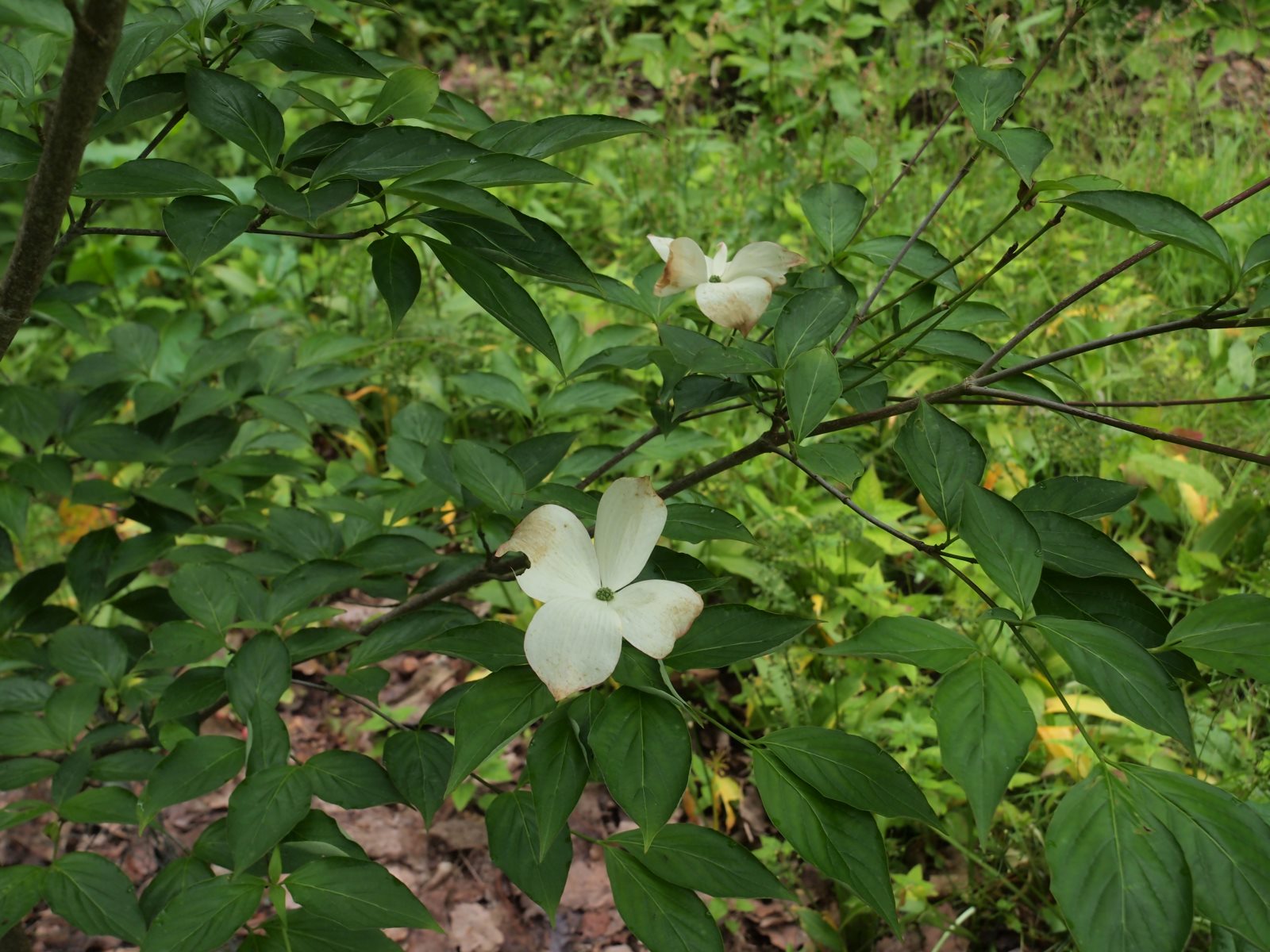
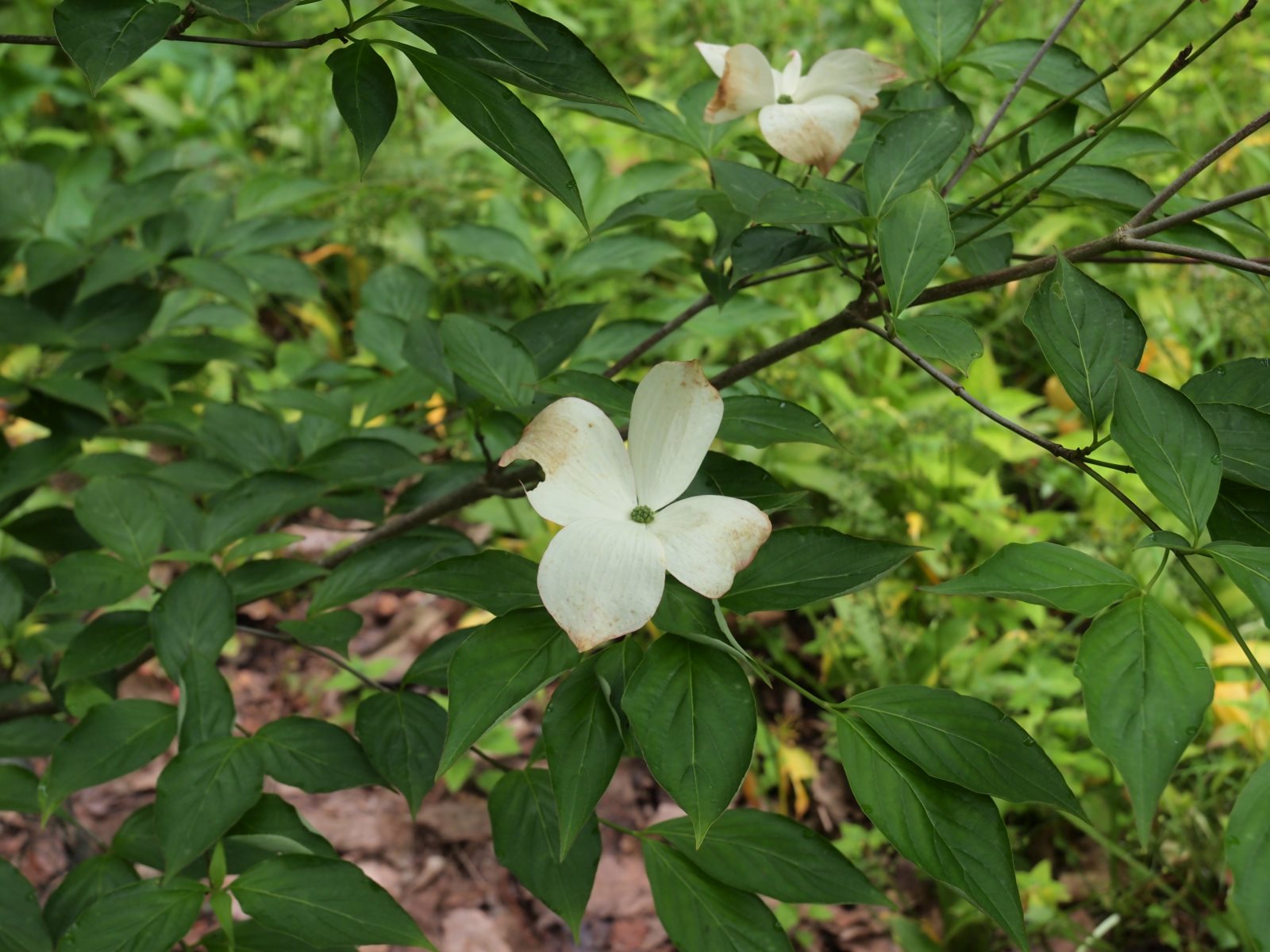
Cornus kousa ‘Milky Way’ – two tail end and slug eaten flowers which are very different in shape from those photographed some three to four weeks ago which had very pointed four sided bracts. The change in bract shape and colour as the flower matures makes naming cornus quite difficult. The US book lists scores of named kousa and florida clones. Far more than you ever see offered for sale in specialist Dutch nurseries. There will be plenty more cornus out soon!
Cornus kousa ‘Milky Way’Cornus kousa ‘Milky Way’
1980 – FJW
Camellias above Play House hanging on well. Dry May month but June is wet.
1923 – JCW
Back from Scotland and much growth has been made, some nice seedling Azaleas about, PD’s big White is the best, some of ours are near it, our Pink promise well and there may be some good reds later.
1922 – JCW
Just back from Scotland. They are short of rain and most of the Azaleas are over, some nice white Arboreum hybrids make their first show. Evergreen Oaks have done well, Harrow hybrids are very nice.
1902 – JCW
Picked a lot of daff seed, hardly ripe, Sir Watkin, King A, Weardale, Jacko, Adreanna good, Azaleas nearly over. Am starting for London.
1897 – JCW
[?] foliosa out, I have picked all the daff seed except Recurvas.
This website uses cookies to improve your experience. We'll assume you're ok with this, but you can opt-out if you wish.AcceptRead More
Privacy & Cookies Policy
Privacy Overview
This website uses cookies to improve your experience while you navigate through the website. Out of these, the cookies that are categorized as necessary are stored on your browser as they are essential for the working of basic functionalities of the website. We also use third-party cookies that help us analyze and understand how you use this website. These cookies will be stored in your browser only with your consent. You also have the option to opt-out of these cookies. But opting out of some of these cookies may affect your browsing experience.
Necessary cookies are absolutely essential for the website to function properly. This category only includes cookies that ensures basic functionalities and security features of the website. These cookies do not store any personal information.
Any cookies that may not be particularly necessary for the website to function and is used specifically to collect user personal data via analytics, ads, other embedded contents are termed as non-necessary cookies. It is mandatory to procure user consent prior to running these cookies on your website.