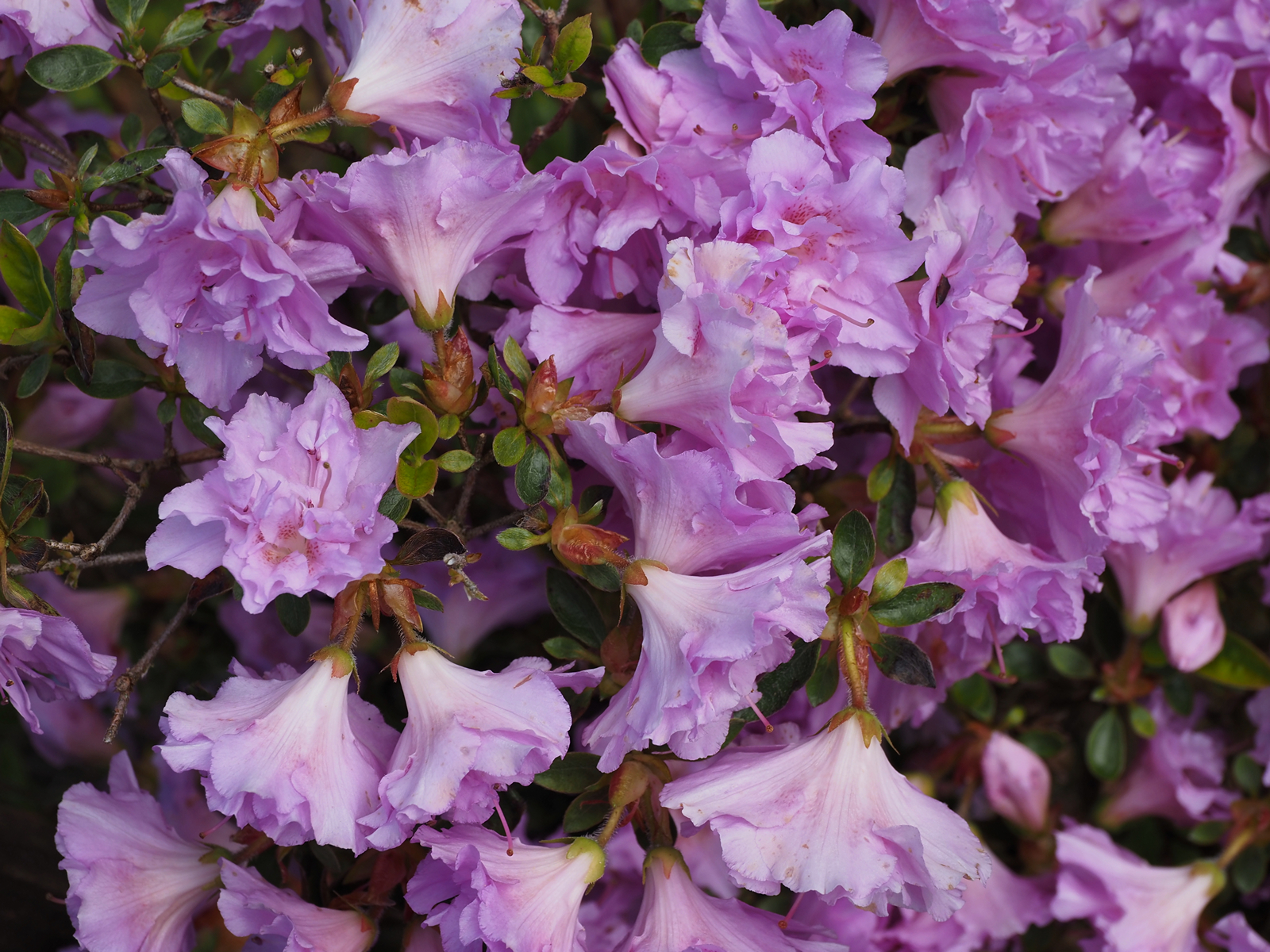
Another Rhododendron excellens which has already faded from yellow to white.
Rhododendron excellens
Rhododendron yakusimanum.
The burnt out hole which was the root and base of the Pinus insignis which smouldered away for 2 months has now been refilled.
burnt out hole
Syringa wilsonii flowering well.
Syringa wilsoniiSyringa wilsonii
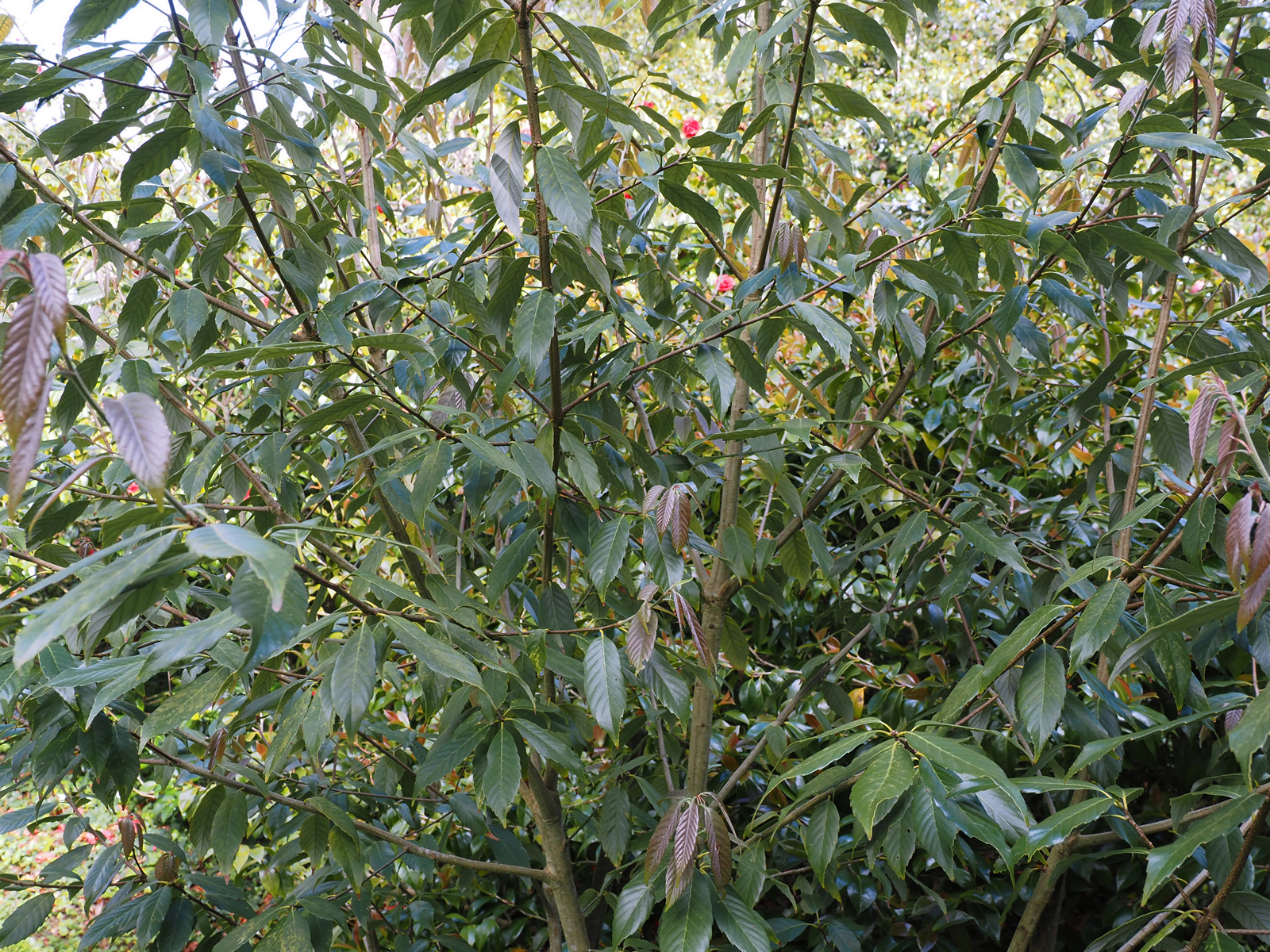
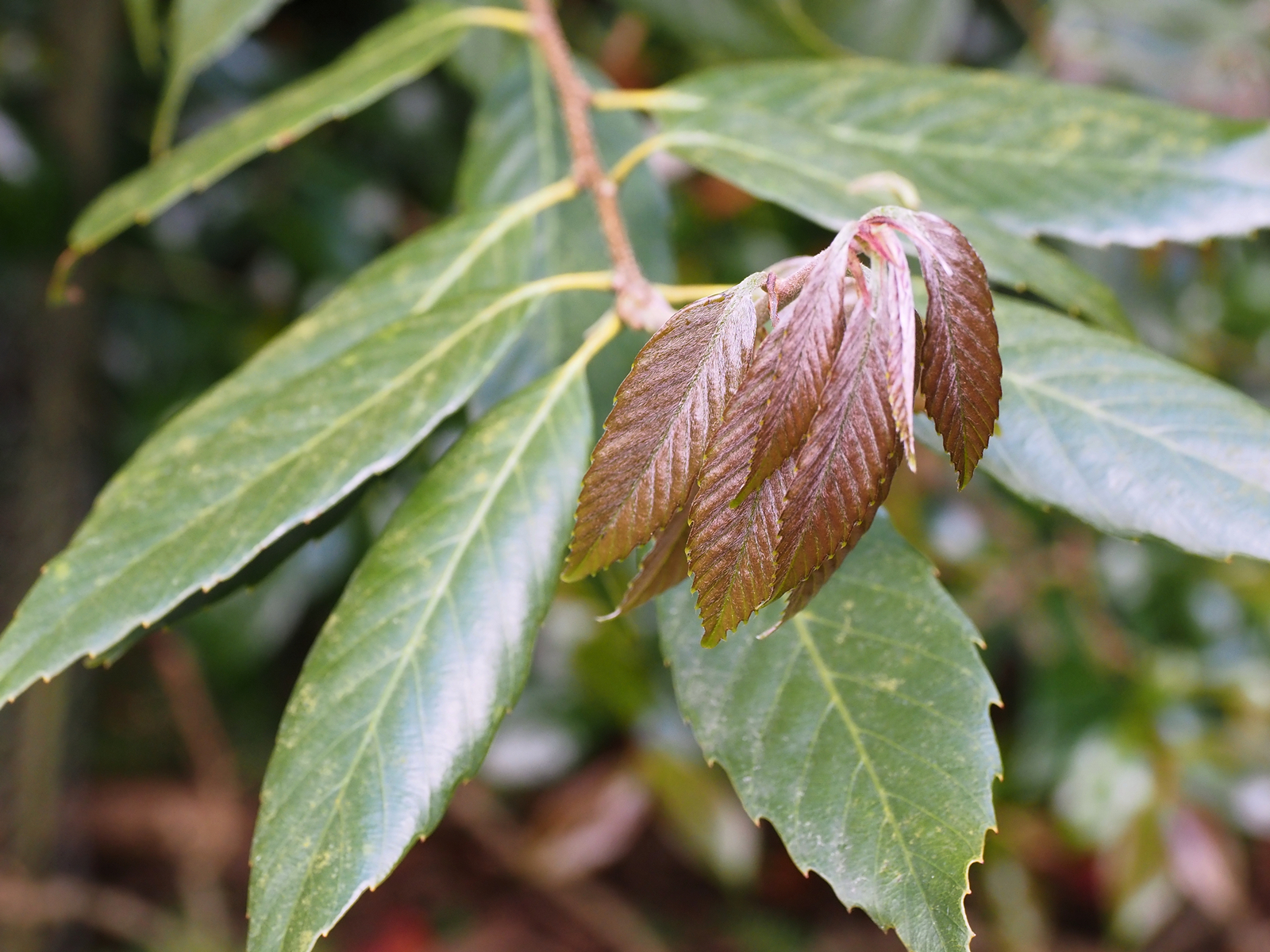
A young Meliosma beaniana finally making good growth.
Meliosma beaniana
The bracts on Cornus kousa var. chinensis just emerging on the drive.
Cornus kousa var. chinensis
2025 – CHW
Fresh topsoil and newly laid seed by the beach café.
Fresh topsoil
Crataegus brachyacantha, the Blueberry hawthorn, from the southern US states. We have yet to see any blue-black fruits.
Crataegus brachyacanthaCrataegus brachyacantha
Crataegus ambigua – Russian hawthorn. Very similar to our native Crataegus monogyna and originating from Turkey, Iran, Ukraine and S.W. Russia. It differs in its yellow peeling bark.
Crataegus ambigua
Crataegus chlorosarca – the Fireberry hawthorn, from Japan. The bush is filling out rapidly and well ahead of many of the other species planted in the end of Kennel Close.
Crataegus chlorosarcaCrataegus chlorosarca
Euonymus cornuus (TH 659) from Roundabarrow in flower.
Parastyrax sp. nova (BSWJ 15185) very vigorously into leaf.
Parastyrax sp. nova (BSWJ 15185)
Euonymus oxyphyllus (BSWJ 10815) with its first flowers here.
Euonymus kachinensis (BSWJ 11608) is now fully out although the leaves are still yellowish.
Rhododendron ‘Mrs J.C. Williams’.
Rhododendron ‘Mrs J.C. Williams’
Magnolia ‘Blue Opal’ at its best.
Magnolia ‘Blue Opal’Magnolia ‘Blue Opal’
Cornus ‘Venus’ was very fine on the Chelsea stand but not bad at home either.
Cornus ‘Venus’
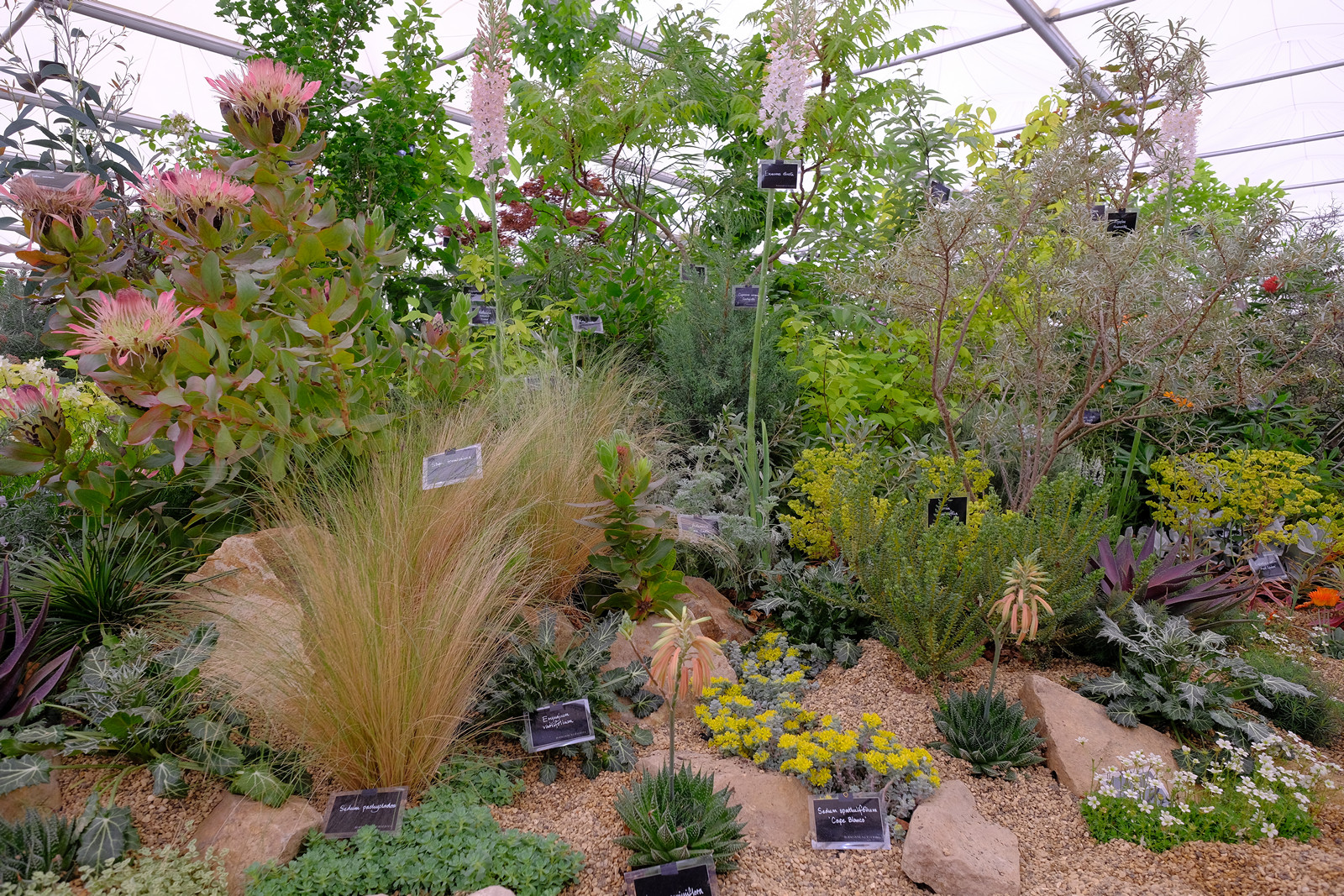
2023 – CHW
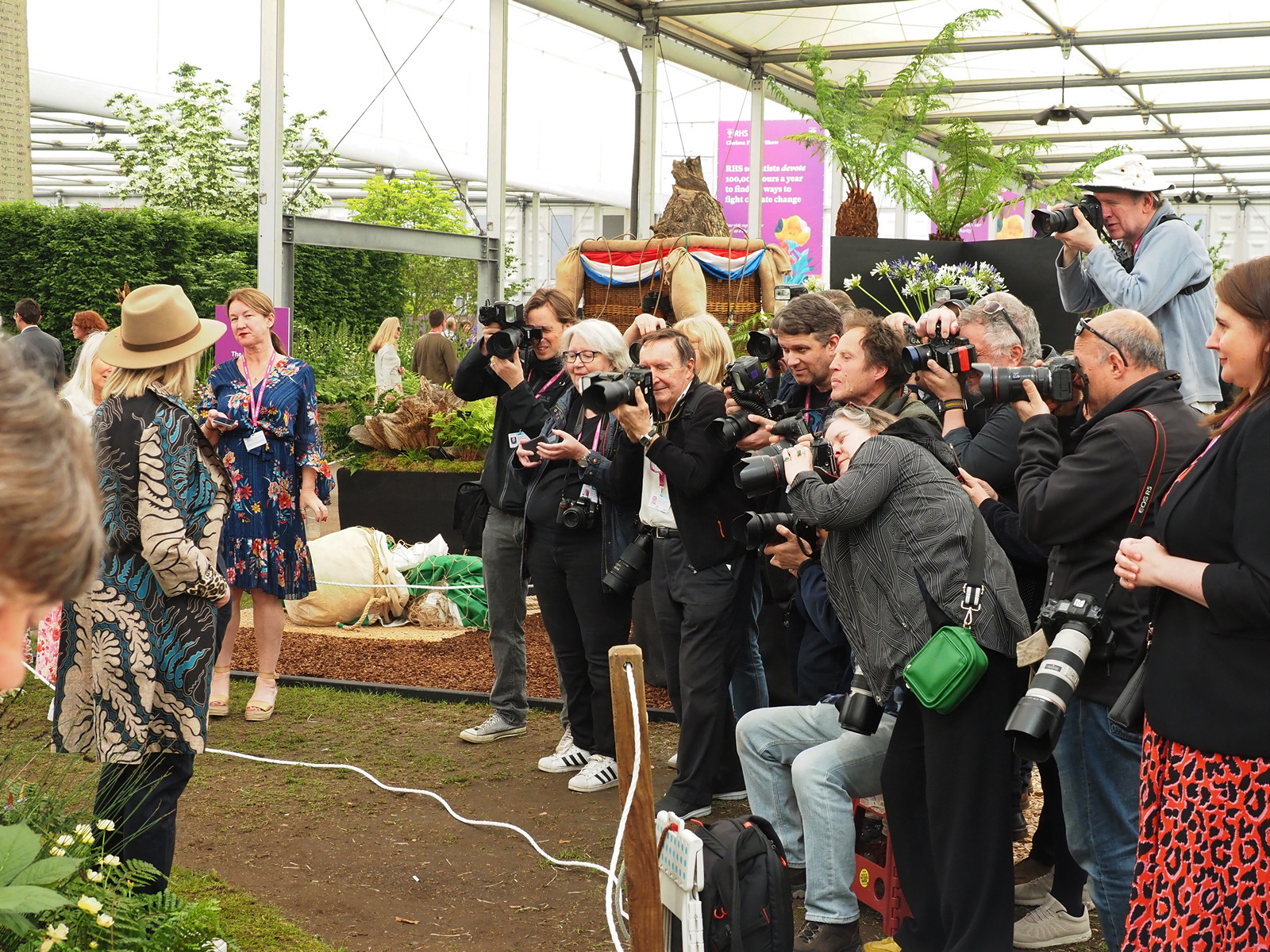
The press line up for Joanna Lumley, our celebrity this year.
The press line up
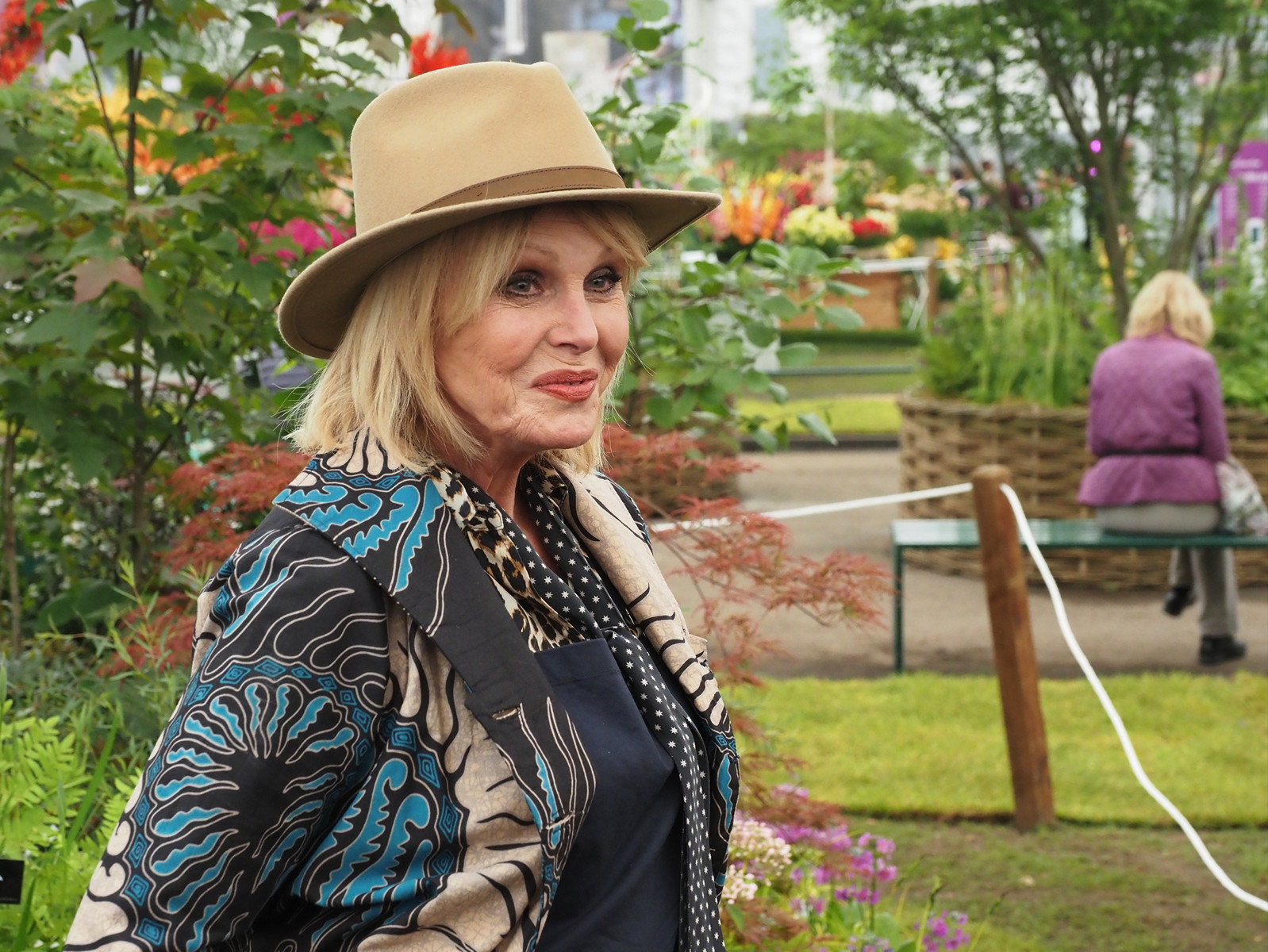
Posing nicely.
Posing nicely
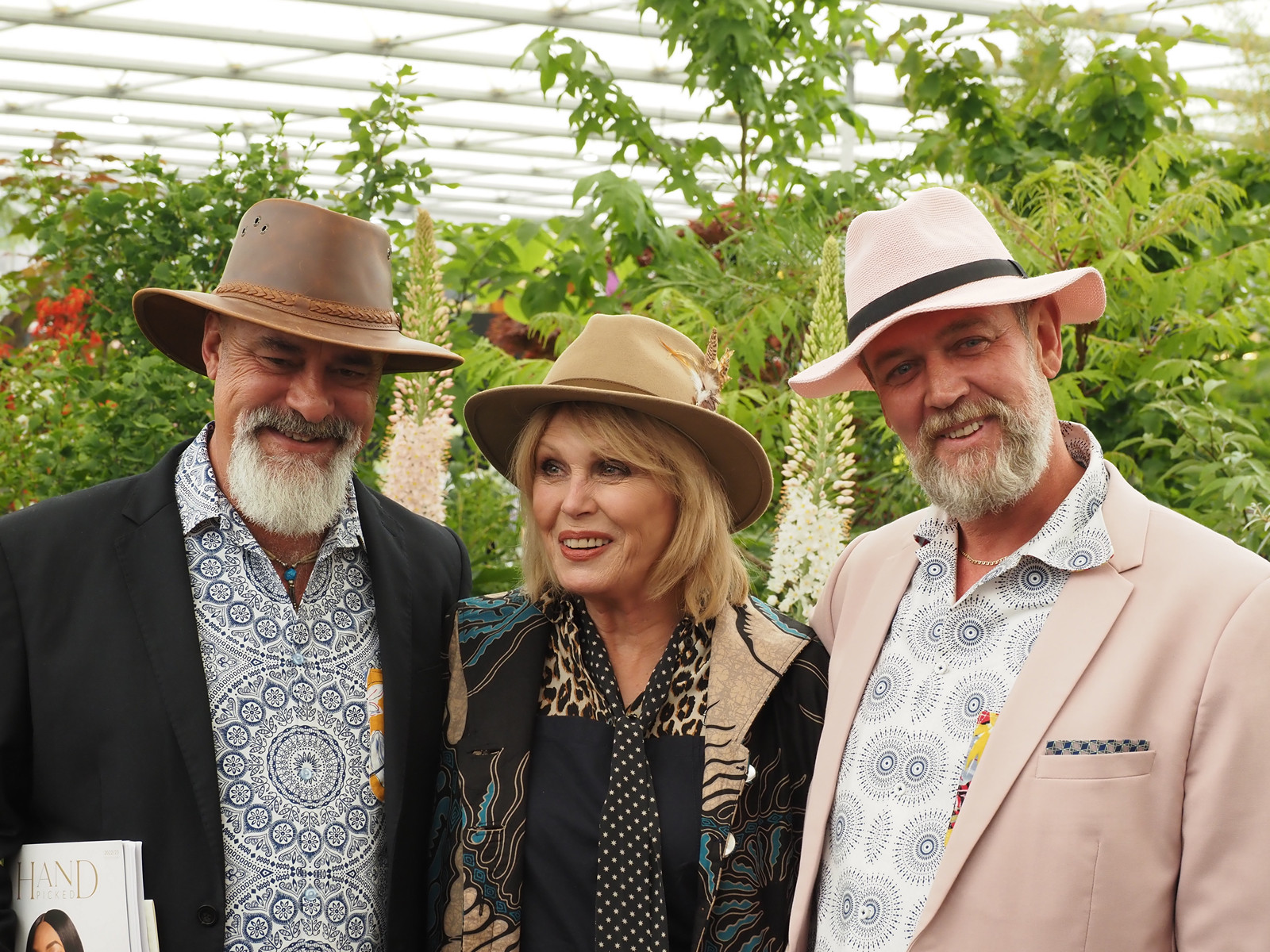
Here with our Molly, Guy and Julia Hands, our sponsors. Not Terra Firm this year but Julia’s ‘Hand Picked Hotels’.
Here with our Molly, Guy and Julia Hands
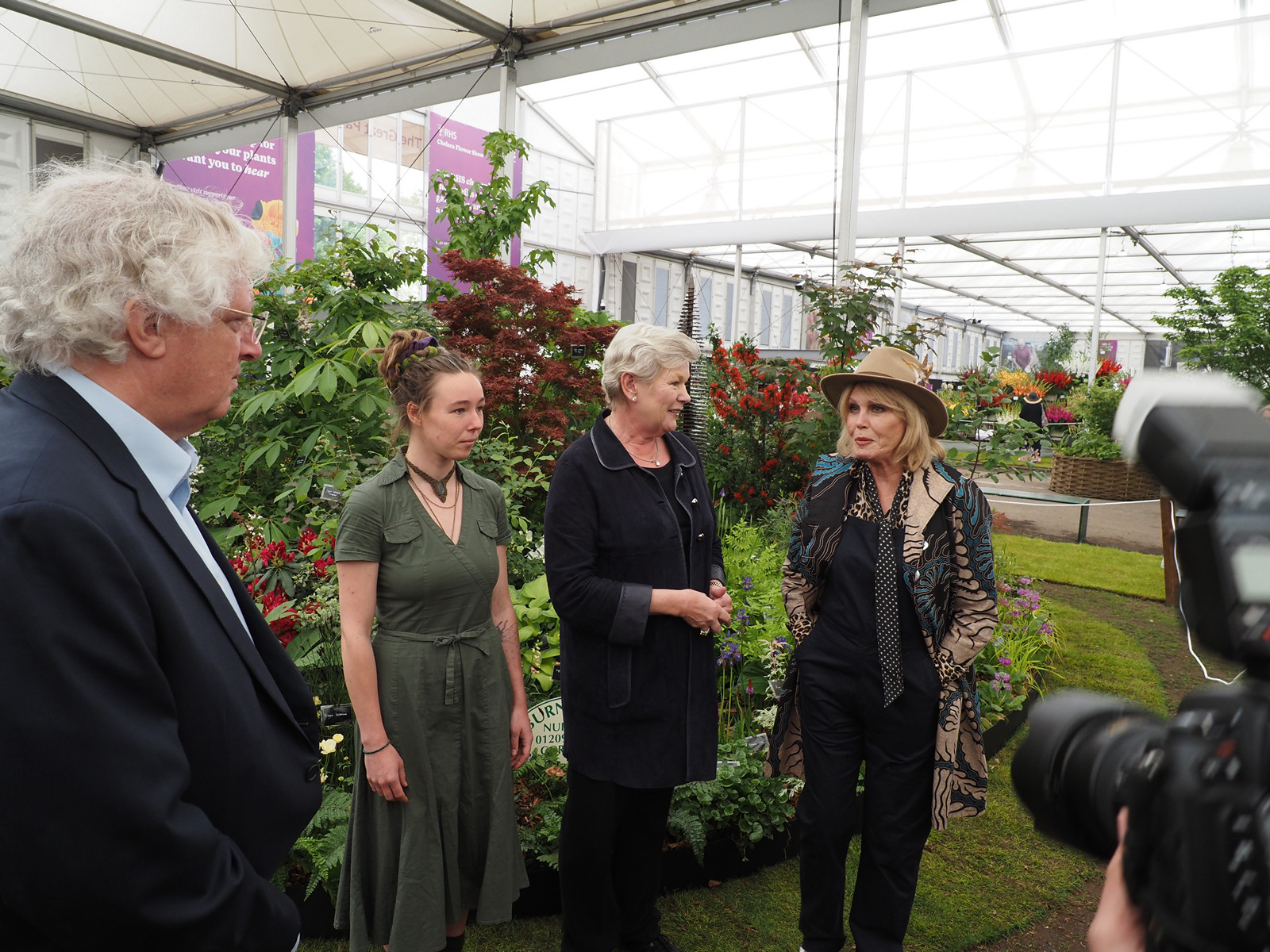
Here with Guy’s two South African gardeners who have come over for the week.
with Guy’s two South African gardeners
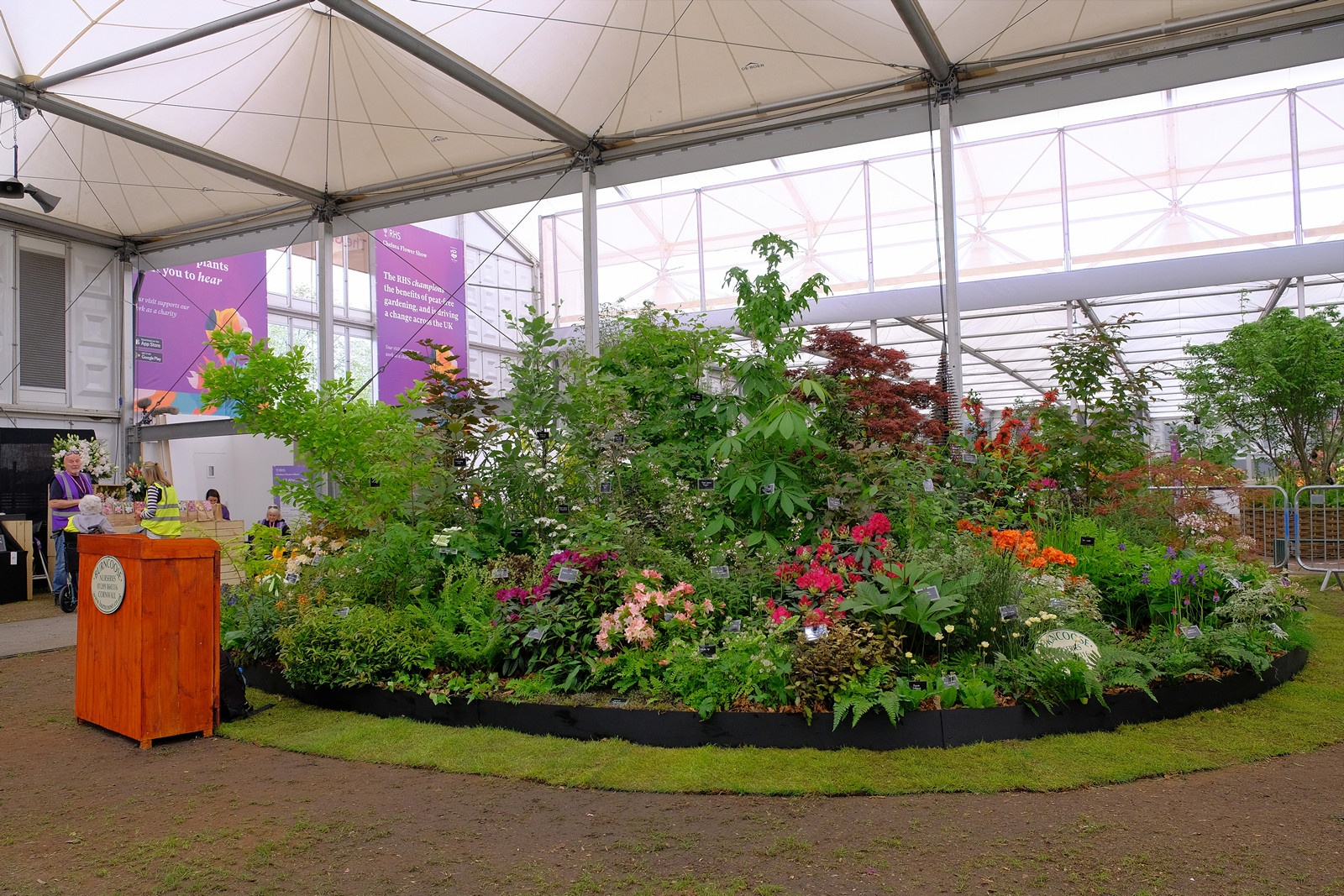
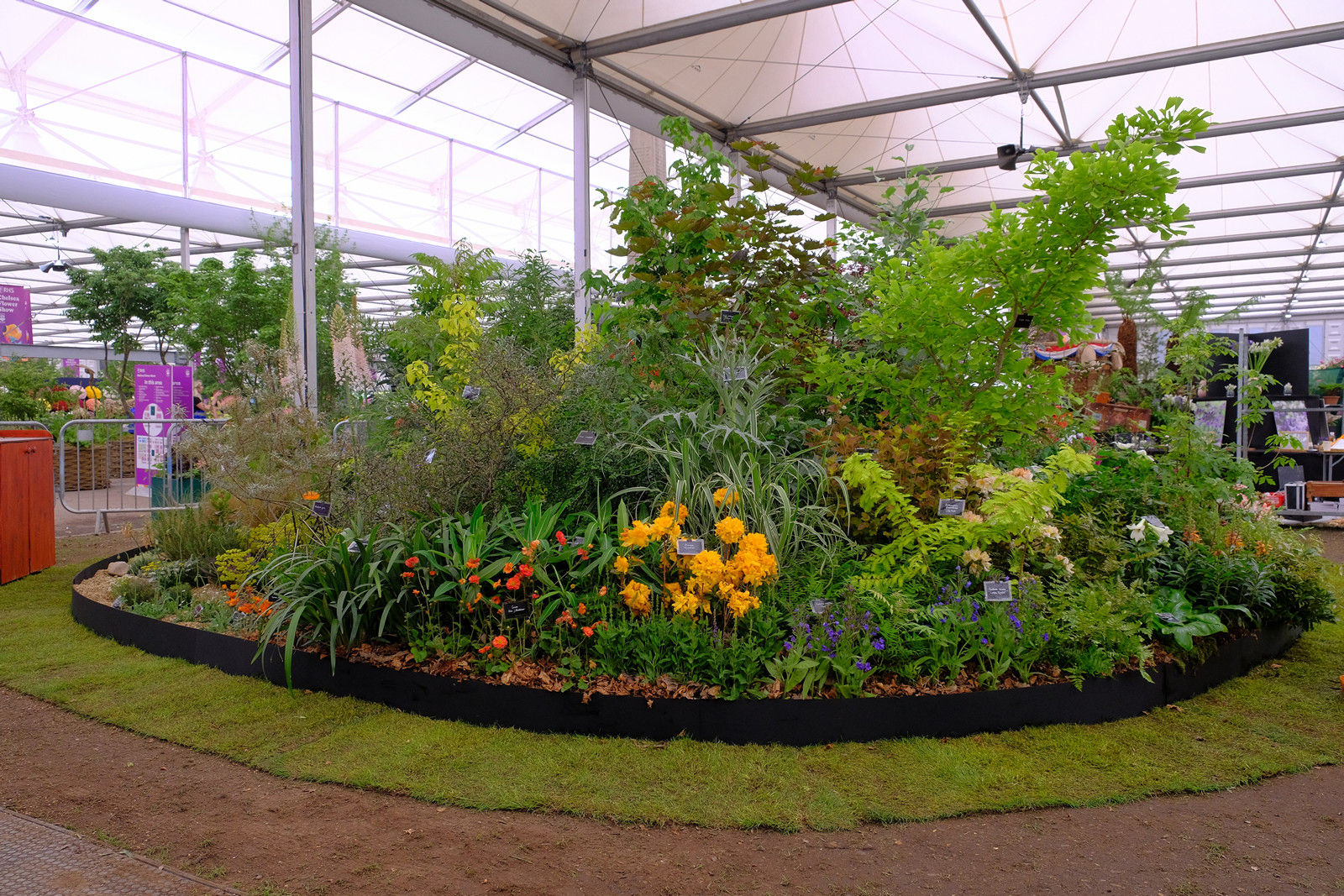
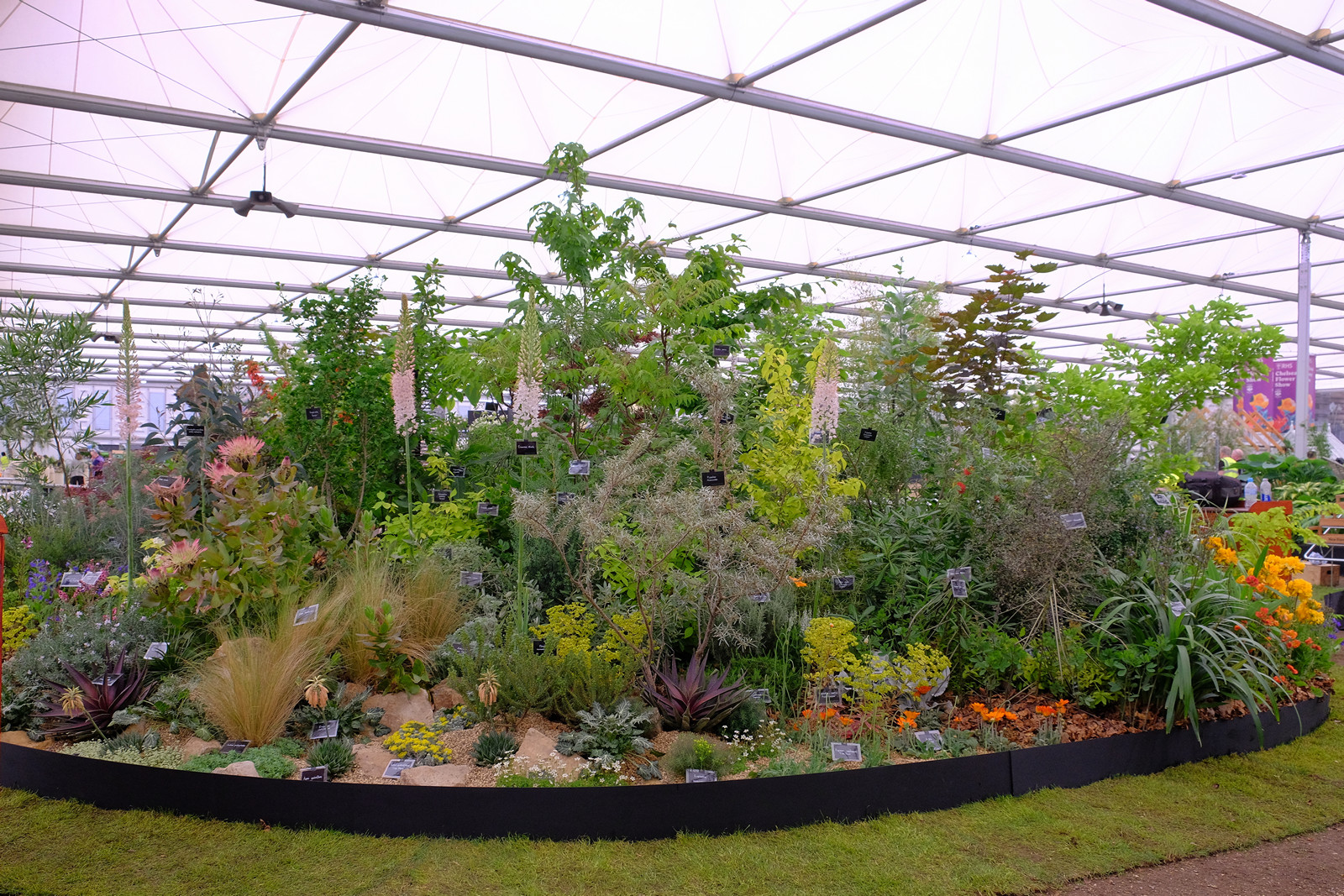
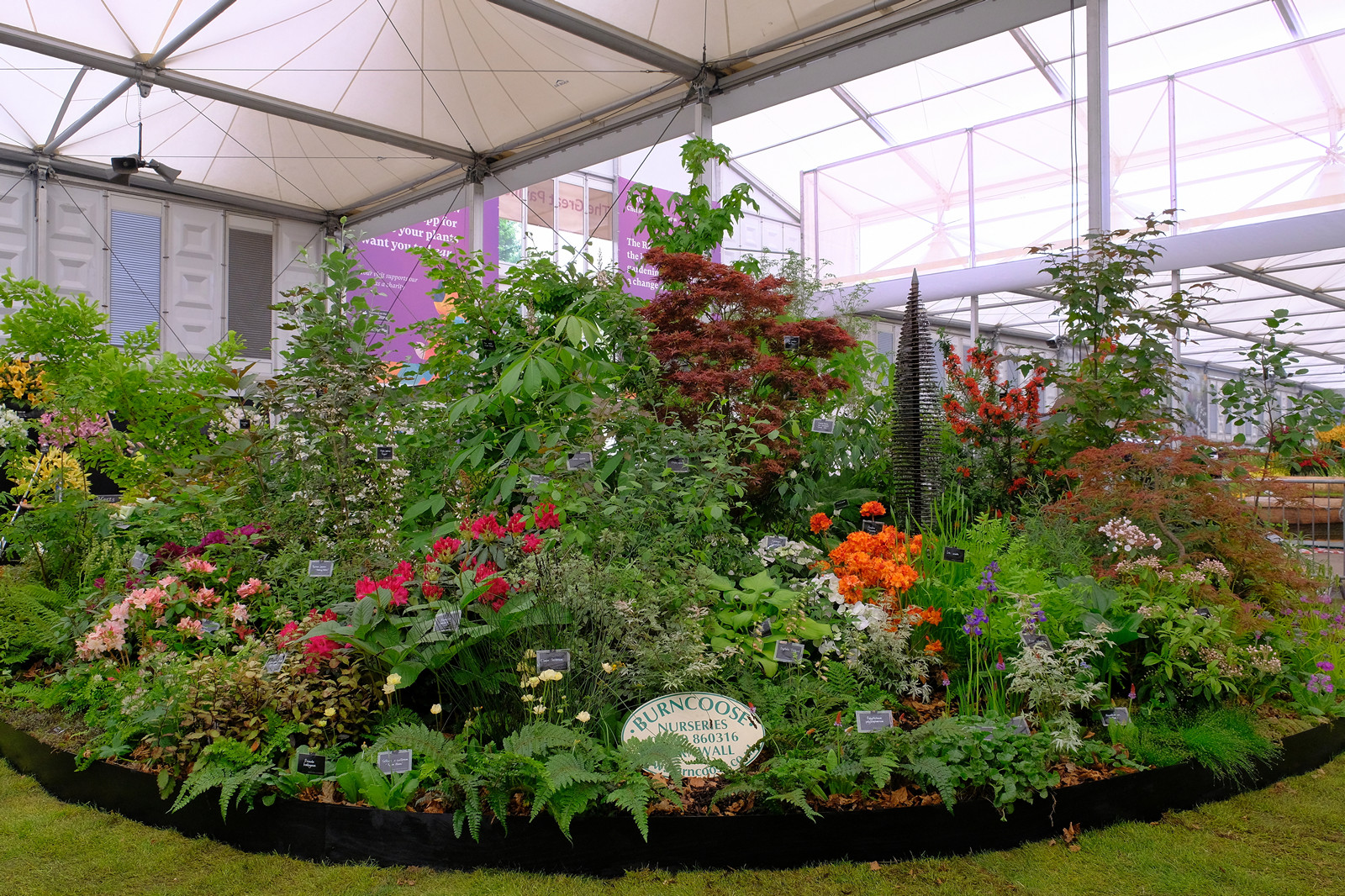
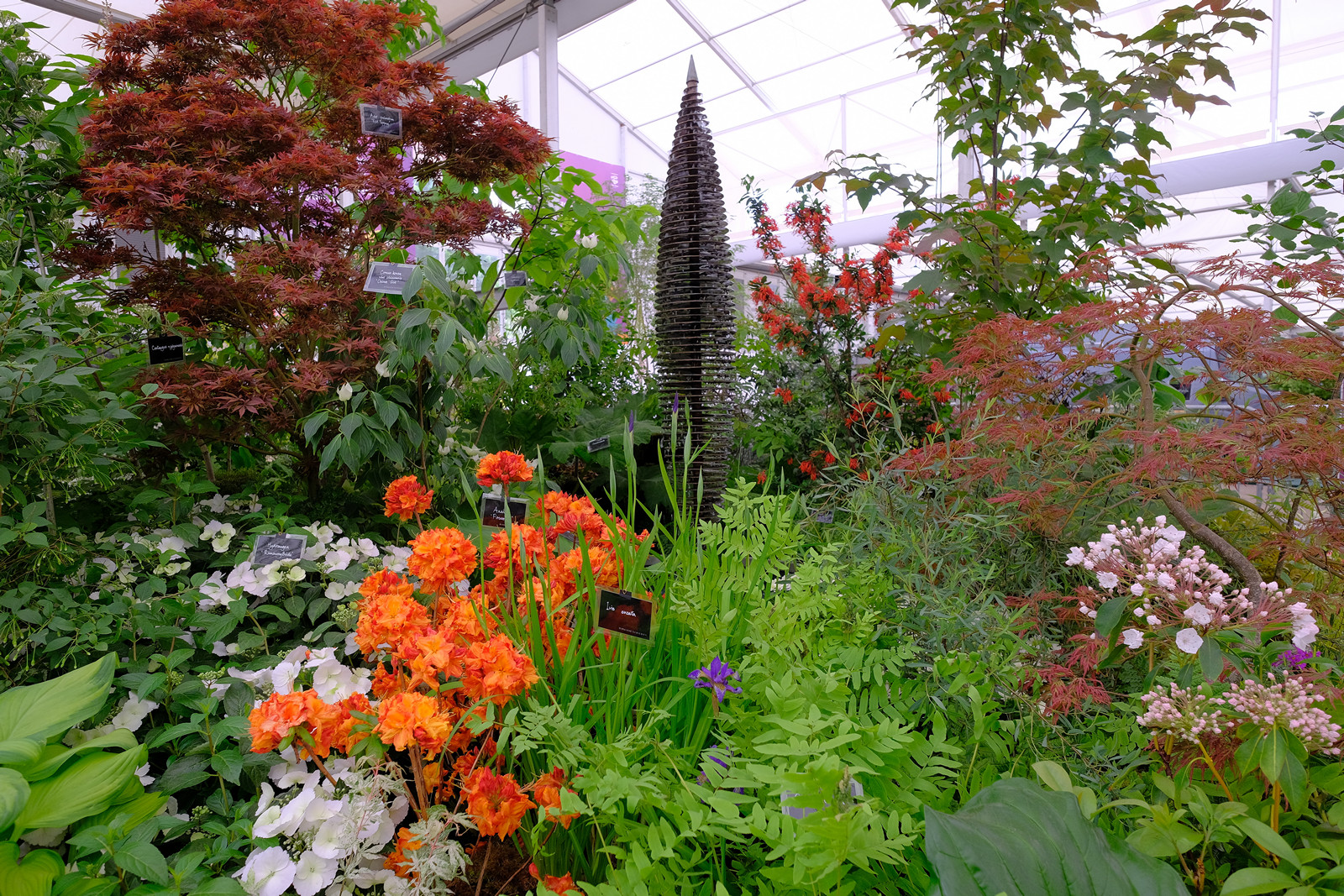
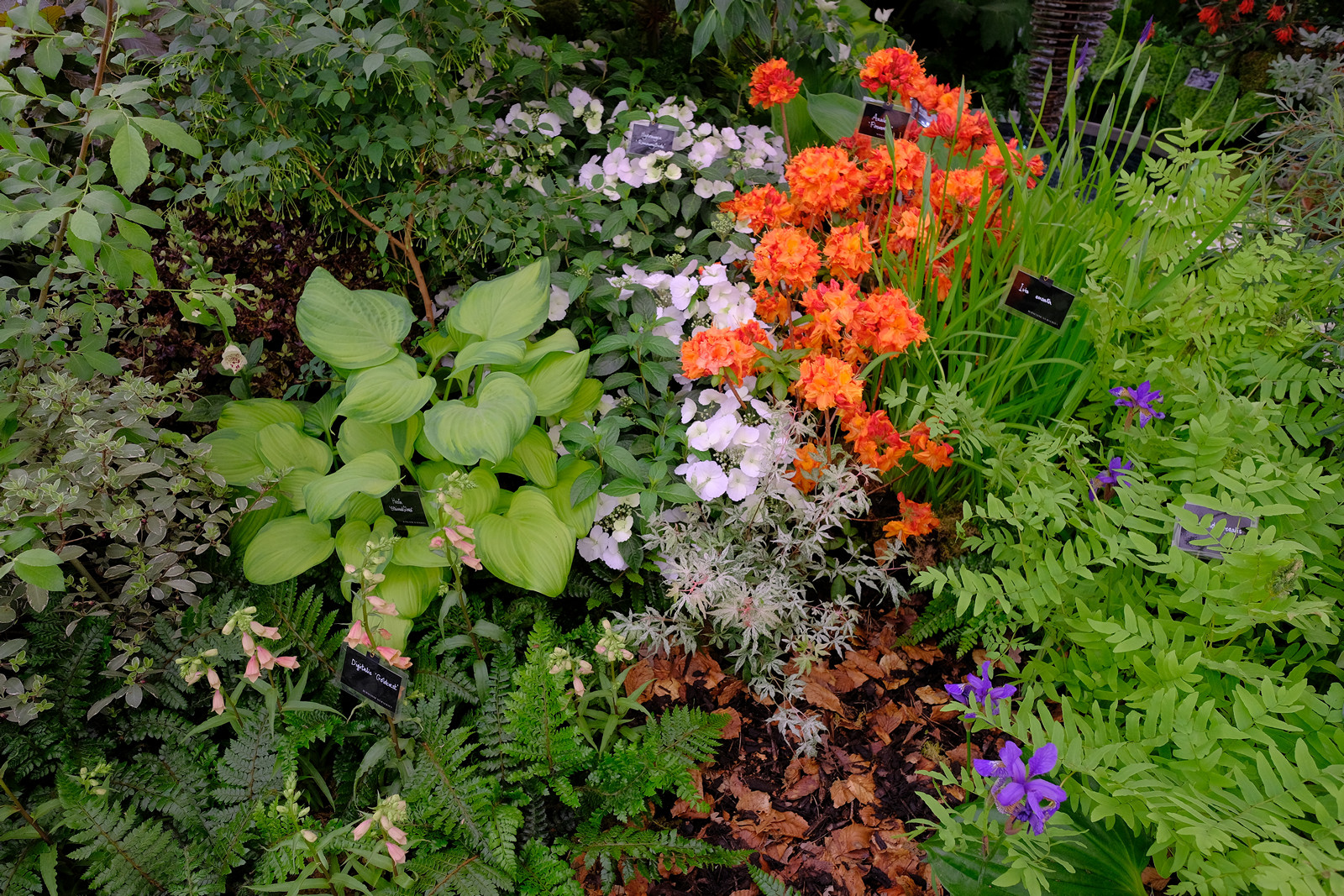
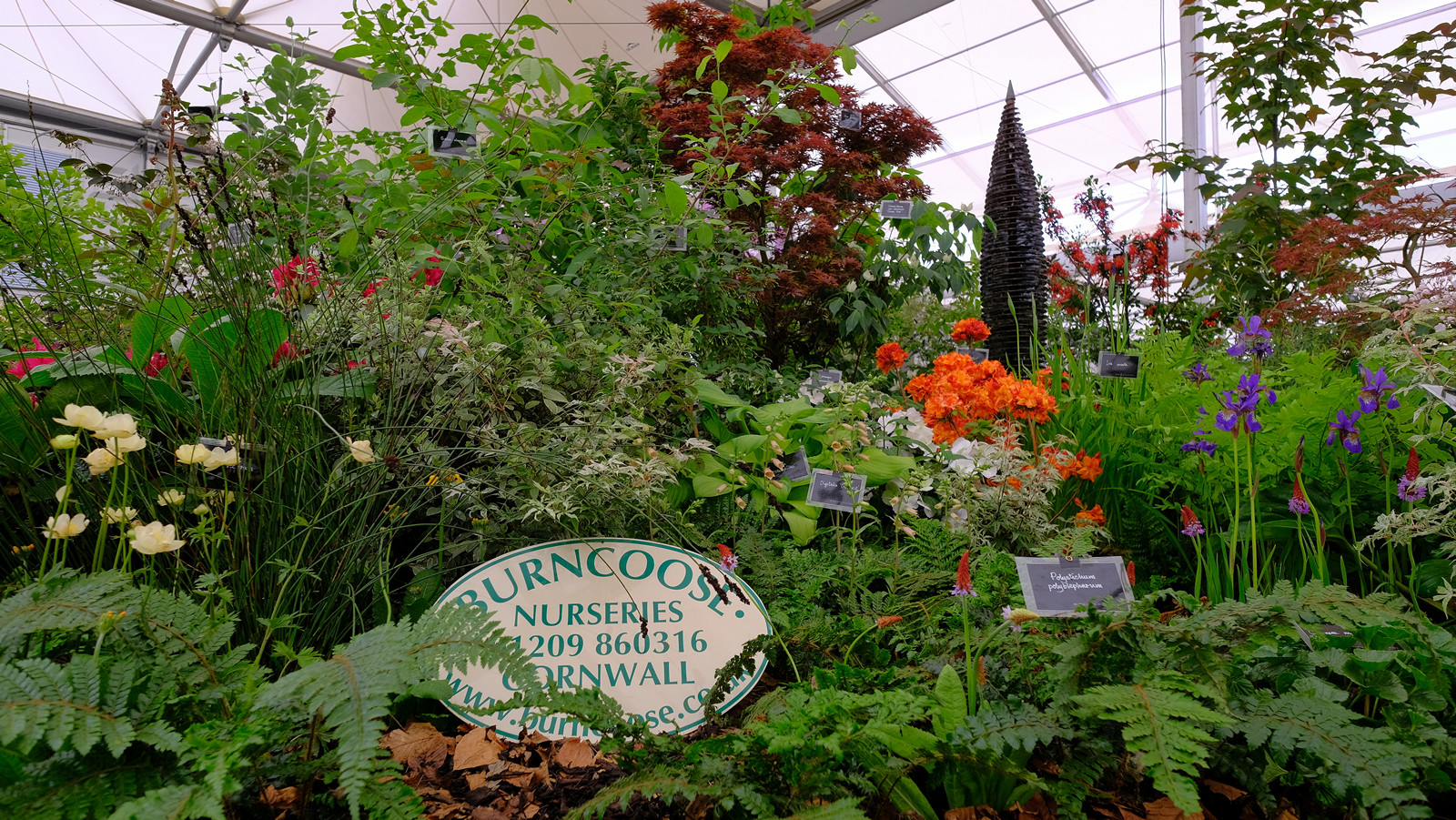
Here are a few more pictures before we knew that the stand has won a Gold Medal.
a few more picturesa few more pictures
a few more picturesa few more picturesa few more pictures
a few more picturesa few more picturesa few more pictures
2022 – CHW
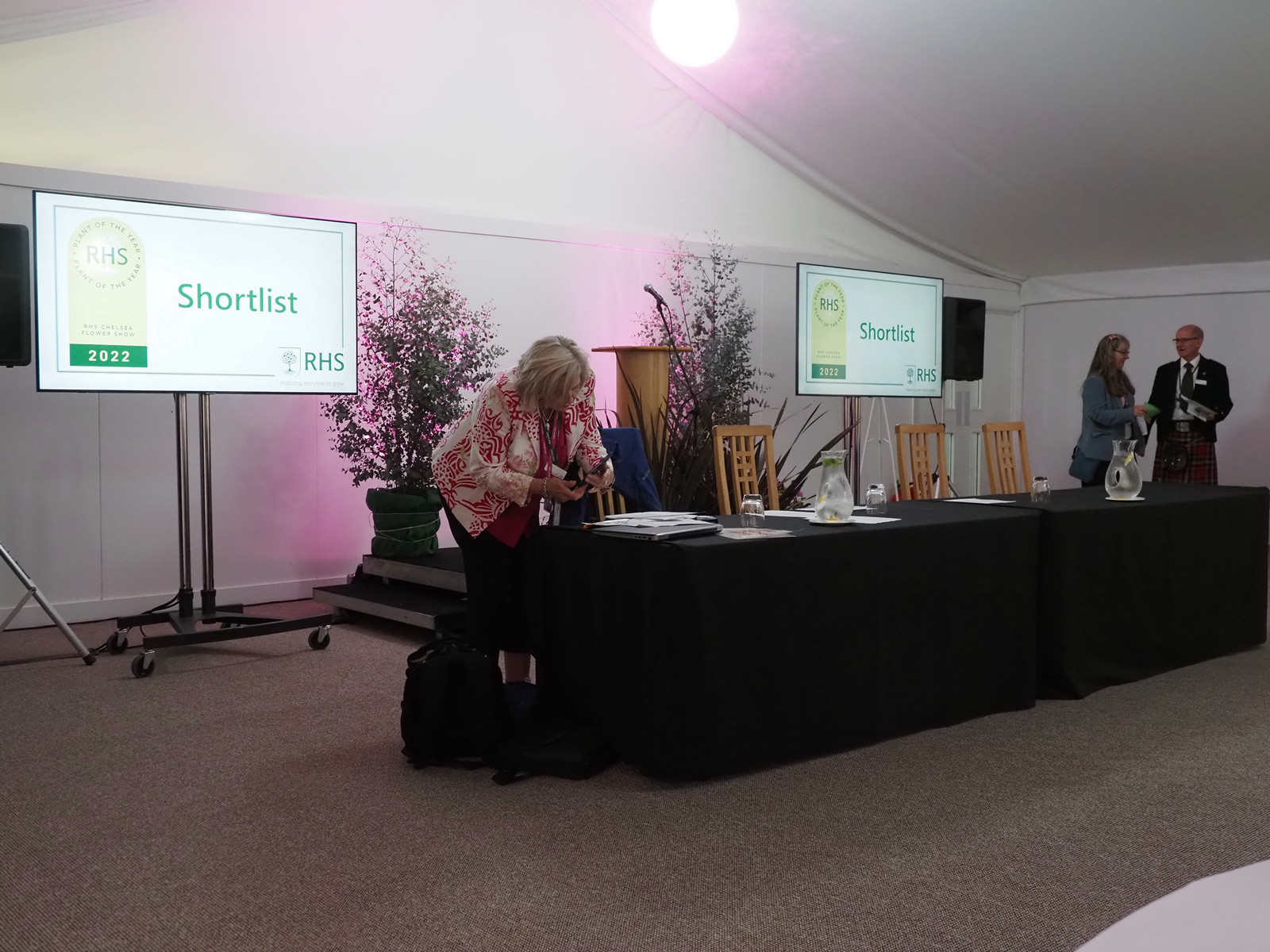
Five hundred plant photographs for the website database but a lot of standing about yapping to the great and good while judging goes on around us. No celebrity for the media on the Burncoose stand this year.The 90 second presentation of each of the Plant of the Year finalists begins at 2pm in the president’s pavilion suite. Here is the setting. We are (of course) running late as the president’s lunch ends with Monty Don being awarded a Victoria Medal of Honour. (He is the late Peter Seabrook’s successor to this award). Hurriedly we get under way and my speech has to contain a joke about the yellow leaves not being yellow as well as an appeal to traditionalists. This is a plant grown by an amateur over 20 years and not the product of a Dutch tissue culture / genetically modified laboratory.
Plant of the Year
You can read the two Burncoose Chelsea press releases by clicking here & here.
A good interview with Horticulture Week on the peat ban at Chelsea in 2025 and how absurd this is for growers of ericaceous plants. Have the RHS scientists come up with an alternative. Of course not!
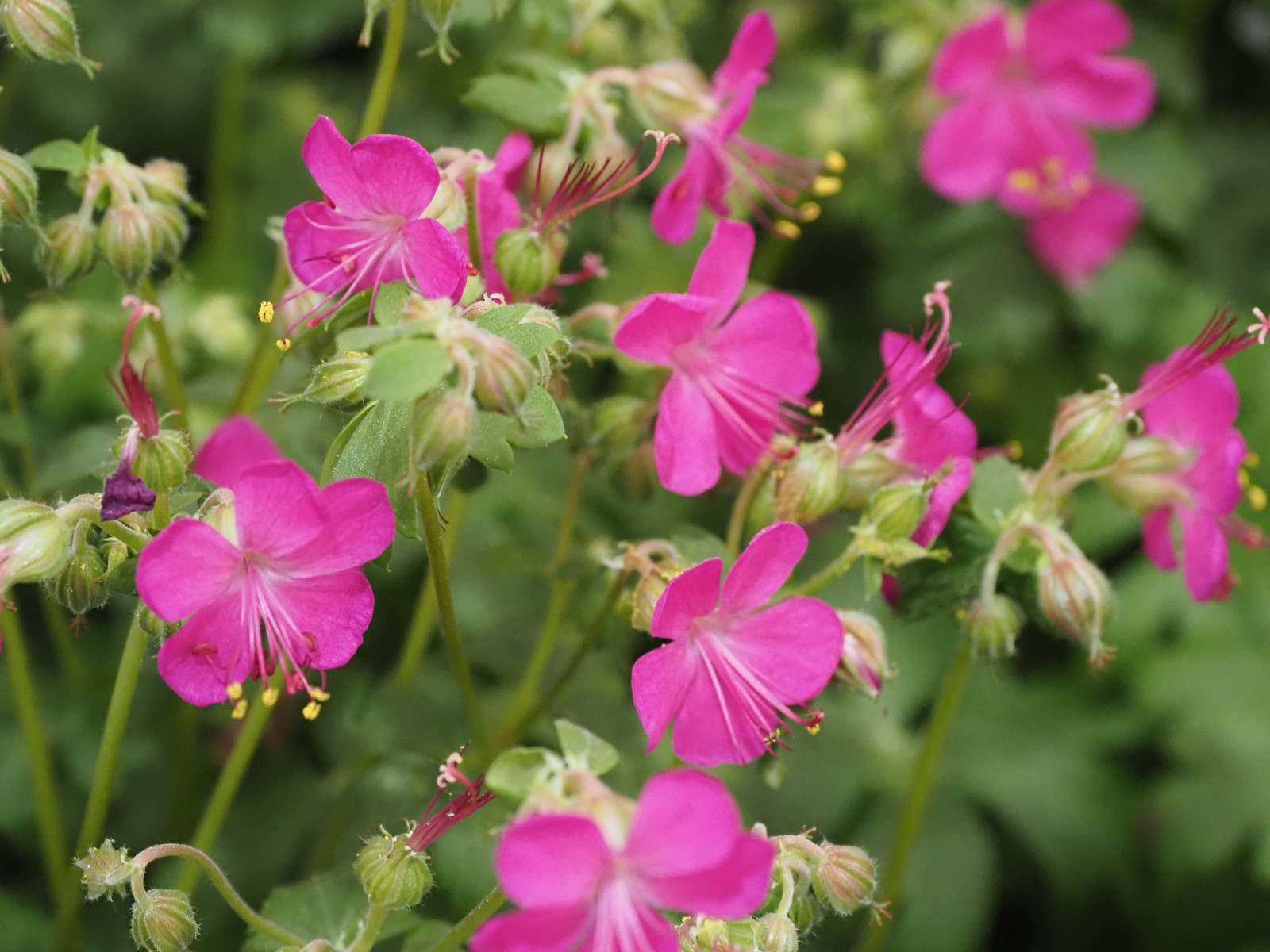
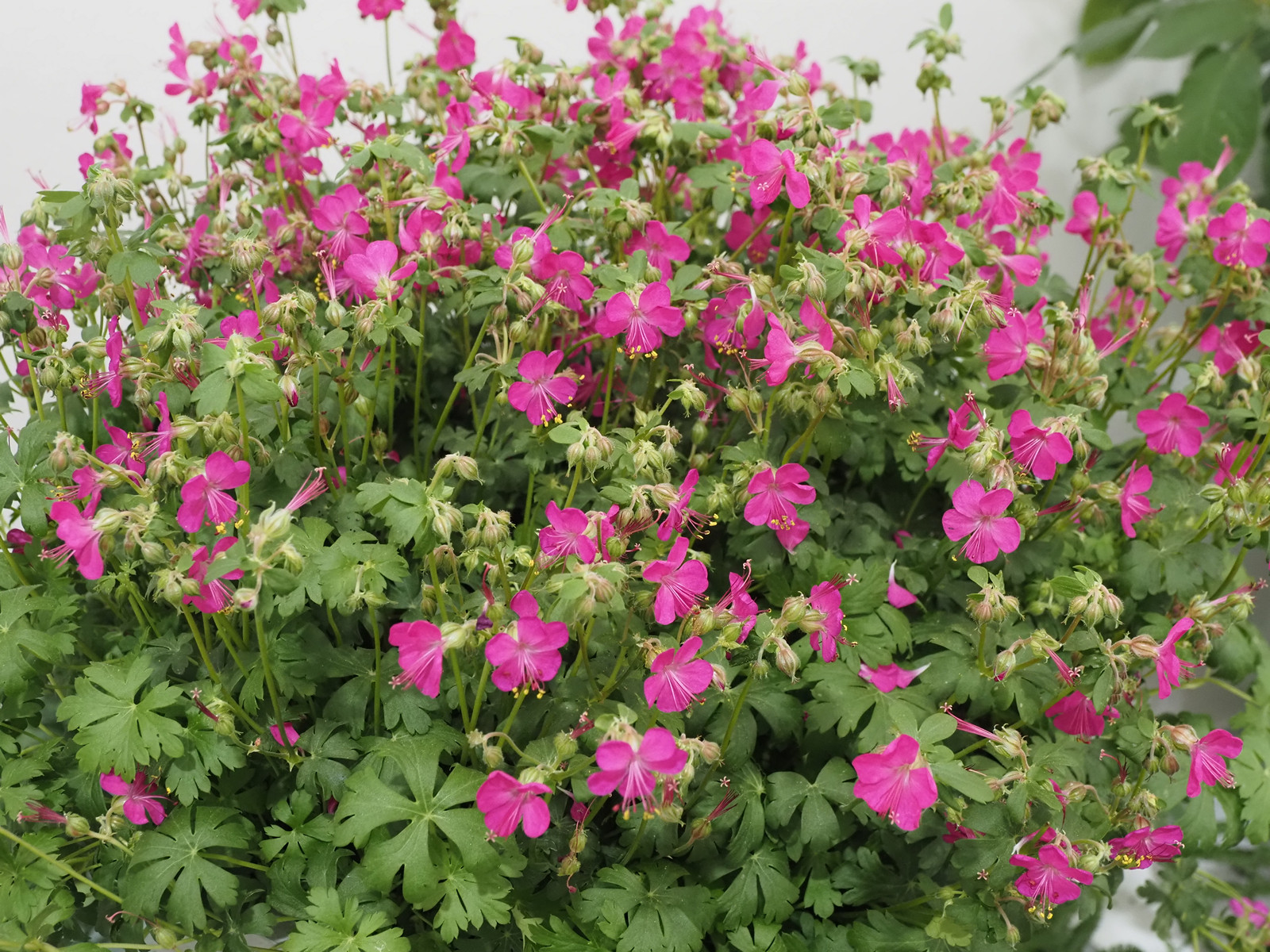
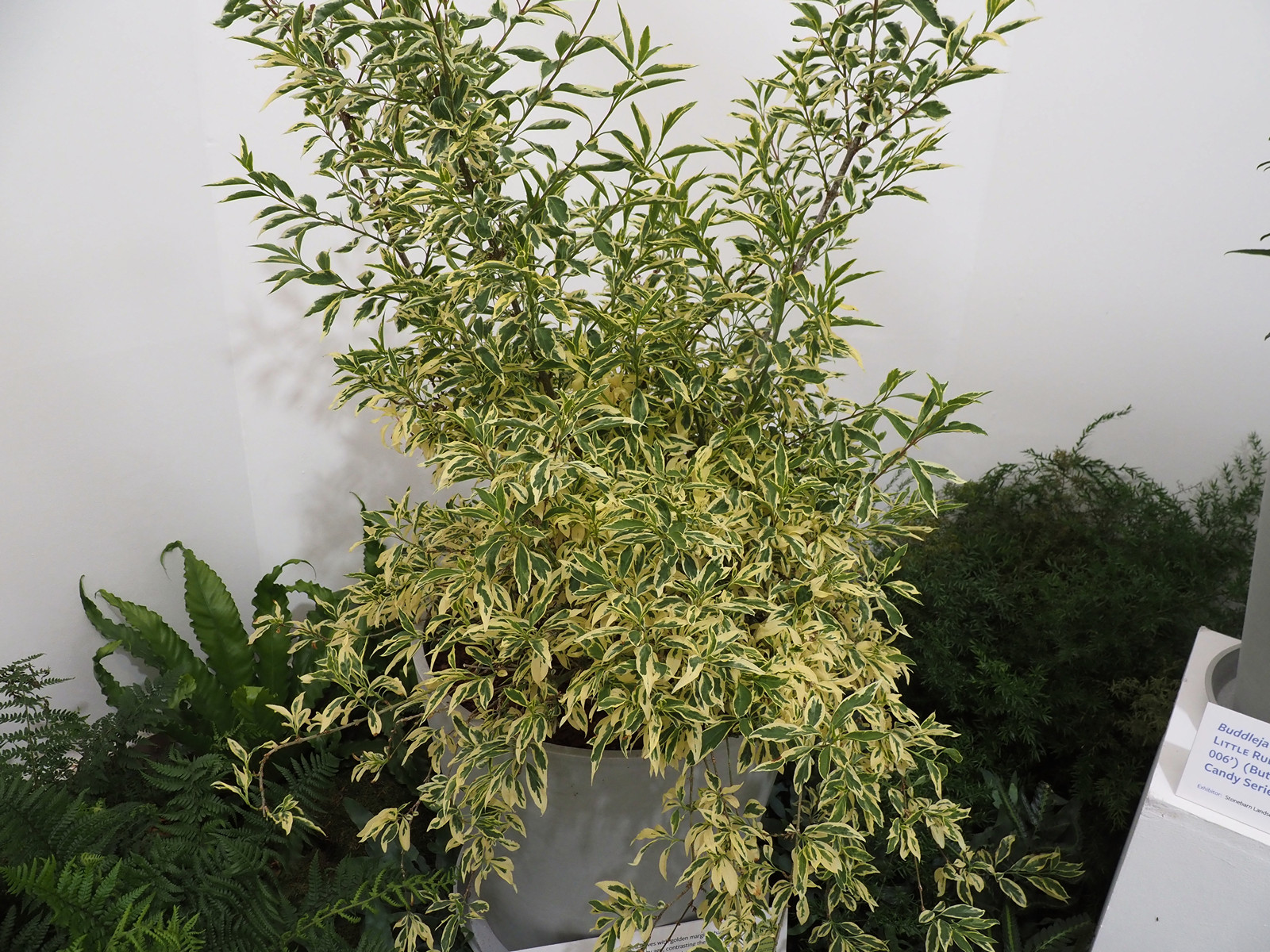
Here are a few of the other Plant of the Year entries which I liked:
Geranium x cantabrigiense ‘Intense’
Geranium x cantabrigiense ‘Intense’Geranium x cantabrigiense ‘Intense’
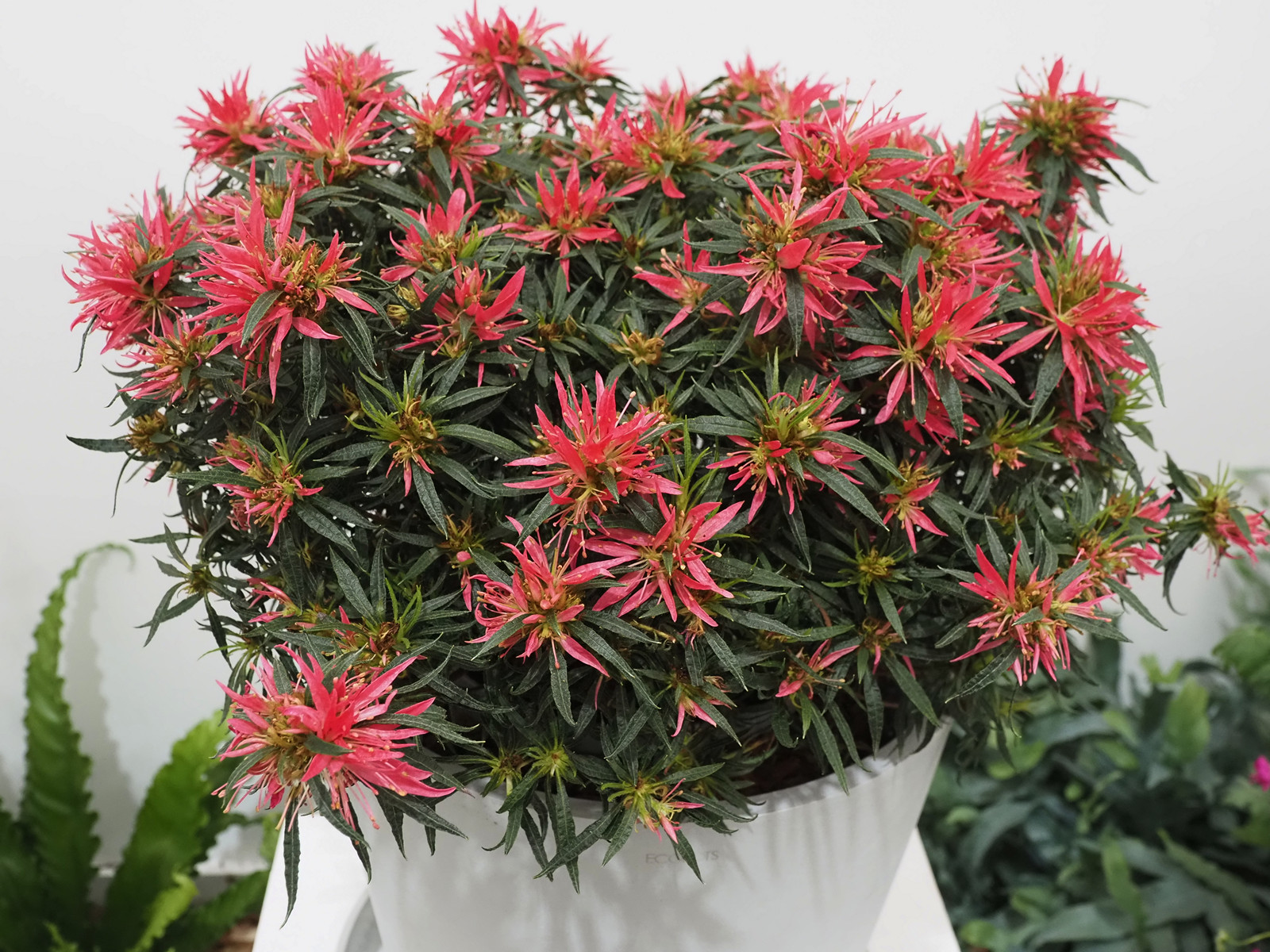
Rhododendron ‘Stardust Pink’ (stenophyllum ‘Linearifolium’ refined a bit)
Rhododendron ‘Stardust Pink’
Forsythia x intermedia ‘Discovery’
Forsythia x intermedia ‘Discovery’
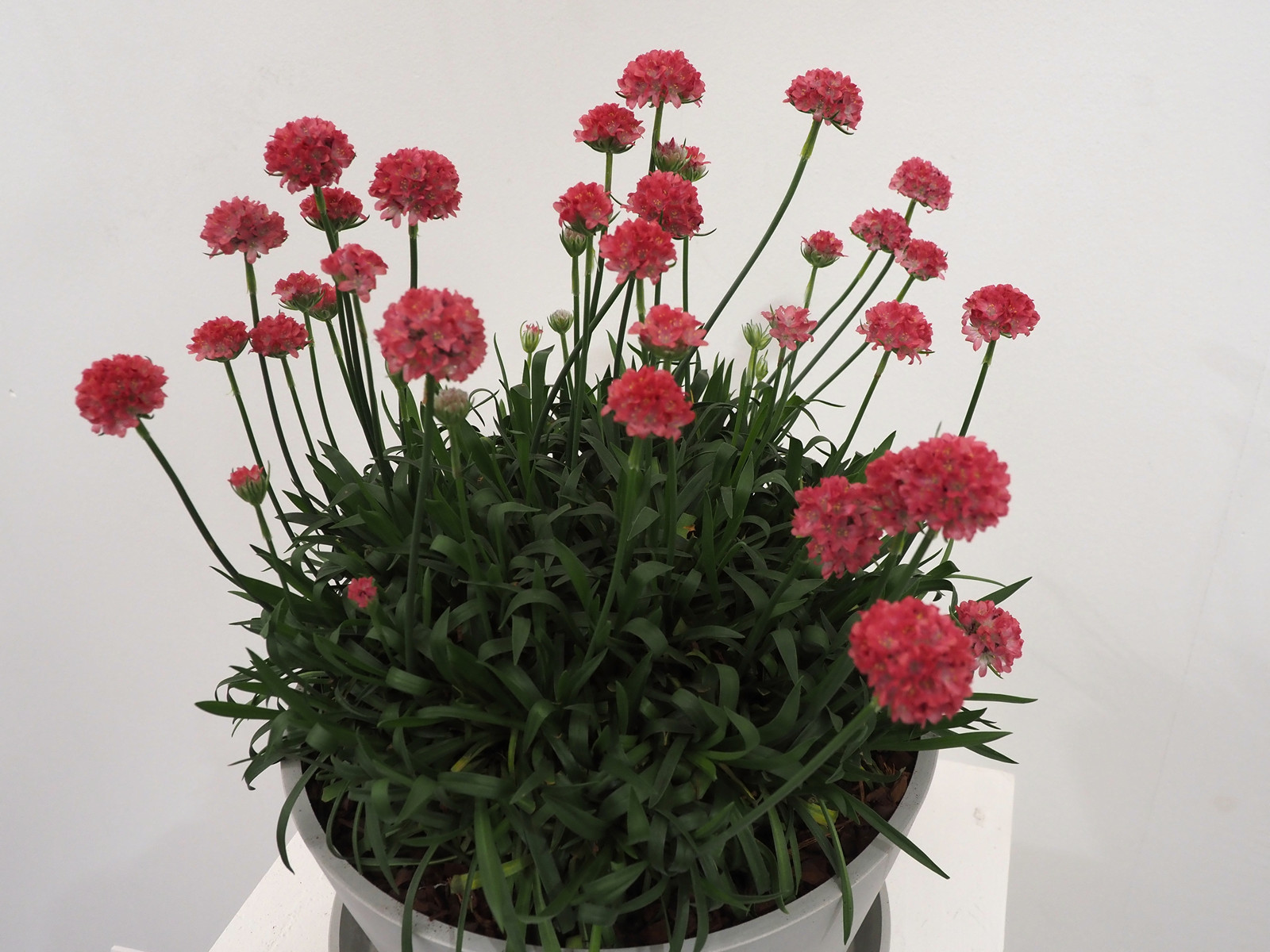
Armeria pseudoarmeria ‘Dreamland’ came second.
Armeria pseudoarmeria ‘Dreamland’
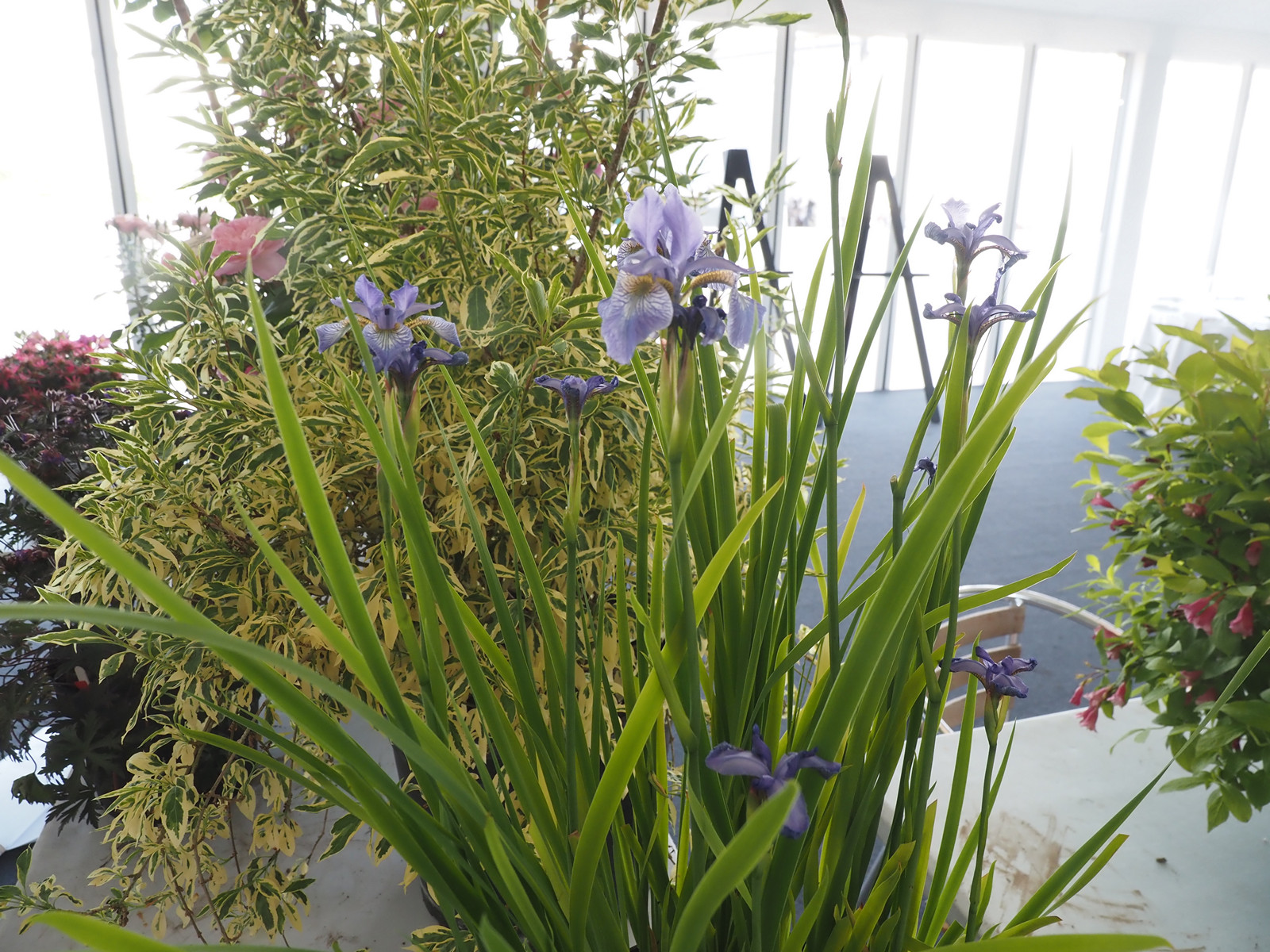
Iris sibirica ‘Fran’s Gold’, despite everything came fourth!
Iris sibirica ‘Fran’s Gold’
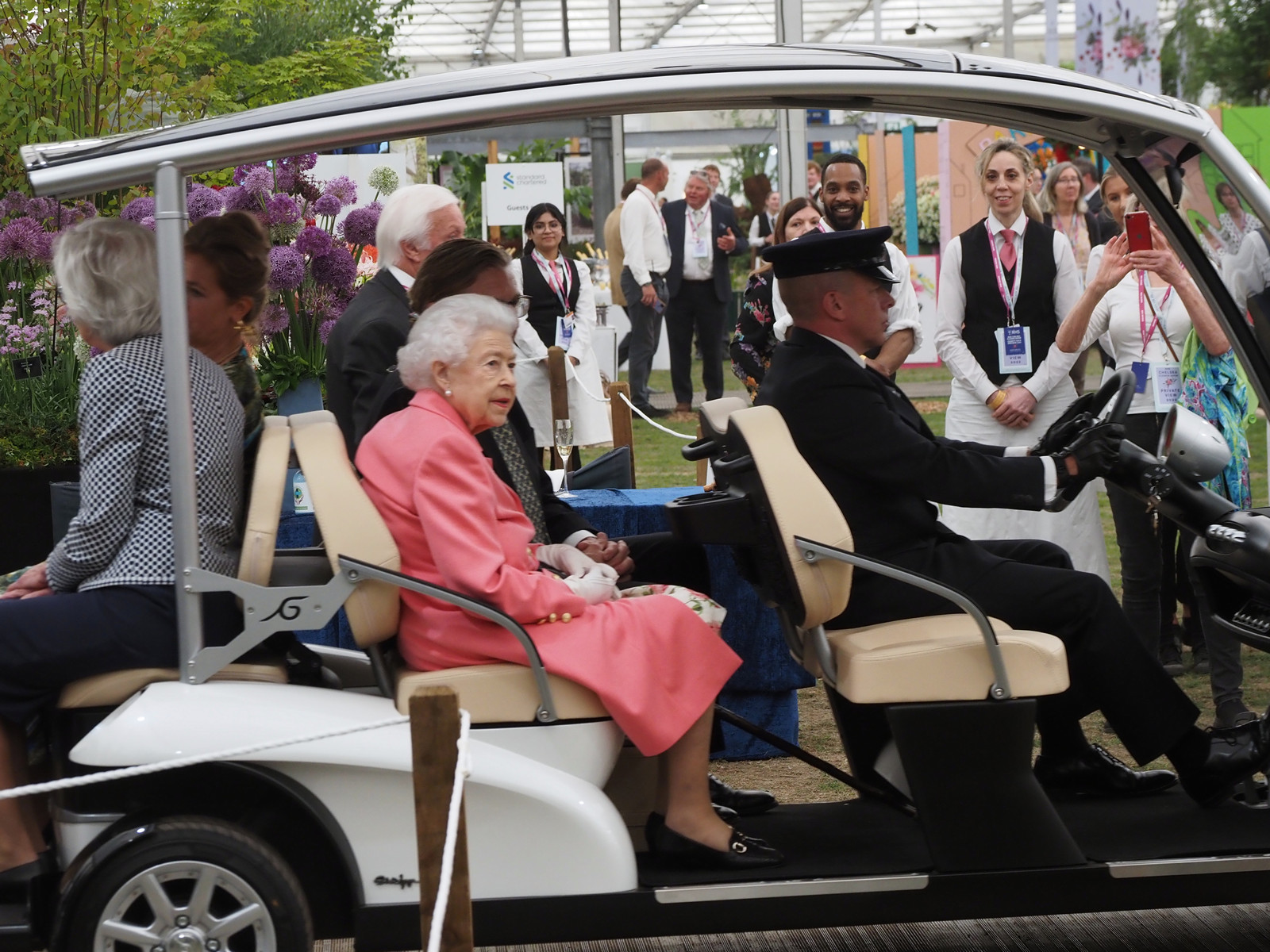
The Queen and our new RHS president, Mr Weed (call me Keith please), in an electric popemobile pass close by just before the gala night begins (4,000 tickets at £1,000 each for a two and a half hour drinks party) and the corks begin to pop.
The Queen
2021 – CHW
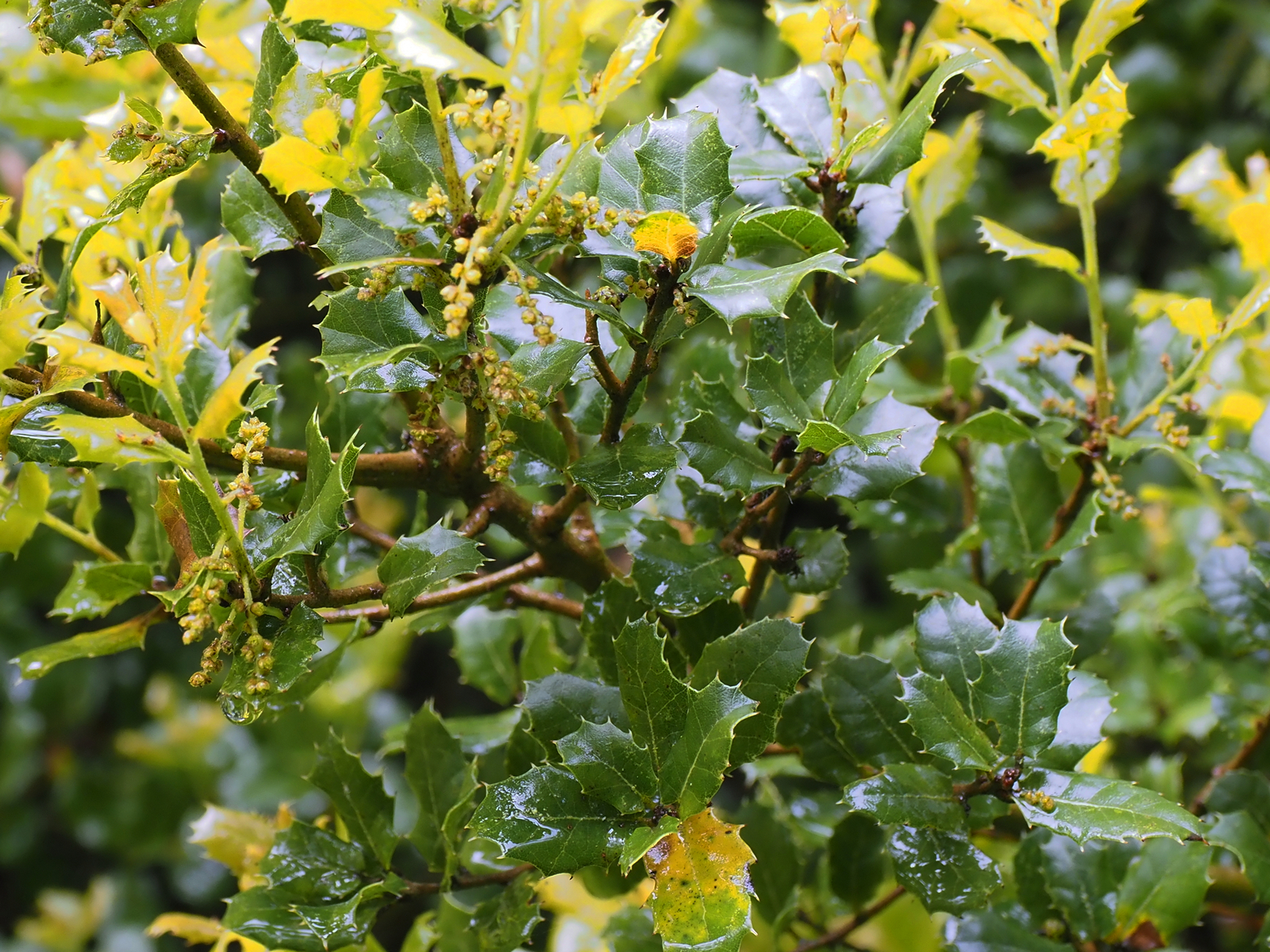
Today we go to look at around 40 different plants where the identity is unknown or uncertain so that Susyn and Brian can take away samples for identification or give us a pointer as to whether our naming is correct.This is a wonderful suckering and multi-stemmed plant of Quercus coccifera in full flower in Penvergate.
Quercus cocciferaQuercus coccifera
During the day, where we were joined by Tom Hudson, we found quite a number of naming errors in young oaks collected by Allen Coombes and grown here from seed. These were planted out 2003 to 2007 and some have died as we know. However the survivors, with their original planting labels, are a muddle to put it mildly. Whether we muddled the seed labels or if mice moved seed about in seed trays or quite what has happened is hard to say. Subject to confirmation we think we have now sorted out Quercus morii and Lithocarpus corneus but the three Lithocarpus lepidocarpus are, Tom believes, Lithocarpus hancei. Quercus gilva has died or vanished and we are left with a number of queries which will need an oak expert to help sort out. Quercus monimotricha is not true to name by the George Blandford and neither is Quercus dolciholepis by the Paulownia ‘Lilacina’ according to Tom. All very frustrating and confusing to put it mildly.
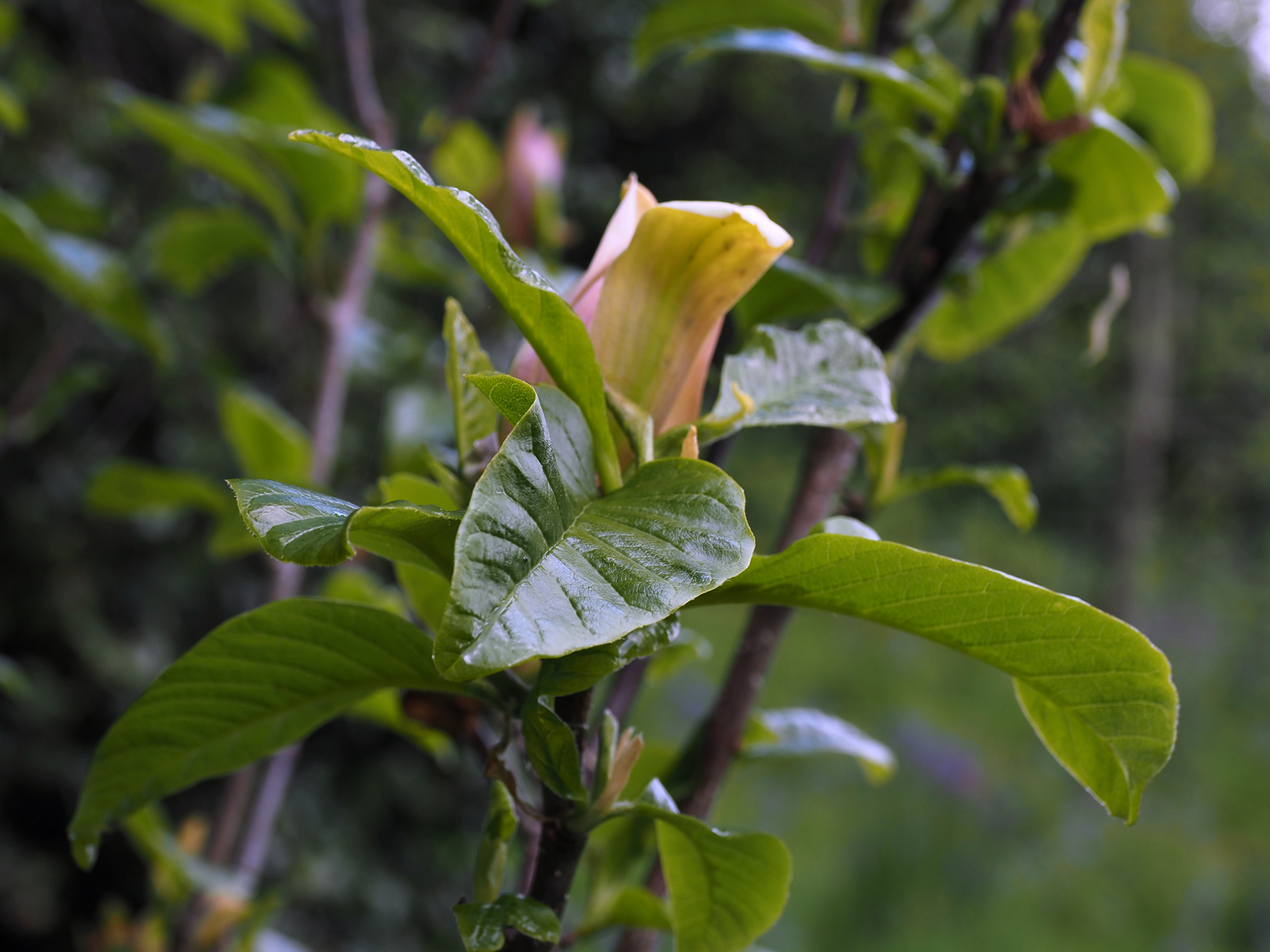
Magnolia ‘Moonspire’ in Old Park. Not a great find!
Magnolia ‘Moonspire’Magnolia ‘Moonspire’
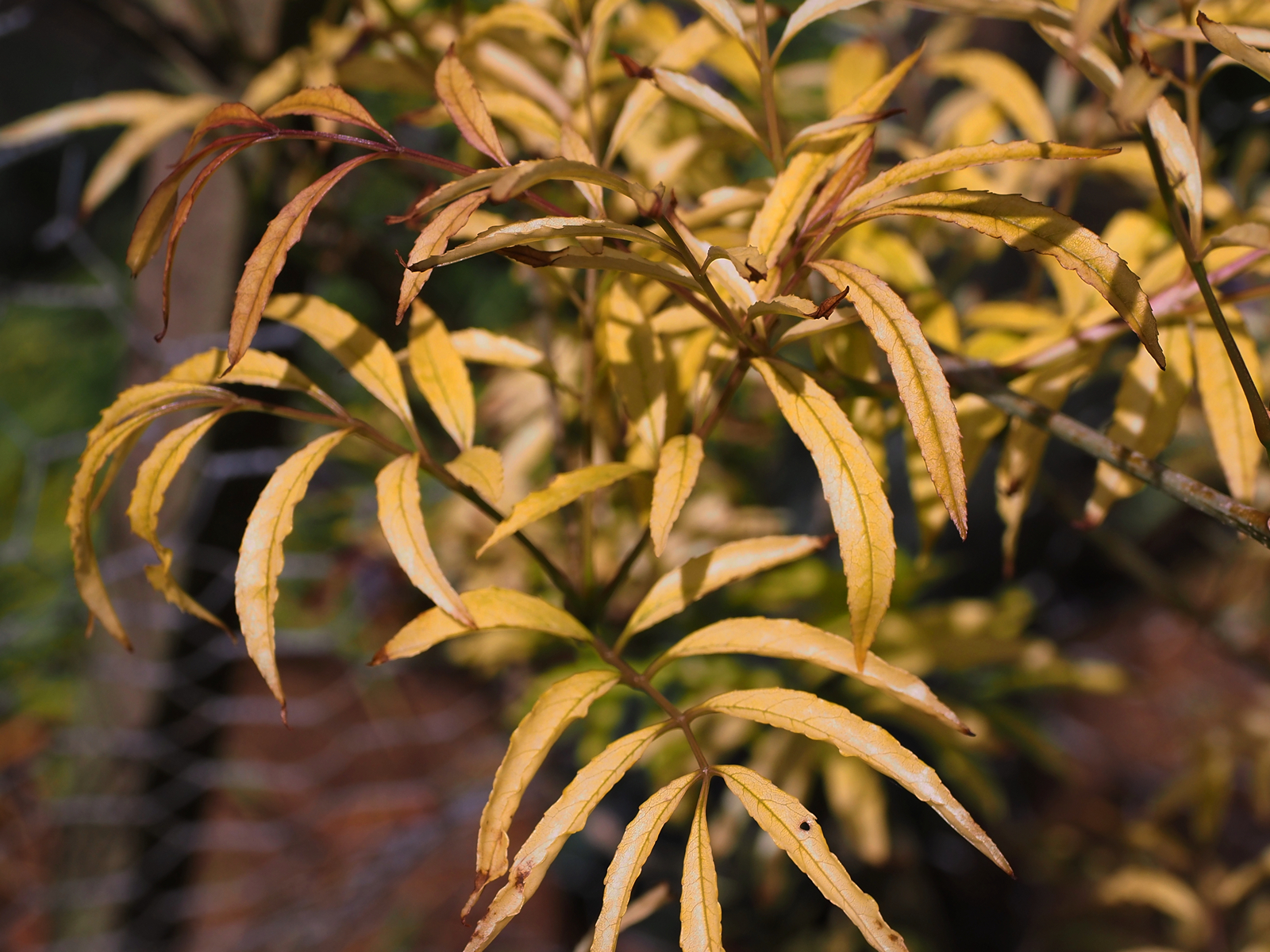
This was labelled ‘Fiax barumina’. It looks like it is a Fraxinus with yellow leaves initially but is clearly very tender and has hardly grown at all in 10 years. Sample taken for identification.
Fiax barumina
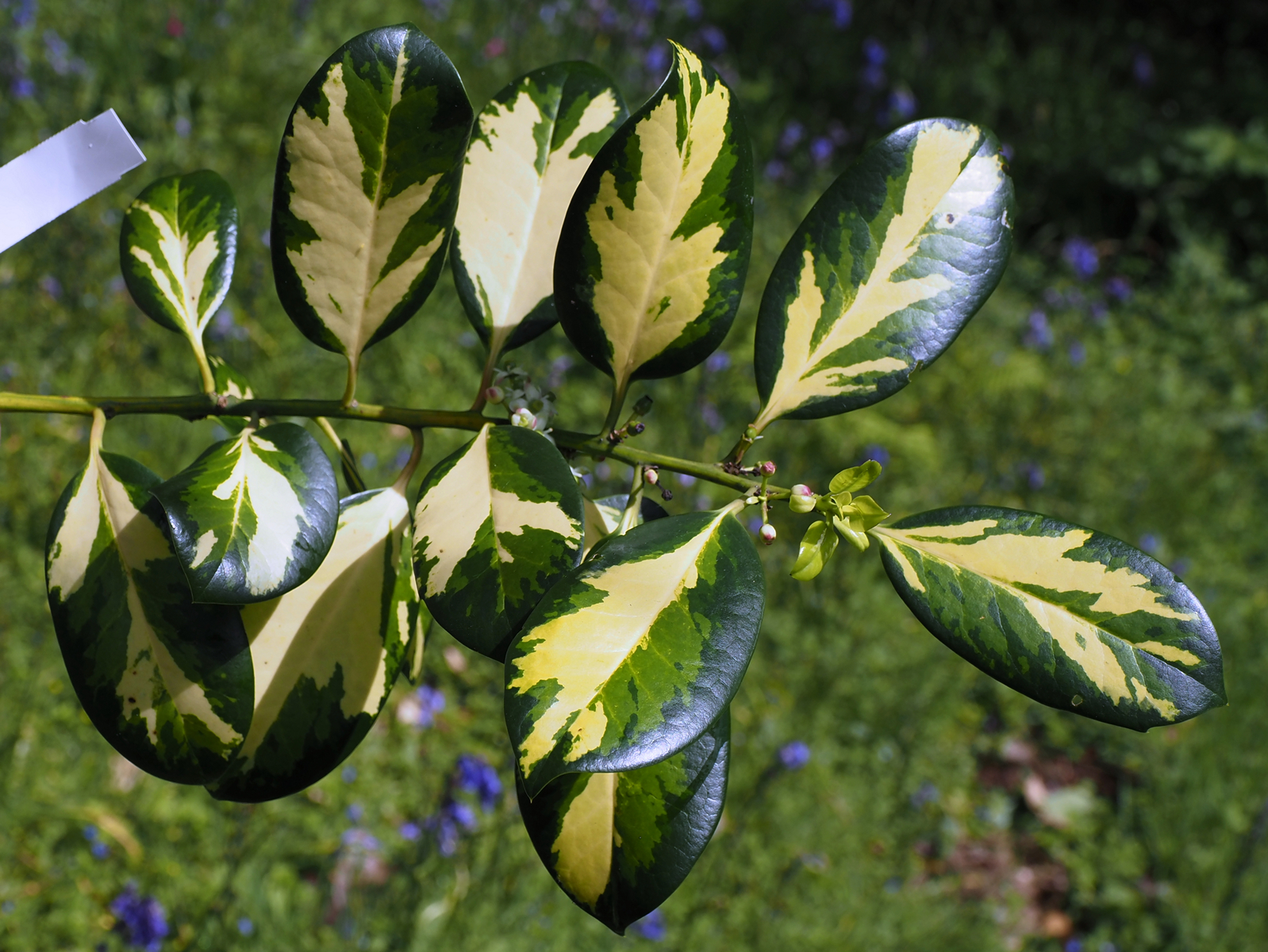
The ilex in the old Charlie Michaels Nursery has also partially reverted to Ilex x altaclerensis ‘Hendersonii’ from what was originally Ilex x altaclerensis ‘Belgica Aurea’. The variegated leaves are very variable.
Ilex x altaclarensis ‘Belgica Aurea’
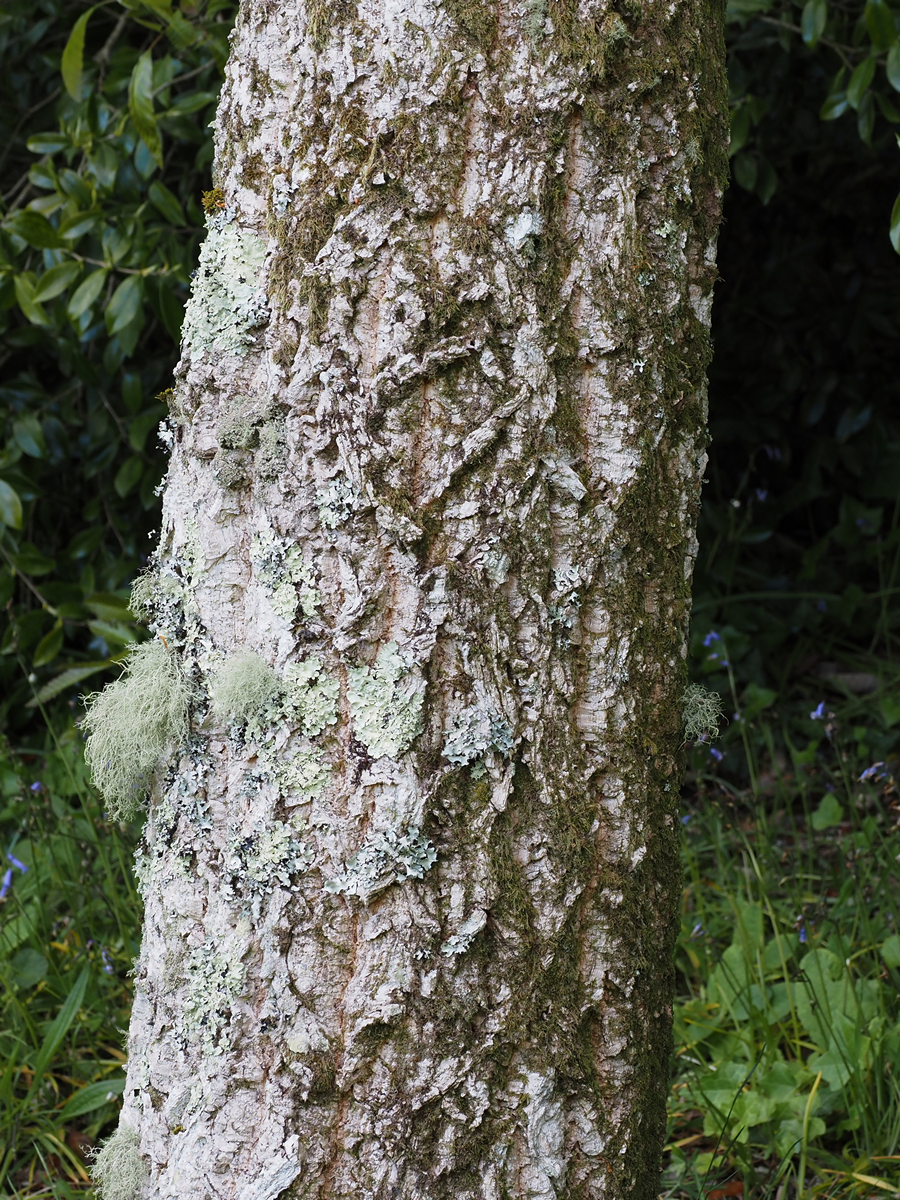
We believe this is Quercus affinis although I thought it was Quercus castanifolia when looking at the spiny acorns cups last autumn.
Quercus affinis
This is labelled Quercus monimotricha (90-0250) but Tom believed it was not.
Quercus monimotrichaQuercus monimotricha
Quercus monimotrichaQuercus monimotricha
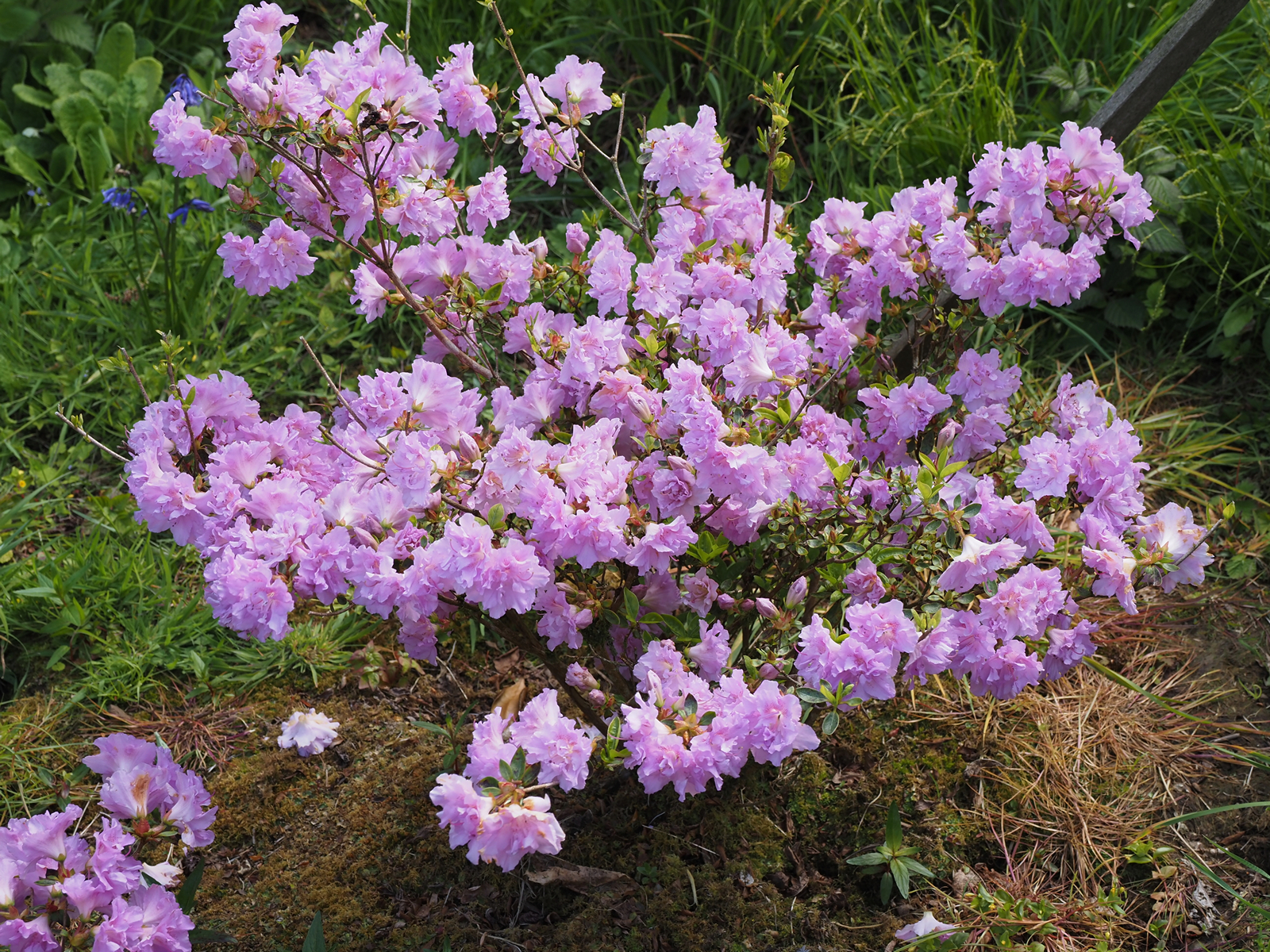
Azalea ‘Elsie Lee’ a good late show.
Azalea ‘Elsie Lee’Azalea ‘Elsie Lee’
We now await Susyn’s conclusions and I will resist writing more now to avoid muddying the water further. We did identify a mystery plant near the Engine House as Ilex verticillata (near the Windsor Ilex spinigera) which gives us a second Ilex verticillata. Tom also confirms the much debated Lithocarpus nearby as Lithocarpus edulis (not Lithocarpus glabra). However it is quite dissimilar to the L. edulis at Rosemoor.
Susyn brought samples with her of Ilex colchica and a copy of her 1995 article in the Plantsman on the Black Sea holly which was only reintroduced to cultivation about 35 years ago and had long been thought of as a form of the native Ilex aquifolium. We have a plant in the greenhouse which Susyn confirmed is correctly named as is a young plant of Ilex fargesii subsp. fargesii var. fargesii. The latter used to grow here but had died out.
This website uses cookies to improve your experience. We'll assume you're ok with this, but you can opt-out if you wish.AcceptRead More
Privacy & Cookies Policy
Privacy Overview
This website uses cookies to improve your experience while you navigate through the website. Out of these, the cookies that are categorized as necessary are stored on your browser as they are essential for the working of basic functionalities of the website. We also use third-party cookies that help us analyze and understand how you use this website. These cookies will be stored in your browser only with your consent. You also have the option to opt-out of these cookies. But opting out of some of these cookies may affect your browsing experience.
Necessary cookies are absolutely essential for the website to function properly. This category only includes cookies that ensures basic functionalities and security features of the website. These cookies do not store any personal information.
Any cookies that may not be particularly necessary for the website to function and is used specifically to collect user personal data via analytics, ads, other embedded contents are termed as non-necessary cookies. It is mandatory to procure user consent prior to running these cookies on your website.