Multiple flowers on Trachycarpus wagnerianus above the greenhouse. This one (unlike the one at Kennel Close) has not flowered before. If it has I have missed it. The trunk on this one is much taller than before it flowered.
Trachycarpus wagnerianusTrachycarpus wagnerianus
Dacrycarpus dacrydioides (formerly Podocarpus dacrydioides) with its first small but plentiful podocarps that I have seen. Planted in 2007 and now a decent tree which I have uplifted last year. Perhaps that encouraged it to produce fruit? A most peculiar New Zealand tree but very attractive and many think it looks dead. A decent one is get going in the centre of 40 Acres Wood.
Dacrycarpus dacrydioidesDacrycarpus dacrydioides
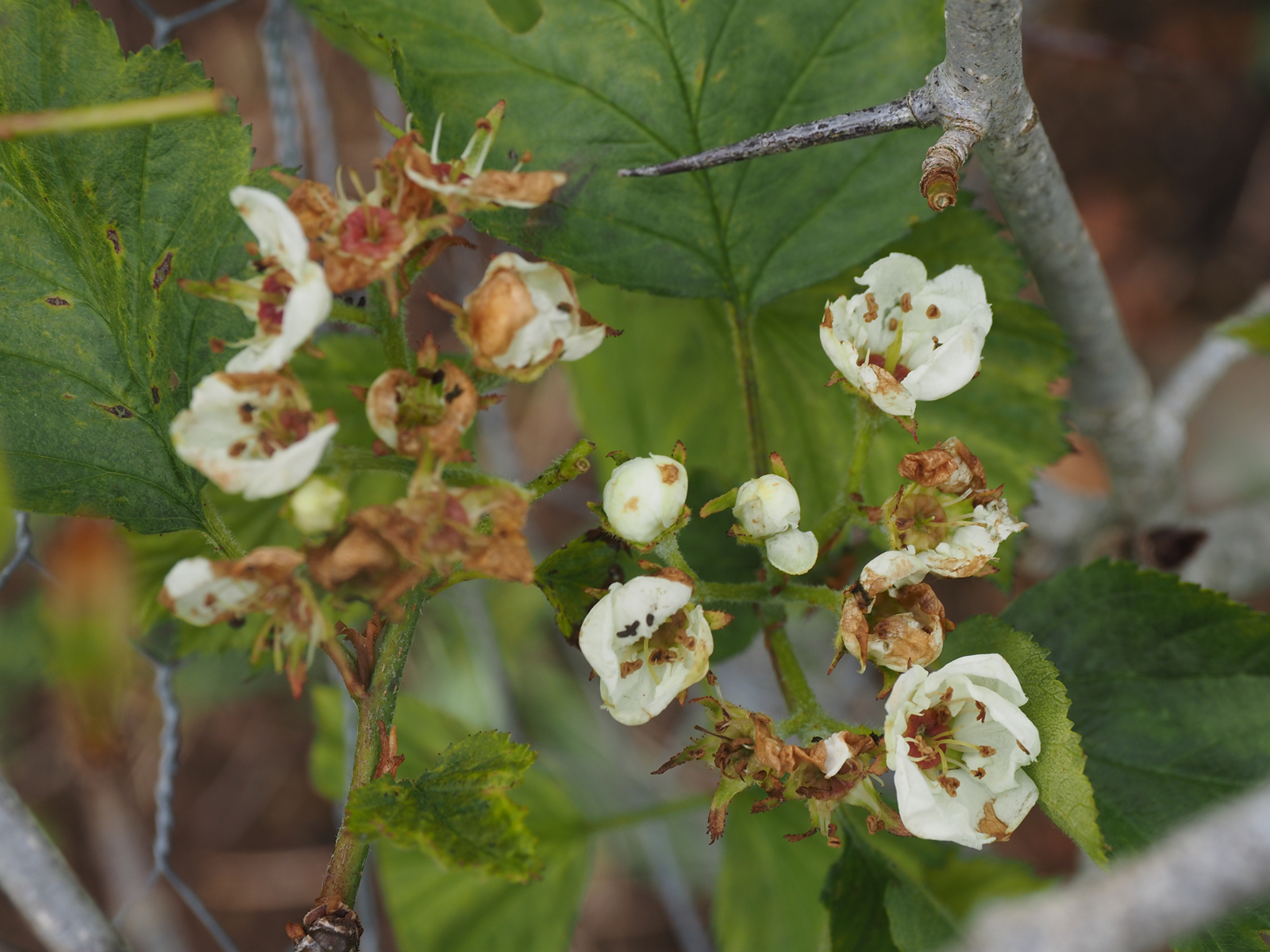
Not on the garden plans so an unknown Cornus opposite the yew trees on the lawn.
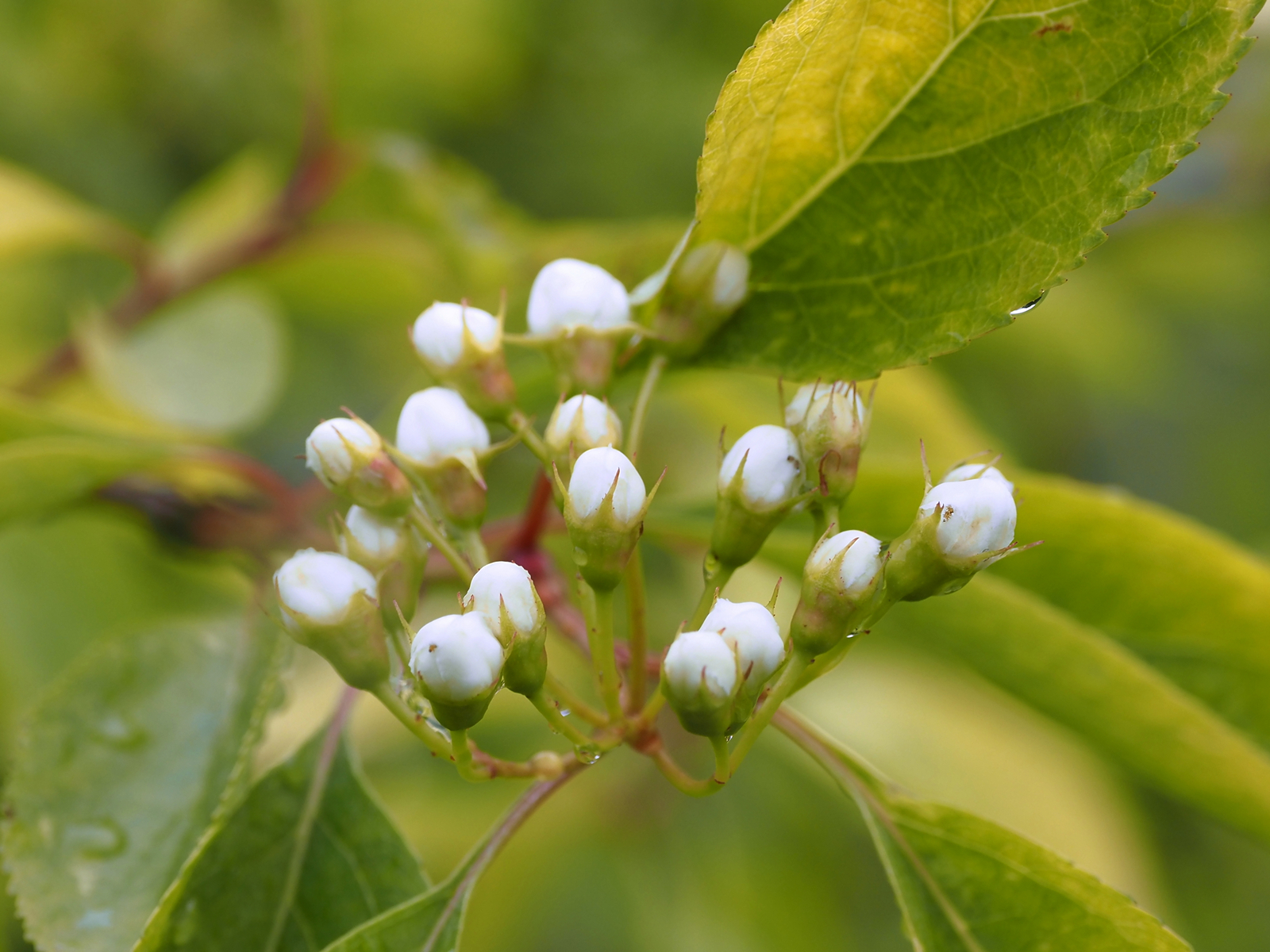
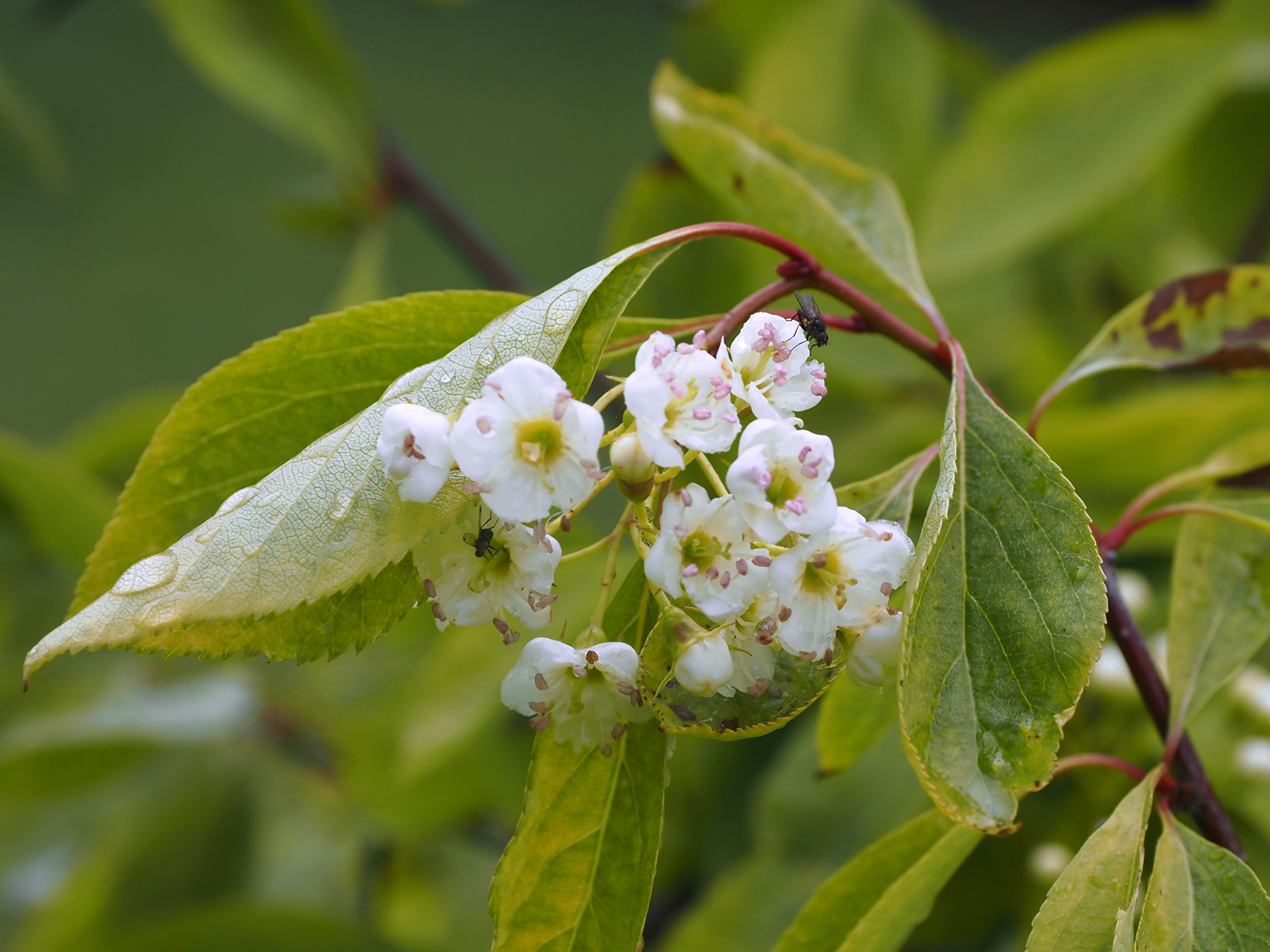
Malus x purpurea ‘Crimson Cascade’Malus x purpurea ‘Crimson Cascade’
Malus ‘Golden Gem’.
Malus ‘Golden Gem’Malus ‘Golden Gem’
Malus ‘Halloween’.
Malus ‘Halloween’Malus ‘Halloween’
Malus ‘Indian Magic’.
Malus ‘Indian Magic’Malus ‘Indian Magic’
Views over the Old Kitchen Garden.
Views over the Old Kitchen GardenViews over the Old Kitchen Garden
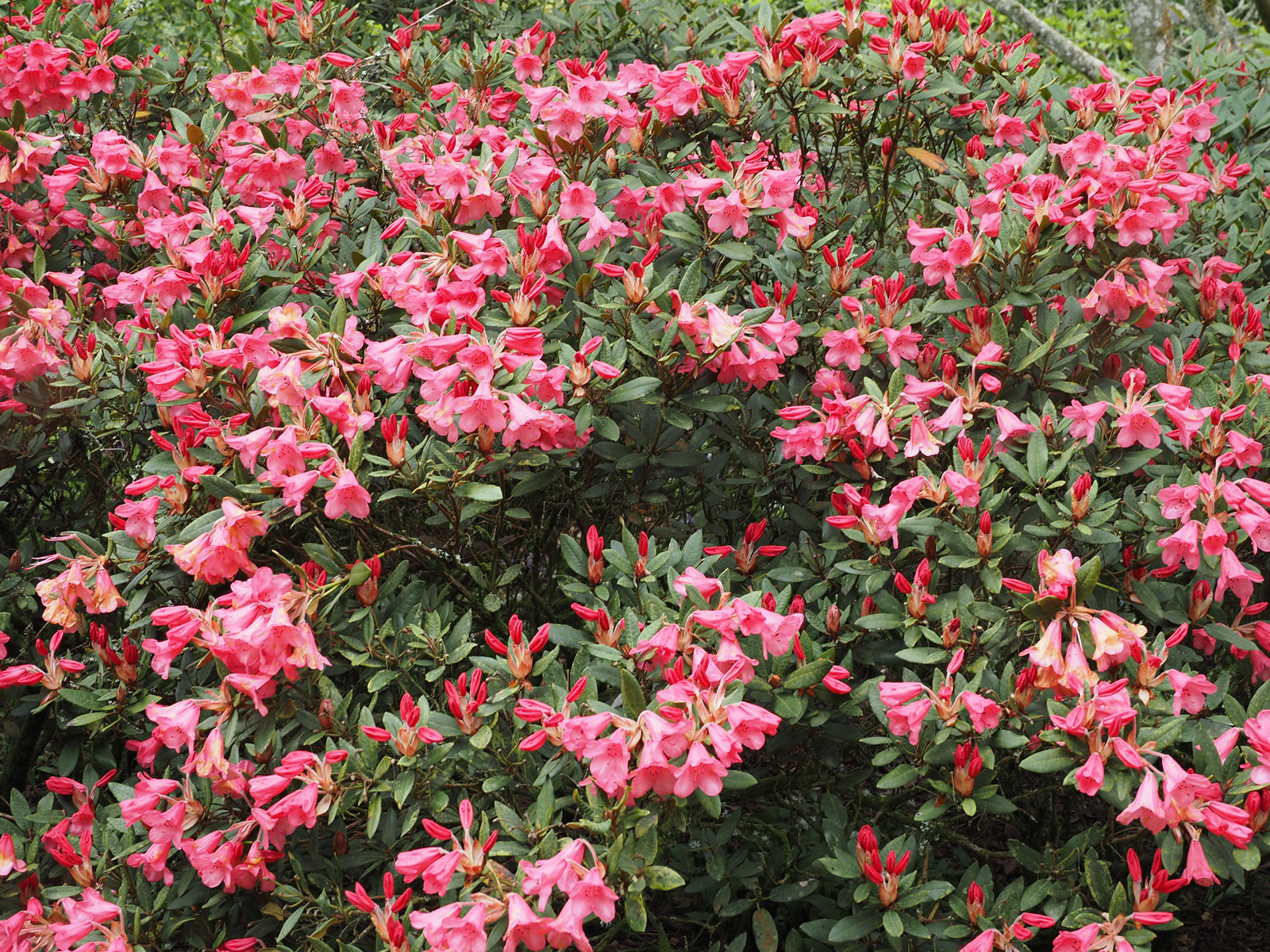
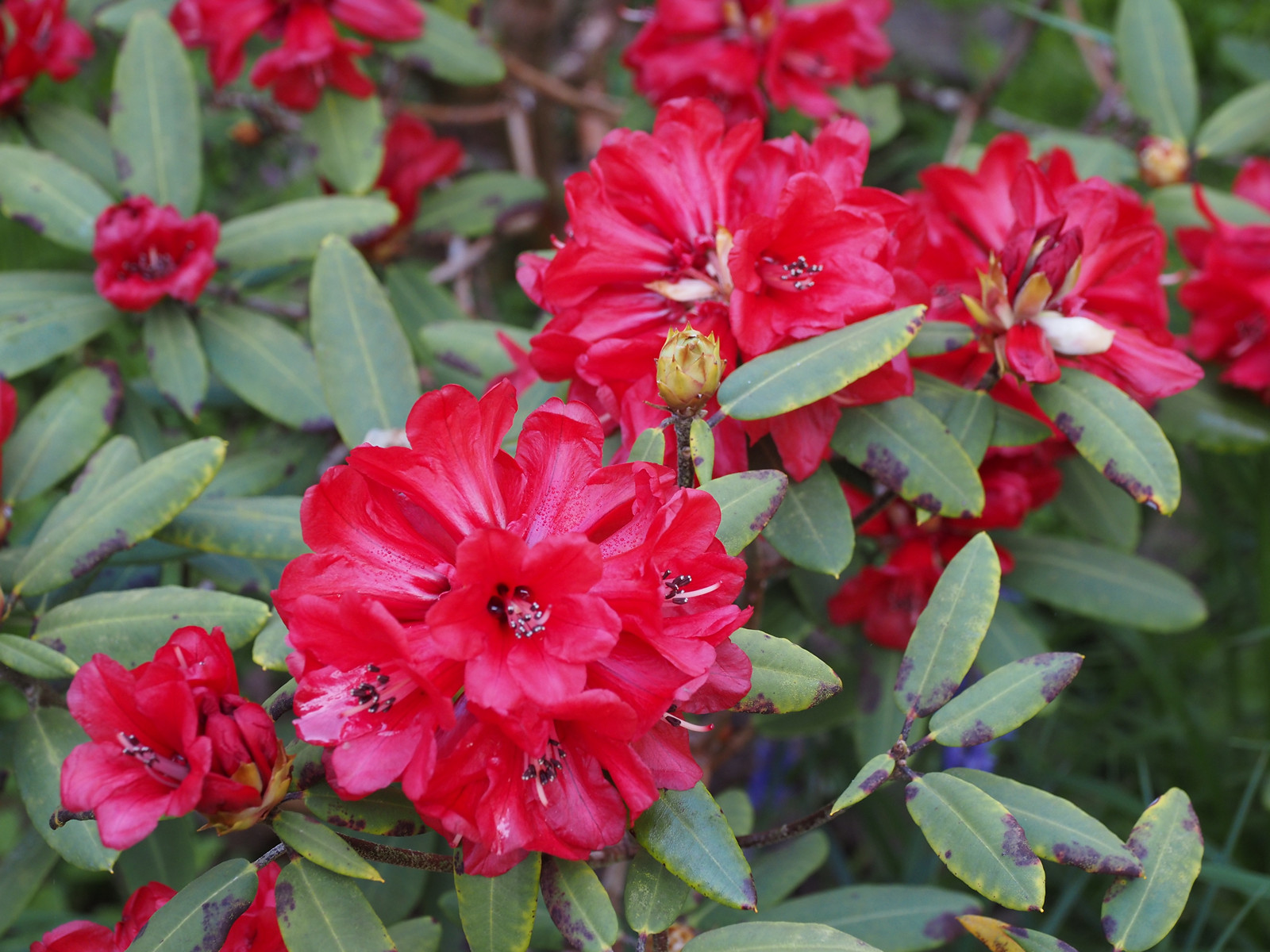
A very impressive Rhododendron in Old Park which I cannot name.
Rhododendron in Old ParkRhododendron in Old Park
2024 – CHW
In this early year the garden is close to being over. The loderis are at their best still but the scented rhododendrons are more or less over. Styrax buds are swelling.A warm fine week is speeding the end of the rhododendron season even if the deciduous azaleas have hardly started.A good chop back in the Rockery as we had planned. More to do yet with brambles to dig out.
chop back in the Rockery
The wisteria drooped over the wall at the top of the Rockery.
wisteria
I am puzzled as to how and why our Syringa all seem to have die back? These are robust plants and not early into leaf. The same issue in the nursery with Dutch imports. I am suspicious of the possibility of a ‘new’ lilac disease?
Syringa
The peculiar and rare Osteomeles subrotunda with flower buds. The IDS website says most plants named O. subrotunda may in fact be forms of O. schwerinae. There are no pictures which enable me to confirm the identity of this plant one way or the other.
Osteomeles subrotundaOsteomeles subrotunda
Eucryphia ‘Nyman’s Silver’ is recovering well after nearly dying in the drought last summer.
Eucryphia ‘Nyman’s Silver’
Magnolia laevifolia ‘White Caviar’ is a fine thing! Better each year.
Sapium sebiferum very late into leaf but very much alive and well.
Sapium sebiferum
2023 – CHW
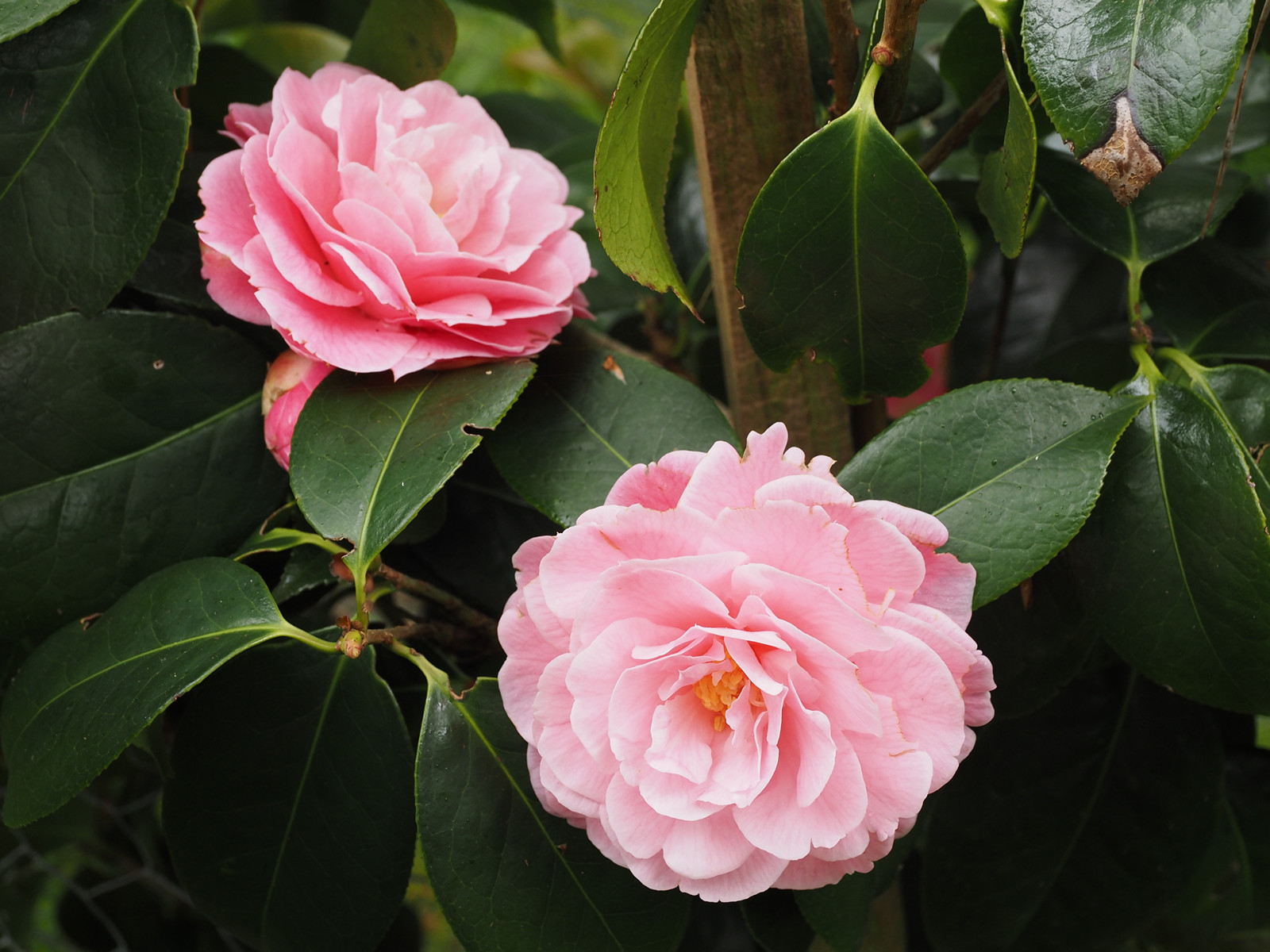
Camellia reticulata ‘Lovely Lady’ still with decent flowers.
Camellia reticulata ‘Lovely Lady’
Sadly our original Illicium anisatum has died of old age. It did have a few flowers earlier in the year on a near leafless shrub now in far too much shade.
Illicium anisatum
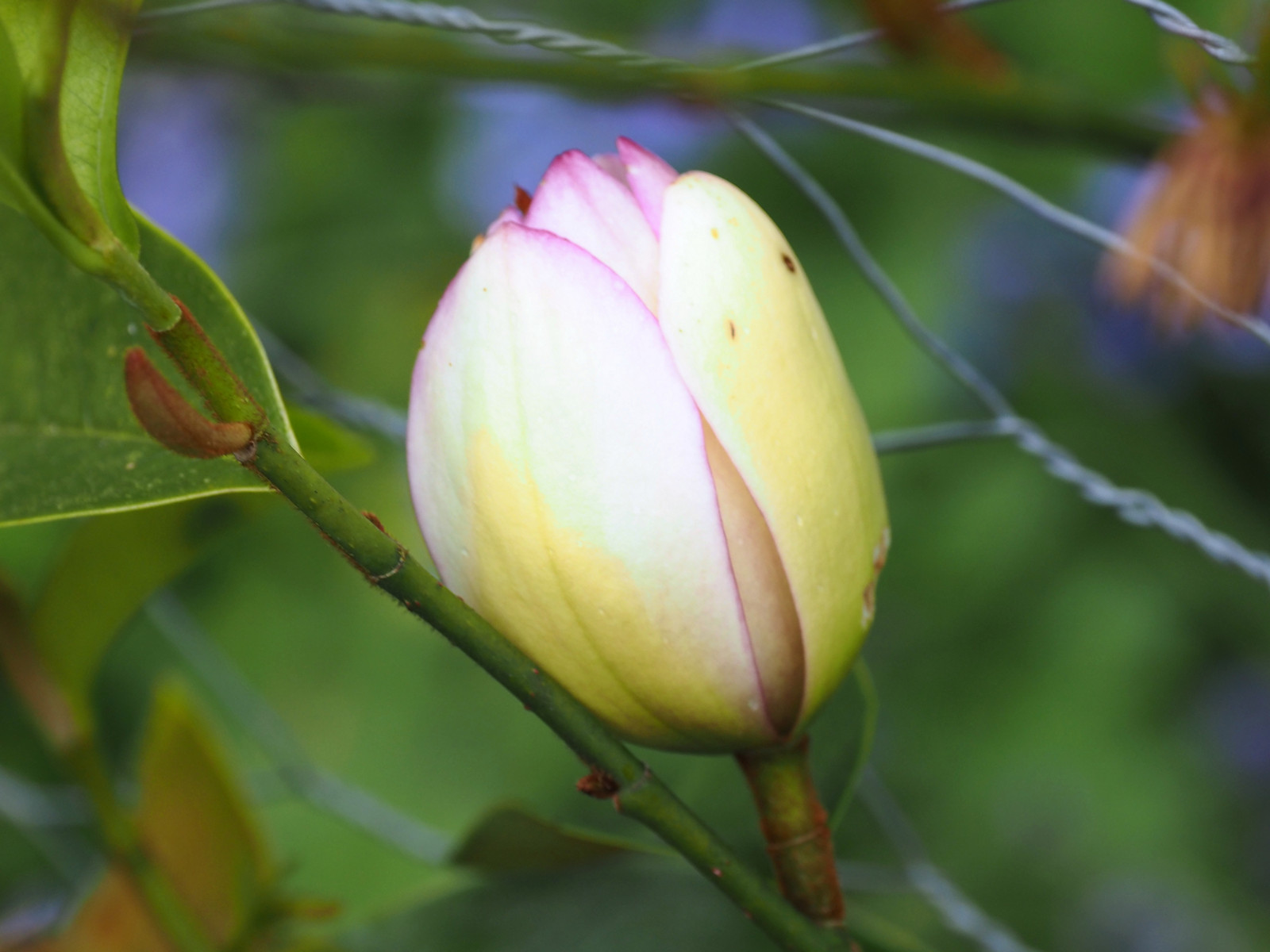
Magnolia (Michelia) ‘Fairy Lime’. Another plant which I had forgotten with a few decent flowers.
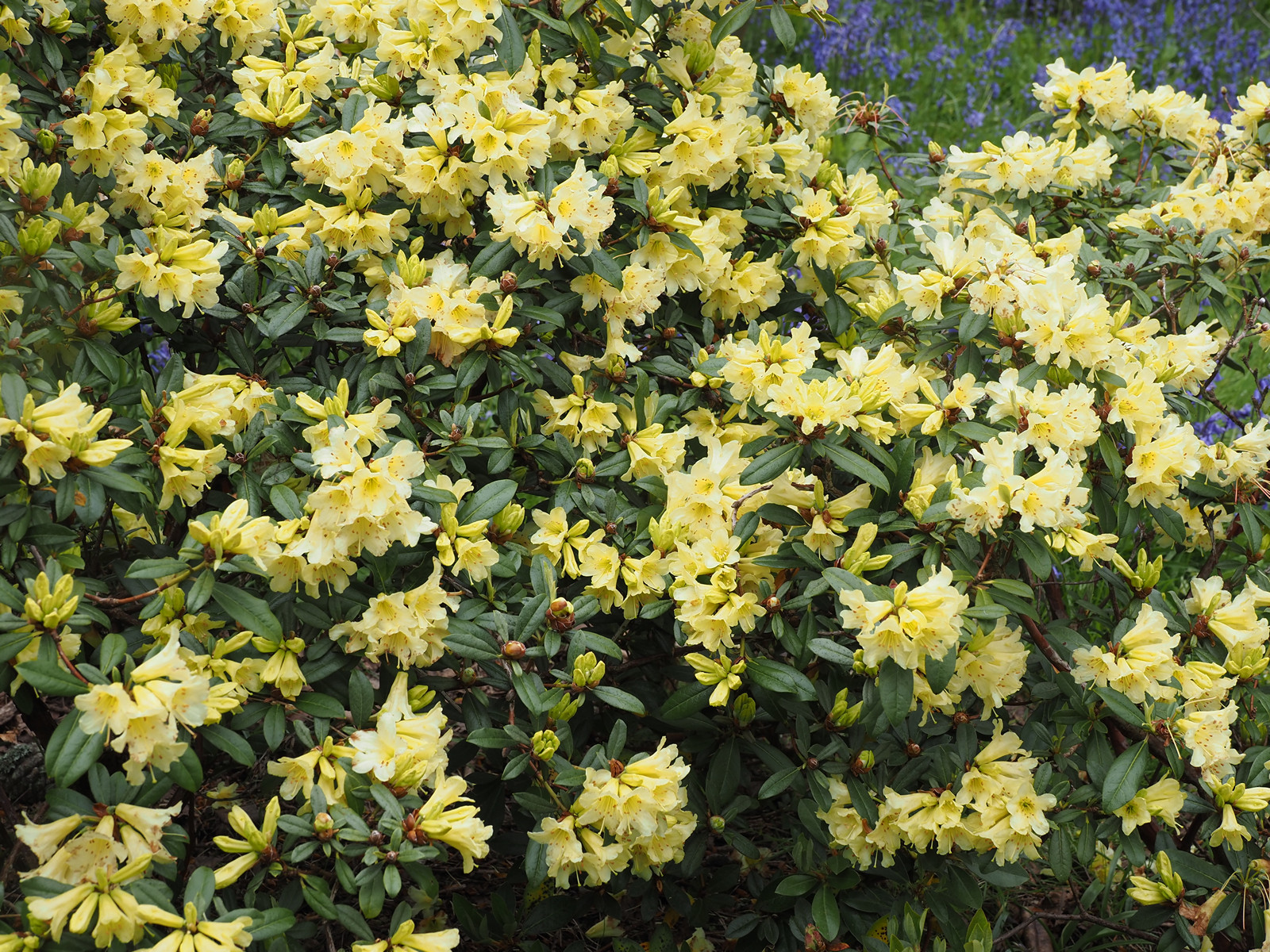
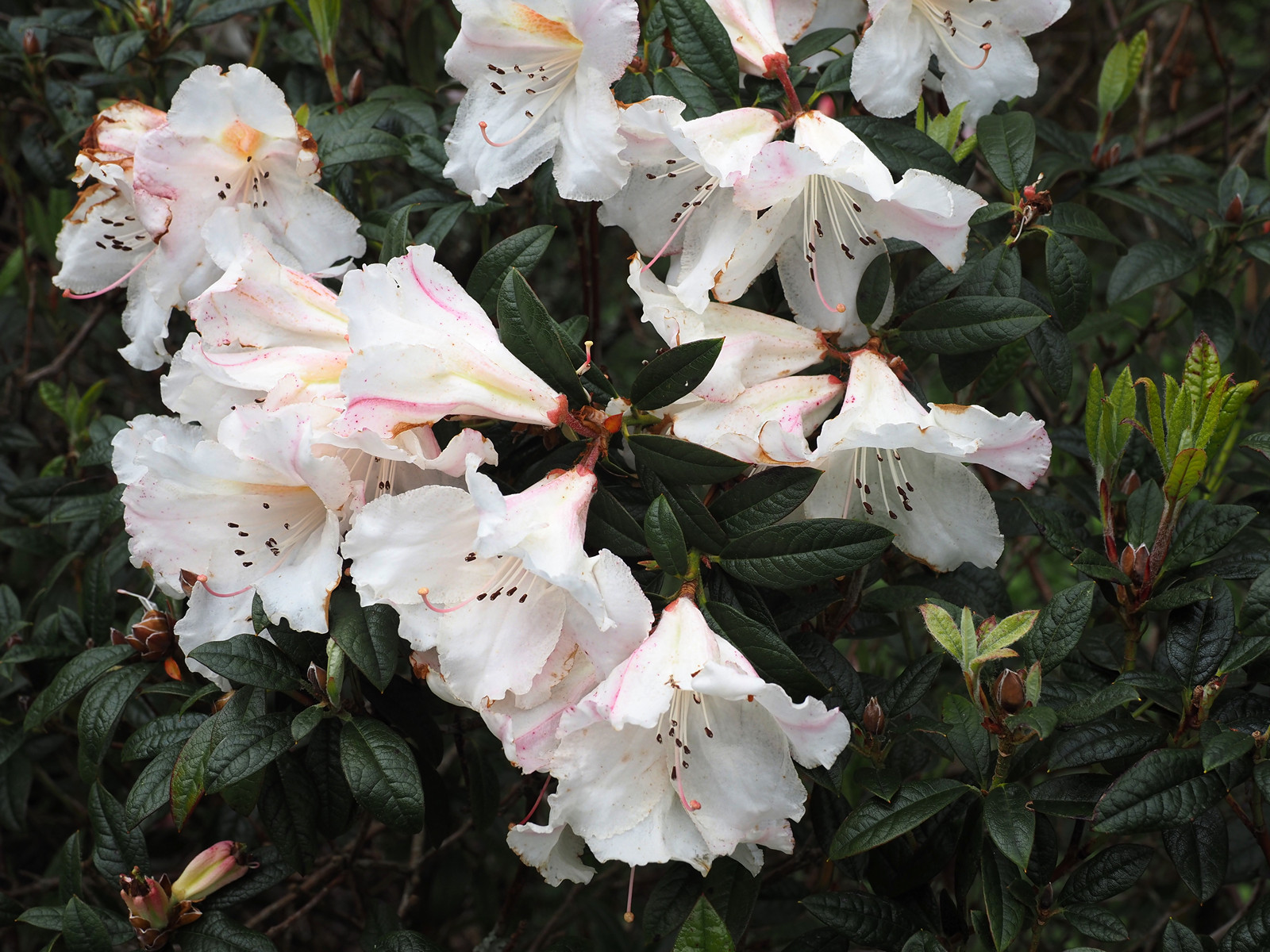
Rhododendron ‘Saffron Queen’ far too out to cut for Chelsea.
Rhododendron ‘Saffron Queen’
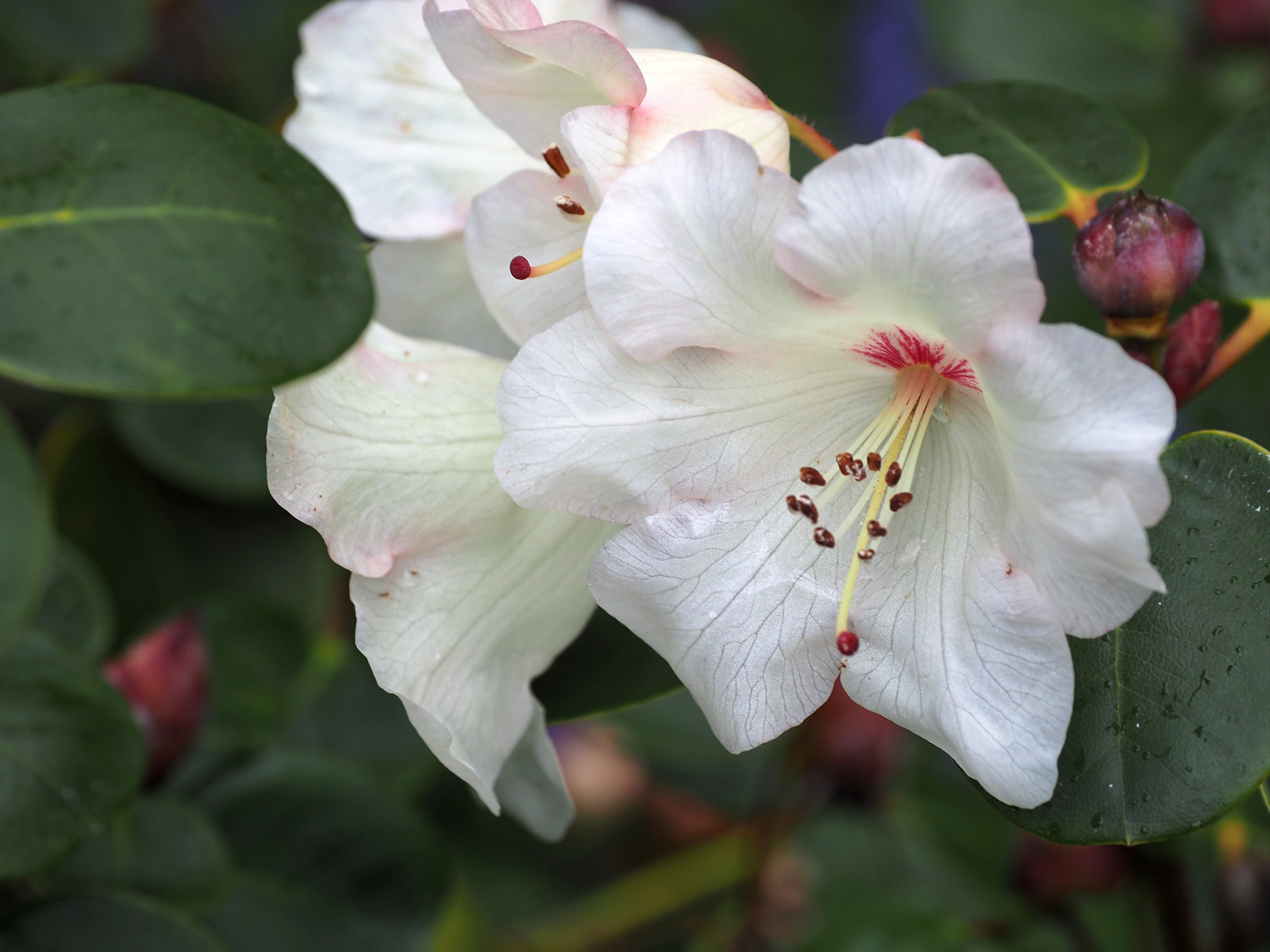
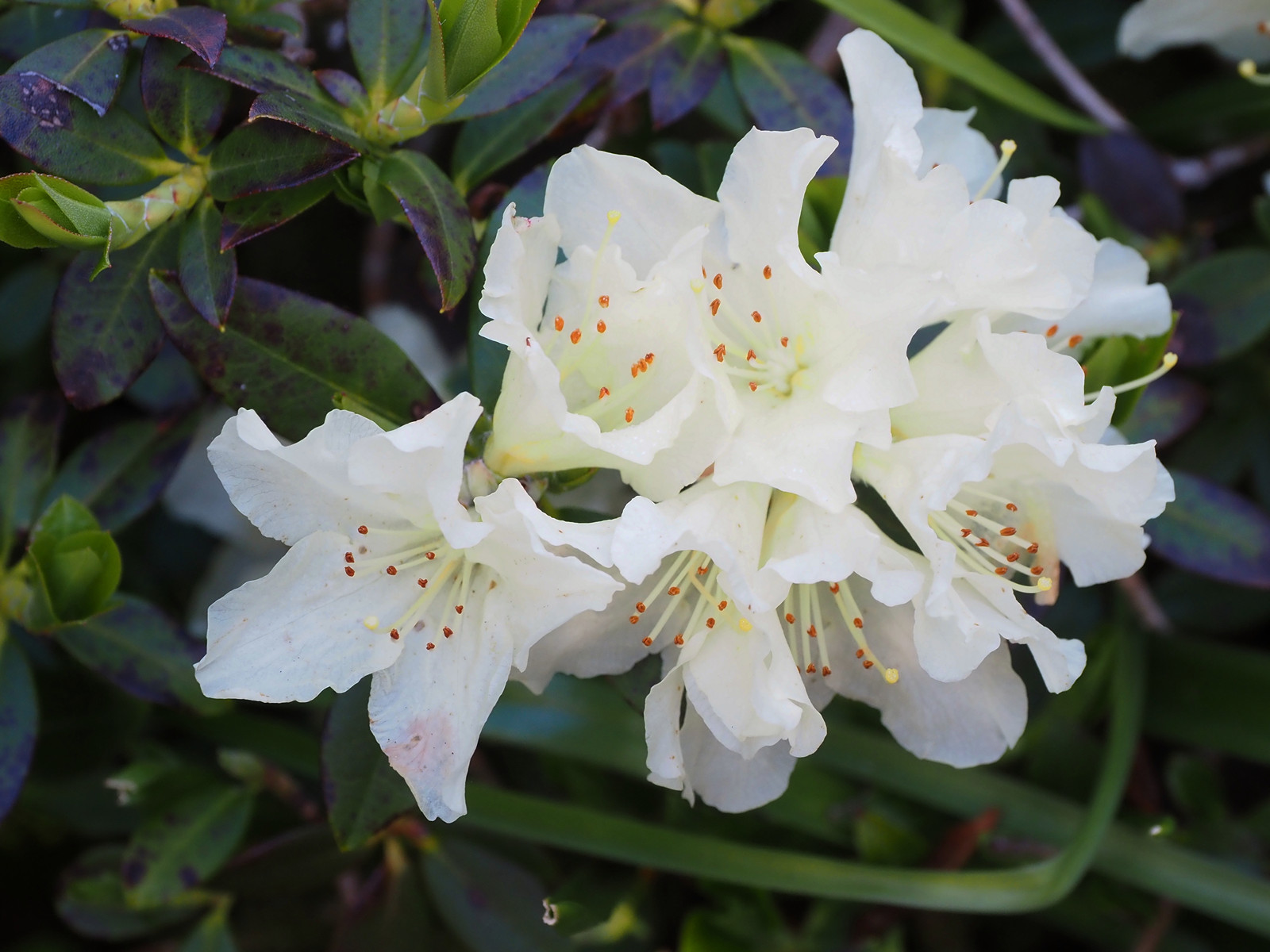
Rhododendron ‘Cowslip’ flowering sparsely. (Rh. wardii x Rh. williamsianum).
Rhododendron ‘Cowslip’
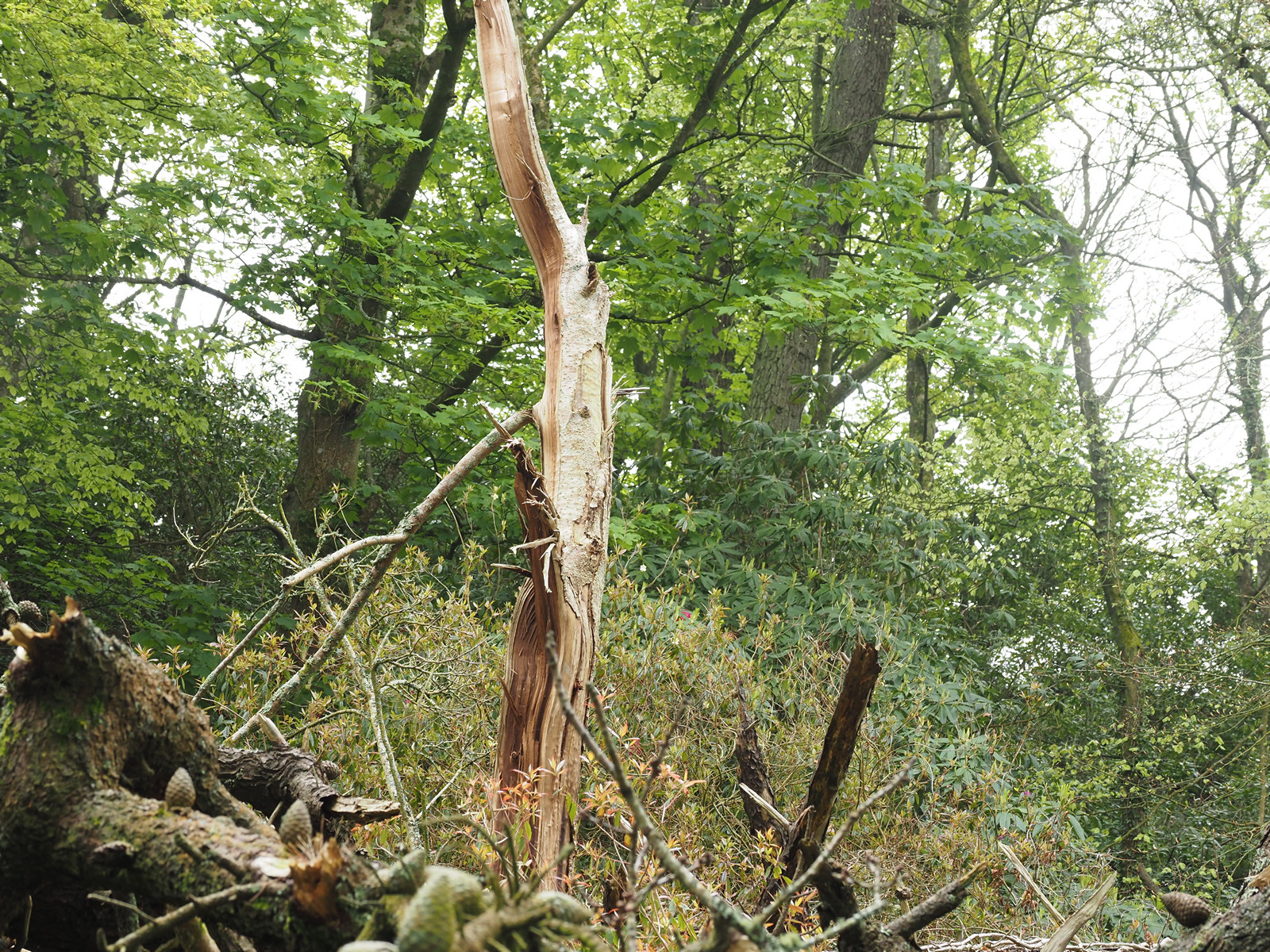
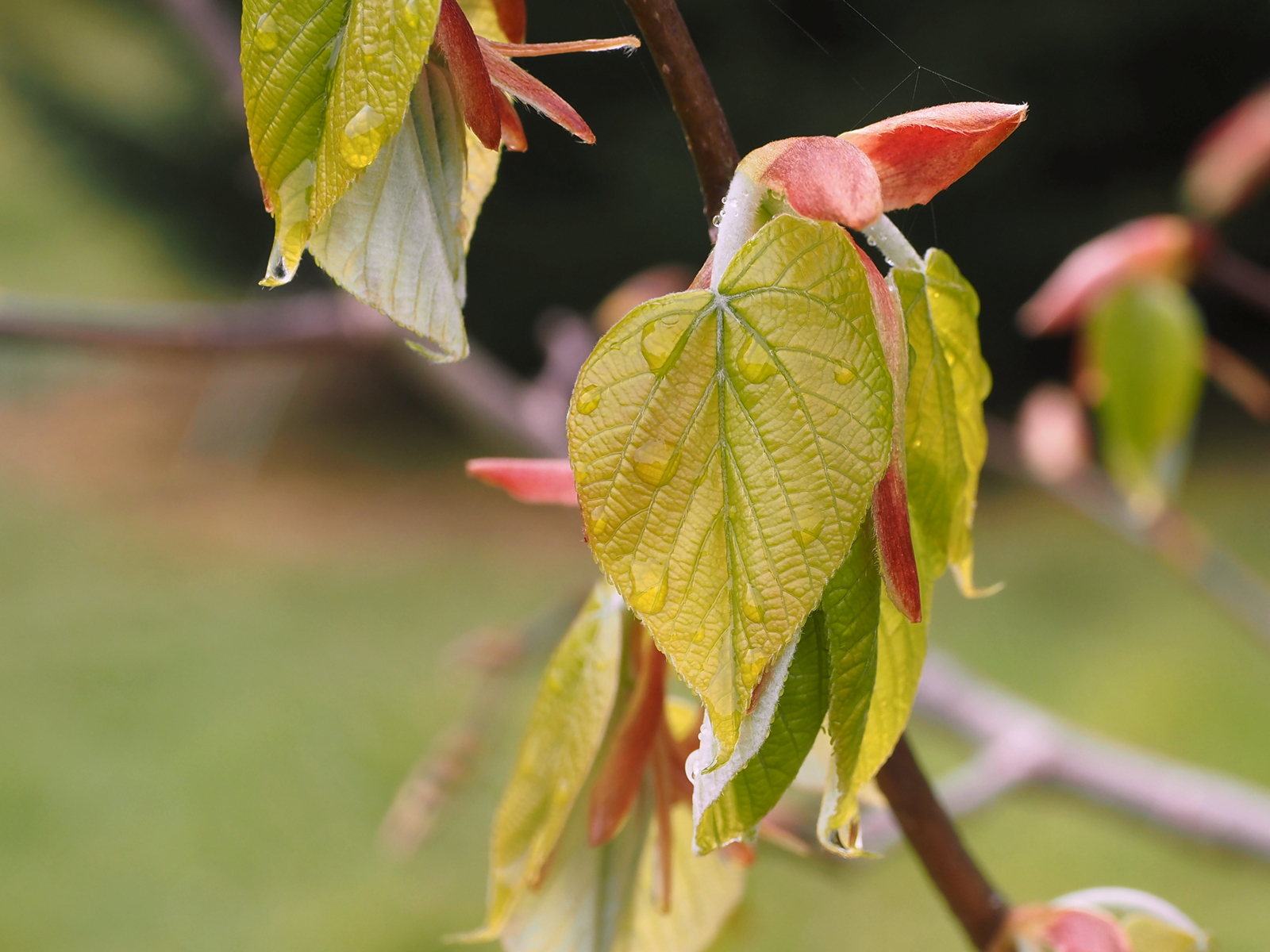
The fir tree which fell above Red Linney took out Phellodendron amurense var. sachalinense. I wonder if it will reshoot when the mess is finally cleared up? There are two others in Penvergate.
The fir tree
Rhododendron ‘Winsome’ on the drive.
Rhododendron ‘Winsome’
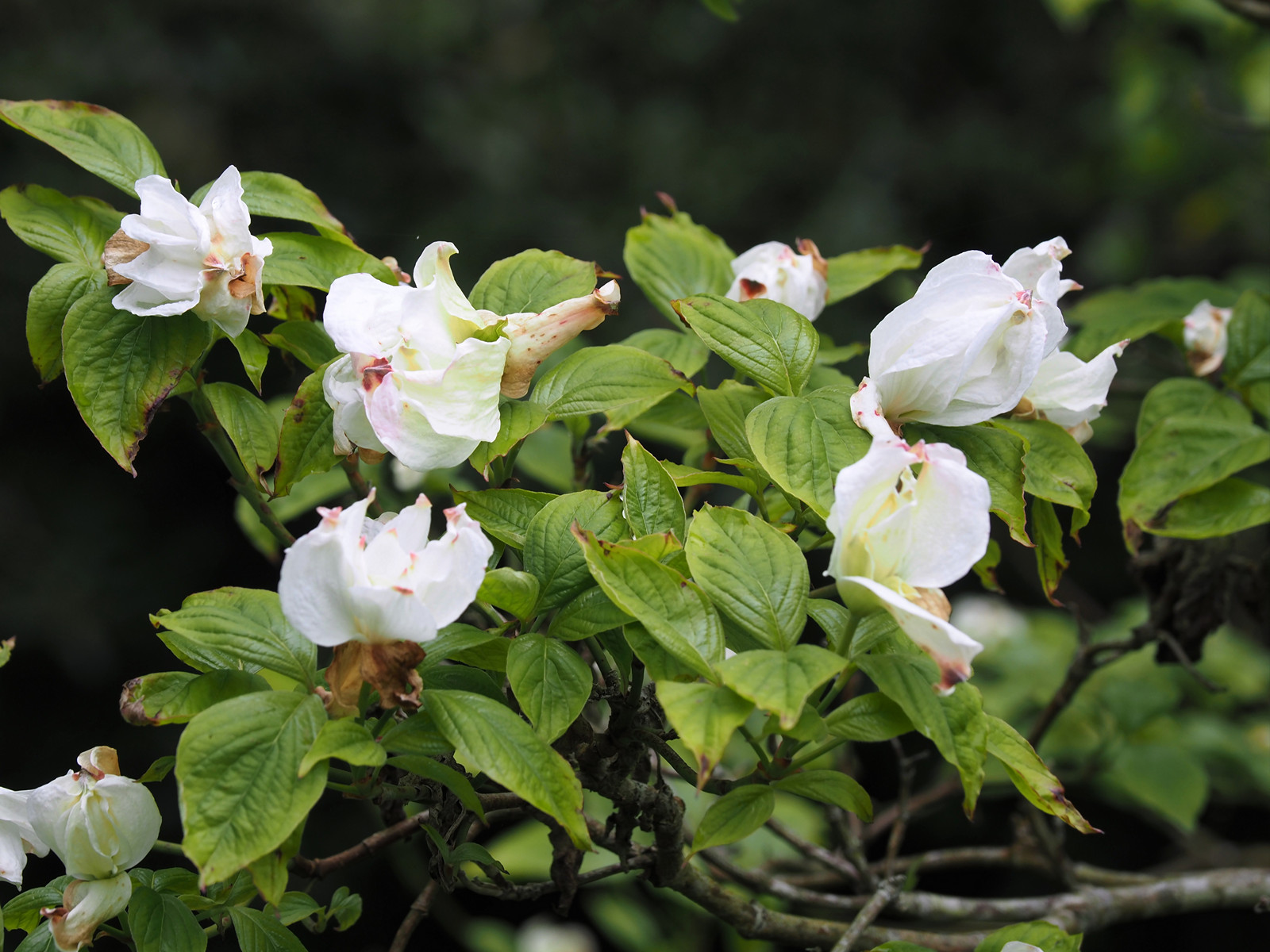
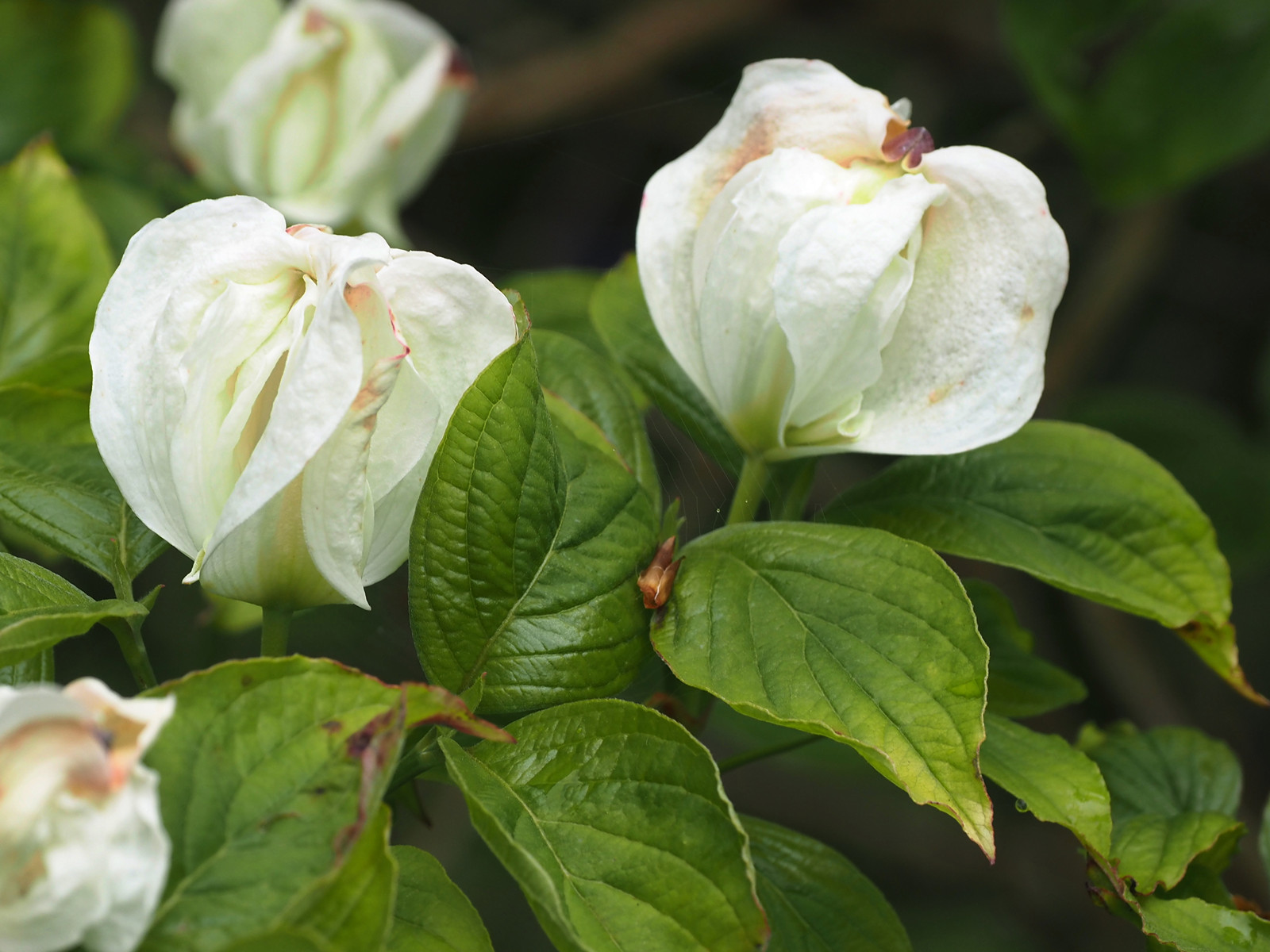
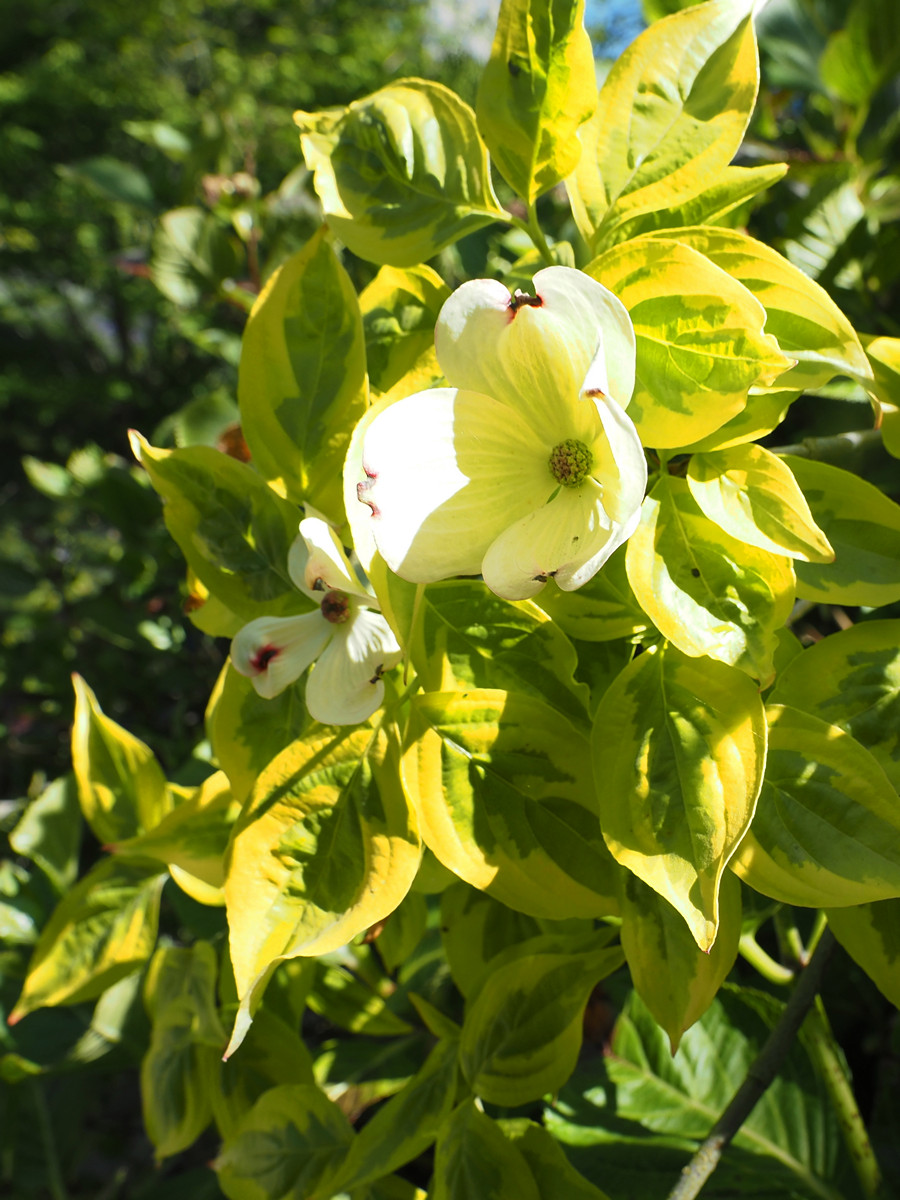
Cornus florida subsp. urbiniana with its white bracts joined at the tips. Odd! I think I looked this up previously and came to a different conclusion as to its identity. I called it Cornus florida ‘Pluribracteata’ and I am still not really sure which is the correct identification as I can find undivided flowers which have charachertistics of both forms. Its not in our planting plans but was planted around 2005.
Cornus floridaCornus florida
Rhododendron fragrantissimum by the front door.
Rhododendron fragrantissimum
2022 – CHW
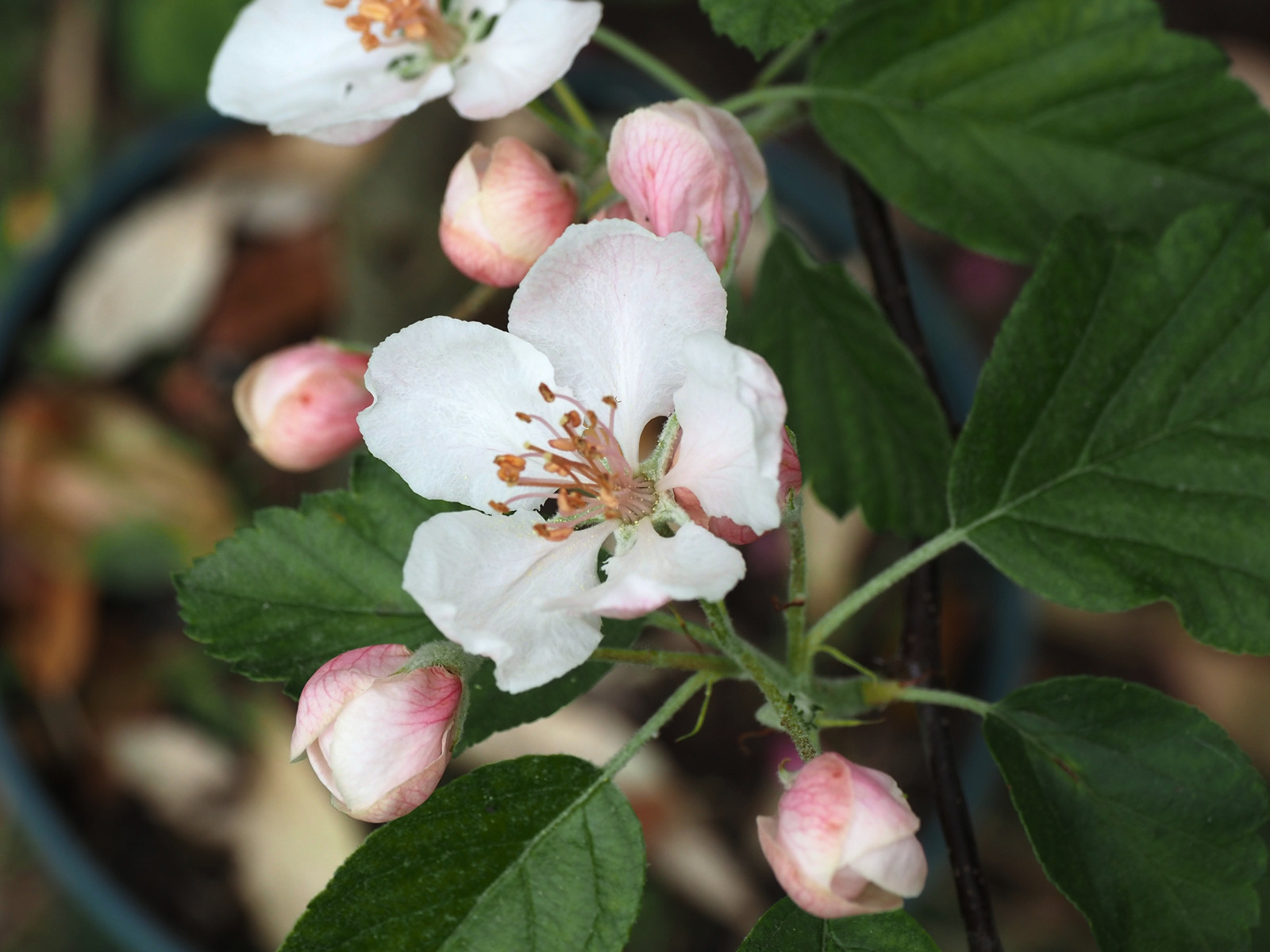
Tom Hudson tipped me off that the RHS Fellows and Jim Gardiner tour gift earlier this spring was flowering well for him. A near double form of Magnolia sieboldii. However when I rush to the greenhouse ours has no flowers.Malus coronaria ‘Elk River’ is now properly out. Last week just in bud.
Malus coronaria ‘Elk River’
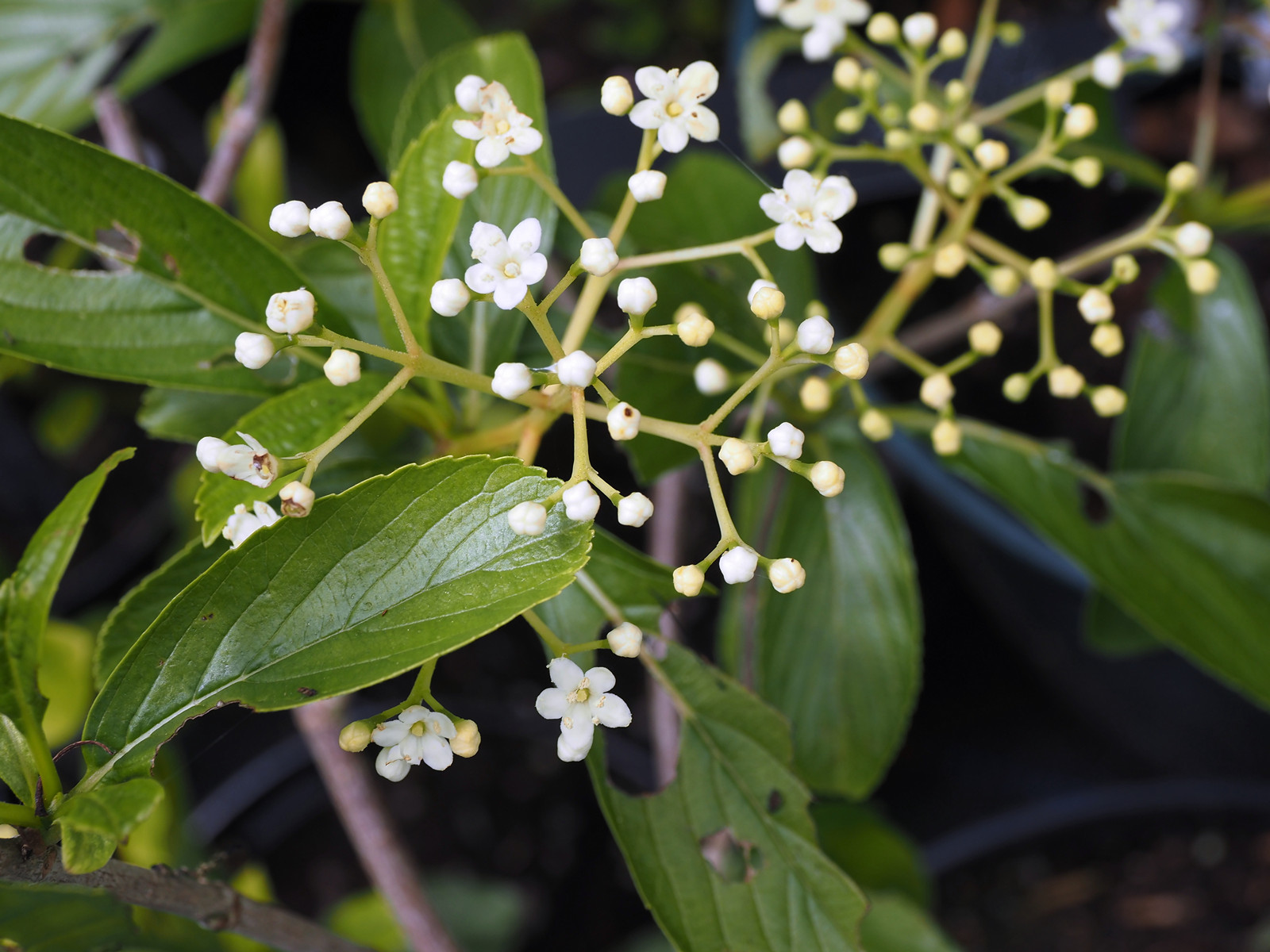
We have planted out and lost Viburnum sieboldii before. One at Burncoose a decent size.
Viburnum sieboldii
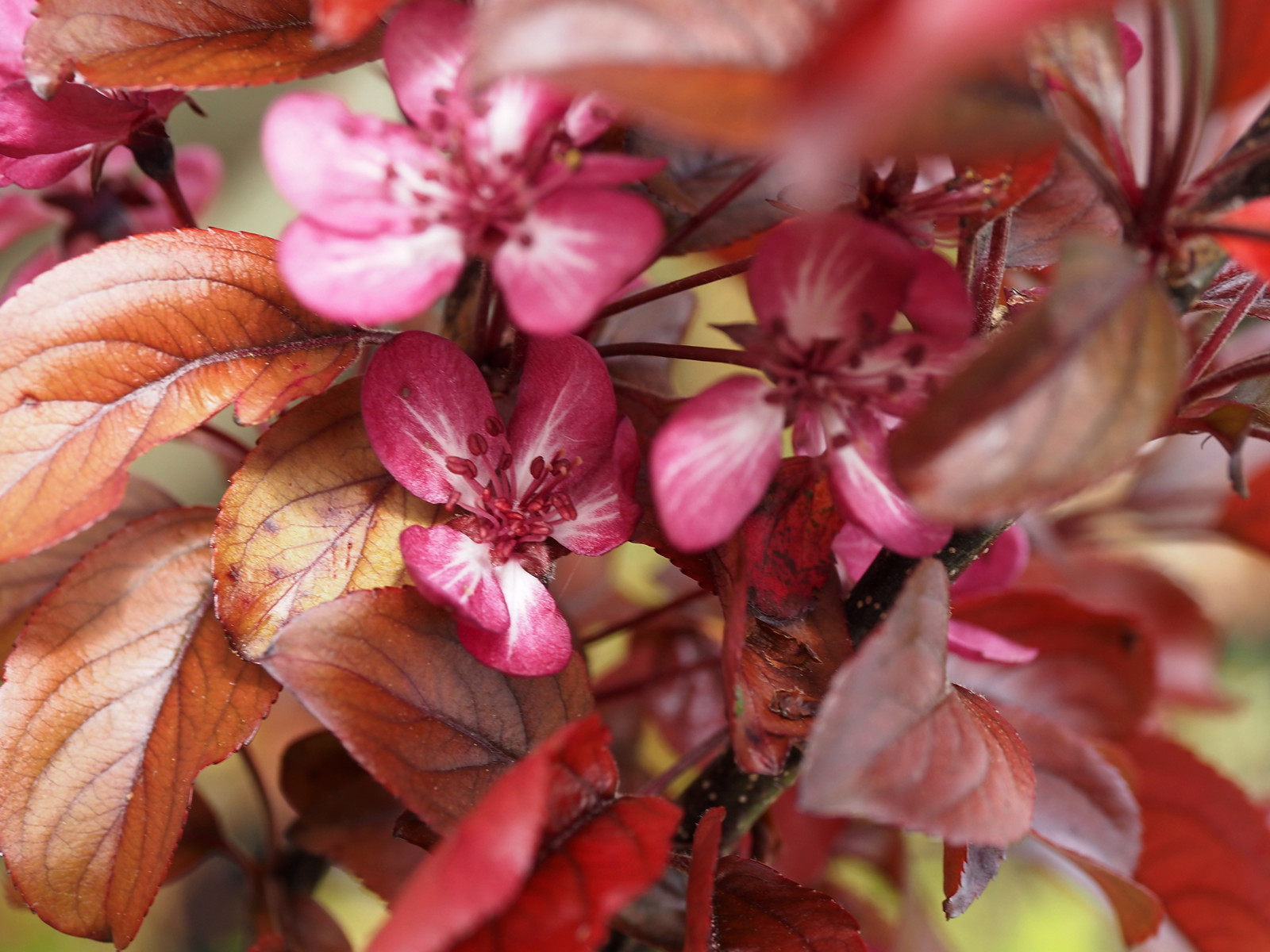
Malus toringo ‘Aros’ now out as well with unusual coloured flowers.
Malus toringo ‘Aros’
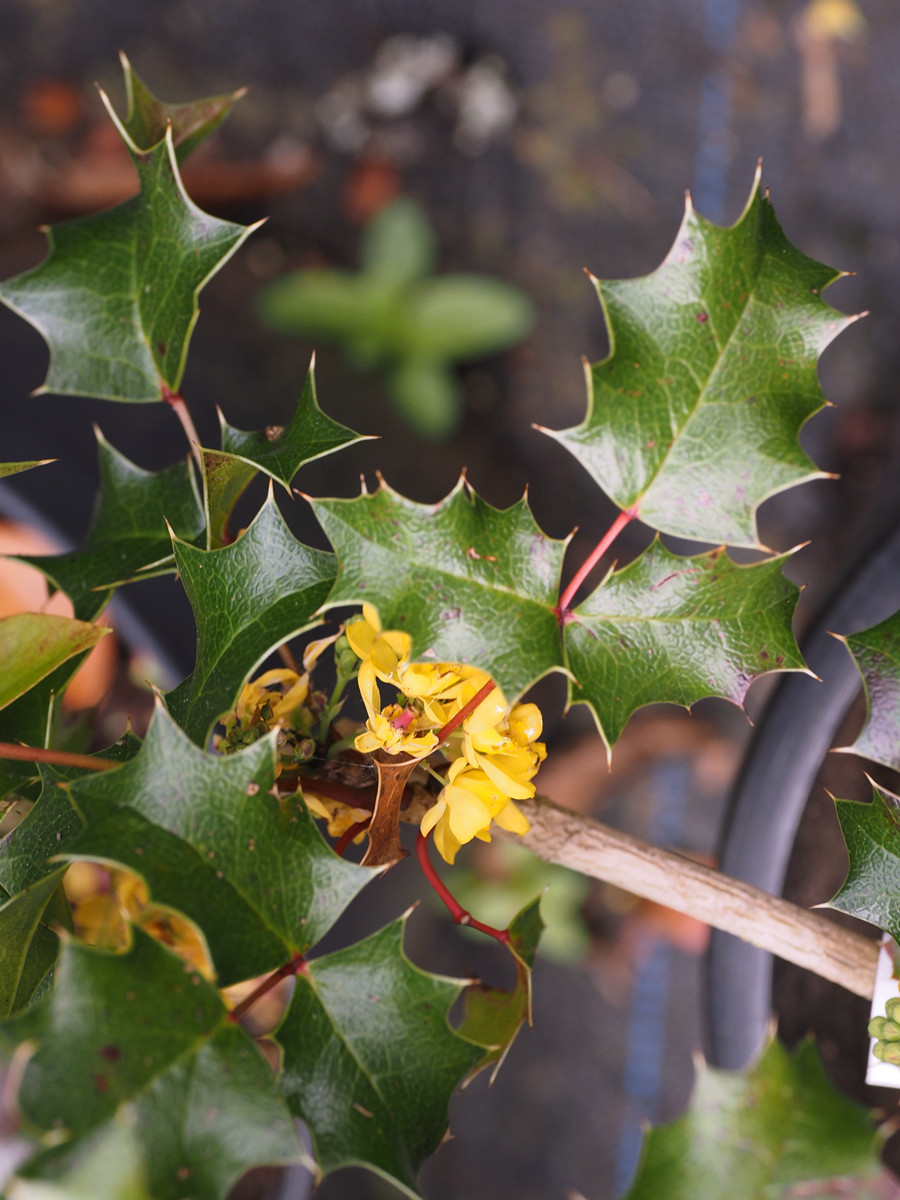
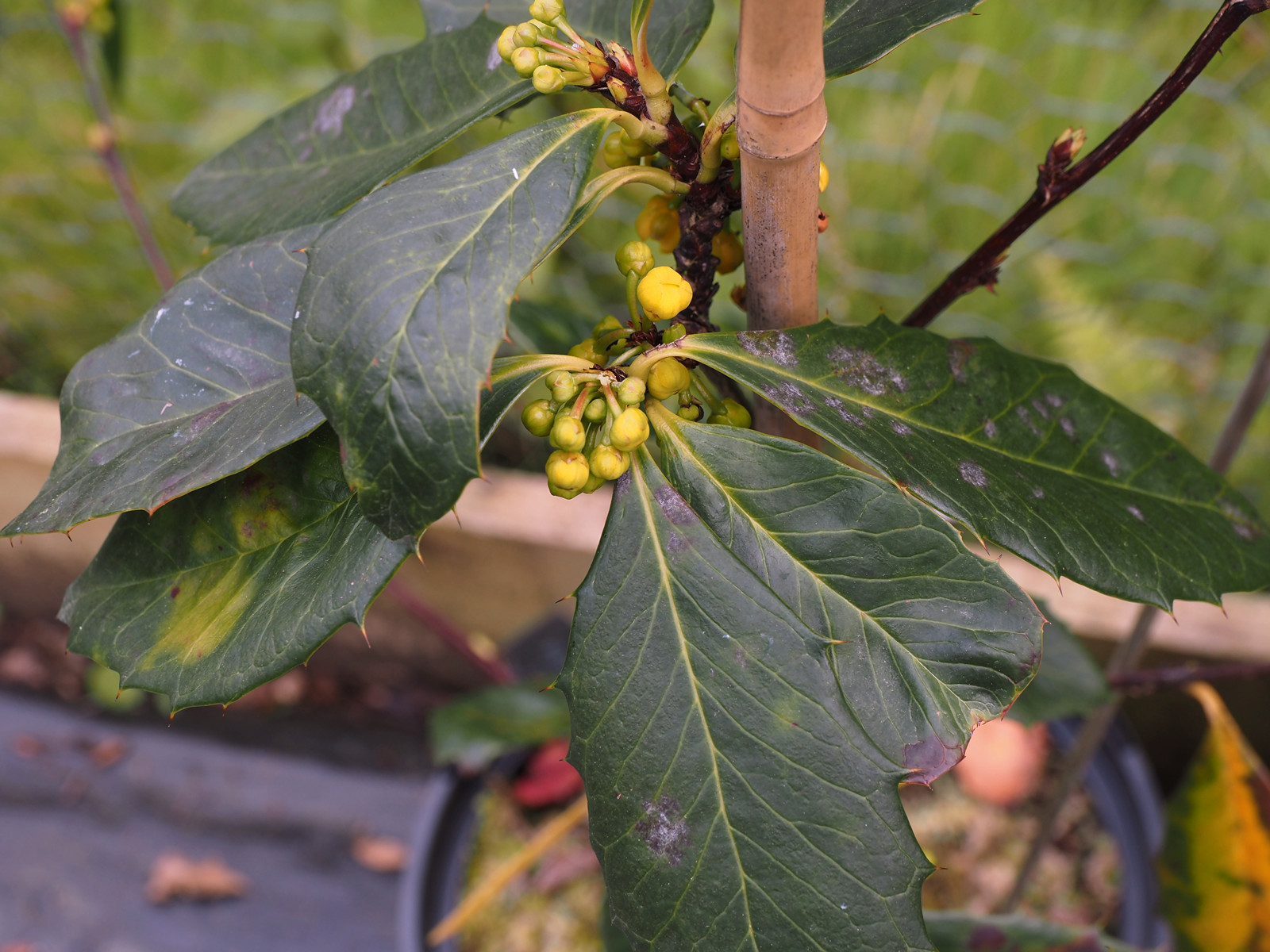
Mahonia trifolia flowering with its trifoliate leaves. To go out next spring.
Mahonia trifolia
Berberis hypokeriana with large leaves just in bud. Bought from Nick Macer a year ago.
Berberis hypokeriana
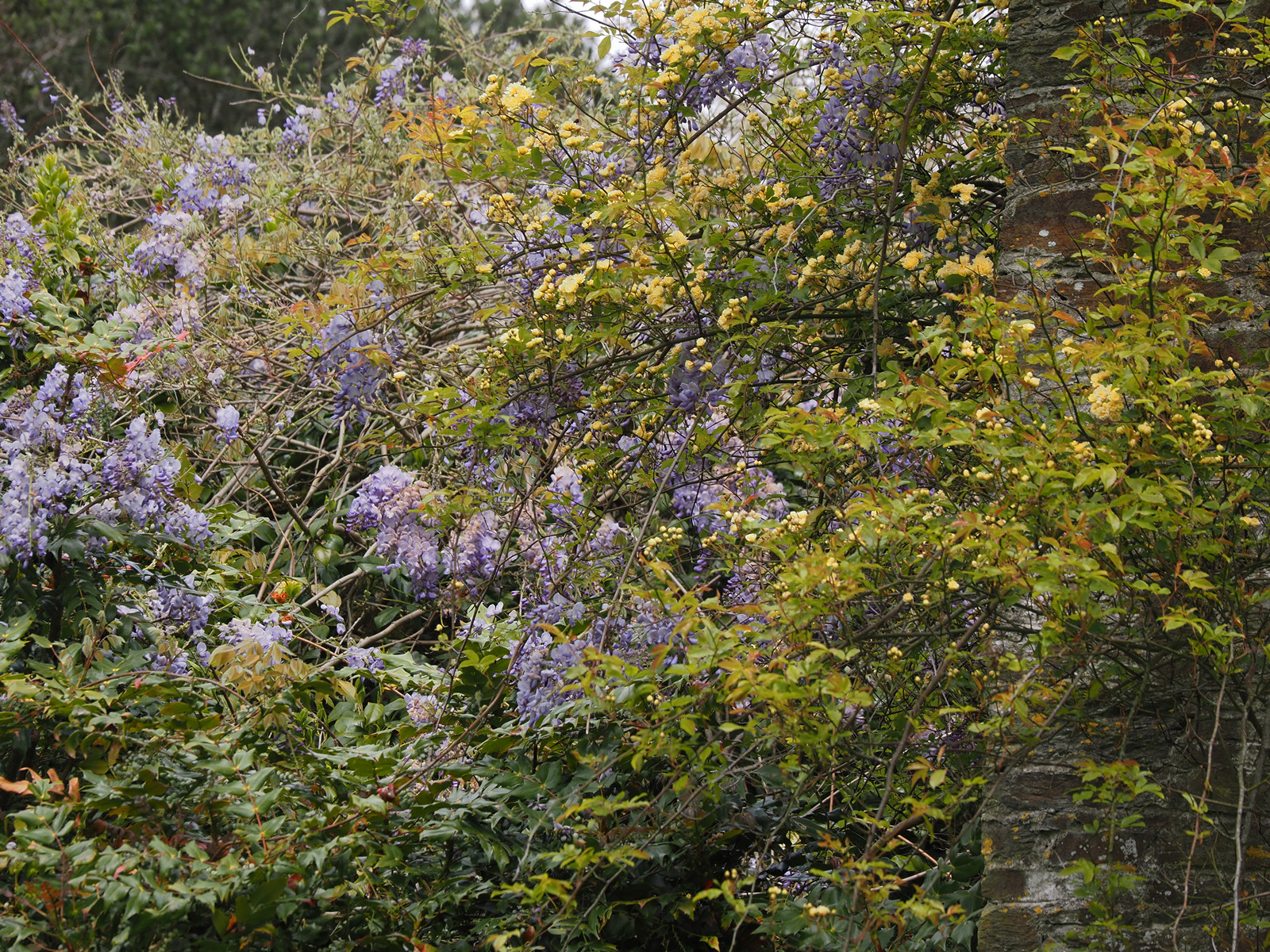
Wisteria sinensis and Rosa banksiae ‘Lutea’ on the wall below the Playhouse.
Wisteria sinensis
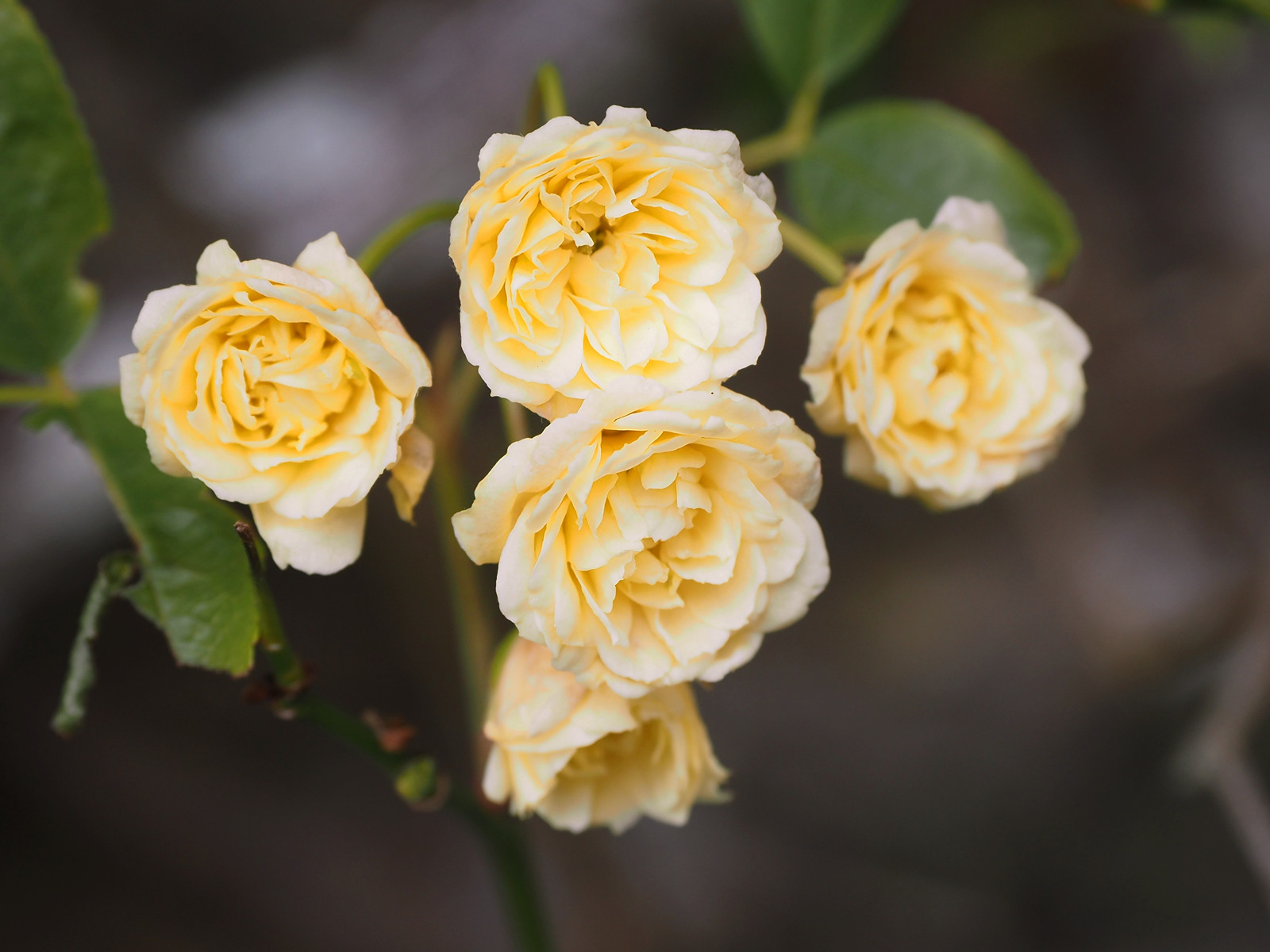
A closeup of Rosa banksiae ‘Lutea’; my mother’s favourite rose. Most of the flowers are 20ft up.
Rosa banksiae ‘Lutea’
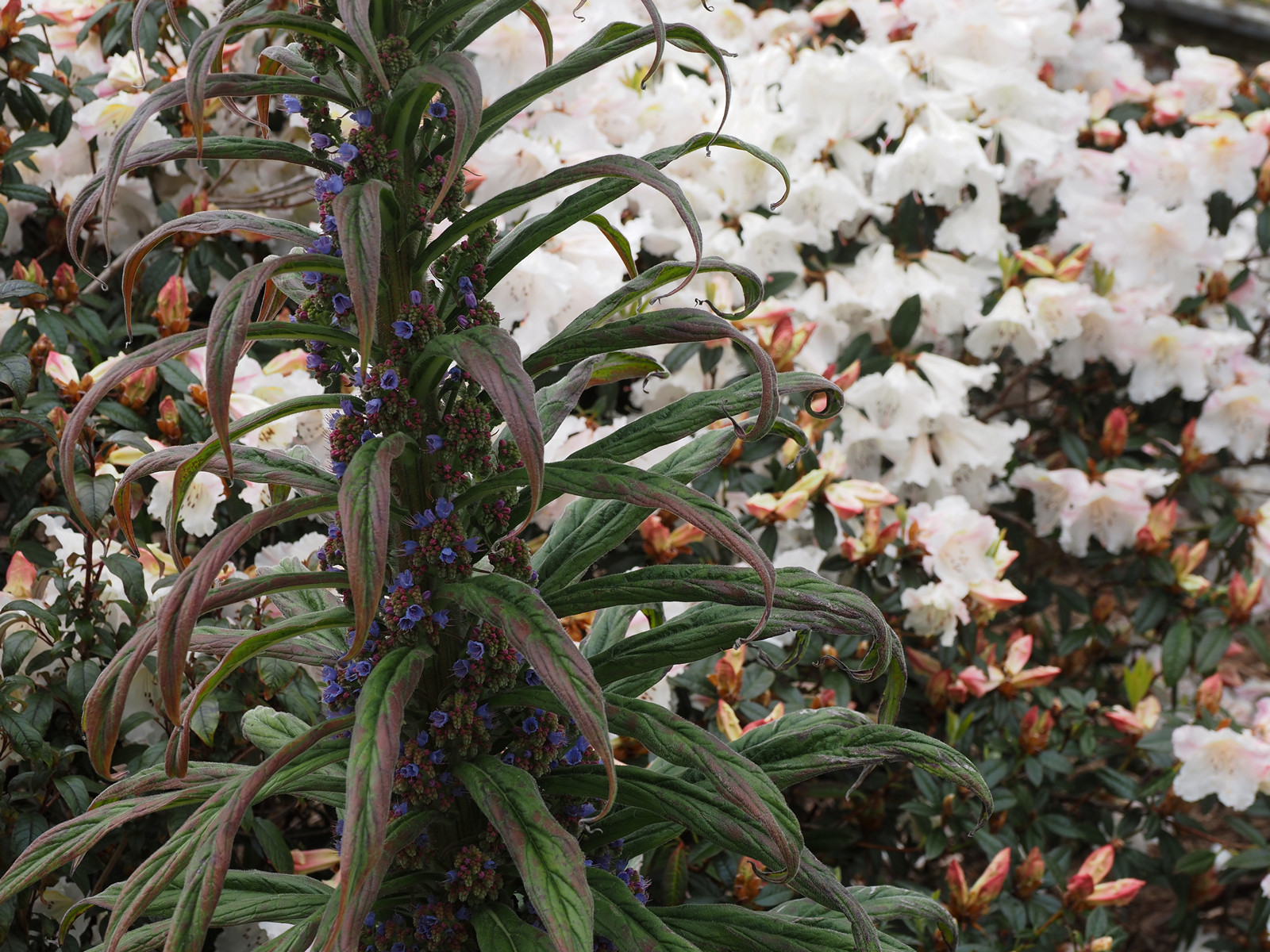
Echium pininana and Rhododendron ‘Fragrantissimum’ – both full out.
Echium pininana
Rhododendron ‘Patty Bee’ in the Rockery.
Rhododendron ‘Patty Bee’
Vaccinum urceolatum in flower.
Vaccinum urceolatum
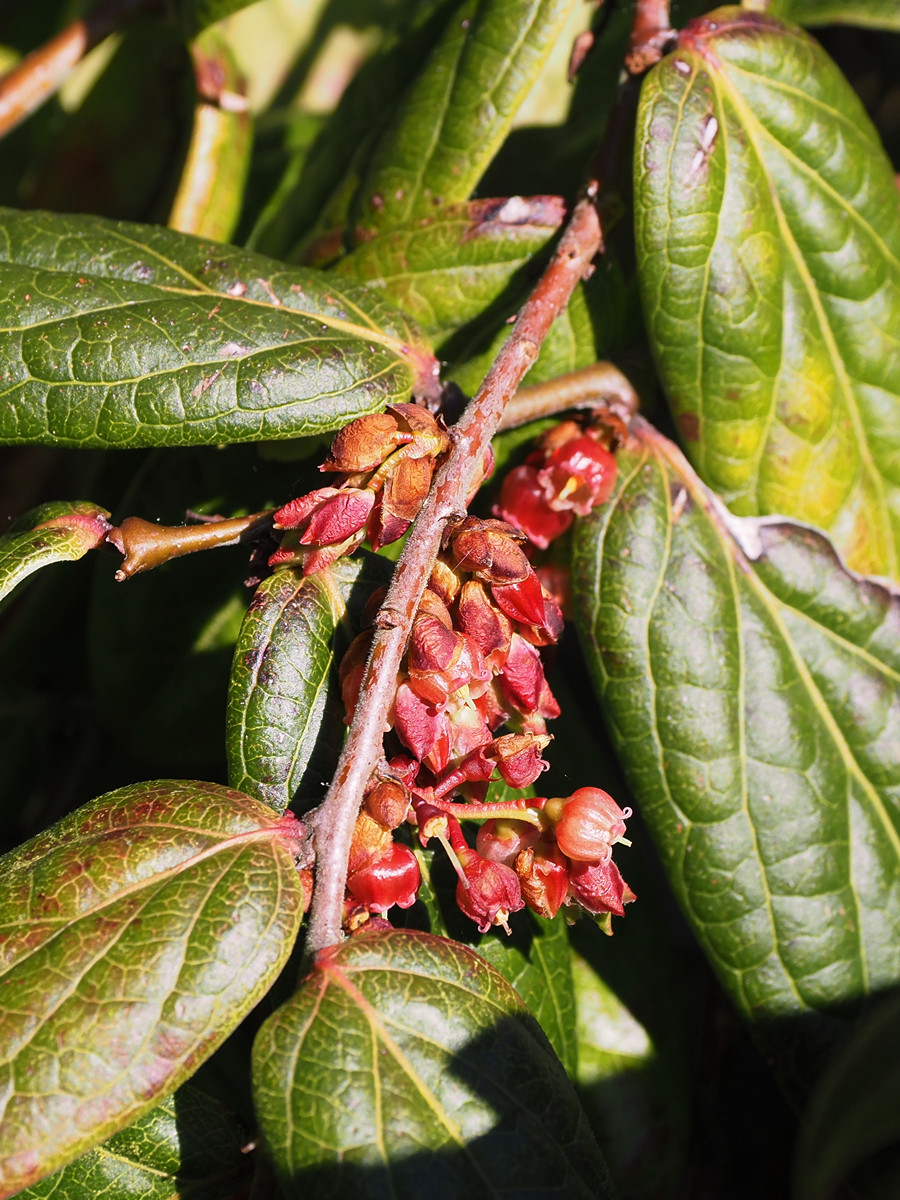
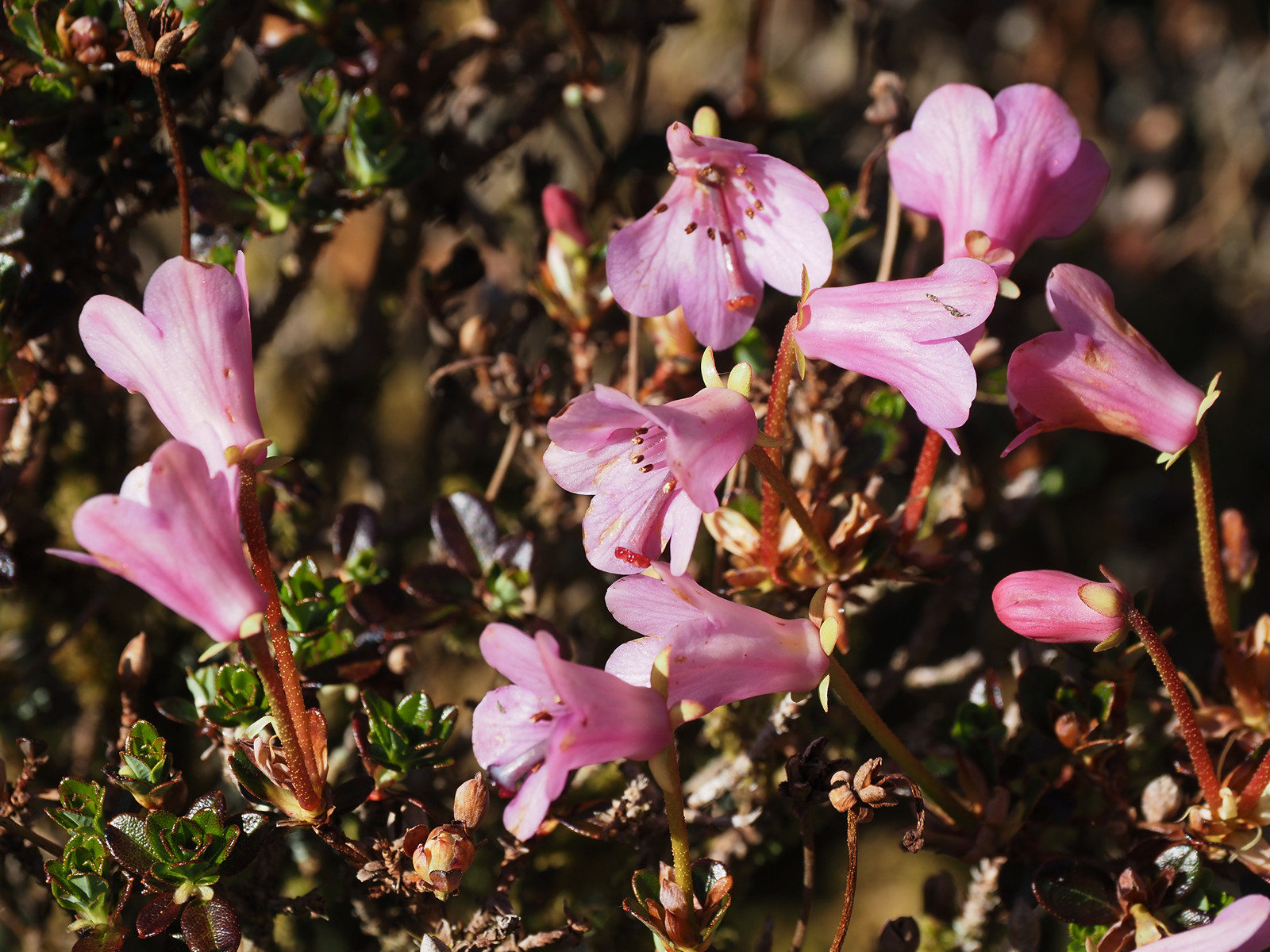
Surprisingly the Rhododendron campylogynum has sprung back into life (one flower in January).
Rhododendron campylogynum
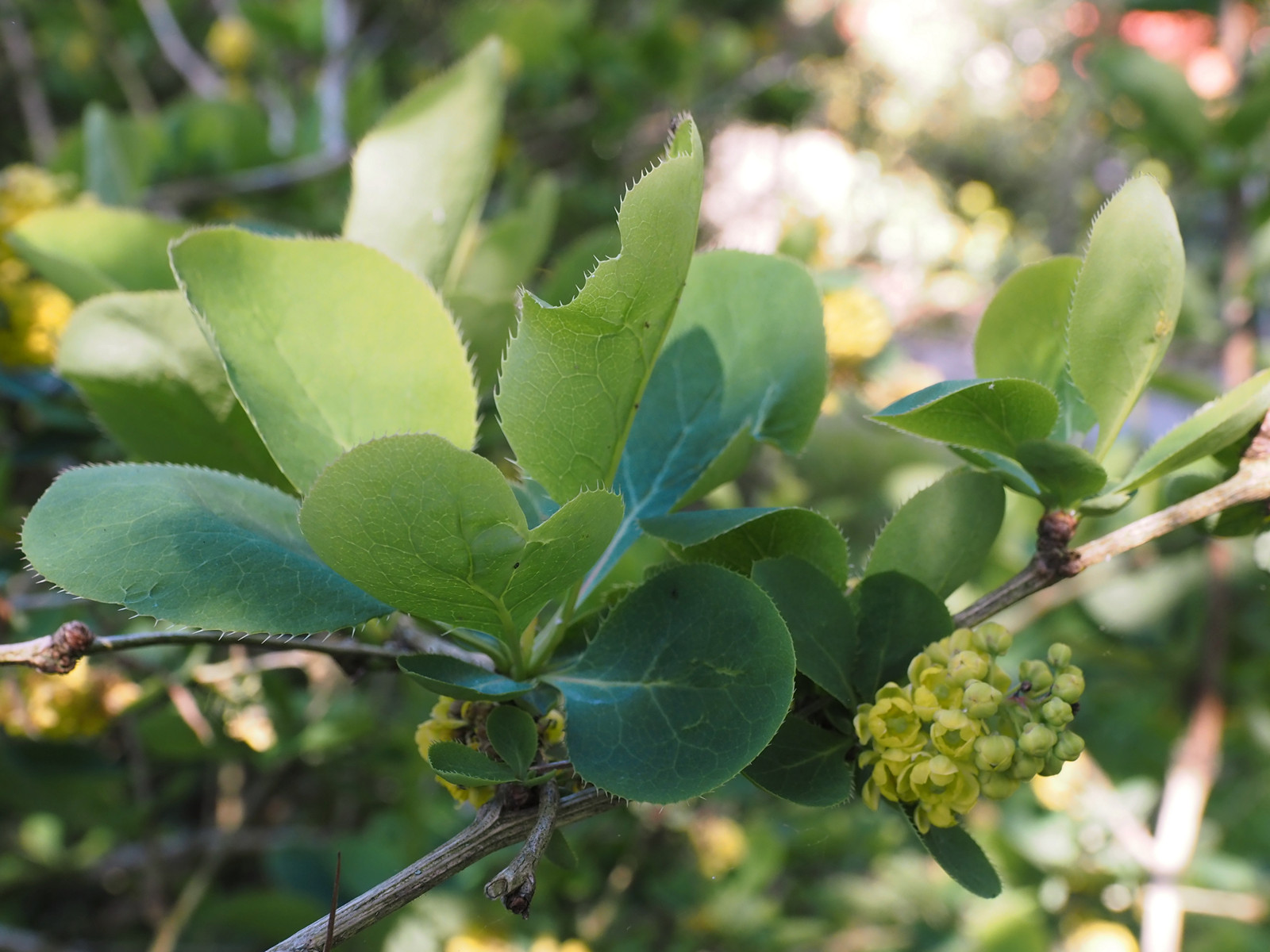
Berberis amurensis var. latifolia (BSWJ 8539) was only planted in 2011 but it is already 12’ x 12’. Attractive in new growth and flowers.
Berberis amurensis var. latifolia
Rhododendron neriiflorum nicely out.
Rhododendron neeriflorum
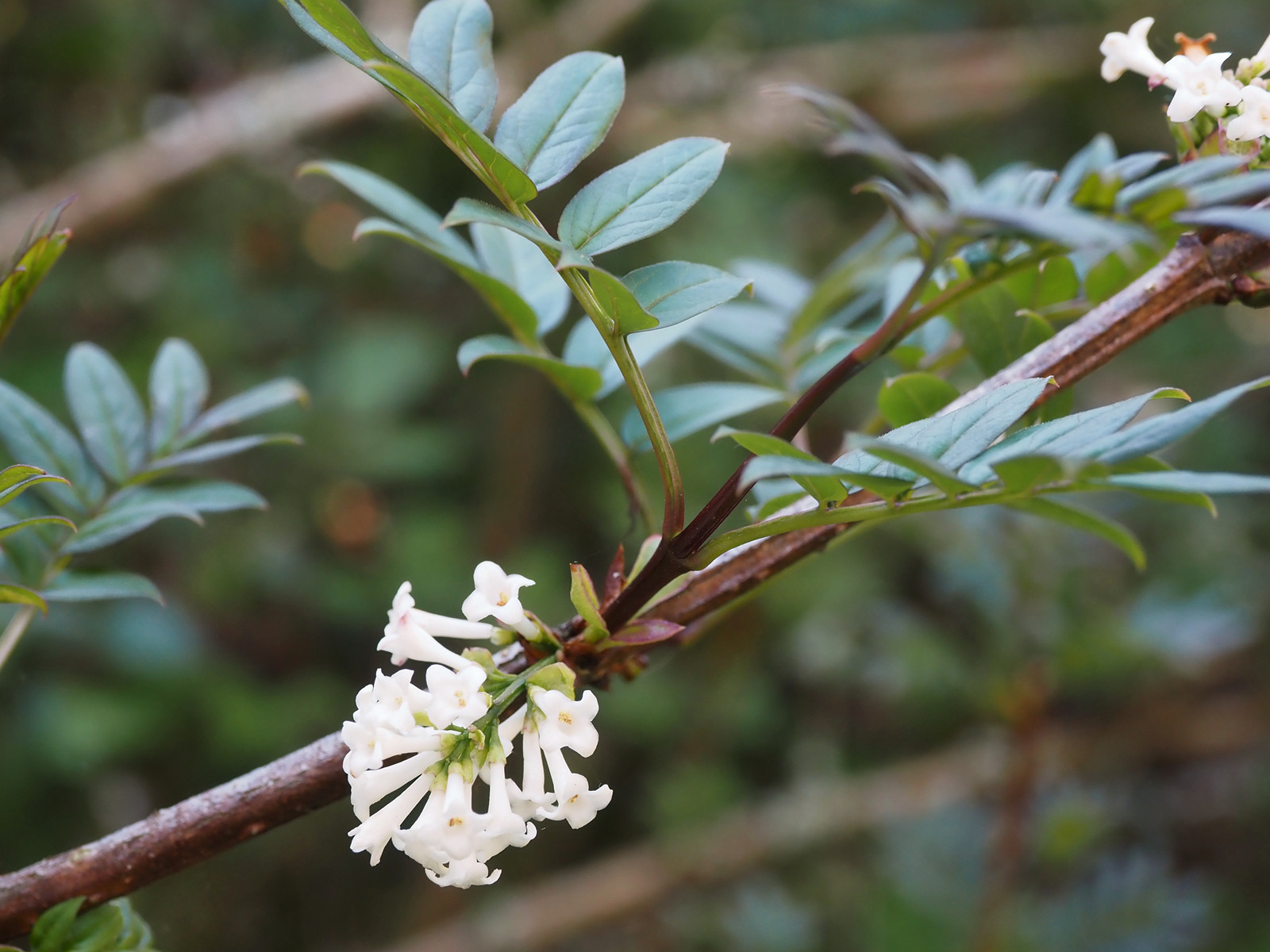
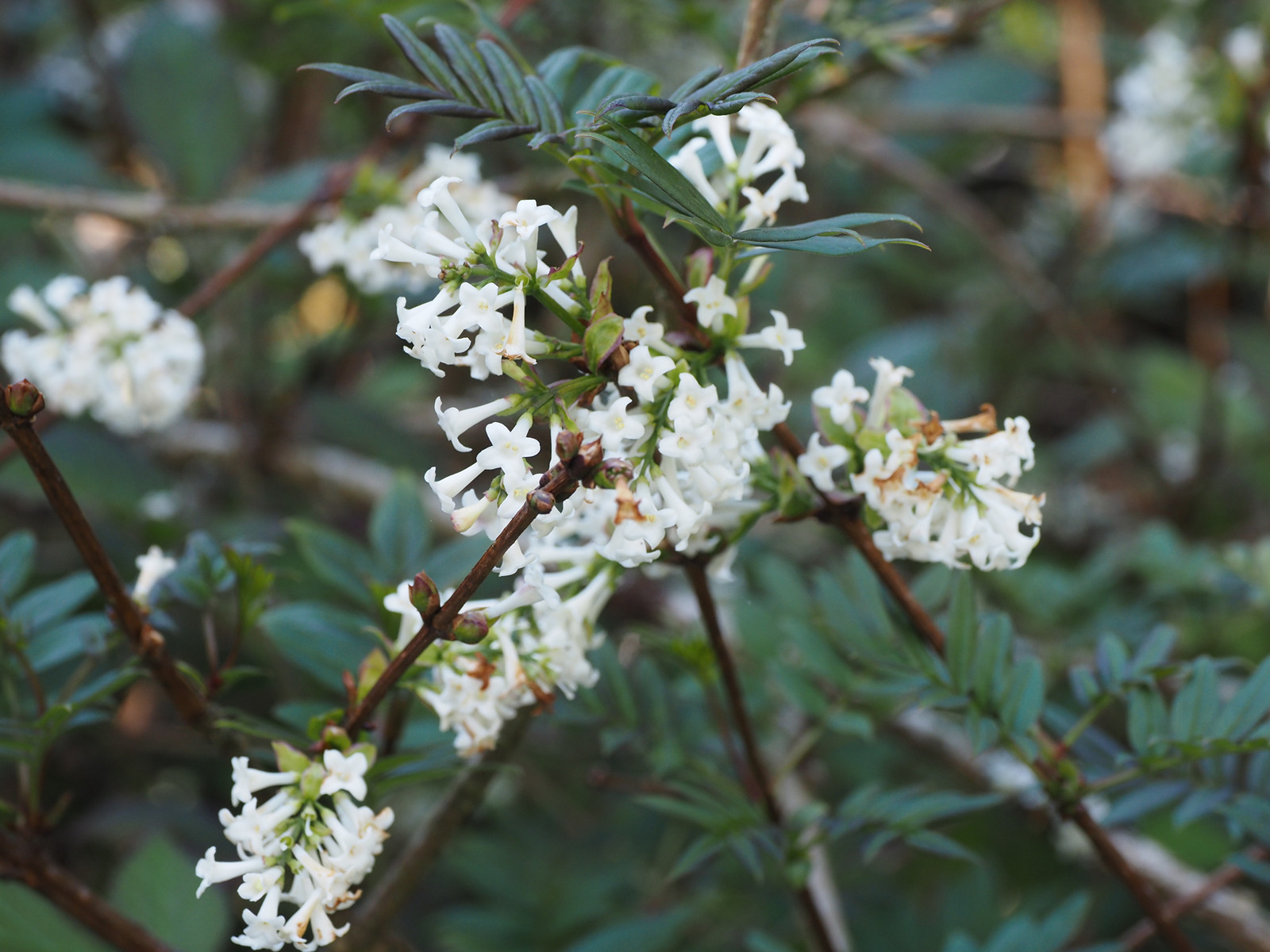
Syringa pinnata hiding away its white flowers.
Syringa pinnataSyringa pinnata
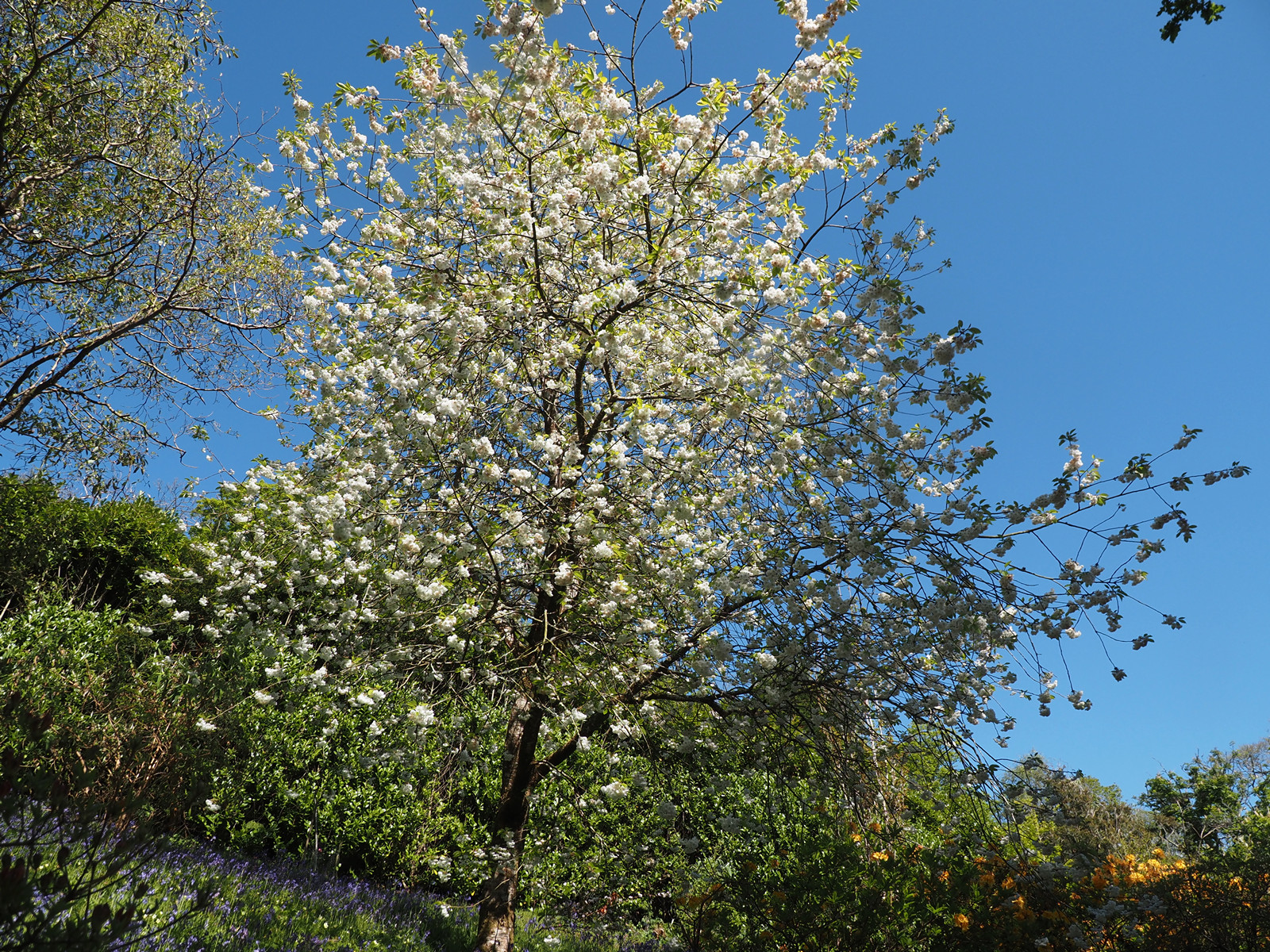
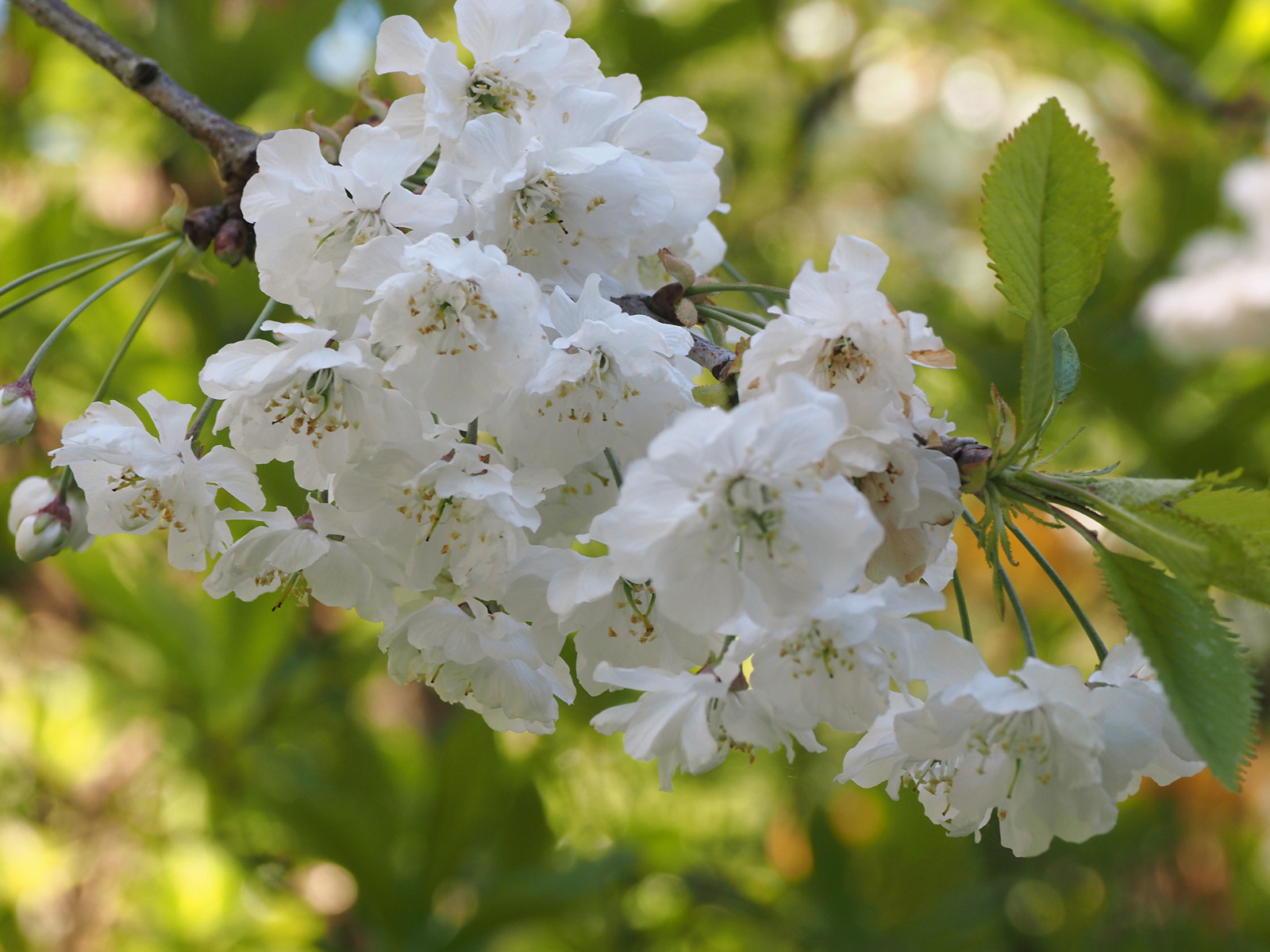
This cherry above the Four in Hand was bought from Hillier’s 35 to 40 years ago. I try to identify it and the closest I get in Wybe Kuitert’s book on Japanese cherries is Prunus serrulata ‘Albo Plena’. The other possibles with double flowers have pink in their buds and early flowers. This one does not.
This website uses cookies to improve your experience. We'll assume you're ok with this, but you can opt-out if you wish.AcceptRead More
Privacy & Cookies Policy
Privacy Overview
This website uses cookies to improve your experience while you navigate through the website. Out of these, the cookies that are categorized as necessary are stored on your browser as they are essential for the working of basic functionalities of the website. We also use third-party cookies that help us analyze and understand how you use this website. These cookies will be stored in your browser only with your consent. You also have the option to opt-out of these cookies. But opting out of some of these cookies may affect your browsing experience.
Necessary cookies are absolutely essential for the website to function properly. This category only includes cookies that ensures basic functionalities and security features of the website. These cookies do not store any personal information.
Any cookies that may not be particularly necessary for the website to function and is used specifically to collect user personal data via analytics, ads, other embedded contents are termed as non-necessary cookies. It is mandatory to procure user consent prior to running these cookies on your website.